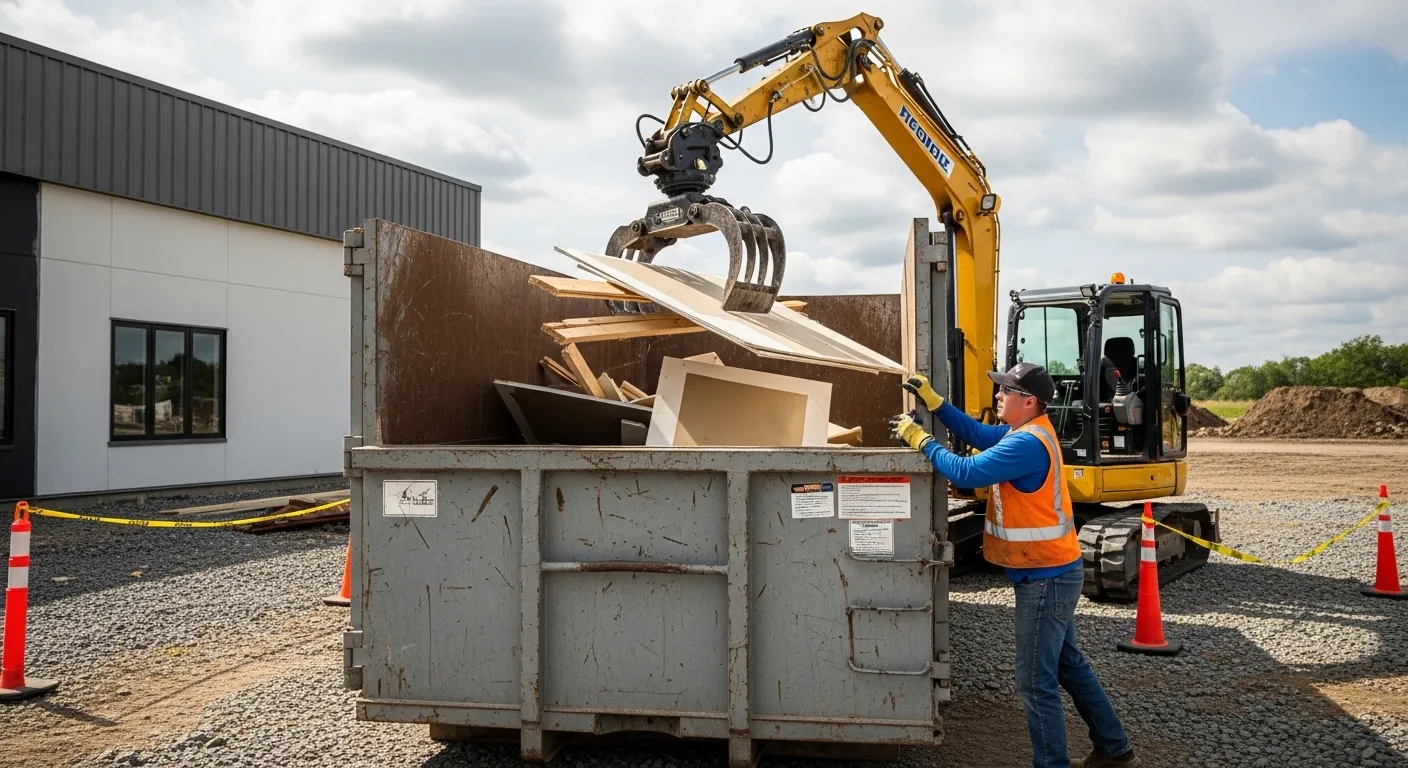
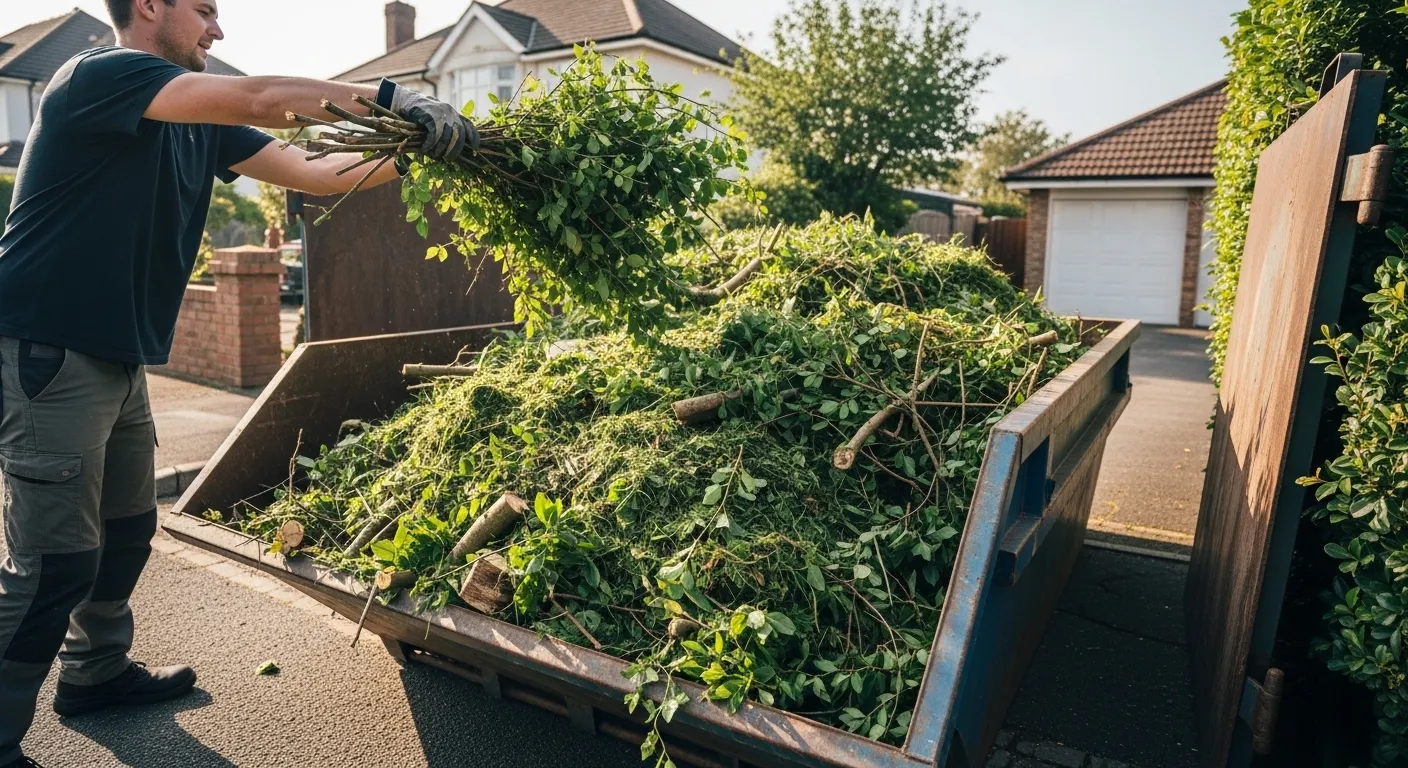
Choosing the right dumpster size is one of the most important steps when planning any cleanup, renovation, or construction project in Montana.
The container you select affects how smoothly your work progresses, how much you spend, and how often you need pickups. Montana properties vary widely, from city neighborhoods to large rural lots, which means debris can build up quickly.
When the dumpster fits the job, waste moves steadily, the site stays clean, and the project continues without interruptions. This guide explains each dumpster size and helps you match the right one to your project.
Why Dumpster Size Matters for Montana Projects?
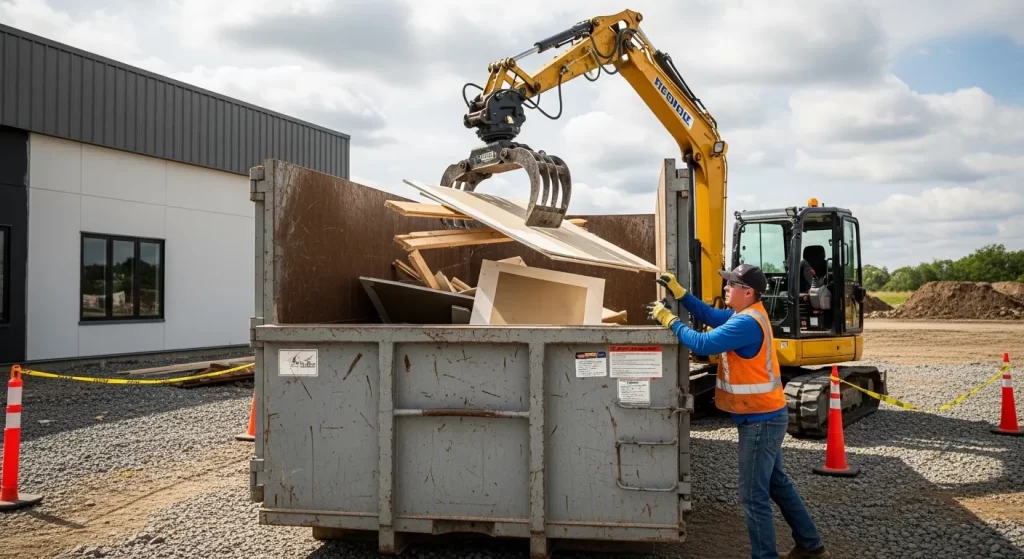
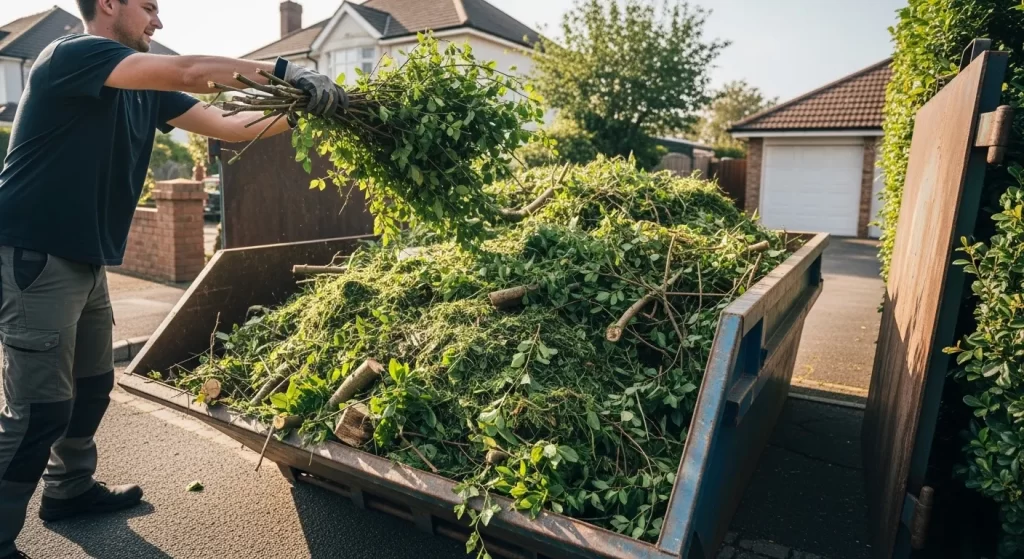
Montana jobs often involve mixed debris such as lumber, roofing, soil, metal, siding, and bulky household items. A container that is too small fills up fast and leads to extra hauls, while an oversized one may cost more than needed.
Waste rules vary by county, and disposal sites watch closely for overloaded containers. Choosing the right size helps you stay within local guidelines and keeps your timeline steady.
A properly sized container lets crews focus on the job instead of stopping to manage debris buildup.
Common Dumpster Sizes Available in Montana
Most haulers across Montana provide several standard dumpster sizes: 10-yard, 15-yard, 20-yard, 30-yard, and 40-yard containers. Each size supports different types of debris and project scopes.
Smaller sizes work well for focused residential tasks, while larger ones are built for major renovations or construction.
Knowing these options helps you compare capacity and choose a container that suits the space on your property and the amount of debris your project will produce.
1. 10-Yard Dumpster for Small or Focused Projects
A 10-yard dumpster is ideal for jobs with limited debris. It suits bathroom updates, minor roofing repairs, seasonal cleaning, and clearing out small rooms.
Many Montana homeowners choose this size when driveway space is tight or when access is limited. It works well for light renovation waste, small landscaping loads, and simple workshop cleanup.
If your debris amount resembles a large pickup truck load, the 10-yard size usually fits the job.
2. 15-Yard Dumpster for Medium Residential Work
A 15-yard dumpster offers more space without becoming hard to place on residential properties. It works well for flooring removal, small room remodels, light furniture disposal, and rental unit cleanouts.
Many Montana landlords and homeowners use this size for projects that require more capacity than a basic cleanup but do not reach full-scale renovation levels.
It offers enough room to maintain a steady workflow without overwhelming your property layout.
3. 20-Yard Dumpster for Larger Home Projects
A 20-yard dumpster is one of the most commonly used sizes across Montana. It suits kitchen remodels, bathroom renovations, carpet removal, siding projects, and bulky household waste.
This size also works for small deck removals and general home upgrades. Because Montana homes often undergo seasonal improvements, the 20-yard container fits many mid-sized projects.
It provides enough room to organize debris without running out of space too quickly.
3. 30-Yard Dumpster for Large Renovations and Construction
A 30-yard dumpster is designed for heavy debris and larger projects. It is used for full home renovations, estate cleanouts, barn tear-downs, and construction work.
It holds lumber, drywall, framing material, and demolition debris with room to spare. Many Montana sites include outbuildings and older structures, making the 30-yard container useful for handling large quantities of mixed waste.
When a 20-yard feels too small, this size usually offers the capacity needed.
4. 40-Yard Dumpster for Major Projects and High Debris Output
A 40-yard dumpster is the largest standard option available. It suits commercial renovations, multi-building cleanup, industrial work, and land clearing.
This size handles bulky demolition material, large beams, roofing debris, and heavy waste output without requiring frequent swaps.
Large rural Montana properties benefit from this size because it reduces the need for repeated hauls during long-distance waste transport. When your project has high debris volume or runs for an extended period, a 40-yard container keeps the workflow steady.
How to Estimate the Right Size for Your Montana Project?
The best way to select a dumpster is to estimate the total volume of waste your project will create. Think about furniture, lumber, appliances, roofing shingles, soil, and yard waste.
Consider how these items stack when broken down or piled together. Outdoor debris, which is common in Montana, can take more space than expected because it does not compress easily.
If you find yourself choosing between two sizes, selecting the larger one usually prevents the need for an extra pickup. This approach saves time and keeps your project moving.
Special Considerations for Montana Conditions
Montana’s terrain and weather influence how dumpsters are placed and used. Snow, wind, uneven ground, and long access roads can affect container delivery.
Rural communities may require flexible scheduling due to distance between disposal sites. Weight limits in some regions change seasonally to protect public roads. Projects near lakes, rivers, or wooded areas may have guidelines for soil, natural debris, or vegetation disposal.
Knowing these details ahead of time helps you choose a dumpster that works well throughout the project, regardless of weather or terrain shifts.
Common Mistakes People Make When Choosing a Dumpster
A common mistake is underestimating how much debris a project creates. When walls, flooring, fixtures, and old materials are removed, waste increases quickly.
Another mistake occurs when people overlook weight limits, which leads to extra charges at the disposal site. Some forget to check driveway or property access, which determines the maximum container size that can be delivered.
Others fail to consider how mixed debris settles in the dumpster, affecting how much space remains. Avoiding these mistakes ensures the project runs without interruption.
Tips for Making the Most of Dumpster Space
You can maximize space by breaking down items before placing them inside. Remove legs from furniture, flatten boxes, and cut long boards if allowed.
Pack heavier debris at the bottom and fill open areas with lighter material. Distribute debris evenly so it settles instead of forming piles that rise above the fill line.
Staying below the container’s limit also supports safe transport and remains compliant with Montana hauling rules. When debris is placed with intention, you can fit more material without overcrowding.
When You Should Consider a Larger Dumpster?
Upgrading to a larger size makes sense when your project involves bulky debris, multiple phases, or long timelines. Large cleanup jobs often reveal more waste than expected, especially in older Montana properties.
Unpredictable weather can also affect scheduling, so having ample space helps maintain steady progress even when plans shift.
If you feel unsure about the amount of debris your project will produce, choosing the next size up offers peace of mind and reduces the chance of interruptions.
Final Thoughts
Choosing the right dumpster size for your project in Montana depends on understanding the debris volume, property layout, and type of work you plan to complete.
Whether you are cleaning out a shed, renovating your home, or managing a construction site, the correct container supports your budget and keeps your project organized.
When you match your needs with the right size, cleanup becomes efficient, predictable, and easy to manage from start to finish.
Also Read: What to Do With Construction Debris After DIY Projects?