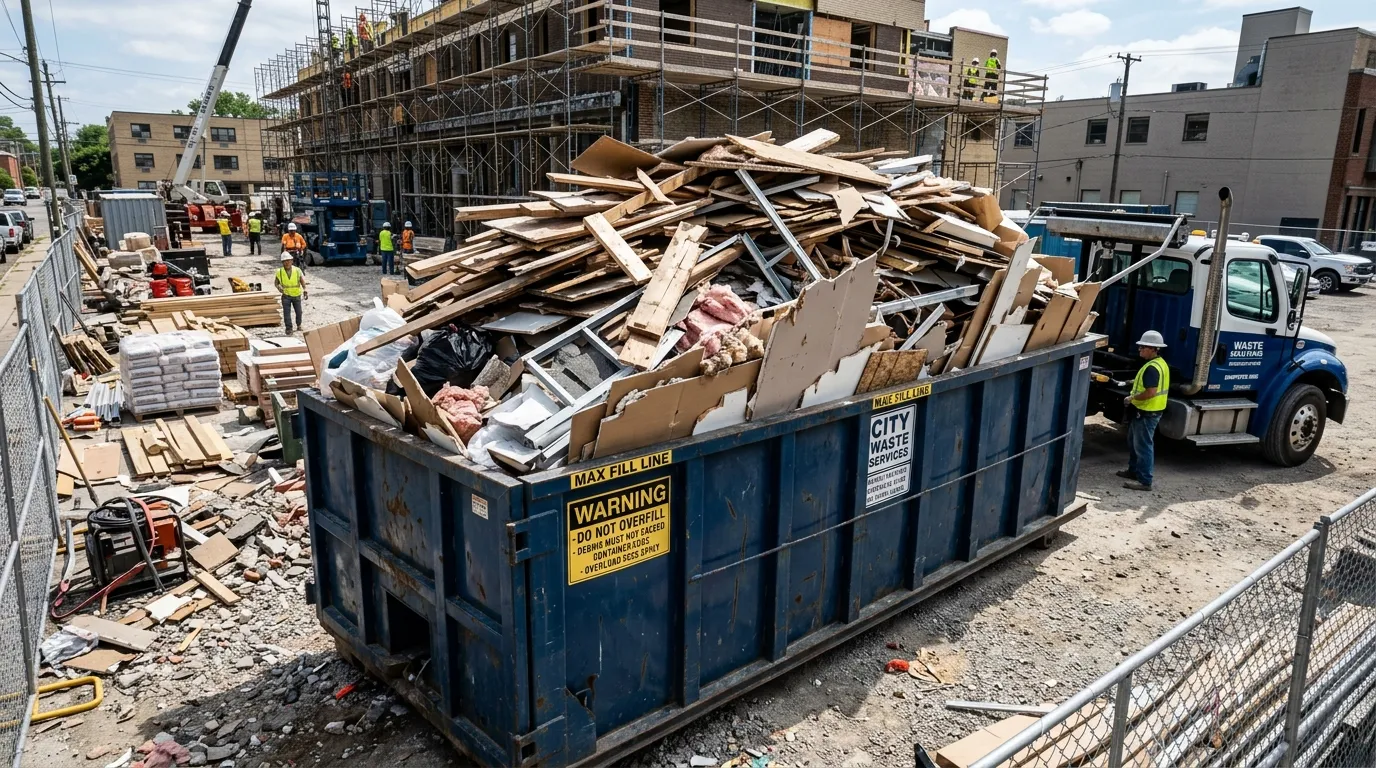
Roofing projects create more waste than most people expect. Old shingles, nails, wood, and debris pile up fast, and without a plan, the site becomes messy and unsafe. I’ve seen projects slow down just because waste was not managed properly. Renting a dumpster at the right time keeps everything organized and helps the job move without delays.
Why Dumpster Rental Is Important For Roofing Projects?
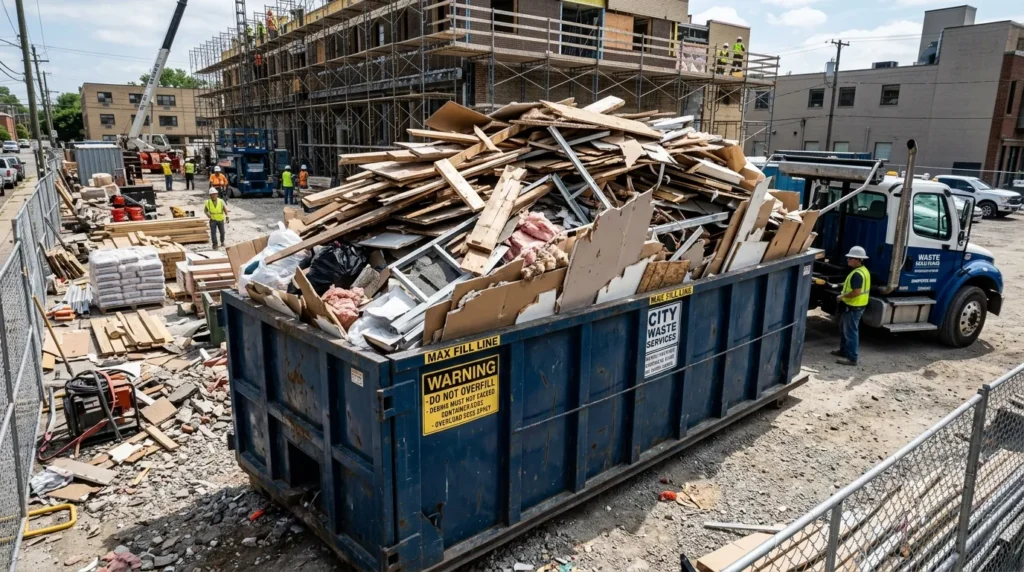
Roofing work produces heavy and sharp waste that cannot be handled like regular trash. A proper dumpster keeps debris contained and reduces the risk of injuries on site. It also makes cleanup faster and keeps the work area clear. Having a dedicated waste solution helps both workers and property owners stay stress-free during the project.
What Size Dumpster Do You Need?
Choosing the right dumpster size depends on the size of your roof and the type of material being removed. Smaller projects may need a 10-yard dumpster, while larger homes often require 20 or 30 yards. Picking the wrong size can lead to extra costs or delays. It is always better to estimate slightly higher to avoid overflow issues.
Types Of Roofing Waste You Can Dispose
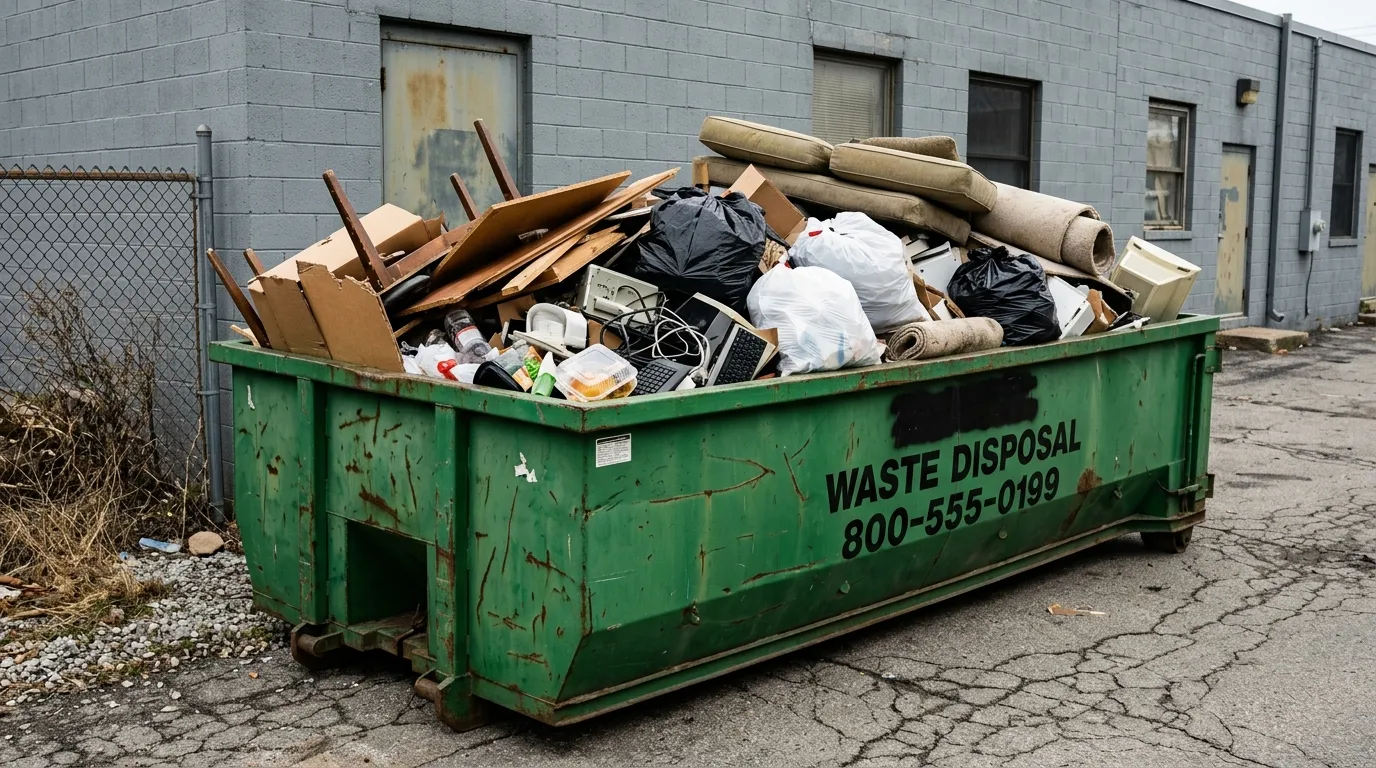
Most roofing dumpsters accept materials like asphalt shingles, tiles, wood, and underlayment. Some may also allow metal roofing and small construction debris. However, hazardous materials are usually not allowed and require special handling. Knowing what can and cannot go into the dumpster helps you avoid fines and complications.
When Should You Schedule A Dumpster Rental?
Timing plays a big role in keeping your project smooth. The dumpster should arrive before the roofing work begins so waste can be managed from the start. Delaying delivery can lead to clutter and slow progress. Planning the pickup after project completion ensures everything is cleared without extra rental days.
Cost Of Dumpster Rental For Roofing Projects
The cost depends on dumpster size, rental duration, and location. Prices may also change based on the type and weight of the waste. Some companies include delivery and pickup in the total cost, while others charge separately. Getting clear pricing details upfront helps you avoid unexpected expenses.
Safety Tips When Using A Dumpster
Safety should always be a priority during roofing work. Workers should wear gloves and avoid overloading the dumpster. Sharp objects like nails should be handled carefully to prevent injuries. Keeping the dumpster placed on a stable surface also reduces the risk of accidents.
How To Choose The Right Dumpster Rental Company
Selecting a reliable company makes a big difference in your project experience. Look for companies with good reviews, clear pricing, and flexible rental options. A professional provider will guide you on size and placement. Good customer support ensures quick help if any issue comes up during the rental period.
Common Mistakes To Avoid
One common mistake is underestimating the amount of waste, which leads to needing a second dumpster. Another is placing the dumpster in an inconvenient location that slows down work. Ignoring weight limits can also result in extra charges. Planning ahead helps you avoid these problems and keeps your project on track.
Conclusion
Dumpster rental is a key part of any roofing project, even though many people overlook it. From personal experience, having the right setup saves time, reduces stress, and keeps the site safe. A well-planned waste solution allows you to focus on the roofing work without constant interruptions.
Also Read: Weekend Vs Weekly Dumpster Rentals: Which Is Better?