Renting a dumpster is one of the easiest ways to manage large amounts of waste from projects like home renovations, moving, roofing, landscaping, or construction jobs. But one of the most common questions customers ask before booking is:
“How long can I keep a dumpster rental?”
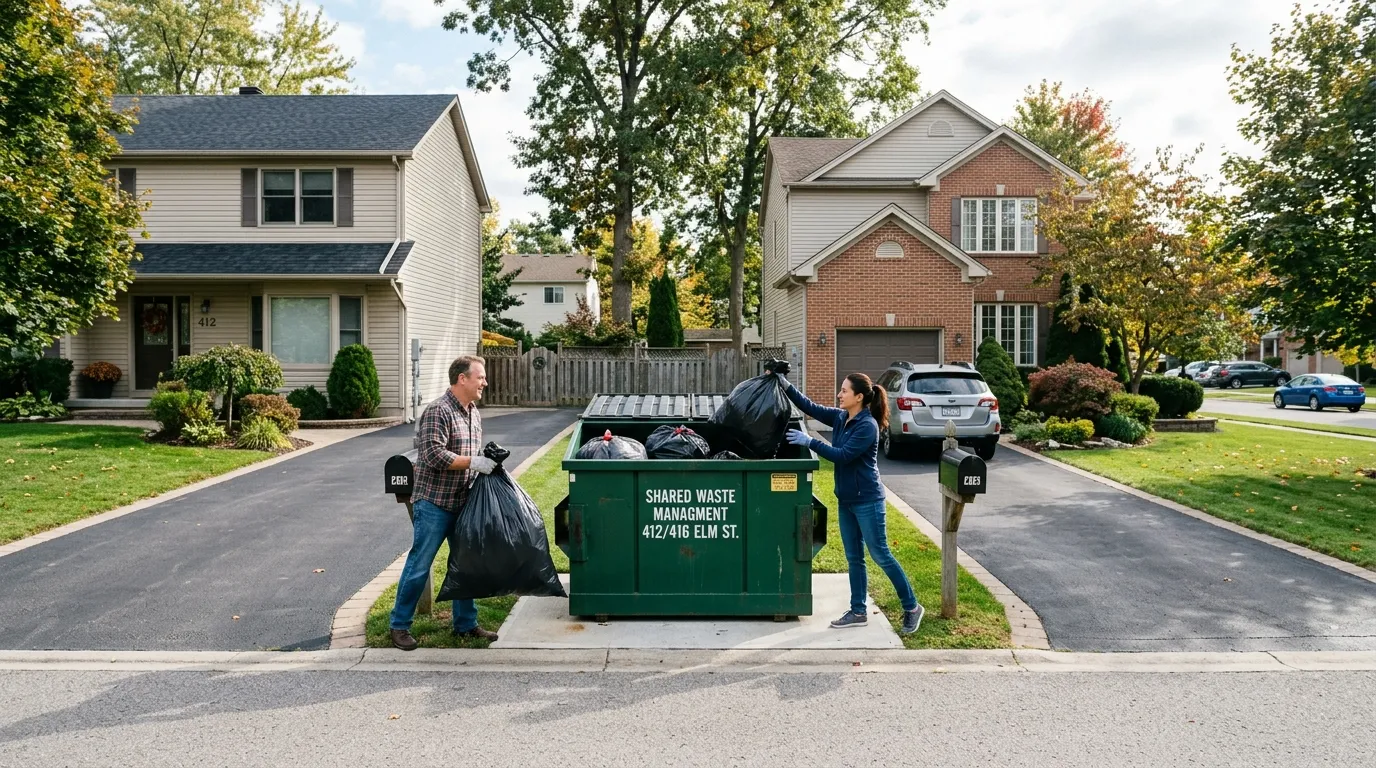
The answer depends on the rental company, the size of the project, and your specific agreement. Most dumpster rentals include a standard period of 7–10 days, but you can often extend it for an additional fee. Some providers even offer daily, weekly, or monthly options.
This guide will cover everything you need to know about dumpster rental periods, extension policies, and tips to get the most out of your rental time without overspending.
Why Rental Duration Matters?
When you rent a dumpster, you’re paying not just for the container but also for the company’s time, equipment, and landfill fees. How long you keep the dumpster directly impacts:
- Your total cost (extensions may add fees)
- Scheduling (dumpsters are in demand and may be booked for other customers)
- Project efficiency (having the dumpster onsite keeps your job on track)
Understanding the typical rental duration helps you budget correctly and avoid last-minute surprises.
Standard Dumpster Rental Periods
Most companies structure their rental periods into three main categories:
1. Short-Term Rentals (1–3 Days)
- Ideal for quick projects like:
- Garage cleanouts
- Small remodeling tasks
- Yard cleanups
- Some companies even offer same-day or 24-hour rentals.
- Pricing is usually flat-rate for the period, with no discount for shorter use.
2. Standard Rentals (7–10 Days)
- The most common rental period.
- Perfect for medium projects like:
- Home renovations
- Roofing projects
- Large cleanouts
- This timeframe gives homeowners and contractors enough flexibility without tying up the dumpster too long.
3. Extended Rentals (2 Weeks to a Month or More)
- Often used for:
- Long construction projects
- Major renovations
- Commercial cleanups
- Typically billed at a weekly or monthly rate.
- Some companies allow ongoing rentals with automatic billing until the project ends.
How Long Can You Actually Keep a Dumpster?
The truth is: you can keep it as long as you need—if you’re willing to pay for extensions.
What rental companies allow:
- Included rental time: 7–10 days is standard.
- Extensions: $10–$25 per extra day (sometimes $100–$300 per extra week).
- Maximum rental time: Many providers cap at 30 days, after which they require pickup and re-rental.
Example scenario:
- You rent a 20-yard dumpster for $400 with a 10-day period.
- Your project takes 14 days.
- Extension cost is $20 per day × 4 days = $80 extra.
- Total cost: $480.
Factors That Affect How Long You Can Keep a Dumpster
The rental period isn’t the same everywhere. It depends on:
1. The Company’s Policy
Each provider has its own rules. National chains may be stricter with time limits, while local haulers are often more flexible.
2. Your Project Type
- Short-term cleanouts: 1–3 days is usually enough.
- Renovations or construction: 7–14 days is typical.
- Commercial projects: May require month-long rentals.
3. Availability of Dumpsters
If dumpsters are in high demand (e.g., during spring cleaning season or after storms), companies may limit rental times so they can serve more customers.
4. Local Regulations
Some cities restrict how long a dumpster can sit on public property (like the street). Permits may only allow 3–7 days, regardless of what the rental company offers.
5. Your Budget
Extensions cost money. Keeping the dumpster longer than necessary can increase your bill.
What Happens If You Need More Time?
If you need to keep the dumpster beyond the agreed rental period, you have options:
- Call the Company to Extend
- Most companies allow extensions if the dumpster isn’t scheduled for another delivery.
- Daily or weekly extension fees apply.
- Swap Out Dumpsters
- If your project is ongoing and the dumpster is full, the company can pick up and replace it.
- You’ll pay another full rental fee, but it keeps your project moving.
- Re-Rent After Pickup
- Some projects allow for a break between stages. You can return the dumpster and rent again later when needed.
Why Not to Keep a Dumpster Too Long?
While extensions are available, keeping a dumpster longer than necessary has downsides:
- Higher costs: Extra days add up quickly.
- Property impact: Dumpsters can damage grass, driveways, or asphalt if left for weeks.
- City permits: Expired permits can lead to fines if the dumpster stays too long on public property.
- Scheduling conflicts: Companies may charge penalties if you hold up their next delivery.
Typical Dumpster Rental Period by Project
Here’s a breakdown of how long you might realistically need a dumpster:
- Garage or basement cleanout: 1–3 days
- Small bathroom remodel: 3–5 days
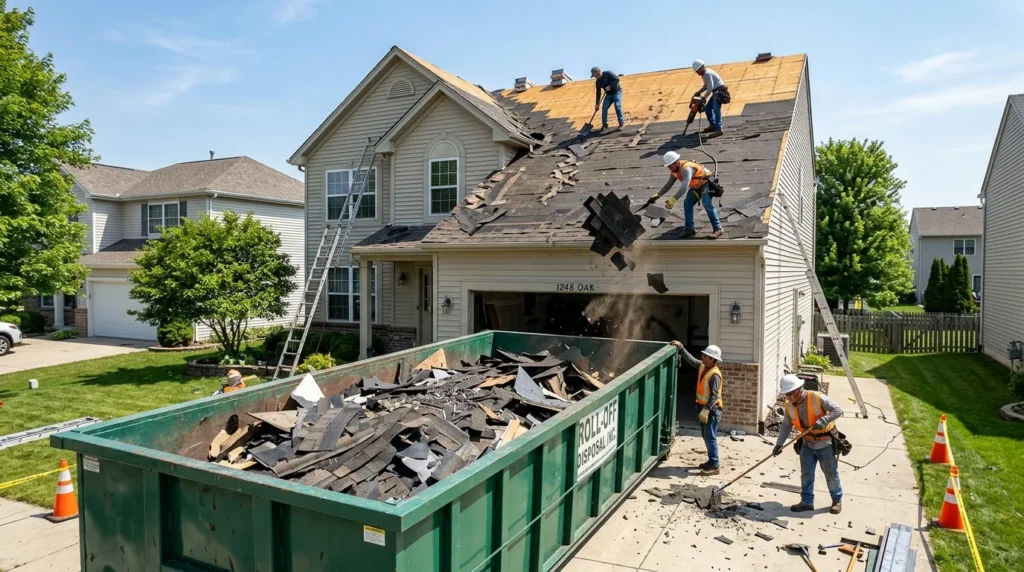
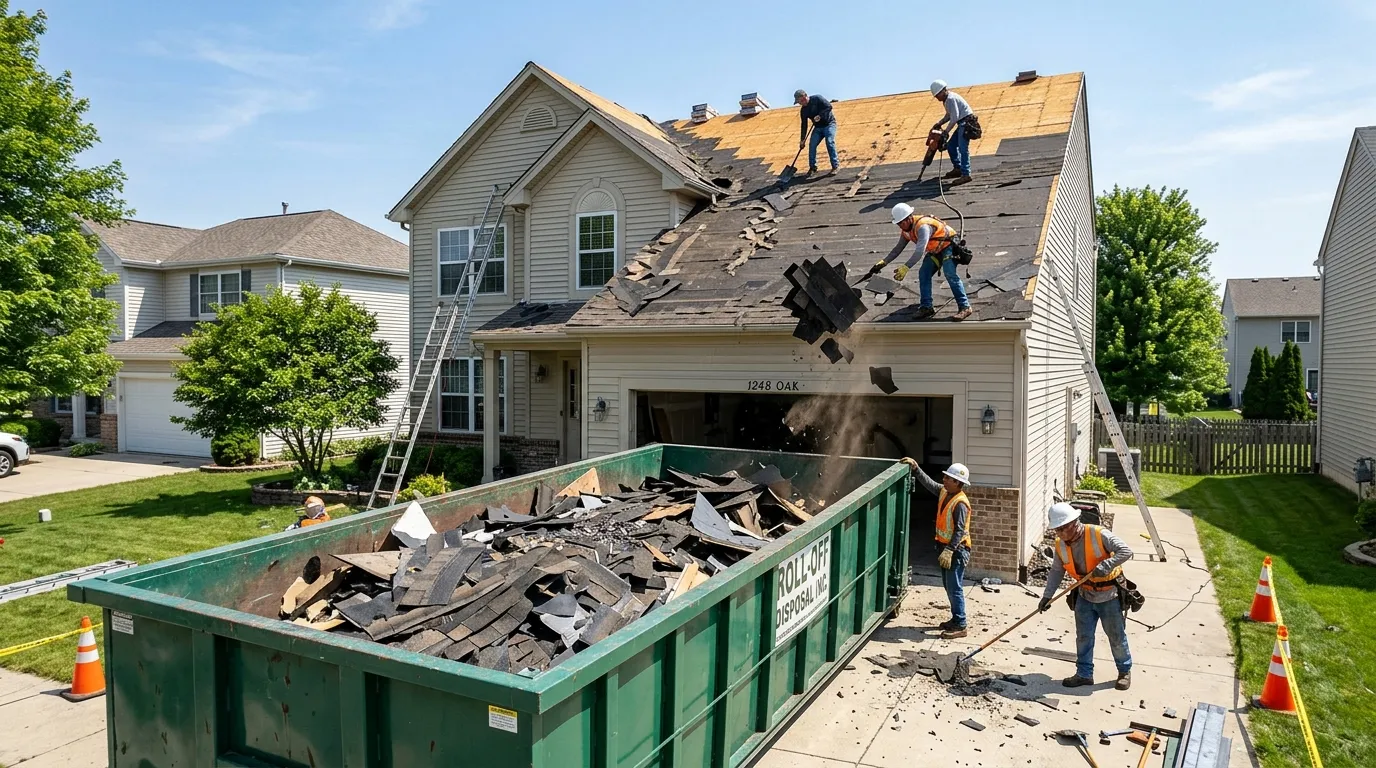
- Roof replacement (20–30 squares): 7 days
- Kitchen renovation: 7–10 days
- Whole-house renovation: 2–3 weeks
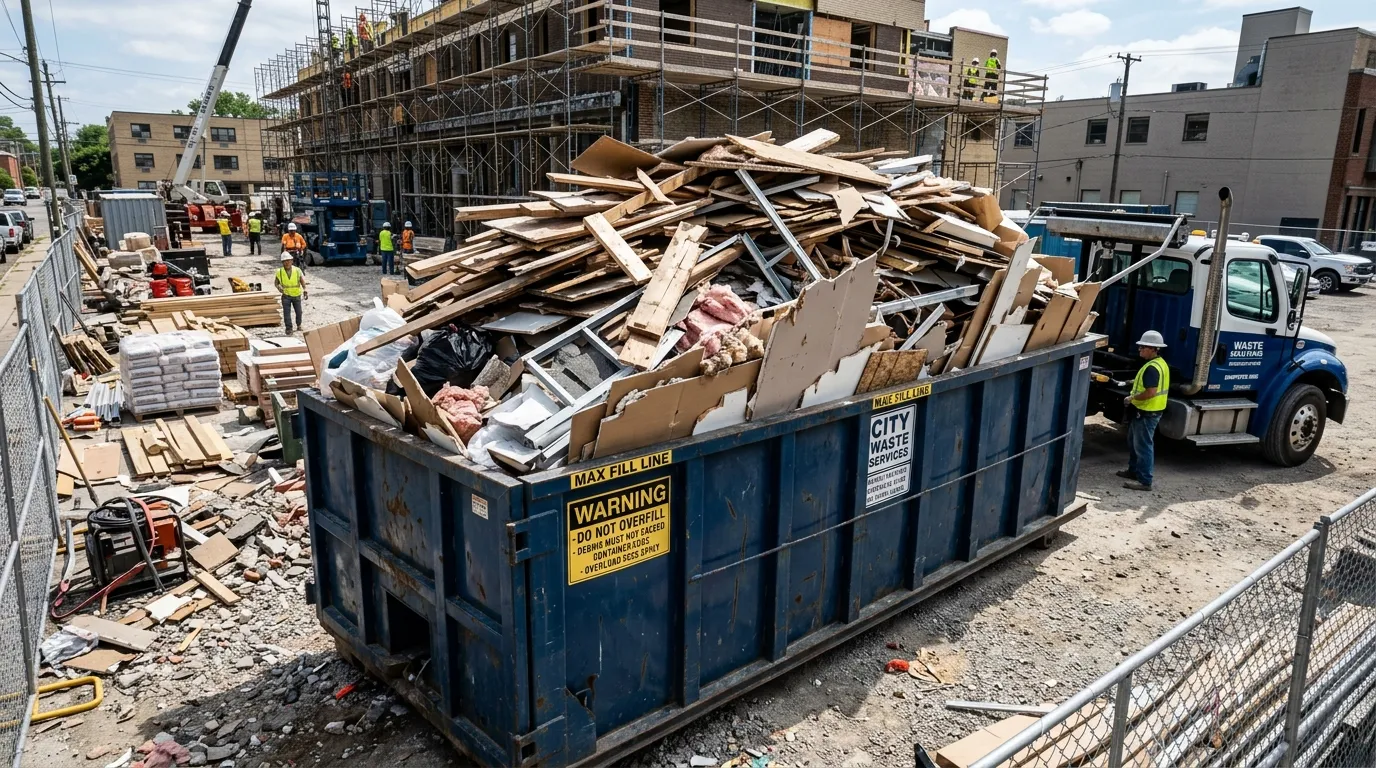
- New home construction: 1 month or more
This timeline helps you estimate how long to book upfront.
How to Estimate the Right Rental Period?
To avoid overpaying or rushing, follow these steps:
- Assess Your Project Size
- Small cleanout or one-room project? 3–5 days is enough.
- Multi-room or structural renovation? 1–2 weeks is safer.
- Consider Delivery and Pickup Flexibility
- Some companies let you request early pickup if you finish sooner.
- Others may offer grace periods of 1–2 days for free.
- Plan Your Schedule
- Align dumpster rental with project start dates.
- Avoid letting it sit empty before the work begins.
- Ask About Extensions Before Renting
- Know the cost per day or week if you need extra time.
- Get everything in writing to avoid disputes
Cost of Dumpster Extensions
Here’s a general idea of extension fees:
- Daily extension: $10–$25 per day
- Weekly extension: $50–$150 per week
- Monthly extension: $200–$500 per month
The exact fee depends on the size of the dumpster, your location, and company policy.
Local Regulations and Permits
If your dumpster is placed on private property (driveway or yard), you usually don’t need a permit. But if it’s on the street, alley, or sidewalk, many cities require a temporary permit.
- Permits often last 3–7 days.
- Extensions require reapplying and paying again.
- Fines can range from $50–$500 if you keep a dumpster longer than allowed.
Tip: Always check with your city or HOA before placing a dumpster on public property.
Tips to Make the Most of Your Rental Period
- Schedule Delivery Strategically
- Have the dumpster delivered the same day your project starts to maximize time.
- Load Efficiently
- Break down items, stack debris neatly, and avoid wasted space.
- A well-loaded dumpster may shorten your rental time.
- Sort Debris Beforehand
- If items are ready to go, you can fill the dumpster quickly instead of dragging out the project.
- Communicate with the Company
- Let them know if you expect delays or early pickup needs.
- Some companies offer flexible pickup windows.
Common Mistakes to Avoid
- Booking too early: Don’t have a dumpster delivered days before you start—it wastes rental time.
- Underestimating project duration: Always add 1–2 buffer days to your estimate.
- Ignoring permit limits: City fines can exceed extension fees.
- Forgetting pickup scheduling: Companies may require 24–48 hours’ notice for final pickup
Final Thoughts
So, how long can you keep a dumpster rental?
- Standard rentals last 7–10 days.
- Short-term rentals are available for 1–3 days.
- Long-term rentals can last weeks or months with extensions.
- The exact duration depends on company policy, project type, local permits, and your budget.
The key to avoiding extra costs is planning ahead—schedule delivery right when you start, know your project timeline, and clarify extension fees before renting.
With the right strategy, you’ll have enough time to finish your project without paying more than necessary.
Also Read: Does Dumpster Rental Include Disposal?