Firewood is a common fuel for heating homes, outdoor cooking, and fireplaces. Many buyers see the term cord of wood when purchasing firewood, but they often do not know what it means or how much it costs. A cord is a standard measurement used to sell stacked firewood.
The price of a cord of wood changes based on wood type, moisture level, location, and delivery cost. In many markets, hardwood firewood such as oak, maple, and birch costs more because it burns longer and produces higher heat. Softwood like pine usually costs less because it burns faster.
This guide explains the average price of a cord of wood, how a cord is measured, and what factors affect firewood cost.
Average Cost of a Cord of Firewood
The price of a cord of firewood depends on the region and the wood type. Across many markets in North America, the average price ranges between $250 and $400 per cord. The overall market range often falls between $150 and $500 depending on supply, species, and delivery costs.
Some common price ranges include:
- Oak firewood: $300 to $500 per cord
- Maple firewood: $300 to $450 per cord
- Birch firewood: $300 to $550 per cord
- Pine firewood: $150 to $300 per cord
Hardwood trees such as oak and maple grow slowly and produce dense wood fibers. Dense wood burns longer and releases more heat. Softwoods like pine ignite easily and help start fires quickly, but they burn faster and produce less heat.
Prices also change by location. Areas with cold winters and strong heating demand often see higher firewood prices. Regions with large forests often have lower prices because supply is easier to access.
What Is a Cord of Wood?
A cord of wood is the official unit used to measure stacked firewood. The measurement standard comes from the organization National Institute of Standards and Technology.
A full cord equals 128 cubic feet of tightly stacked firewood.
The standard stack dimensions are:
- 4 feet high
- 4 feet deep
- 8 feet long
When stacked in this shape, the pile forms a rectangular stack that equals 128 cubic feet of wood and air space between the logs. Firewood stacks always contain small gaps because round logs do not fit together perfectly.
Using a standard cord measurement allows buyers and sellers to trade firewood fairly and compare prices accurately.
Cord of Wood Size and Measurements
A full cord measures 4 feet high, 4 feet deep, and 8 feet long. The logs inside the stack usually measure about 16 inches long. This length fits inside most fireplaces and wood stoves.
A cord of wood usually contains about 700 to 900 logs, depending on the thickness of the pieces.
The weight of a cord can vary widely depending on moisture and wood species.
Fresh hardwood firewood may weigh 4,000 to 5,000 pounds, while seasoned dry wood often weighs 2,500 to 3,500 pounds.
Because water content changes the weight of wood, firewood is sold by volume rather than by weight.
What a Cord of Wood Looks Like?
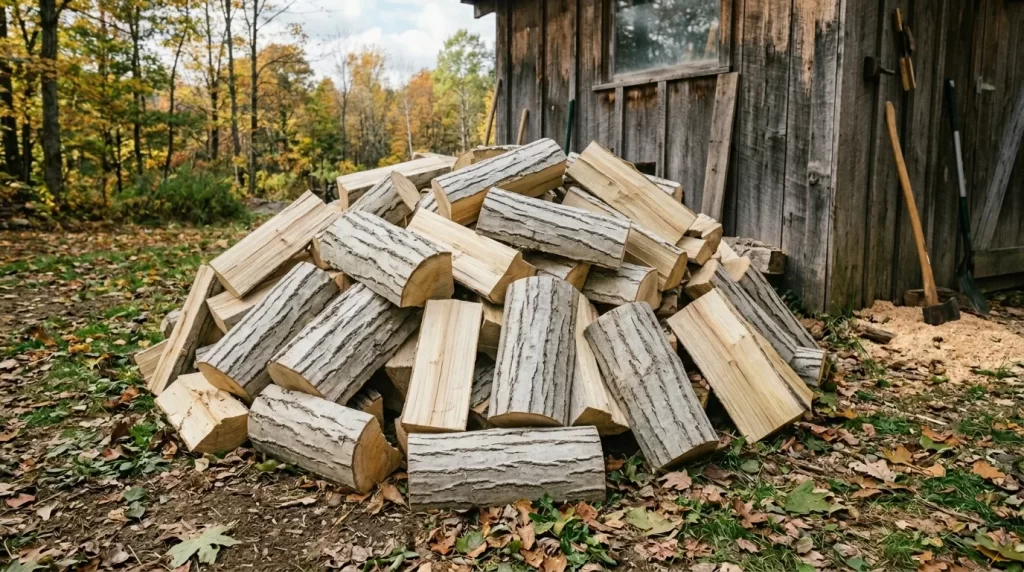
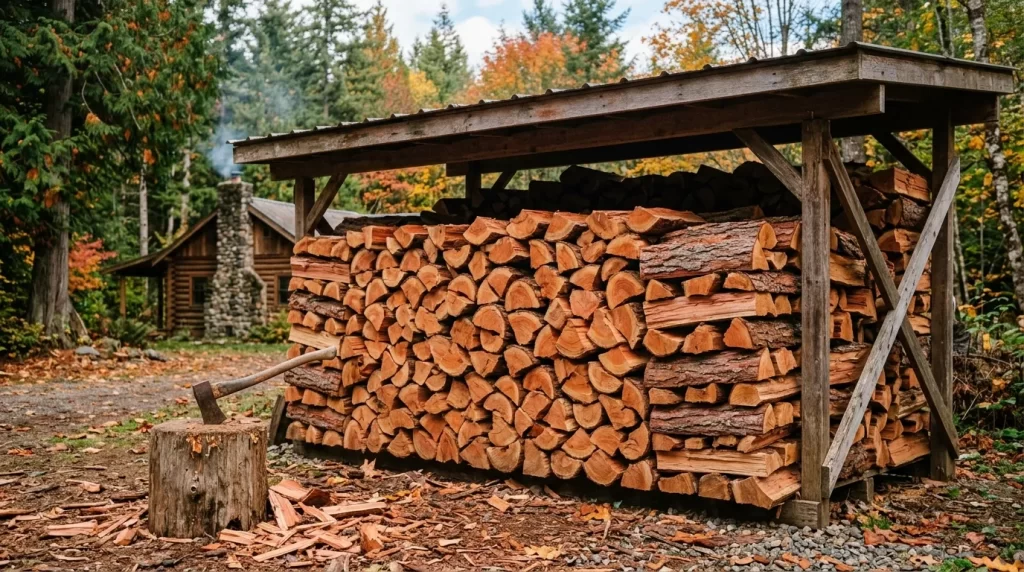
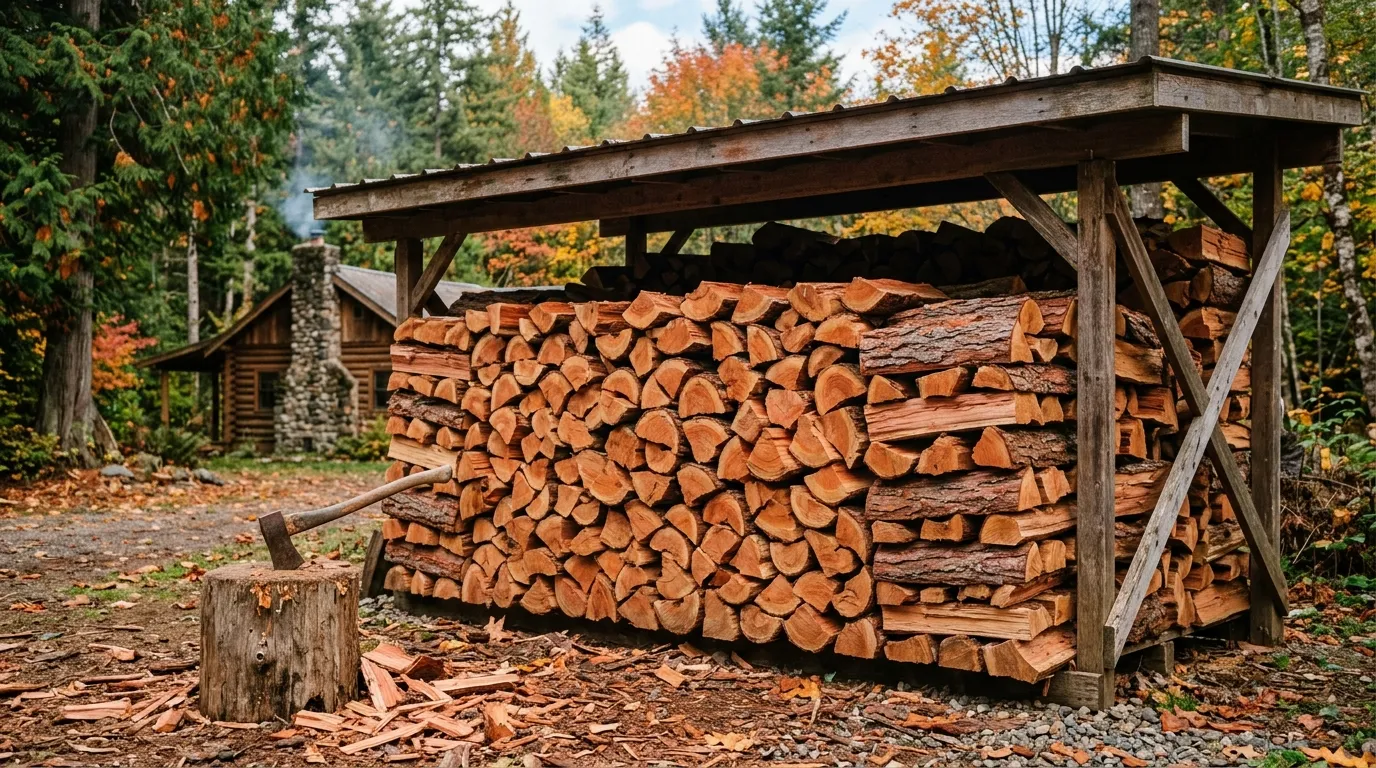
Many people find it hard to picture the size of a cord of wood. A full cord stacked beside a wall usually reaches about chest height and stretches about the length of a small car.
When stacked properly, the pile forms a large rectangular block of firewood. The logs lie in rows so air can move between them, which helps the wood continue drying.
Firewood Cost by Wood Type
The type of tree has a strong effect on firewood prices because each species burns differently.
Oak Firewood
Oak is one of the most popular hardwoods for heating. It burns slowly and produces strong heat. A cord of oak often costs $300 to $500. Oak also produces long lasting coals that help maintain steady heat.
Maple Firewood
Maple wood burns cleanly and provides steady warmth. Many homeowners use maple for fireplaces and wood stoves. A cord of maple usually costs $300 to $450.
Birch Firewood
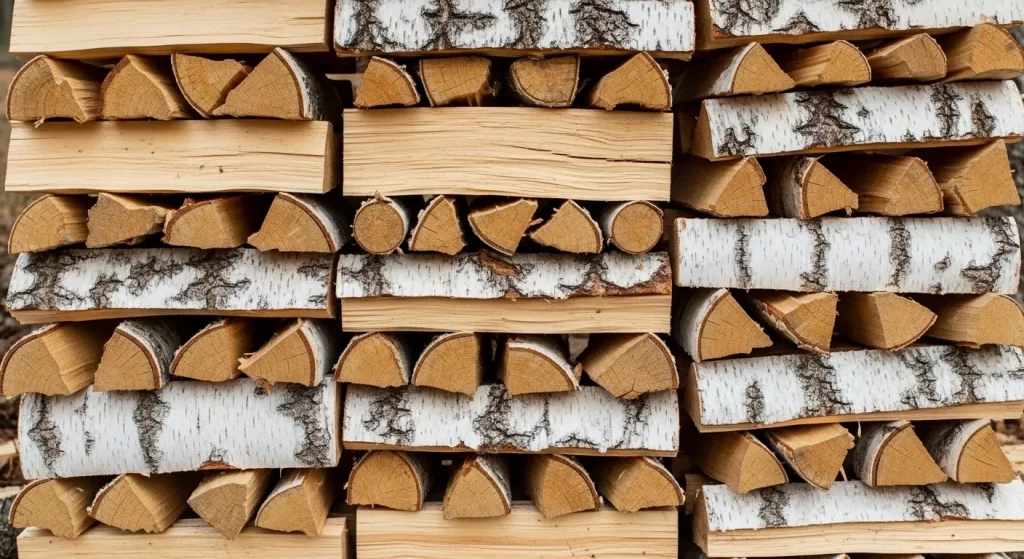
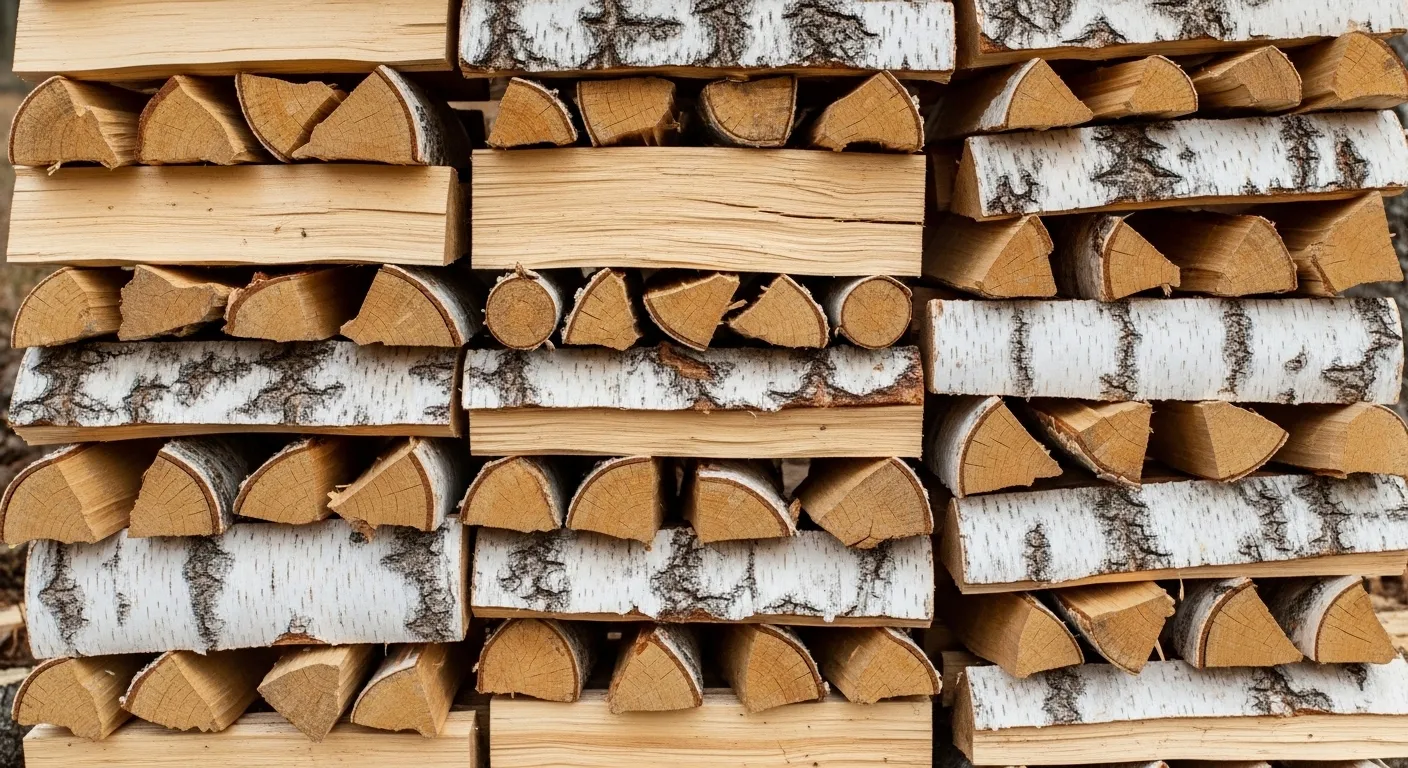
Birch firewood lights easily and produces good heat. It also gives off a pleasant smell when burned. A cord of birch can cost $300 to $550, depending on the region.
Pine Firewood
Pine is a softwood that ignites quickly. Many people use it for starting fires rather than long heating sessions. Pine costs less than hardwood and often sells for $150 to $300 per cord.
Factors That Change Firewood Prices
Several factors influence how much buyers pay for a cord of firewood.
Wood moisture level plays a large role in pricing. Kiln dried firewood costs more because suppliers use heat to remove moisture quickly. Seasoned wood dries naturally for six to twelve months.
Delivery distance also affects cost. Firewood delivery fees often range between $25 and $100 depending on distance and fuel costs.
Log size and splitting influence pricing as well. Smaller split pieces cost more because they require extra labor.
Stacking services may increase the total cost. Some suppliers charge an additional fee to stack the wood neatly after delivery.
Moisture Content and Firewood Quality
Moisture content affects how well firewood burns. Freshly cut wood may contain 40 to 60 percent moisture. This high moisture level causes smoke and poor heat output.
Seasoned firewood usually contains 15 to 20 percent moisture. Wood within this range burns efficiently and produces less smoke inside fireplaces and stoves.
Dry wood also ignites faster and releases more heat energy during combustion.
Face Cord vs Full Cord vs Rick
Firewood sellers often use different terms for smaller quantities of wood. The most common terms are face cord and rick.
A face cord refers to a stack that measures 4 feet high and 8 feet long, but the depth depends on the log length. If the logs measure 16 inches long, a face cord equals about one third of a full cord.
A rick of wood usually means the same thing as a face cord in many regions. However, the exact size may vary depending on local practice.
Because these measurements differ, buyers should confirm the actual depth and volume before purchasing firewood.
How Much Wood Is in a Cord?
A cord of wood equals 128 cubic feet of stacked logs. This volume can be converted into several practical comparisons.
A full cord often fills the bed of a standard pickup truck about two to three times, depending on the size of the truck.
Many homeowners estimate that a cord equals about three face cords or several small bundles sold in retail stores.
In weight terms, dry hardwood firewood in one cord may weigh around 3,000 pounds. Fresh green wood may weigh significantly more because of moisture.
These comparisons help buyers understand the real size of a cord.
How Long a Cord of Wood Lasts?
The amount of time a cord lasts depends on heating habits and equipment.
A home using an open fireplace may burn through one cord in six to ten weeks during cold weather.
A modern wood stove burns wood more efficiently. In many homes, one cord can last two to three months with regular use.
House size, insulation, and outdoor temperature also influence how quickly firewood gets used.
How Much Heat Does a Cord of Firewood Produce?
Different wood species produce different amounts of heat energy. Heat output is often measured using BTU, which means British Thermal Unit.
Oak firewood produces about 24 to 29 million BTU per cord. Maple produces around 20 to 25 million BTU per cord. Birch usually produces 20 to 26 million BTU per cord.
Pine produces lower heat output at around 15 to 20 million BTU per cord.
Hardwood species generate more heat because the wood fibers are denser and burn longer.
Cheapest Time to Buy Firewood
Season strongly affects firewood prices. Demand increases during winter when people use fireplaces and wood stoves for heating.
The best time to buy firewood is usually spring or early summer. During this period demand is lower and suppliers often offer better prices.
Buying wood earlier also gives it more time to dry before winter. Properly dried firewood burns more efficiently and produces less smoke.
Tips for Buying Firewood
Buying firewood requires careful inspection to ensure good quality.
Look for seasoned wood that shows small cracks at the ends of logs. These cracks indicate lower moisture levels.
Lift a piece of wood to check its weight. Dry wood feels lighter than freshly cut wood.
Ask the seller to confirm the stack measurement so you receive the correct quantity.
Buyers should also confirm whether delivery and stacking services are included in the total price.
How to Avoid Firewood Scams?
Some sellers advertise a “truck load” of wood that is smaller than a full cord. Buyers should ask for the stacked measurement to confirm the real volume.
A full cord must measure 4 feet high, 4 feet deep, and 8 feet long when stacked.
Buyers should also check that the wood is properly seasoned. Wet wood burns poorly and produces excess smoke.
Taking a few minutes to check these details can help prevent common firewood buying problems.
FAQ
How much does a cord of wood cost?
A cord of firewood usually costs $150 to $500, depending on wood species, location, and delivery fees.
How big is a cord of wood?
A cord of wood measures 4 feet high, 4 feet deep, and 8 feet long, which equals 128 cubic feet of stacked wood.
How many logs are in a cord of wood?
A cord of wood often contains 700 to 900 logs, depending on the size and thickness of each piece.
How long does a cord of wood last?
A cord of firewood can last six to twelve weeks for regular home heating depending on fireplace use and stove efficiency.
What is the difference between a cord and a face cord?
A full cord equals 128 cubic feet of wood. A face cord usually equals about one third of a full cord when logs measure 16 inches long.
How much is half a cord of wood?
Half a cord equals 64 cubic feet of firewood. The price usually falls between $75 and $250, depending on the wood species and delivery costs.
Conclusion
A cord of wood is the standard measurement used to sell stacked firewood. One cord equals 128 cubic feet of wood arranged in a stack measuring 4 feet by 4 feet by 8 feet. The average price of a cord usually ranges between $150 and $500 depending on wood type, moisture level, location, and delivery services.
Hardwood species such as oak, maple, and birch usually cost more because they burn longer and produce higher heat output. Softwoods like pine cost less but burn faster.
Understanding how cords work helps buyers compare prices, recognize fair deals, and choose the right firewood for heating or outdoor use. With the right information, buyers can purchase firewood confidently and avoid common mistakes when buying wood.