Yard cleanup sounds simple until you try to figure out where everything should go. In a place like Kalispell, proper disposal matters because local rules, wildfire risk, and landfill limits all play a role.
The good news is that once you understand the system, it becomes easy to stay compliant and eco friendly. This guide explains how residents can manage yard waste responsibly while saving time and avoiding fines.
Why Proper Disposal Matters?
Yard waste might look harmless, yet large piles of leaves and branches create real environmental problems. Dumping in the wrong place adds pressure on landfills and increases fire hazards during dry months.
Proper disposal helps turn organic waste into useful compost and mulch instead of trash. What this really means is your small effort supports a healthier local environment.
Correct disposal also keeps neighborhoods cleaner and prevents pests from spreading. Rotting piles attract insects and rodents quickly. Following local guidelines protects public health and keeps outdoor spaces pleasant for everyone. It is a simple step that benefits the entire community.
What Counts As Yard Waste In Kalispell?
Grass Clippings And Leaves
Grass clippings and fallen leaves make up the largest share of yard waste in Kalispell. These materials break down quickly and are perfect for composting or municipal collection. Bagging them properly keeps streets and storm drains clear. During fall, leaf piles increase fast, so weekly cleanup helps prevent overflow.
Local programs often accept these materials in paper yard bags or compost bins. Plastic bags are usually not allowed because they slow down processing. Keeping clippings loose and dry improves recycling results. Small habits like this make disposal smoother and faster.
Branches And Tree Trimmings
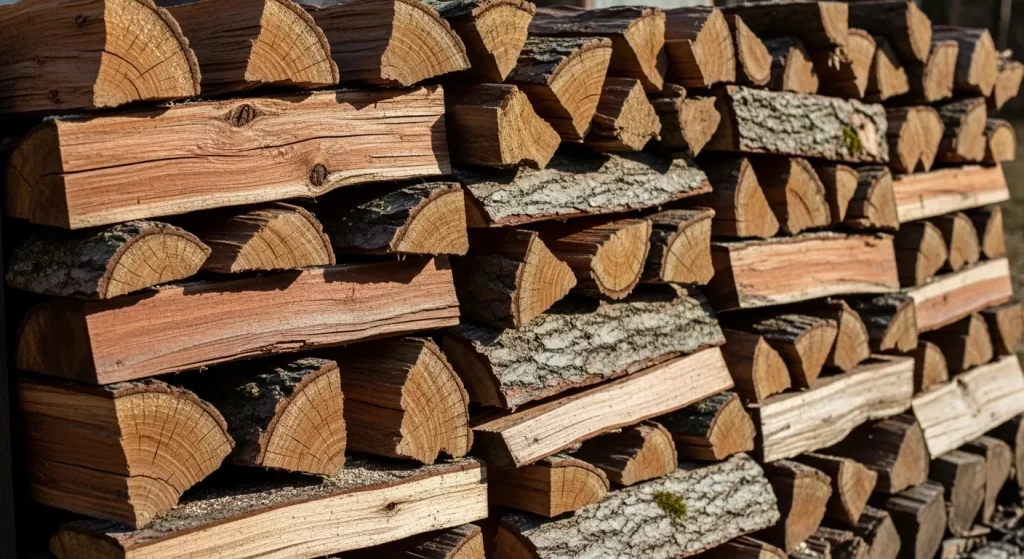
Tree branches and hedge trimmings require special handling due to size and weight. Most services ask residents to bundle branches with twine in manageable lengths. This makes pickup safer for workers and reduces equipment damage. Larger logs may need to be taken directly to the landfill.
Seasonal storms often create sudden piles of debris. Acting quickly prevents hazards and keeps sidewalks clear. Proper bundling ensures these materials can be chipped and reused as mulch. That turns waste into a valuable landscaping resource.
Invasive Plants And Weeds
Certain plants require extra care because they spread easily. Throwing invasive weeds into open piles can allow seeds to scatter and grow again. Sealed disposal stops unwanted plants from taking over nearby areas. This step protects local ecosystems and gardens.
Residents should avoid composting invasive species at home. High heat is needed to kill seeds and roots completely. Following disposal rules keeps natural spaces balanced. It also prevents repeat yard work later.
Local Rules And Pickup Options
City Pickup Services
Kalispell offers seasonal yard waste pickup to help residents manage outdoor debris. Collection schedules often change during peak cleanup months. Checking local updates ensures your bags are ready on the right day. Staying informed prevents missed pickups and extra trips.
Proper placement at the curb is essential for smooth collection. Bags should remain accessible and clearly separated from regular trash. Following these small details keeps the system efficient. Everyone benefits when the process runs smoothly.
Flathead County Landfill Options
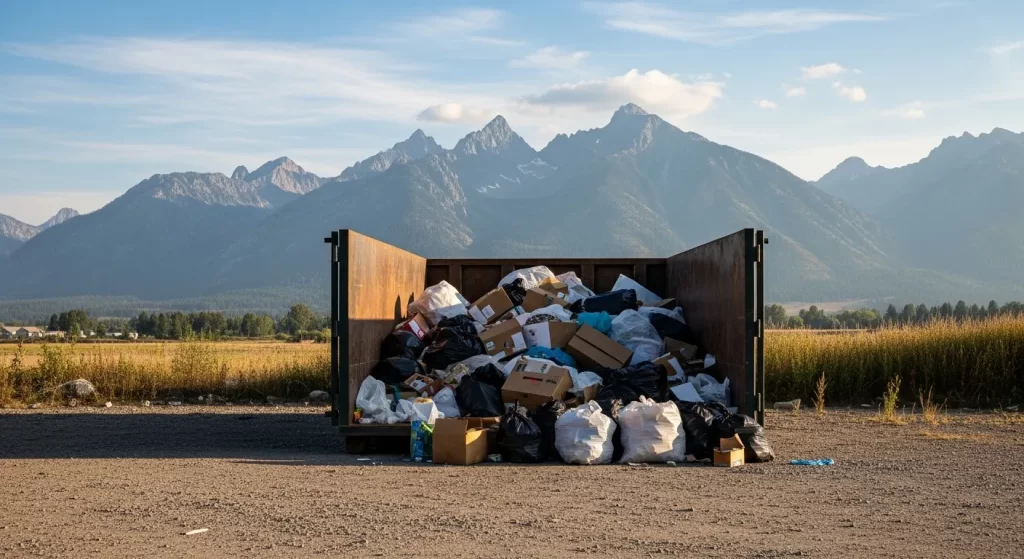
The landfill provides a reliable drop off point for larger loads. Many residents use it after storms or major landscaping projects. Dedicated yard waste areas allow materials to be processed correctly. This keeps organic debris out of general waste sections.
Fees may apply depending on volume and vehicle type. Planning trips in advance saves time and reduces costs. Responsible disposal ensures long term landfill efficiency. It also supports recycling efforts across the county.
Seasonal Burn Permits
Open burning may be allowed during specific periods with proper permits. These rules change depending on weather and wildfire risk. Checking approval status before burning prevents legal trouble. Safety always comes first.
Burning should never replace composting or recycling when better options exist. Smoke affects air quality and nearby homes. Following permit guidelines protects both people and property. Responsible burning keeps communities safe.
Eco Friendly Ways To Handle Yard Waste
Composting At Home
Home composting turns leaves and clippings into nutrient rich soil. A simple bin in the backyard can reduce waste significantly. Over time, kitchen scraps can be added for better results. This method saves money on fertilizers and improves garden health.
Regular turning speeds up decomposition and reduces odors. Moisture balance keeps the process active. Composting creates a full cycle where waste becomes useful again. It is one of the best long term solutions.
Mulching For Landscaping
Mulching uses shredded branches and leaves to protect soil. This layer helps retain moisture and control weeds. It also improves the look of flower beds and pathways. Many homeowners prefer this approach for easy yard care.
Mulch slowly breaks down and feeds the soil. That reduces the need for chemical products. Using yard waste this way keeps materials on site. It is simple and highly effective.
Community Compost Programs
Community compost sites offer a shared solution for residents without space. These programs accept large volumes during peak seasons. Dropping off waste here supports local sustainability efforts. It also builds stronger neighborhood habits.
Shared programs reduce landfill pressure significantly. They allow professional processing for better compost quality. Participating helps the entire region manage waste better. Collective action makes a visible difference.
Mistakes To Avoid
Mixing Yard Waste With Trash
Combining yard debris with household garbage causes processing issues. Organic waste needs separate handling to break down properly. Mixing materials slows recycling and increases costs. Keeping them apart keeps the system efficient.
Clear sorting also helps workers manage loads safely. It reduces contamination in compost batches. Small sorting steps at home create big improvements. This habit quickly becomes routine.
Overloading Bags And Containers
Heavy bags can tear or become unsafe to lift. Overloading slows down collection and may result in missed pickups. Using multiple lighter bags makes handling easier. Proper weight limits protect workers and equipment.
Paper yard bags work best for airflow and durability. They also break down naturally during composting. Keeping loads manageable ensures smooth collection. Consistency keeps everything moving.
Illegal Dumping In Open Areas
Dumping yard waste in empty lots or forests causes serious harm. Piles attract pests and disrupt natural growth. This practice can also lead to fines. Responsible disposal keeps public spaces clean.
Illegal dumping spreads invasive plants quickly. It damages the beauty of local landscapes. Proper channels exist for safe disposal. Using them supports long term community health.
Seasonal Yard Waste Plan
Spring Cleanup
Spring brings heavy pruning and lawn preparation. Winter debris often builds up and needs clearing fast. Early cleanup prevents mold and plant disease. Starting early sets the tone for the rest of the year.
Scheduling pickup ahead of time helps avoid rush periods. Organizing waste by type speeds disposal. A clear plan makes spring projects easier. Preparation saves time later.
Summer Maintenance
Summer yard work focuses on regular trimming and mowing. Smaller, frequent cleanups prevent large piles. Weekly disposal keeps yards neat and manageable. Consistency reduces stress.
Dry conditions also increase fire risk. Removing dead branches helps prevent hazards. Routine care keeps outdoor spaces safe. Small efforts make a big difference.
Fall Leaf Season
Fall creates the largest volume of yard waste each year. Leaves fall quickly and require frequent collection. Raking weekly prevents overwhelming piles. Staying ahead keeps the process simple.
Preparing bags early avoids shortages during peak season. Planning drop offs helps manage large loads. Organized fall cleanup reduces stress. It keeps neighborhoods tidy.
How To Prepare Yard Waste For Disposal?
Sorting By Material Type
Sorting makes processing faster and more efficient. Leaves, branches, and weeds each require different handling. Keeping them separate prevents contamination. This simple step saves time for everyone.
Clear sorting also helps decide the best disposal method. Composting works well for soft materials. Bundling suits woody debris better. Organization improves results.
Bundling And Bagging
Branches should be tied in small bundles for easy pickup. Paper yard bags hold leaves and grass securely. Proper packaging keeps materials contained during transport. This reduces mess and delays.
Loose piles often scatter during collection. Bundles prevent extra cleanup. Neat preparation keeps the process smooth. It shows respect for community workers.
Storage Before Pickup
Storing yard waste in dry areas prevents mold and odor. Covered bins keep materials contained until collection day. Avoid stacking near fences or buildings. Safe storage protects property.
Preparing a designated storage space helps maintain order. Quick access makes pickup day easier. Organized storage saves time. It keeps yards looking neat.
Benefits To The Community
Fire Risk Reduction
Removing dry debris lowers wildfire danger significantly. Clean yards act as a protective buffer. This reduces risks during hot months. Safety improves for everyone nearby.
Community wide cleanup strengthens overall protection. Shared responsibility creates safer neighborhoods. Prevention is far easier than recovery. Small actions protect homes.
Healthier Soil And Gardens
Recycled yard waste enriches soil naturally. Compost improves plant growth and reduces chemical use. Healthy soil supports strong gardens. Sustainable habits pay off long term.
Using organic materials keeps nutrients in local ecosystems. This reduces waste and improves landscaping results. Nature benefits from simple choices. It is a win for gardeners.
Cleaner Neighborhoods
Proper disposal keeps streets and parks attractive. Neat spaces improve property value and pride. Community cooperation makes cleanup easier. Shared effort builds stronger neighborhoods.
Responsible habits inspire others to follow. Clean surroundings create positive experiences for residents. Everyone enjoys a well kept environment. It starts with small steps.
Conclusion
Managing yard waste in Kalispell becomes simple once you know the rules and options. Sorting, composting, and using local services keeps waste out of landfills and protects the environment. Small efforts add up and create safer, cleaner neighborhoods. Following these steps helps residents stay responsible year round.
For more reading, explore benefits of buying early in Sunvale off-plan launch phase and Sunvale amenities and how they improve daily living.
Also Read: Top Reasons To Use Dumpster During Kalispell Renovations