A dumpster can save hours of cleanup, yet poor loading wastes space and creates safety risks. With a clear plan, the same container can hold much more while staying safe for workers and property.
This guide explains simple habits that improve efficiency and prevent extra fees.
Why Proper Dumpster Loading Matters?
Careless loading leads to shifting debris, injuries, and higher disposal costs. A balanced container protects drivers and keeps debris secure during transport.
Good loading also helps you finish projects faster because fewer pickup trips are needed. Small steps early can prevent big problems later.
Planning Before You Start Loading
A few minutes of planning saves hours of frustration. Think about the type of debris and how much space each material needs. Preparing tools, gloves, and clear pathways keeps the process smooth. Starting with a plan reduces mistakes and keeps everyone safe.
Choosing The Right Dumpster Size
A container that is too small fills faster than expected. Oversized debris like furniture or drywall can take up space quickly. Picking the right size helps avoid delays and extra rental costs. The right container gives you room to load in an organized way.
Placing The Dumpster For Safe Access
Position the dumpster on level ground with easy access from all sides. A good location reduces lifting distance and prevents accidents. Keep space around the container clear for safe movement. Smart placement makes loading faster and safer.
Building A Stable Base With Heavy Items
Heavy debris should go in first to create a solid base. Concrete, wood, and large furniture belong at the bottom. This prevents shifting during transport and keeps the load balanced. A strong foundation makes stacking easier.
Breaking Down Bulky Waste To Save Space
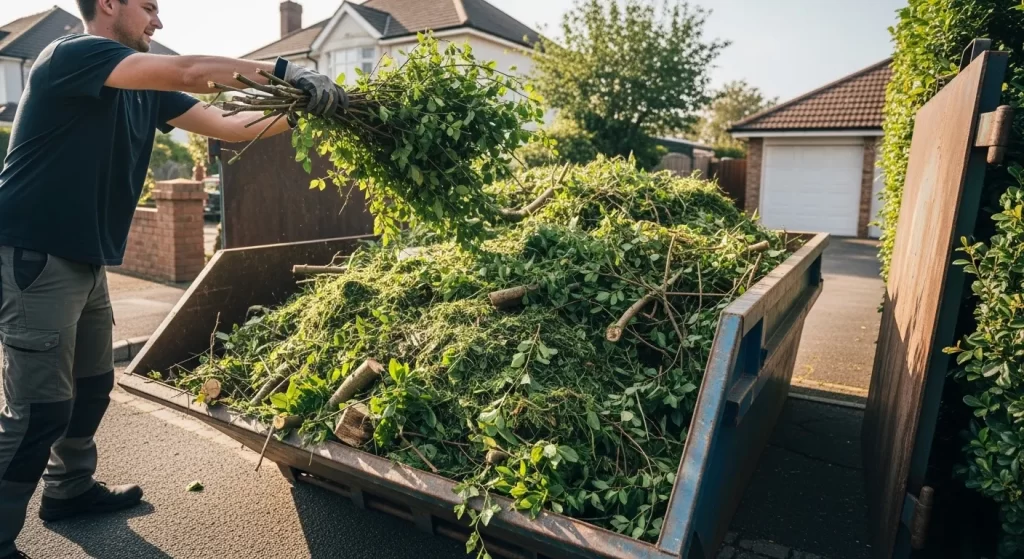
Large objects waste space if left intact. Disassemble furniture and cut long branches before loading. Smaller pieces fit better and allow tighter packing. This step can double the usable space inside the container.
Smart Packing Methods To Maximize Capacity
Fill gaps with smaller debris and stack flat materials upright. Compress soft materials like cardboard and fabric to remove air pockets. Organized packing helps fit more waste into one load. Efficient packing reduces the need for extra dumpsters.
Safety Tips To Prevent Injuries
Lift using your legs and avoid twisting your back. Ask for help with heavy items and wear protective gear. Keep the loading area clean to prevent trips and falls. Safe habits protect everyone involved.
Items You Should Never Put In A Dumpster
Hazardous materials, electronics, and liquids often require special disposal. Placing them in dumpsters can lead to fines or delays. Always check local guidelines before loading restricted items. Proper disposal keeps projects compliant.
Final Checks Before Dumpster Pickup
Make sure debris stays below the top edge of the container. Check weight balance and remove items sticking out. Schedule pickup once the dumpster is full but safe to haul. These final checks prevent transport issues.
Conclusion
Efficient dumpster loading saves money, improves safety, and speeds up cleanup. Plan ahead, build a stable base, and pack smart to use every inch of space.
Also Read: How To Dispose Of Yard Waste in Kalispell the Right Way?