Storing firewood in Montana is not as simple as stacking logs and walking away. Long winters, heavy snow, spring rain, and strong wind can ruin wood fast if it is stored the wrong way. Wet firewood burns poorly, creates smoke, and can damage your stove or chimney.
Here’s the thing. Good firewood storage is about airflow, ground protection, and timing. If you get these three right, your wood will stay dry, clean, and ready all winter. This guide explains exactly how to store firewood outdoors in Montana using proven local methods.
Understanding Montana’s Weather Impact On Firewood
Montana has cold winters, sudden snowstorms, and long freeze cycles. Moisture is the biggest enemy of firewood here. Snow melts during the day, refreezes at night, and traps water inside the logs.
Wind is another factor. Strong plains wind can help dry wood, but it can also knock over loose stacks. Summer storms bring short but heavy rain that soaks uncovered piles.
Because of these conditions, firewood must stay off the ground, exposed to air, and protected from direct rain and snow. Storage that works in warmer states often fails in Montana.
Choosing The Right Firewood For Outdoor Storage
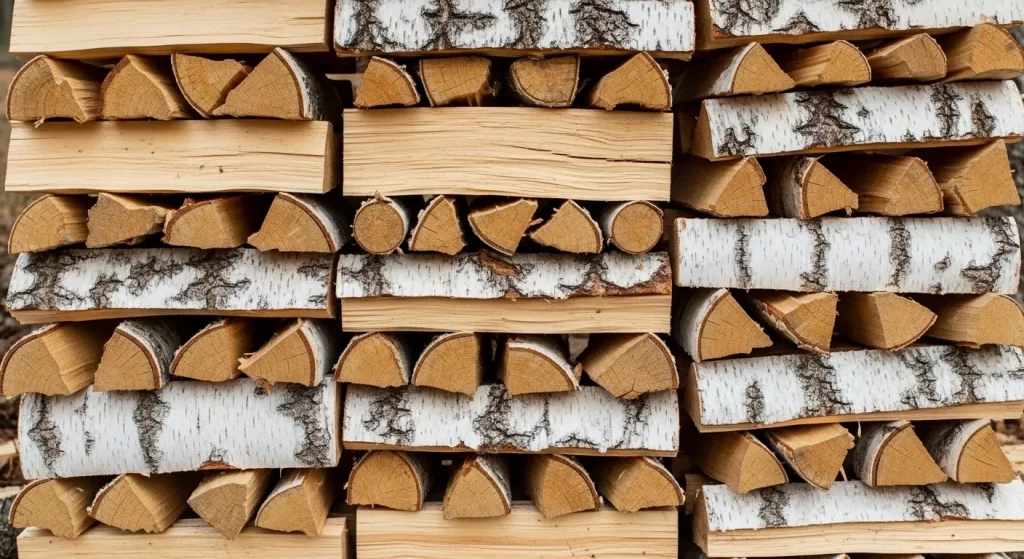
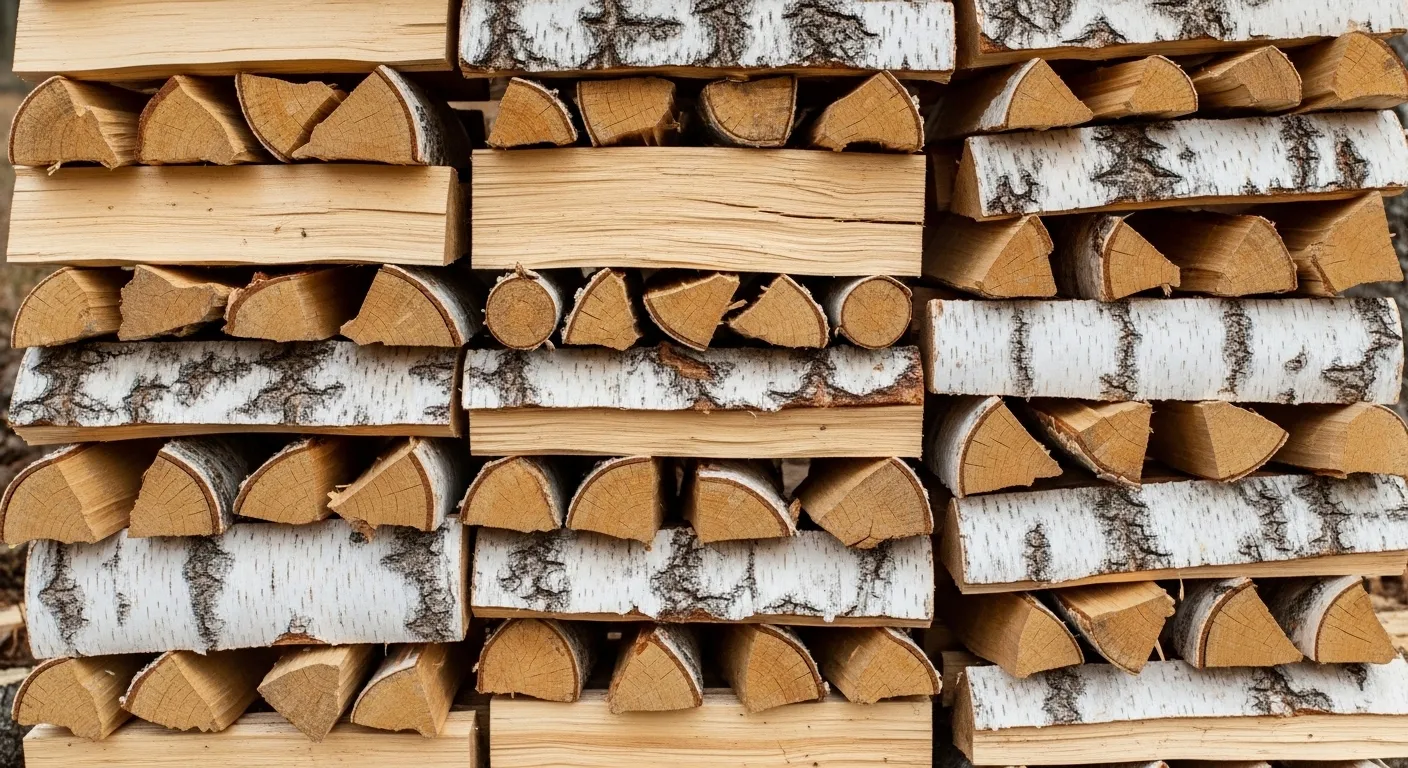
Hardwoods perform best in Montana. Common choices include lodgepole pine, Douglas fir, tamarack, ash, and birch. These dry well and burn hot when seasoned.
Fresh cut wood contains a lot of moisture. It usually needs six to twelve months of outdoor drying before winter use. Wood split early in spring dries faster because it gets the full summer airflow.
Split size matters. Medium splits dry better than thick rounds. Bark left on traps moisture, so splitting is always better than stacking whole logs.
Selecting The Best Outdoor Storage Location
Pick a spot with open air and sun exposure. South or southwest facing areas work best because they receive more sunlight during colder months.
Avoid placing wood near fences, sheds, or trees that block wind. Air movement is what pulls moisture out of the logs.
Do not store firewood directly against your home. This attracts insects and rodents and increases fire risk. Keep at least twenty feet of distance when possible.
Flat ground is important. Uneven soil leads to leaning stacks and collapse after snowfall.
Keeping Firewood Off The Ground
Ground contact is the fastest way to ruin firewood. Soil moisture travels upward and keeps logs wet year round.
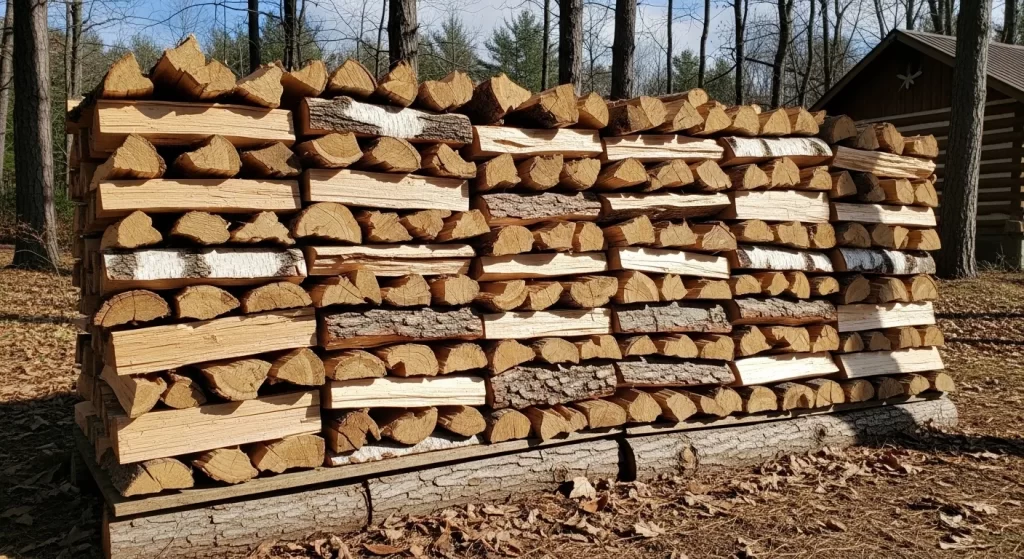
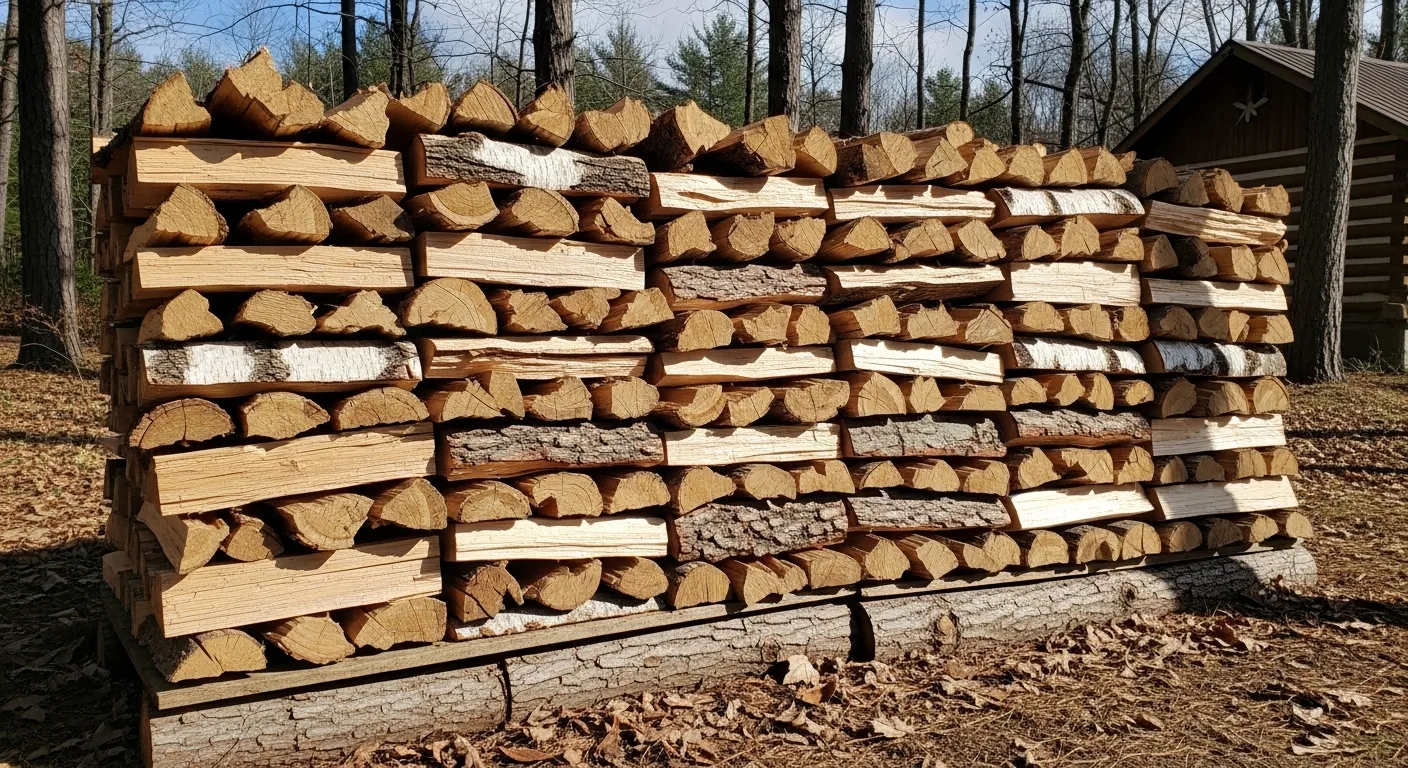
Use pallets, pressure treated runners, concrete blocks, or metal firewood racks. The base should lift wood at least four to six inches off the ground.
Gravel under the rack helps drainage and reduces mud during spring thaw. This also improves airflow from below.
Never stack directly on grass or dirt, even during summer.
Proper Stacking Methods For Montana Conditions
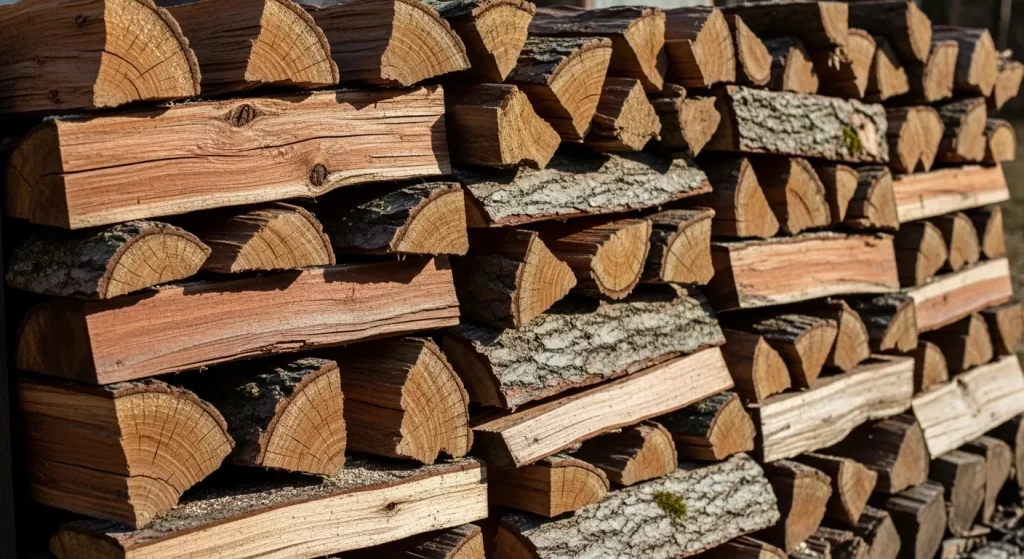
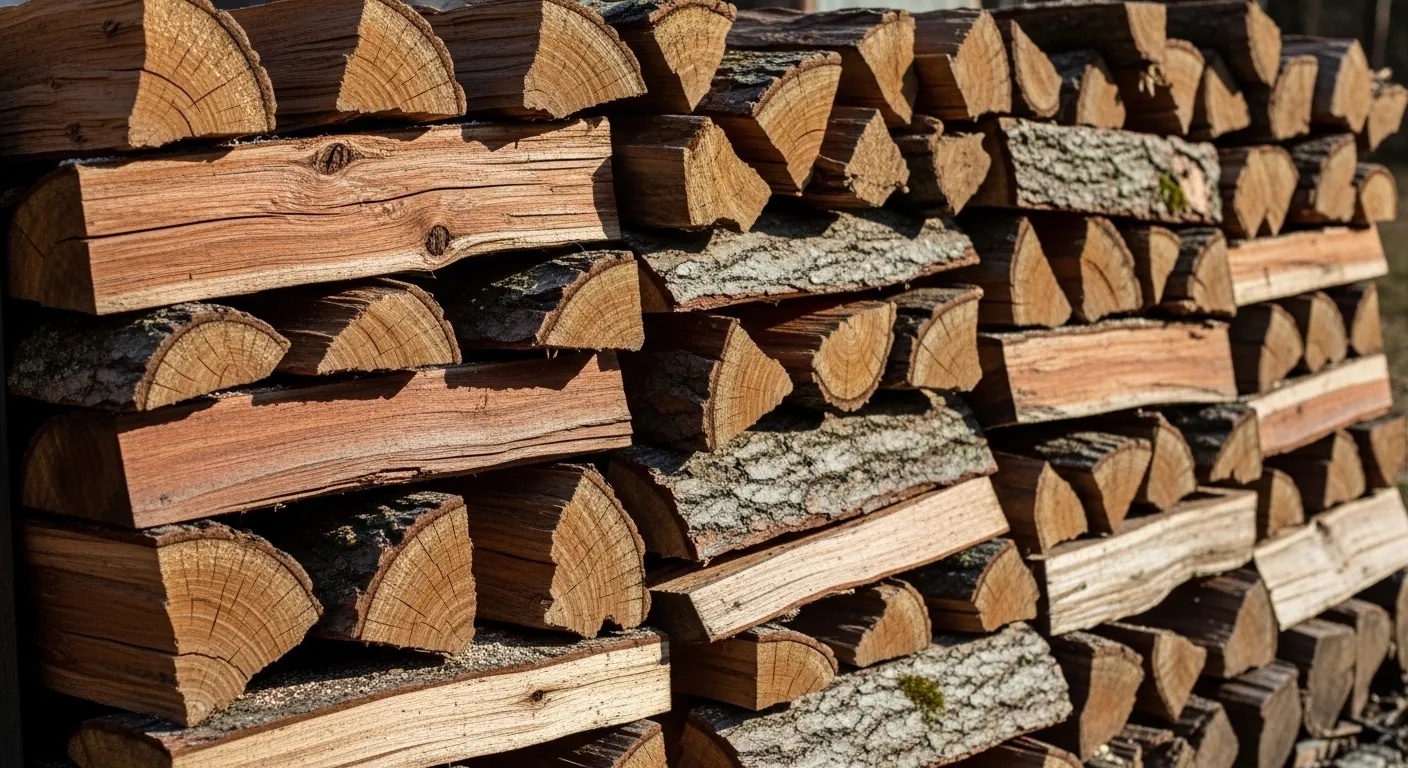
Stack wood in single rows whenever possible. Single rows dry faster than deep piles.
Leave small gaps between logs to allow wind to pass through. Tight stacks trap moisture.
The bark side should face down or outward. This lets rain shed off instead of soaking inside.
Stack height should stay stable. Four feet is ideal. Taller stacks often tip during snow buildup.
End supports or crisscross corners help prevent collapse in winter storms.
Covering Firewood The Correct Way
Firewood should be covered on top only. Never wrap the entire stack.
Use metal roofing sheets, plywood, or breathable firewood covers. The goal is to block snow and rain while keeping sides open.
Plastic tarps can work if secured well, but they must not touch the ground. Trapped moisture under tarps causes mould.
In winter, remove heavy snow from covers to prevent sagging and airflow loss.
Managing Snow And Winter Moisture
Snow itself is not the biggest problem. Melting snow is.
A solid top cover keeps meltwater from soaking the wood. Wind will dry surface moisture quickly if air can flow.
Do not shovel snow against the stack. This blocks airflow and keeps logs wet.
During extreme cold, frozen wood is normal. Once brought indoors, it dries quickly near heat.
Preventing Mold, Rot, And Insects
Mold forms when moisture and shade combine. Sun and airflow prevent this naturally.
Rot occurs from ground contact and poor drainage. Raised racks eliminate this risk.
Insects like ants and beetles live in outdoor stacks. This is normal. Avoid bringing large amounts of wood inside at once.
Only move enough firewood for two or three days of burning.
How Long Firewood Should Season In Montana?
Most Montana firewood needs at least one summer to season properly.
Softwoods may dry in six to eight months. Hardwoods usually need nine to twelve months.
Well seasoned firewood has cracks on the ends, lighter weight, and a hollow sound when struck together.
Using unseasoned wood causes smoke buildup and low heat output.
Planning one year ahead is the safest method.
Firewood Storage Mistakes To Avoid
- Do not stack wood in closed sheds without airflow.
- Do not cover the sides of the stack.
- Do not store wood directly on the ground.
- Do not lean stacks against buildings.
- Do not wait until winter to split fresh wood.
Each of these mistakes leads to wet logs and wasted effort.
Best Firewood Storage Setup For Montana Homes
The most reliable setup includes:
- A raised rack or pallets
- Single row stacking
- South facing location
- Top cover only
- Open sides for wind
- Distance from buildings
This setup works in mountain towns, valleys, and plains areas across Montana.
Conclusion
Outdoor firewood storage in Montana requires planning, but it is not difficult. The climate demands airflow, elevation, and smart covering. When wood stays dry, it burns hotter, cleaner, and safer.
Split early, stack correctly, and protect from moisture without blocking air. Do this once and your firewood will carry you through even the longest Montana winter without stress.
Also Read: Why Businesses in Kalispell Need Regular Warehouse Cleanouts?