Burning seasoned firewood makes a real difference in heat, safety, and stove performance. Freshly cut wood looks ready, but most of the time it is not.
Wet wood smokes, burns poorly, and creates buildup inside chimneys. Knowing how to tell if firewood is truly seasoned helps you get more heat, use less wood, and protect your home.
Check The Color And Surface
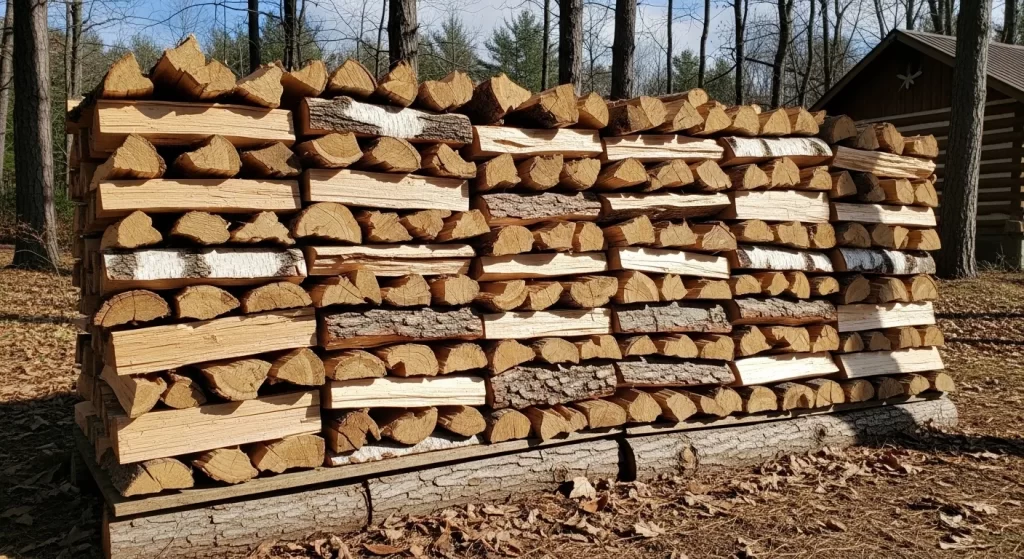
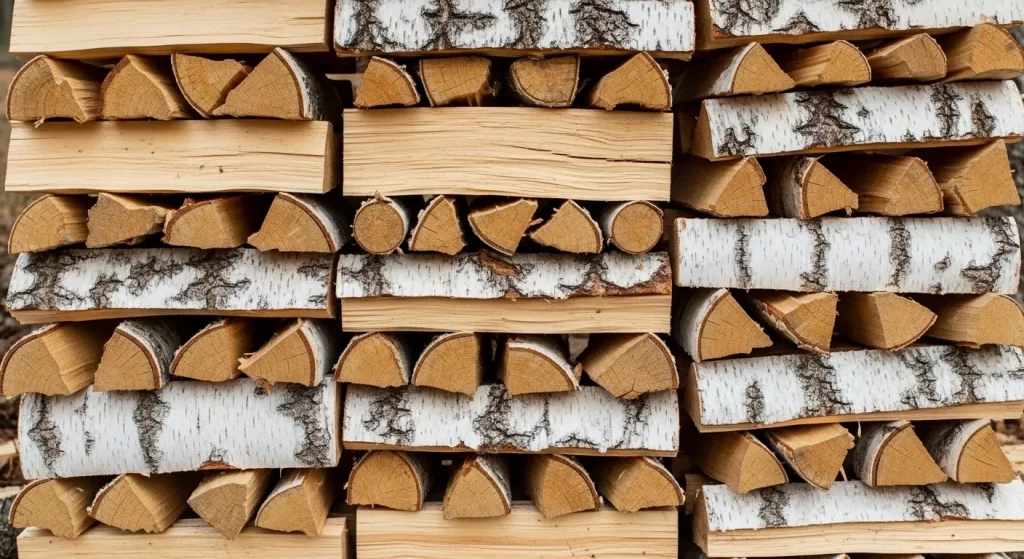
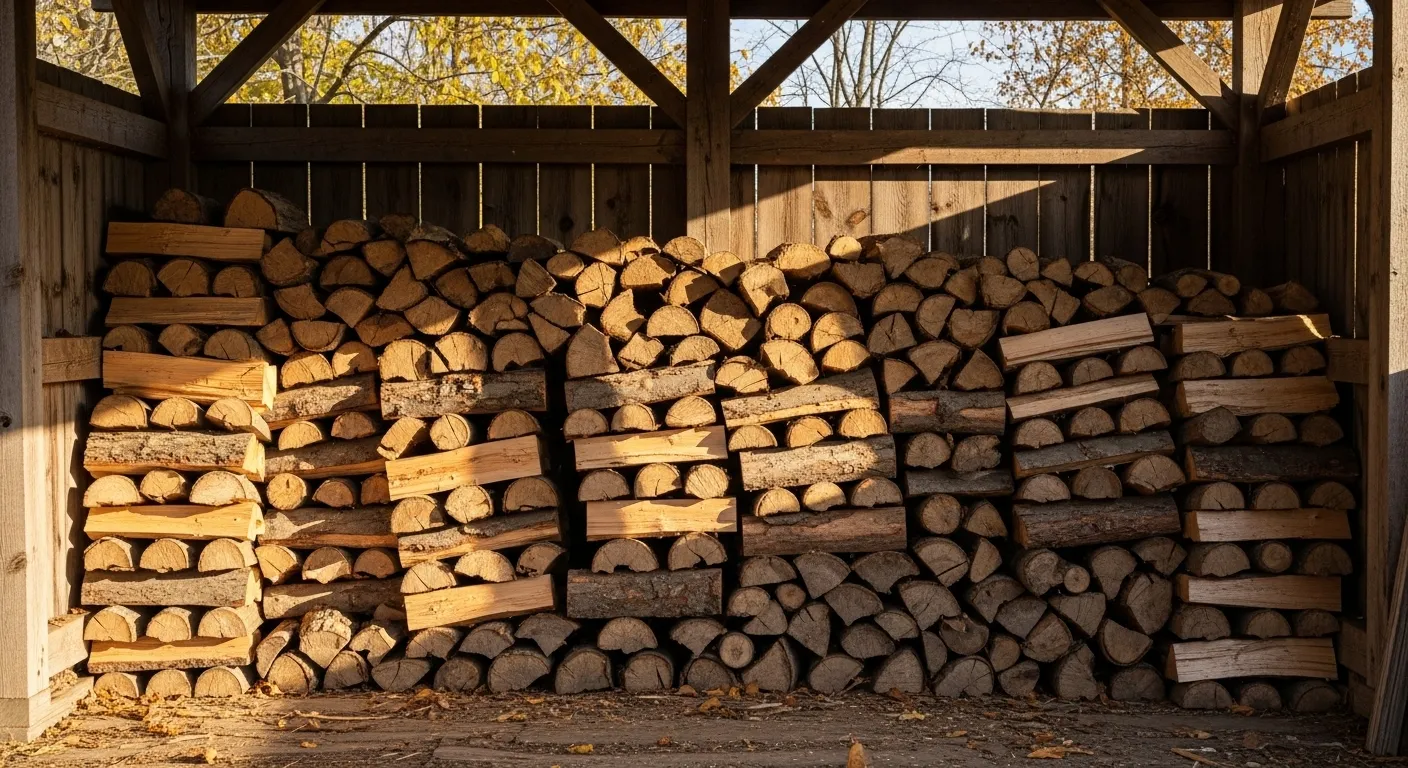
Seasoned firewood usually looks dull and faded. Fresh wood has a bright, clean color and smooth bark. Over time, wood loses that shine and turns gray or pale brown.
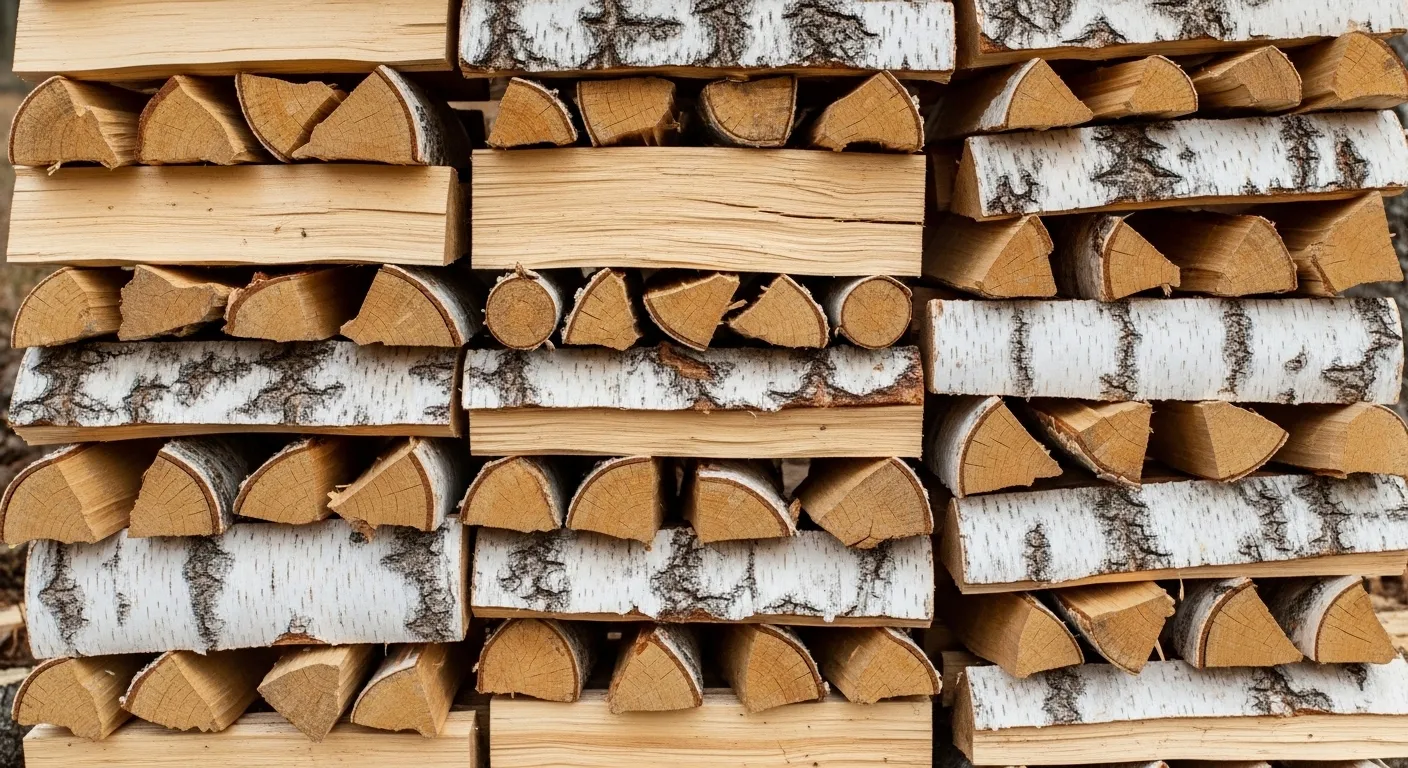
You may also see small cracks on the ends. These cracks are a strong sign that moisture has left the wood.
Feel The Weight Of The Wood
Dry wood feels lighter than fresh wood. Pick up two similar pieces and compare them. The seasoned one will feel noticeably lighter because most of the water inside has dried out.
If the log feels heavy for its size, it likely still holds moisture and needs more time.
Listen To The Sound When Pieces Hit
Knock two logs together. Seasoned firewood makes a sharp, hollow sound. Wet wood sounds dull and heavy. This simple test works well when you have no tools and need a quick answer before loading the stove or fire pit.
Look For Loose Or Missing Bark
As wood dries, the bark often loosens or falls off on its own. Fresh wood usually has tight bark that clings firmly to the surface. Loose bark is not the only sign of seasoned wood, but it often supports other clues like cracks and lighter weight.
Check For End Cracks
End cracks form as moisture escapes from the log. These cracks usually run from the center outward. While cracks alone do not guarantee perfect seasoning, their presence shows the wood has been drying for a long period rather than recently cut.
Use A Moisture Meter
A moisture meter gives the clearest answer. Split the log and test the fresh inner surface. Seasoned firewood should read below twenty percent moisture. Anything higher will burn poorly and create more smoke. This tool removes guesswork and helps you sort good wood from bad quickly.
Watch How The Wood Burns
Seasoned firewood lights easily and burns with steady flames. It produces little smoke once burning. Wet wood hisses, smokes heavily, and struggles to stay lit. If you hear sizzling sounds, water is still trapped inside the log.
Smell The Wood
Fresh wood often smells strong and sap-like, especially softwoods. Seasoned firewood has little to no smell. A strong scent can mean the wood has not dried long enough.
Understand Proper Seasoning Time
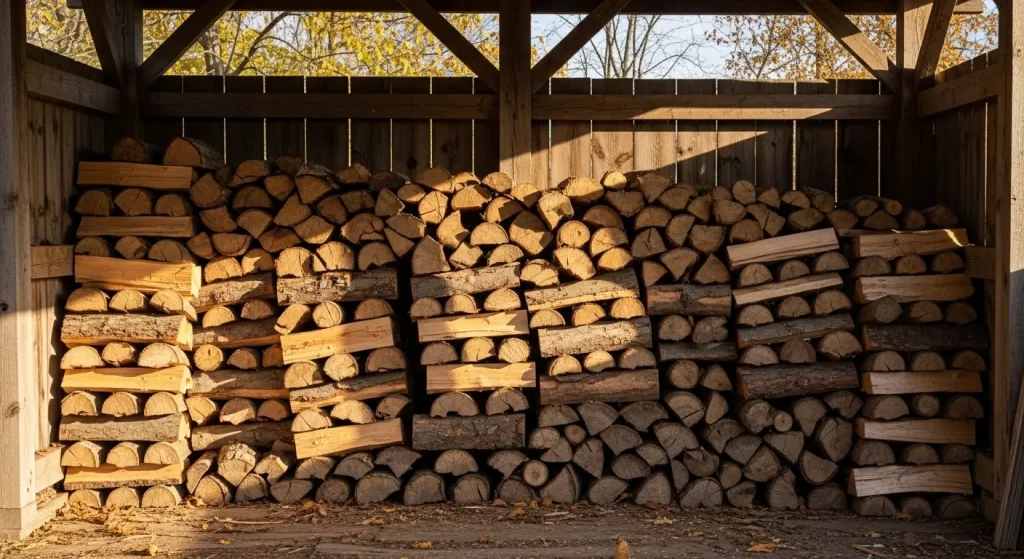
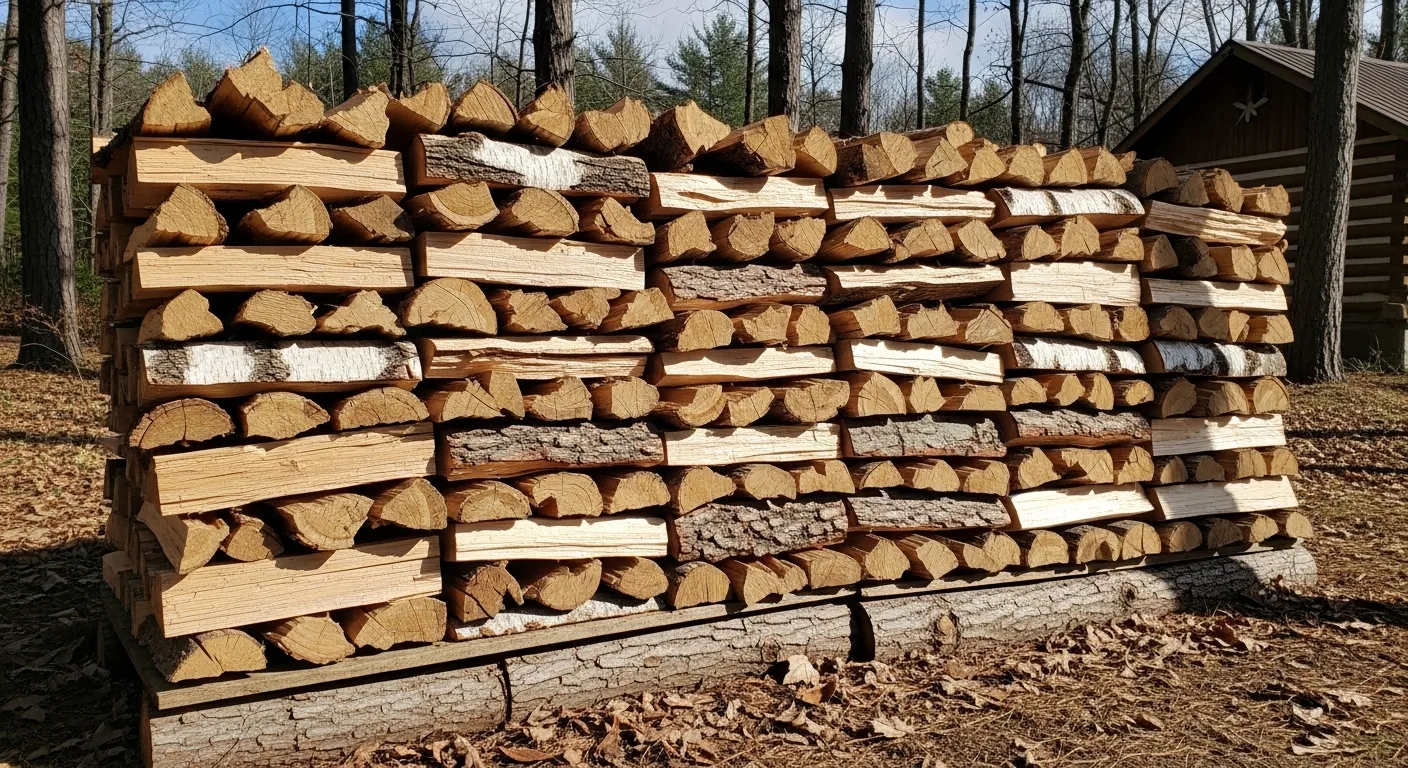
Most hardwoods need at least six to twelve months to season properly. Thicker logs can take longer. Wood stacked off the ground with airflow dries faster than wood piled tightly or left in contact with soil. Time and airflow matter more than heat alone.
Why Seasoned Firewood Matters?
Burning seasoned firewood creates more heat with less effort. It reduces smoke, protects chimneys from buildup, and saves money over time. Using dry wood also makes fires easier to manage and more enjoyable.
Conclusion
Telling if firewood is truly seasoned does not require expert tools or guesswork. By checking color, weight, sound, cracks, moisture level, and burn behavior, you can quickly judge wood quality.
Dry firewood burns cleaner, hotter, and safer. Taking a few minutes to check your wood pays off every time you light a fire.
Also Read: How To Store Firewood Outdoors in Montana Climate?