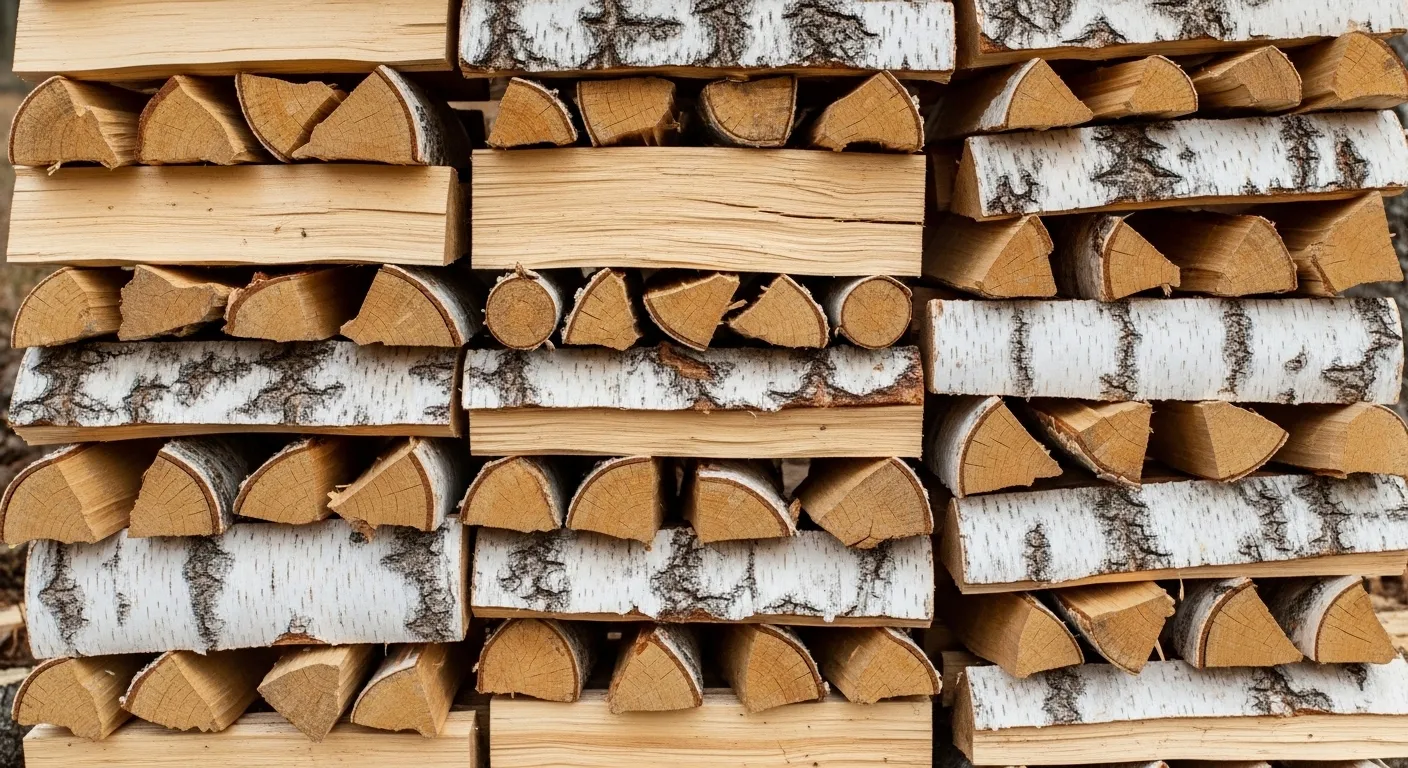
If you heat your home with wood or enjoy a steady fire on cold evenings, the choice of firewood matters more than most people think. Heat output, burn time, smoke, smell, and ease of use all depend on the species you load into the stove.
One wood that keeps coming up in conversations among experienced burners is ash. Some call it a near perfect firewood. Others say it is overrated.
So, is ash good firewood to burn? The short answer is yes. The long answer is where things get interesting. Ash has a rare mix of qualities that make it reliable, clean, and easy to live with, even for beginners. This guide breaks down every practical detail so you can decide if ash deserves space in your woodpile.
By the end, you will know how ash compares to other hardwoods, how it performs in real stoves, when it shines, when it falls short, and how to burn it the right way.
What Ash Firewood Is and Why People Talk About It?
Ash firewood comes from trees in the Fraxinus family, commonly found across North America and Europe. White ash and green ash are the types most often burned for heat. These trees grow straight, produce dense wood, and split cleanly, which already gives them an edge.
Ash gained popularity because it can burn well even when not fully seasoned. That trait alone made it a favorite for farmers, homesteaders, and anyone who needed heat without waiting two full years for wood to dry.
In many regions, ash also became widely available after insect damage killed large numbers of trees. That sudden supply pushed more people to test it, and many stuck with it.
Heat Output and Energy Value of Ash Firewood
Heat output is often measured in BTUs per cord. Ash performs well here, landing comfortably among the better hardwoods.
On average, seasoned ash produces around 20 to 24 million BTUs per cord. That puts it slightly below oak and hickory but above many common options like poplar or pine.
In practical terms, this means:
Strong, steady heat without needing constant reloads
Consistent room temperature rather than sharp spikes
Good overnight burns when packed correctly
Ash does not produce the absolute highest heat, but it delivers dependable warmth without surprises. For daily heating, that balance matters more than peak numbers.
How Ash Burns in a Wood Stove or Fireplace?
Ash is known for its calm, controlled burn. It lights easily, builds coals quickly, and maintains an even flame. Once established, it does not flare aggressively or smolder unpredictably.
In a wood stove, ash creates a stable coal bed that supports long burns. In a fireplace, it produces a clean flame with minimal popping.
Key burn characteristics include:
Medium to long burn time
Predictable flame behavior
Low spark and pop risk
This behavior makes ash especially useful for indoor burning where control and safety matter.
Seasoning Time and Moisture Content
One of ash firewood’s most talked about traits is its low initial moisture content. Freshly cut ash often measures lower moisture than other hardwoods, sometimes close to burnable levels.
That does not mean green ash is ideal, but it explains why it performs better than expected when not fully seasoned.
Typical seasoning times:
Split and stacked: 6 to 12 months
Compared to oak: often 18 to 24 months
For best results, ash should still be seasoned properly. Fully dry ash burns hotter, cleaner, and more efficiently.
Using a moisture meter, aim for:
Below 20 percent moisture for indoor stoves
Below 25 percent for outdoor fire pits
Ease of Splitting and Handling
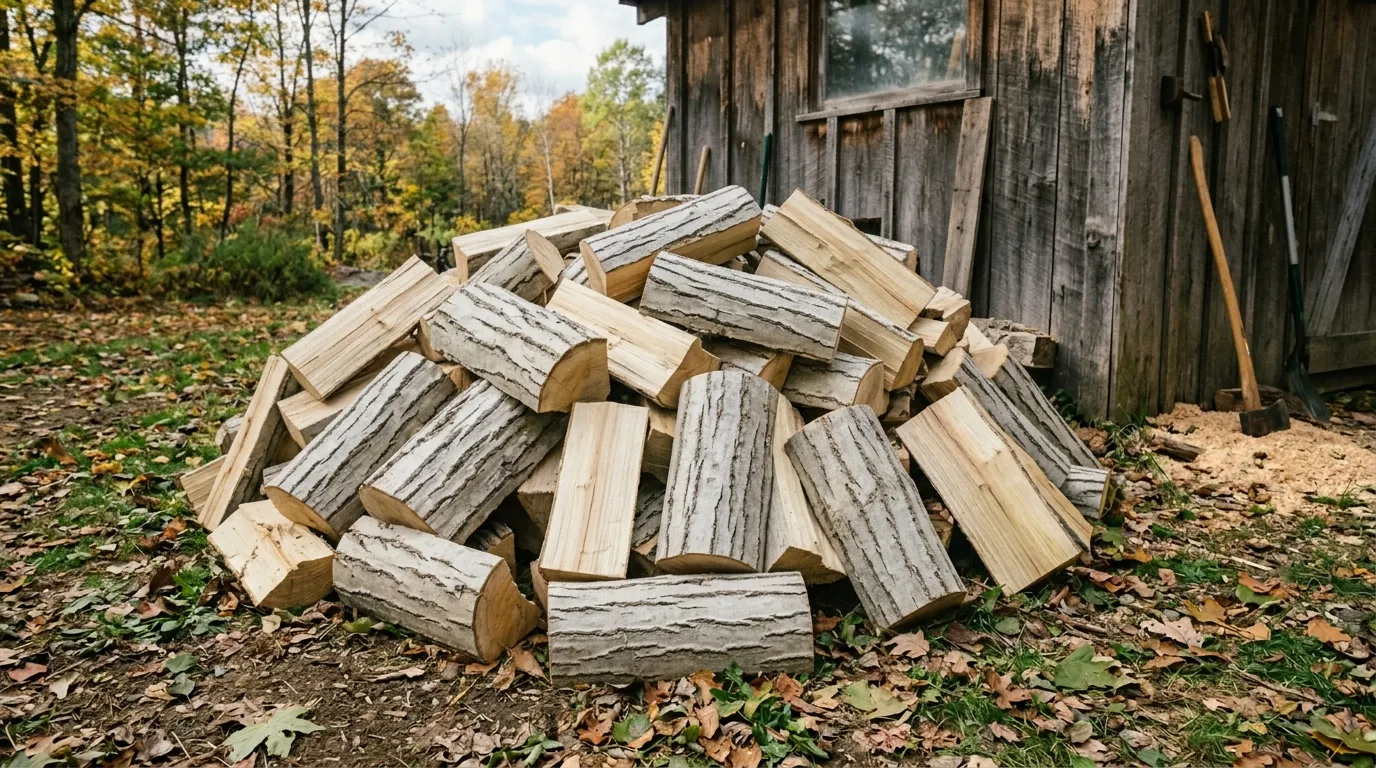
Ash is one of the easiest hardwoods to split. The grain is straight, and the wood separates cleanly under an axe or splitter.
That ease saves time and energy, especially if you process your own firewood.
Handling benefits include:
Straight logs stack neatly
Uniform splits dry evenly
Lighter than oak at similar sizes
For older burners or anyone splitting by hand, ash is far more forgiving than knotty or twisted woods.
Smoke Production and Indoor Air Quality
Ash burns clean when seasoned. It produces minimal visible smoke and does not release strong odors indoors or outdoors.
This makes it suitable for:
Indoor wood stoves
Fireplaces without heavy drafting
Neighborhoods where smoke complaints matter
Low smoke output also means less buildup in the chimney, which reduces creosote risk when burned correctly.
Creosote and Chimney Safety
Creosote forms when unburned gases cool inside the chimney. Dense smoke and wet wood make the problem worse.
Ash, when dry, produces fewer unburned particles than many woods. Its steady burn and low sap content help keep flue temperatures stable.
Safety advantages include:
Lower creosote accumulation
Reduced chimney fire risk
Longer intervals between cleanings
This does not replace routine chimney inspections, but it does reduce stress on the system.
Ash Firewood Compared to Other Common Woods
Here is a clear comparison of ash against other popular firewoods.
Wood Type
Heat Output
Seasoning Time
Ease of Splitting
Smoke Level
Ash
Medium high
Short
Very easy
Low
Oak
Very high
Long
Moderate
Low
Maple
Medium high
Medium
Easy
Low
Birch
Medium
Medium
Easy
Medium
Pine
Low
Short
Easy
High
Ash stands out for balance. It does not dominate any single category, but it performs well in all of them.
Is Ash Good Firewood for Beginners?
Ash is one of the best firewoods for beginners. It lights easily, behaves predictably, and forgives small mistakes.
New burners benefit from:
Simple splitting
Faster seasoning
Fewer smoke issues
Consistent heat output
If you are learning how to manage airflow, reload timing, and stove temperature, ash makes the process smoother.
Using Ash in Different Heating Setups
Ash adapts well to many setups.
In wood stoves:
Excellent for daily heating
Works well in catalytic and non catalytic stoves
In fireplaces:
Clean flame with good visual appeal
Minimal popping reduces ember escape
In outdoor fire pits:
Easy ignition
Pleasant heat without heavy smoke
Ash may not create the dramatic crackle some people enjoy, but it offers comfort and control.
Availability and Cost Considerations
Availability depends on location. In many areas, ash is widely available due to past tree die offs. In others, it can be harder to find.
Cost factors:
Often cheaper than oak
Sometimes sold green due to its fast seasoning reputation
Prices vary by region and supply
Because ash is easier to process, sellers may pass on lower labor costs to buyers.
Environmental and Sustainability Factors
Burning ash that has already been removed due to disease or safety concerns can be an efficient use of resources. It reduces waste and offsets fossil fuel use.
Sustainable practices include:
Buying local firewood
Avoiding transport over long distances
Burning only seasoned wood
Responsible use helps maintain forest health while providing renewable heat.
When Ash Might Not Be the Best Choice?
Ash is not perfect for every situation.
Possible downsides:
Slightly lower peak heat than oak
Less aromatic than fruit woods
Not ideal for very long overnight burns in extreme cold
Many burners solve this by mixing ash with denser hardwoods for flexibility.
Best Practices for Burning Ash Firewood
To get the most from ash:
Split soon after cutting
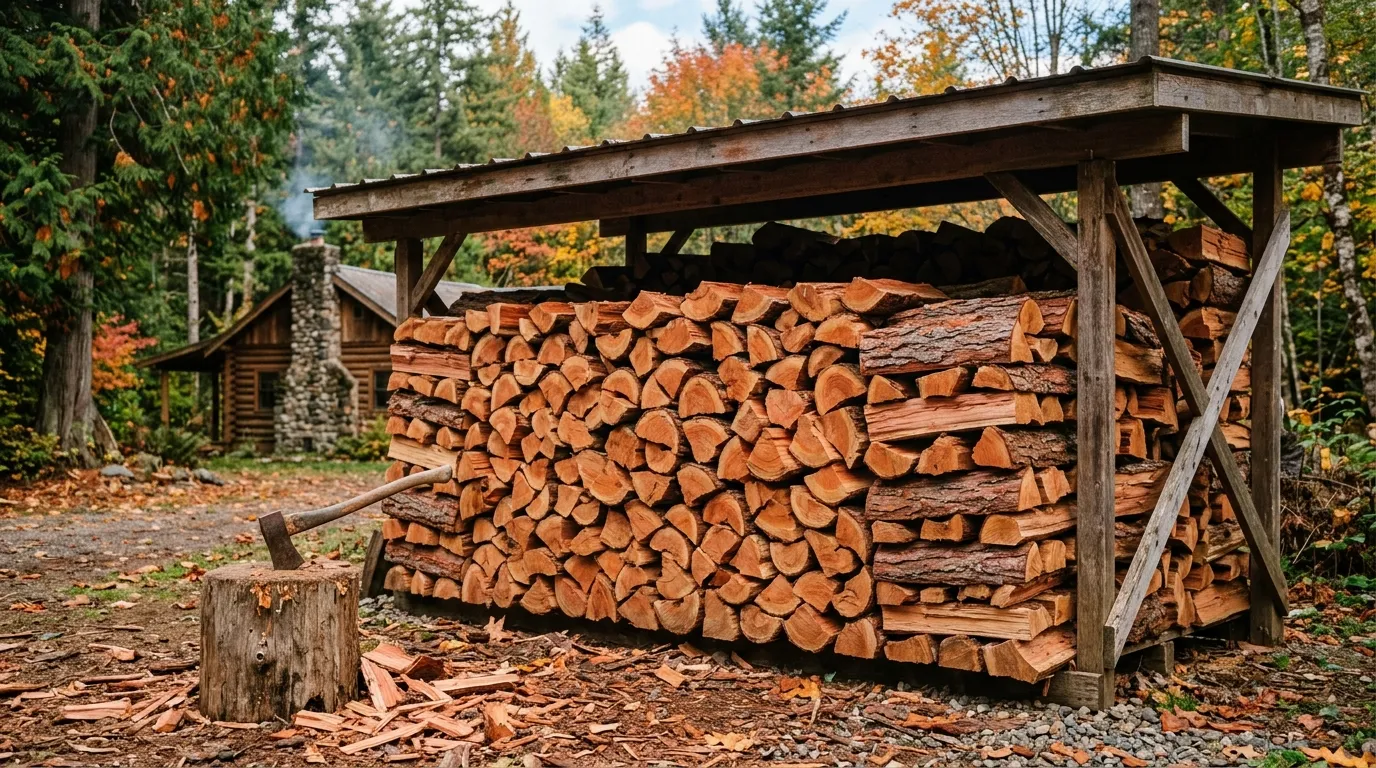
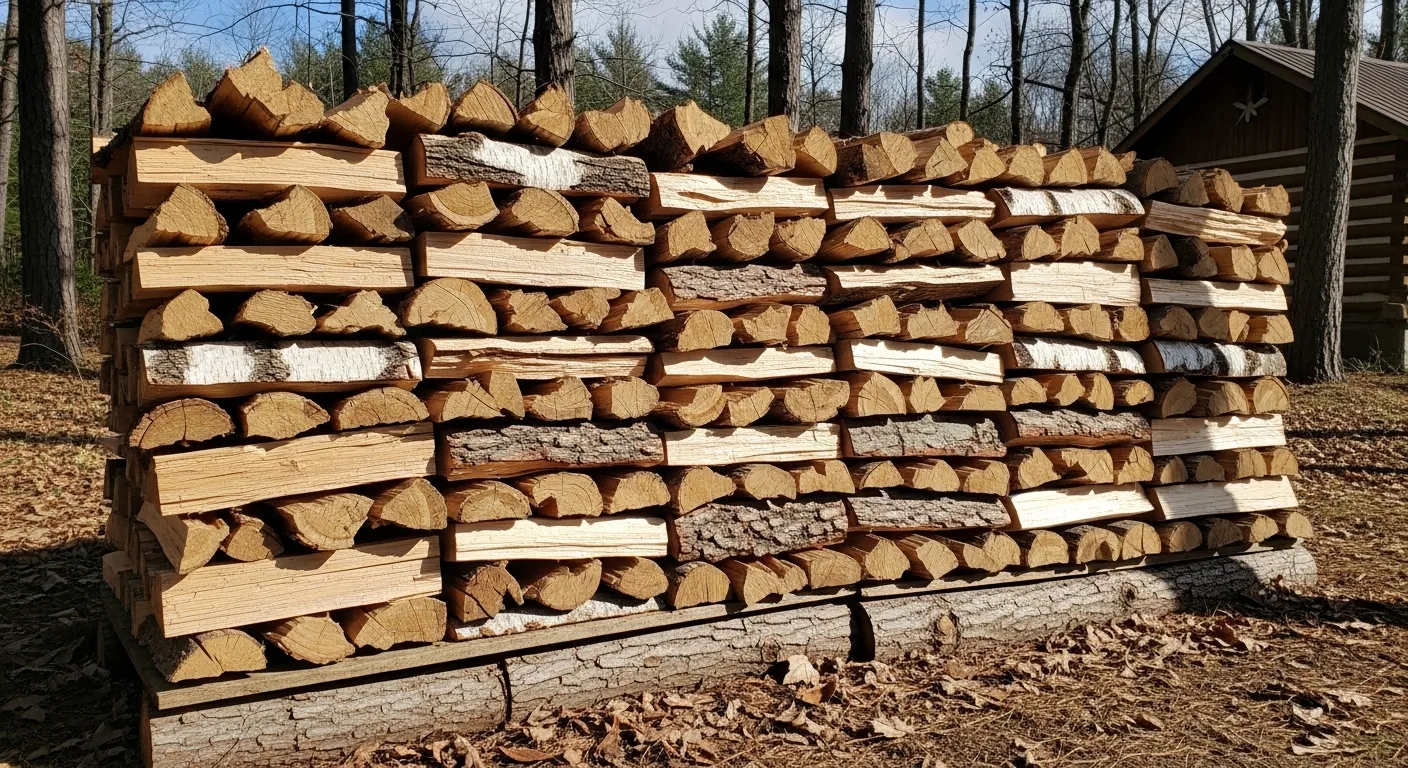
Stack off the ground with airflow
Season at least six months
Burn only when moisture is under 20 percent
Proper storage and stove management make a noticeable difference.
Conclusion
So, is ash good firewood to burn? Absolutely. Ash earns its reputation through balance, not hype. It is easy to split, quick to season, clean to burn, and reliable in almost any setup.
It may not be the hottest or longest burning wood on the planet, but it delivers steady heat with minimal effort. For beginners, it is forgiving. For experienced burners, it is dependable. For anyone who values clean, controlled fires, ash belongs in the stack.
If you want a firewood that works without drama, ash is hard to beat.
FAQs
Is Ash Good Firewood For Cooking?
Yes. Ash is a good firewood for cooking because it burns clean, produces steady heat, and has very little sap or resin. When properly seasoned, it does not give food a strong or unpleasant flavor, making it suitable for cooking over open fires, grills, or wood-fired ovens.
Is Ash Good Firewood For Fireplace?
Yes. Ash is an excellent choice for fireplaces. It lights easily, burns evenly, and produces minimal smoke and sparks. Its clean-burning nature makes it safer and more comfortable for indoor fireplace use.
Is Ash good Firewood For Wood Stove?
Yes. Ash works very well in wood stoves. It provides consistent heat, builds a strong coal bed, and burns predictably. When fully seasoned, it helps maintain efficient stove temperatures with low creosote buildup.
Is White Ash Good For Firewood?
Yes. White ash is considered one of the best types of ash for firewood. It has higher density and heat output than many other ash species, burns cleanly, and splits easily, making it a top choice for home heating.
Is Green Ash Good For Firewood?
Yes. Green ash is also good firewood. While it has slightly lower heat output than white ash, it still burns clean, seasons relatively fast, and is easy to split. It is a reliable and practical option for most burners.