Is Birch Good Firewood? Complete Guide To Heat and Burn Time
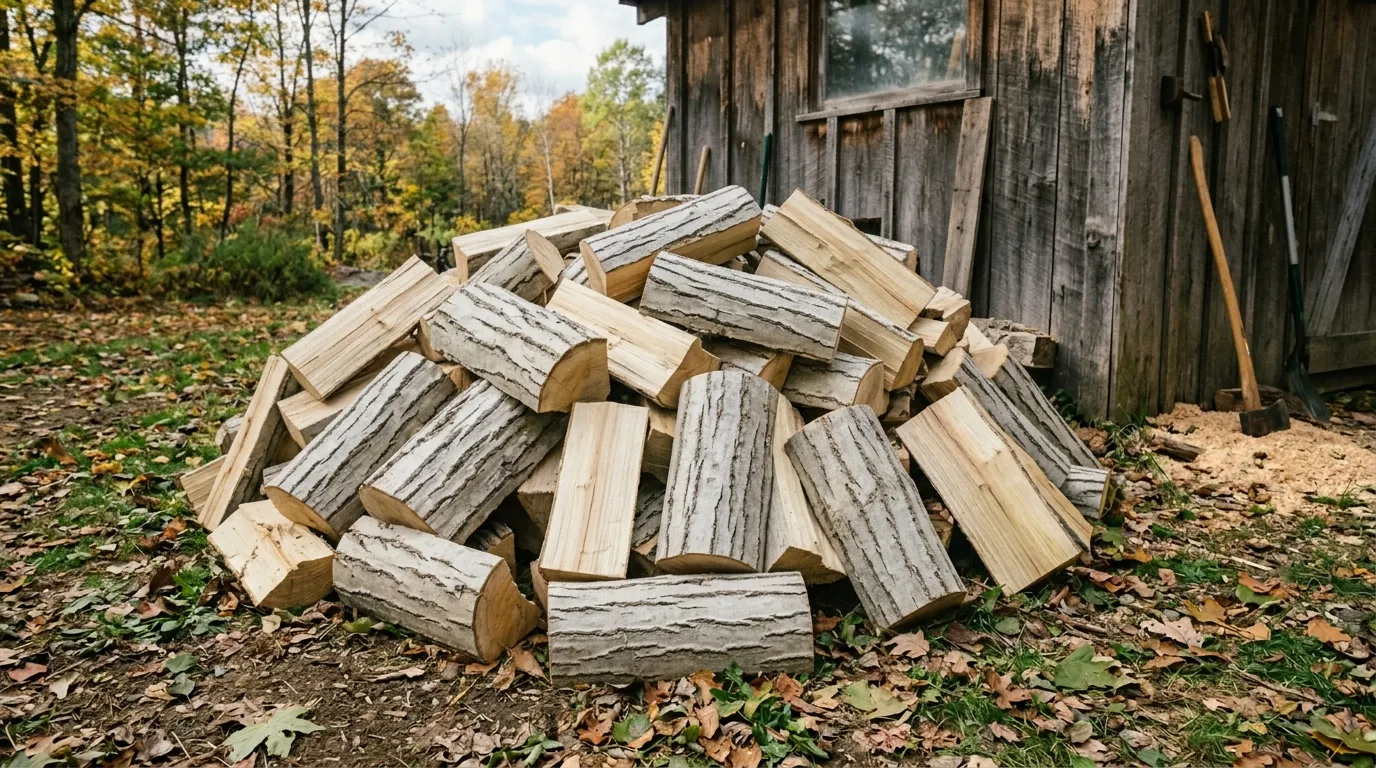
Birch is good firewood for many homes and camps. It lights easily, burns with strong heat, and gives a bright flame. The bark contains natural oils that help the wood catch fire fast. Because of this, birch is often used to start fires in a fireplace, wood stove, or campfire.
The main limit is burn time. Birch burns faster than dense hardwoods such as oak or maple. Many people mix birch logs with slower burning wood to keep the fire going longer. Even with this limit, birch remains a useful hardwood firewood for heating and cooking.
What Makes Birch Firewood Unique?
Birch wood comes from trees in the Betula genus. These trees grow across North America, Northern Europe, and parts of Asia. Several species produce firewood, including paper birch, yellow birch, and black birch.
The bark of birch trees contains oils called betulin. This oil helps the wood ignite quickly. Even small pieces of birch bark can catch fire with a match. Because of this feature, many campers use birch bark as natural fire starter.
Birch wood also has moderate density. Depending on the species, seasoned birch has a density between about 38 and 43 pounds per cubic foot. This density helps the wood produce solid heat while still lighting quickly. The flame is bright and steady, which makes birch popular in open fireplaces.
Heat Output of Birch Firewood
Heat output is measured in BTU per cord, which stands for British Thermal Units. One cord of wood equals 128 cubic feet of stacked logs.
Seasoned birch firewood produces about 20 to 21 million BTU per cord. This heat level places birch in the middle range of hardwood firewood.
Comparison of heat output for common firewood:
Firewood Type
Heat Output (BTU per Cord)
Oak
about 24 million BTU
Hard Maple
about 24 million BTU
Ash
about 23 million BTU
Birch
about 20 to 21 million BTU
Pine
about 16 to 17 million BTU
This data shows that birch produces more heat than many softwoods such as pine. However, it produces slightly less heat than very dense hardwoods such as oak or maple.
How Long Birch Firewood Burns?
Burn time depends on wood density, moisture level, and log size. Birch burns faster than dense hardwoods because its fiber structure is less compact.
Small birch logs may burn about 30 to 60 minutes in an open fireplace. Larger logs can burn close to one hour or slightly more in a wood stove with controlled airflow.
Because the burn cycle is shorter, birch is best for fires that need quick heat. Many people add birch to start the fire, then place slower woods such as oak or ash on top once the flame is stable.
Pros of Birch Firewood
Birch offers several benefits for home heating and outdoor fires.
Easy Ignition
The natural oils in the bark help the wood ignite quickly. Even slightly damp bark can catch fire faster than many hardwoods.
Strong Heat
With around 20 million BTU per cord, birch produces strong heat for indoor heating. The heat level works well in wood stoves and fireplaces.
Clean Burning
When seasoned properly, birch produces little smoke. The flame is steady and bright.
Pleasant aroma
Birch smoke has a mild sweet smell. This makes it pleasant for fireplaces and campfires.
These qualities make birch a practical choice for many households.
Cons of Birch Firewood
Birch has some limits that people should know before using it.
Shorter Burn Time
Birch burns faster than dense hardwoods such as oak or hickory. This means the fire may need more frequent refueling.
Storage Sensitivity
The bark traps moisture. If logs sit in a damp area for long periods, they can rot more easily than some other hardwoods.
Moderate Coal Production
Birch creates fewer long lasting coals compared with oak or maple. Coals help maintain overnight heat in wood stoves.
These limits do not make birch poor firewood. They only change how people use it in a fire.
Birch vs Other Firewood
Many people compare birch with other hardwoods before choosing firewood.
Oak produces more heat and burns much longer. A cord of oak can generate about 24 million BTU and forms strong coal beds.
Maple also burns longer than birch because the wood is denser. Hard maple delivers about 24 million BTU per cord.
Ash is known for steady burning and easy splitting. It produces about 23 million BTU per cord.
Birch sits in the middle of these options. It burns hotter than softwoods such as pine but faster than very dense hardwoods.
Because of this balance, birch works well as a quick heat wood rather than an overnight heating wood.
Additional comparison of burn speed and heat:
Firewood
Heat Level
Burn Speed
Oak
Very high
Slow
Maple
High
Slow
Ash
High
Medium
Birch
Medium high
Medium fast
Pine
Low
Fast
Types of Birch Used for Firewood
Several birch species grow across cold regions. Each type has slightly different burning qualities.
Paper Birch
Paper birch is common in Canada and northern United States. The white bark peels easily and ignites quickly. Heat output averages around 20.3 million BTU per cord.
Yellow Birch
Yellow birch is denser than paper birch. It produces close to 21.8 million BTU per cord and burns slightly longer.
Black Birch
Black birch is one of the densest species. It produces about 21.6 million BTU per cord and provides longer burn time than paper birch.
Each type works well for firewood, though yellow and black birch provide better burn time.
Is Birch Hardwood or Softwood?
Birch is a hardwood tree species. Hardwood trees grow from broadleaf plants, while softwoods come from conifer trees such as pine, spruce, and fir.
Hardwoods usually have denser wood fibers. This allows them to produce more heat during burning. Birch sits in the middle of the hardwood density range, which explains its balance of easy ignition and moderate burn time.
Is Birch Good for Campfires?
Birch works very well for campfires. The bark lights easily and helps start flames even in cool weather.
Campers often collect small pieces of birch bark to use as natural tinder. The oils inside the bark ignite fast and help larger logs catch fire.
The bright flame also makes birch good for cooking outdoors. Campfire cooking often needs steady flame rather than slow coals. Birch provides this type of heat.
Is Birch Good for Wood Stoves?
Birch burns well in modern wood stoves. The heat output can warm a room quickly during cold weather.
Because birch burns faster, many stove owners mix it with dense hardwoods. A common approach is to start the fire with birch logs, then add oak or maple once the firebox is hot.
Wood stoves work best with firewood moisture below 20 percent. A moisture meter helps confirm that the logs are dry enough for clean burning.
Does Birch Produce Creosote?
Birch does not produce excessive creosote when it is properly seasoned. Creosote forms when smoke cools inside the chimney and condenses into a sticky residue.
High moisture wood increases creosote buildup because the fire temperature stays lower. If birch logs contain less than 20 percent moisture, they burn cleaner and produce less creosote.
Maintaining good airflow in the fireplace or wood stove also helps reduce creosote formation.
How to Season Birch Firewood?
Seasoning means drying the wood before burning it. Fresh cut birch can contain 40 to 60 percent moisture.
Good firewood should contain less than 20 percent moisture. This level helps the wood burn cleanly and produce strong heat.
Birch seasons faster than dense hardwoods. In many climates, birch logs reach proper dryness in about 6 to 12 months if stacked correctly.
Splitting logs soon after cutting helps the drying process. Smaller pieces expose more surface area to air.
How to Store Birch Firewood?
Proper storage protects birch from moisture damage.
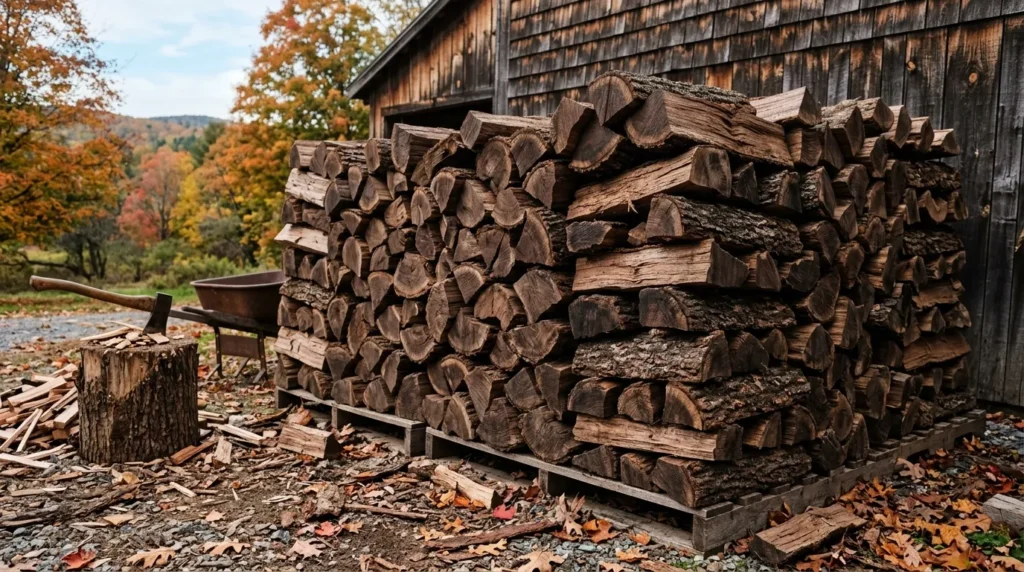
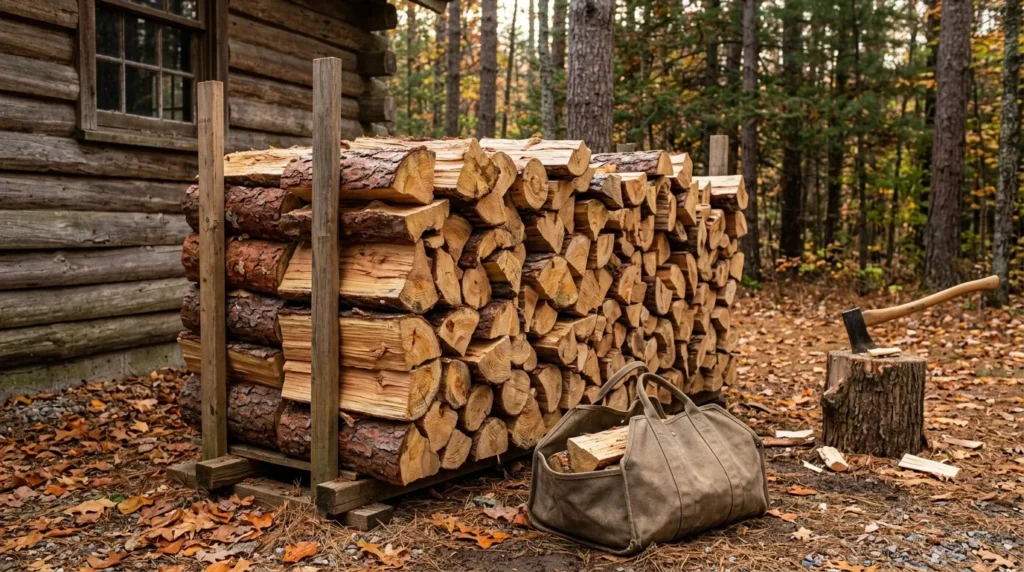
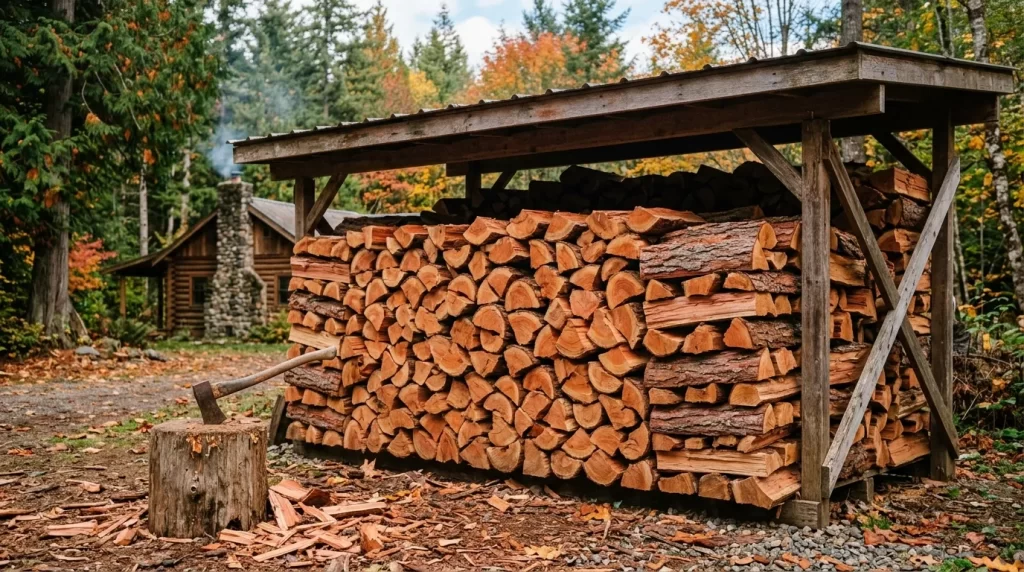
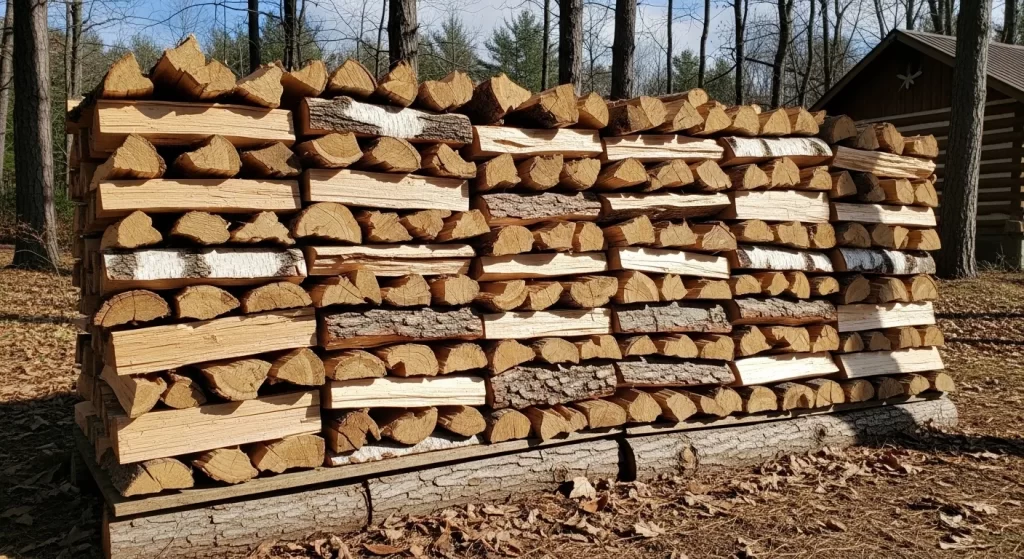
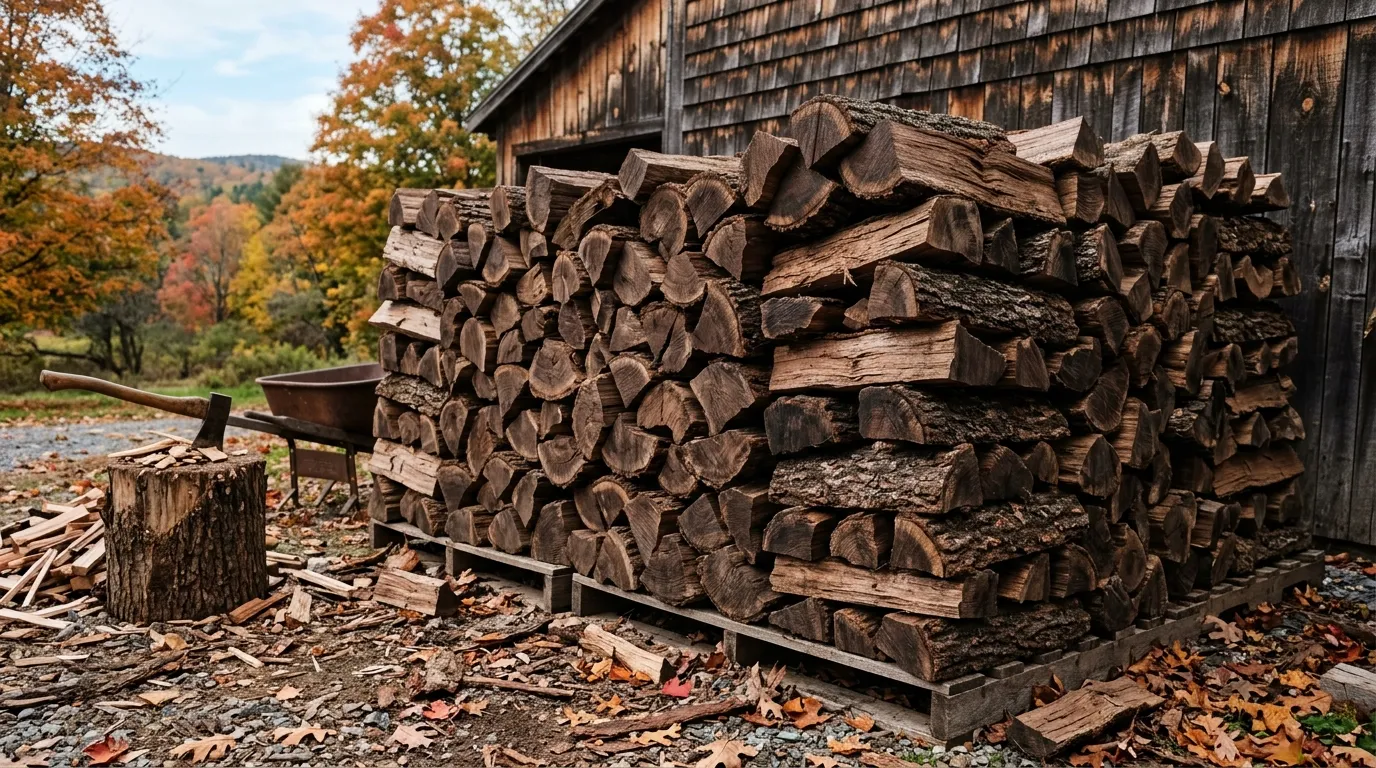
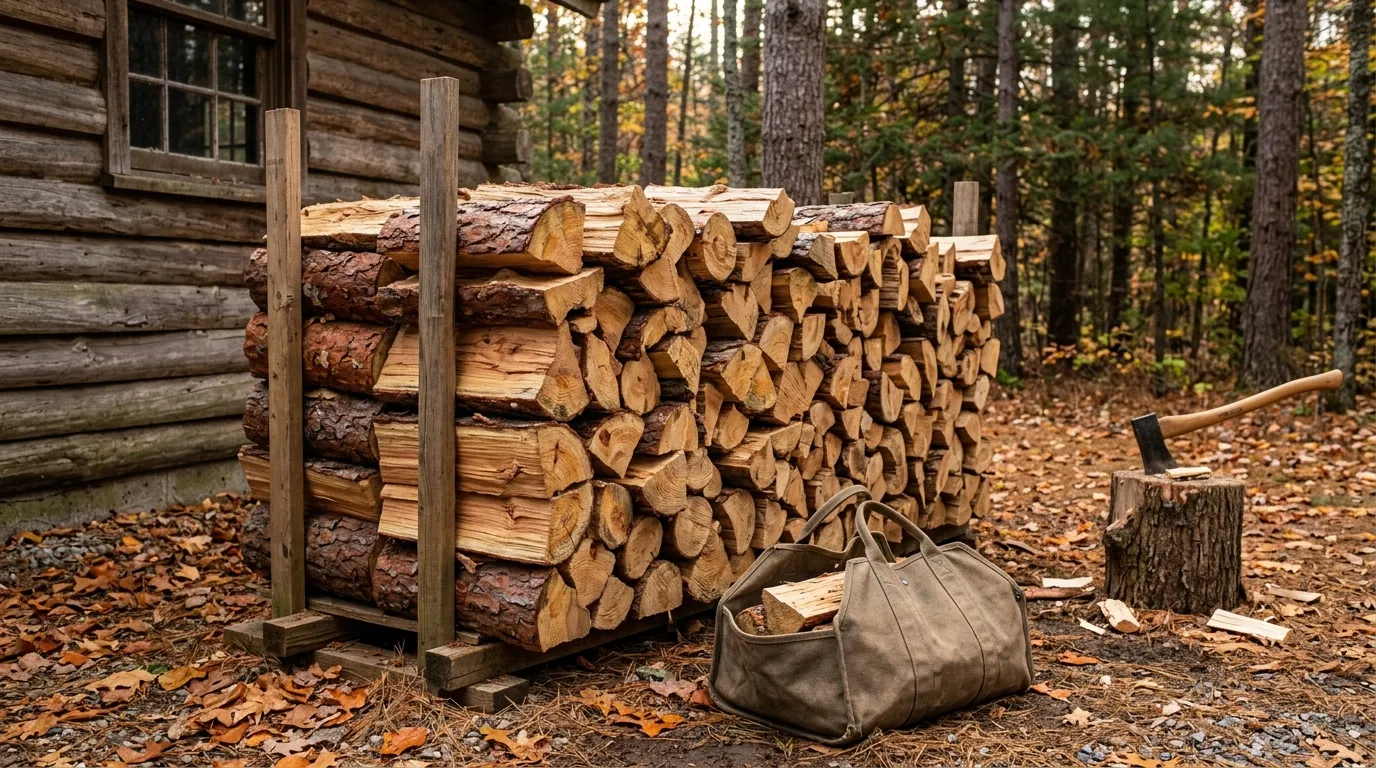
Logs should be stacked off the ground on pallets or rails. This keeps water from soaking into the wood.
Airflow is important. Wood stacks should have space between rows so wind can move through the pile.
Cover only the top of the stack. A simple roof or tarp keeps rain off the wood while leaving the sides open for ventilation.
Good storage helps birch stay dry and ready for winter heating.
How to Identify Birch Firewood?
Birch firewood can be recognized by several physical features.
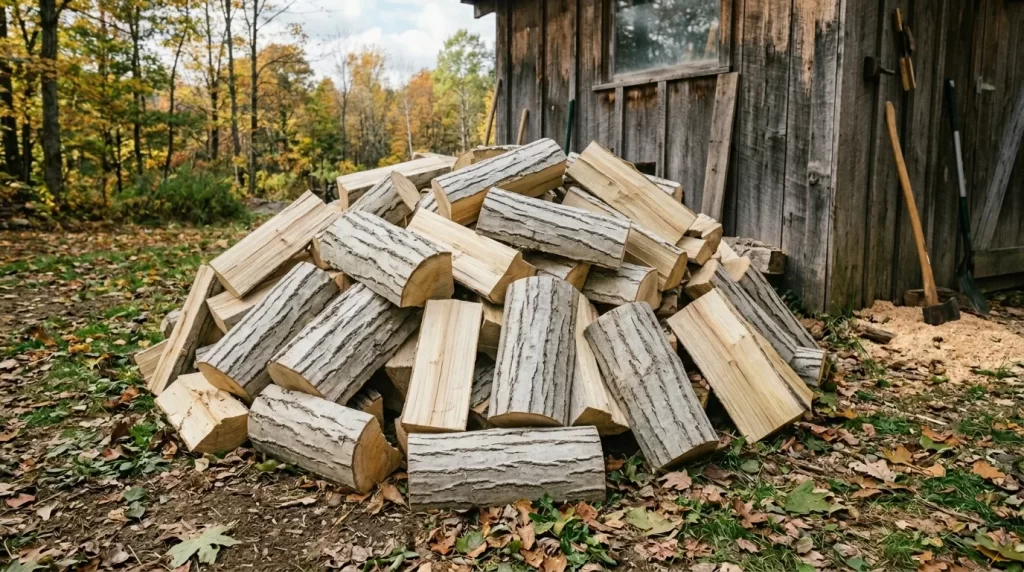
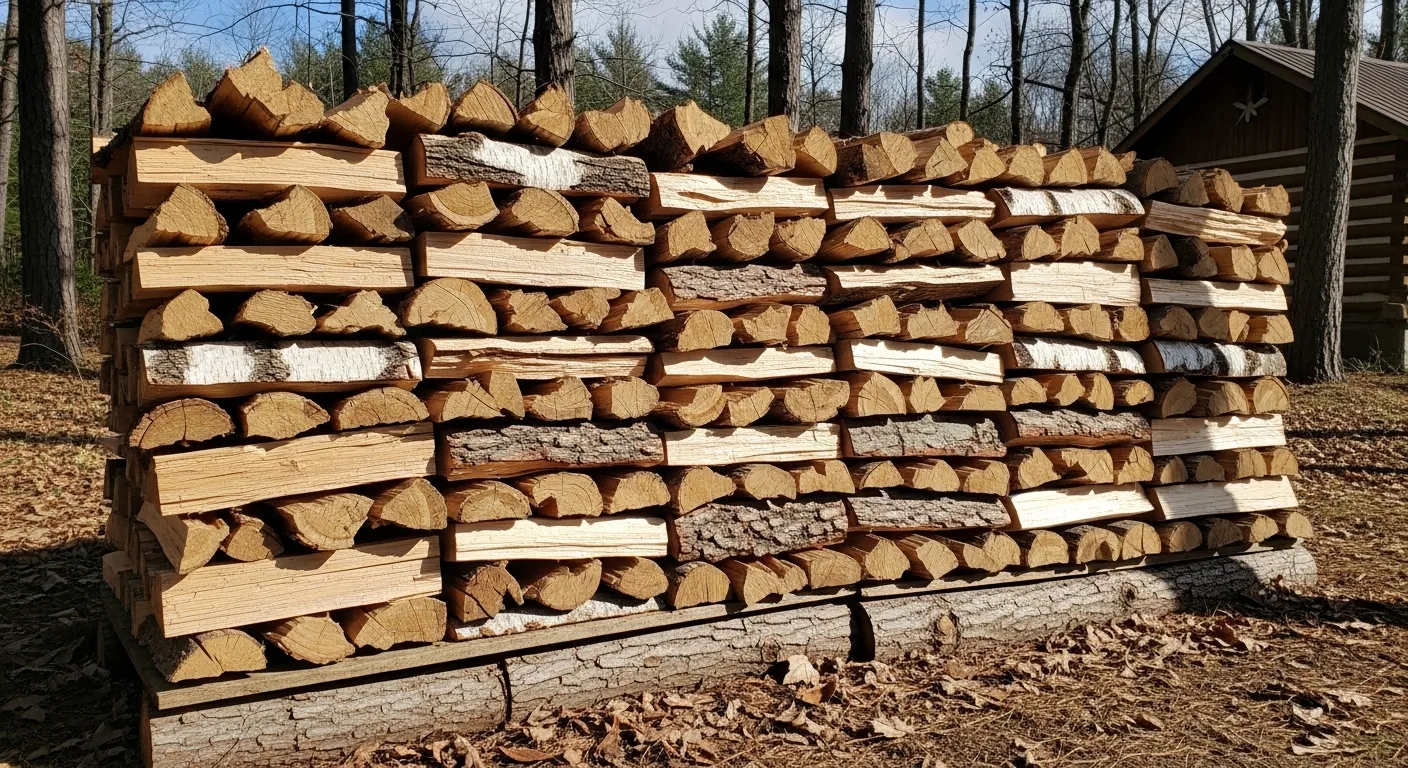
Most birch species have light colored bark that appears white, silver, or pale yellow. The bark often peels in thin layers or strips.
Freshly split birch wood shows a light cream or pale yellow interior. The grain pattern is fine and even compared with many hardwoods.
Younger birch trees have smoother bark, while older trees develop more textured surfaces. These visual signs make birch easier to recognize when collecting or buying firewood.
Tips for Burning Birch Efficiently
Efficient burning improves heat output and reduces smoke.
Use seasoned logs with moisture below 20 percent. Wet wood wastes heat energy because water must evaporate before the wood burns.
Split birch into medium sized pieces. This size creates steady flames without burning too quickly.
Control airflow in a wood stove. Balanced airflow helps the fire burn hot while limiting smoke.
Mix birch with slower burning hardwoods. Oak, maple, and ash extend burn time while birch provides quick heat.
These simple methods improve the overall performance of birch firewood.
Best Firewood to Mix With Birch
Birch works well when combined with other hardwoods. Mixing firewood types helps balance quick heat and long burn time.
Birch and oak create a strong combination. Birch lights quickly while oak provides long lasting heat.
Birch and maple also work well together. Maple burns slowly and maintains steady heat once the fire is established.
Birch and ash produce balanced fires. Ash splits easily and burns steadily, which helps maintain the fire after birch ignites the initial flame.
These combinations allow people to use birch effectively while maintaining longer heating cycles.
Is Birch Good Firewood for Cooking?
Birch can be used for outdoor cooking and grilling. It produces steady flames and moderate heat.
The smoke from birch wood has a light, slightly sweet smell. This mild smoke works well for campfire cooking, grilling, and outdoor roasting.
Birch is often used for cooking over open fires because it lights quickly and creates a stable flame that supports cooking pots and grills.
Final Verdict
Birch is good firewood for many homes and outdoor fires. It lights easily, burns with steady heat, and creates a bright flame. With about 20 to 21 million BTU per cord, it produces enough heat for fireplaces, wood stoves, and campfires.
The main trade off is burn duration. Birch burns faster than dense hardwoods such as oak or maple. Because of this, many people combine birch with slower woods for longer fires.
When seasoned properly and stored in a dry stack, birch remains a reliable choice for home heating and outdoor fires.