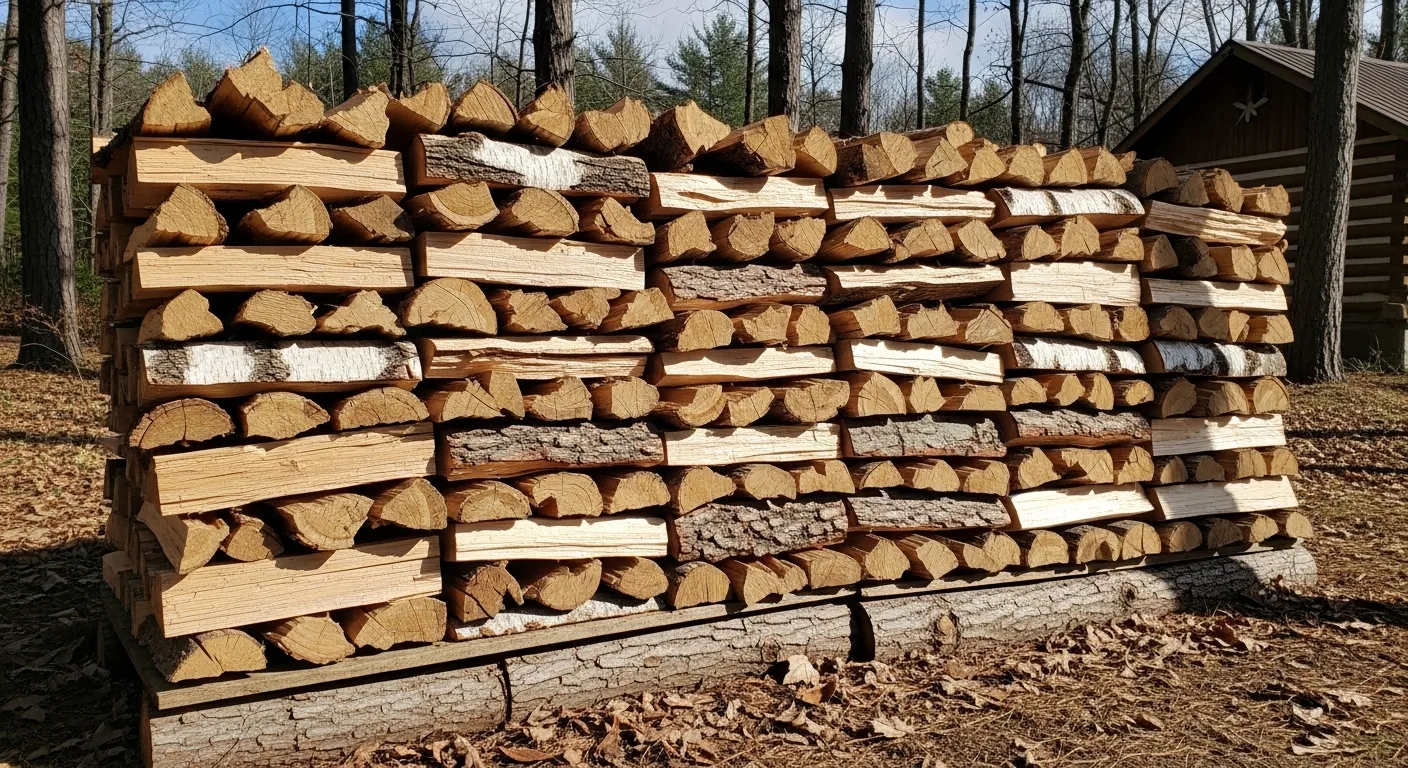
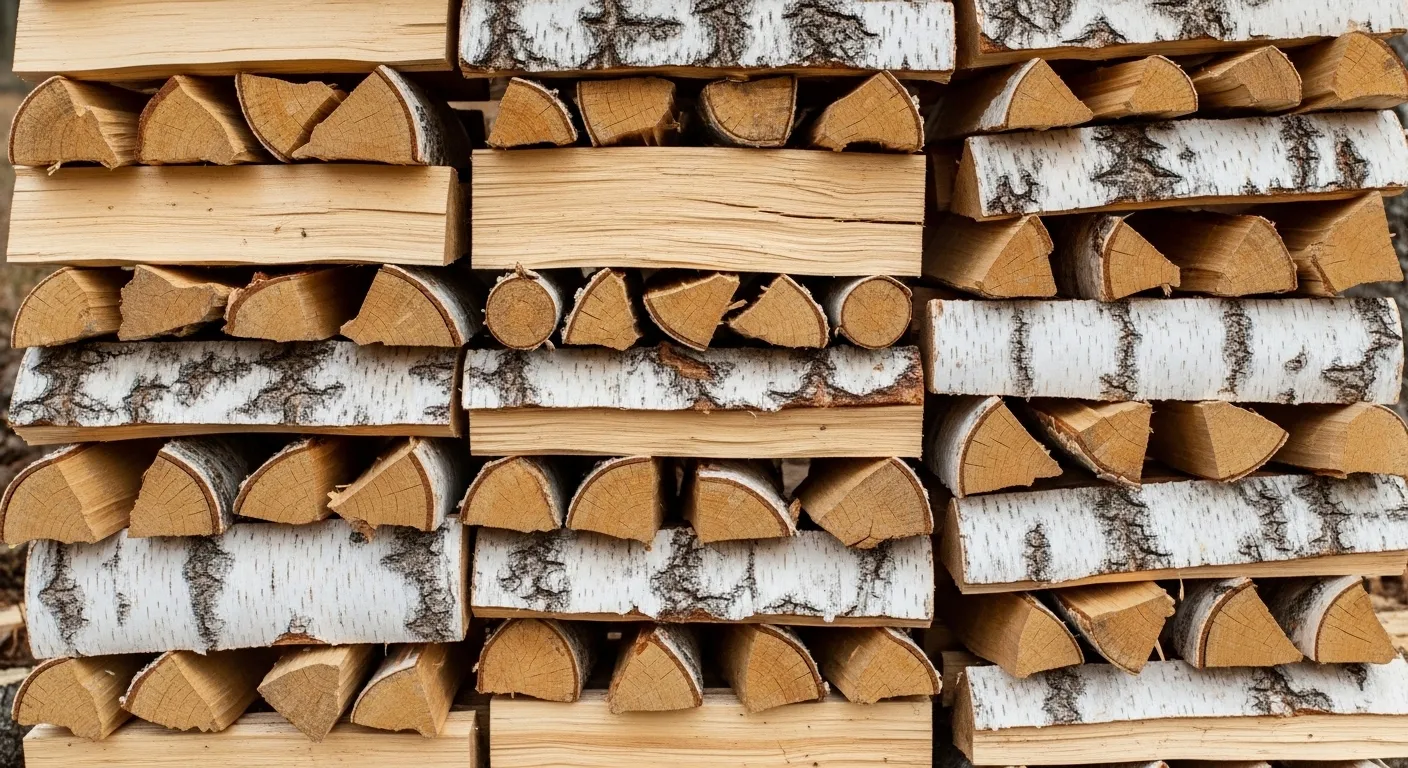
Choosing the right firewood can change how well a fire burns, how much heat it produces, and how often you must reload the fireplace or stove.
Many people ask about cedar because it is easy to find in many parts of North America and often appears in firewood piles. Some people praise it, while others avoid using it indoors.
Cedar wood has unique traits that make it different from hardwoods like oak, maple, or hickory. It burns fast, produces a strong aroma, and lights quickly, which makes it useful in certain situations. At the same time, it behaves differently from dense hardwood firewood that burns longer.
This guide explains how cedar performs as firewood, how much heat it produces, when it works best, and when other firewood types may be a better choice.
What Is Cedar Wood?
Cedar refers to a group of softwood trees that belong to the genus Cedrus and other related species often called cedar in North America. The most common firewood varieties include eastern red cedar, western red cedar, and northern white cedar.
These trees grow widely across forests in the United States and Canada. Cedar wood is known for its natural oils, distinct fragrance, and resistance to insects and decay. Because of these oils, cedar is also widely used in closets, furniture, and outdoor construction.
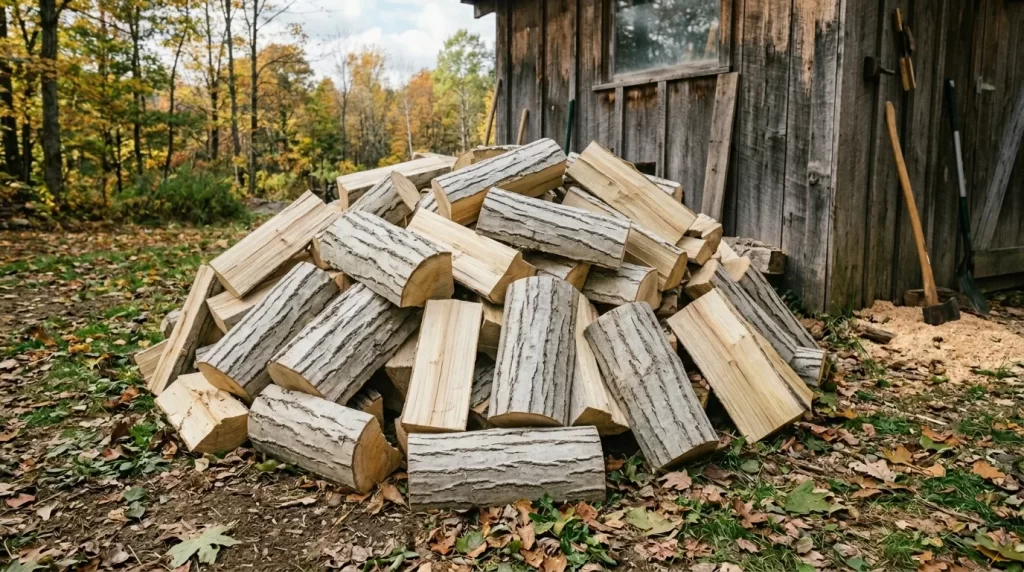
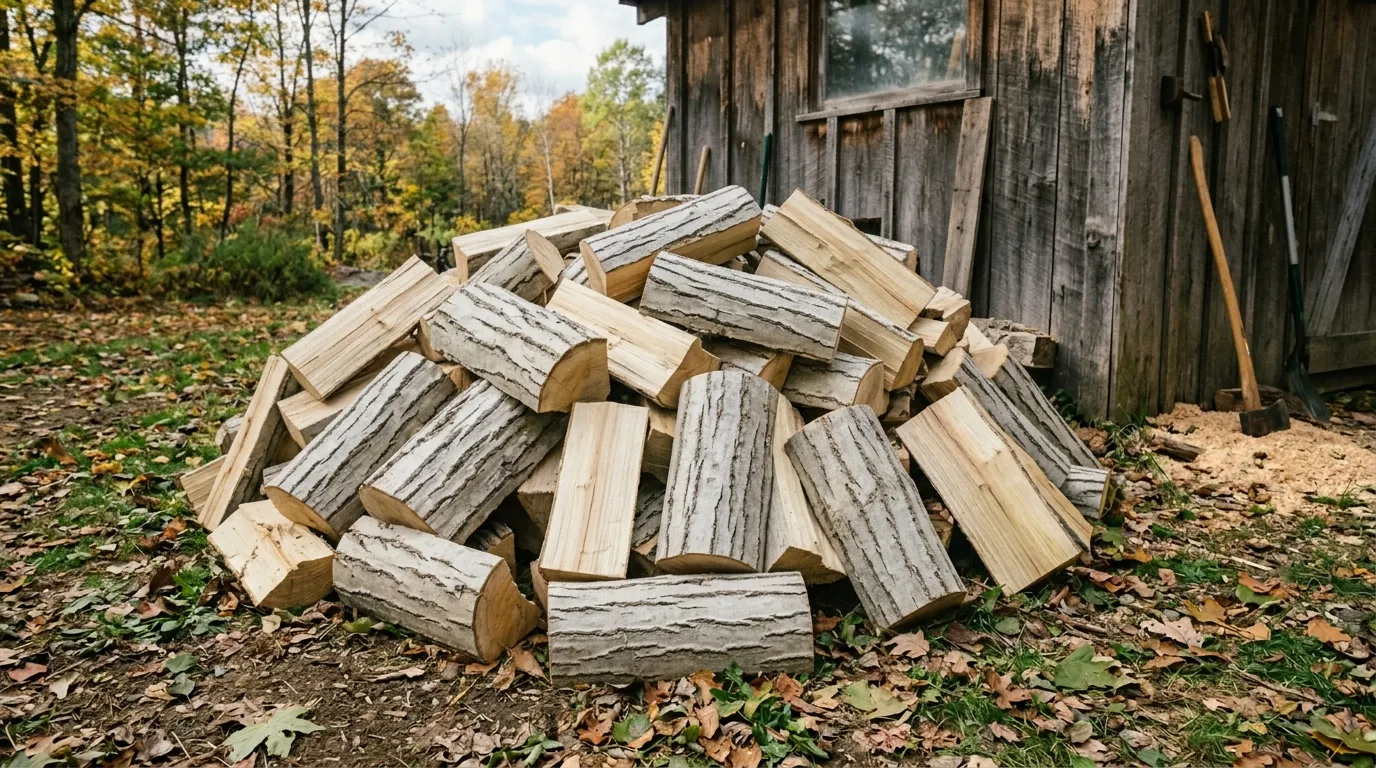
Cedar logs are lighter than hardwoods like oak or ash. The grain is usually straight, and the wood splits easily, which makes it simple to prepare for firewood.
Is Cedar Good Firewood?
Cedar can be good firewood depending on how it is used. The wood ignites quickly and burns easily because it contains natural oils and low moisture when seasoned properly. This makes cedar excellent for starting fires in fireplaces, wood stoves, and outdoor fire pits.
However, cedar burns faster than dense hardwoods. Because it is a softwood, it does not produce long lasting coals the way oak or maple does. People who rely on wood heat during winter often mix cedar with hardwood logs.
Many households keep cedar specifically for kindling or fire starters. Its quick ignition helps establish a strong flame that can then sustain heavier hardwood pieces.
Heat Output Of Cedar Firewood
The heat produced by firewood is measured in British Thermal Units, often called BTUs. Cedar produces around 13 to 15 million BTUs per cord depending on the species and moisture content.
Hardwoods like oak can produce more than 24 million BTUs per cord, which explains why they burn longer and provide more sustained heat. Cedar produces less heat overall because the wood density is lower.
Despite lower heat output, cedar still provides a strong flame. It works well for short fires, outdoor gatherings, and situations where fast ignition is helpful.
How Cedar Burns In A Fireplace Or Wood Stove?
Cedar burns with bright flames and a pleasant scent that many people enjoy. The fire catches quickly and spreads through the wood without much effort. Because of this, cedar is often used to start fires in wood burning stoves.
The burn time is shorter than hardwoods. Logs break down faster and produce fewer long lasting coals. This means a fireplace using only cedar requires more frequent reloading.
Another factor is the smoke aroma. Cedar smoke carries a strong woody smell that some people like while others find too strong indoors.
Advantages Of Using Cedar Firewood
One of the main advantages of cedar firewood is how easily it lights. Even small cedar pieces catch fire quickly, which makes them perfect for starting fires during cold weather.
Cedar also splits easily because of its straight grain. Preparing logs requires less effort compared to hardwood species like elm or oak. This makes cedar convenient for homeowners who cut and split their own wood.
Another benefit is natural insect resistance. The oils present in cedar help repel pests, which means stacked firewood piles are less likely to attract termites or wood eating insects.
Disadvantages Of Cedar As Firewood
The biggest drawback of cedar firewood is its short burn time. Because the wood is less dense, it burns faster than hardwood species such as maple, hickory, or oak. This means fires require more frequent wood additions.
Cedar can also produce more popping and sparking compared to some hardwoods. The natural oils inside the wood sometimes cause small sparks, which can be risky in open fireplaces without a screen.
Another concern involves creosote buildup. Softwoods like cedar may contribute to creosote accumulation in chimneys if used frequently without proper ventilation or chimney cleaning.
Best Uses For Cedar Firewood
Cedar works best in situations where quick ignition and strong flames are useful. Many campers and homeowners use cedar to start fires because it lights easily and produces steady flames.
Outdoor fire pits and campfires are excellent places to burn cedar. The pleasant scent and lively flames create a comfortable atmosphere for gatherings. Many people enjoy the smell during outdoor evenings.
Inside homes, cedar is often used as kindling or mixed with hardwood logs. The cedar starts the fire quickly while the hardwood provides long lasting heat.
Cedar Firewood Compared To Other Firewood Types
When compared with hardwoods like oak, maple, or ash, cedar produces less heat and burns faster. Hardwoods are denser, which allows them to burn slowly and maintain coals for long periods.
Compared with other softwoods like pine or fir, cedar burns in a similar way but often produces a stronger aroma due to its natural oils. Many people prefer cedar over pine for fire starting.
The best firewood stacks often contain a mix of species. Cedar helps start the fire quickly while hardwood logs maintain steady heat throughout the burn.
How To Season Cedar Firewood?
Seasoning firewood means allowing it to dry so moisture levels drop to around twenty percent or lower. Cedar dries faster than many hardwoods because its structure allows moisture to escape easily.
Freshly cut cedar typically needs around six months of drying time when stacked properly in a well ventilated area. Splitting the wood speeds up the drying process and improves burning performance.
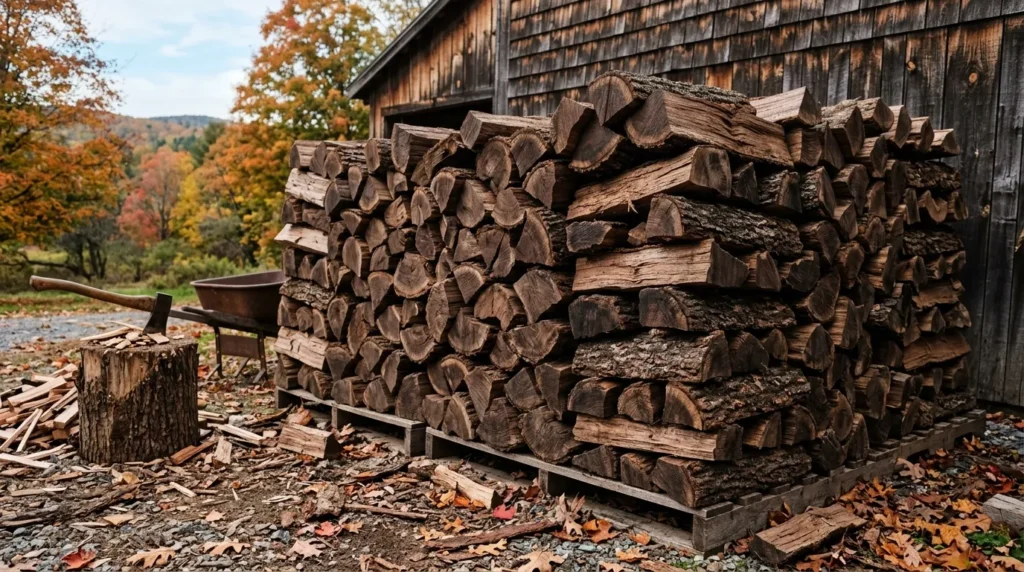
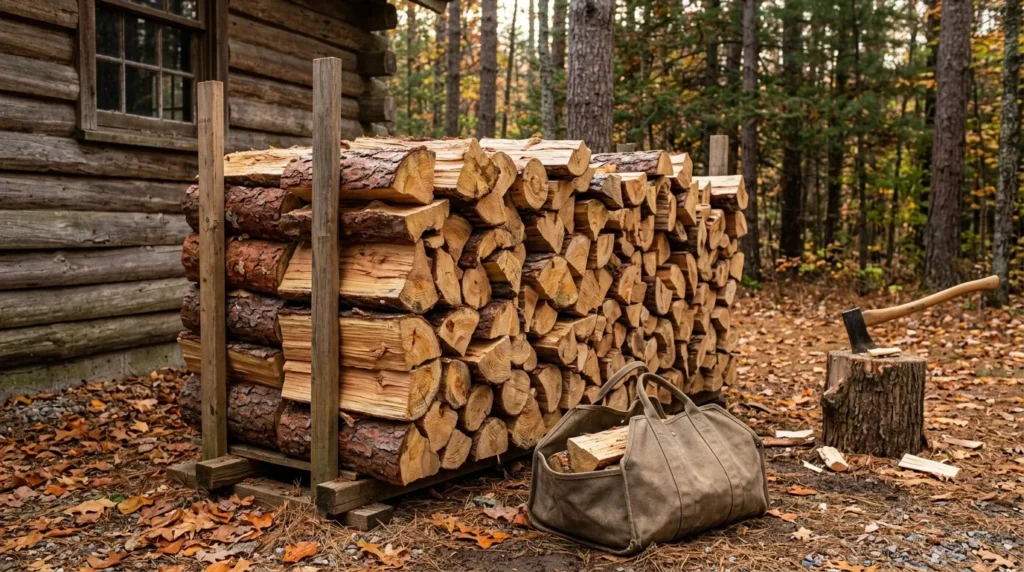
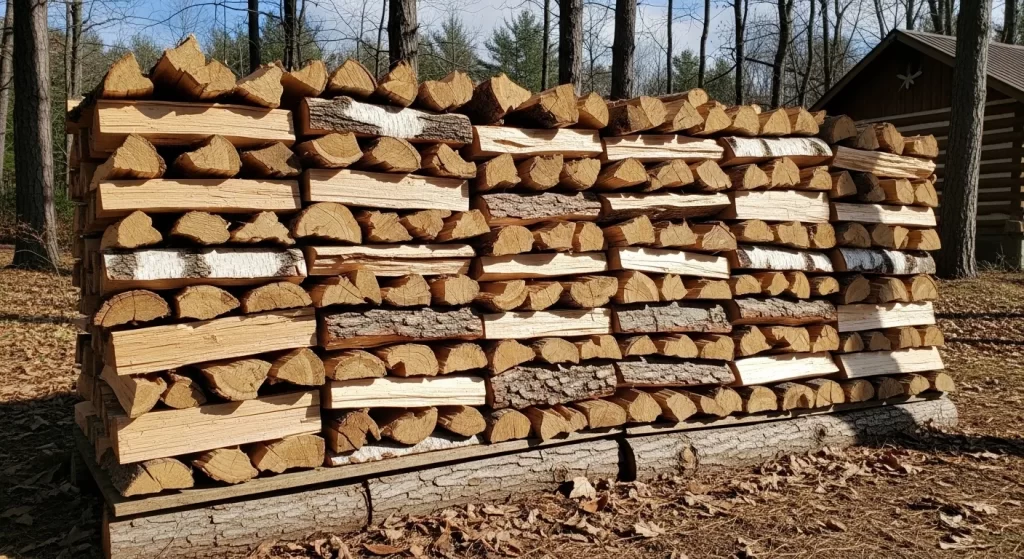
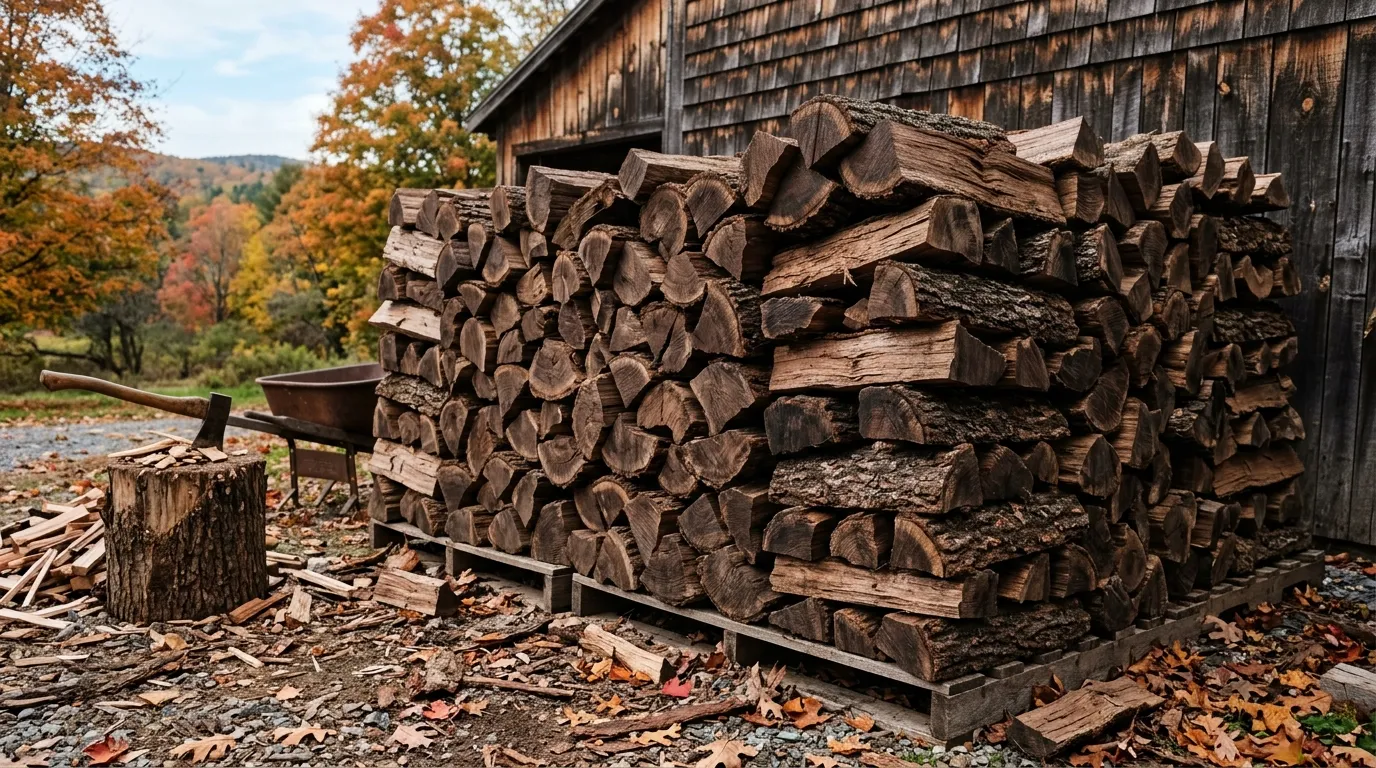
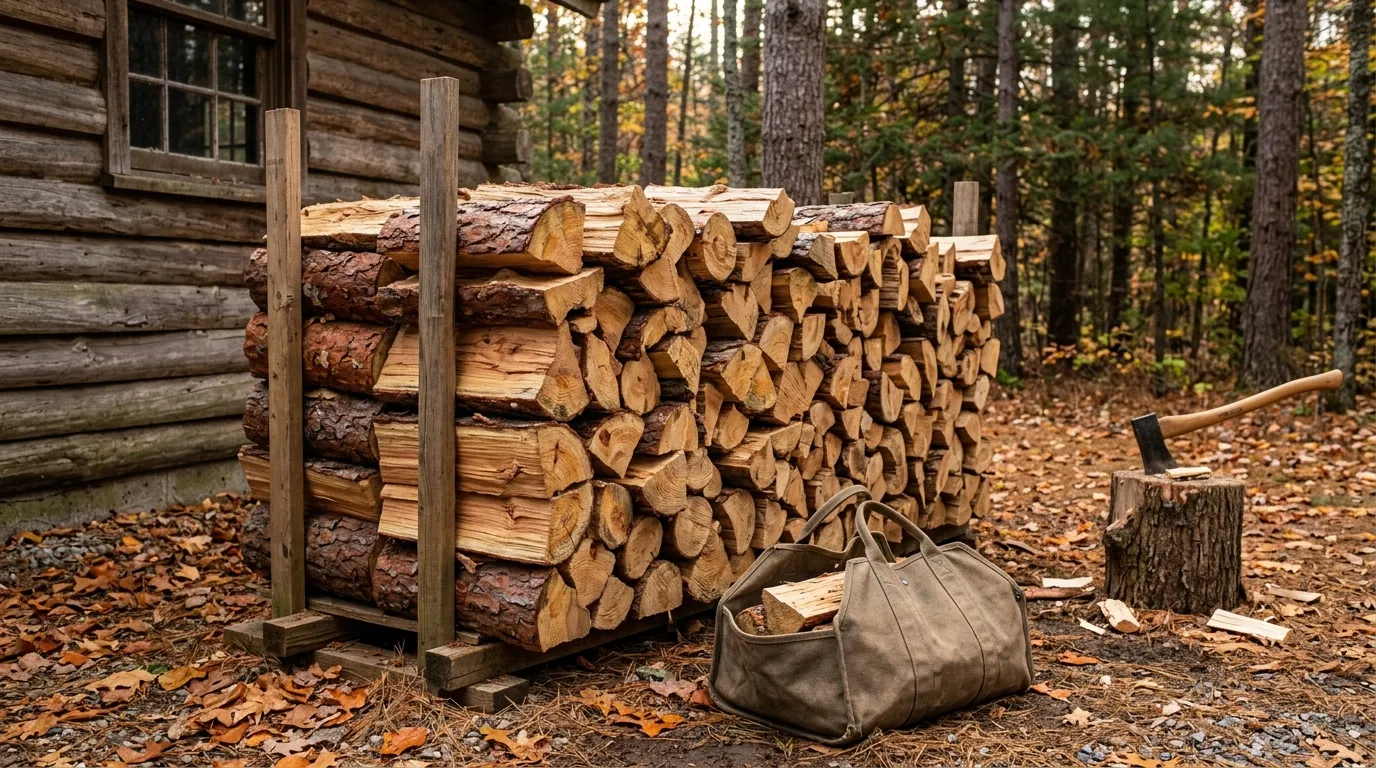
Firewood should be stacked above ground and covered from rain while allowing air circulation. Properly seasoned cedar burns cleaner and produces less smoke.
Safety Considerations When Burning Cedar
Burning cedar safely requires attention to fireplace and chimney maintenance. Because cedar burns quickly and contains natural oils, it can contribute to creosote buildup if used frequently in enclosed systems.
Regular chimney cleaning helps prevent chimney fires caused by creosote accumulation. Wood stoves and fireplaces should also have good airflow to maintain efficient combustion.
Using a fireplace screen is recommended because cedar logs can occasionally spark. This simple step protects floors and nearby furniture from small embers.
Conclusion
Cedar can be useful firewood when used in the right way. It lights quickly, produces bright flames, and gives off a pleasant aroma that many people enjoy during fires. These qualities make cedar ideal for kindling, fire starters, and outdoor fire pits.
However, cedar burns faster and produces less heat than hardwoods like oak or maple. Because of this, many people combine cedar with hardwood logs to balance quick ignition with long lasting heat.
For homeowners who burn wood regularly, keeping a mix of cedar and dense hardwood firewood creates the most reliable and efficient fire.
Also Read: Is Birch Good Firewood