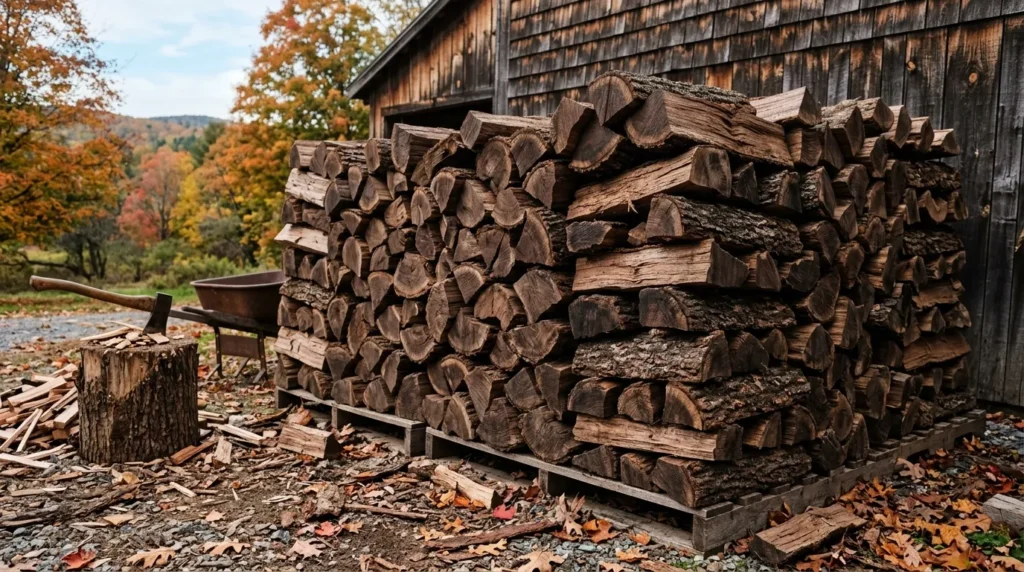
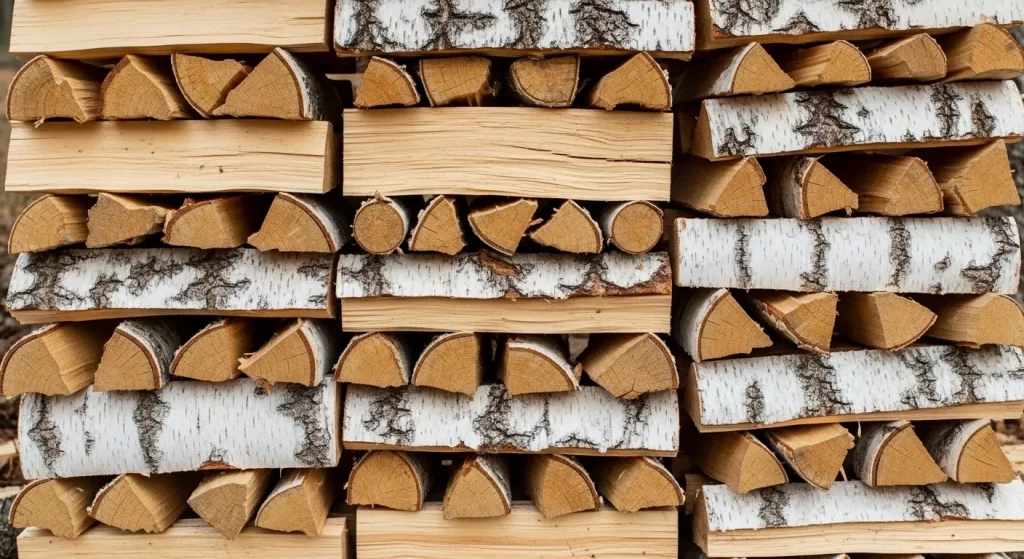
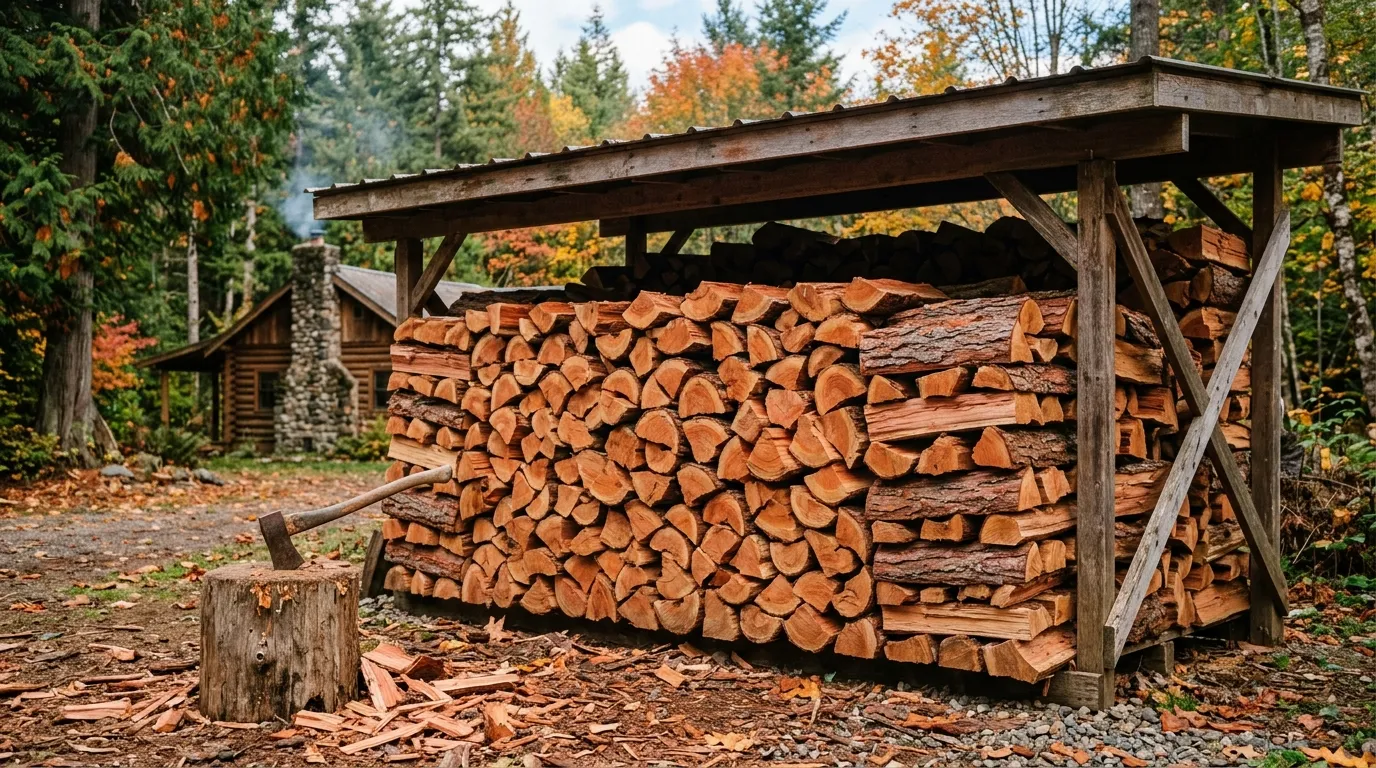
Yes, cottonwood can be used as firewood, but it is generally considered a lower quality option compared with dense hardwoods. It burns faster, produces less heat, and can create more smoke if the wood is not fully dried. Because of this, most people do not rely on cottonwood as their main heating wood during cold winters.
Even with these limits, cottonwood still has practical uses. It lights easily, splits without much effort, and is often available for free in many areas. Many homeowners use it for campfires, fire pits, or to help start larger fires with stronger hardwood logs. Knowing how cottonwood burns helps you decide where it fits best in your firewood supply.
What Is Cottonwood Firewood?
Cottonwood comes from trees in the Populus family, which also includes poplar and aspen. These trees grow fast and reach large sizes, especially near rivers and wet soil. The wood itself is light in weight and has a pale color with a straight grain pattern. Because the wood is soft, it is easy to cut and split compared with dense hardwood species.
Many regions in the United States and Canada have large cottonwood populations. Landowners often remove these trees because the roots spread wide and branches break in storms. That means cottonwood logs often become available as free firewood. While the wood is common, its burning performance is different from stronger hardwoods like oak or hickory.
Heat Output And BTU Rating
Heat output is usually measured in BTUs, which shows how much heat a wood species can produce. Cottonwood produces around 12 to 13 million BTUs per cord. This number is much lower than hardwoods such as oak, which can reach 24 million BTUs per cord. Because of that difference, cottonwood burns cooler and faster.
Lower heat output means cottonwood fires may need more frequent refilling. A full load of cottonwood logs will burn quicker than dense hardwood pieces. For short fires or mild weather, this lower heat level can still work well. For cold winter nights, many people mix cottonwood with stronger hardwood firewood.
How Cottonwood Burns In Fireplace Or Stove?
Cottonwood burns fairly quickly once it is fully seasoned. The flame tends to be lively but does not last as long as hardwood fires. Because the wood is soft and light, it turns to coals faster than dense species. This means it may not hold heat overnight in a wood stove.
In a fireplace, cottonwood can still create a pleasant looking flame. The fire starts easily and spreads through the logs without much effort. Many people use cottonwood as a starter wood because it catches fire quickly. It works well when combined with longer burning hardwood logs.
Seasoning Cottonwood Firewood
Fresh cottonwood contains a lot of moisture, which makes seasoning very important. Wet cottonwood burns poorly and produces heavy smoke. Most cottonwood logs need about six to twelve months of drying time after splitting. Proper airflow and sunlight help the wood reach a safe moisture content.
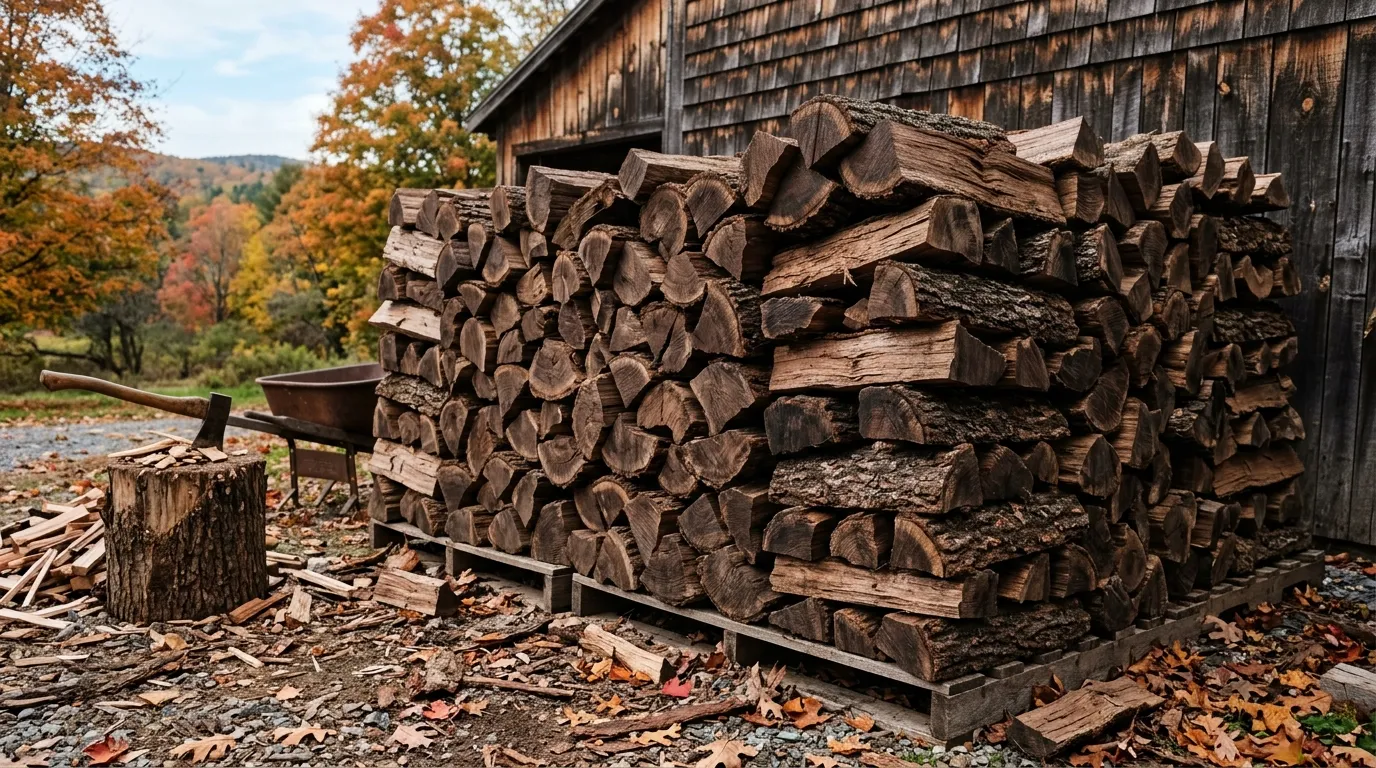
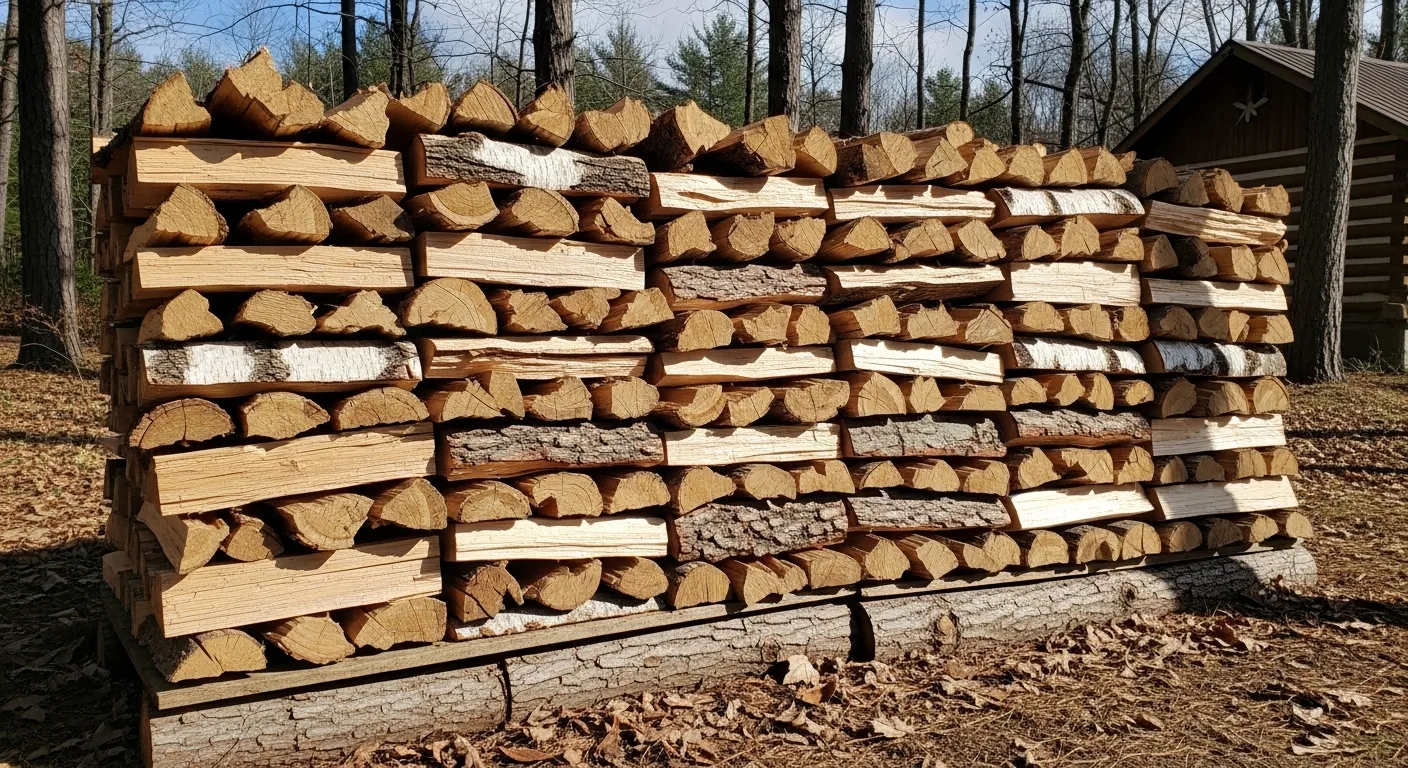
Splitting the logs early helps them dry faster. Smaller pieces allow trapped moisture to escape from the wood fibers. Stacking the firewood off the ground also improves airflow and prevents mold. Once the moisture level drops below about twenty percent, cottonwood burns much more efficiently.
Smoke Smell And Creosote
Cottonwood can produce more smoke than many hardwood species. If the wood is not fully seasoned, the smoke becomes thicker and can smell unpleasant. That smoke may also create creosote buildup inside a chimney. Creosote is a dark residue that forms when smoke cools inside flue walls.
A clean burn reduces these problems significantly. Dry cottonwood logs produce lighter smoke and less chimney residue. Good airflow in the fireplace or wood stove also improves the burn. Regular chimney cleaning keeps creosote buildup under control when using any type of firewood.
Pros Of Using Cottonwood Firewood
Cottonwood has several benefits that make it useful for certain situations. The wood splits easily because the grain runs fairly straight. This saves time when preparing firewood with an axe or log splitter. The logs also ignite quickly, which helps start fires faster.
Another advantage is availability. Many areas have large cottonwood trees that need trimming or removal. This makes the wood easy to find and often free for homeowners. Because of this, cottonwood can be a practical choice for casual fires and outdoor fire pits.
Cons Of Using Cottonwood Firewood
Cottonwood also has limits that people should understand before relying on it. The wood burns faster than dense hardwood species. This means fires require more frequent refilling to maintain steady heat. For long winter nights, cottonwood alone may not provide enough warmth.
Another drawback is the smoke level when the wood is still damp. Poorly seasoned cottonwood can create strong odors and thicker smoke. This smoke may lead to more creosote buildup in chimneys. Because of this, proper drying and storage are very important.
Best Uses For Cottonwood Firewood
Cottonwood works well for certain types of fires. Many people use it as kindling or starter wood because it lights quickly. The wood is also good for campfires, backyard fire pits, and short evening fires. These situations do not require long burning logs.
It can also work well when mixed with hardwood firewood. Cottonwood starts the fire and raises the temperature quickly. After the fire grows strong, hardwood logs maintain longer heat. This mix gives both easy ignition and steady warmth.
Comparison With Other Firewood Types
Compared with hardwoods like oak, maple, or hickory, cottonwood produces less heat. Hardwoods burn longer because their wood fibers are dense and compact. Cottonwood belongs closer to softwoods in burn behavior even though it is technically a hardwood. This explains why it burns faster and cooler.
Compared with pine or spruce, cottonwood usually produces fewer sparks. Pine burns hotter but often throws popping embers. Cottonwood creates a calmer flame and fewer flying sparks. Each wood type has strengths, so many people keep several species in their firewood pile.
Tips For Burning Cottonwood Firewood
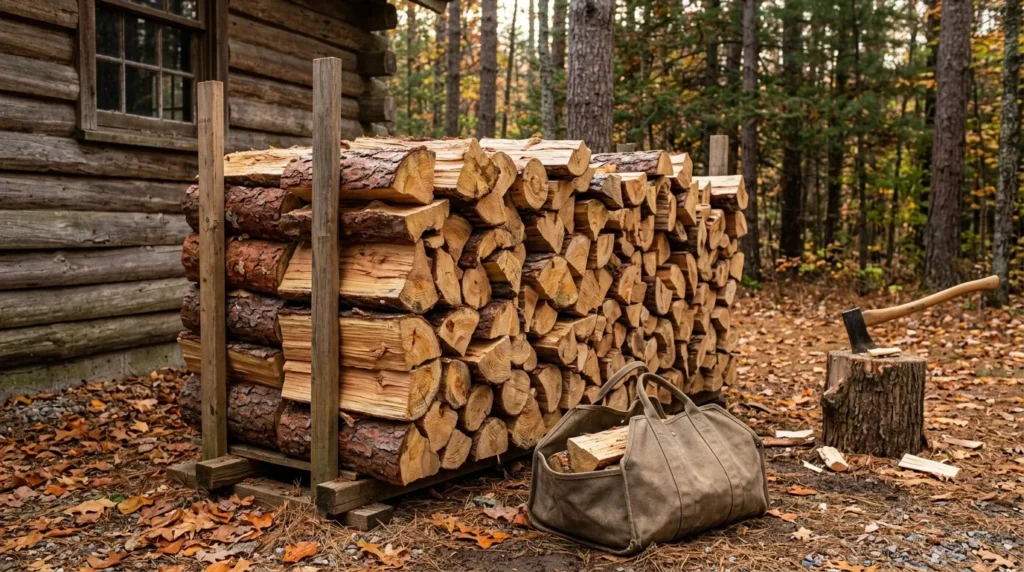
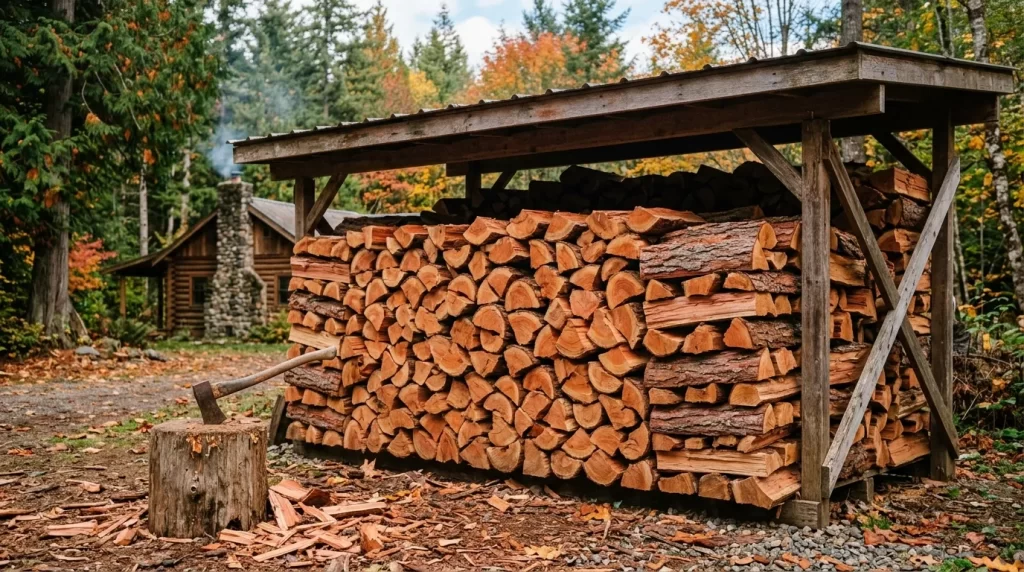
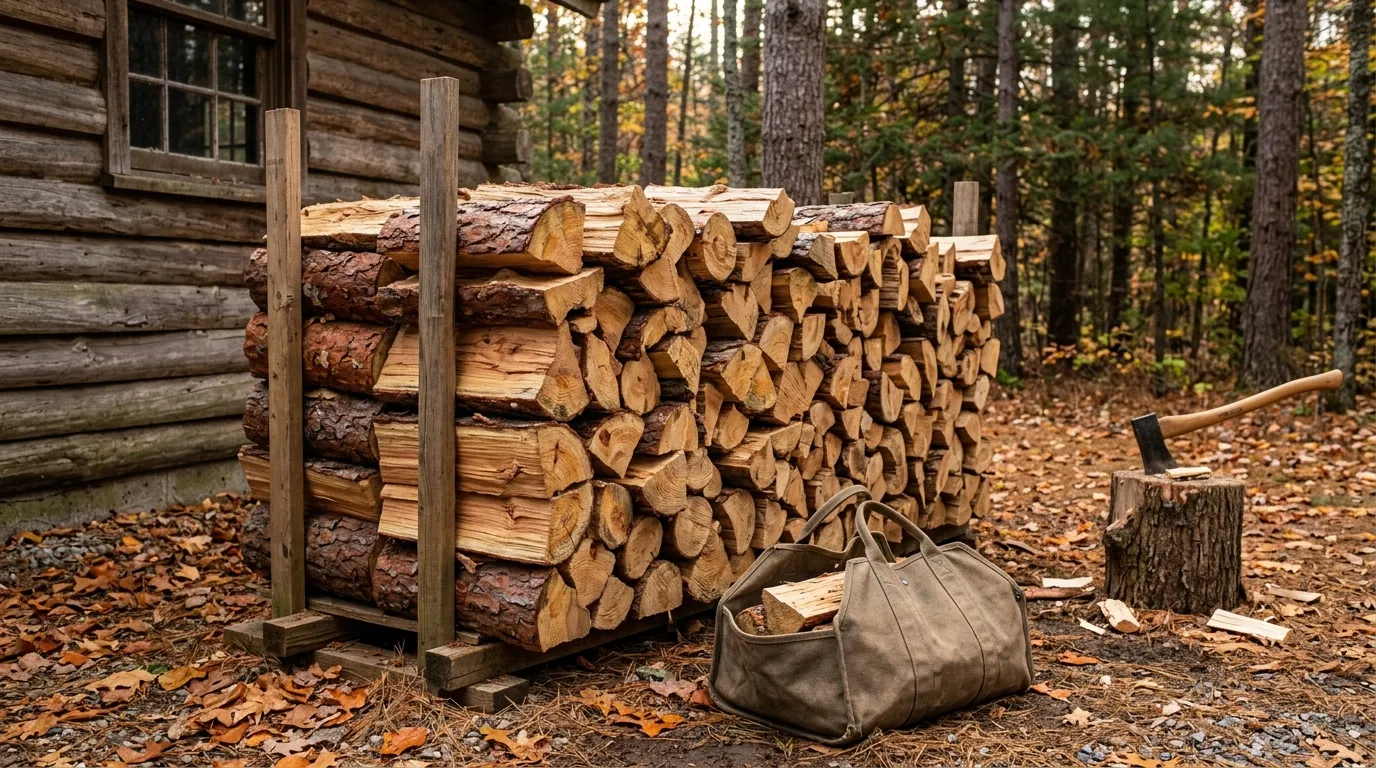
Good preparation makes a big difference when burning cottonwood. Always split the logs soon after cutting to speed up drying. Stack the wood in a sunny area where air can move through the pile. Cover only the top of the stack so moisture can escape from the sides.
Using cottonwood together with hardwood logs improves performance. The cottonwood helps the fire ignite quickly. Hardwood logs then provide steady heat for longer periods. This method gives a balanced and efficient fire.
Conclusion
Cottonwood is not considered the best firewood, but it can still serve a purpose when used correctly. It burns quickly and produces less heat than hardwood species, which limits its use as a primary heating source. However, it lights easily and is widely available, which makes it useful for starting fires and short burns.
If cottonwood is properly seasoned and combined with stronger hardwood logs, it can still perform well in fireplaces, wood stoves, and outdoor fire pits. Understanding its strengths and limits helps you use it more effectively.
Also Read: Is Cedar Good Firewood