If you heat with wood long enough, you eventually deal with elm. It might be a massive dead tree that came down in a storm, a standing trunk killed by disease, or logs offered for free by a neighbor who just wants them gone. The question always comes up: is elm actually worth burning?
Elm firewood has a mixed reputation, and that reputation did not come out of nowhere. Some people hate it because it is hard to split, slow to dry, and miserable when burned too soon. Others quietly rely on it every winter and would never turn it down. The difference between those experiences comes down to understanding what elm is and how it behaves.
This article answers the question honestly and thoroughly. You will learn how elm compares to other firewoods, how much heat it produces, how long it takes to season, how it burns in real stoves and fireplaces, and when it makes sense to use it. By the end, you will know whether elm belongs in your woodpile or should be left on the ground.
Understanding Elm as a Firewood Species
Elm is a deciduous hardwood known for its strength and tangled grain. For centuries, elm was used where flexibility and resistance to splitting mattered, such as wagon hubs, boat keels, and furniture frames. That same grain structure explains why elm behaves the way it does in a firewood context.
Elm grows fast, absorbs a lot of water, and holds onto that moisture stubbornly after being cut. A freshly felled elm log is noticeably heavier than many other hardwoods of the same size. That moisture content defines nearly every positive and negative trait associated with burning elm.
Different elm species vary slightly, but most behave similarly as firewood. American elm, slippery elm, and Siberian elm all share slow drying times and moderate heat output. None are top-tier firewoods, but none are unusable either.
Is Elm a Hardwood or Softwood?
Elm is classified as a hardwood, but that label can be misleading. Hardwood simply means the tree loses its leaves annually. It does not automatically mean high heat, easy splitting, or fast seasoning.
Compared to oak or hickory, elm is less dense and holds more internal moisture. Compared to softwoods like pine or spruce, elm is heavier, burns longer, and produces better coals. In practical terms, elm sits squarely in the middle.
Understanding this middle-ground status helps set proper expectations. Elm is not premium firewood, but it is far from junk.
Heat Output: How Much Heat Does Elm Produce?
Heat output is one of the most important factors when choosing firewood. Elm delivers moderate heat that works best for steady warmth rather than intense heating.
On average, fully seasoned elm produces about 20 million BTUs per cord. That places it on par with ash and slightly below oak.
Heat Output Comparison
Firewood Type
Approximate BTUs per Cord
Hickory
28 million
White Oak
26 million
Red Oak
24 million
Elm
20 million
Ash
20 million
Birch
19 million
Pine
15 million
Elm does not blast heat quickly, but it maintains warmth well once established. This makes it useful for maintaining temperature rather than rapidly heating a cold space.
How Elm Burns in a Fireplace or Wood Stove?
When properly seasoned, elm burns slowly and evenly. The flames are moderate, not aggressive, and the wood forms solid coals that last a long time. This coal bed is one of elm’s strongest advantages.
Elm is not ideal for starting fires. It can be stubborn to ignite, especially in larger pieces. Most experienced burners pair elm with faster lighting wood for startup, then add elm once the firebox is hot.
Once burning, elm is predictable. It does not spark excessively, and it does not pop violently. This makes it suitable for indoor fireplaces and enclosed stoves.
Seasoning Elm Firewood: The Biggest Challenge
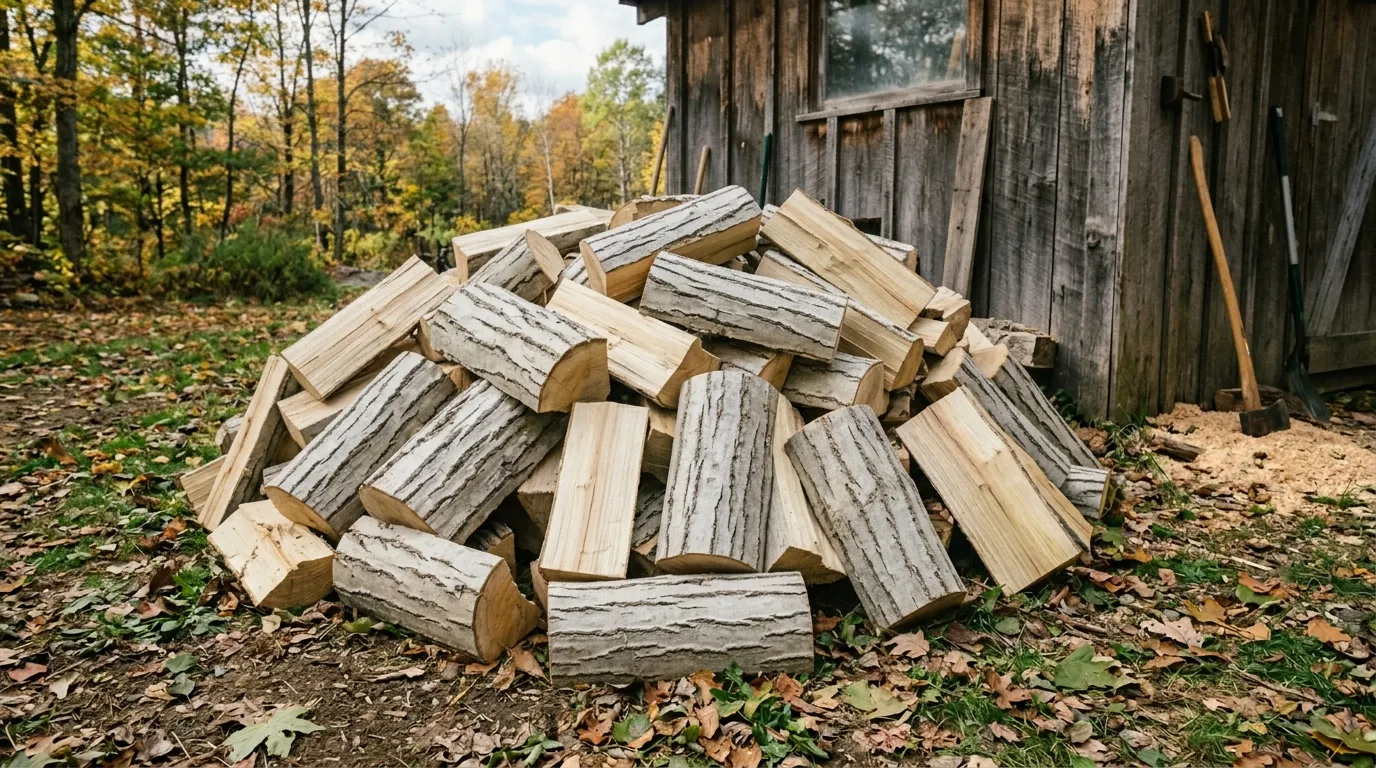
Seasoning is where most people fail with elm. Fresh elm can contain more moisture than almost any other common hardwood. Burning it green leads to poor heat, heavy smoke, and frustration.
Elm typically requires 18 to 24 months of seasoning under good conditions. In damp or shaded areas, it may need longer.
Best Practices for Seasoning Elm
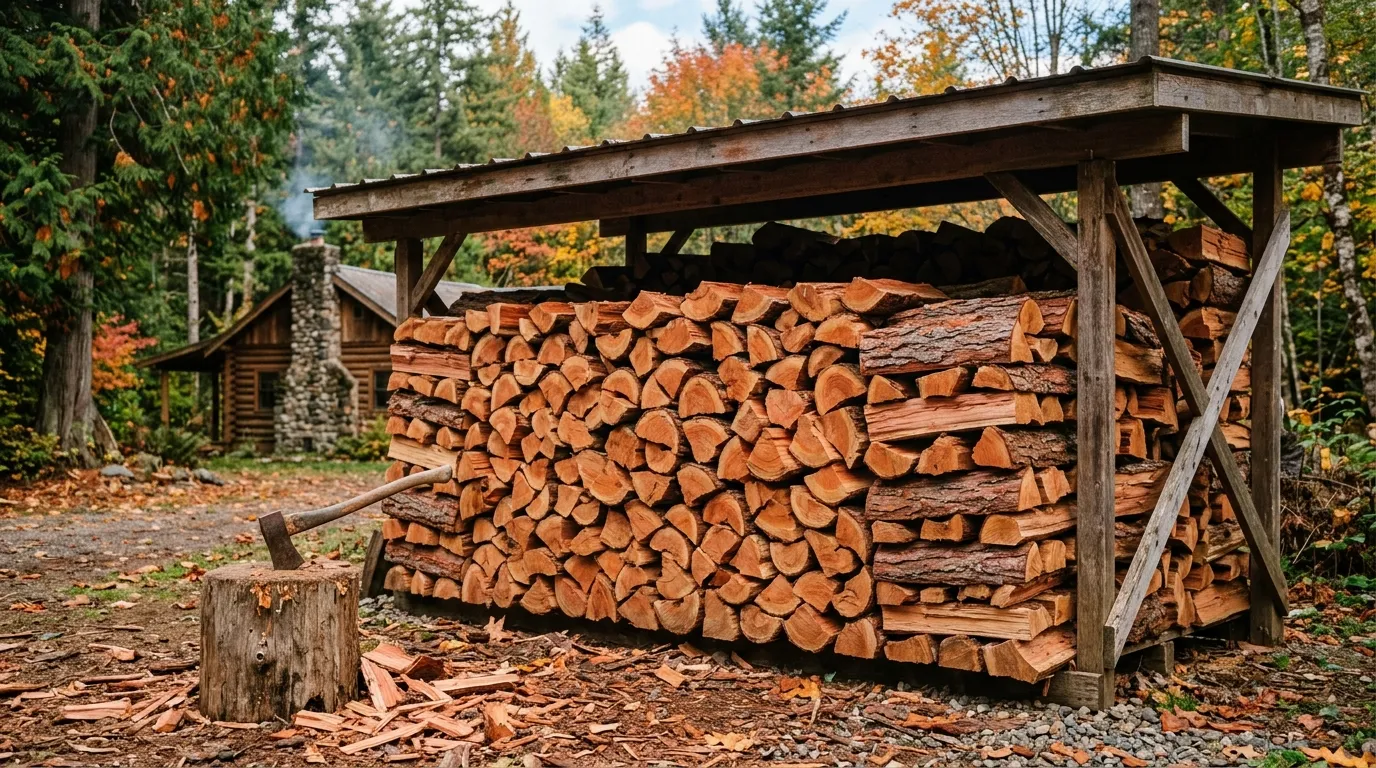
Split logs as soon as possible after cutting
Split pieces smaller than average
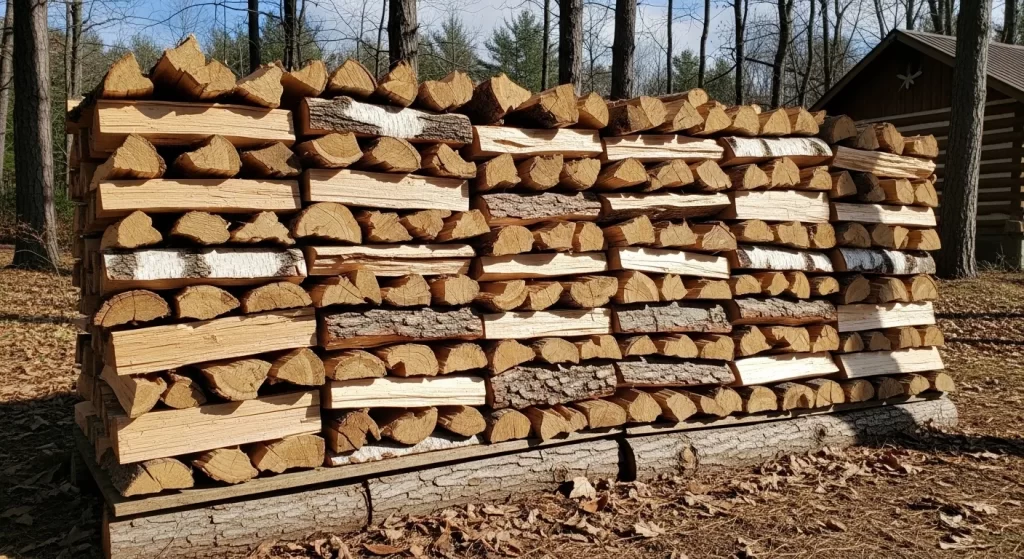
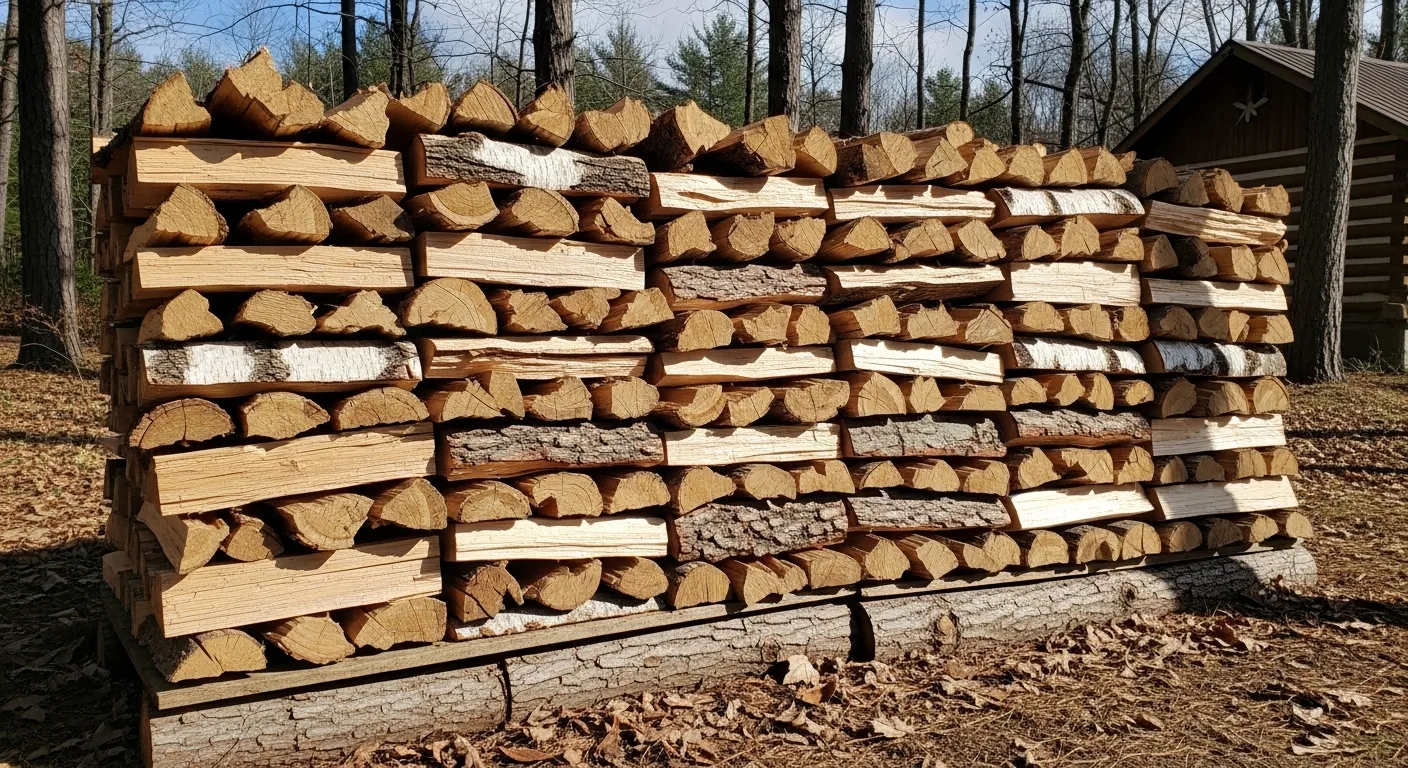
Stack wood off the ground
Leave wide gaps for airflow
Face stacks toward sun and wind
Cover only the top of the stack
Trying to rush elm rarely works. Time and airflow are the only real solutions.
Why Elm Is So Difficult to Split?
Elm’s interlocking grain resists clean breaks. Instead of splitting straight, the wood fibers twist and hold together. This makes hand splitting exhausting and inefficient.
Hydraulic splitters handle elm much better, especially when logs are fresh. Some people wait until elm partially dries before splitting, but this only helps slightly.
The effort required to split elm is often cited as the main reason people avoid it. However, once split and seasoned, that same grain contributes to long burn times.
Smoke Production and Creosote Concerns
Elm’s reputation for smoking comes almost entirely from burning it too wet. Green or partially seasoned elm smolders instead of burning cleanly.
This smoldering creates thick smoke and accelerates creosote buildup inside chimneys. Over time, this increases maintenance needs and fire risk.
When elm is fully seasoned, smoke levels are comparable to other hardwoods. The key is moisture content. Anything above 20 percent is asking for problems.
Ash Production and Cleanup
Elm produces a moderate amount of ash. It is not excessive, but it is not minimal either. The ash is fine and light, making cleanup easy with regular maintenance.
Compared to oak, elm leaves slightly more ash. Compared to softwoods, it leaves less. Routine ash removal keeps airflow consistent and improves overall stove efficiency.
Smell and Indoor Comfort
Elm has a mild, neutral smell when burned. It does not fill a room with fragrance, but it also does not produce unpleasant odors when properly dried.
Some people notice a faint earthy scent during the early stages of the burn. Once the fire stabilizes, the smell fades into the background.
For indoor use, elm is unobtrusive and comfortable.
Using Elm for Cooking or Smoking
Elm is not commonly used for cooking or smoking food. Its smoke flavor is weak and does not enhance meat or vegetables.
While it is not toxic, it does not contribute meaningful flavor. Elm works better as a heat source combined with a flavor wood like apple or hickory.
If cooking over an open fire, elm can provide stable heat but should not be relied on for smoke flavor.
Elm Compared to Other Popular Firewoods
When deciding whether elm deserves space in your firewood stack, comparison matters. Firewood is rarely used in isolation, and understanding how elm performs next to other common woods helps set realistic expectations. Elm does not dominate any category, but it competes well in specific areas like burn duration and availability.
Below is a practical breakdown of how elm compares to widely used firewood types based on heat output, seasoning time, workability, and real-world use.
Elm vs Oak
Oak is often considered the gold standard for firewood. It burns hotter, produces more BTUs per cord, and creates excellent coals. Oak also splits more easily than elm once properly dried.
Elm falls short of oak in heat output and ease of processing, but it has one advantage: availability. In many areas, elm is easier to source due to disease-related removals. Elm also provides long, steady burns once seasoned, making it useful for overnight heat when oak supplies are limited.
Elm vs Ash
Ash is one of the easiest hardwoods to work with. It splits cleanly, seasons quickly, and burns well even when not fully dried. Elm cannot compete with ash in terms of convenience.
However, elm matches ash closely in heat output once seasoned. Elm also tends to burn slower, which can be an advantage for maintaining steady indoor temperatures over long periods.
Elm vs Maple
Maple is denser, burns hotter, and usually smells better than elm. It also seasons faster and is easier to split.
Elm’s advantage over maple is burn duration. Once established, elm logs tend to hold a fire longer, making them useful for extended burns when quick heat is not the priority.
Elm vs Birch
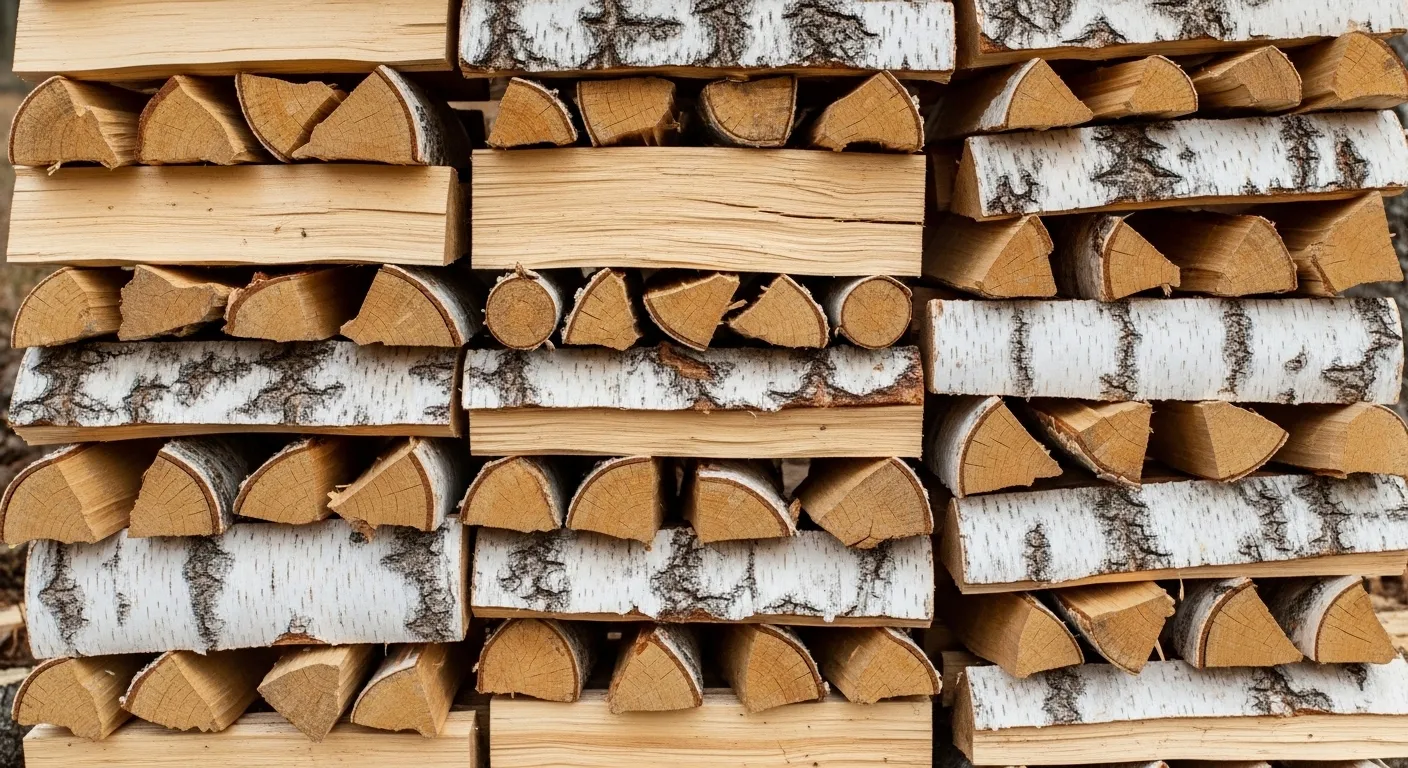
Birch lights easily and burns hot, but it burns quickly and does not last as long. Elm takes more effort to get burning but provides longer-lasting heat.
Birch works well for quick fires and kindling, while elm is better suited for maintaining warmth once a fire is already going.
Elm vs Pine and Other Softwoods
Pine and other softwoods ignite quickly and are easy to split, but they burn fast and produce less heat per cord. They also create more creosote if burned improperly.
Elm burns cleaner and longer than softwoods once seasoned, making it a better choice for primary heating rather than fire-starting.
Elm vs Mulberry
Mulberry is a significantly hotter-burning wood than elm. It produces high BTUs, seasons relatively well, and creates excellent coals. Mulberry is closer to oak in performance than elm.
Elm cannot match mulberry’s heat output, but it is often more available and burns more slowly. Mulberry works well for intense heat, while elm excels at maintaining steady warmth over time. When combined, the two balance each other well in a mixed woodpile.
Best Situations To Use Elm Firewood
Elm works best when used strategically rather than exclusively.
Ideal Uses for Elm
Overnight burns
Shoulder seasons like fall and spring
Mixing with higher BTU woods
Outdoor fire pits
Supplemental heat
Using elm for long, slow burns reduces reload frequency and maintains steady temperatures.
Is Elm Worth the Work?
Elm demands more patience than many firewoods. Splitting is harder. Seasoning takes longer. Burning it too early leads to disappointment.
For those willing to plan ahead, elm provides reliable heat, long burns, and steady performance. For those who want fast results, elm may feel like a burden.
The value of elm depends entirely on your timeline and expectations.
Conclusion
Elm is good firewood when treated correctly. It is not flashy, easy, or fast. It is steady, dependable, and widely available.
If you give elm the time it needs to dry and use it in the right situations, it will heat your home just fine. Understanding its strengths and limits turns elm from a problem into a resource.
FAQS
Is Chinese Elm Good Firewood?
Yes, Chinese elm can be good firewood if it is fully seasoned. It burns similarly to other elm species with moderate heat and long burn times. Like all elm, it holds a lot of moisture when green and needs extended drying time to burn cleanly.
Is American Elm Good Firewood?
Yes, American elm is decent firewood once properly seasoned. It provides steady heat and forms good coals, but it is difficult to split and slow to dry. Burning it too soon is the main reason people dislike it.
Is Siberian Elm Good Firewood?
Siberian elm is acceptable firewood, though slightly lower in heat output than American elm. It seasons faster than some other elm types but still requires patience. It works best when mixed with hotter-burning woods.
Is Cedar Elm Good Firewood?
Yes, cedar elm is one of the better elm varieties for firewood. It tends to be denser, burns a bit hotter, and seasons slightly faster than other elms. It still needs proper drying to avoid smoke issues.
Is Red Elm Good Firewood?
Red elm, also known as slippery elm, is good firewood when seasoned. It produces moderate heat and long-lasting coals. Like other elms, it is tough to split and should not be burned green.
Is Black Elm Good Firewood?
Yes, black elm can be burned as firewood, but it performs similarly to other elm species. It provides steady heat once dry but is difficult to process and slow to season. It is best used for long burns rather than quick heat.