Is It Cheaper To Get a Dumpster Or Go To The Dump?
When tackling a big cleanup, renovation, or yard project, one common question always comes up: is it cheaper to get a dumpster or go to the dump?
On the surface, loading your truck and heading to the local landfill sounds like the cheaper option. But once you factor in time, gas, dumping fees, and the sheer effort involved, the answer isn’t always so simple. The truth is that both options have their advantages depending on your project size, type of waste, and convenience level.
Let’s break it all down so you can decide which option makes the most sense for your situation and budget.
Understanding the Difference Between a Dumpster and a Dump Trip
Before comparing costs, it helps to understand what each option really involves.
Renting a Dumpster
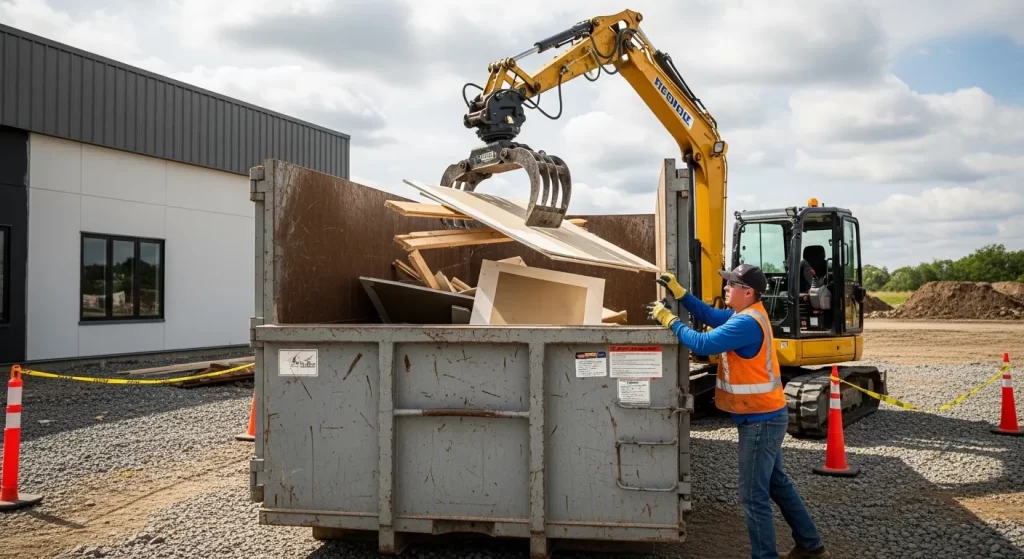
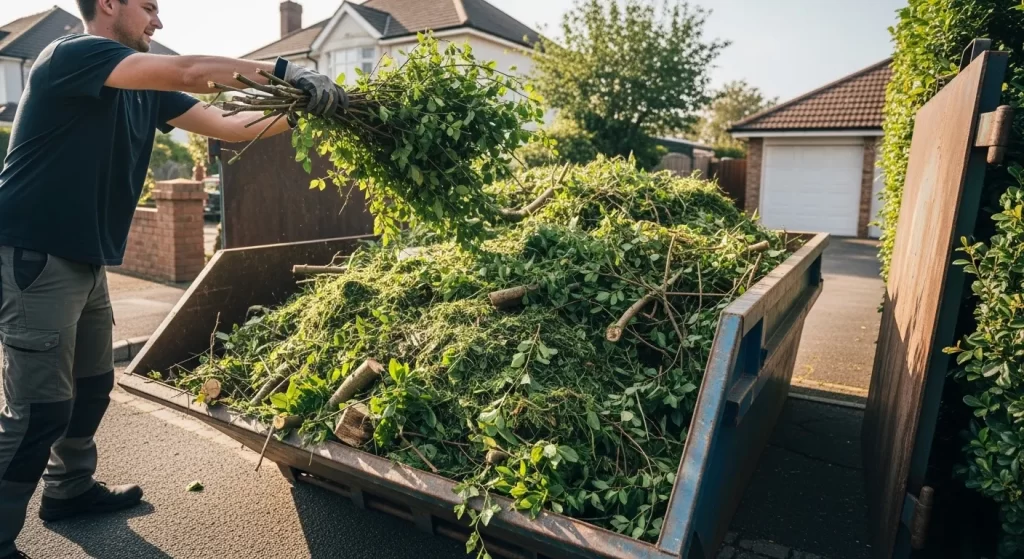
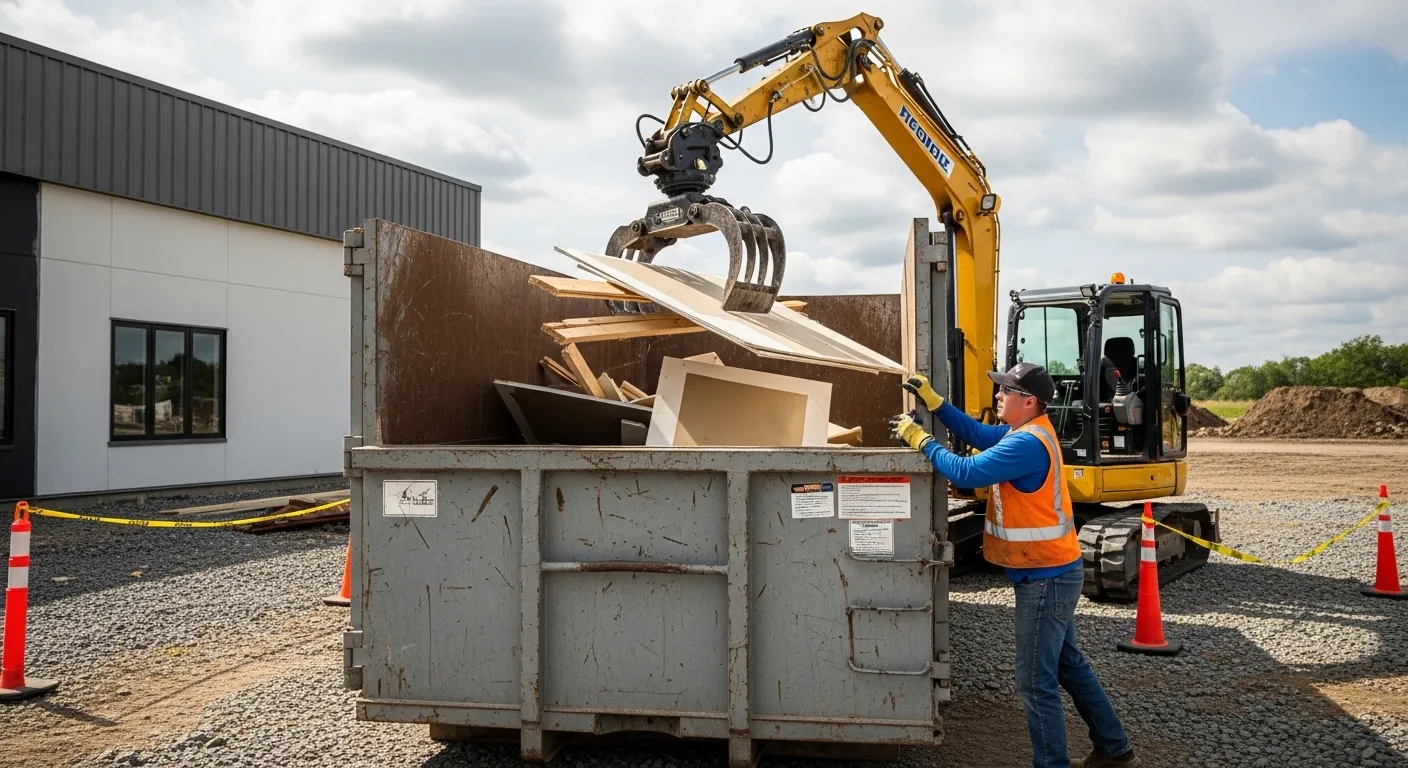
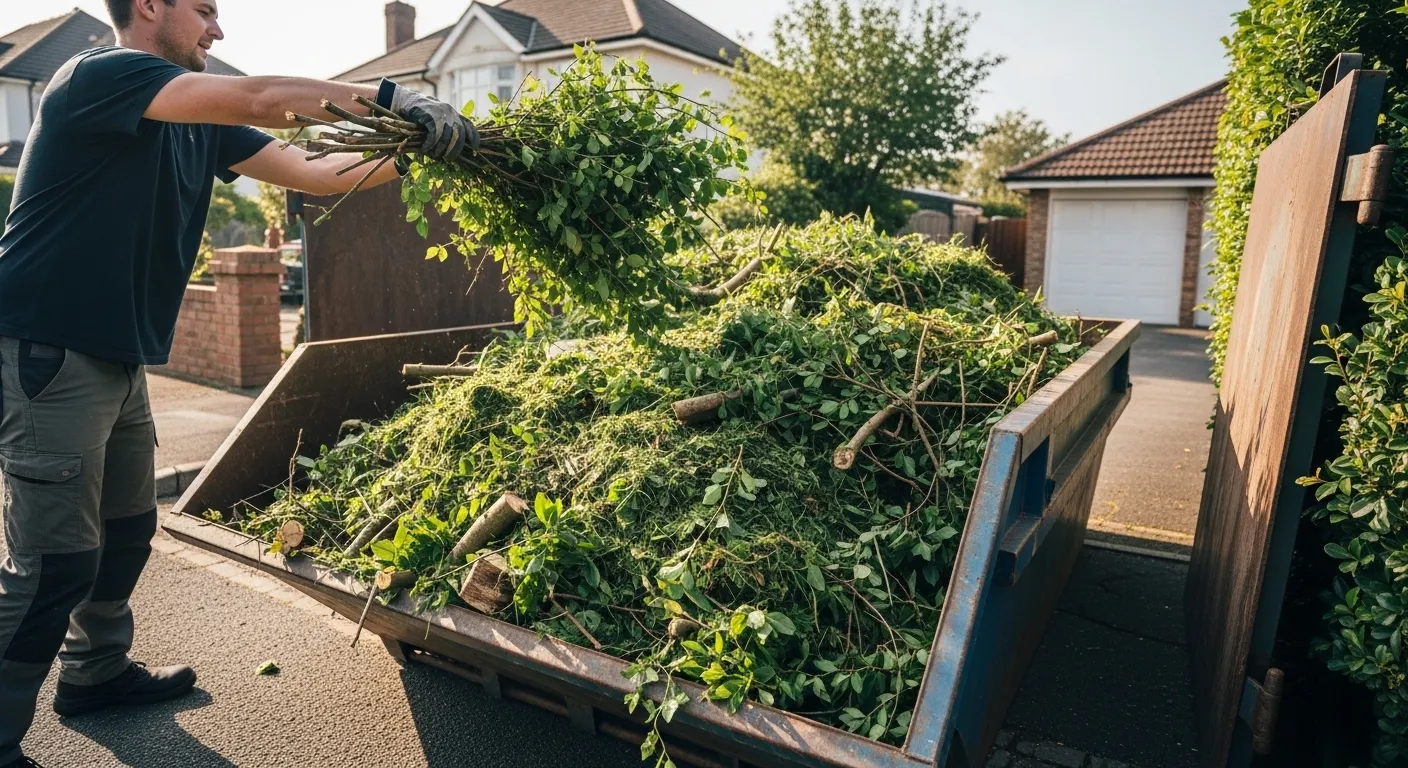
When you rent a dumpster, a waste management company drops off a large container at your property. You fill it at your own pace, and once you’re done, they pick it up and haul everything away for disposal.
This is an easy, stress-free option if you’re working on a large project, such as a home renovation, moving cleanout, or construction job.
Going to the Dump
Going to the dump means loading your vehicle with debris, driving to a landfill or transfer station, and unloading everything yourself. You pay a disposal fee based on the weight or volume of your waste.
It’s more hands-on, but it might seem cheaper at first glance if you have a small amount of junk.
Cost Comparison: Dumpster vs. Dump Trip
Here’s where things get interesting. Both options can save money in different ways, but your total cost depends on how much waste you have and how far you need to travel.
1. Dumpster Rental Cost
The cost of renting a dumpster typically ranges between $300 and $600 per week. The price depends on the size of the dumpster, your location, the type of debris, and how long you need it.
Average prices by size:
Dumpster Size
Average Cost (Per Week)
Best For
10-yard
$250 to $350
Small home cleanouts
20-yard
$350 to $500
Medium renovations
30-yard
$450 to $650
Large remodels
40-yard
$600 to $800+
Construction projects
With a dumpster, the price covers delivery, pickup, disposal, and a set weight limit. You don’t need to worry about multiple trips, fuel, or time spent at the dump.
2. Cost of Going to the Dump
If you decide to take your waste directly to the landfill, here’s what you’ll typically pay for:
Dumping fees: Usually $20 to $80 per ton depending on your area and waste type.
Fuel costs: Multiple trips can add up quickly if the dump is far away.
Vehicle wear and tear: Heavy loads can damage your vehicle’s suspension or tires over time.
Your time and labor: You have to load, unload, and drive everything yourself.
For a small cleanup, this might only cost $30 to $100 total. But for larger projects, multiple trips can easily push your total costs above $300 or $400 — not to mention your time investment.
Which Option Is Actually Cheaper?
The answer depends on how much waste you have and how far you are from the nearest dump.
For small cleanups: Going to the dump is usually cheaper if you only have a few bags or a small load that fits in one trip.
For large projects: Renting a dumpster almost always ends up being more cost-effective and convenient. You pay one flat rate, load everything once, and let the company handle the rest.
If you factor in your time, gas, and effort, the dumpster often provides better overall value for bigger jobs.
Other Factors to Consider
1. Convenience
With a dumpster, you can fill it at your own pace and don’t have to make multiple dump runs. This saves time and hassle, especially during a renovation or move.
2. Safety and Cleanliness
Dumpsters keep debris contained, reducing the chance of injuries or messy piles around your property. Dump trips, on the other hand, often involve heavy lifting and potential damage to your vehicle.
3. Environmental Regulations
Some waste types require special disposal methods. Dumpster rental companies often handle sorting and compliance for you, while at the dump, you’re responsible for separating materials properly.
4. Time Value
Time is money. If you’re spending an entire day making dump runs, that’s time you could have spent on your actual project. A dumpster allows you to focus on the work without worrying about waste removal logistics.
How to Decide What’s Right for You?
Here’s a simple guide to help you choose:
Situation
Best Option
Why
Small yard cleanup or garage purge
Go to the dump
One trip, low cost
Full home cleanout
Rent a dumpster
Saves time, handles large volume
Remodeling or renovation
Rent a dumpster
Manages debris efficiently
Living close to a landfill
Dump trips
Short distance, low fuel cost
Multiple types of debris
Rent a dumpster
Easier disposal and compliance
In short, if you’re working on a small project and have access to a truck, the dump might be cheaper. But for any medium to large cleanup, the convenience and efficiency of a dumpster make it the smarter financial choice.
Final Thoughts
So, is it cheaper to get a dumpster or go to the dump? For small, one-time jobs, a quick dump trip might save you a few bucks. But when you factor in labor, fuel, and multiple trips, dumpster rental often provides better value and far more convenience.
If your project involves a significant amount of debris, renting a dumpster simplifies the process, saves time, and helps you stay organized.
Ultimately, the best choice depends on your waste volume, distance to the dump, and how much your time is worth. For most big projects, a dumpster offers the best balance of cost, convenience, and peace of mind.