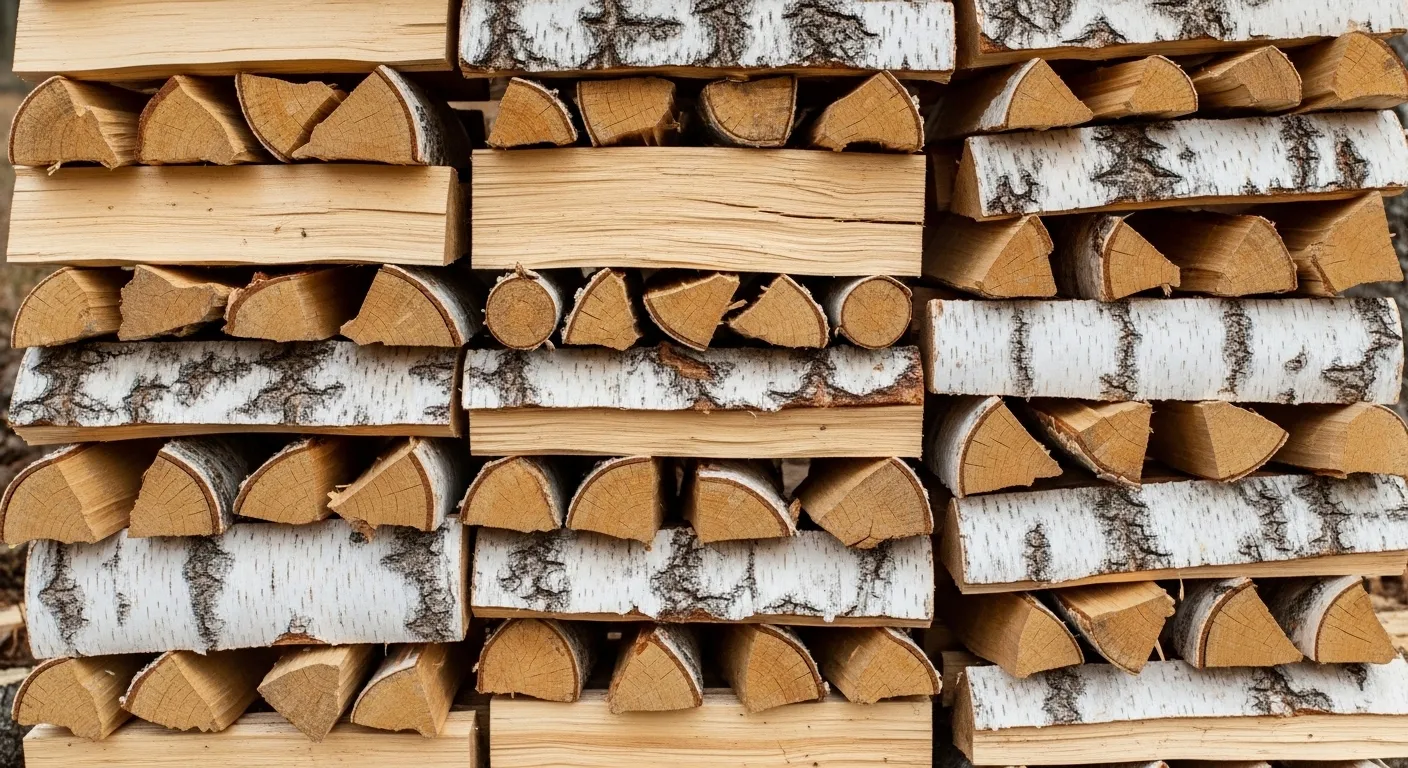
If you heat with wood or enjoy a steady winter fire, you already know that not all firewood is equal. Some woods burn hot but fast. Others smolder, smoke, or clog chimneys. Maple often sits in the middle of this debate, leaving many people asking a simple but important question: is maple good firewood?
The short answer is yes. The better answer depends on the type of maple, how long it is seasoned, and how you plan to use it. This guide breaks down maple firewood in real terms, without exaggeration or fluff, so you can decide whether it belongs in your woodpile.
What Maple Firewood Actually Is?
Maple is a hardwood species common throughout North America. While it is often discussed as one category, maple firewood varies widely by species.
The most common types used for firewood include:
- Sugar maple, also called hard maple
- Red maple
- Silver maple
- Soft maple, a general label for red and silver varieties
Hard maple is dense and heavy, while soft maple is lighter and easier to handle. Both are hardwoods, but they behave differently in a stove or fireplace.
How Much Heat Does Maple Produce?
Firewood quality is often measured in BTUs, which reflect how much heat a cord of wood produces when burned efficiently.
Sugar maple delivers around 24 million BTUs per cord, putting it close to high-performance woods like oak and hickory. Red maple averages about 23 million BTUs. Silver maple is lower, closer to 18 million BTUs, similar to ash.
In practical terms, maple provides:
- Steady, consistent heat
- Predictable burn cycles
- Fewer temperature swings than most softwoods
Hard maple works well for long winter burns, while soft maple is better suited for shorter fires or daytime use.
How Maple Burns in Real Life?
Beyond heat output, maple is known for reliable burn behavior.
Once seasoned, maple lights easily and burns evenly. It produces a calm flame with minimal popping or sparking, making it safe for open fireplaces. Smoke output is moderate to low, especially with hard maple, which helps reduce creosote buildup when burned correctly.
Maple also forms solid coals, particularly sugar maple. These coals help maintain heat between reloads and make temperature control easier.
Ash production is reasonable. You will need regular cleanouts, but not excessively so.
How Long Maple Needs To Dry?
Seasoning is critical with maple. Burning it too early leads to smoke, poor heat, and frustration.
Hard maple generally requires 12 to 18 months to season fully. Soft maple seasons faster, often ready within 9 to 12 months when split and stacked properly.
Well-seasoned maple typically shows:
- Moisture content under 20 percent
- Cracks on the ends
- Lighter overall color
- A sharp, hollow sound when pieces are struck together
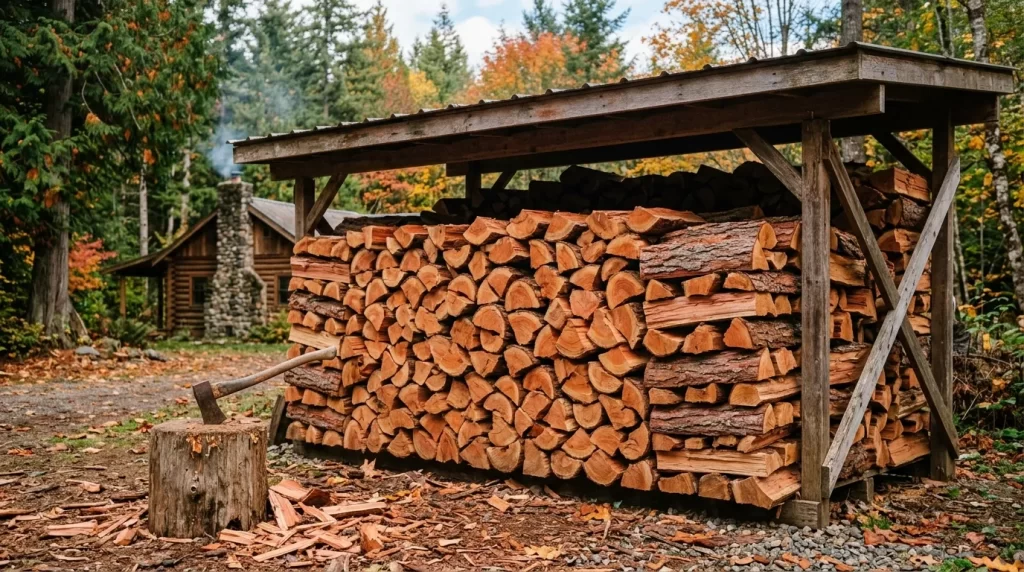
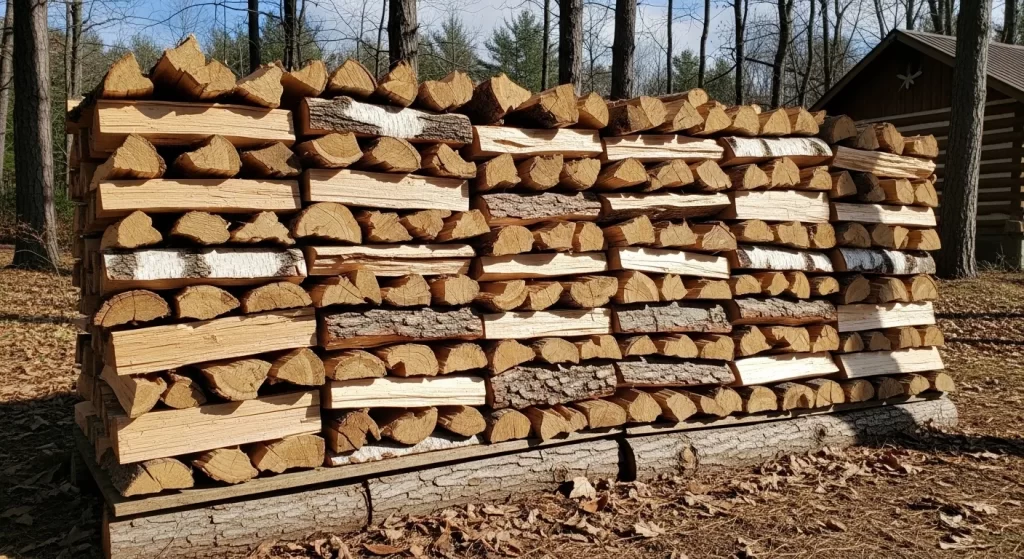
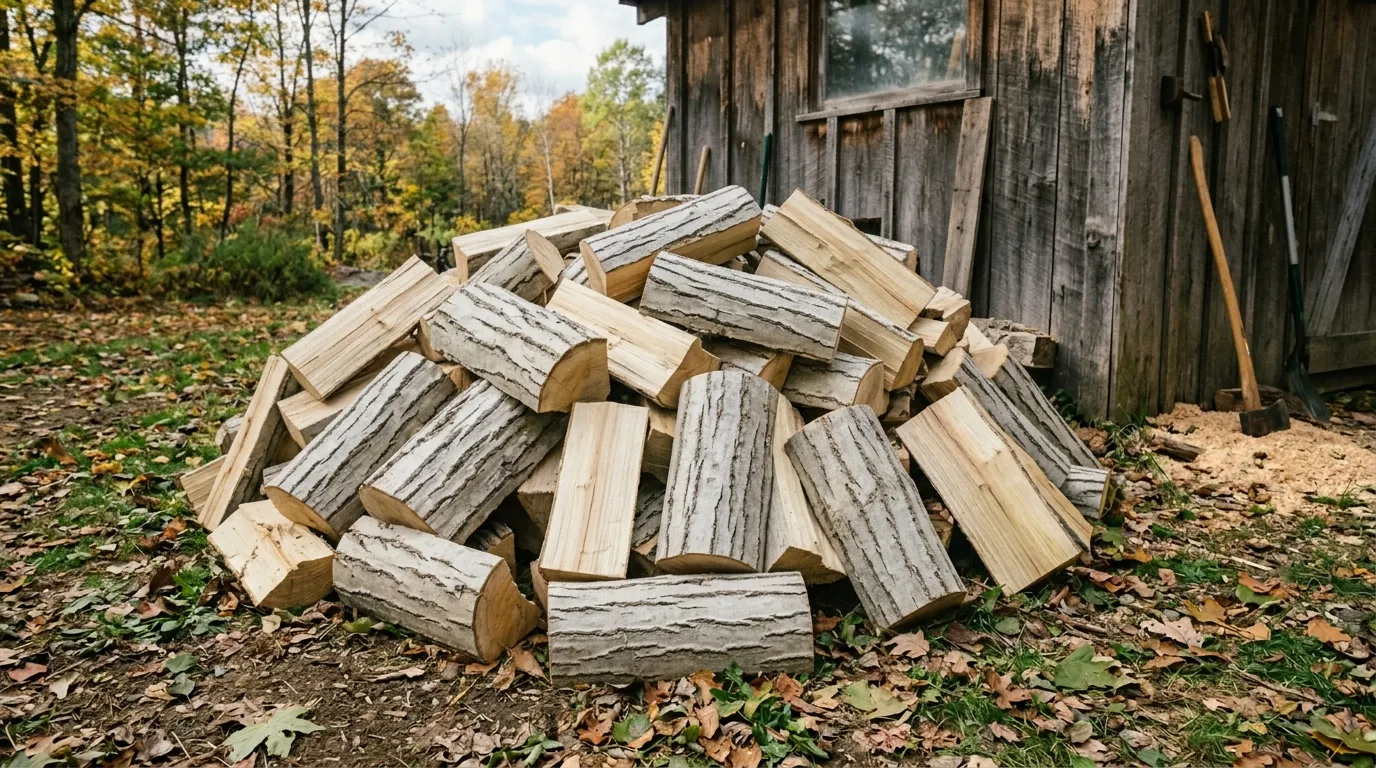
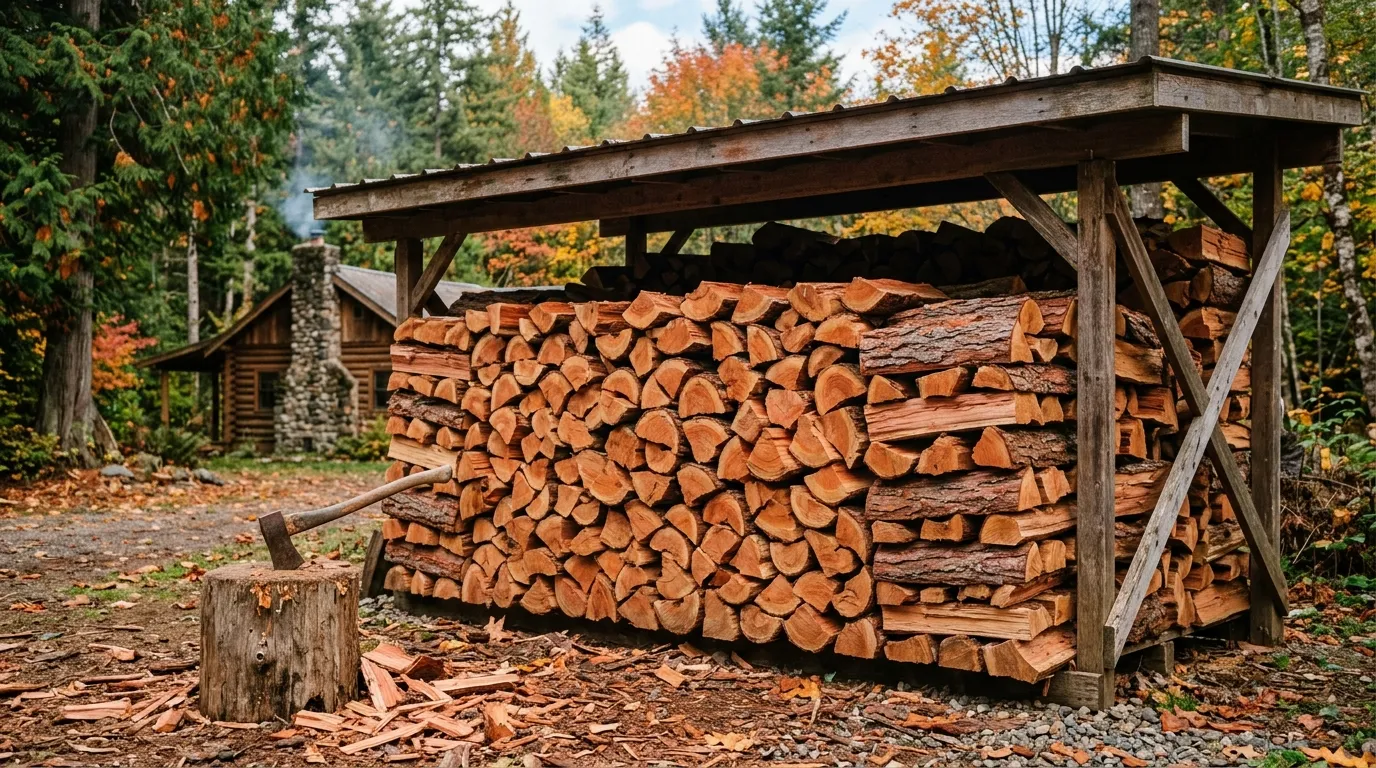
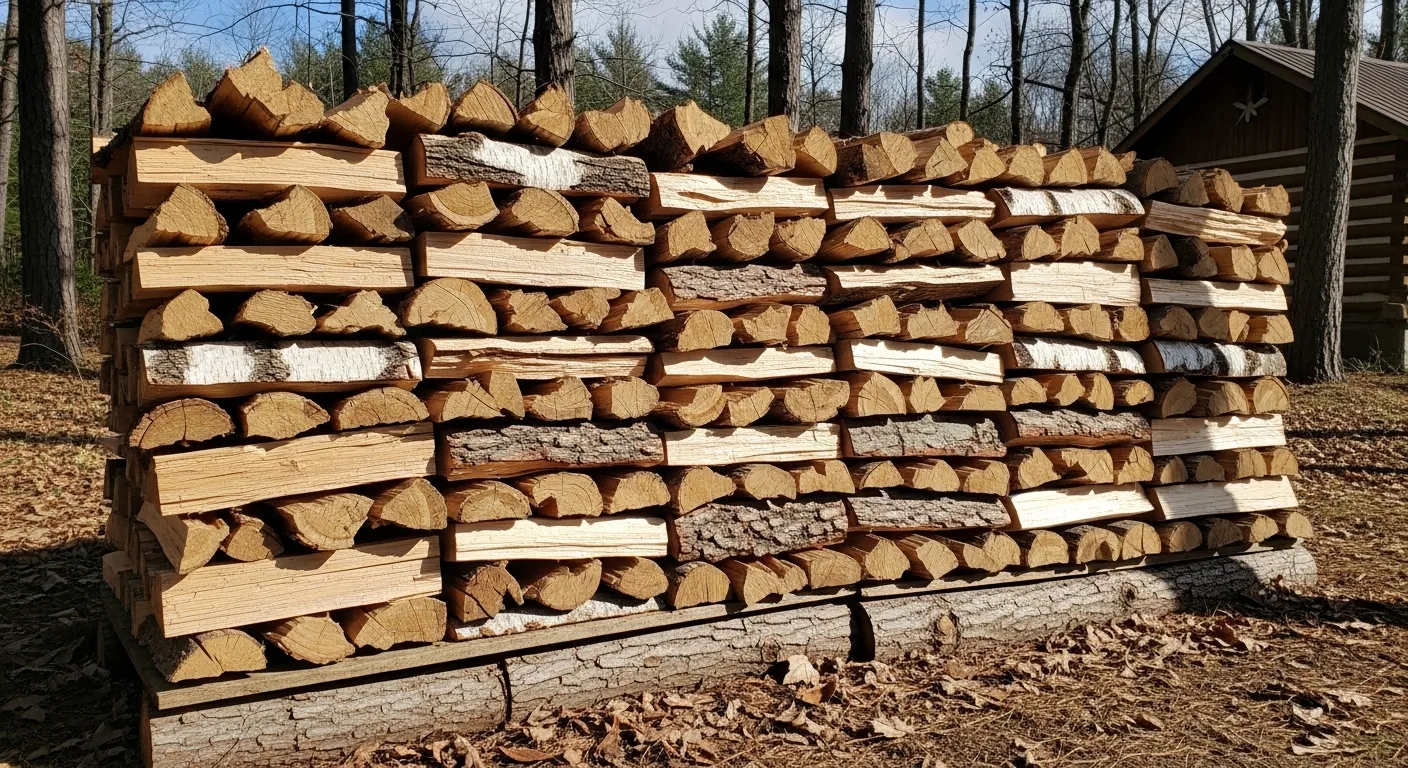
Stack maple off the ground, exposed to sun and airflow. Cover only the top of the stack to keep rain off while allowing moisture to escape.
Splitting Maple: What to Expect
Soft maple splits easily, even by hand. Its grain is usually straight, and it rarely resists the wedge. This makes it popular among people who process their own firewood.
Hard maple is tougher. The grain can be stubborn, especially around knots, and a hydraulic splitter is helpful. Still, with sharp tools and patience, hand splitting is manageable.
Once split, maple stacks neatly and stores well without rapid decay.
Maple Compared to Other Firewood Types
Understanding maple is easier when compared honestly with other common firewoods.
Compared to oak, maple seasons much faster but does not burn quite as long. Compared to ash, maple produces more sustained heat but needs more drying time. Birch burns hotter initially but burns faster, while maple lasts longer and forms better coals.
Against softwoods like pine, maple produces more heat, less smoke, and significantly less creosote when seasoned.
Maple does not dominate every category, but it performs well across all of them.
Best Uses for Maple Firewood
Maple is versatile and works in many settings.
It is especially well suited for:
- Wood stoves used for home heating
- Fireplaces where low sparks matter
- Fall and spring fires when full heat is not needed
- Cooking over coals, particularly hard maple
It is less ideal for those who want extremely long overnight burns without reloading unless mixed with denser woods.
Many experienced wood burners combine maple with oak or hickory for balance.
Does Maple Cause Creosote Problems?
Creosote buildup is caused by burning wet wood or restricting airflow, not by maple itself.
Properly seasoned maple burned hot produces manageable creosote levels. Hard maple, in particular, burns clean when airflow is correct. Regular chimney inspections and proper stove operation keep risks low.
Environmental and Practical Benefits of Maple
Maple is widely available in many regions and is often harvested locally. This reduces transportation costs and supports sustainable firewood practices.
Maple trees regenerate well and are commonly thinned for forest health, making them a responsible firewood option when sourced properly.
Common Myths About Maple Firewood
One common myth claims maple is weak firewood. This usually comes from burning soft maple before it is fully seasoned.
Another myth suggests maple smokes excessively. That only happens when moisture content is too high.
When dried and burned correctly, maple performs reliably.
Is Maple Worth Burning?
If you want dependable heat without long seasoning times or excessive smoke, maple is a solid choice.
Hard maple delivers strong performance. Soft maple offers convenience and ease. Together, they make maple one of the most practical firewood options available.
Final Verdict
Maple is good firewood, and in many situations, it is excellent.
It lights easily, burns steadily, produces usable coals, and works well in both stoves and fireplaces. When seasoned properly, maple provides reliable heat without complications.
If maple is available to you, it deserves a place in your woodpile.
Also Read: Is Elm Good Firewood?