Choosing the right firewood can transform your experience, whether you’re heating your home in winter, gathering around a cozy outdoor firepit, or smoking a delicious meal. Among many hardwoods, mulberry is often overlooked. But is mulberry a good firewood option?
The short answer is yes, mulberry is excellent firewood. It’s dense, burns hot, produces long-lasting coals, and gives off a pleasant aroma. However, it also sparks more than some other hardwoods, which is important to know before tossing it into your fireplace or fire pit.
In this complete guide, we’ll explore everything you need to know about mulberry firewood, its heat output, burning qualities, seasoning, pros and cons, and how it compares to other popular types of firewood.
A Quick Overview of Mulberry Trees
Before diving into its firewood qualities, let’s briefly look at the tree itself.
Mulberries (genus Morus) are fast-growing, medium-sized hardwood trees found in many parts of North America, Europe, and Asia. They’re more commonly known for their delicious berries, which are eaten fresh, dried, or used in jams and wines.
Mulberry wood is not typically a commercial timber because the tree is valued more for its fruit. However, homeowners and landowners often harvest mulberry trees that are cut down for landscaping or maintenance, making the wood available for firewood use.
There are different types of mulberry, including:
White Mulberry (Morus alba) – Native to Asia, common in the U.S.
Red Mulberry (Morus rubra) – Native to North America, produces sweeter berries.
Black Mulberry (Morus nigra) – More common in Europe and Asia.
All types of mulberry provide excellent firewood once properly seasoned.
What Makes Good Firewood?
Not all wood is created equal when it comes to burning. Good firewood typically has:
High heat output (BTUs): Provides strong, long-lasting heat.
Low moisture content (once seasoned): Burns cleaner and with less smoke.
Low creosote production: Reduces chimney buildup and safety risks.
Ease of splitting and handling: Makes preparation easier.
Minimal sparks and popping: Safer for indoor fireplaces.
Now, let’s see how mulberry measures up against these criteria.
Mulberry Firewood Heat Output (BTUs)
One of mulberry’s strongest qualities is its impressive heat output. On average, seasoned mulberry produces about 25.8 million BTUs per cord, which places it in the same category as oak and just below hickory.
🔥 Heat Output Comparison (per cord of seasoned wood)
Mulberry: ~25.8 million BTUs
Red Oak: ~24.6 million BTUs
Hickory: ~28 million BTUs
Ash: ~23.6 million BTUs
Maple: ~20 million BTUs
Pine: ~16 million BTUs
This means mulberry produces more heat than many common firewoods, making it a fantastic choice for heating homes in cold climates.
Burning Characteristics of Mulberry
Mulberry has several notable qualities that affect how it burns:
Long-Lasting Burn
Thanks to its density, mulberry burns slowly and steadily. A few logs can keep a fire going for hours, making it ideal for overnight burns in a wood stove.
Excellent Coaling Properties
Mulberry produces high-quality coals similar to oak and hickory. These glowing embers provide heat long after the flames die down, making it easy to restart fires the next morning.
Pleasant Aroma
Mulberry produces a sweet, mild, and somewhat fruity-smelling smoke. Many people compare it to fruitwoods like apple or cherry. Because of this, it’s often used in smoking meats and barbecue, giving food a unique flavor.
Sparks and Popping
One downside is that mulberry tends to spark and pop more than oak or maple. This happens because of tiny pockets of moisture and resin inside the wood. While not a dealbreaker, it does mean you should take extra precautions when burning mulberry in an indoor fireplace—always use a fireplace screen or stove door.
Seasoning Mulberry Firewood
Like most hardwoods, mulberry needs proper seasoning before use. Freshly cut wood, or “green” wood, has too much moisture, which makes it smoke excessively, burn inefficiently, and increase creosote buildup in chimneys.
Seasoning Time: 12–18 months is recommended for mulberry.
How to Season Properly:
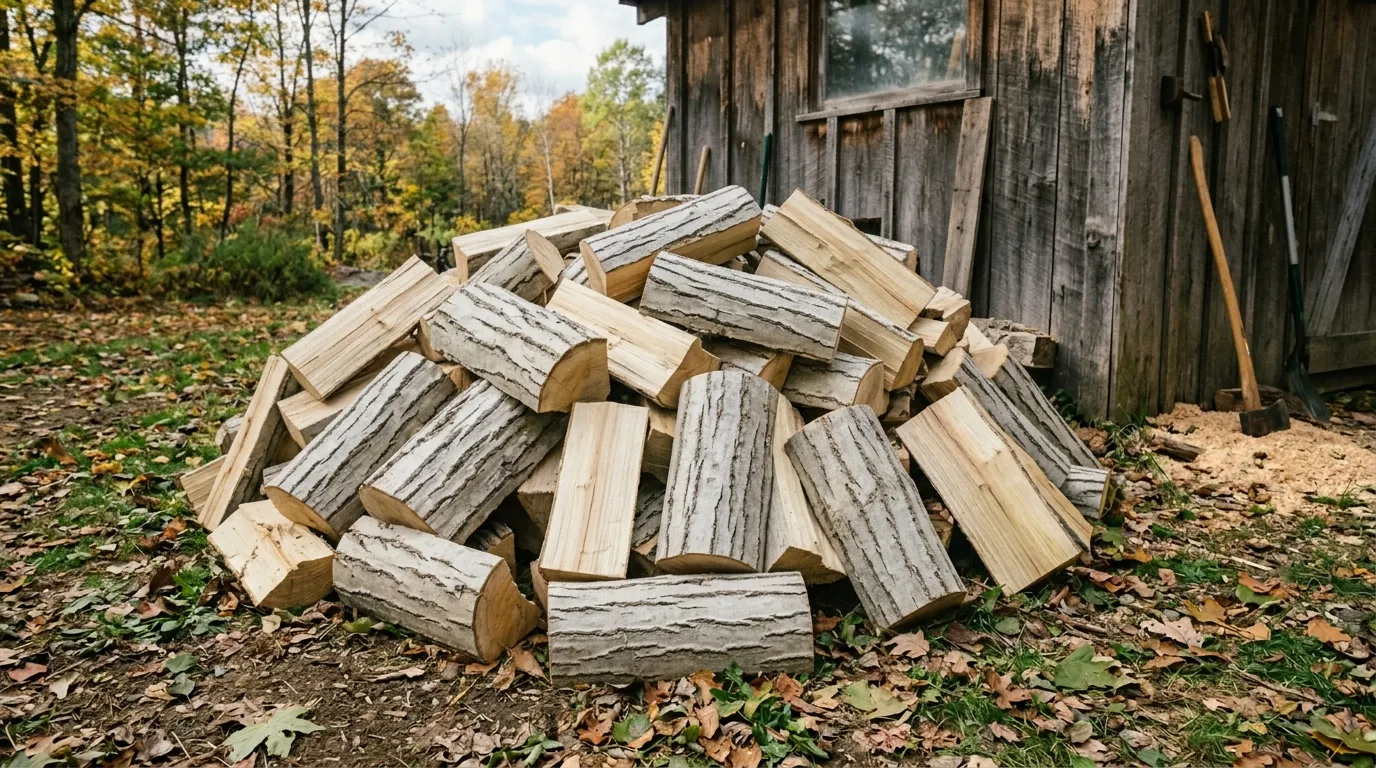
Split the logs soon after cutting.
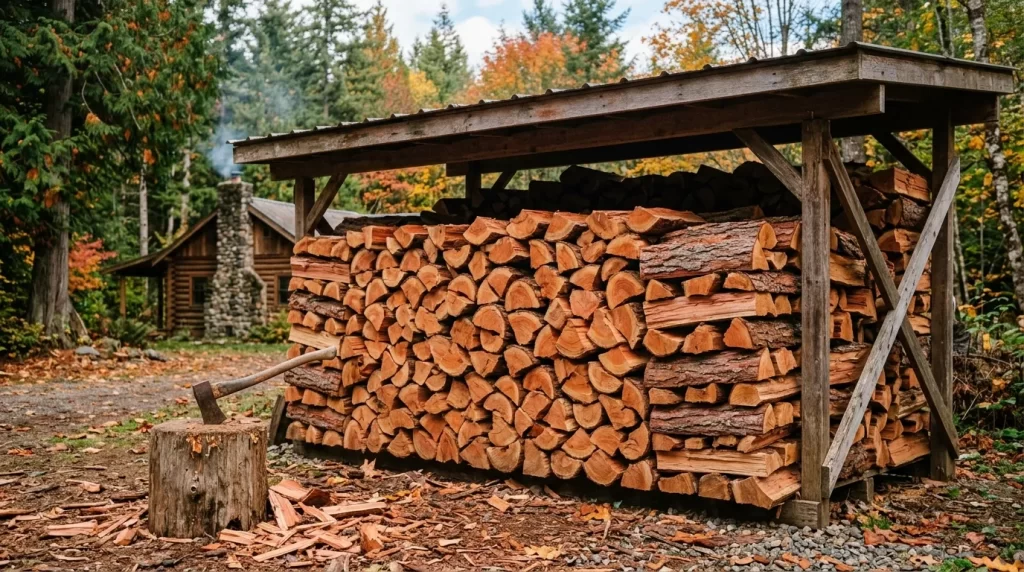
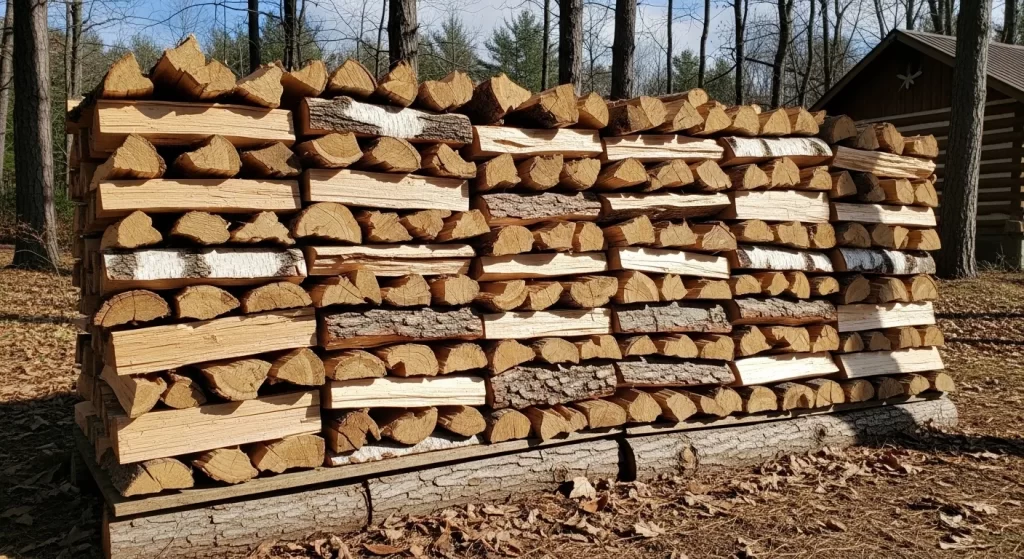
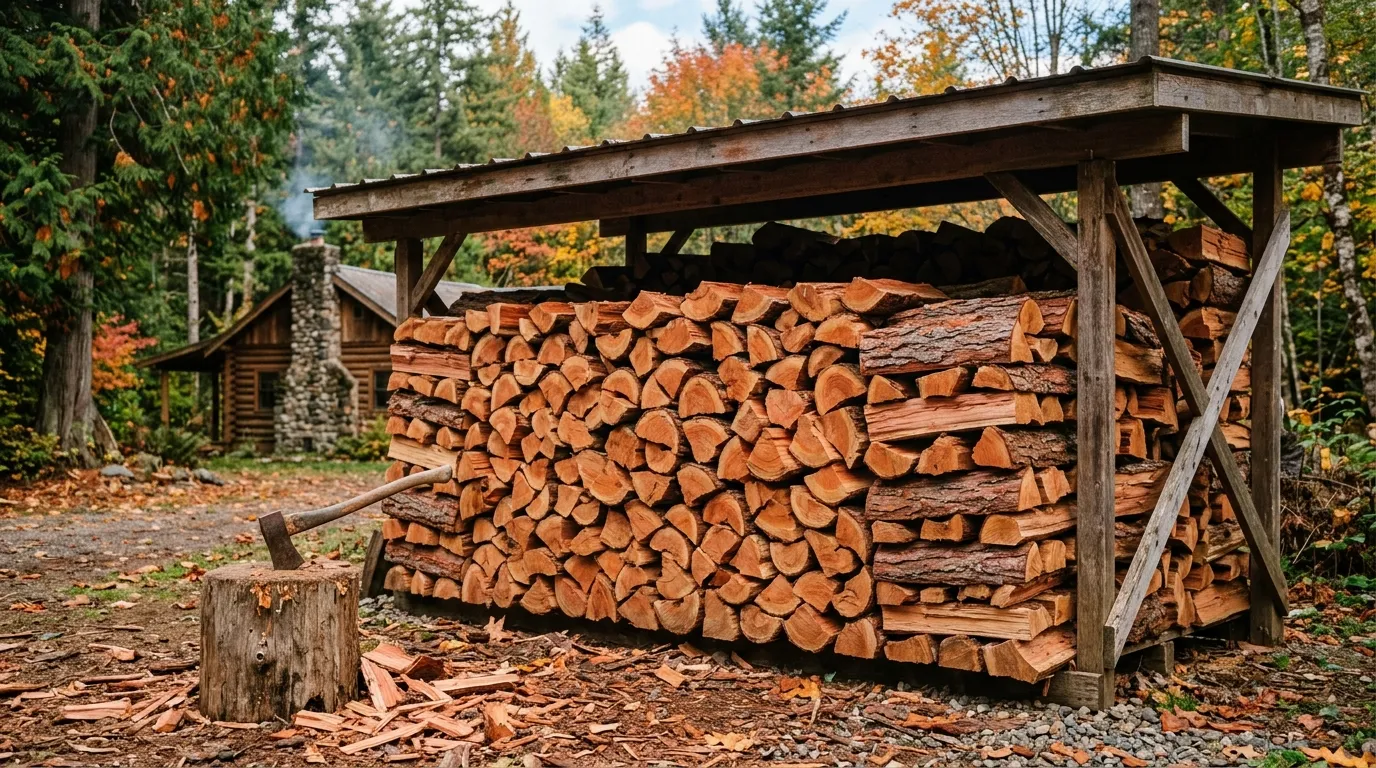
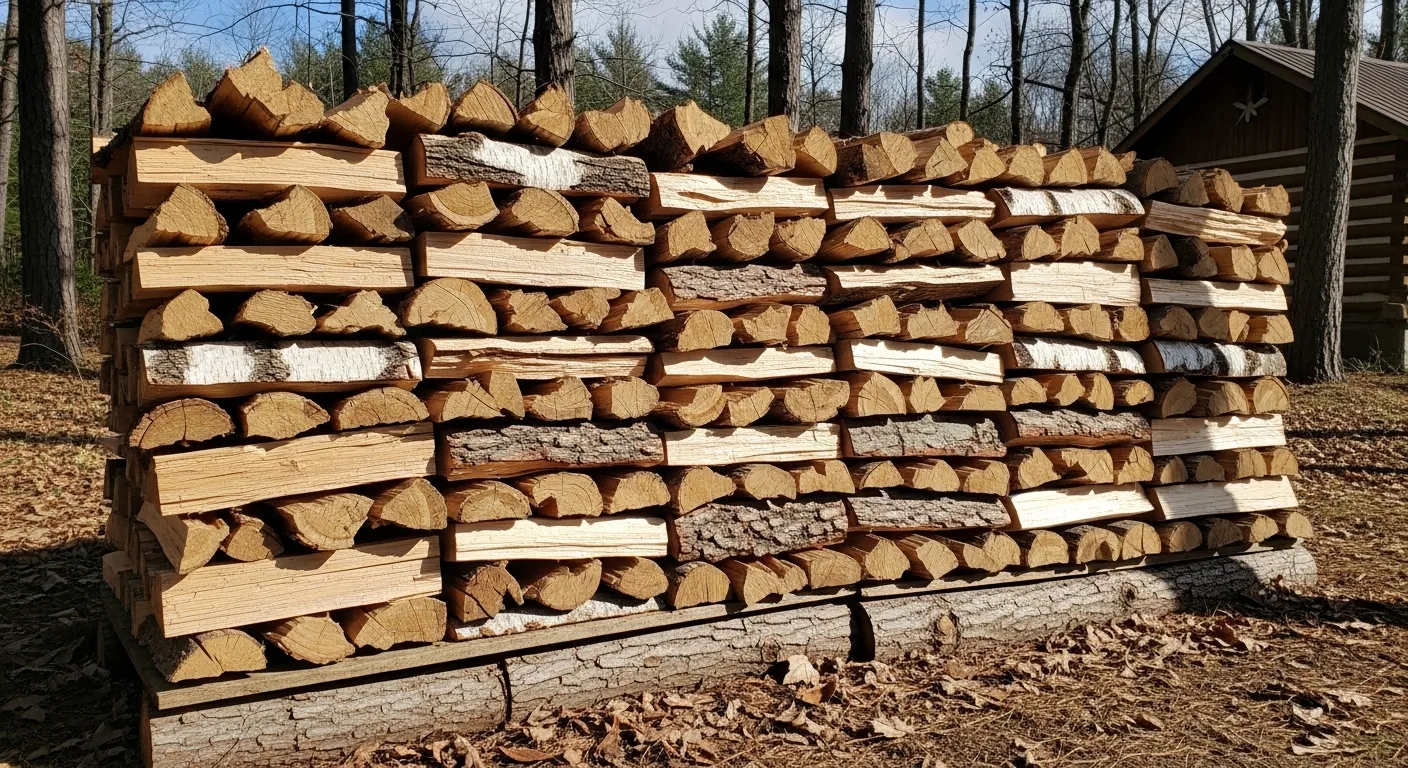
Stack them off the ground in a crisscross pattern to allow airflow.
Keep the woodpile covered on top, but leave the sides open.
Once fully seasoned, mulberry burns hot and clean, with very little smoke.
Is Mulberry Hard to Split?
Splitting mulberry can range from moderate to difficult, depending on the tree.
Smaller logs tend to split fairly easily.
Larger or twisted logs can be challenging because of irregular grain patterns.
A sharp splitting maul or hydraulic wood splitter makes the job much easier.
Regional Availability of Mulberry Firewood
Mulberry is not a common commercial firewood like oak or maple, but it’s often available locally if you know where to look.
United States: Red mulberry and white mulberry are widespread. Many homeowners cut mulberry trees for landscaping, making the wood available for firewood.
Europe: Black mulberry is more common, especially in Mediterranean countries.
Asia: White mulberry is abundant and used for both fruit and firewood.
Because mulberry trees are relatively fast-growing and resilient, they are often available to those who own rural property or work with tree services.
Mulberry vs. Other Firewoods
Here’s how mulberry stacks up against other popular firewood types:
Wood Type
Heat Output (BTUs)
Sparks/Pop
Smoke
Ease of Splitting
Best Use
Mulberry
~25.8 million
High
Low
Medium-Hard
Heating, smoking food
Oak
~24.6 million
Low
Low
Medium
Home heating
Hickory
~28 million
Medium
Low
Hard
Smoking meats, heating
Maple
~20 million
Low
Low
Easy
Indoor fireplaces
Pine
~16 million
High
High
Easy
Kindling, outdoor fires
Pros and Cons of Mulberry Firewood
Pros
High BTU output (heats efficiently)
Long-lasting burn and hot coals
Sweet, pleasant aroma
Useful for smoking and cooking
Widely available in many regions
Cons
Sparks and pops more than other hardwoods
Longer seasoning time (12–18 months)
Can be harder to split in larger sections
Best Uses for Mulberry Firewood
Mulberry is versatile and can be used for:
Home Heating: Excellent for wood stoves and furnaces due to high heat and coals.
Outdoor Fire Pits: Produces warmth and pleasant smoke, but be cautious of sparks.
Smoking and Cooking: Adds a mild, fruity flavor to meats and vegetables.
Safety Tips for Burning Mulberry
Since mulberry sparks more than some other hardwoods, safety is key.
Always use a fireplace screen indoors.
Burn only seasoned mulberry to reduce popping and smoke.
Clean your chimney regularly to prevent creosote buildup.
For outdoor fires, keep a safe distance from structures and flammable materials.
Historical Use of Mulberry Wood
Mulberry has been used for centuries, not only for firewood but also for other purposes:
In Asia, white mulberry was historically cultivated for silkworm farming, as the leaves are the main food source for silkworms.
In Europe, mulberry wood was used for furniture and carving due to its durability.
Farmers often prized mulberry trees for both their fruit and as a reliable source of fuel wood.
This history adds to the value of mulberry as a truly multifunctional tree.
Final Verdict: Is Mulberry a Good Firewood?
Yes—mulberry is excellent firewood. With its high heat output, long-lasting coals, and pleasant aroma, it competes with oak and hickory as one of the best woods for heating and cooking.
Its only downsides are the sparking and the longer seasoning period, but with proper precautions, these issues are manageable. If you have access to mulberry, it’s well worth harvesting and stacking for your firewood supply.