Is Pine Good Firewood? A Clear Guide for Home Heating
If you have ever picked up pine logs, you probably noticed how light they feel and how quickly they catch fire. Many people ask a simple question before winter starts: is pine good firewood or should you avoid it? The answer is not just yes or no. It depends on how you plan to use it.
Across many parts of the United States, pine is one of the most common woods available. People often use it because it is easy to find and usually cheaper than hardwood. But it behaves very differently from woods like oak or maple. This guide explains everything in simple terms so you can decide if pine fits your needs.
Is Pine Good Firewood?
Pine can be good firewood, but only in certain situations. It lights fast and burns quickly, which makes it useful for starting fires or for short heating needs. However, it does not produce long-lasting heat, so it is not the best choice for heating your home all night.
If you use pine the right way, it can be helpful. If you rely on it as your main fuel, you may find it inefficient.
What Makes Pine Different From Other Firewood?
Pine is a softwood. This means it comes from trees that grow faster and have lower density compared to hardwood trees. Because of this, pine contains more air pockets and resin.
This lower density affects how it burns. Pine ignites quickly because oxygen moves through it easily. At the same time, it burns out faster because there is less solid material to hold heat.
Resin is another key factor. Pine has a higher resin content than hardwood. This resin helps the fire start quickly, but it also affects smoke and sparks during burning.
Heat Output: Pine vs Hardwood
Heat output is measured in BTUs, which stands for British Thermal Units. This tells you how much heat a type of wood can produce.
Here are average values per cord of seasoned wood:
Eastern White Pine: around 15 to 17 million BTUs
Ponderosa Pine: around 15 million BTUs
Oak (Red Oak): around 24 to 26 million BTUs
Sugar Maple: around 24 million BTUs
This shows a clear difference. Pine produces about 30 to 40 percent less heat than common hardwoods.
What this means for you is simple. You will need more pine to produce the same amount of heat as oak or maple. This also means more frequent loading into your stove or fireplace.
Pine burns fast. A log usually lasts for a shorter cycle compared to hardwood, often around half the duration depending on log size, airflow, and stove type. In contrast, hardwood logs like oak can burn much longer and provide steady heat.
Because of this, pine works best when you need quick heat. It is useful in the morning to warm up a room or in the evening for a short fire.
For long winter nights, pine becomes less practical. You would need to wake up and reload often, which is not ideal for steady heating. If you try heating a room using only pine, you will notice the temperature drops quickly once the fire dies down.
The Truth About Creosote and Safety
Many people believe pine is dangerous because it creates creosote. This idea is only partly true.
Creosote forms when smoke cools and sticks to the inside of a chimney. This happens with any type of wood if it is not burned properly. The main causes are high moisture and low-temperature fires, not just the type of wood.
Fresh pine can have moisture content above 50 percent. When burned in this state, it produces more smoke, which increases creosote buildup. Properly seasoned pine has a moisture level below 20 percent, which burns much cleaner.
If you burn dry pine in a hot fire with good airflow, creosote risk stays low. Regular chimney cleaning also keeps your system safe.
Myth: Pine Firewood Is Dangerous
A common myth is that pine should never be burned indoors. This belief comes from older advice that focused on resin and smoke.
The real issue is not pine itself. Problems happen when wood is burned while still wet or when airflow is restricted. In those cases, smoke increases and residue builds up faster.
Dry pine, burned correctly, can be used safely in both fireplaces and wood stoves. Many people use it every year without issues when proper burning practices are followed.
Seasoning Pine Firewood
Seasoning means drying the wood before burning it. Pine dries faster than most hardwoods because of its lower density.
In most climates, pine needs about 6 to 12 months to season properly. In warmer and drier areas, it may be ready in as little as 6 months. In humid regions, it can take closer to a year. This is still faster compared to hardwood like oak, which can take 18 to 24 months.
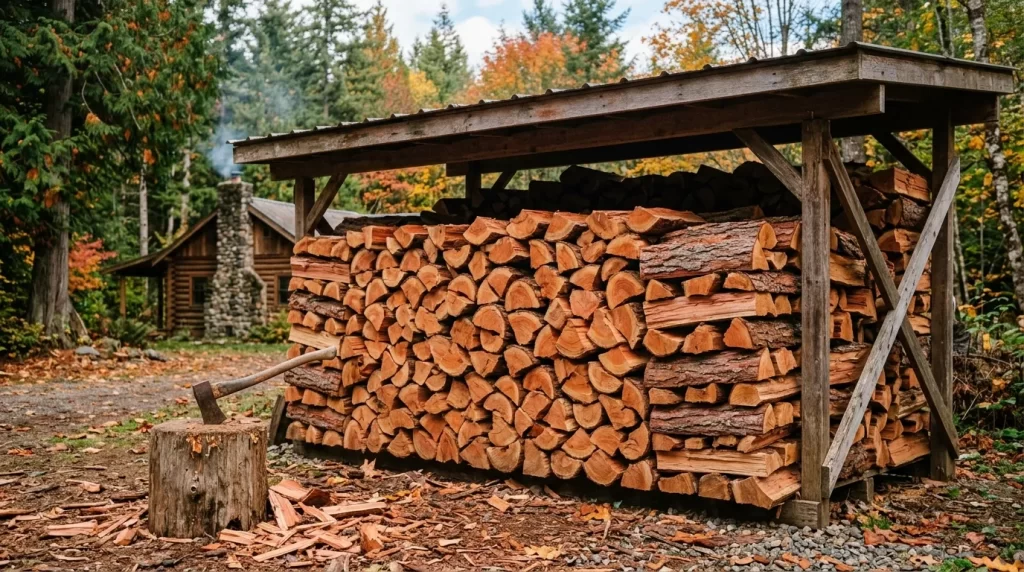
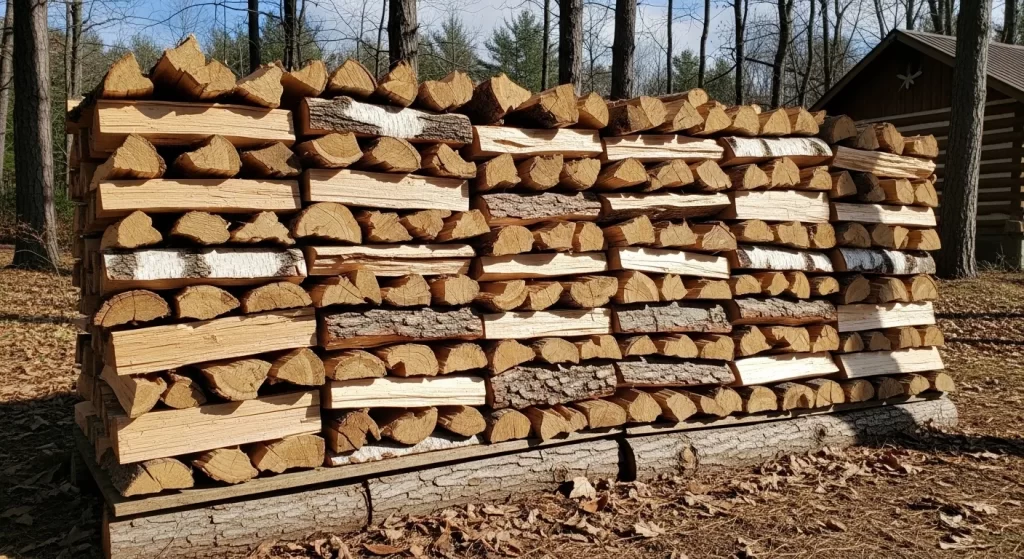
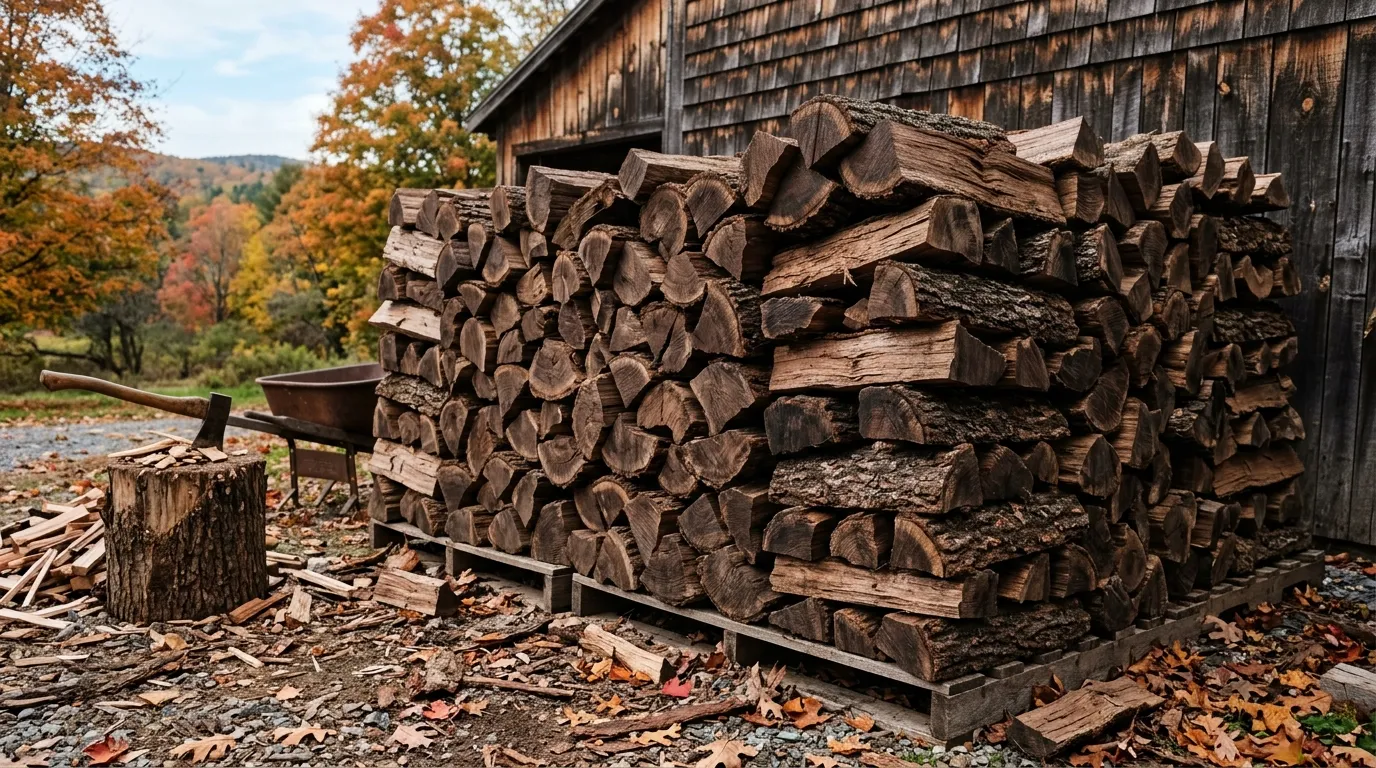
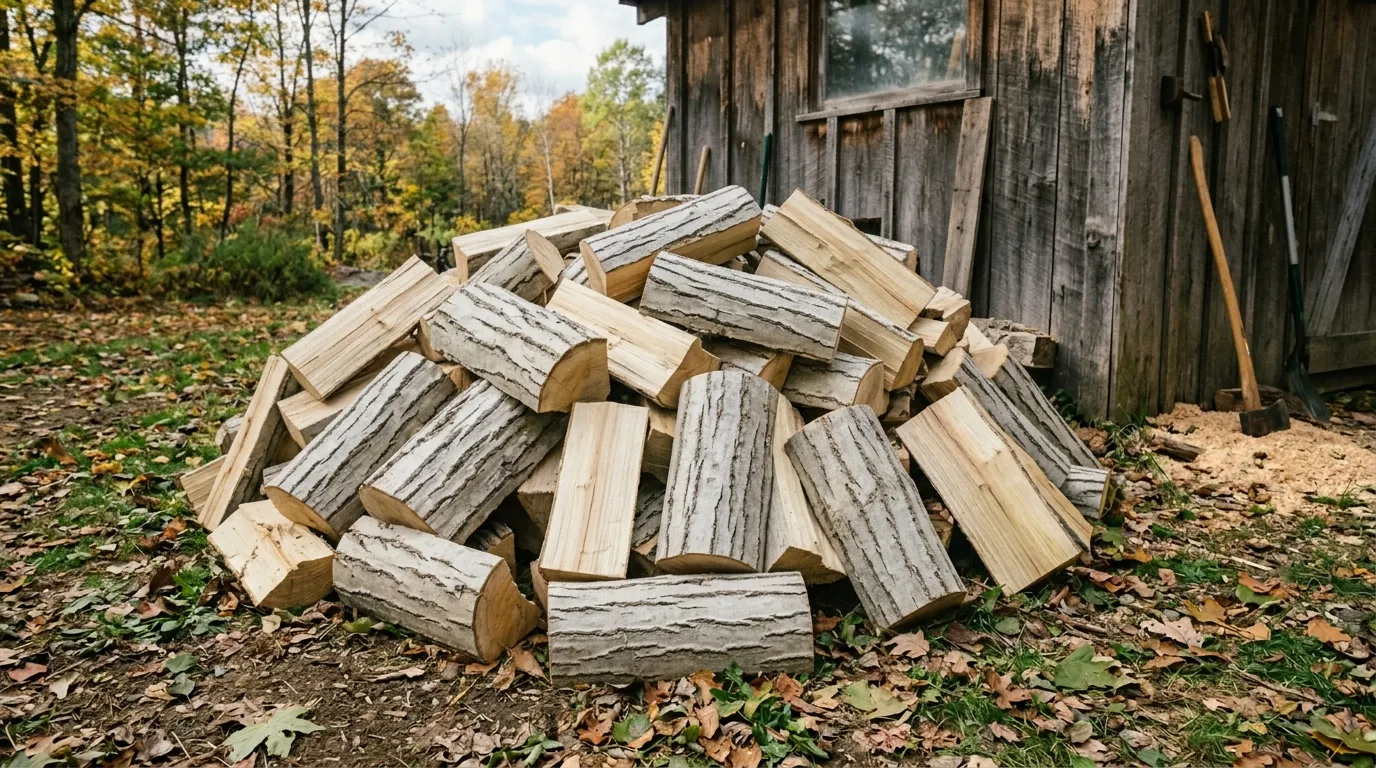
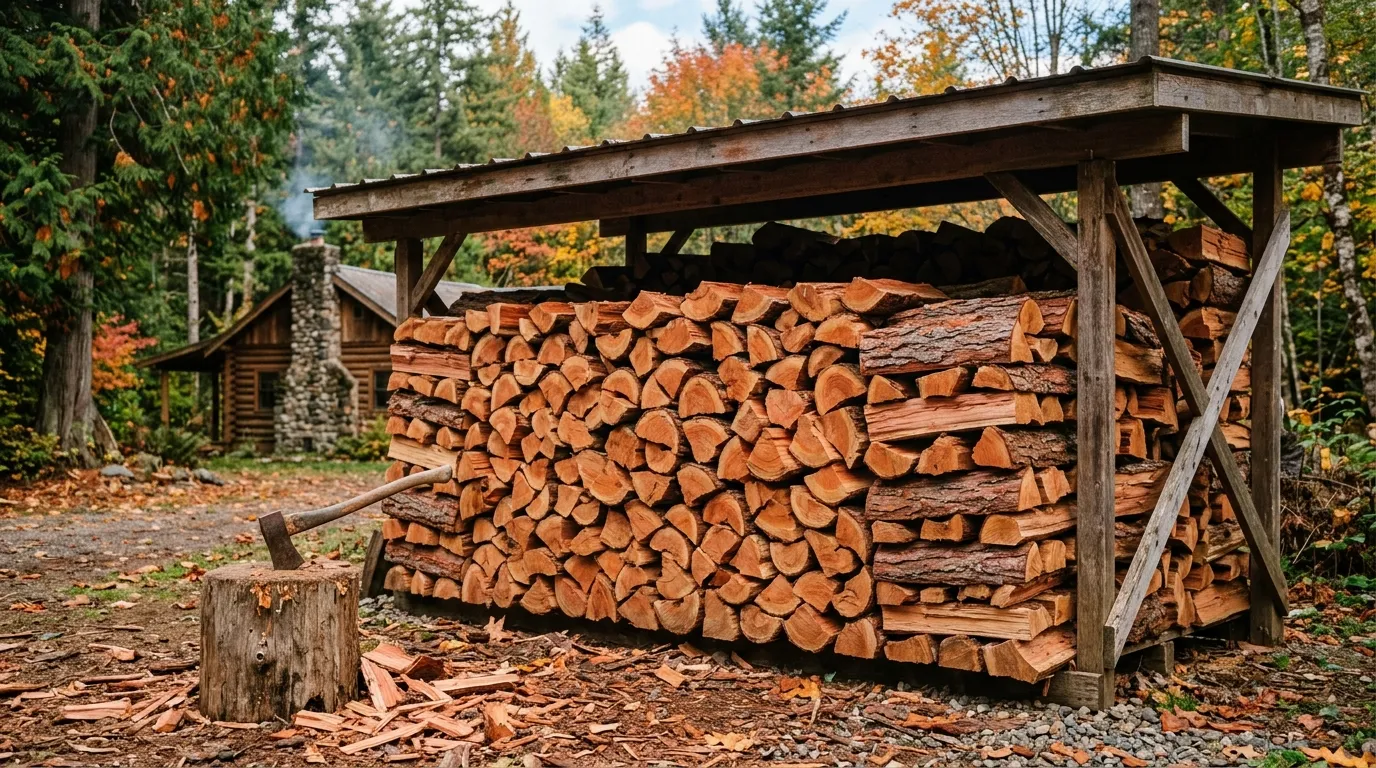
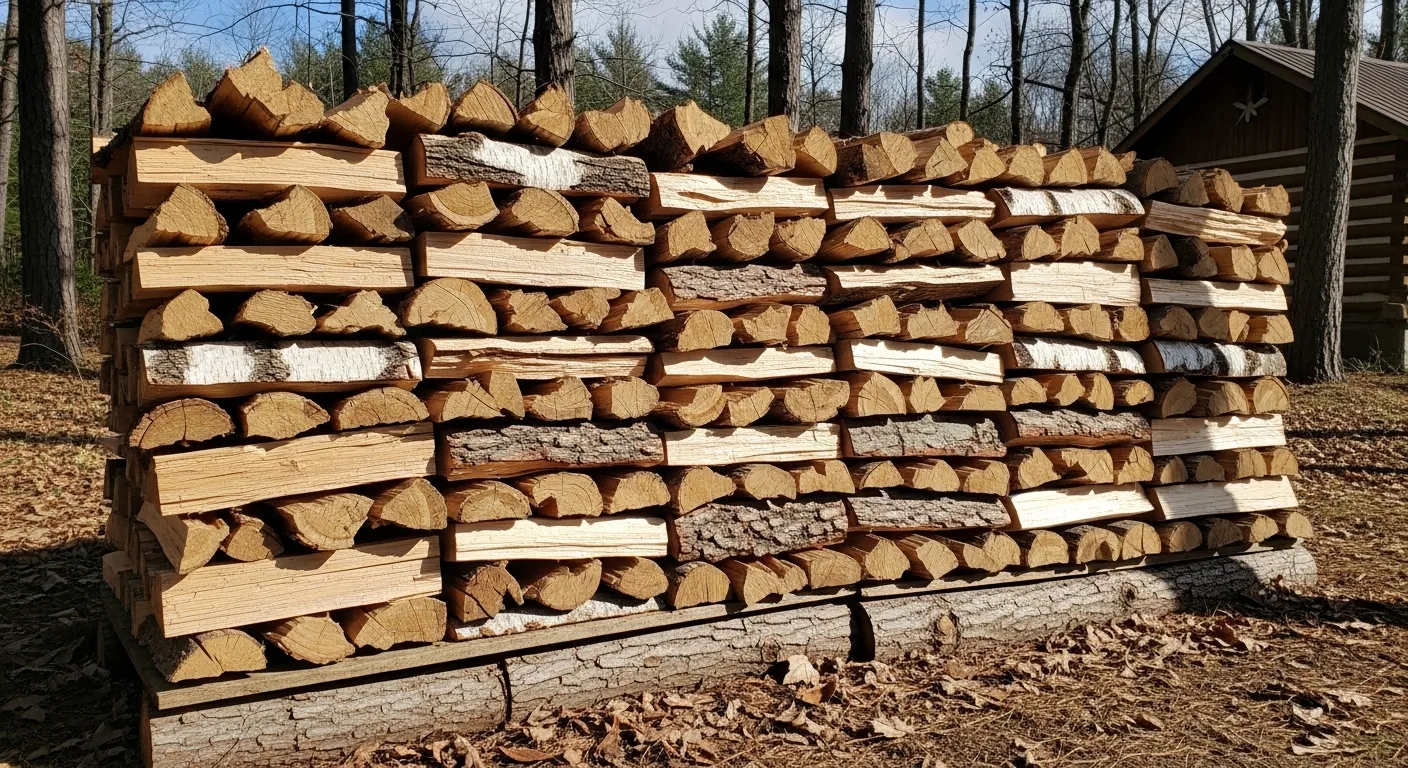
You should split the logs and stack them in a place with good airflow. Keep them off the ground and cover the top to protect from rain. When the wood reaches around 15 to 20 percent moisture, it is ready to burn.
Can You Burn Pine in a Fireplace or Wood Stove?
Yes, you can burn pine in both a fireplace and a wood stove if it is properly seasoned. Dry pine lights easily and produces a strong flame, which works well in controlled systems.
In a wood stove, pine performs better because airflow and temperature can be managed. This helps the wood burn cleanly.
In open fireplaces, pine can produce more sparks due to its resin. You should always use a screen to prevent embers from escaping into the room.
When Pine Is a Good Choice?
Pine works well in several situations. It is one of the best woods for starting fires because it ignites quickly. Many people use it as kindling to get a stronger wood fire going.
It is also useful during mild weather, often called the shoulder season. During early fall or spring, you may not need long-lasting heat. Pine can warm a space without overheating it.
For outdoor fire pits and campfires, pine is also a practical option. It is easy to light and creates a lively flame, which many families enjoy.
When Pine Is Not the Right Option?
Pine is not suitable for every situation. If you need steady heat through the night, it will not perform well. The fire will die out too quickly.
In very cold regions, relying only on pine can make heating inefficient. You will burn through large amounts of wood and still struggle to maintain consistent warmth.
It is also less ideal for open fireplaces indoors because it can produce more sparks. This can increase safety risks if a proper screen is not used.
Can Pine Burn Overnight?
Pine is not suitable for overnight burning. It burns quickly and does not produce long-lasting coals. This means the fire will go out faster compared to hardwood.
If you need heat through the night, hardwood like oak or maple is a better option. A common approach is to start with pine and then switch to hardwood before sleeping.
Pine vs Oak Firewood
Pine and oak behave very differently as firewood. Pine lights quickly and produces fast heat, while oak burns slower and provides steady warmth.
Oak has a much higher density, which allows it to release heat over a longer period. Pine, on the other hand, is better suited for short fires and quick ignition.
In terms of usage, pine is often chosen for convenience and cost, while oak is preferred for long-term heating.
Is Pine Cheaper Than Other Firewood?
Pine is usually cheaper than hardwood in many parts of the United States. This is because pine trees grow faster and are more widely available.
In regions like the Northern and Western US, pine is often sold as budget firewood. This makes it a practical choice for people who need affordable wood for short-term use.
However, because it burns faster, you may end up using more of it over time compared to hardwood.
Best Way To Use Pine Firewood
To get the best results, many people combine pine with hardwood. You can start the fire with pine and then add hardwood logs to maintain longer heat.
In a wood stove, you should keep airflow strong so the fire burns hot and clean. Avoid smoldering fires, as they increase smoke and residue.
Stacking smaller pine logs together can help extend burn time slightly. This allows you to control heat better without constant reloading.
Final Verdict: Should You Use Pine Firewood?
Pine is a useful type of firewood, but it is not a complete solution for home heating. It performs well for quick fires, kindling, and mild weather use. It does not match hardwood in heat output or burn duration.
If you understand its limits and use it in the right way, pine can save money and still meet your needs. Many people across the United States rely on it as part of a mixed firewood strategy rather than their only option.