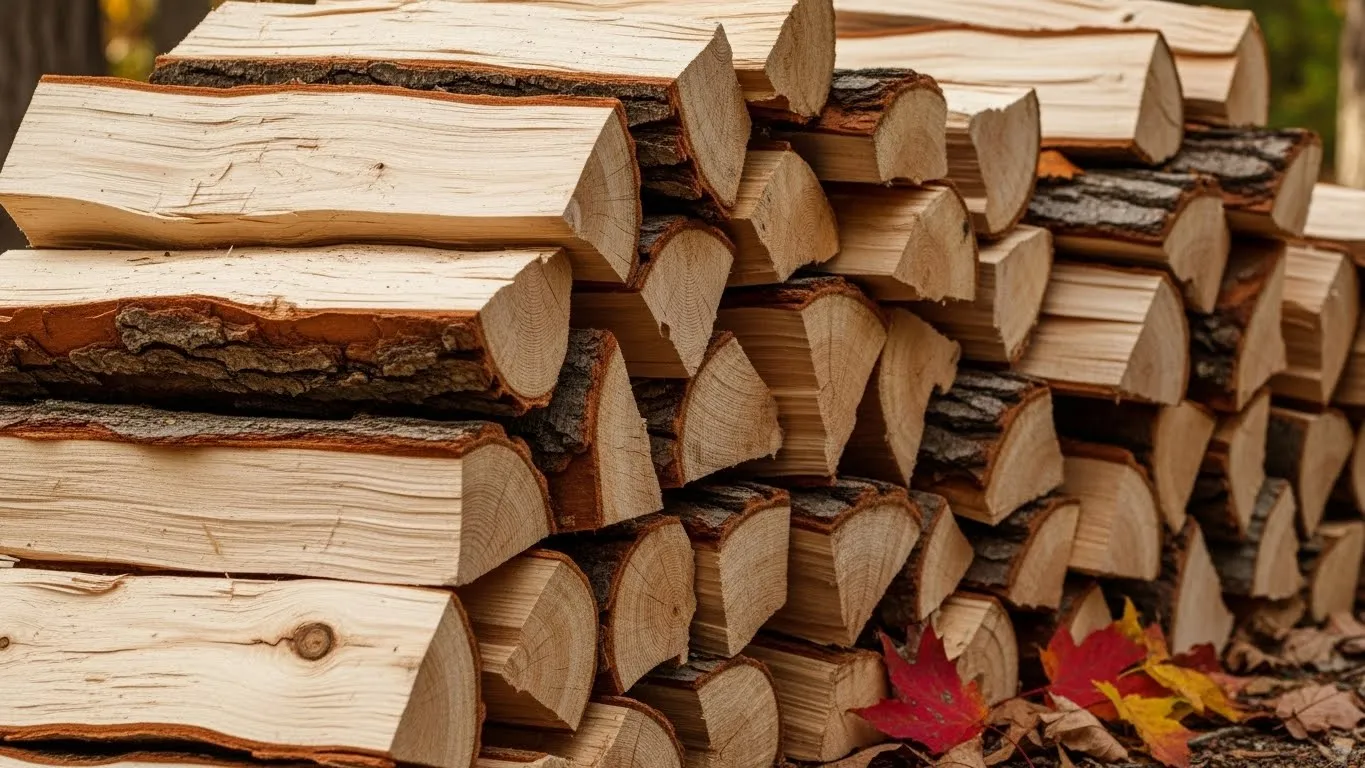
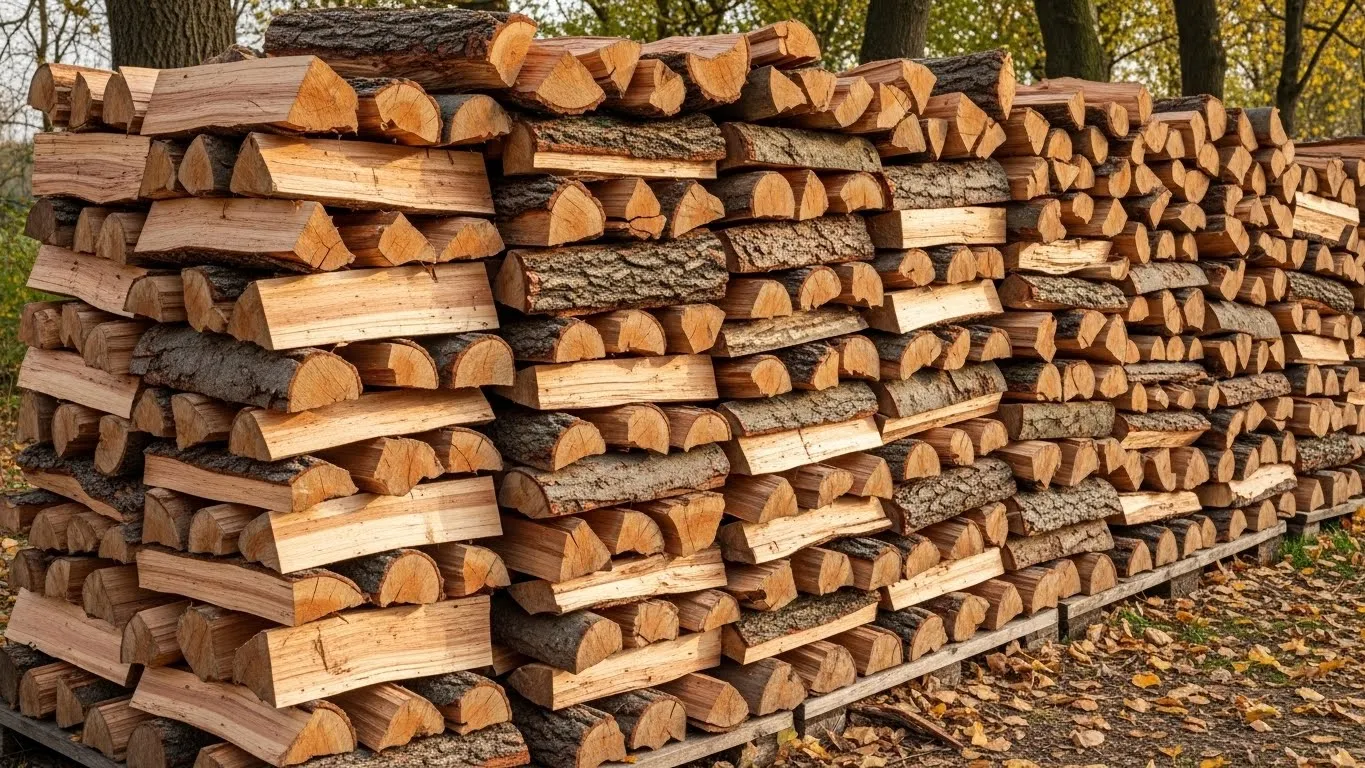
Poplar firewood has a reputation problem. Some people dismiss it outright, while others swear it has a place in the woodpile. If you have access to poplar and are wondering whether it is worth cutting, splitting, and stacking, you deserve a clear answer without exaggeration.
So, is poplar good firewood?
The honest answer is that poplar is usable firewood, but it comes with limits. It does some things well, struggles in other areas, and works best when used the right way. This guide explains how poplar burns, how much heat it produces, how long it needs to season, and when it makes sense to use it.
Understanding Poplar as Firewood Species
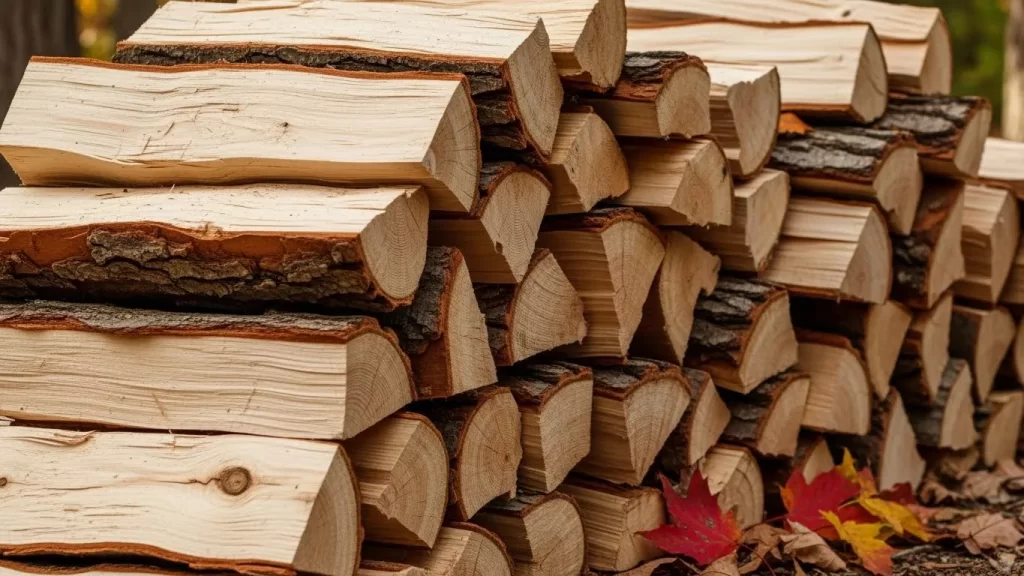
Poplar refers to several fast-growing hardwood trees commonly found across North America. Despite being classified as hardwood, poplar behaves very differently from dense species like oak or maple.
Common varieties used as firewood include:
- Tulip poplar
- Aspen
- Cottonwood
- White poplar
These trees grow quickly, which results in lighter, less dense wood. That single trait explains most of poplar’s strengths and weaknesses as firewood.
What Kind of Warmth Does Poplar Deliver?
Heat output is one of the biggest concerns when choosing firewood. Poplar falls on the lower end of the hardwood scale.
Most poplar varieties produce between 13 and 17 million BTUs per cord. This is significantly less than oak, hickory, or hard maple, and closer to softwoods like pine.
In practical use, this means:
- Fires start quickly
- Rooms warm up fast
- Heat does not last as long
- More frequent reloading is needed
Poplar can heat a space, but it will not maintain deep, long-lasting warmth during cold winter nights on its own.
How Poplar Burns in a Stove or Fireplace?
Poplar ignites easily, even with minimal kindling. This makes it very beginner-friendly and useful for quick fires.
Once burning, poplar produces a lively flame but breaks down rapidly. Coals do not last long, which limits its ability to hold heat overnight. Flames are generally calm, with little popping or sparking, making it safe for fireplaces.
Smoke output is moderate when seasoned properly. However, because poplar burns quickly, it is often burned with reduced airflow, which can increase smoke and creosote if not managed carefully.
Seasoning Poplar: One of Its Strongest Advantages
One of poplar’s biggest benefits is how quickly it dries.
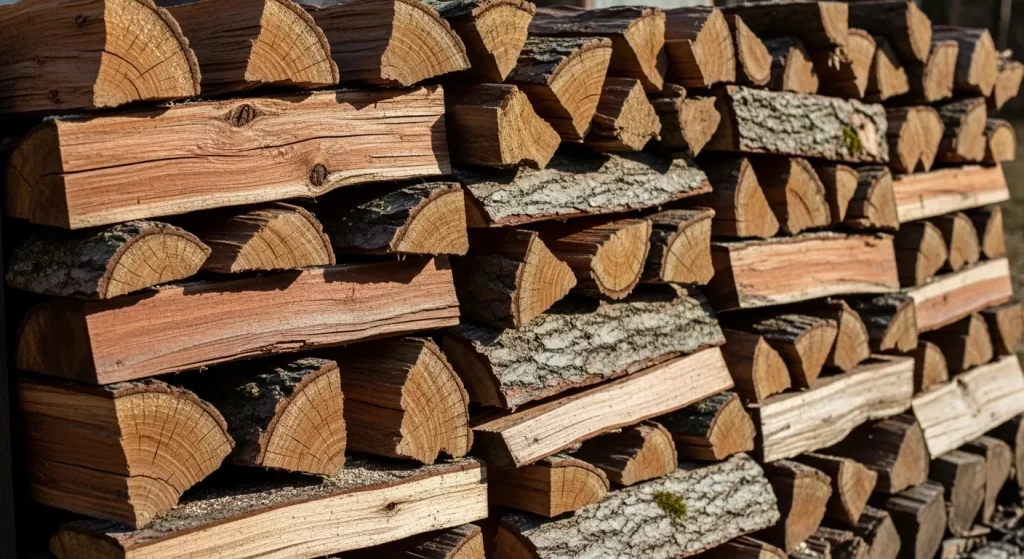
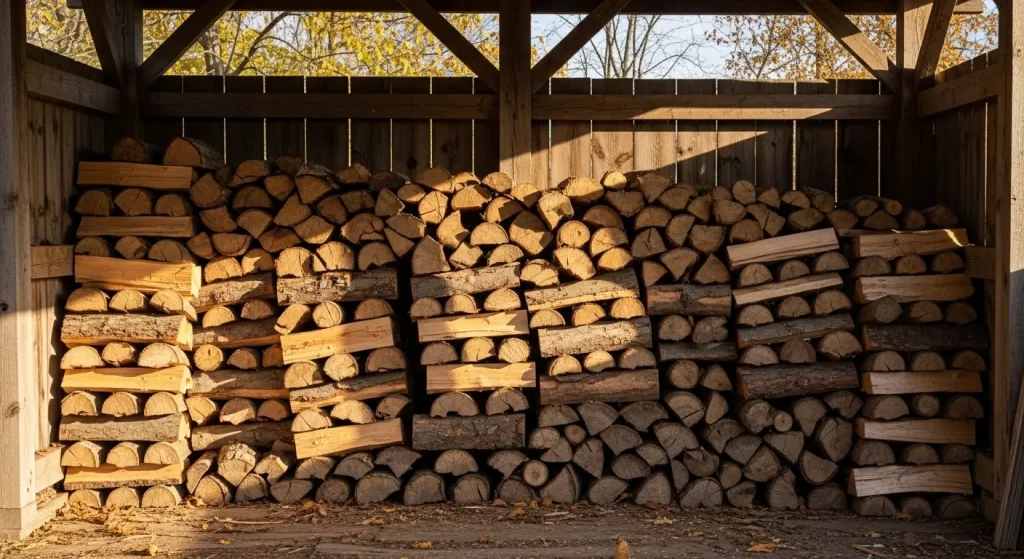
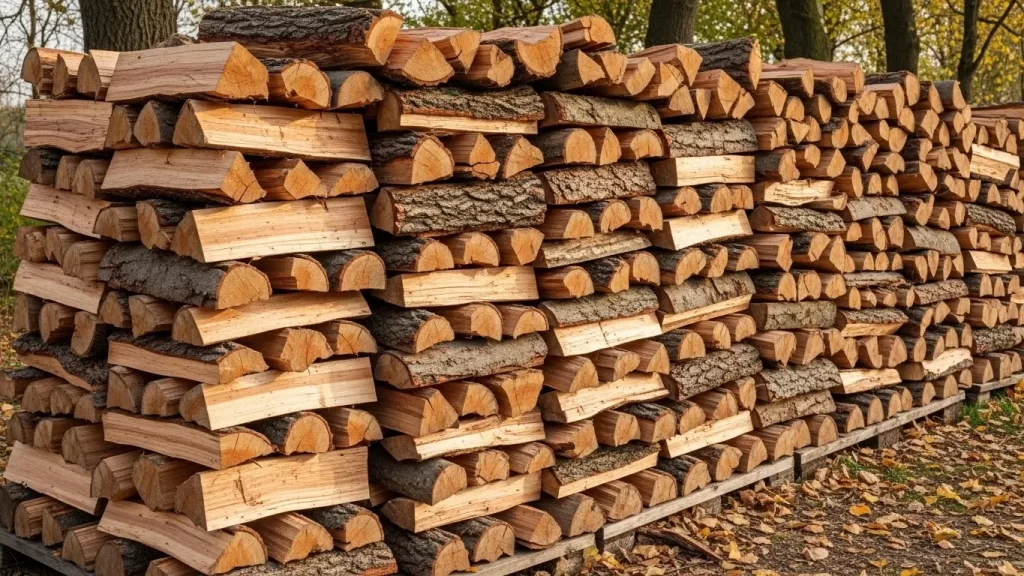
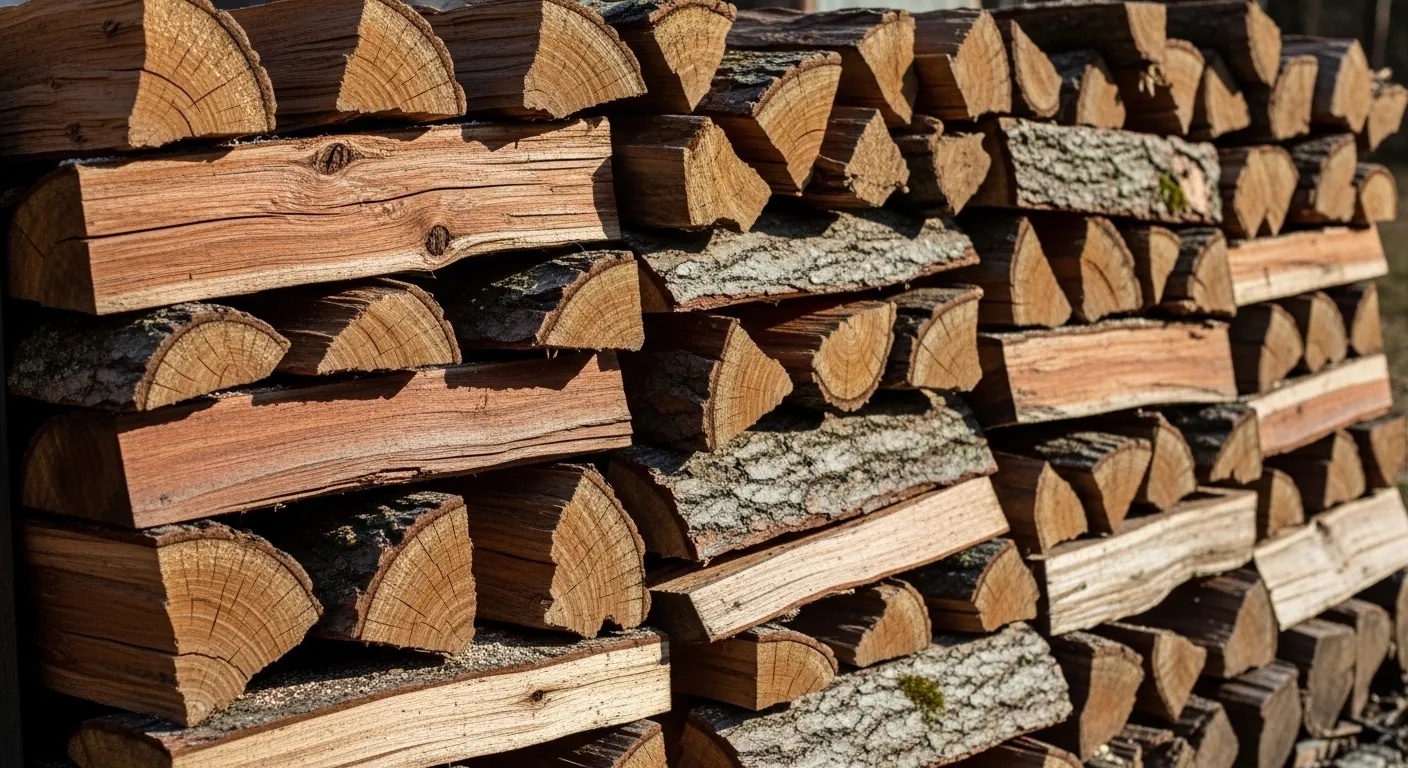
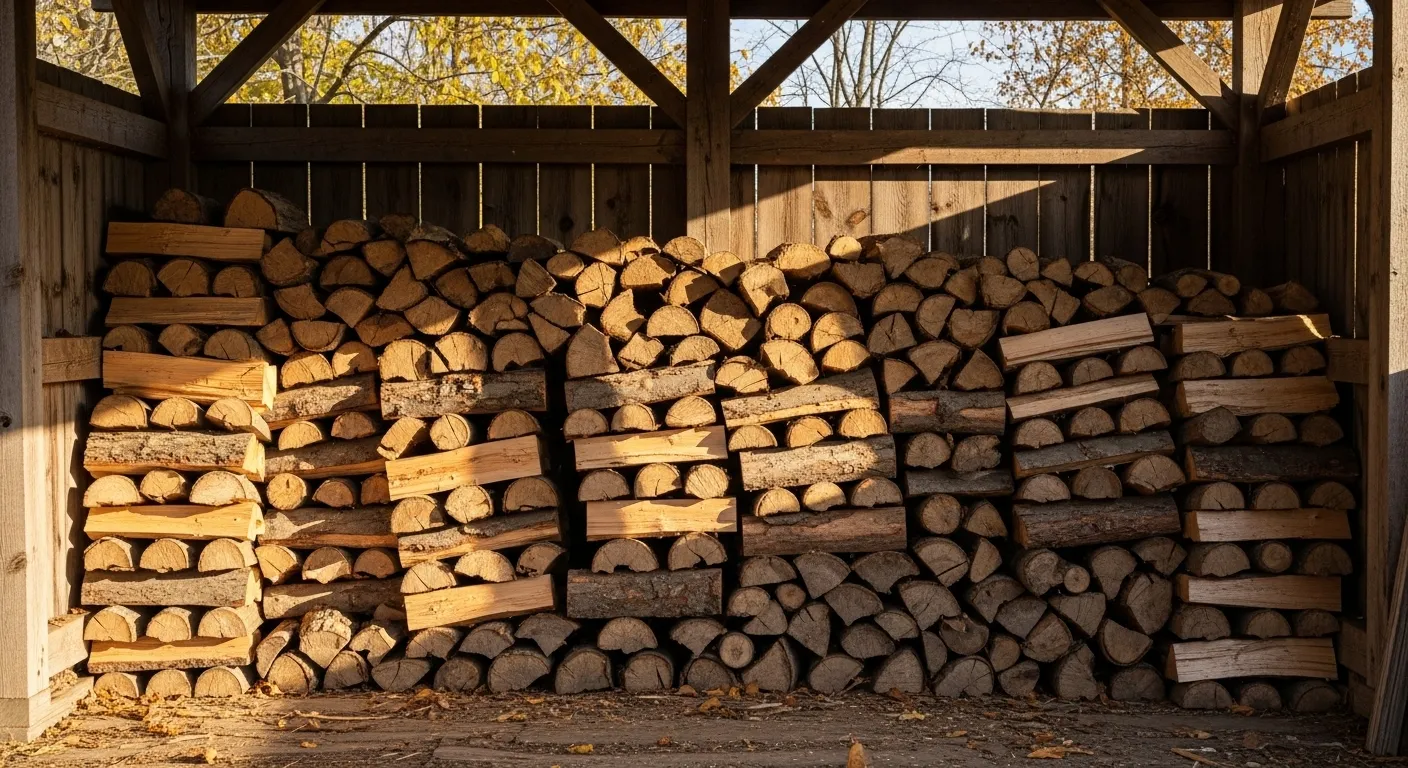
Poplar can be fully seasoned in as little as 6 to 9 months when split and stacked correctly. This makes it appealing for people who need usable firewood fast or are starting from scratch.
Signs poplar is ready to burn include:
- Very low weight compared to green wood
- Pale, dry appearance
- Moisture content below 20 percent
- Easy ignition with minimal smoke
Because poplar holds a lot of moisture when green, proper seasoning is critical. Burning it too early leads to poor heat and excessive smoke.
Splitting and Handling: Easy on the Body
Poplar is one of the easiest woods to split. The grain is usually straight, and even large rounds come apart without much resistance. This makes it ideal for hand splitting and for people who want low physical strain.
Its lightweight nature also makes poplar easy to carry, stack, and move. For older burners or anyone processing firewood without machinery, this is a major advantage.
Comparing Poplar To Other Common Firewoods
Poplar often gets criticized unfairly because it is compared to premium hardwoods.
Compared to oak, poplar seasons much faster but produces far less heat. Compared to maple, poplar lights easier but burns much faster. Against ash, poplar dries quicker but does not form lasting coals.
Compared to softwoods like pine, poplar burns cleaner and produces fewer sparks, though heat output is similar.
Poplar performs best when judged for what it is, not what it is not.
When Poplar Makes Sense To Burn?
Poplar works well in certain situations.
It is a good choice for:
- Shoulder-season fires in fall and spring
- Daytime heating when frequent loading is acceptable
- Mixing with denser woods to improve ignition
- Fireplaces where spark control matters
- Quick heat during mild weather
It is not ideal for:
- Overnight burns
- Extremely cold climates as a primary fuel
- Long, unattended heating cycles
Many experienced burners use poplar as a supporting wood rather than the main heat source.
Creosote and Chimney Concerns
Poplar itself is not a high-creosote wood when properly seasoned. Problems usually arise when it is burned wet or with restricted airflow.
Because poplar burns quickly, people often choke down the stove to extend burn time. This leads to cooler fires and increased creosote formation. Burning poplar hot and maintaining proper airflow reduces this risk.
Regular chimney maintenance remains essential regardless of wood type.
Cost and Availability Benefits
Poplar is widely available and often inexpensive or free. Many landowners remove poplar during clearing or thinning projects and are happy to give it away.
Because it grows quickly and regenerates easily, poplar is often considered a low-impact firewood choice. It is practical for people who prioritize accessibility over maximum heat output.
Common Misunderstandings About Poplar Firewood
A common belief is that poplar is useless as firewood. This usually comes from expecting it to behave like oak.
Another misconception is that poplar smokes heavily. In reality, properly dried poplar burns cleanly, just not for very long.
Poplar is not premium firewood, but it is far from worthless.
Should You Stack Poplar in Your Woodpile?
If poplar is what you have access to, it is worth using. The key is understanding how to burn it effectively.
Poplar shines when:
- Used early in the season
- Mixed with harder woods
- Burned hot and clean
- Reloaded frequently without complaint
If you expect it to carry you through a deep winter night on its own, you will be disappointed. If you use it where it fits, it does its job.
Final Thoughts
Poplar is not the best firewood, but it is good enough when used correctly.
It lights easily, seasons quickly, splits effortlessly, and provides fast heat. Its main weakness is short burn time, which limits its role in cold-weather heating.
For many households, poplar fills the gaps, supports better woods, and keeps fires going when convenience matters more than endurance.
If poplar is available to you, it is worth stacking, seasoning, and burning with realistic expectations.
Also Read: Is Maple Good Firewood To Burn?