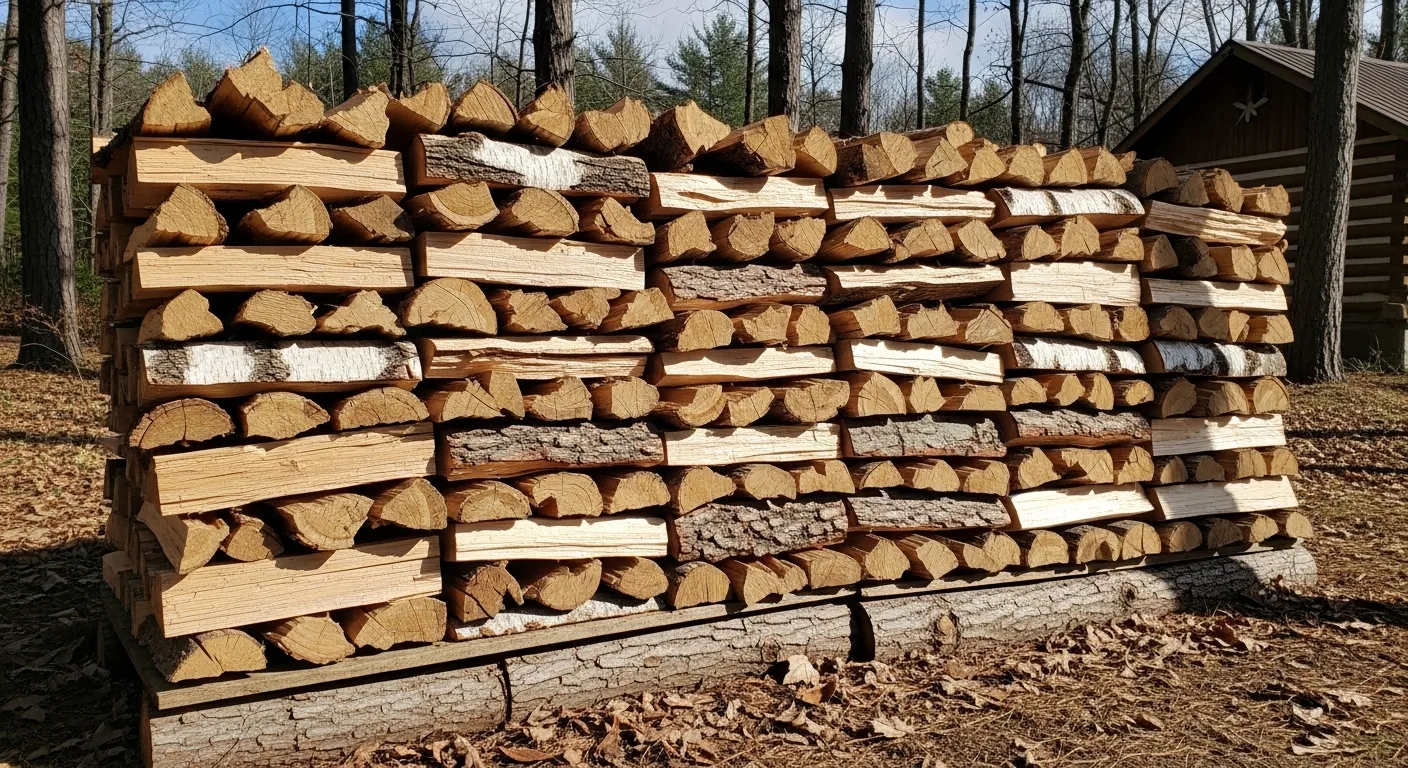
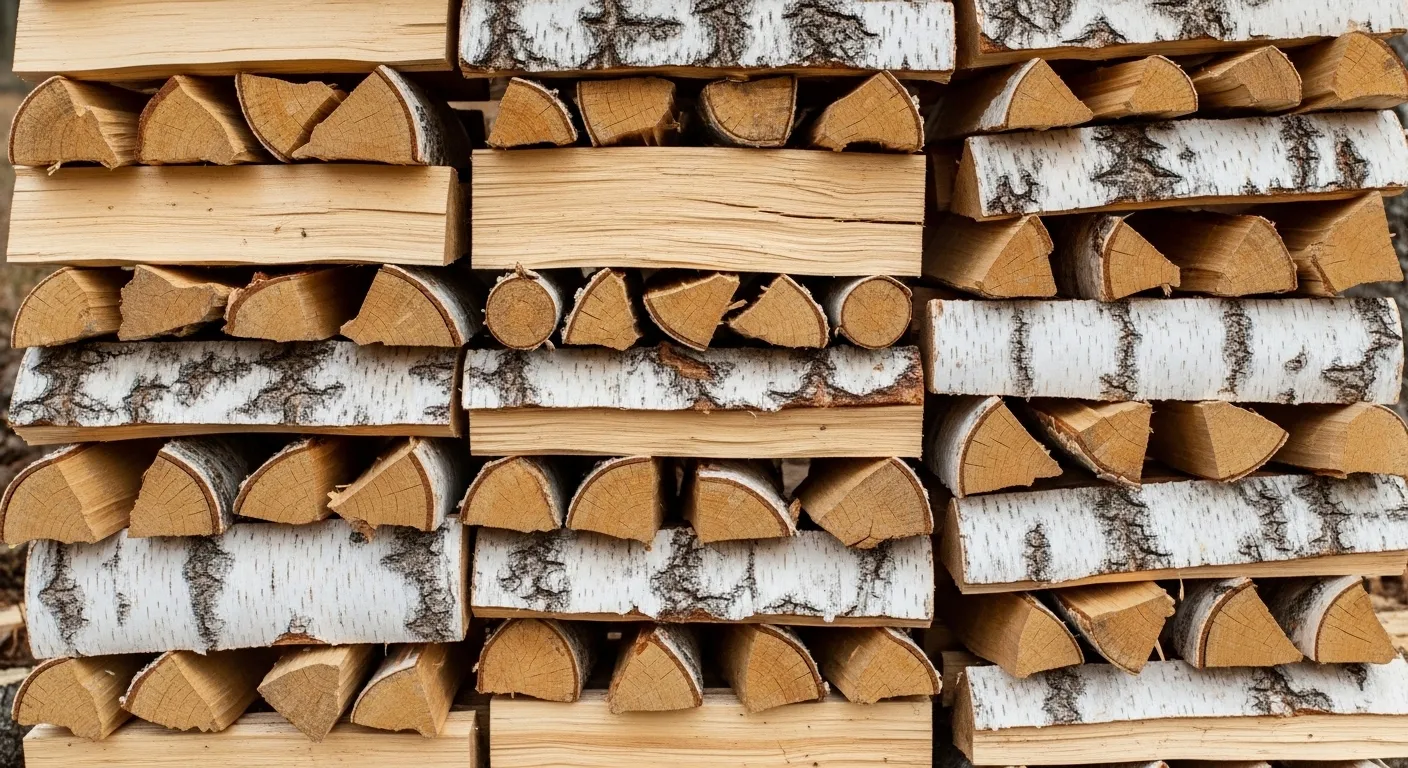
If you have walnut wood and are thinking about burning it, the real question is simple. Is it worth it, or should you save it for something else? Many people get mixed answers. Some say it burns well. Others say it is not the best choice.
Here is the truth. Walnut sits in the middle. It is not weak like softwood, and it is not as strong as top hardwoods like oak or hickory. What matters is how you plan to use it. This guide breaks everything down in a clear way so you can decide with confidence.
Is Walnut Good Firewood?
Yes, walnut is good firewood, but it is not the best. It gives medium heat, burns clean, and works well for short fires or mild weather. If you need long-lasting heat in cold winters, stronger hardwoods are a better choice.
Is Walnut a Hardwood or Softwood?
Walnut is a hardwood. It comes from broadleaf trees, mainly black walnut. Hardwood usually burns slower and gives more heat than softwood.
Black walnut has a density of about 38 pounds per cubic foot. It weighs less than oak, which is why it burns faster and produces slightly less heat. This puts it below oak but above many lighter woods.
Types of Walnut Firewood
Black Walnut Firewood (Most Common in the US)
Black walnut is the main type used as firewood in the United States, especially in the Midwest and Eastern regions. It gives around 22 million BTU per cord. It burns steady and produces moderate heat. This makes it a reliable option for everyday use.
English Walnut Firewood
English walnut, also called Persian walnut, is less dense. It produces slightly less heat and burns faster. It is not commonly used as firewood because it is often grown for nuts.
Claro Walnut (Rare and Valuable)
Claro walnut is found mainly in California. It has a unique grain and is highly valued in furniture making. Because of its high price, most people do not burn it. It is better to sell or use it for woodworking.
How Good Is Walnut Firewood Compared to Other Wood?
Walnut vs Oak Firewood
Oak produces about 24 to 28 million BTU per cord. It burns longer and creates strong coals. Walnut cannot match oak in long winter use.
Walnut vs Maple Firewood
Maple gives similar or slightly higher heat than walnut. Hard maple performs better in cold weather, while walnut burns a bit quicker.
Walnut vs Hickory Firewood
Hickory is one of the hottest burning woods at over 28 million BTU. Walnut falls short in both heat and burn time.
Walnut vs Pine Firewood
Pine produces around 15 million BTU per cord. Walnut clearly performs better. It burns longer and produces less resin and smoke.
Heat Output of Walnut Firewood (BTU Explained Simply)
How Much Heat Does Walnut Produce?
Walnut produces about 20 to 22 million BTU per cord. A BTU measures heat energy. Higher numbers mean more heat.
Is Walnut High, Medium, or Low Heat?
Walnut is a medium-heat firewood. It sits between strong hardwoods like oak and lighter woods like pine. It works well for moderate heating needs.
How Walnut Firewood Burns (Real Experience)
Flame Quality and Fire Behavior
Walnut creates a steady flame. It does not spark much, which makes it safer for indoor fireplaces. The flame is calm and easy to manage.
Does Walnut Produce Long-Lasting Coals?
Walnut produces decent coals, but they do not last as long as oak or hickory. This means you may need to add more logs during longer fires.
Smoke Levels and Clean Burning
When properly seasoned, walnut burns clean. It produces low smoke compared to many woods. This helps reduce buildup in chimneys.
Is Walnut Easy to Start?
Walnut is moderately hard to ignite compared to softer woods. You may need kindling or a starter wood like pine to get the fire going. Once it catches, it burns steady without much trouble.
Does Walnut Firewood Smell Good When Burning?
Walnut gives off a mild and slightly sweet smell when burned. It is not as strong as cherry or apple wood, but it is pleasant enough for indoor fires. Many people enjoy it in fireplaces for this reason.
Pros of Walnut Firewood
Walnut is easy to split, which saves time during preparation. It burns cleaner than many woods when dry. It also lights fairly well once fully seasoned. The steady flame makes it suitable for fireplaces and casual fires. It produces less popping compared to some hardwoods, which adds to its safety indoors.
Cons of Walnut Firewood
Walnut does not produce the highest heat. It burns faster than dense hardwoods. It is also valuable as lumber, so burning it may not always be the best use. In very cold climates, it may not provide enough warmth on its own. It also needs support from kindling when starting a fire.
When Walnut Firewood Is a Good Choice?
Best Situations to Use Walnut
Walnut works well in mild climates or during fall and spring. It is useful for evening fires where you want comfort without too much heat. Families often use it in fireplaces for a relaxed setting.
Mixing Walnut with Other Firewood
You can mix walnut with stronger woods like oak. Use walnut to start the fire and oak to keep it going. This gives better control over heat and burn time.
When You Should Avoid Walnut Firewood?
Avoid walnut if you need long overnight burns. It is also not ideal during freezing winters where high heat is needed. In these cases, denser hardwoods perform much better.
How Long Does Walnut Firewood Take to Season?
Ideal Moisture Level for Burning
Firewood should have less than 20 percent moisture. This ensures clean burning and good heat output.
How to Tell if Walnut Is Fully Seasoned
Seasoned walnut becomes lighter in weight. The ends show cracks, and the sound is hollow when two pieces hit together.
What Happens If You Burn It Too Early
Wet walnut produces more smoke and less heat. It can also cause creosote buildup in your chimney, which increases fire risk.
Is Walnut Firewood Safe to Burn?
Indoor Fireplace Use
Walnut is safe for indoor fireplaces if it is properly seasoned. It burns clean and does not release harmful fumes.
Wood Stove Use
Walnut works well in wood stoves. Its steady burn helps maintain a controlled fire without sudden flare-ups.
Is Walnut Better Than Softwood?
Yes, walnut performs better than softwoods like pine or fir. It burns longer, produces more heat, and creates less residue. This makes it a more reliable choice for heating.
Can You Mix Walnut with Other Firewood?
Yes, mixing walnut with other hardwoods improves performance. Many people combine it with oak or maple to balance heat and burn time. This approach gives better results than using walnut alone.
Common Mistakes When Burning Walnut Firewood
One common mistake is burning it before it dries fully. Another is relying on it for high heat in winter. Some people also burn valuable walnut wood that could be sold at a higher price. Using it without mixing with stronger wood can also reduce overall efficiency.
Is Walnut Firewood Worth Using?
Walnut is worth using if it is easily available or free. It performs well for short fires and moderate heat needs. If you are buying firewood mainly for heating, stronger hardwoods offer better value. Walnut works best as a secondary option rather than a primary heat source.
Should You Burn Walnut or Sell It?
Walnut wood is widely used in furniture, cabinets, and veneers. High-quality walnut logs can be worth more when sold than burned. If the wood has straight grain and good size, it may have market value. Lower-grade or scrap walnut is fine to use as firewood. Always check the quality before deciding.
Walnut Firewood Performance Summary
Factor
Walnut Firewood
Heat Output
Medium (20–22 million BTU)
Burn Time
Moderate
Smoke
Low (when seasoned)
Ease of Splitting
Easy
Overall Rating
Good but not top-tier
Final Verdict: Should You Use Walnut Firewood?
Walnut is a middle-level firewood that works well in the right situation. It burns clean, gives steady heat, and is easy to handle. It is not the strongest option, but it is reliable for everyday use.
If you have access to walnut, you can use it without concern. Just match it with your needs. For short fires and mild weather, it does the job well. For heavy heating, combine it with stronger hardwoods or choose a higher heat option.