When a tenant moves out, Montana landlords often discover leftover furniture, trash bags, broken appliances, and things the tenant simply abandoned.
It is frustrating, but it is also common. Knowing what you can and cannot remove, how to document everything, and the best way to dispose of junk legally will save you time, money, and headaches. Here is a clear, practical guide written specifically for Montana rental laws and local disposal practices.
Understand Montana’s Rules on Abandoned Property
Before touching anything, make sure you understand how Montana handles abandoned tenant belongings. State law requires landlords to follow specific steps before throwing anything away. These rules protect you from disputes, security deposit claims, and potential liability.
Landlords must first determine whether the items left behind appear to be intentionally abandoned. If the tenant returned keys, moved out fully, or confirmed in writing that they are gone, the property is officially considered vacated. Montana law allows landlords to store the items for a reasonable period of time while making a good-faith effort to notify the tenant. Documentation matters here because it shows you acted responsibly.
You should also record the condition of the unit and the items left behind. Photos or videos help if there is ever a disagreement about charges or disposal. Completing this step early will protect you, especially if the tenant later claims something valuable was thrown away.
Contact the Former Tenant and Give Proper Notice
Once you confirm the items are abandoned, reach out to the tenant. A simple written notice is enough in most cases. Send it to their last known address, email, and phone number if possible. State exactly what was left behind, where it is stored, and how long they have to retrieve it. Give a clear pickup deadline, typically between a few days and two weeks depending on the volume and urgency.
If the tenant responds and wants their belongings back, schedule a time for retrieval and document the handoff. If they do not respond or the deadline passes without action, Montana law allows you to remove, donate, or throw out the items in a reasonable manner.
This step protects you from claims that you disposed of personal belongings too quickly or without permission.
Sort the Items Into Categories Before Disposal
Sorting the items makes cleanup faster and helps you determine the right disposal method. Walk through the rental and divide everything into categories. Common categories include furniture, broken items, appliances, clothing, electronics, kitchenware, trash, and hazardous materials.
Separating items allows you to identify what is salvageable, recyclable, or needs special handling. For example, working appliances may be donated, while mattresses must be disposed of at approved facilities. Electronics often have separate recycling rules. Hazardous items such as paint, chemicals, or propane cylinders require proper handling to avoid fines or safety issues.
This simple sorting step keeps disposal efficient and organized, especially if you are preparing the property for a fast turnover.
Decide What Can Be Donated, Recycled, or Repurposed
Before throwing everything away, look for items that still have value. Donation centers across Montana accept furniture, household goods, clothing, and small appliances in usable condition. These organizations often provide receipts if you want documentation for your records.
Recyclable materials include metal, cardboard, electronics, and certain types of wood. Many landlords use local recycling centers to reduce dump fees. Contractors and local artists sometimes take scrap building materials, lumber, or metal pieces if they are in decent shape. Repurposing helps keep junk out of landfills and often saves money on disposal.
Even if an item is not in perfect condition, donating or recycling reduces the amount that needs to go to the landfill and can speed up your cleanup.
Hire a Junk Removal Service for Larger or Time-Sensitive Cleanouts
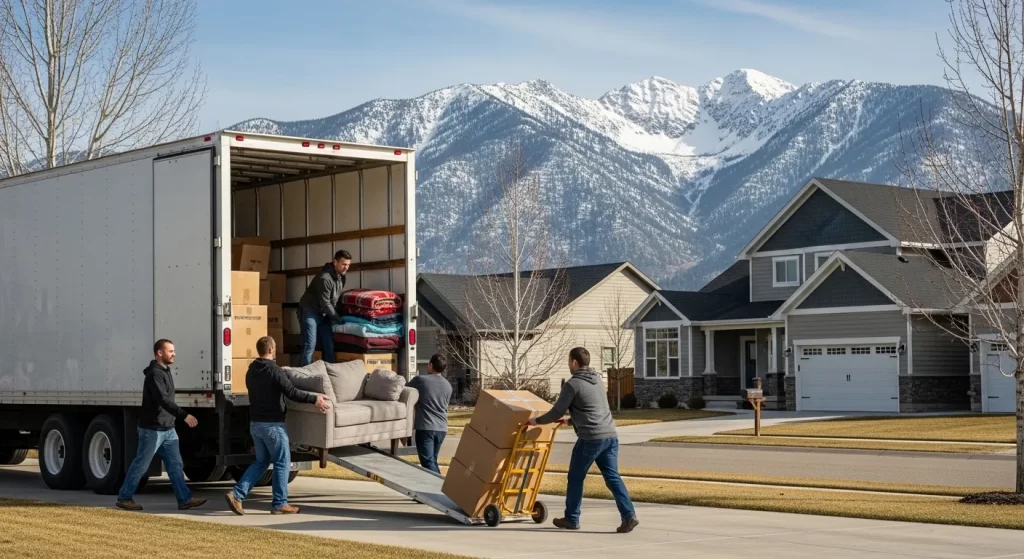
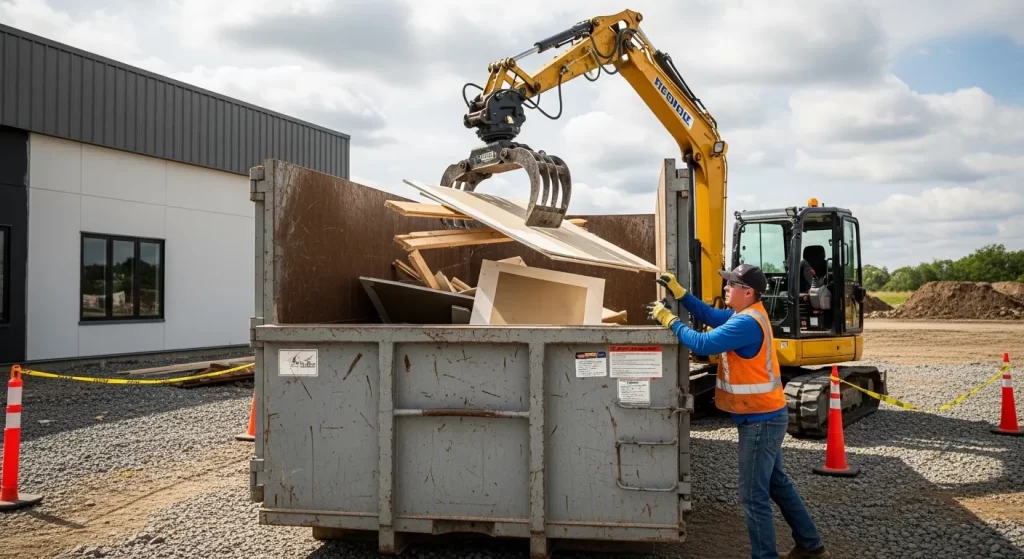
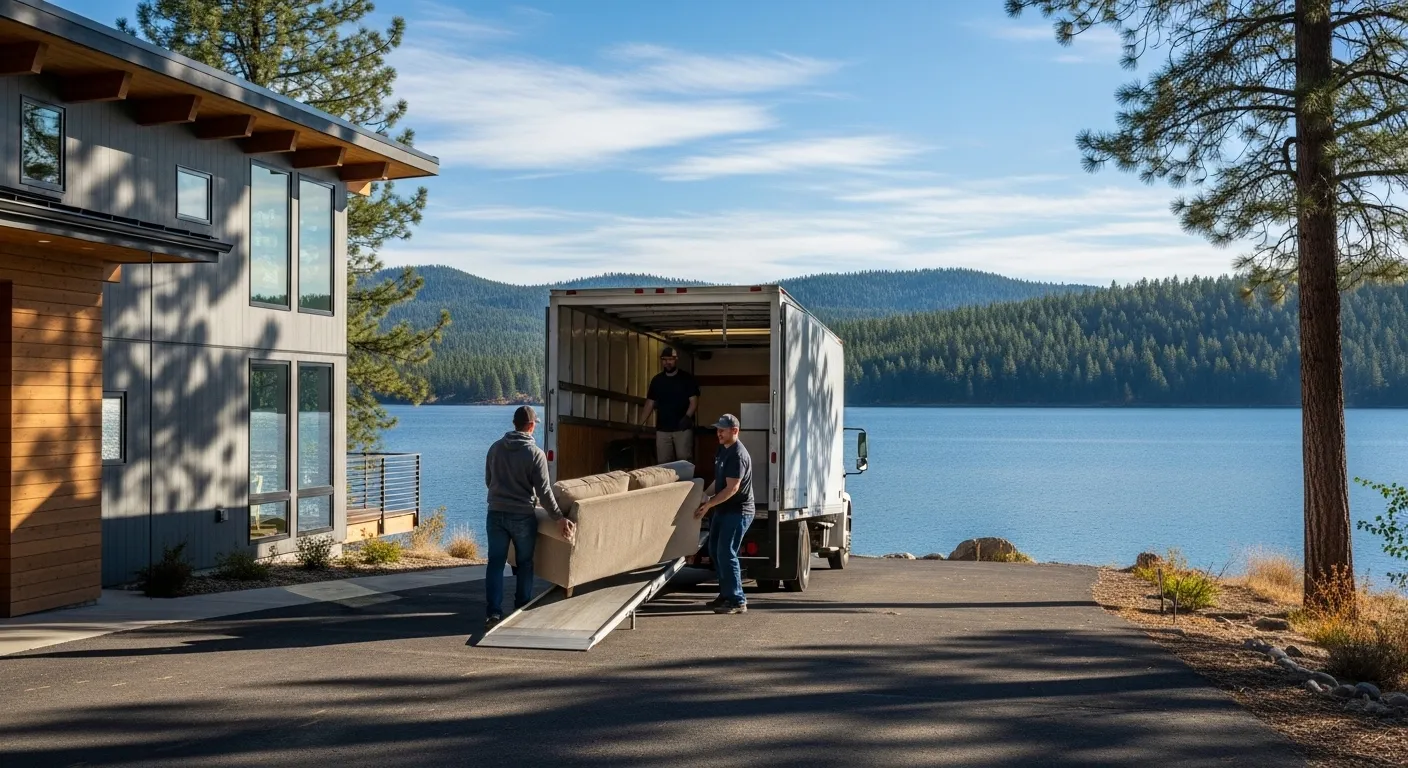
When a property is filled with heavy furniture, broken appliances, old mattresses, or an entire room of belongings, calling a junk removal service is usually the fastest option. Crews can clear the rental quickly, dispose of everything properly, and save you from hauling items down stairs or dealing with landfill rules.
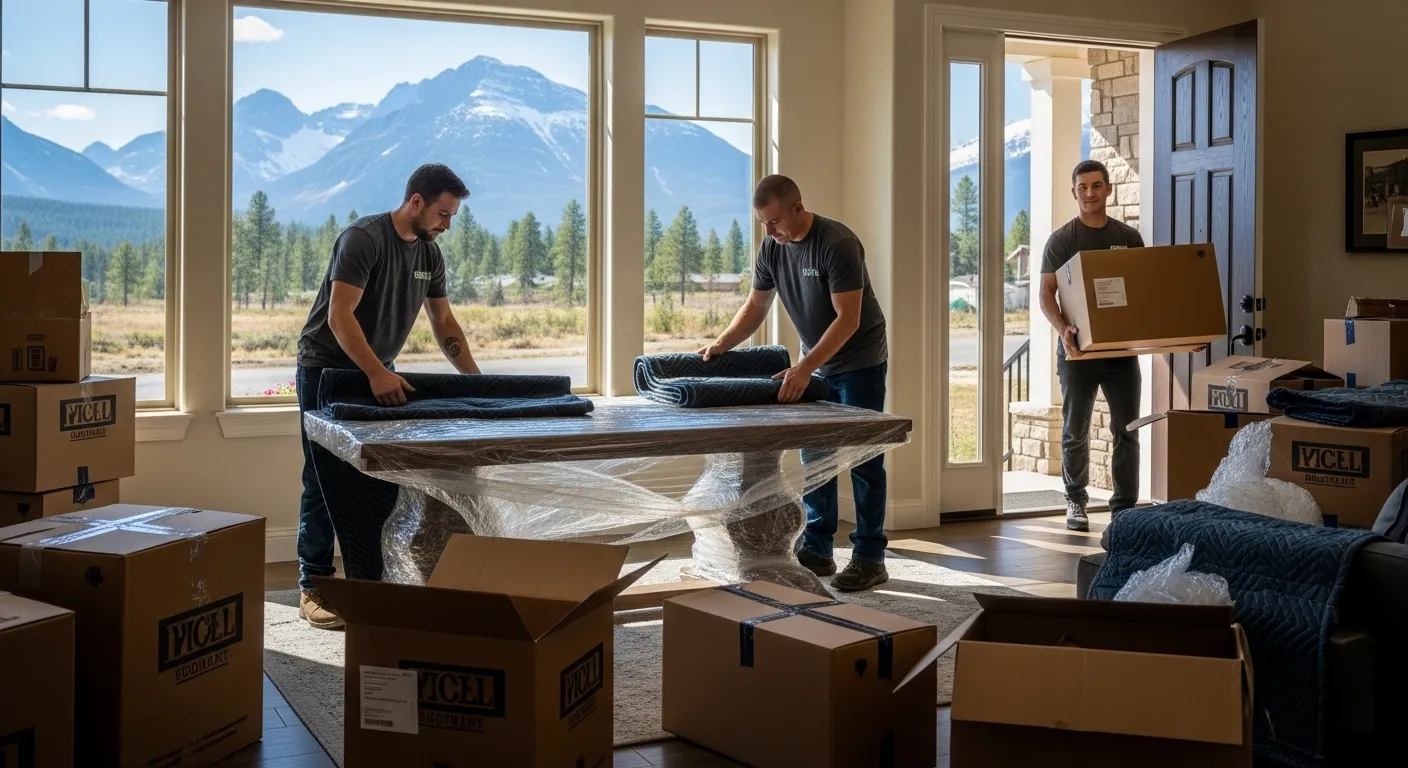
Professional junk removal teams are especially helpful when the next tenant is scheduled soon or the unit needs repairs immediately. They handle heavy lifting, sorting, loading, and disposal in one visit. Many Montana landlords use junk removal services after evictions, long-term vacancies, or when a tenant leaves behind a large amount of furniture.
This keeps your turnover timeline moving and reduces the stress of dealing with abandoned property.
Clean and Prepare the Unit for the Next Tenant
Once the junk is cleared, you can focus on getting the property ready for showings. Start with repairs, painting, deep cleaning, floor inspection, and appliance checks. Removing junk early helps you see the true condition of the unit and plan any necessary maintenance.
A clean, debris-free rental shows better, rents faster, and gives you a fresh start with your next tenant. A smooth turnover also reduces vacancy time, which directly protects your bottom line.
Document All Costs for Accurate Security Deposit Deductions
Montana allows landlords to deduct reasonable cleaning and disposal costs from the tenant’s security deposit. Keep all receipts for junk removal, dump fees, cleaning services, and repair materials. Pair these receipts with your photos from the move-out inspection.
When you send the final security deposit statement, include itemized charges with proof of costs. This transparency prevents disputes and keeps you fully compliant with Montana rental laws.
Good documentation also gives you a record for future reference, especially if the tenant challenges the deductions.
Conclusion
Leftover junk after a tenant moves out is a common issue for Montana landlords, but it does not have to slow down your turnover timeline.
By following state rules on abandoned property, giving proper notice, sorting items, choosing the right disposal method, and documenting everything, you can handle the cleanup efficiently and without legal trouble.
Whether you donate, recycle, haul it yourself, or hire a junk removal service, the goal is to get the property back in shape quickly so you can focus on your next tenant.
Also Read: How Winter Weather Impacts Junk Removal in Montana?