They involve emotions, safety risks, health concerns, and years of accumulated belongings that can feel overwhelming for families and property owners.
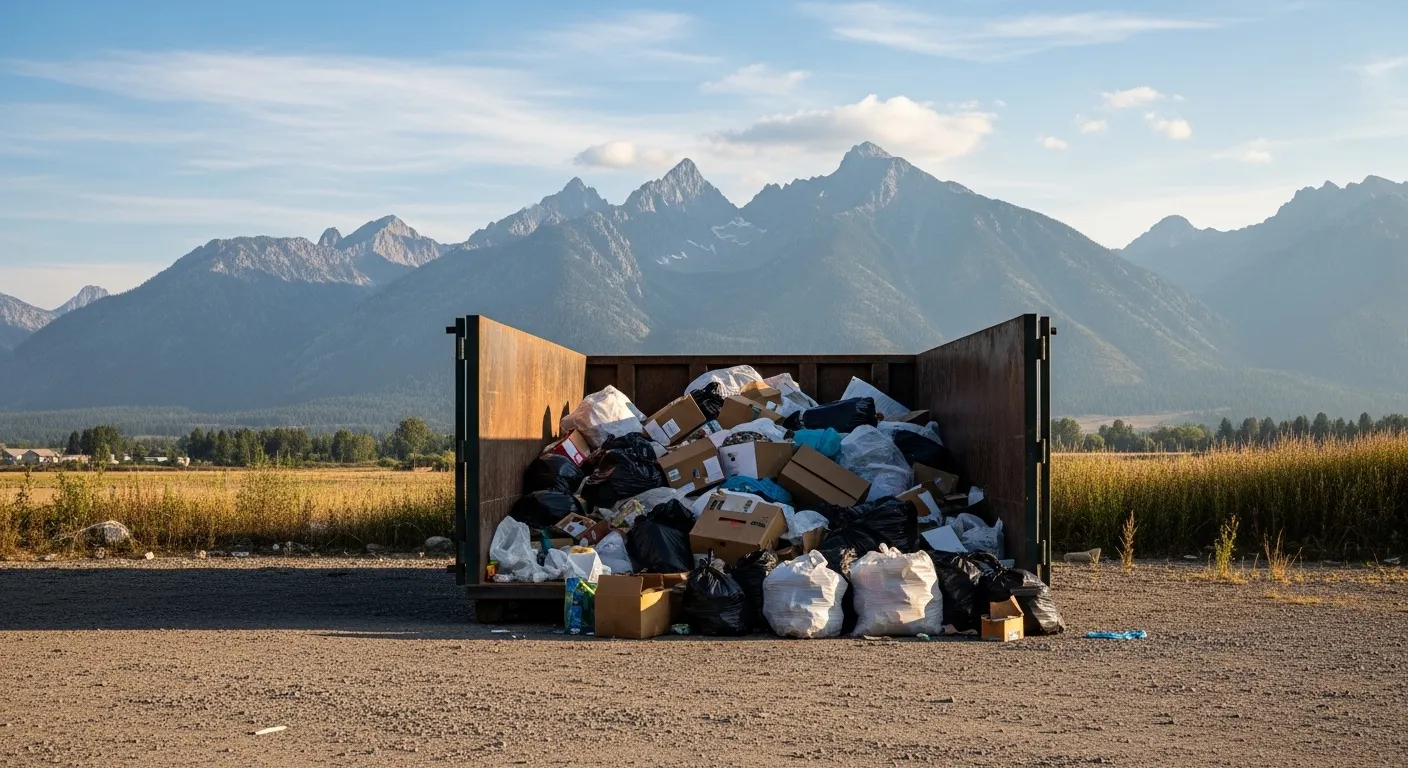
In Northwest Montana, hoarder cleanouts come with additional challenges such as rural properties, seasonal weather, limited access roads, and disposal regulations.
A thoughtful, step-by-step approach makes the process safer, more respectful, and far more effective.
Start With Safety Before Anything Else
Safety should always come before sorting or hauling.
Hoarder homes often contain unstable piles, blocked exits, mold, pests, sharp objects, and expired chemicals.
Before entering, assess the structure for weakened floors, stairways, or ceilings caused by excessive weight.
Protective gear such as gloves, masks, boots, and eye protection should be worn at all times to reduce exposure to dust, allergens, and biohazards.
Create a Realistic Cleanout Plan
A hoarder cleanout should never be rushed.
Breaking the job into manageable phases helps avoid burnout and emotional overload.
Start by identifying priority areas such as walkways, bathrooms, kitchens, and emergency exits.
Set daily goals based on room size and severity rather than trying to clear the entire home at once.
A clear plan keeps the process controlled and reduces unnecessary stress.
Respect Emotional Attachments to Belongings
Hoarding is often linked to deep emotional connections to possessions.
Discarding items without sensitivity can create distress and resistance.
Whenever possible, involve the homeowner or family members in decision-making.
Use simple categories such as keep, donate, recycle, and discard to provide structure.
Respectful communication builds trust and makes long-term progress more achievable.
Sort Items Methodically, Not Randomly
Random cleanouts lead to mistakes and wasted effort.
Work in small zones and fully complete one area before moving to the next.
Separate items immediately to avoid rehandling them later.
Label bins clearly and keep walkways open as you go.
This method reduces confusion and improves efficiency, especially in heavily cluttered spaces.
Address Health and Biohazard Risks Carefully
Some hoarder homes contain animal waste, spoiled food, mold growth, or medical waste.
These conditions require careful handling and proper disposal.
Ventilate rooms when possible and avoid disturbing contaminated materials unnecessarily.
In severe cases, professional biohazard cleanup may be required to ensure the home is safe for occupancy.
Ignoring health risks can lead to long-term property damage and personal illness.
Understand Local Disposal Rules in Northwest Montana
Northwest Montana has specific waste disposal and recycling regulations.
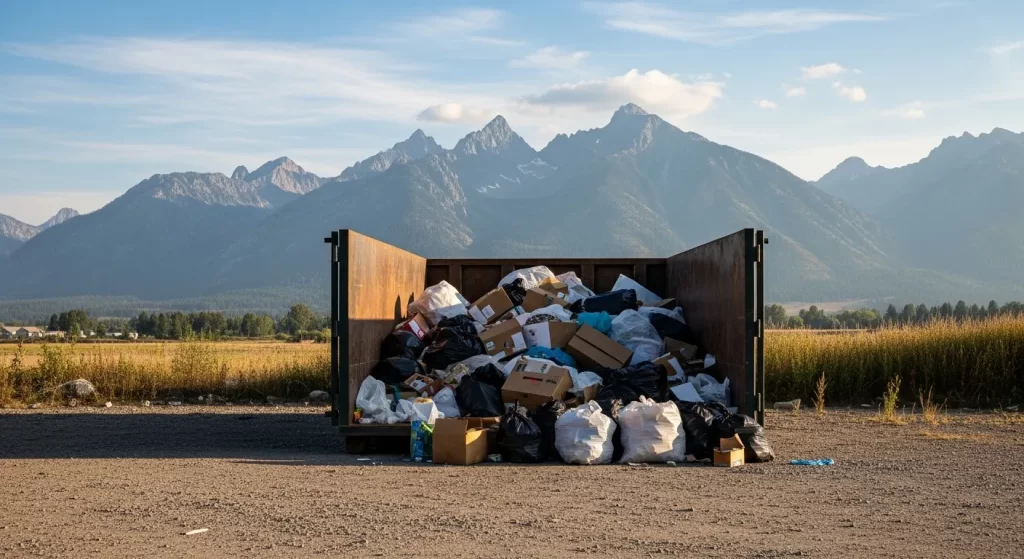
Certain items such as electronics, appliances, chemicals, and tires cannot be disposed of with regular trash.
Remote properties may also have limited landfill access and seasonal restrictions.
Understanding local disposal guidelines helps prevent fines and ensures waste is handled responsibly.
Planning disposal in advance saves time and avoids last-minute complications.
Consider Donation and Recycling Opportunities
Not everything in a hoarder home is unusable.
Furniture, clothing, tools, books, and household items may still be in good condition.
Donating usable items reduces landfill waste and supports local charities.
Recycling metal, cardboard, and electronics helps minimize environmental impact.
Separating these items early prevents unnecessary disposal costs.
Know When Professional Help Is Necessary
Some hoarder cleanouts are simply too large or hazardous to handle alone.
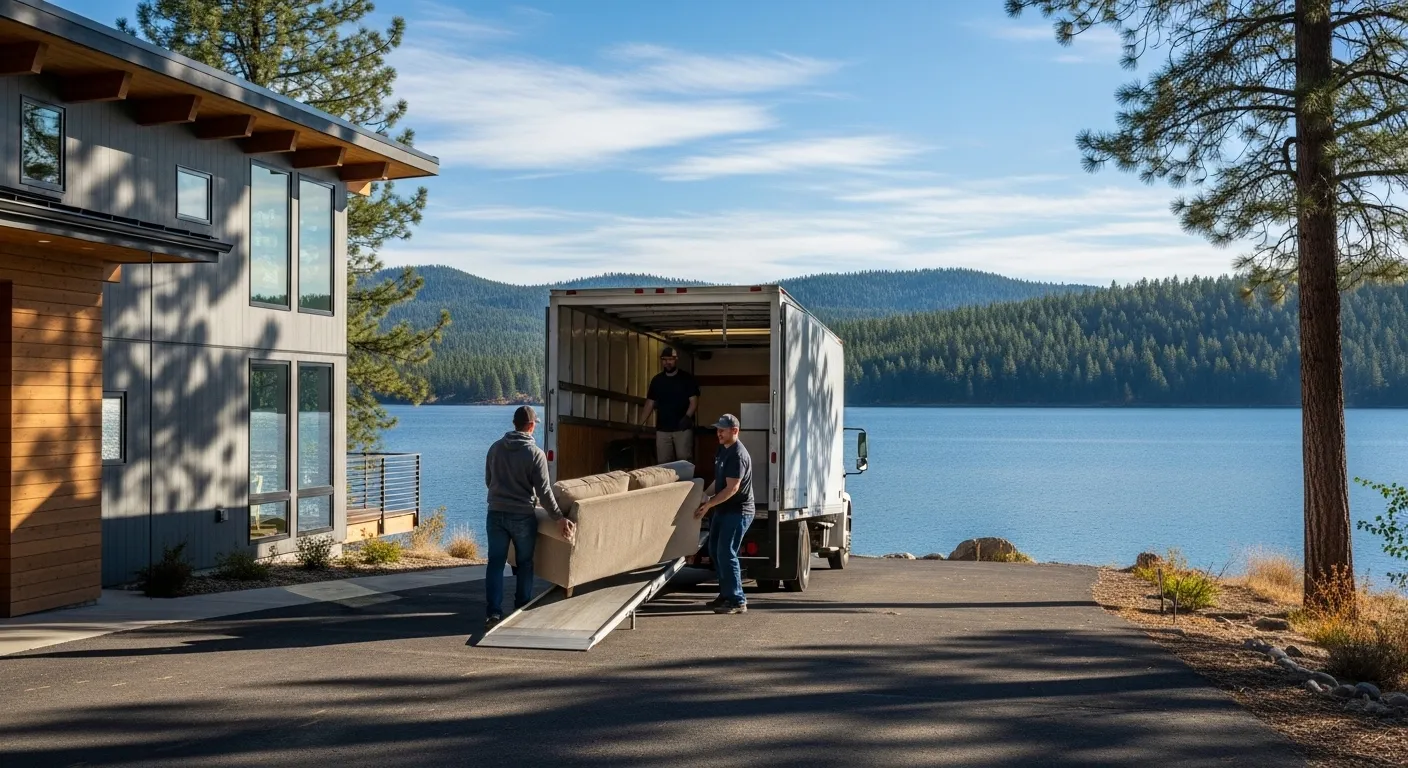
Professional junk removal and cleanout teams have the equipment, training, and experience to manage severe cases.
They can handle heavy lifting, large volumes, hazardous materials, and proper disposal.
Bringing in professionals can significantly reduce cleanup time while improving safety and results.
Focus on Preventing Future Hoarding
Cleaning out a hoarder home is only part of the solution.
Preventing relapse requires organization systems and ongoing support.
Simple storage solutions, regular cleanups, and clear boundaries around new items can help maintain progress.
In some cases, counseling or support services may be beneficial for long-term success.
Sustainable habits protect both the home and the people living in it.
Conclusion
Hoarder house cleanouts in Northwest Montana require patience, planning, and compassion.
By prioritizing safety, respecting emotional attachments, following local disposal rules, and using a structured approach, the process becomes more manageable.
Whether handled by family members or professionals, a thoughtful cleanout restores safety, improves living conditions, and helps reclaim the home.
With the right strategy, even the most overwhelming hoarder cleanout can move forward successfully.
Also Read: How Junk Removal Companies Help Reduce Landfill Waste?