When most of us clean out a garage, basement, or office, we usually end up with a huge pile of stuff we don’t need anymore. Old furniture, broken appliances, boxes of random clutter, yard waste—you name it. That’s when many people call a junk removal company.
But have you ever wondered what really happens after that truck drives away? Do they just dump everything into a landfill? Or is there more going on behind the scenes?
The truth is, junk removal companies do a lot more than just “haul away trash.” In this blog, let’s walk through exactly what happens to the junk, step by step. You’ll see how these companies sort, recycle, donate, and sometimes even give new life to the things we throw out.
Step 1: Collection and Sorting
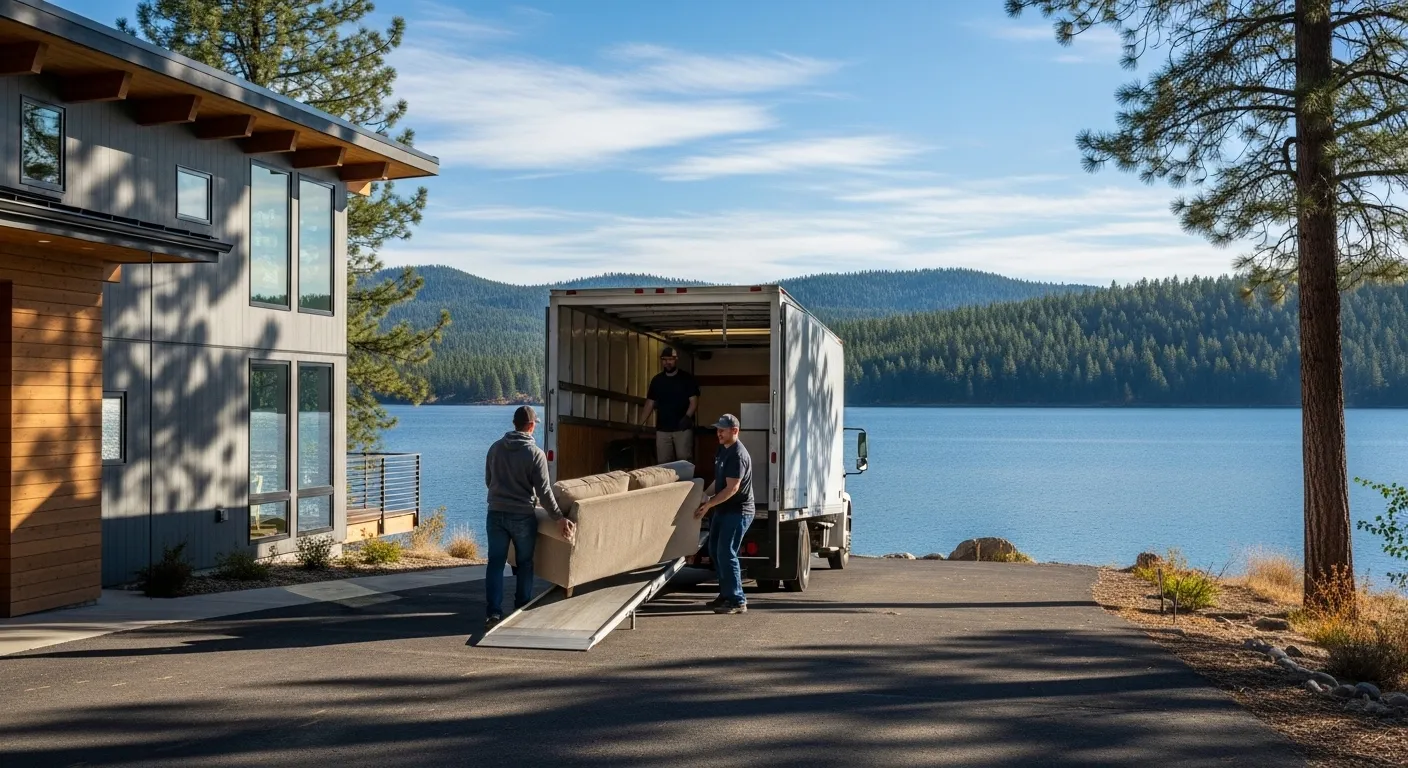
When a junk removal team arrives, the first thing they do is load everything onto their truck. But the process doesn’t end there. Once the load is complete, most companies sort through the junk before deciding where each item should go.
The goal is simple: to keep as much out of the landfill as possible.
Sorting usually happens in two ways:
- On-site sorting: If it’s a small load, they may quickly separate items as they load them up.
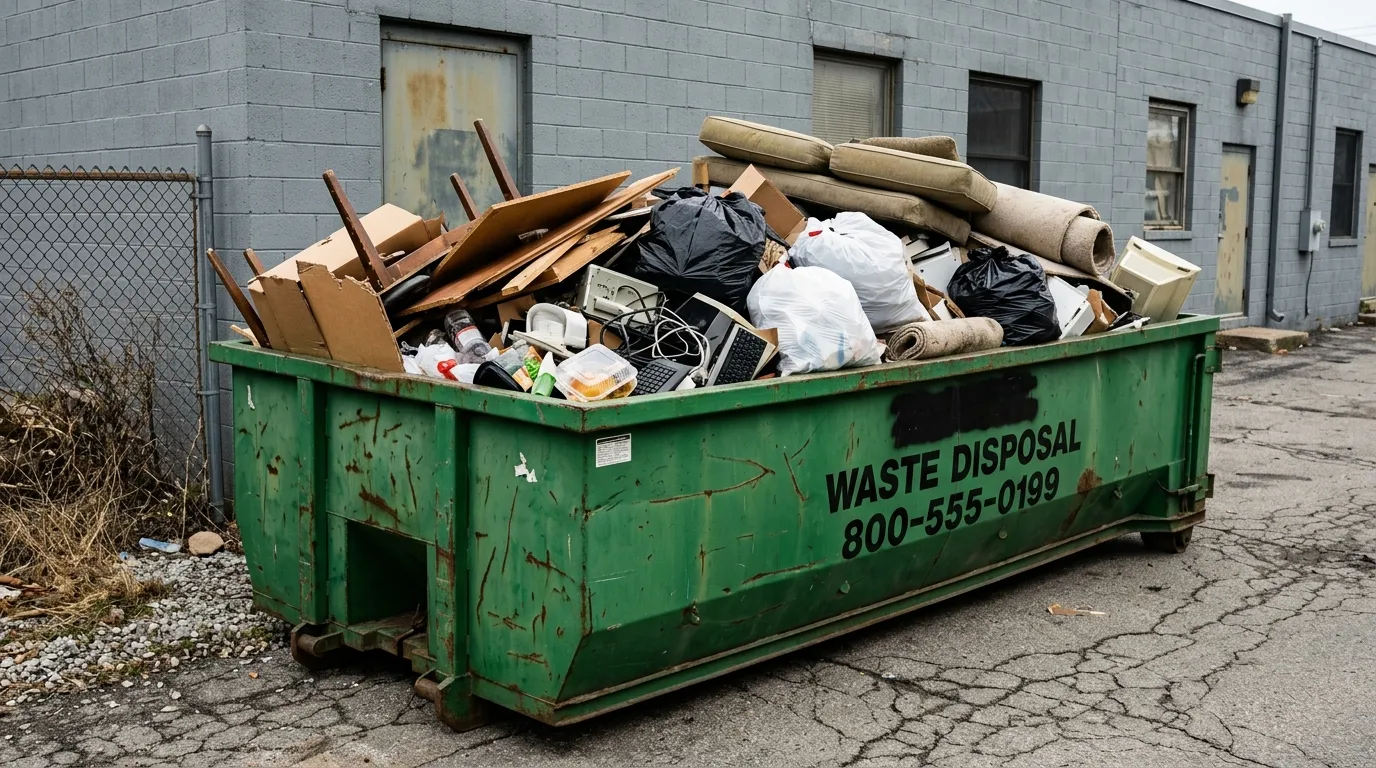
- Warehouse or facility sorting: Bigger companies often take the junk back to their own warehouse. There, workers sort everything into categories—wood, metal, electronics, furniture, appliances, yard debris, and so on.
This sorting step is important because it determines what can be recycled, what can be donated, and what truly has to be disposed of
Step 2: Recycling Materials
A big part of junk removal is recycling. Many of the items people throw away are actually full of recyclable materials.
- Metals: Old bed frames, exercise equipment, filing cabinets, or appliances often get sent to metal recycling centers. The metals are melted down and reused for new products.
- Electronics: Computers, TVs, phones, and other electronics contain valuable metals like copper and even small amounts of gold. E-waste recycling facilities carefully break these items down so harmful materials like lead or mercury don’t pollute the environment.
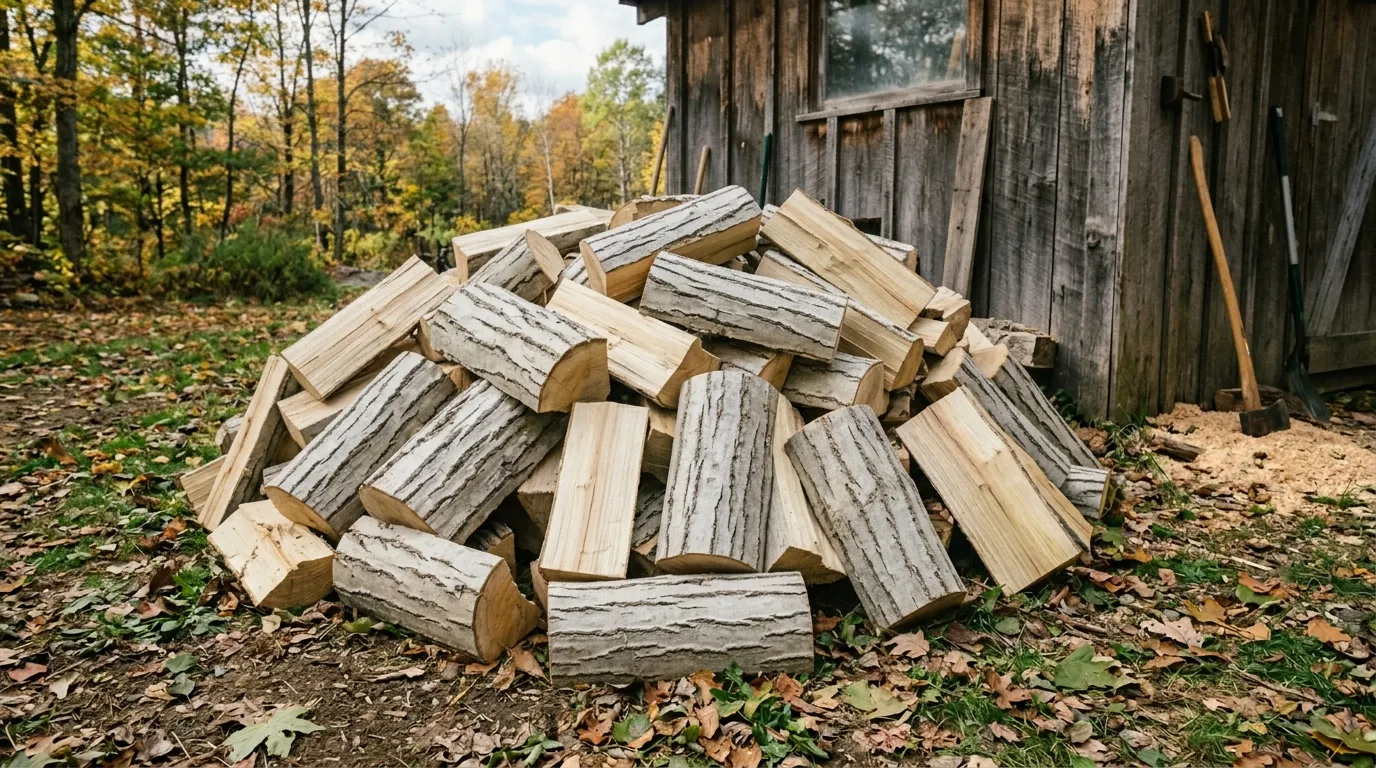
- Wood: If it’s untreated wood, it might get chipped down into mulch or used for biomass fuel.
- Cardboard and paper: Clean cardboard and paper products are usually sent off to paper recycling plants.
This step is more than just “green” marketing—it helps reduce landfill waste, saves energy, and keeps harmful materials from ending up in the wrong places.
Step 3: Donating Usable Items
Not everything that gets hauled away is broken or useless. Many times, people simply don’t want or need certain items anymore, but those things could still help someone else.
That’s why a lot of junk removal companies partner with local charities, shelters, and thrift stores.
- Furniture: A couch with a few scratches can be cleaned and donated to a family in need.
- Clothing: Bags of old clothes often go to donation centers or secondhand shops.
- Toys and household items: Instead of sitting in a landfill, these can find a second life in another home.
- Appliances: If they still work, fridges, washers, or microwaves may be donated.
This part of the process really makes a difference in local communities. What’s “junk” to one person can be a blessing to another.
Step 4: Repurposing and Upcycling
Some junk removal companies go one step further—they look for creative ways to repurpose items. This is sometimes called “upcycling.”
For example:
- Wooden pallets might be turned into garden furniture.
- Old metal parts could become art pieces.
- Scraps of wood might be reused in construction projects.
Not every company does this, but many small, eco-focused businesses like to find unique ways to give new life to old materials.
Step 5: Proper Disposal
Of course, not everything can be reused, donated, or recycled. Some items really are at the end of their life.
Hazardous materials—like paint, chemicals, or certain electronics—need special handling. Junk removal companies typically follow local rules to make sure these items are disposed of safely.
For items that truly have no second life, the last resort is the landfill. But thanks to the earlier steps, the percentage of items that actually end up there is much lower than you might think.
Why Not Just Do It Yourself?
Some people wonder: why hire a junk removal company at all? Couldn’t you just rent a truck and haul everything yourself?
You could, but here’s the thing:
- Convenience – Junk removal companies handle all the heavy lifting, sorting, and transportation.
- Knowledge – They know where to take things—metal recyclers, donation centers, hazardous waste facilities.
- Time-saving – What might take you days can be done in a few hours by a professional crew.
- Eco-friendly practices – Most companies have systems in place to recycle and donate properly, something that’s not always easy for individuals to manage on their own.
In other words, you’re not just paying for someone to take away your junk—you’re paying for their expertise in handling it responsibly.
Common Items Junk Removal Companies Handle
To give you a better picture, here’s a breakdown of what they usually pick up and where those items go:
- Furniture – Donated if in good shape, recycled for wood/metal if broken.
- Appliances – Recycled for metal, donated if working.
- Electronics – Sent to e-waste facilities.
- Yard waste – Composted or turned into mulch.
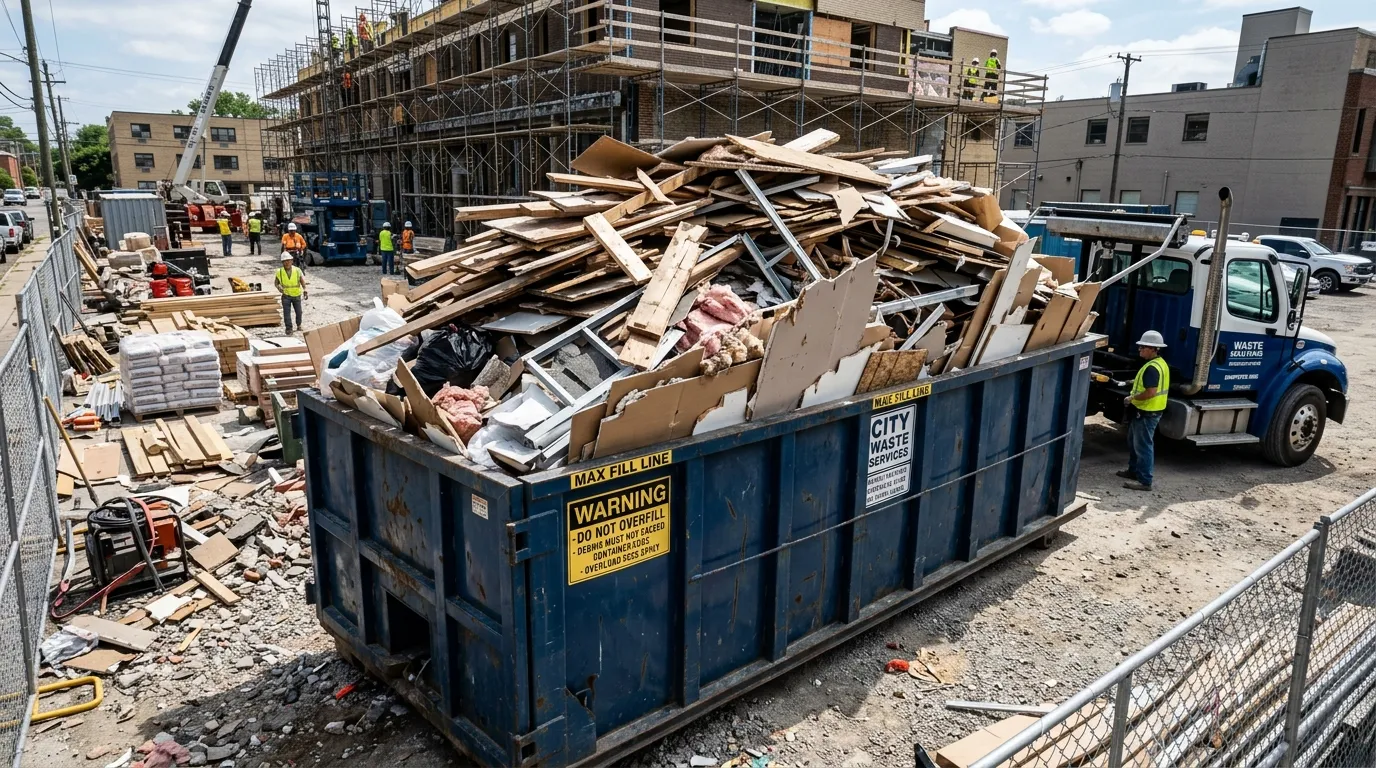
- Construction debris – Recycled where possible, like concrete or wood.
- General trash – Landfill, but often minimized after sorting.
The Environmental Impact
Every year, millions of tons of waste end up in landfills, and a lot of it could have been recycled or reused. Junk removal companies play a role in cutting down that number.
By donating, recycling, and repurposing, they:
- Keep usable items in circulation.
- Reduce pollution from improperly disposed waste.
- Conserve resources by recycling metals, plastics, and wood.
- Support local communities through donations.
In a way, these companies are part of the larger recycling ecosystem that helps cities and towns manage waste more responsibly.
Behind the Scenes: A Day in the Life
Imagine calling a junk removal service for that old sofa and garage clutter you’ve been meaning to get rid of.
The crew shows up, loads everything into their truck, and drives away. For you, the job is done.
But here’s what happens next:
- They return to their sorting facility – items are unloaded and separated.
- Recyclables go into specific bins – metals in one, cardboard in another.
- Usable furniture gets cleaned and scheduled for donation drop-off.
- Hazardous items are tagged for proper disposal.
- Trash goes last—anything that truly has no other option heads to the landfill.
So while you’re enjoying your newly cleared-out garage, that sofa may be on its way to a charity, the metal bed frame might be headed for recycling, and the cardboard boxes might soon become new paper products.
The Cost Factor
It’s fair to wonder: if they’re recycling or donating items, why do junk removal companies charge so much?
The answer lies in the process. Even though some materials get reused, sorting, transporting, and properly disposing of items all take time, labor, and fuel.
Plus, dumping fees, recycling facility costs, and charity partnerships all add up. The fee you pay helps cover all of those expenses—and ensures your junk is handled responsibly, not just dumped somewhere.
How to Choose the Right Junk Removal Company?
If you’re considering hiring one, here are some tips:
- Ask about their recycling policy – A good company should be able to explain how they handle different types of items.
- Check if they donate – Look for businesses that partner with local charities.
- Read reviews – Past customers can tell you if the company really delivers on their promises.
- Get clear pricing – Some companies charge by volume, others by item. Make sure you know the costs upfront.
Choosing the right team means your junk won’t just disappear—it’ll be handled in a way that’s good for the environment and the community.
Final Thoughts
Junk removal companies do much more than just haul away old stuff. They’re part movers, part recyclers, part community helpers. From sorting and recycling to donating and safely disposing of hazardous materials, they give new life to a surprising amount of what we throw out.
So, the next time you clear out your attic or replace that old fridge, you can feel a little better knowing that your “junk” probably isn’t going straight into the ground. In fact, it might soon be helping another family, becoming a new product, or supporting local recycling efforts.
At the end of the day, junk removal is about more than convenience—it’s about giving the things we no longer need a better ending than just sitting in a landfill.
Also Read: The Role of Debris Removal in Fire Prevention in Montana’s Forested Areas