Dumpsters are used on construction sites, home cleanouts, renovation projects, and large waste removal jobs. They provide a simple way to collect and dispose of large amounts of debris. However, one common mistake people make is filling the dumpster beyond its limit.
Overfilling a dumpster can cause several problems. Waste that sits above the container edge creates safety risks during transportation and may also violate local waste disposal rules. Because of this, waste removal companies often enforce strict limits on how full a dumpster can be.
Understanding what happens when a dumpster is overfilled helps avoid extra charges, delays, and safety concerns. This guide explains the risks, rules, and practical steps to prevent overfilling during a cleanup project.
Safety Risks Of Overfilled Dumpsters
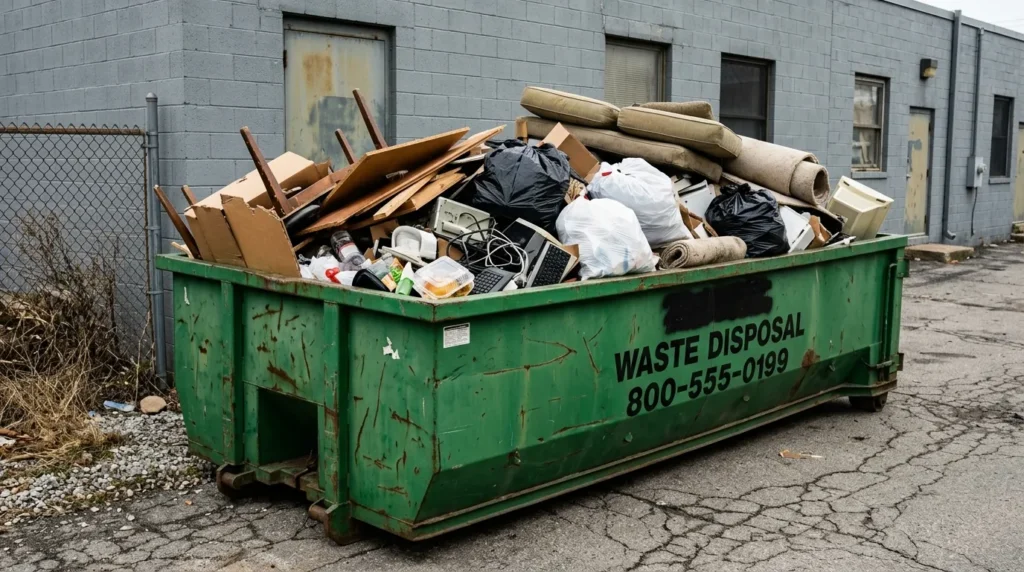
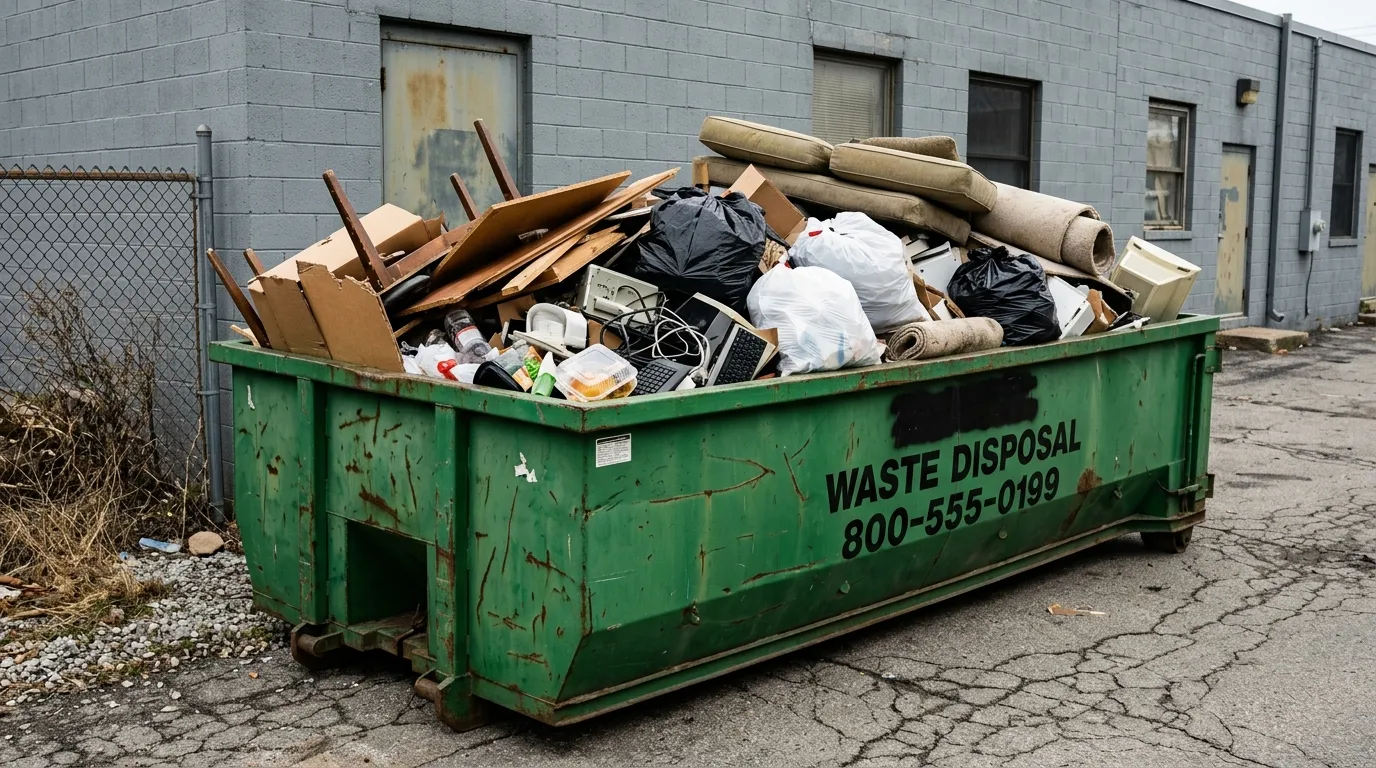
An overfilled dumpster can create serious safety hazards. When debris rises above the top edge of the container, loose items can fall during lifting or transport. This may create dangerous conditions for drivers, workers, and people nearby.
Construction waste such as wood, metal, drywall, or concrete can shift easily if the dumpster is packed too high. As the truck lifts the container onto the vehicle, materials may slide out and scatter onto the road or job site.
To prevent these situations, most waste management companies require debris to remain level with the top of the dumpster. Keeping waste within the container helps ensure safe handling and transportation.
Transportation And Legal Restrictions
Waste disposal vehicles must follow road safety rules when transporting dumpsters. If debris extends above the container walls, the truck may not be allowed to transport it. Drivers often refuse pickup if the dumpster is overloaded.
Local regulations in many cities also require dumpsters to be filled only to a certain height. Overfilled containers can lead to fines because loose debris may fall onto roads during transport.
For this reason, rental agreements often include clear instructions about fill limits. Following these rules helps prevent legal problems and ensures the dumpster can be safely hauled away.
Extra Fees From Dumpster Rental Companies
One of the most common consequences of overfilling a dumpster is additional charges. Waste removal companies often apply overfill fees if debris extends above the container’s edge or exceeds the weight limit.
These charges may cover the cost of removing excess waste, additional labor, or a second pickup trip. In some cases, the company may require customers to remove extra debris before the dumpster can be collected.
The exact fee depends on the rental provider and the size of the dumpster. Avoiding overfilling helps prevent unexpected costs at the end of the project.
Pickup Delays And Project Disruptions
An overfilled dumpster can delay waste removal. If the driver arrives and sees debris stacked above the top edge, the container may not be picked up until the excess material is removed.
This delay can interrupt construction schedules, home renovation timelines, or large cleanup projects. Workers may need to pause tasks while waste is redistributed or removed.
Keeping debris within the allowed fill line ensures the dumpster can be collected on schedule. This helps projects stay organized and avoids unnecessary interruptions.
Weight Limit Problems
Dumpsters have both volume limits and weight limits. Even if waste appears level with the top of the container, extremely heavy materials can exceed the allowed weight capacity.
Materials such as concrete, bricks, roofing shingles, and soil add significant weight quickly. When the dumpster becomes too heavy, transportation becomes difficult and unsafe.
Waste companies often charge additional fees if the weight limit is exceeded. Choosing the right dumpster size and separating heavy debris can help prevent these problems.
Environmental And Cleanup Issues
Overfilled dumpsters can create environmental problems if debris spills onto surrounding areas. Wind or rain may carry lightweight materials out of the container and scatter them around the job site.
Loose waste can also block walkways or create clutter around the dumpster area. This makes cleanup more difficult and may increase the time needed to finish the project.
Keeping waste contained within the dumpster helps maintain a cleaner and more organized work environment. It also reduces the risk of debris spreading into nearby streets or public areas.
How To Prevent Overfilling A Dumpster?
Planning ahead is one of the easiest ways to prevent overfilling. Choosing the right dumpster size based on the project type helps ensure there is enough space for the expected amount of debris.
Loading the dumpster evenly also helps maximize available space. Placing flat items such as wood panels or cardboard at the bottom creates a stable base and allows other materials to fit more efficiently.
Monitoring the fill level throughout the project is also useful. When the dumpster approaches the top edge, arranging a pickup or ordering an additional container prevents overfilling.
Conclusion
Overfilling a dumpster may seem like a small issue during a busy cleanup project, but it can lead to safety hazards, legal restrictions, and unexpected charges. Waste removal companies enforce fill limits to ensure dumpsters can be transported safely.
Problems such as pickup delays, extra fees, and debris spills often occur when dumpsters exceed their capacity. These issues can slow down projects and increase overall costs.
By choosing the right dumpster size, loading waste carefully, and following fill guidelines, projects can stay organized and efficient. Proper use of dumpsters helps keep job sites safe while ensuring waste removal runs smoothly.