When you rent a roll-off dumpster, it’s tempting to assume you can throw in anything you don’t want. After all, it’s a big container designed for waste, right? Not exactly. There are strict rules about what can and cannot go into a dumpster, and violating them can lead to serious consequences like extra disposal fees, rejected loads, or even legal penalties.
To make sure your cleanup or project goes smoothly, here’s a complete, detailed look at what’s not allowed in a roll-off dumpster, why these restrictions exist, and what you should do instead.
1. Hazardous Materials
Hazardous waste is completely banned from dumpsters. These materials are dangerous to handle, transport, and dispose of. They can leak, catch fire, or release toxic fumes that harm people and the environment.
Common examples include:
Paints, stains, and paint thinners
Automotive fluids such as motor oil, gasoline, and antifreeze
Pesticides, fertilizers, and weed killers
Cleaning products, solvents, and bleach-based chemicals
Asbestos materials, old insulation, or contaminated debris
Batteries of all types (car, lithium, rechargeable, or button-cell)
Proper disposal method: Take these materials to a Household Hazardous Waste (HHW) facility or local collection event. Many auto service centers accept used oil and batteries. Never mix hazardous materials with regular debris, as this can cause chemical reactions during transport or at the landfill.
2. Electronics and E-Waste
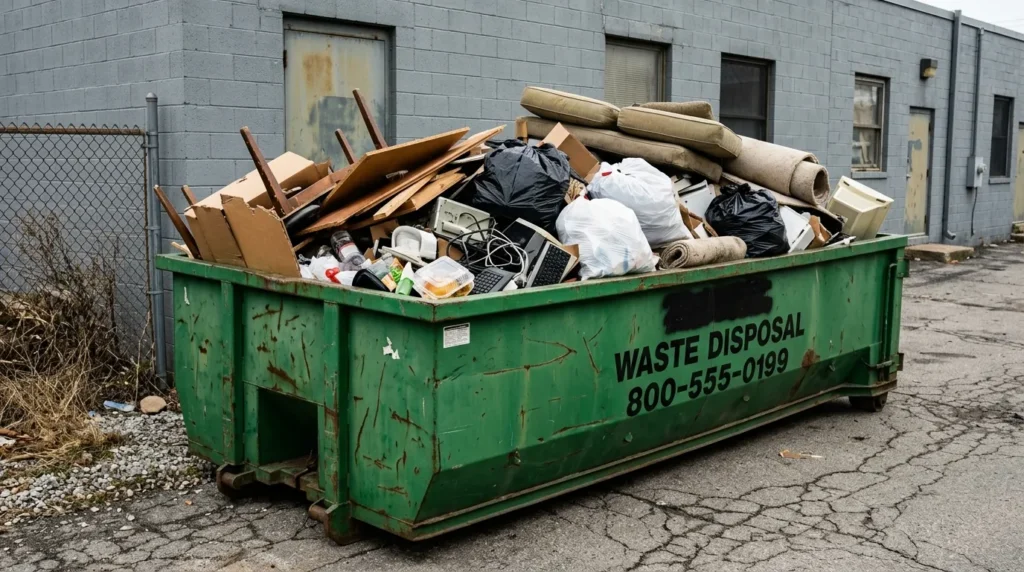
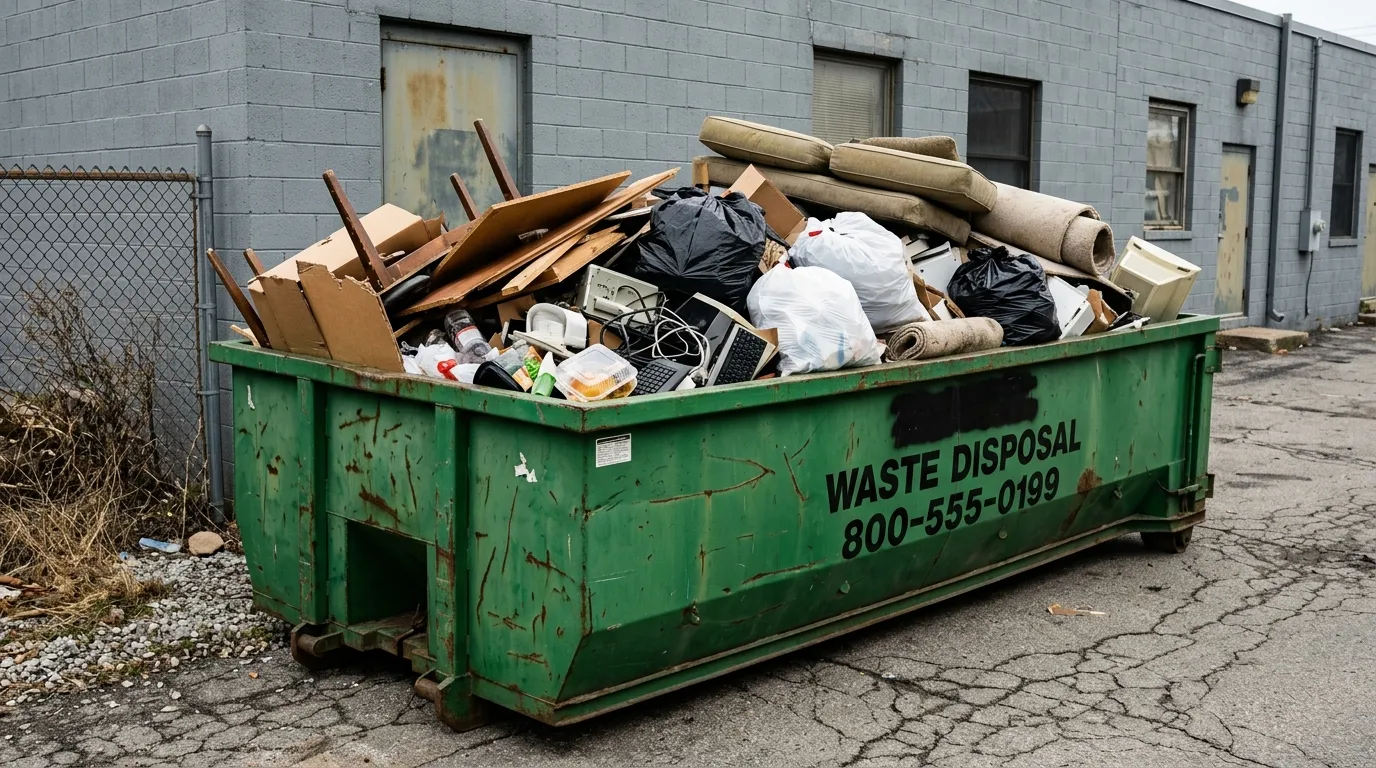
Electronics contain metals like mercury, lead, and cadmium. These can leach into the ground and pollute water systems if dumped in landfills. That’s why most waste companies strictly prohibit e-waste from dumpsters.
Examples include:
Televisions and computer monitors
Laptops, tablets, and phones
Keyboards, printers, fax machines, and scanners
Game consoles and audio equipment
Proper disposal method: Take e-waste to a certified electronics recycling center. Many retailers also offer trade-in or drop-off programs for old devices. Some municipalities host annual e-waste collection drives, which are free to residents.
3. Flammable, Explosive, or Combustible Items
Flammable items can ignite easily, and pressurized or combustible materials may explode when compacted or exposed to heat during transport.
Never place in a dumpster:
Propane tanks, gas cylinders, or helium tanks
Aerosol cans, even if they appear empty
Fireworks, ammunition, or gunpowder
Fuel containers, oil drums, or kerosene cans
Proper disposal method: Contact your local fire department or hazardous waste program for approved disposal sites. Many gas suppliers will also accept used propane tanks for safe recycling or refilling.
4. Medical Waste and Biohazards
Medical waste is another serious safety risk. It can spread disease or injury if handled improperly, and it requires specialized disposal under federal and state regulations.
Items that qualify as medical waste include:
Used or unused syringes, needles, and sharps
Bandages, gauze, and items with bodily fluids
Expired medications or prescription drugs
Laboratory materials or pathology waste
Proper disposal method: Use approved sharps containers for needles and take them to medical drop-off points. Pharmacies and hospitals often provide medication take-back programs for expired or unused drugs.
5. Appliances with Refrigerants
Large household appliances that use refrigerants contain chemicals like Freon, which are harmful to the ozone layer and illegal to release into the atmosphere.
Examples include:
Refrigerators and freezers
Air conditioners and dehumidifiers
Water coolers and mini-fridges
Proper disposal method: A certified technician must safely remove refrigerants before the appliance can be scrapped. Many cities offer scheduled appliance recycling programs or pickup services.
6. Tires and Vehicle Parts
Tires and car parts pose a problem in landfills because they trap air, don’t compact properly, and can damage landfill liners. Most dumpster rental companies refuse them for that reason.
Items not allowed:
Car, truck, or bicycle tires
Rims, engines, transmissions, and brake parts
Lead-acid car batteries
Proper disposal method: Tire retailers or auto repair shops typically accept old tires for a small fee. Scrap yards and metal recyclers often take car parts and batteries.
7. Liquids and Wet Paint
Dumpsters are meant for solid waste only. Liquids can spill, leak through liners, or mix with other waste to create contamination issues.
Do not dispose of:
Wet paint, varnish, or stain
Oils, solvents, or cleaning liquids
Pool chemicals or pesticides
Safe disposal method: Allow paint to dry out completely by mixing it with cat litter or a paint hardener. Once dry, the residue can go into a regular dumpster. For large quantities, take the materials to a designated hazardous waste center.
8. Certain Heavy Materials
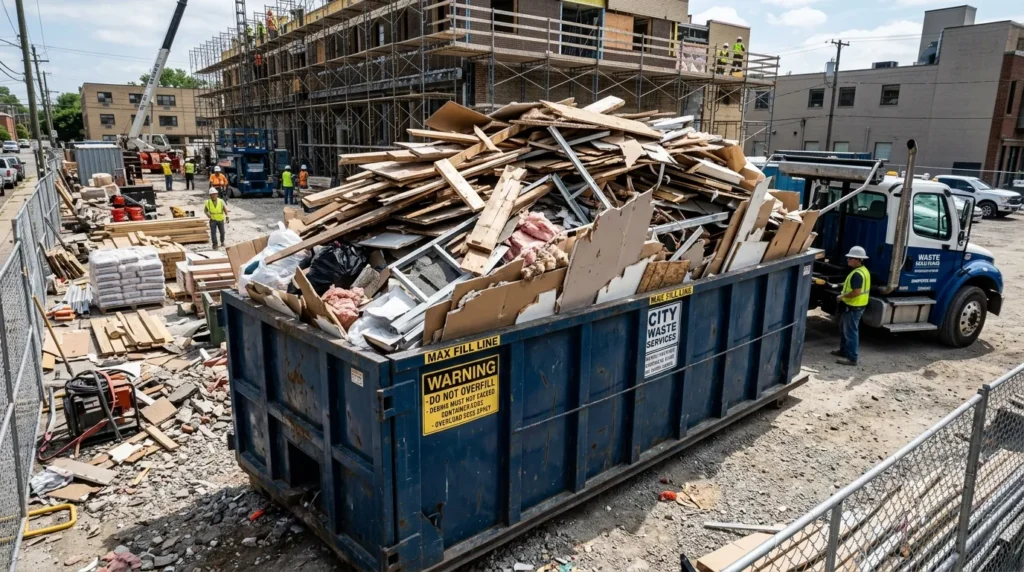
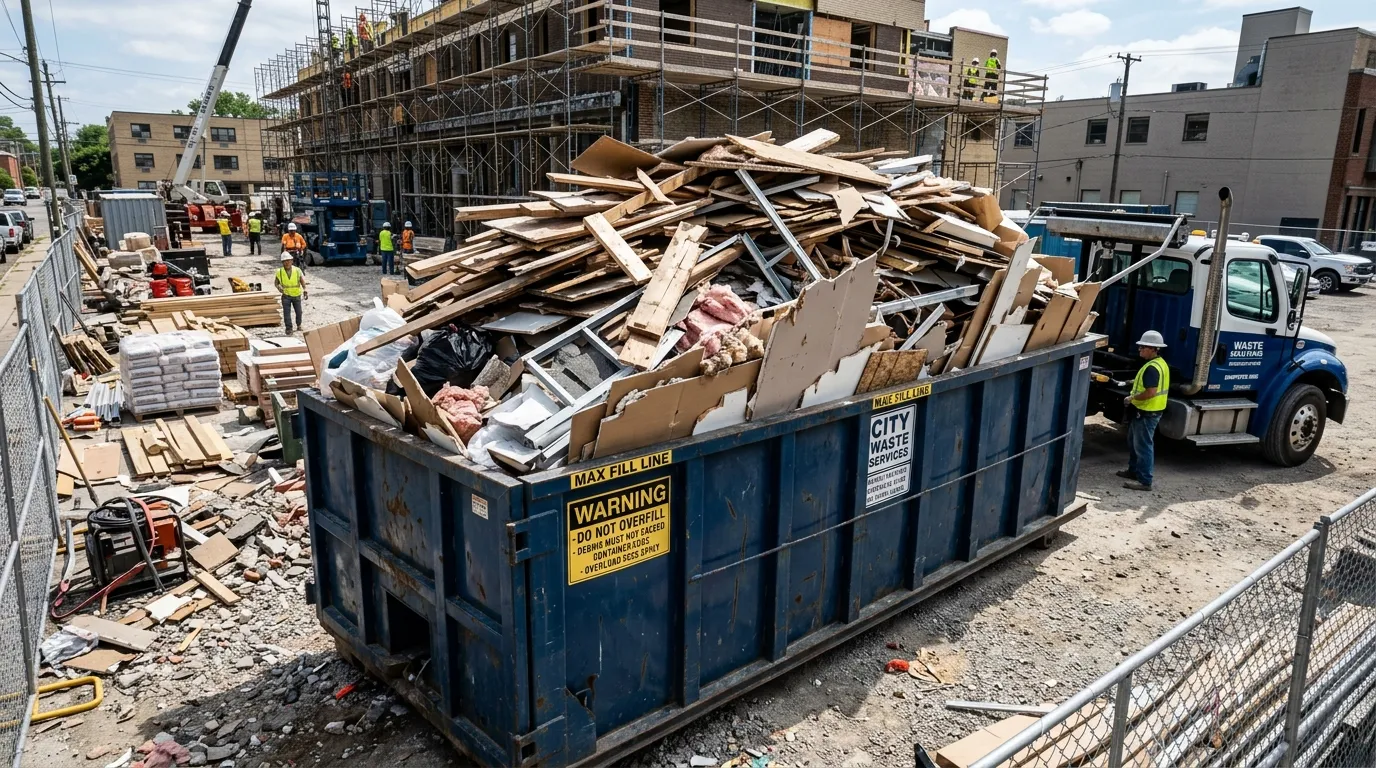
While dumpsters are commonly used for construction debris, not all heavy materials are permitted in a general-use bin. These items require special dumpsters built for weight capacity and material type.
Restricted materials may include:
Concrete, asphalt, and bricks
Dirt, soil, or sand
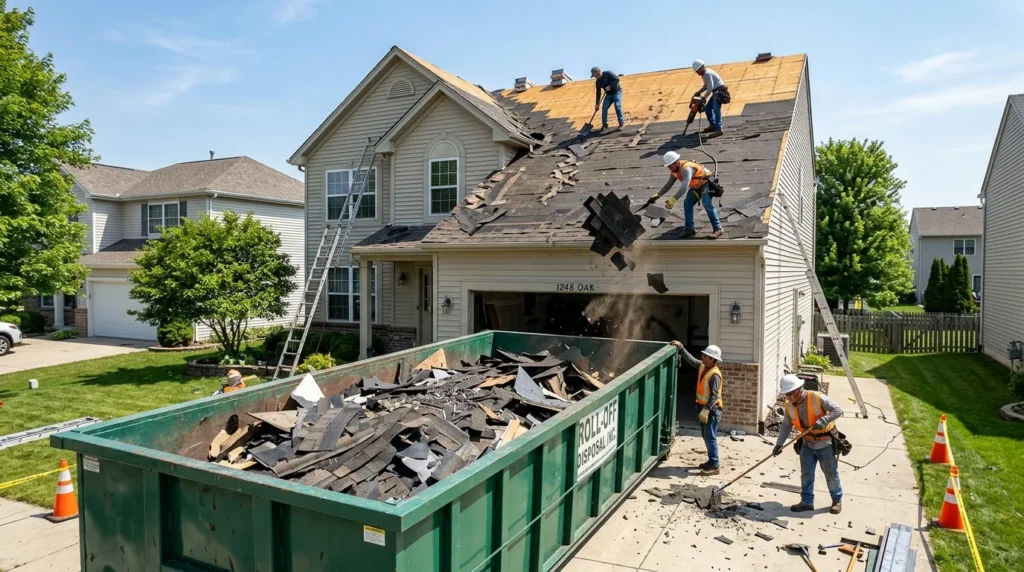
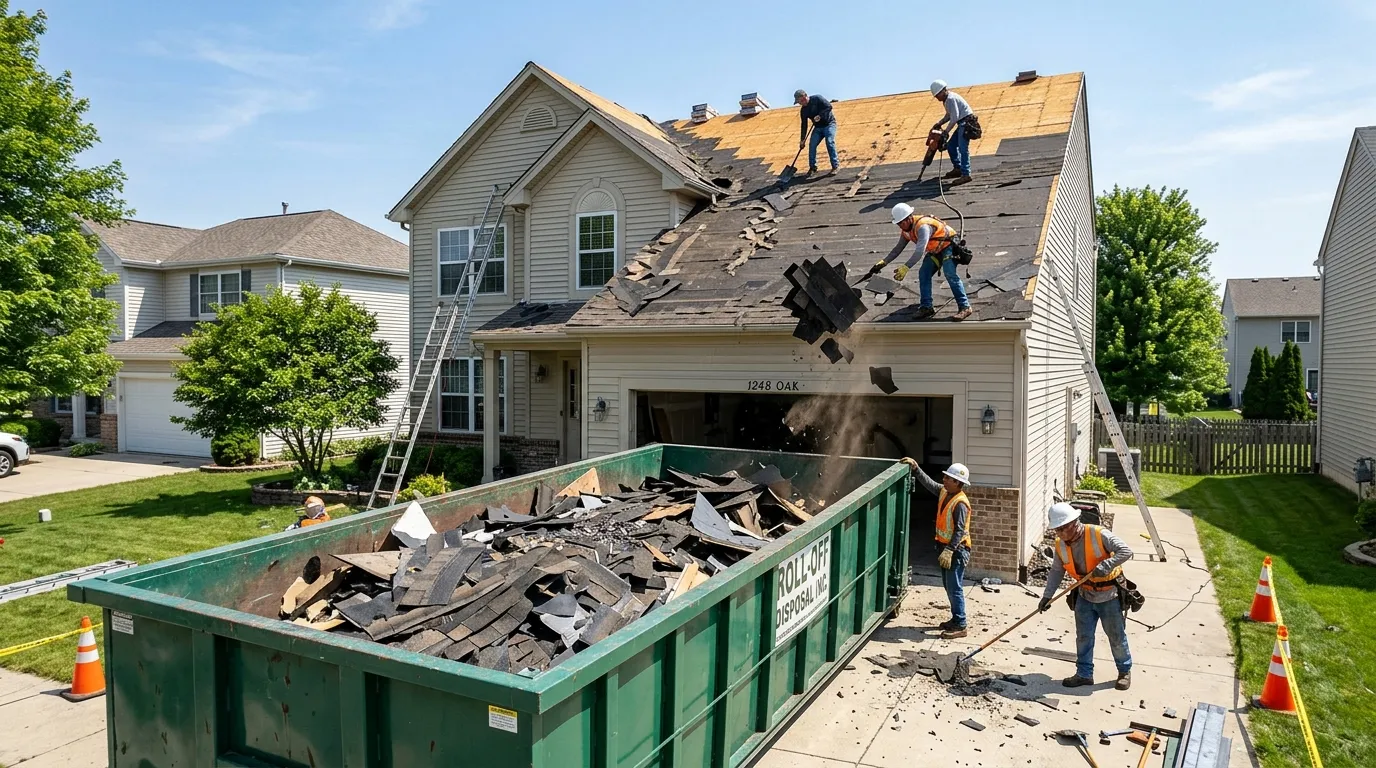
Stone, gravel, and roofing shingles
Proper disposal method: When renting, ask for a concrete or inert materials dumpster. These are designed for heavy loads and typically come with different pricing and weight limits. Mixing heavy debris with household or construction waste can result in overweight charges.
9. Restricted Items Based on Local Regulations
Every municipality has its own rules on what can go into a dumpster. Some areas restrict certain bulky items or recyclable materials.
Examples of locally restricted items:
Mattresses and box springs
Fluorescent light bulbs or tubes
Large tree stumps and yard debris
Tires, electronics, or batteries (in specific regions)
Best practice: Before loading your dumpster, review your rental company’s prohibited items list and local disposal laws. This avoids fines and ensures proper waste handling.
Why These Rules Exist?
These restrictions aren’t arbitrary. Waste management companies follow strict environmental and safety standards set by the EPA and local authorities.
Dumpsters are taken to landfills or transfer stations that aren’t equipped to process hazardous or regulated materials. Improper disposal can lead to contamination, fires, or health risks for workers and the community.
Key Takeaway: What’s Not Allowed in a Roll-Off Dumpster
Category
Examples
Proper Disposal
Hazardous Waste
Paint, chemicals, oil
HHW facility
E-Waste
TVs, computers, phones
E-waste recycling
Flammable Items
Propane, aerosols, fuel
Fire department or HHW site
Medical Waste
Sharps, meds, bandages
Take-back program
Appliances
Fridges, ACs
Certified recycler
Tires & Parts
Tires, engines
Tire shop or recycler
Liquids
Paint, oil
Dry out or HHW center
Heavy Debris
Concrete, dirt
Specialized dumpster
Local Restrictions
Mattresses, bulbs
Check city regulations
Final Thoughts
A roll-off dumpster is ideal for most cleanup, construction, and renovation projects, but it’s not a “throw in anything” solution. Knowing what’s not allowed in a dumpster saves you money, prevents environmental harm, and ensures compliance with local and federal laws.
Before renting, always ask your dumpster provider for a detailed list of prohibited materials. When you’re unsure about a specific item, it’s safer to double-check than to pay fines later. Responsible waste disposal protects your community, the environment, and your wallet.