Yard projects can create a surprising amount of waste. Whether you are trimming trees, removing shrubs, cleaning up after a storm, or refreshing your landscaping, piles of branches, leaves, grass clippings, and other debris can quickly take over your property. Many homeowners rent a roll-off dumpster to simplify cleanup, but one question comes up often: can you put yard waste in a roll-off dumpster?
The short answer is yes, in many cases. However, what you can place in the dumpster depends on local disposal rules, landfill requirements, and the company providing the dumpster. Knowing what is accepted before you start loading helps you avoid extra fees, delays, or rejected pickups. This guide explains what counts as yard waste, what can go into a roll-off dumpster, and the best ways to dispose of landscaping debris responsibly.
What Counts As Yard Waste?
Yard waste includes natural materials that come from outdoor landscaping and routine property maintenance. Common examples include grass clippings, leaves, weeds, small branches, hedge trimmings, bushes, flowers, bark, pine needles, and garden plants. These materials are biodegradable and are often separated from regular household trash at disposal facilities.
Storm cleanup can also create large amounts of yard debris, including fallen tree limbs and broken shrubs. While most natural vegetation is accepted in a roll-off dumpster, it is always worth checking with your rental company because some disposal sites have separate requirements for organic waste.
Can You Put Yard Waste In A Roll-Off Dumpster?
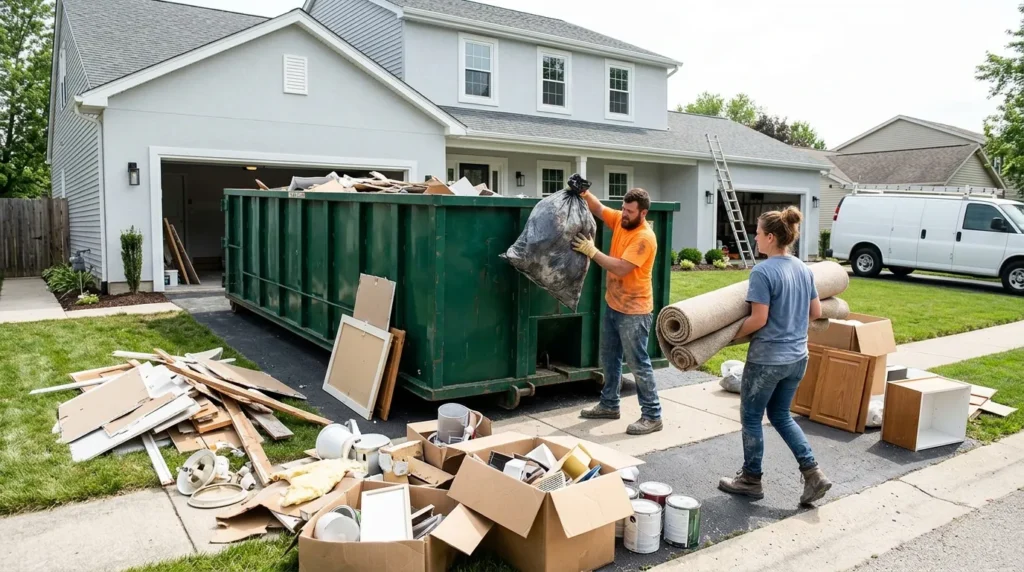
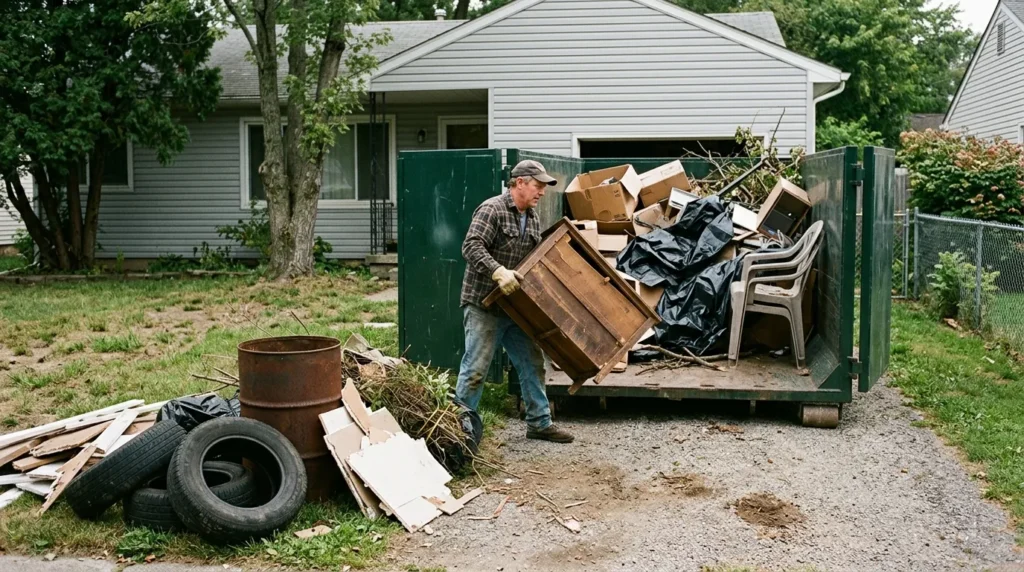
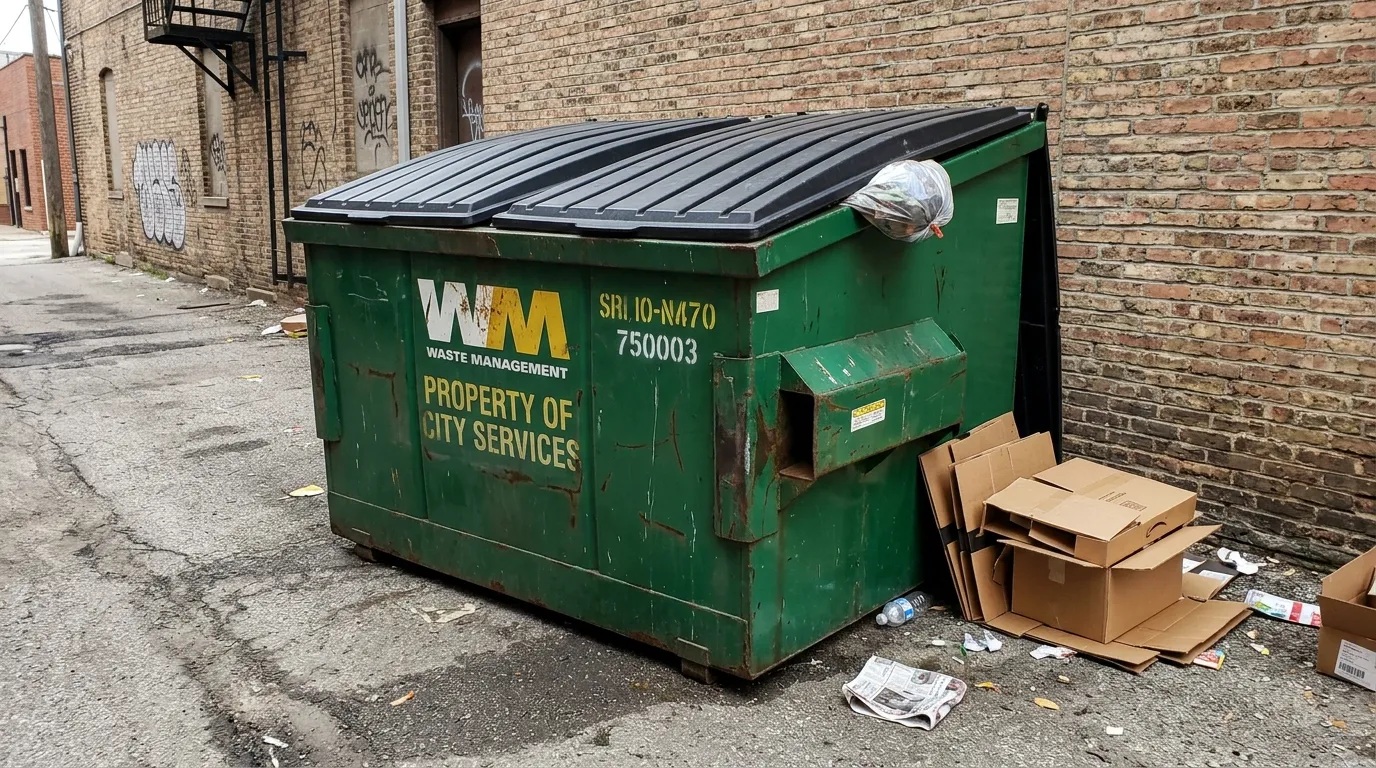
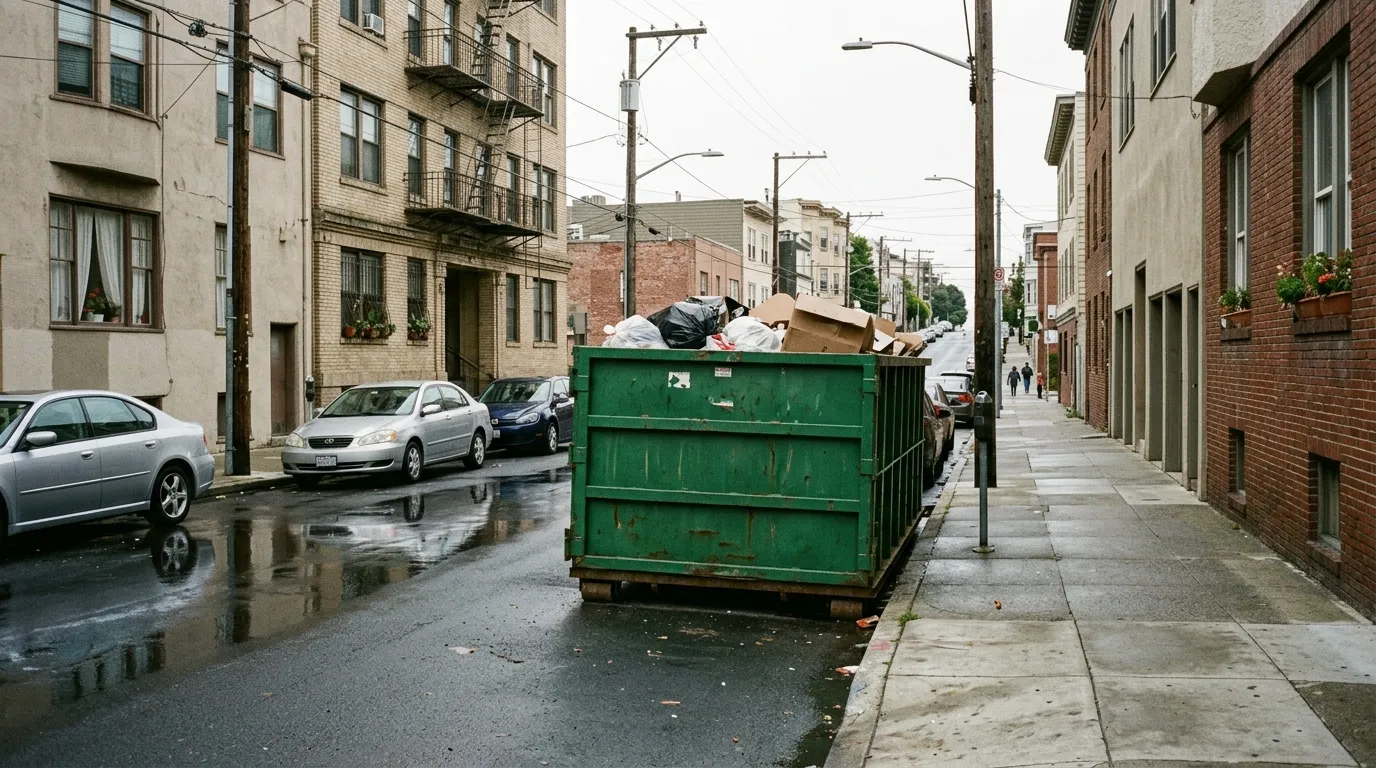
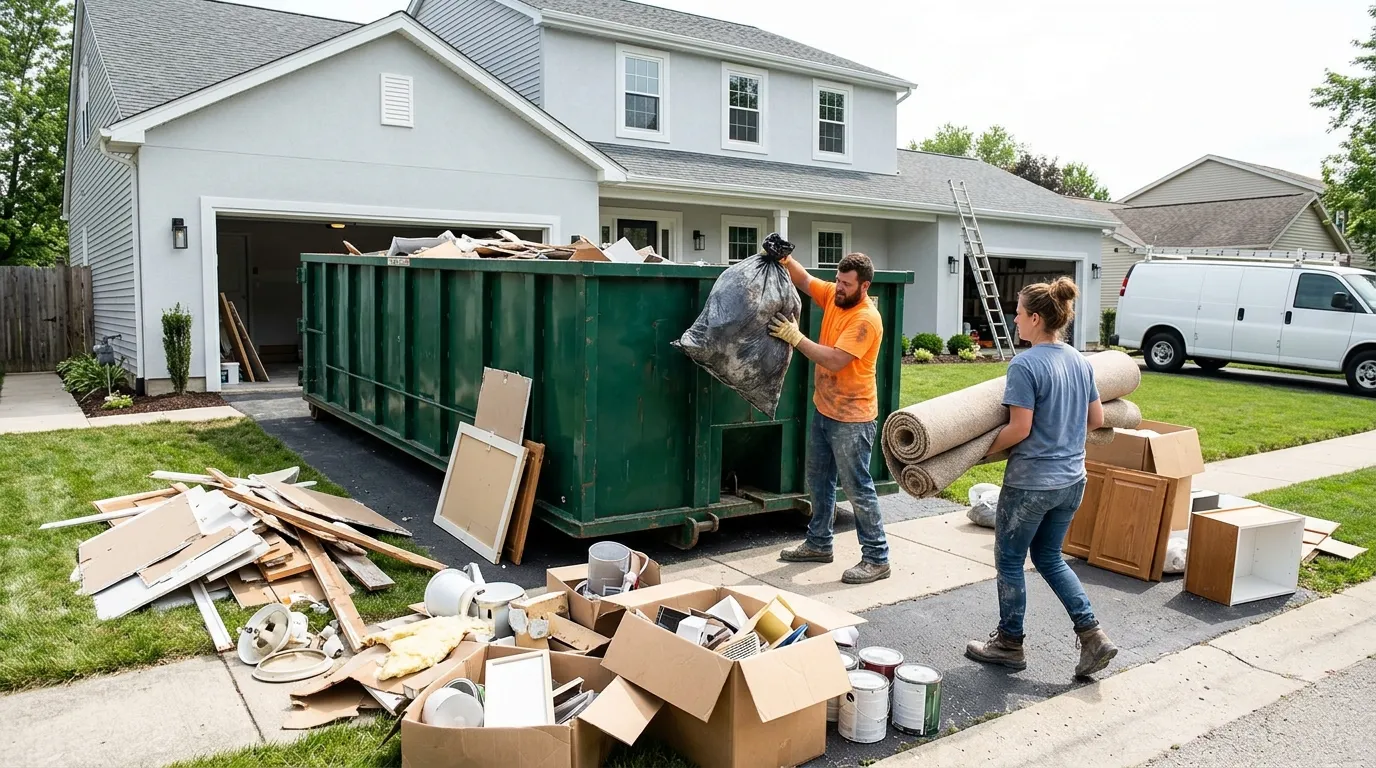
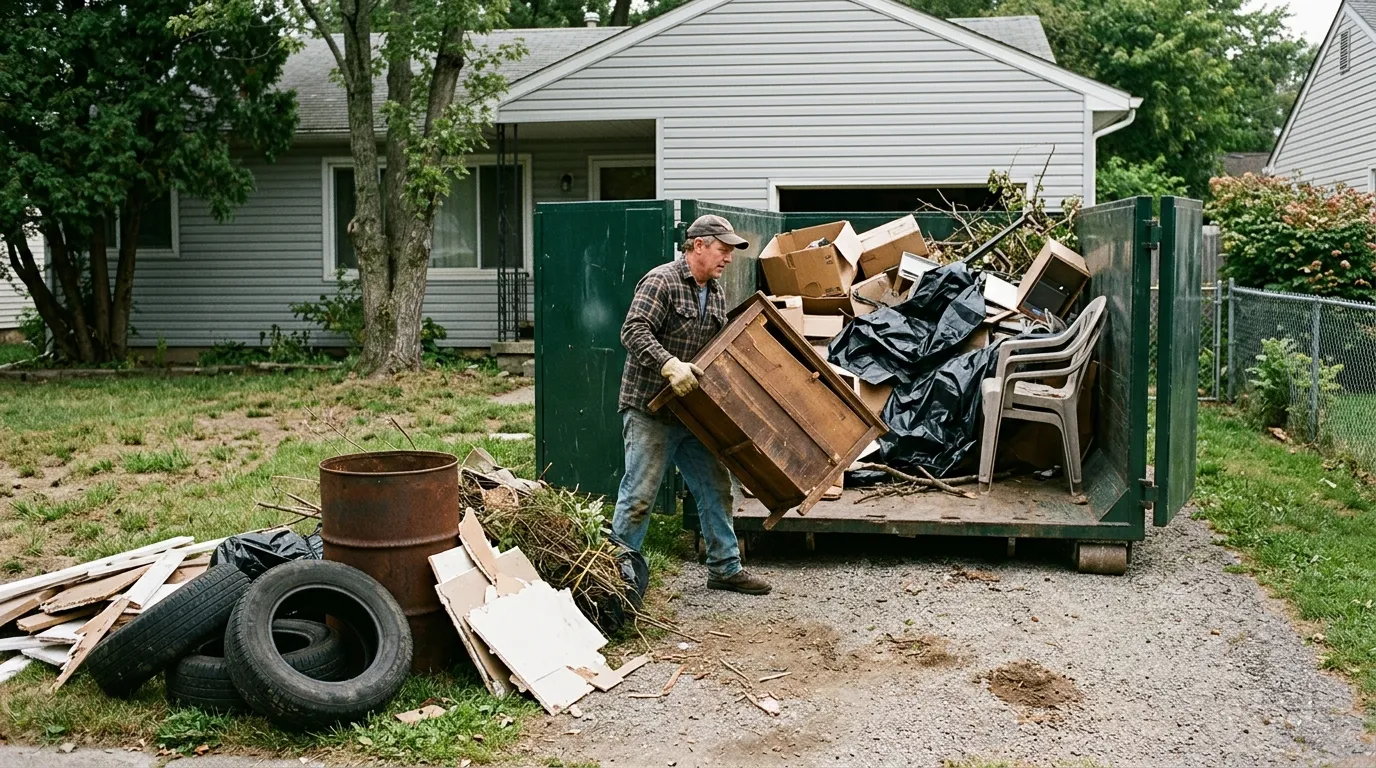
In most areas, the answer is yes. Roll-off dumpsters are commonly used for landscaping projects, seasonal yard cleanups, tree trimming, and property maintenance. They provide a convenient way to collect large amounts of yard debris without making multiple trips to a disposal site.
Some dumpster rental companies ask customers to load only clean yard waste, while others allow it to be mixed with general construction or household debris. Since disposal rules vary by location, confirming the accepted materials before delivery helps prevent unexpected charges and ensures your waste is handled correctly.
What Types Of Yard Waste Are Usually Accepted?
Most roll-off dumpster providers accept a wide range of natural yard debris generated during routine landscaping work. This includes leaves, grass clippings, hedge trimmings, small tree branches, bushes, vines, flowers, mulch, and untreated wood from small outdoor projects.
If you are removing larger trees, heavy logs, tree stumps, or large quantities of soil, additional restrictions may apply because these materials add significant weight. Asking about size and weight limits before loading the dumpster helps you stay within your rental agreement and avoid overloading the container.
What Yard Waste May Not Be Allowed?
Although many forms of yard waste are accepted, certain materials may require separate disposal. Dirt, rocks, gravel, concrete, treated lumber, railroad ties, pressure-treated fence posts, and contaminated vegetation are commonly restricted because they require different handling methods.
Some municipalities also prohibit invasive plants, diseased trees, or yard waste mixed with hazardous materials such as pesticides, paint, fuel, or chemicals. Keeping prohibited items out of the dumpster protects disposal workers and helps meet local environmental regulations.
Should You Mix Yard Waste With Other Debris?
Whether you can mix yard waste with other materials depends on your dumpster rental provider and the disposal facility receiving the load. Some companies allow mixed loads containing household junk, fencing materials, wood, and landscaping debris, while others require yard waste to remain separate for composting or recycling.
If your project includes both yard debris and household waste, discuss your plans before renting the dumpster. Choosing the correct dumpster type helps reduce disposal costs and ensures your waste reaches the proper recycling or landfill facility.
How To Load Yard Waste Properly
Loading a roll-off dumpster correctly makes pickup safer and allows you to use the available space more efficiently. Place larger branches and logs flat along the bottom of the container before adding lighter materials such as leaves, grass, and shrubs.
Break long branches into smaller sections whenever possible to maximize space. Distribute heavy materials evenly across the dumpster and avoid stacking debris above the top edge. Following these simple loading practices helps prevent transportation problems and keeps your rental within safety guidelines.
Are There Better Alternatives For Small Amounts Of Yard Waste?
If you only have a few bags of leaves or grass clippings, renting a roll-off dumpster may not be necessary. Many cities offer seasonal yard waste collection, composting programs, or designated drop-off locations for organic materials.
Home composting is another excellent option for grass, leaves, and small plant materials if you have enough outdoor space. However, for major landscaping projects, storm cleanup, or large property maintenance jobs, a roll-off dumpster remains one of the fastest and most convenient disposal solutions.
When Does A Roll-Off Dumpster Make Sense?
A roll-off dumpster is a practical choice whenever your cleanup project creates more yard waste than standard curbside collection can handle. It is especially useful for tree removal, extensive landscaping, fence replacement, large garden renovations, and seasonal property cleanups.
Instead of filling dozens of yard bags or making repeated trips to the local landfill, you can keep all debris in one place until the project is complete. This saves time, reduces physical effort, and keeps your property cleaner throughout the job.
Tips For Renting The Right Dumpster
Choosing the right dumpster size can make your cleanup easier and more cost-effective. Estimate the amount of yard debris your project will produce and discuss your needs with the rental company before scheduling delivery.
Ask about accepted materials, weight limits, rental periods, pickup schedules, and any additional disposal fees. Selecting the proper dumpster from the beginning helps prevent delays and ensures your cleanup stays on budget from start to finish.
Conclusion
Yes, you can usually put yard waste in a roll-off dumpster, but the exact rules depend on your local disposal regulations and the dumpster rental company. Most natural landscaping materials are accepted, while heavy materials like soil, rocks, treated wood, and hazardous waste often require separate disposal.
Before renting a dumpster, confirm what materials are allowed and choose a container that matches the size of your project. With proper planning and careful loading, a roll-off dumpster provides a simple, efficient, and reliable way to handle yard waste while keeping your property clean throughout the cleanup process.
Also Read: Spring Cleaning Checklist For Montana Homeowners