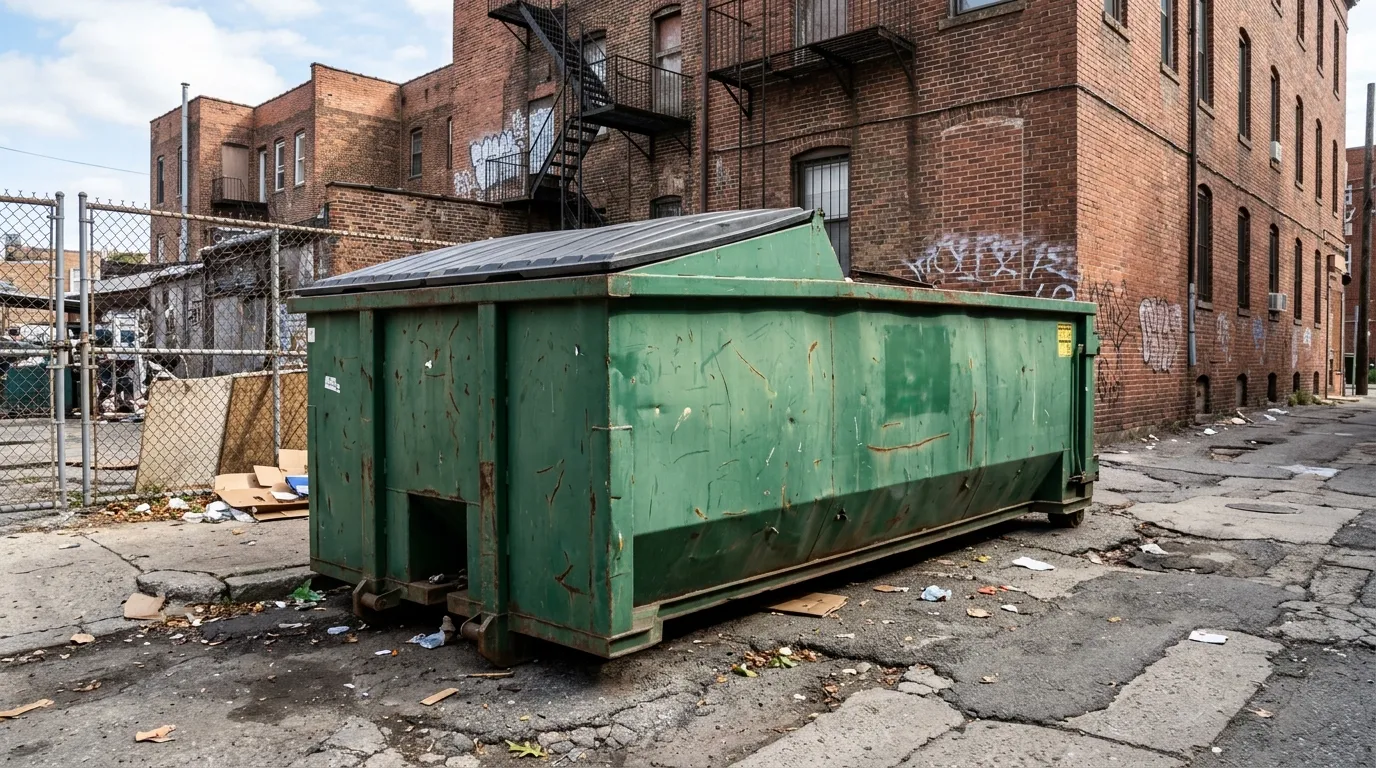
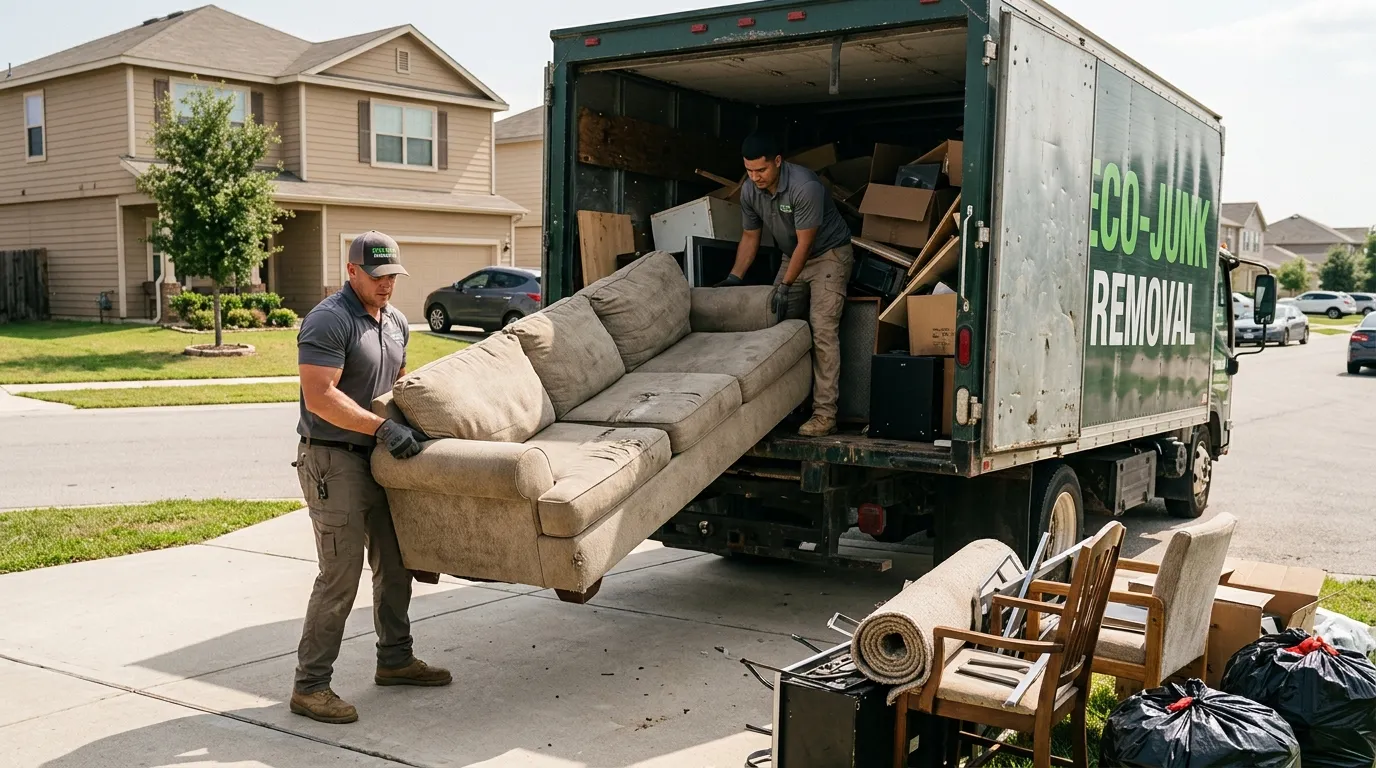
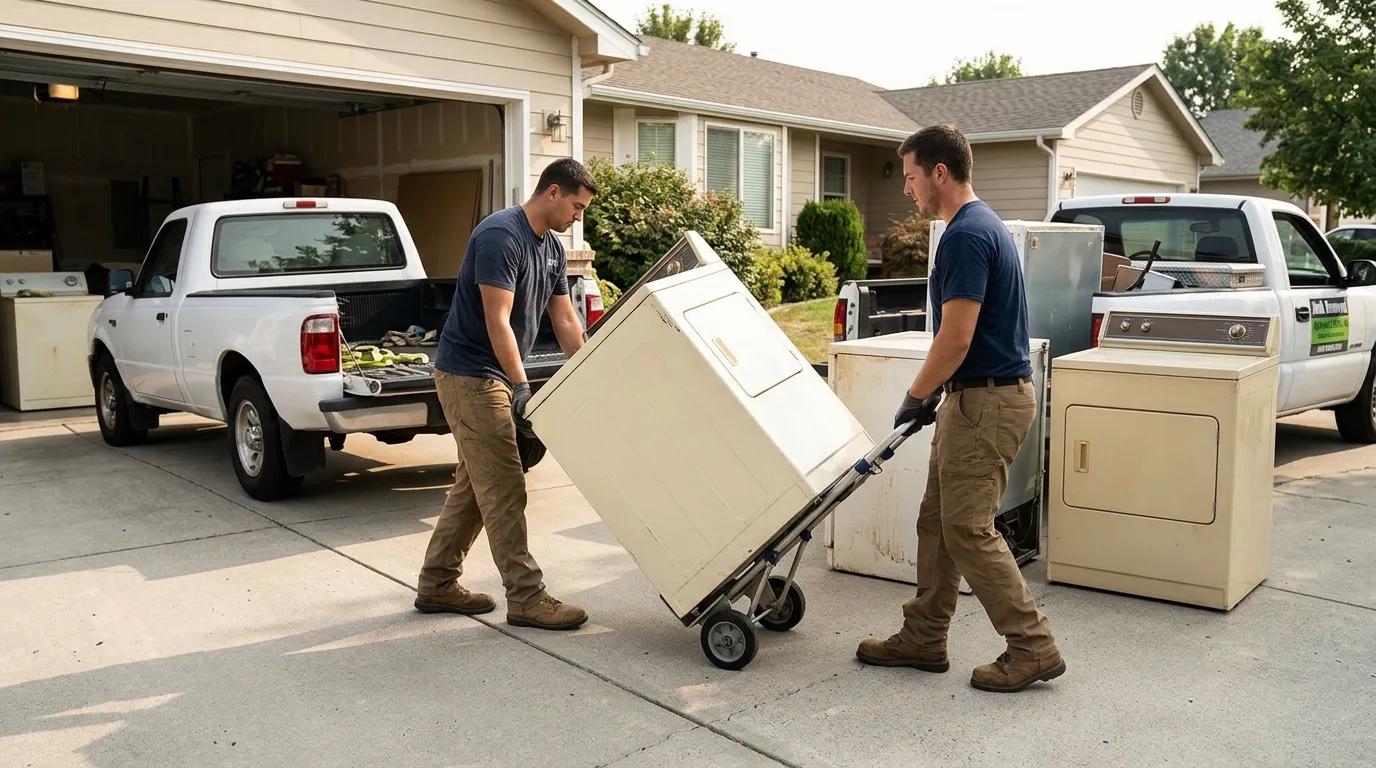
Renting a dumpster is one of the easiest ways to handle waste from home cleanouts, remodeling projects, landscaping, or construction work. However, simple mistakes can lead to extra charges, project delays, or even the need to rent another dumpster.
Knowing the most common dumpster rental mistakes can help you save money and avoid unnecessary problems. Here are the biggest mistakes to avoid.
Choosing the Wrong Dumpster Size
Selecting a dumpster that is too small is one of the most common mistakes. If it fills up before your project is finished, you may need a second dumpster or pay for an extra haul.
A dumpster that is too large may also cost more than you need. Estimate the amount of waste before booking and ask the rental company for recommendations if you are unsure.
Exceeding the Weight Limit
Every dumpster has a weight limit based on its size. Heavy materials such as concrete, dirt, bricks, roofing shingles, and soil can quickly exceed that limit.
Going over the allowed weight usually results in extra charges. If your project includes heavy debris, choose a dumpster made for heavy materials or discuss your needs with the rental provider.
Overfilling the Dumpster
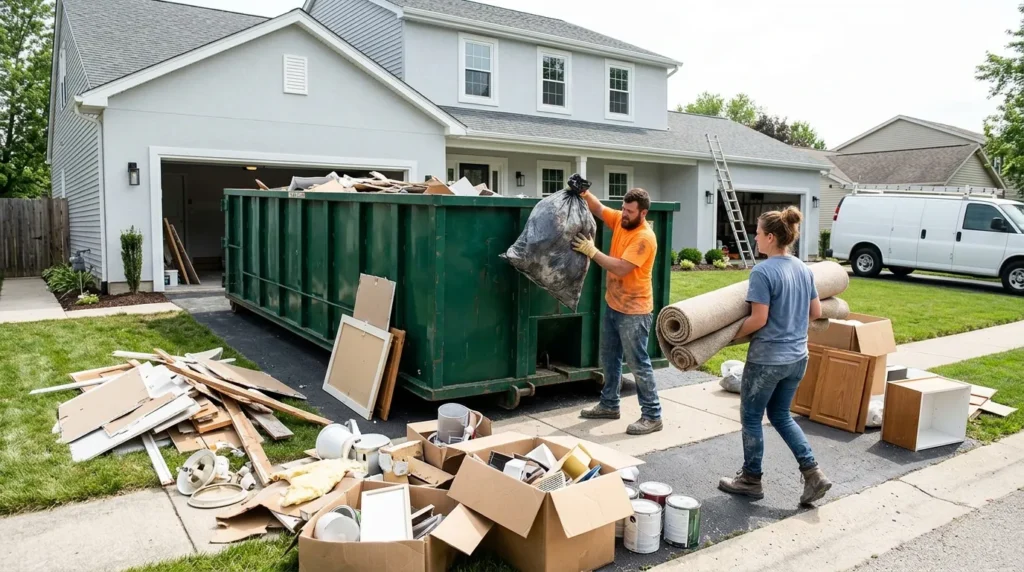
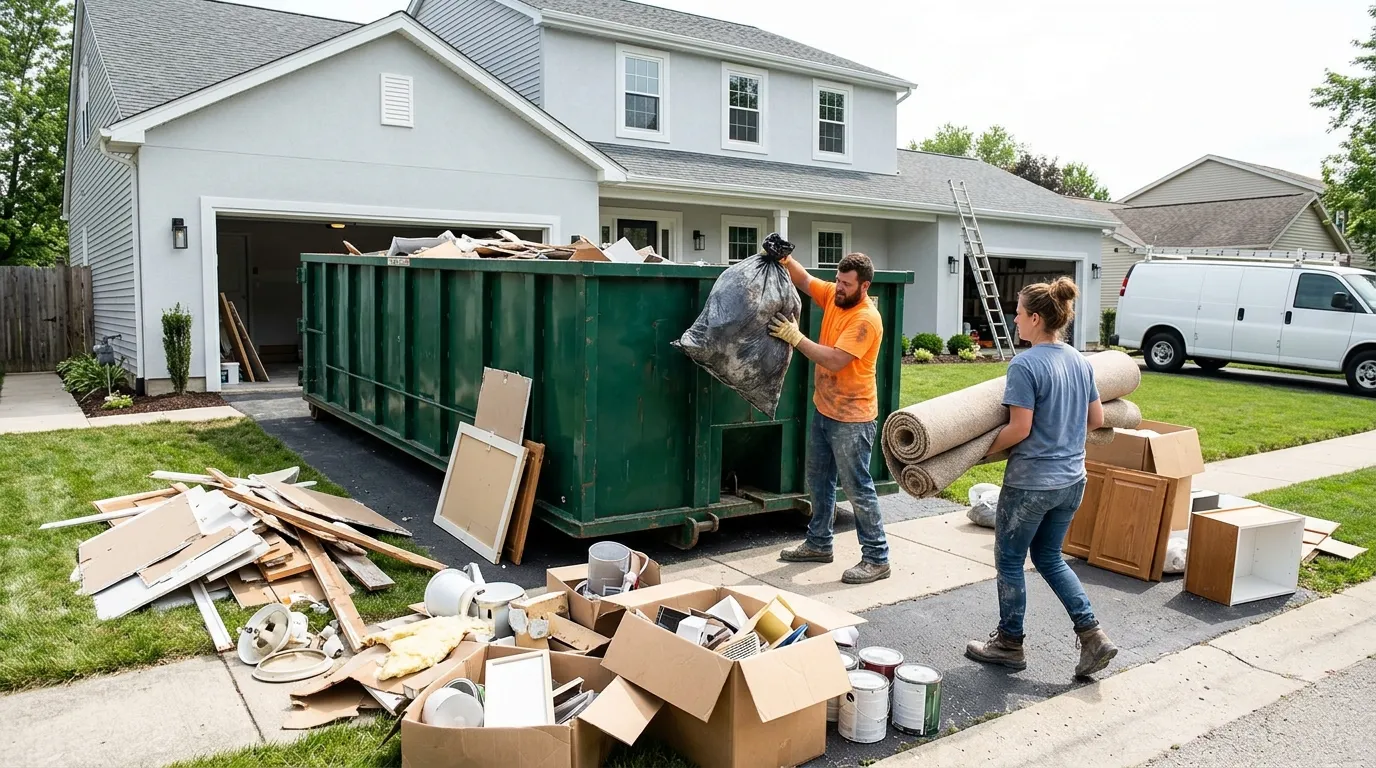
Dumpsters should only be filled to the marked fill line. Stacking debris above the top makes transportation unsafe, and the driver may refuse to pick it up until the load is reduced.
Load large items carefully and spread the weight evenly to make the best use of the available space.
Disposing of Prohibited Items
Many dumpster rental companies do not allow certain items because of environmental and safety regulations.
Common prohibited items include:
- Paint and chemicals
- Batteries
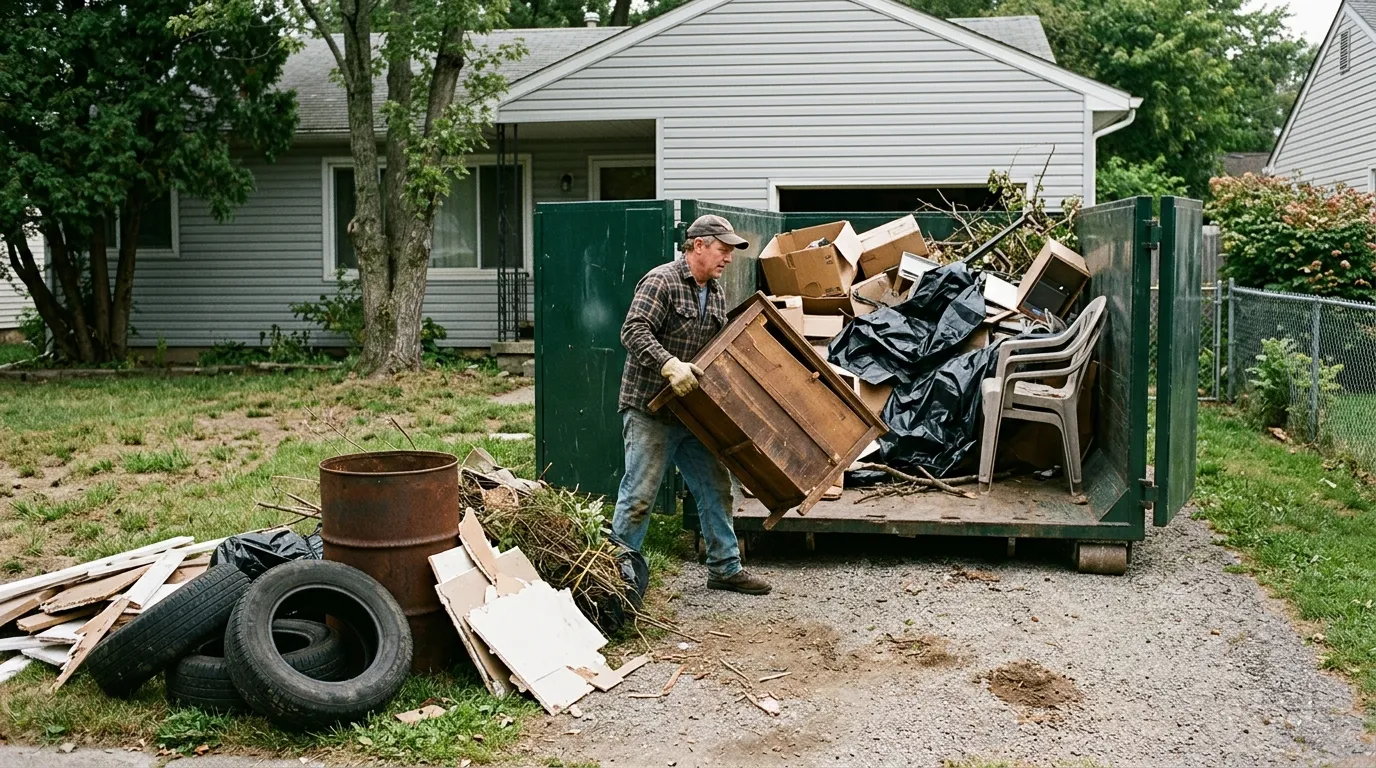
- Tires
- Motor oil
- Propane tanks
- Hazardous waste
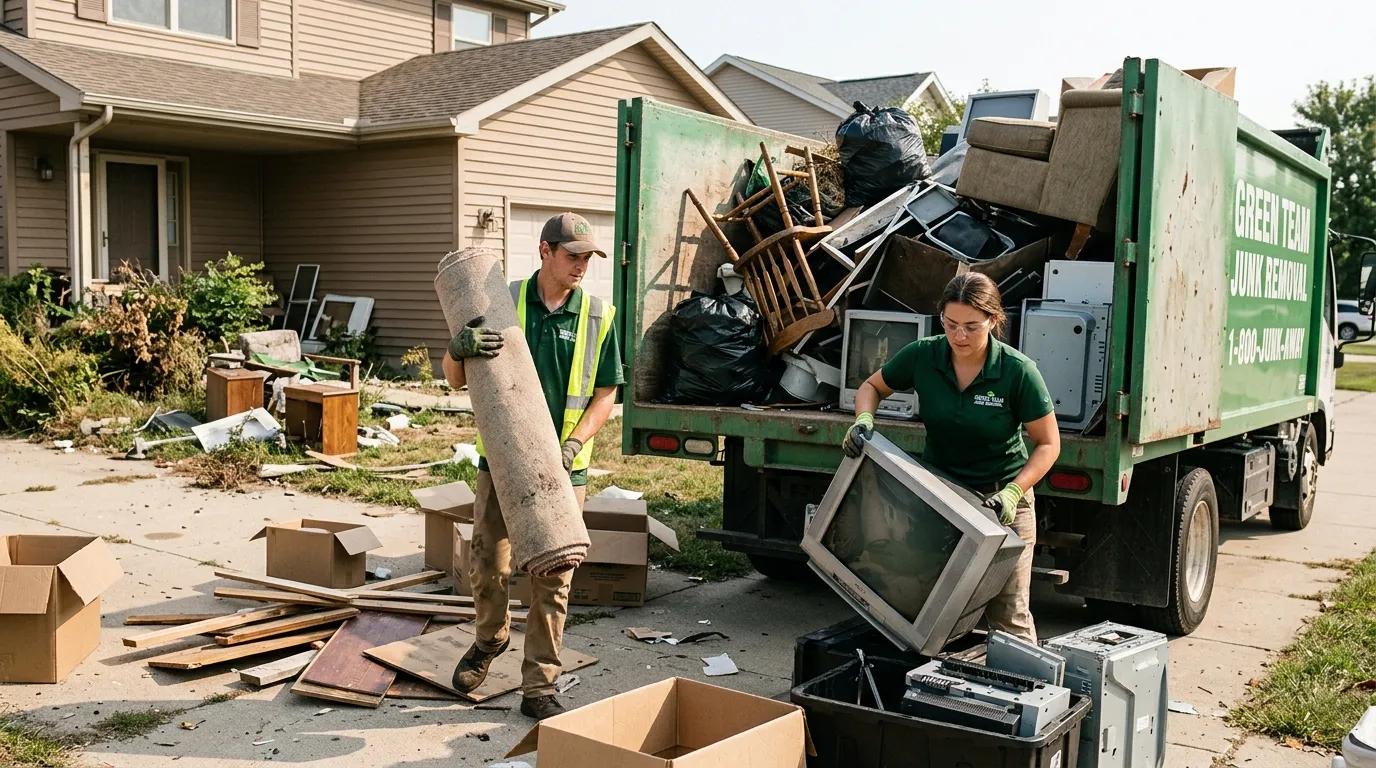
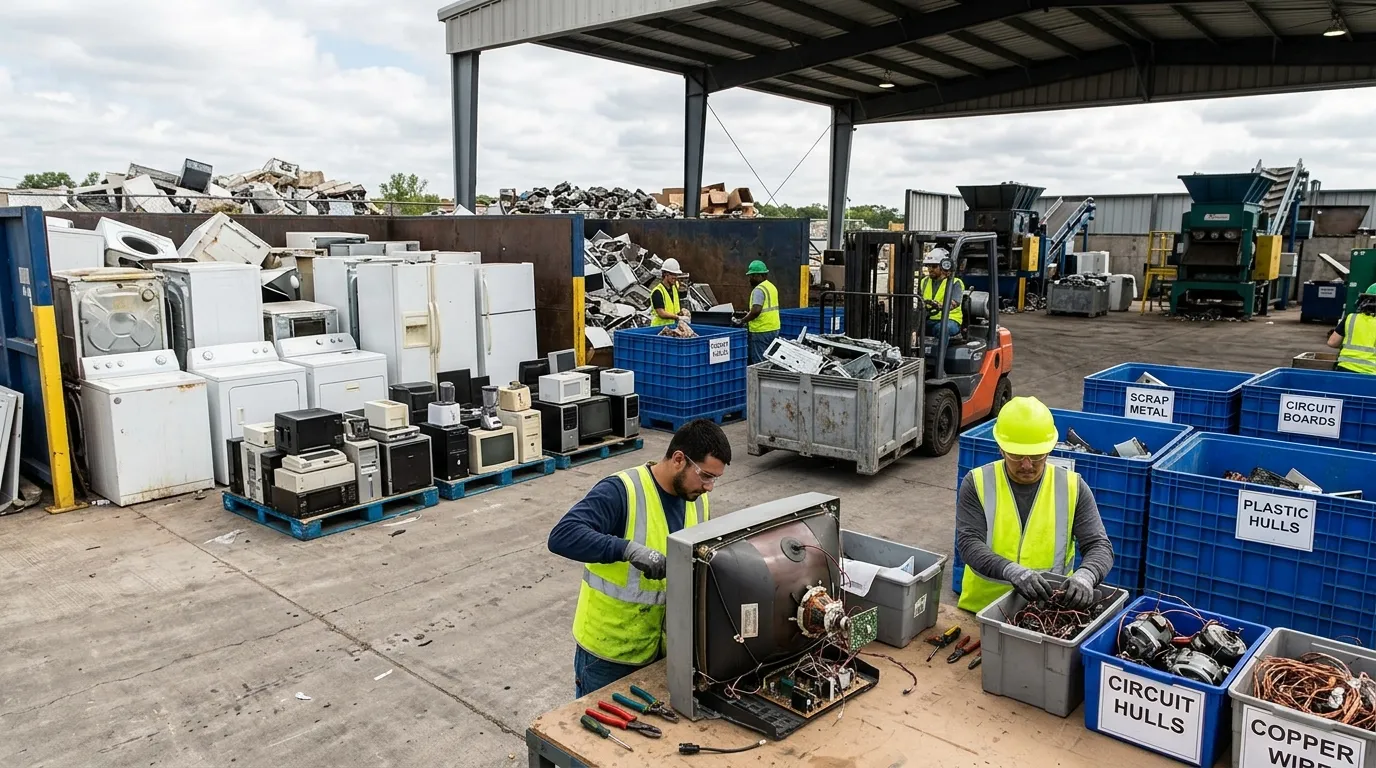
- Electronics in some areas
Always ask for the company’s list of restricted materials before loading the dumpster.
Keeping the Dumpster Too Long
Most dumpster rentals include a set rental period. Keeping it longer than agreed may result in daily extension fees.
Plan your cleanup before the dumpster arrives so you can finish within the rental period.
Poor Dumpster Placement
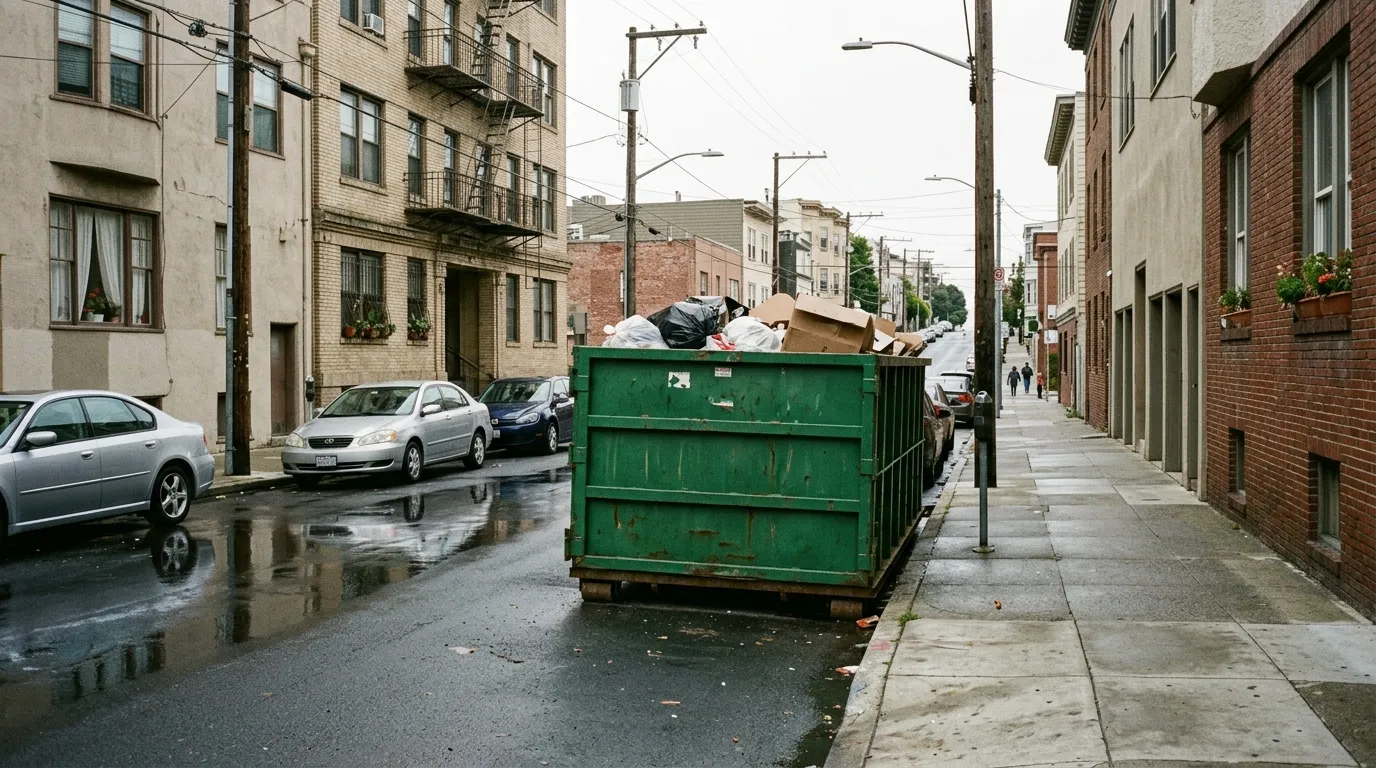
Placing a dumpster where the delivery truck cannot safely access it can create delays or additional service charges.
Choose a flat, solid surface with enough room for delivery, loading, and pickup. Make sure vehicles and equipment can easily reach the dumpster throughout the rental period.
Mixing Recyclable Materials
Some rental companies offer lower disposal costs when recyclable materials are separated from general waste.
If your project creates large amounts of cardboard, metal, wood, or clean concrete, ask whether separating these materials can reduce your disposal costs.
Ignoring Extra Fees
The advertised rental price may not include every charge. Additional fees can apply for:
- Extra weight
- Extended rental periods
- Special waste disposal
- Failed pickup attempts
- Permit requirements in some locations
Understanding all possible charges before renting helps you avoid unexpected costs.
Booking Too Late
Waiting until the last minute can limit dumpster availability, especially during busy seasons such as spring, summer, or after major storms.
Booking a few days in advance gives you a better chance of getting the size you need on your preferred date.
Not Reading the Rental Agreement
Many extra charges happen because customers do not read the rental agreement.
Before signing, check:
- Rental period
- Weight allowance
- Prohibited materials
- Pickup procedures
- Extra fees
- Payment terms
Understanding these details can prevent surprises later.
Conclusion
Most dumpster rental mistakes are easy to avoid with a little planning. Choosing the right dumpster size, staying within the weight limit, avoiding prohibited items, and following the rental company’s rules can help you keep your project on schedule and avoid extra costs. Before booking, take a few minutes to review the rental terms and ask questions if anything is unclear. A little preparation can save both time and money.
Also Read: What Size Dumpster Is Best for Garage Cleanouts?