As the temperature drops and the need for a cozy fire increases, many homeowners turn to buying firewood by the cord.
While this may seem like a simple transaction, there are several red flags to be aware of that can help you avoid being scammed, short-changed, or stuck with poor-quality wood that won’t burn well.
In this comprehensive guide, we’ll explore what to watch out for when buying firewood by the cord and how to ensure you’re getting your money’s worth.
What Does “By the Cord” Mean?
Before diving into the red flags, it’s crucial to understand what buying firewood “by the cord” actually means.
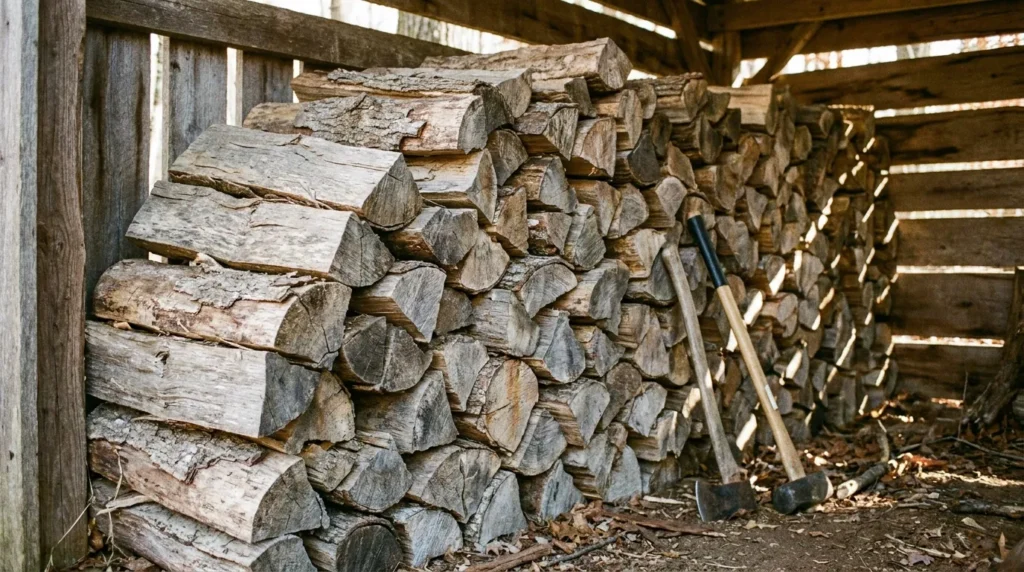
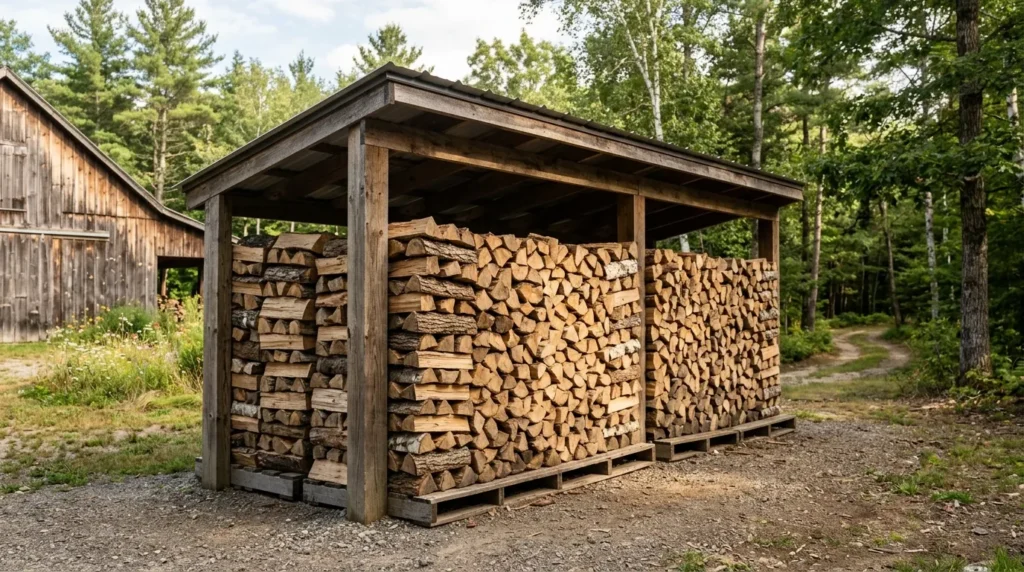
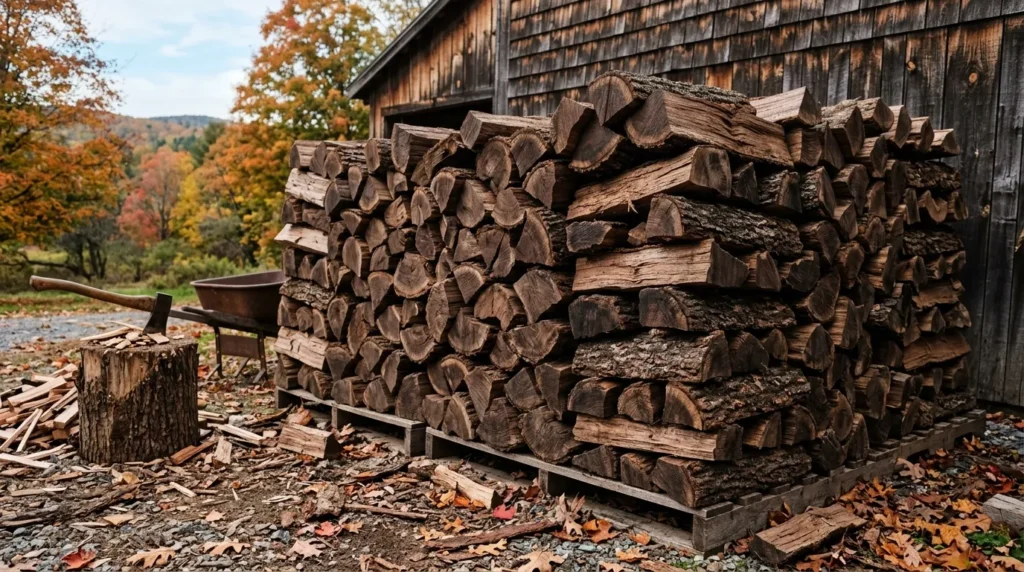
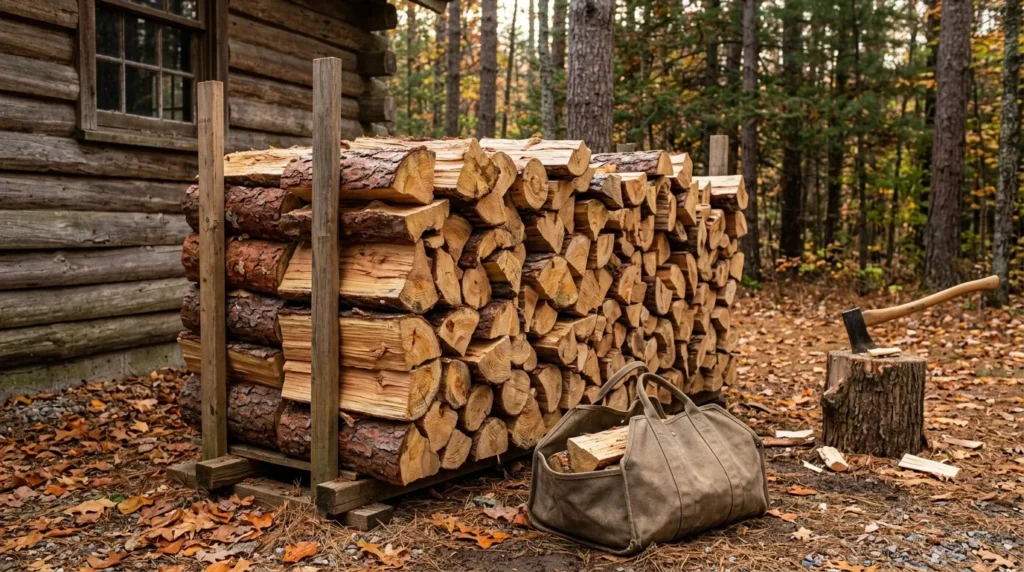
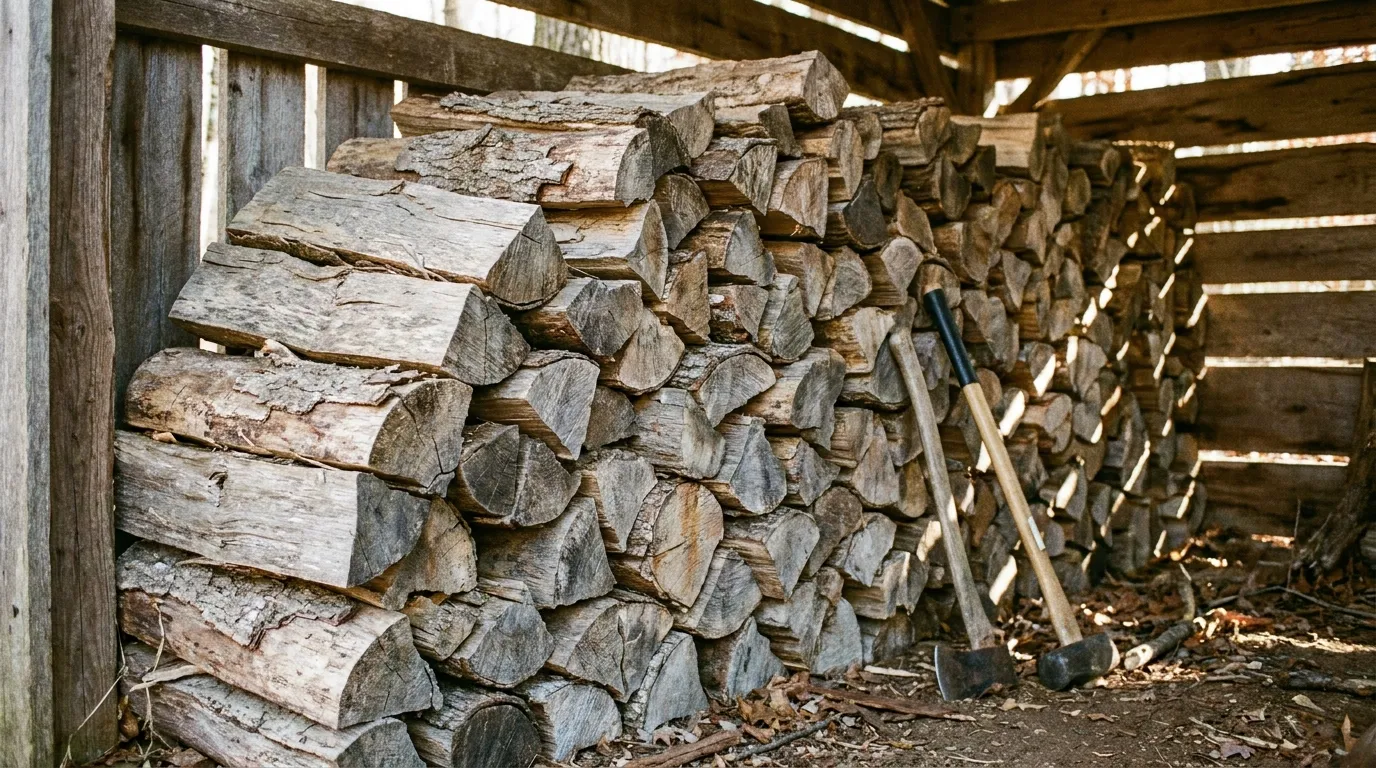
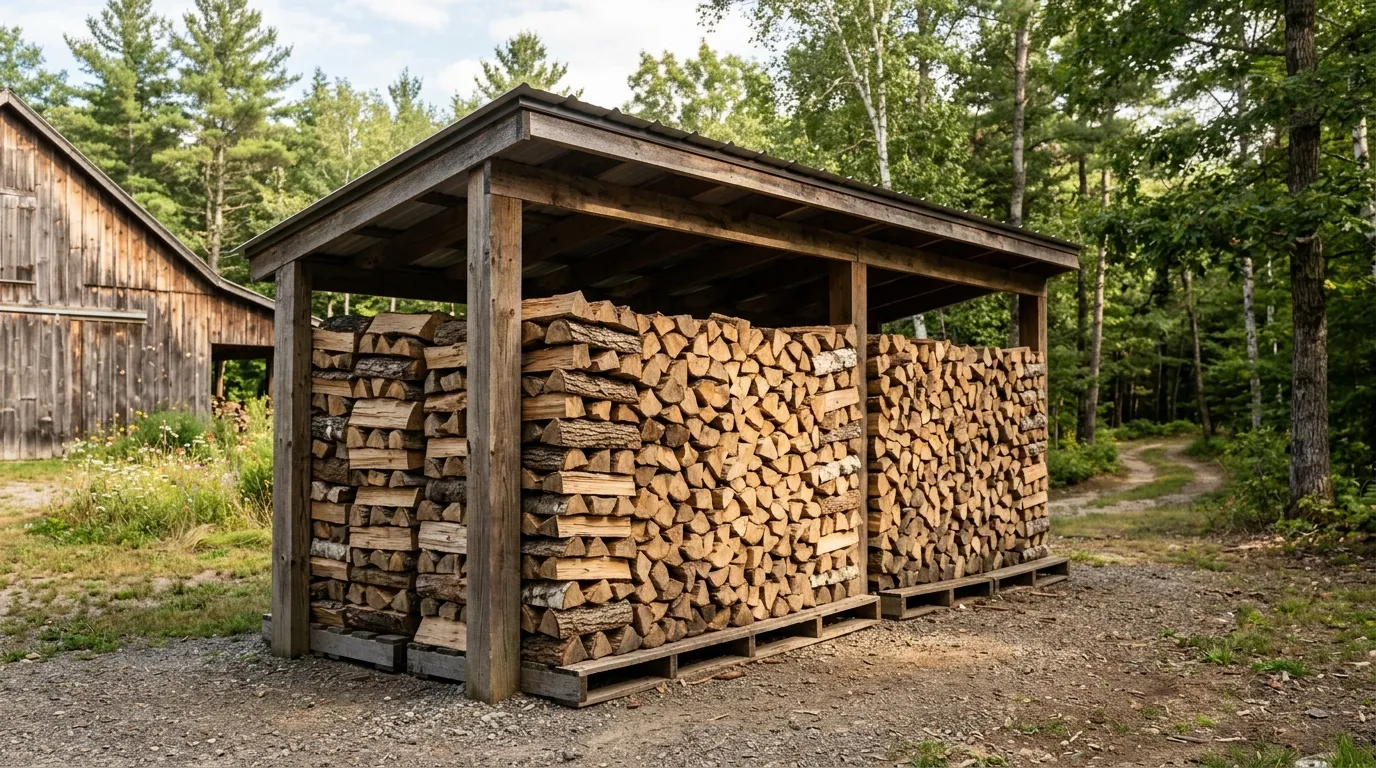
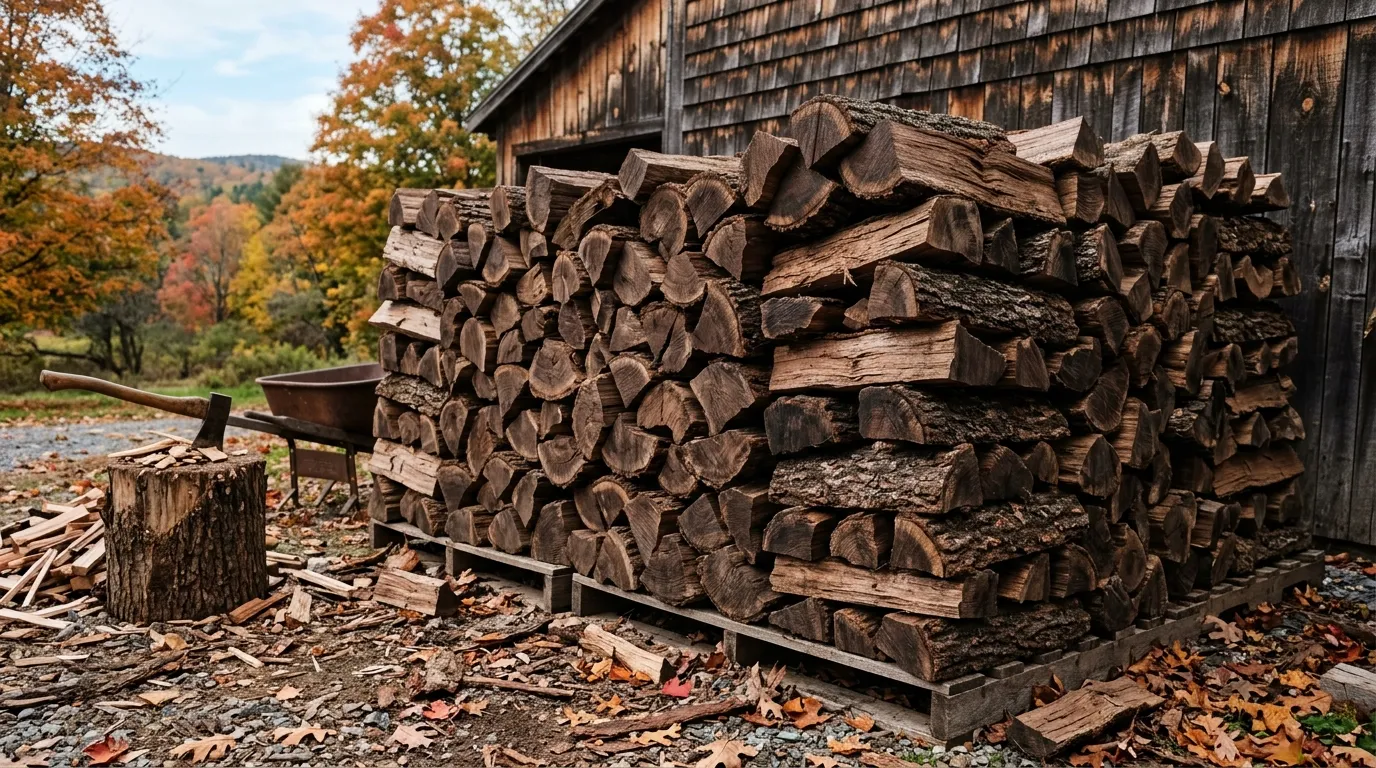
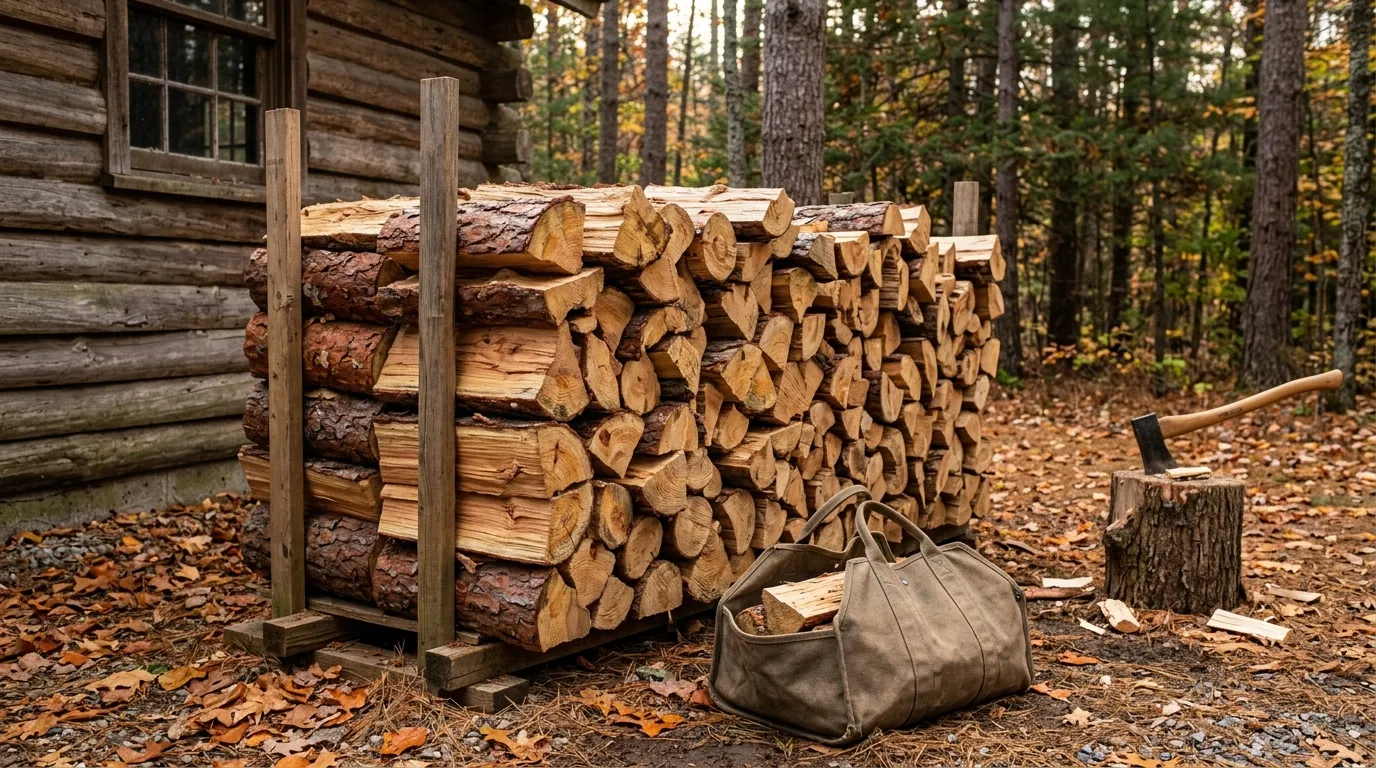
A cord of firewood is a specific measurement: a tightly stacked pile that measures 4 feet high by 4 feet wide by 8 feet long, totaling 128 cubic feet of wood, including the air space between logs.
There are also partial cords commonly sold, such as:
- Face Cord (or Rick) – One stack that is 4 feet high and 8 feet long, but with a depth of one log length (usually 16 inches), totaling roughly 1/3 of a full cord.
- Half Cord – Half of a full cord, around 64 cubic feet.
Knowing these measurements helps prevent miscommunication and potential deception.
Red Flag #1: Seller Won’t Specify the Volume
One of the first and most obvious red flags is when the seller avoids clearly defining how much wood you’re getting.
Vague terms like “truckload,” “pile,” or “bundle” without volume specifications can easily lead to short delivery. Always insist on a specific unit—preferably a full or half cord, clearly measured.
What to do:
- Ask for dimensions of the load.
- Request that the wood be stacked upon delivery so you can verify the quantity.
Red Flag #2: The Price Seems Too Good to Be True
Firewood pricing can vary based on region, type of wood, and how seasoned it is. However, if a deal seems too good to be true, it probably is. Extremely low prices can indicate:
- A smaller quantity than advertised.
- Poor-quality or green (unseasoned) wood.
- Wood from questionable or illegal sources.
What to do:
- Compare prices from several local suppliers.
- Understand the typical price per cord in your area.
- Ask about the type of wood and how long it has been seasoned.
Red Flag #3: Wood Is Not Properly Seasoned
Seasoned wood means it has been cut, split, and dried for at least 6–12 months. This reduces its moisture content to below 20%, which makes it easier to ignite, produces more heat, and burns cleaner.
Unseasoned (green) wood:
- Is harder to burn.
- Produces more smoke and creosote.
- Generates less heat.
Warning signs of green wood:
- Heavy and wet to the touch.
- Sap oozing from logs.
- Bark tightly clinging or difficult to peel.
- No cracks or splits on the ends.
What to do:
- Ask how long the wood has been seasoned.
- Use a moisture meter to test a few logs—under 20% moisture is ideal.
Red Flag #4: Poor Quality Wood Species
Not all firewood is created equal. Some species burn hotter and longer than others. Hardwoods like oak, hickory, and maple are preferred for indoor heating because of their density and high BTU (British Thermal Unit) output. Softwoods like pine and spruce ignite quickly but burn faster and produce more creosote.
Low-quality or undesirable species may:
- Burn quickly with little heat.
- Cause chimney buildup.
- Create excessive smoke and ash.
What to do:
- Ask the seller to identify the wood species.
- Be wary of mixed loads unless you know what’s included.
- Learn to identify common woods by texture, bark, and grain.
Red Flag #5: Unwillingness to Stack the Wood
Reputable firewood sellers will often offer to stack the wood or at least let you inspect it after delivery. If a seller refuses to stack or discourages you from checking the quantity, this could indicate they’re trying to hide a short load.
What to do:
- Request stacking or plan to stack yourself as soon as possible.
- Measure the stacked volume (Height x Width x Depth) to ensure it matches the agreed-upon cord amount.
- Take photos if something seems off.
Red Flag #6: Dirty or Infested Wood
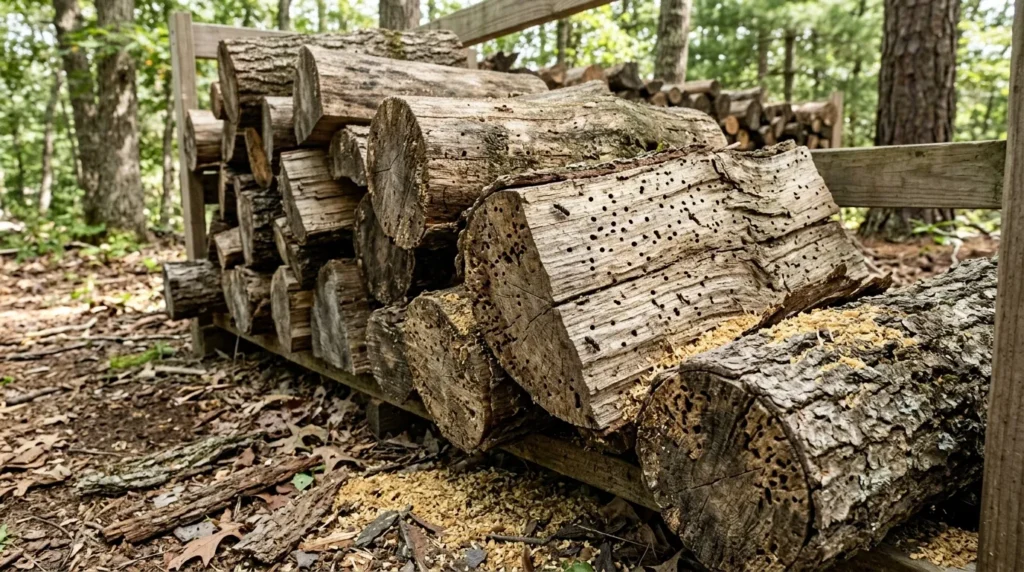
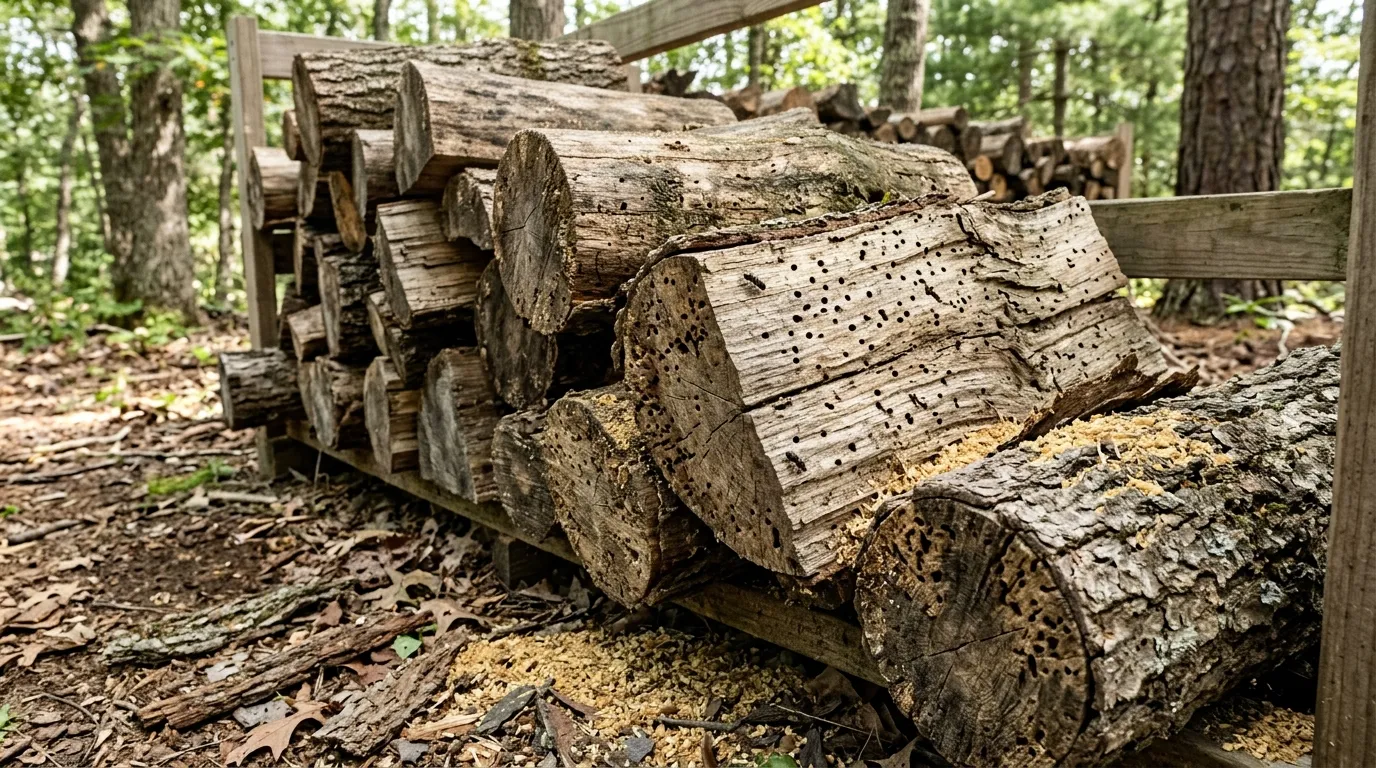
Good firewood should be free of mold, dirt, pests, or other contaminants. Wood that is too dirty or covered in mold is less desirable and potentially dangerous for indoor burning. Additionally, wood that harbors insects like termites or beetles can introduce problems into your home or property.
Warning signs:
- Visible mold or fungus.
- Bugs crawling on or in the logs.
- Piles containing a lot of debris, bark, or kindling.
- Musty or sour odor.
What to do:
- Inspect a sample of the wood before purchase or delivery.
- Store firewood at least 20–30 feet from your house to avoid pest issues.
Red Flag #7: Cash-Only or No Receipt
While many small businesses and individual sellers may prefer cash, a cash-only policy with no receipt can be suspicious. It becomes harder to resolve disputes if there’s no proof of purchase or agreed terms.
What to do:
- Request a receipt or written agreement.
- Get details of the sale in writing, including the volume, price, delivery date, and type of wood.
- Be cautious with new or unverified sellers who insist on upfront cash.
Red Flag #8: Inconsistent or Messy Split Sizes
A well-prepared cord of firewood should have reasonably uniform splits. If you notice a wildly inconsistent mix of long, short, thick, and thin pieces, this might suggest poor processing or a rushed job. Inconsistent sizes can also affect burning performance.
Problems this may cause:
- Uneven burns.
- Trouble stacking and measuring.
- Wasted wood due to unusable pieces.
What to do:
- Inspect sample splits before purchase.
- Ask if the seller can customize the length or split size (especially for smaller stoves).
Red Flag #9: Delivery Is Late or Unreliable
Reliable sellers should communicate clearly about delivery schedules. Frequent rescheduling, no-shows, or excuses can signal disorganization or unreliability.
What to do:
- Set a clear delivery date and time.
- Request a confirmation call or message on the day of delivery.
- If issues arise during delivery, consider finding a more reliable supplier next time.
Red Flag #10: Seller Has No Reputation or Reviews
In today’s digital age, reputable businesses will often have an online presence or local references. If the seller has no reviews, ratings, or customer feedback, proceed with caution—especially if other red flags are present.
What to do:
- Search for online reviews on Google, Facebook, or local forums.
- Ask for referrals from neighbors or friends.
- Trust your instincts—if something feels off, walk away.
Bonus Tip: Understand Legal Weights and Measures (Where Applicable)
In some U.S. states and Canadian provinces, selling firewood by anything other than official volume measurements (like cords) is illegal. Sellers should comply with local laws about weights and measures.
What to do:
- Check your state or province’s regulations regarding firewood sales.
- Report shady sellers to local consumer protection agencies if needed.
Final Thoughts: Be a Smart Firewood Buyer
Firewood can be an excellent, renewable source of home heating—but only if you’re buying from an honest, reliable supplier. Spotting red flags early and asking the right questions will protect your wallet, your home, and your fireplace.
To recap, here are the top red flags to watch out for:
- Vague volume terms like “load” or “pile.”
- Too-good-to-be-true prices.
- Green or unseasoned wood.
- Low-quality wood species.
- Refusal to stack or allow inspection.
- Dirty, moldy, or bug-infested wood.
- Cash-only transactions with no receipts.
- Messy, inconsistent splits.
- Unreliable delivery.
- No online presence or reviews.
With a little diligence, you can ensure you get exactly what you pay for—a full cord of clean, seasoned, high-quality firewood to keep your home warm and cozy all season long.