Moving from Nevada to Montana is a big lifestyle change. Nevada offers large cities, desert weather, casinos, and busy entertainment areas. Montana feels quieter, colder, and more connected to nature. Many people move for affordable housing, outdoor living, lower population density, and a slower daily routine.
At the same time, Montana is very different from cities like Las Vegas, Reno, or Henderson. Winters are longer, jobs can pay less in some industries, and many towns are smaller than people expect. That is why planning matters before making the move.
This guide explains the real cost of moving from NV to MT, living expenses, weather changes, job opportunities, best cities, and the biggest things to prepare for before relocation.
Why People Are Moving from Nevada to Montana
Many Nevada residents move to Montana because they want more space and a calmer lifestyle. Cities in Nevada have grown quickly over the last decade. Las Vegas traffic, rising home prices, and crowded neighborhoods push some families to look elsewhere.
Montana gives people access to mountains, hiking trails, fishing areas, national parks, and open land. Places like Bozeman, Missoula, and Billings continue to attract remote workers, retirees, and families who want smaller communities.
The state also appeals to people who enjoy outdoor recreation. Glacier National Park, Yellowstone National Park, Flathead Lake, and Big Sky bring year round tourism and outdoor activities.
Some people also move because Montana home prices in certain towns remain lower than parts of Nevada. Smaller communities outside major cities can offer larger homes and bigger properties.
Another reason is climate preference. Nevada summers often reach over 100°F in cities like Las Vegas. Montana summers stay cooler, especially in mountain regions.
Cost to Move from Nevada to Montana
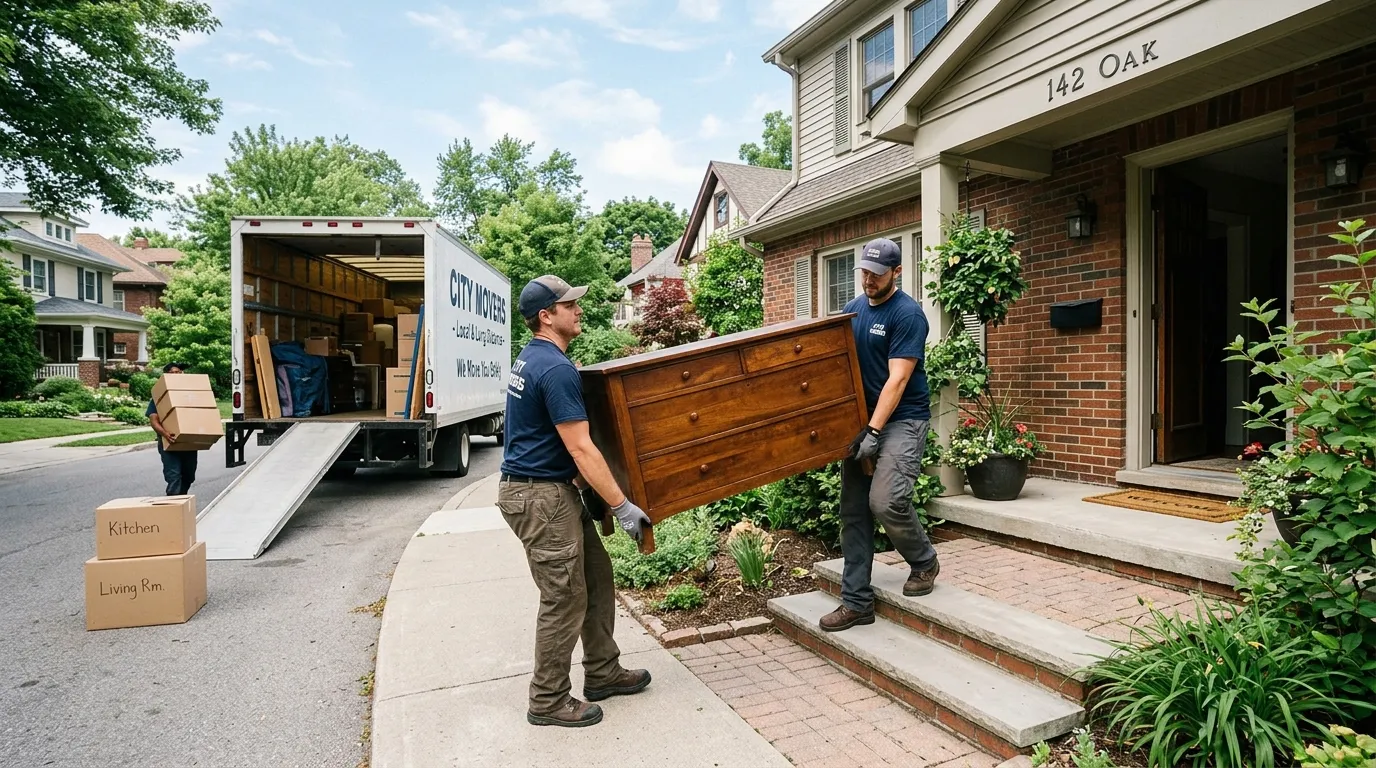
The average interstate move from Nevada to Montana costs between $2,500 and $7,500. The final price depends on distance, home size, moving season, and the services you choose.
Here are common moving estimates:
Home Size
Estimated Moving Cost
Studio or 1 Bedroom
$2,500 to $3,800
2 Bedroom Home
$3,500 to $5,500
3 Bedroom Home
$5,000 to $7,500
A move from Las Vegas to Billings covers about 750 to 900 miles depending on the route. Reno to Missoula usually takes longer because of mountain roads and weather conditions.
Full service interstate movers charge more but handle packing, transportation, and unloading. Moving containers and rental trucks often cost less but require more work from the customer.
Summer is usually the most expensive season for moving. Prices often increase between May and September because demand becomes higher.
Cost of Living Comparison Between Nevada and Montana
Nevada and Montana differ in several daily living expenses. Nevada has no state income tax, while Montana does charge state income tax. However, housing costs in many Montana areas can still balance overall expenses for some households.
Here is a general comparison:
Expense Category
Nevada
Montana
State Income Tax
No
Yes
Average Home Price
Higher in major cities
Lower in smaller towns
Rent Prices
Higher in Las Vegas area
Moderate outside Bozeman
Utility Costs
Lower heating costs
Higher winter heating bills
Gas Prices
Moderate
Moderate to slightly higher
Property Taxes
Lower
Moderate
According to recent housing market data, Bozeman has become one of Montana’s most expensive housing markets because of population growth and remote workers. Smaller towns such as Great Falls and Butte remain more affordable.
Montana residents often spend more on heating, snow equipment, and winter vehicle maintenance. Nevada residents usually spend more on cooling costs during summer.
Healthcare access also differs. Nevada has larger healthcare networks in urban areas, while some rural Montana communities require longer travel times for specialists.
Best Places to Live in Montana After Moving from Nevada
Bozeman
Bozeman is one of the fastest growing cities in Montana. It attracts remote workers, outdoor enthusiasts, and technology professionals. The city offers strong access to skiing, hiking, and Yellowstone National Park.
The downside is housing costs. Home prices and rent in Bozeman are much higher than many other Montana cities.
Billings
Billings is Montana’s largest city and one of the best places for job opportunities. Healthcare, retail, construction, and energy industries support the local economy.
Billings also has better shopping, restaurants, and medical services compared to smaller Montana towns.
Missoula
Missoula has a college town atmosphere because of the University of Montana. It attracts younger residents, students, and people who enjoy arts and culture.
The city offers beautiful scenery and outdoor recreation, though winters can feel long for people moving from Nevada.
Helena
Helena is Montana’s capital city. It provides a quieter lifestyle and stable government employment opportunities.
Families often choose Helena because of lower traffic and strong community feel.
Kalispell
Kalispell sits near Glacier National Park and Flathead Lake. The area attracts retirees and outdoor focused families.
Tourism supports many local businesses, though job options can feel limited compared to larger cities.
Pros and Cons of Moving to Montana
Pros
Montana gives residents access to open landscapes, cleaner air, and outdoor activities. Many towns feel safer and less crowded than major Nevada cities.
Traffic levels remain lower in most Montana communities. People who enjoy fishing, hiking, skiing, hunting, and camping often adapt well to the state.
Montana also experiences cooler summers. Residents escaping extreme Nevada heat usually appreciate the weather change.
Cons
Winters are much harsher in Montana. Heavy snow, icy roads, and freezing temperatures create challenges for new residents.
Job markets can feel smaller, especially outside Billings and Bozeman. Some industries offer lower salaries than Nevada.
Entertainment and nightlife options are also more limited compared to Las Vegas or Reno.
People moving from urban areas may need time to adjust to slower daily routines and longer driving distances between towns.
Weather Differences Between Nevada and Montana
Nevada mostly has a desert climate. Summers stay extremely hot and dry, especially in Las Vegas and Henderson. Winters remain mild in many parts of the state.
Montana has four clear seasons. Winters bring snow, freezing temperatures, and strong winds in some regions. January temperatures in parts of Montana can fall below 0°F.
Summer weather in Montana stays much cooler. Average summer highs usually range between 75°F and 85°F depending on elevation and location.
Snowfall also changes daily life. Cities like Bozeman, Helena, and Missoula receive significant snow each winter. Mountain regions can experience severe winter storms.
The growing season in Montana is shorter than Nevada. Gardening and farming schedules depend heavily on frost conditions.
How to Prepare for Montana Winters
Preparing for winter is one of the biggest adjustments after moving from Nevada to Montana.
Most new residents need winter tires or all wheel drive vehicles. Snow and ice make driving dangerous without proper equipment.
Warm clothing is also necessary. Heavy jackets, insulated boots, gloves, and thermal layers become part of daily life during winter months.
Homes in Montana rely heavily on heating systems. Before renting or buying property, check insulation quality, furnace condition, and heating costs.
Many Nevada residents also underestimate winter daylight changes. Montana winters bring shorter days and long periods of cold weather. Staying active helps many people adjust mentally and physically.
It is also smart to keep emergency supplies in your car. Snowstorms can close roads in some rural areas.
Job Market and Salary Differences
Nevada’s economy depends heavily on tourism, hospitality, entertainment, and casinos. Montana has a smaller economy with different leading industries.
Major Montana industries include:
Healthcare
Agriculture
Construction
Tourism
Mining
Education
Outdoor recreation
Billings has one of the strongest healthcare job markets in the state. Bozeman continues to grow in technology and remote work sectors.
Average salaries in Montana are usually lower than Nevada in hospitality and entertainment fields. However, some workers balance lower wages with lower living expenses in smaller towns.
Remote workers often transition more easily because they keep income levels from larger metro areas while living in Montana communities.
Popular Moving Routes from Nevada to Montana
Las Vegas to Billings
This route covers around 900 miles and usually takes about 14 to 16 driving hours without long stops.
Billings attracts families and professionals because of its stronger job market and larger city services.
Las Vegas to Bozeman
Bozeman appeals to remote workers and outdoor focused residents. The drive passes through mountain regions, so winter travel requires caution.
Reno to Missoula
This route offers scenic mountain views and access to outdoor recreation. Missoula attracts students, retirees, and younger professionals.
Henderson to Helena
Helena gives former Nevada residents a quieter lifestyle with lower congestion and stable government employment opportunities.
How to Choose Interstate Movers
Choosing the right interstate moving company helps avoid delays, hidden fees, and damaged belongings.
Always check if the mover has a USDOT number through the Federal Motor Carrier Safety Administration. Licensed interstate movers must register with FMCSA.
Read customer reviews carefully before booking. Look for complaints involving pricing changes, delivery delays, or damaged items.
Request at least three written estimates from different companies. Compare:
Packing services
Insurance coverage
Delivery timelines
Storage options
Fuel charges
Avoid companies that demand large cash deposits before the move begins.
Nevada to Montana Moving Checklist
8 Weeks Before Moving
Start researching Montana neighborhoods and housing options. Compare schools, healthcare facilities, and job opportunities.
Get moving estimates and remove items you no longer need.
4 Weeks Before Moving
Transfer utilities and update your address with banks, insurance companies, and government offices.
Schedule vehicle maintenance before long distance travel.
2 Weeks Before Moving
Pack non essential belongings and prepare important documents.
Check weather forecasts if moving during winter months.
Moving Week
Keep medications, chargers, documents, and basic clothing in a separate essentials bag.
Confirm moving company arrival times and travel plans.
Things That Surprise Most Nevada Residents After Moving to Montana
Many people expect Montana to feel similar to Nevada outside Las Vegas. In reality, the lifestyle difference feels much bigger.
Stores may close earlier in smaller towns. Restaurant choices can feel limited outside larger cities. Some rural areas have slower internet speeds and fewer shopping centers.
Wildlife encounters also become more common. Deer, elk, bears, and other animals are part of daily life in some regions.
Long driving distances surprise many newcomers as well. Montana is one of the largest states by land area, but its population remains small.
At the same time, many former Nevada residents enjoy the stronger sense of community and access to nature.
Is Moving from Nevada to Montana Worth It?
The answer depends on your lifestyle goals.
People who enjoy outdoor living, quieter communities, and cooler weather often adapt well to Montana. Families looking for slower paced environments may also prefer smaller Montana cities.
However, the move can feel difficult for people who rely on large entertainment districts, major nightlife areas, or warm weather year round.
Researching cities carefully before relocating helps avoid disappointment later. Visiting Montana during winter can also give a more realistic picture of daily life before making a permanent move.
Conclusion
Moving from NV to MT brings major changes in weather, lifestyle, housing, and daily routines. Montana offers beautiful scenery, outdoor recreation, and less crowded communities. At the same time, winter conditions, smaller job markets, and rural living require preparation.
The best relocation experience usually comes from careful planning. Compare living costs, research cities, prepare for winter weather, and choose the right moving company before making the transition.
For many people, Montana provides a calmer and more balanced lifestyle. But understanding the realities before the move makes the adjustment much easier.