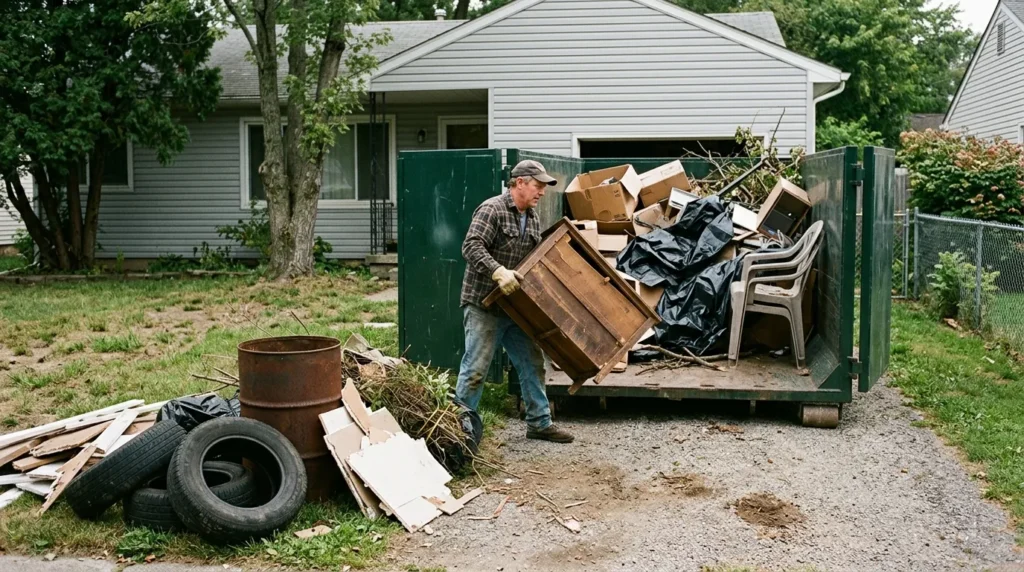
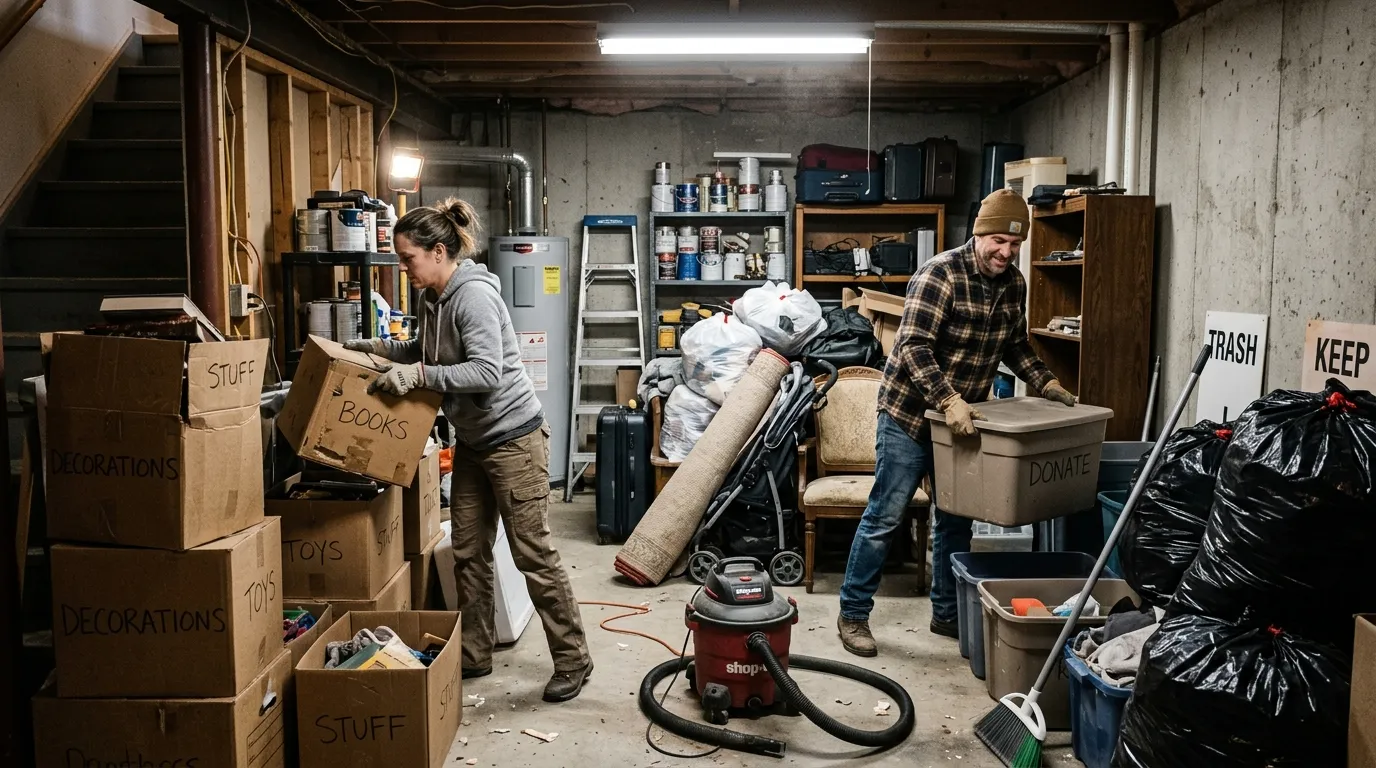
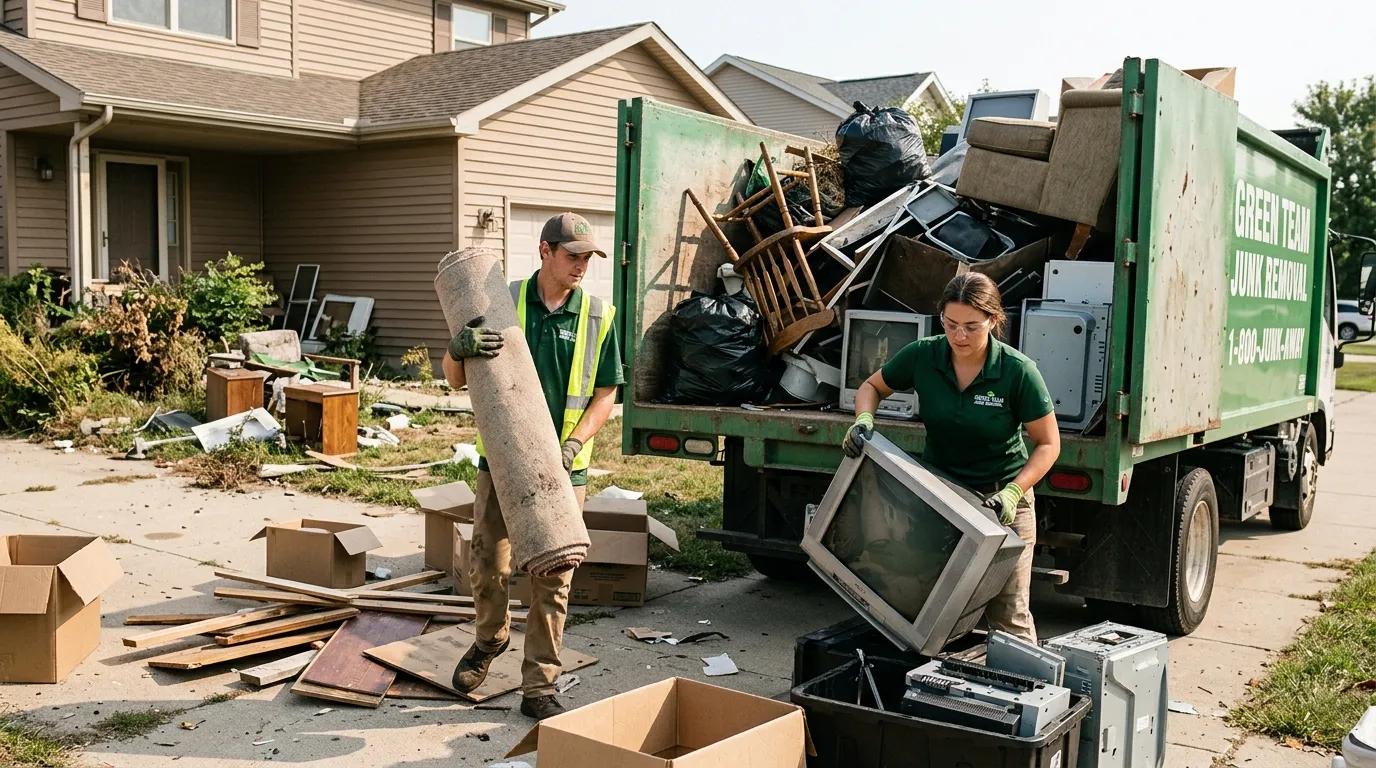
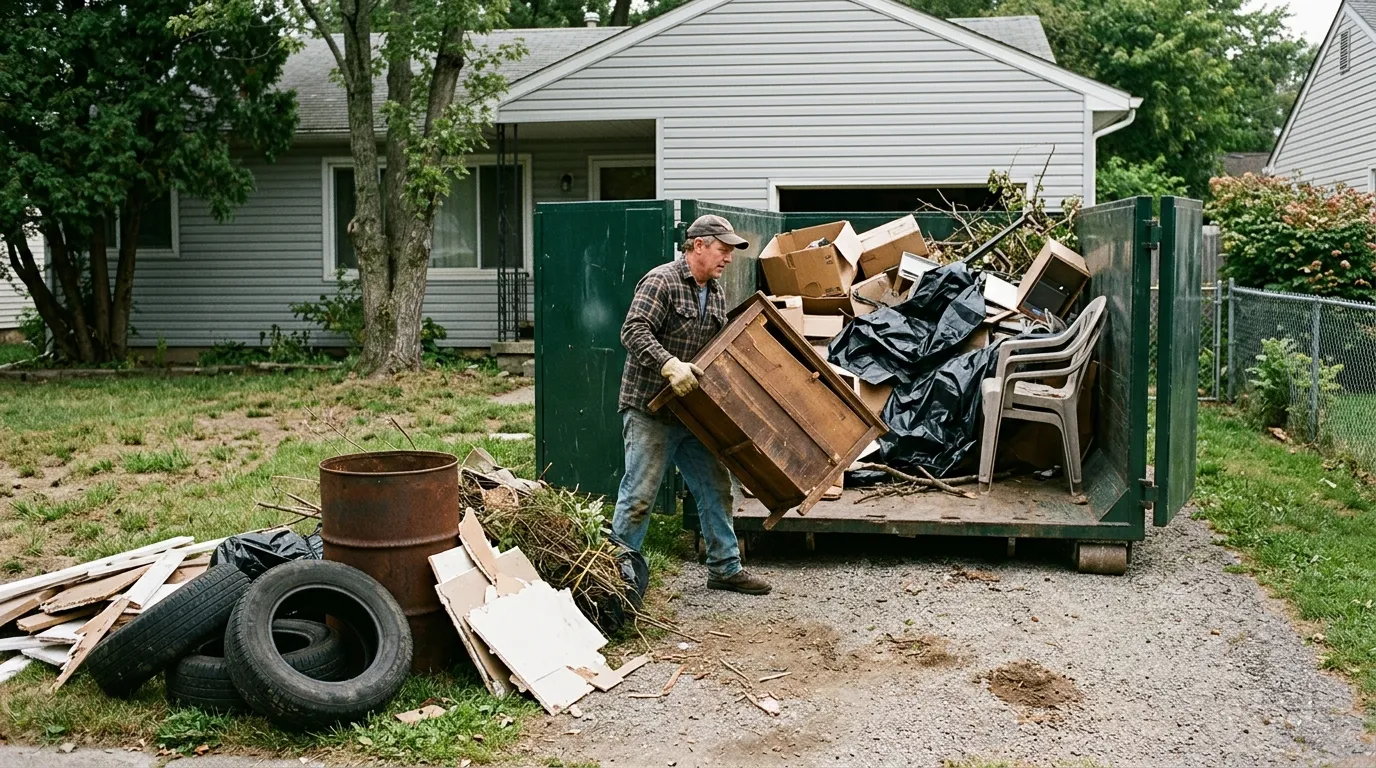
Have you ever looked at an old washing machine, broken bicycle, damaged pipes, or leftover construction materials and thought they were just junk?
Here’s the thing. Many of these items are worth more than most people realize.
Scrap metal recycling is about much more than cleaning up unwanted metal. It helps you earn extra money, protects the environment, saves natural resources, and supports local industries. Since metals can be recycled many times without losing their quality, they continue to have value long after their first use.
Whether you’re a homeowner, contractor, business owner, or manufacturer, recycling scrap metal is one of the easiest ways to turn waste into something useful.
In this guide, we’ll look at why recycling scrap metal is more valuable than you might think.
1. Scrap Metal Can Put Money Back in Your Pocket
One of the biggest reasons people recycle scrap metal is simple. It has value.
Many metals are bought by scrap yards because they can be processed and used again. Instead of paying to dispose of unwanted metal, you may be able to sell it.
Common metals with good resale value include:
- Copper
- Aluminum
- Brass
- Stainless steel
- Steel
- Lead
The amount you receive depends on factors such as:
- The type of metal
- Current market prices
- Weight
- Cleanliness of the material
- Quantity you bring
If you regularly replace equipment, renovate properties, or work in construction, recycling scrap metal can become an extra source of income.
2. Recycling Keeps Metal Out of Landfills
Every year, large amounts of metal end up in landfills even though they can still be recycled.
Unlike many other waste materials, metal does not lose its quality after recycling. Throwing it away simply wastes a valuable resource.
Recycling helps:
- Reduce landfill waste
- Keep communities cleaner
- Lower environmental pollution
- Make better use of existing materials
Every piece of recycled metal means one less item sitting in a landfill for years.
3. It Saves Natural Resources
Mining new metal requires digging deep into the earth to extract raw materials.
This process uses land, water, fuel, and heavy machinery. It also affects natural habitats.
When metal is recycled instead, manufacturers can reuse existing materials rather than extracting new ones.
This helps conserve resources such as:
- Iron ore
- Bauxite for aluminum
- Copper ore
- Nickel
- Zinc
Using what already exists is often a smarter and more sustainable choice.
4. Recycling Uses Much Less Energy
Producing metal from raw ore requires several energy-intensive steps.
The ore must be mined, transported, processed, refined, and manufactured before becoming a finished product.
Recycling skips many of these stages.
As a result, manufacturers use much less electricity and fuel to produce recycled metal.
Lower energy use also helps businesses reduce production costs while making manufacturing more efficient.
5. It Helps Reduce Carbon Emissions
Lower energy use also means fewer greenhouse gases are released into the atmosphere.
Mining and producing new metal generate significant carbon emissions because of heavy equipment, transportation, and industrial processing.
Recycling reduces the need for these activities.
When more businesses and households recycle scrap metal, the combined environmental impact becomes much smaller.
Even small recycling efforts can make a difference over time.
6. Scrap Metal Recycling Supports Local Jobs
Recycling is more than collecting unwanted materials.
The industry creates jobs at every stage, including:
- Scrap collection
- Transportation
- Sorting
- Processing
- Recycling facilities
- Manufacturing
Local recycling companies also support nearby businesses that rely on recycled metal for production.
Choosing to recycle helps strengthen local economies while creating employment opportunities.
7. Metal Can Be Recycled Again and Again
One reason metal is so valuable is that it can be recycled many times without losing its quality.
Unlike some materials that become weaker after recycling, metals such as aluminum and steel remain strong and useful.
The same metal can become:
- A beverage can
- A car part
- A building beam
- Household appliances
- Construction materials
- Industrial machinery
This continuous reuse supports a circular economy where materials stay in use instead of becoming waste.
8. Recycling Makes Homes and Worksites Safer
Old metal lying around isn’t just untidy. It can also become a safety risk.
Rusty metal, broken machinery, damaged fencing, and construction debris may cause injuries or block valuable space.
Removing unwanted scrap metal helps:
- Improve workplace safety
- Reduce accident risks
- Free up storage space
- Keep homes and job sites organized
A cleaner property is also easier to maintain and often looks more professional.
9. Recycled Metal Becomes New Products
Many people are surprised to learn how often recycled metal is used in everyday life.
Manufacturers rely on recycled materials to make products such as:
- Cars
- Trucks
- Buildings
- Bridges
- Kitchen appliances
- Electronics
- Food and beverage cans
- Office furniture
- Industrial equipment
This means the metal you recycle today may become part of a completely different product tomorrow.
Instead of ending its life as waste, it starts a new one.
10. Recycling Helps Build a More Sustainable Future
Every recycling decision may seem small, but together they create a lasting impact.
Choosing to recycle scrap metal helps:
- Reduce waste
- Save natural resources
- Lower energy use
- Cut carbon emissions
- Support local recycling businesses
- Keep valuable materials in circulation
Whether you recycle a few household items or large amounts of industrial scrap, you’re helping create a cleaner and more resource-efficient future.
What Types of Scrap Metal Can Be Recycled?
Most recycling facilities accept a wide range of metals, including:
- Copper wire and pipes
- Aluminum cans and window frames
- Steel beams and construction materials
- Brass fittings
- Stainless steel appliances
- Old vehicles
- Car batteries
- Roofing materials
- Industrial machinery
- Metal furniture
Before taking scrap to a recycling center, it’s worth separating different metal types. Clean, sorted metal often receives better prices and speeds up the recycling process.
Tips to Get the Best Value for Your Scrap Metal
If you want to earn more from your scrap metal, keep these tips in mind:
- Separate different metal types before recycling.
- Remove non-metal materials where possible.
- Keep your scrap dry and clean.
- Weigh larger loads before visiting a recycler.
- Check current scrap metal prices.
- Choose a trusted recycling company with transparent pricing.
A little preparation can make a noticeable difference in the value of your scrap.
Final Thoughts
Many people see scrap metal as rubbish, but it is actually one of the most valuable materials that can be reused.
Recycling scrap metal helps you earn money, reduce waste, protect natural resources, save energy, and support local businesses. It also keeps useful materials in circulation instead of sending them to landfills.
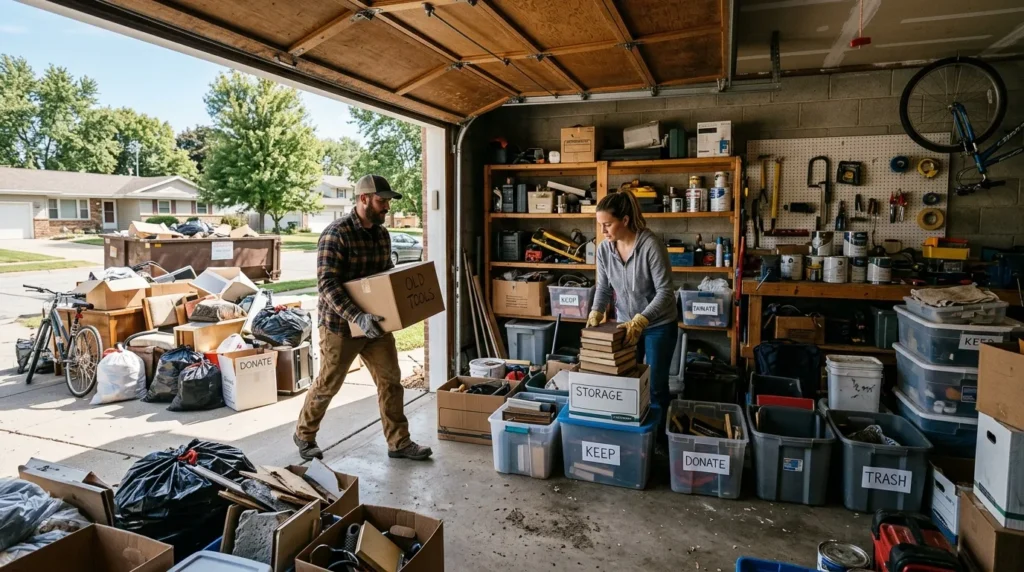
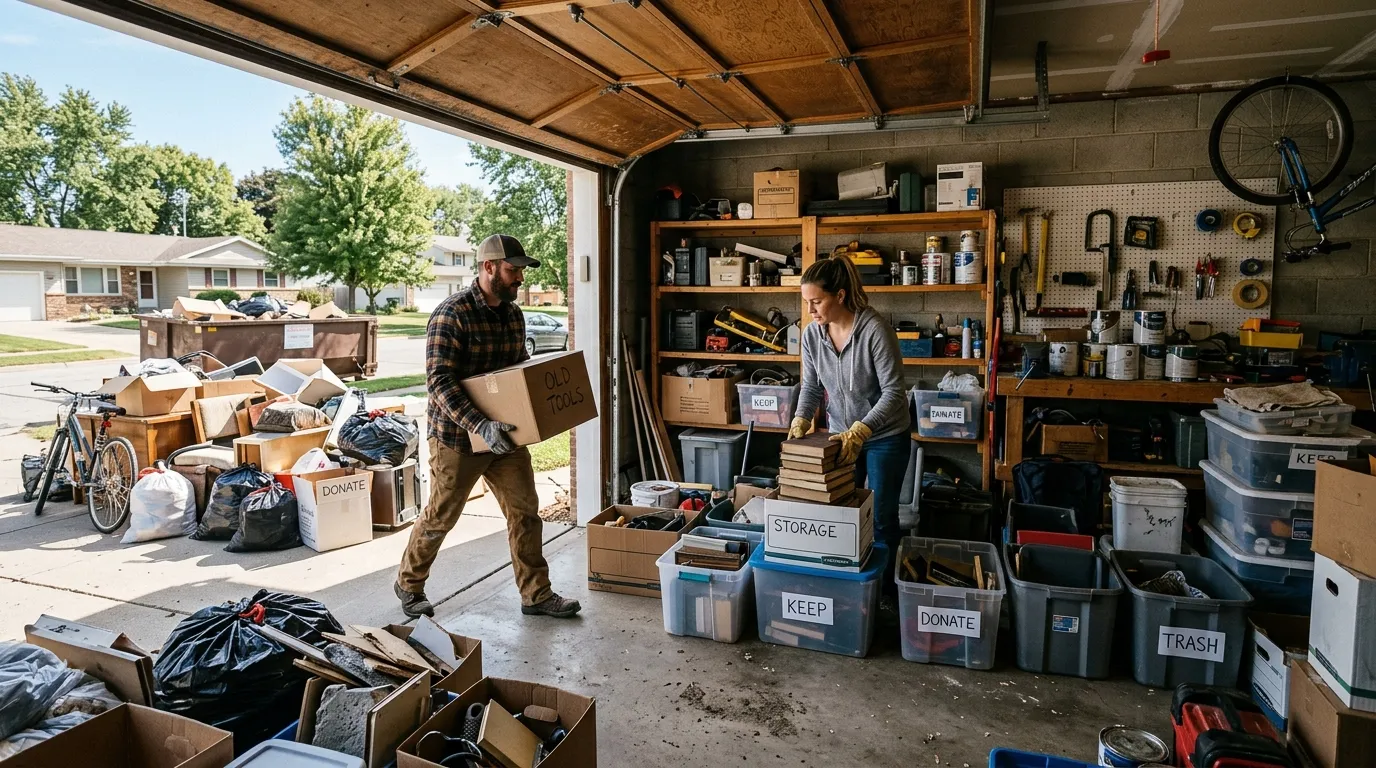
Whether you’re clearing out your garage, renovating a property, or managing industrial waste, recycling your scrap metal is a simple step with long-term benefits.
Instead of throwing metal away, consider giving it a second life. It’s good for your wallet, good for the environment, and good for the future.