A hot tub can provide years of relaxation, but there often comes a time when it becomes more of a burden than a benefit. High maintenance costs, expensive repairs, increased electricity bills, or a lack of use are common reasons homeowners decide to get rid of one. The challenge is that a hot tub is large, heavy, and contains electrical and plumbing components that require proper handling.
Many people are unsure whether they should sell it, donate it, recycle it, or hire a removal company. Choosing the right option depends on the condition of the spa, its age, and how quickly you want it gone. This guide explains every practical solution so you can safely and responsibly deal with an unwanted hot tub.
Assess The Condition Of Your Hot Tub
Before deciding what to do, take time to evaluate the overall condition of the unit. A well-maintained spa with working pumps, jets, heaters, and controls may still have value. Buyers often look for used hot tubs that are functional and easy to transport.
If the hot tub has major structural damage, leaks, or expensive mechanical problems, repairing it may cost more than its actual worth. Older acrylic shells and fiberglass units that no longer operate efficiently are usually better candidates for recycling or disposal. Understanding its condition helps narrow down the most practical option.
Determine Whether Repairs Are Worth It
Minor issues such as replacing filters, fixing a pump, or changing a control panel can sometimes restore a hot tub to good working order. Spending a small amount on repairs may increase its resale value and attract more buyers.
However, if the shell is cracked or multiple components have failed, the costs can quickly become excessive. In many cases, homeowners discover that paying for repairs exceeds what they could recover through a sale. This makes removal or recycling a more sensible choice.
Check The Age And Model
The age of the spa plays an important role in its value. Newer models with energy-efficient systems and modern controls are generally easier to sell. Buyers often search for recognized brands because replacement parts are easier to find.
Older units may have outdated components and higher operating costs. If the manufacturer no longer supports the model, finding replacement equipment can become difficult. Knowing the exact make and year can help determine whether selling or disposing of the unit makes more sense.
Sell Your Hot Tub If It Still Works
Selling a hot tub is one of the best ways to recover some of your original investment. Many buyers are willing to purchase used spas if they are in good condition and priced fairly. A functioning hot tub with clean filters and working jets can attract homeowners looking for affordable alternatives.
Taking clear photos and providing details about dimensions, capacity, and included accessories can increase interest. Being transparent about any repairs or maintenance history also helps build trust with potential buyers and reduces disputes later.
Prepare The Hot Tub For Sale
Cleaning the shell, replacing worn filters, and ensuring all features operate correctly can make the unit more appealing. Buyers are more confident when they see a well-maintained spa that is ready for use.
Providing manuals, covers, and maintenance records can add value. Small improvements often create a better impression and help justify the asking price. A clean and presentable hot tub typically sells faster than one that appears neglected.
Consider Transportation Requirements
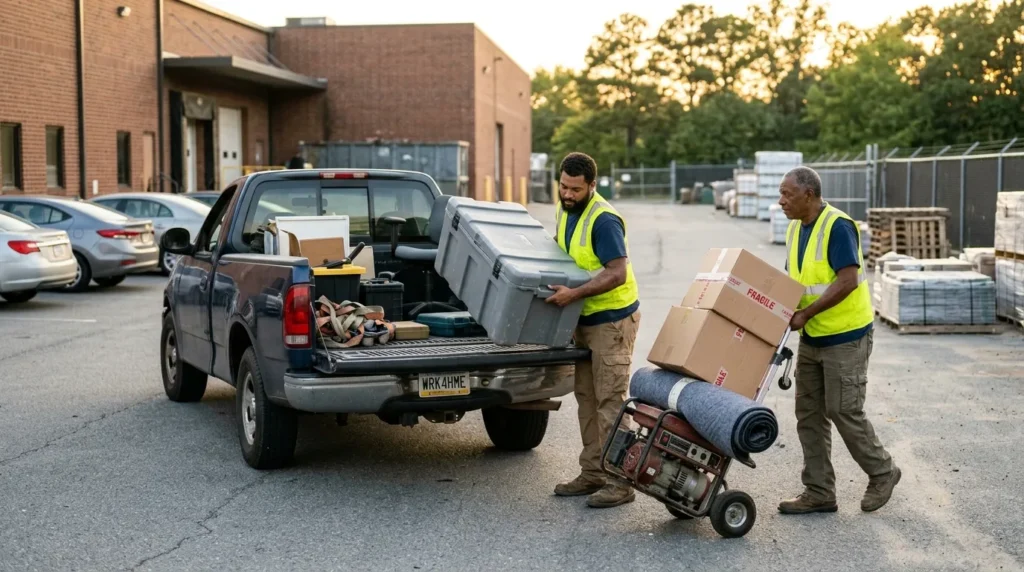
Moving a hot tub is often the biggest challenge for buyers. These units are extremely heavy and may require specialized equipment and professional movers. Explaining whether access to your backyard is simple or restricted can help avoid surprises.
Some sellers include transportation costs in the price, while others leave moving arrangements to the buyer. Discussing these details in advance prevents misunderstandings and ensures a smoother transaction for both parties.
Donate The Hot Tub To Someone Who Can Use It
If making money is not your priority, donating the hot tub can be a worthwhile solution. Community centers, vacation rentals, rehabilitation facilities, or individuals looking for affordable wellness equipment may appreciate receiving a functioning unit.
Giving the spa away also keeps it out of landfills and extends its useful life. In some cases, charitable organizations or recipients may arrange transportation themselves, reducing the burden on the homeowner.
Help Friends Or Family Members
Relatives or close friends may welcome the opportunity to have a hot tub without paying full price. This option often makes the process simpler because trust already exists between both parties.
You can explain maintenance requirements and share tips about water treatment, filters, and regular servicing. Helping someone you know enjoy the spa can make the transition more rewarding than simply throwing it away.
Offer It For Free Online
Many people search for free items that can be repaired or reused. Listing the hot tub at no cost often attracts quick responses from individuals willing to remove it themselves.
Providing accurate information about dimensions, weight, and condition helps interested people decide whether they can handle transportation. Free listings are particularly useful when speed is more important than profit.
Recycle The Components Responsibly
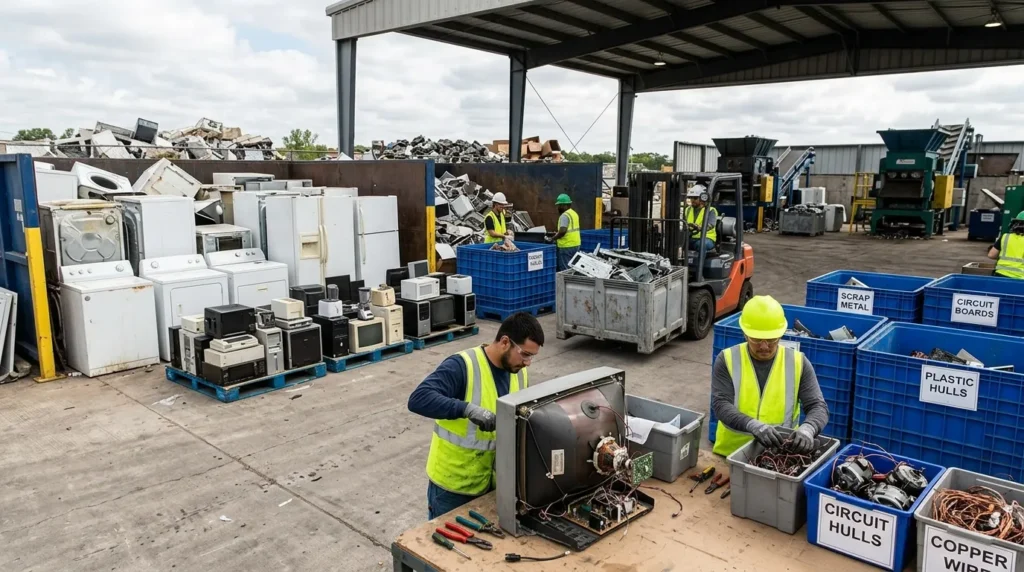
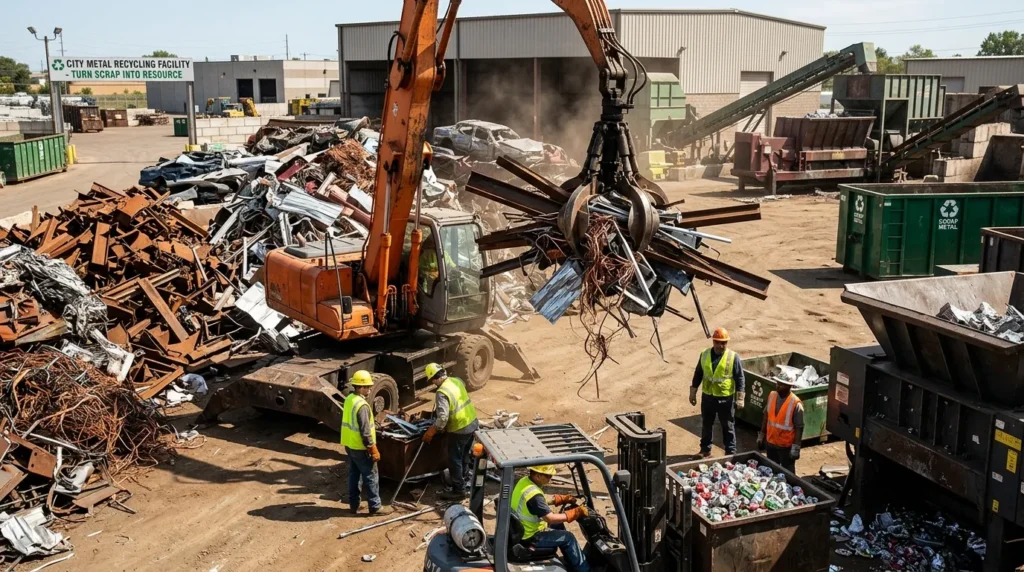
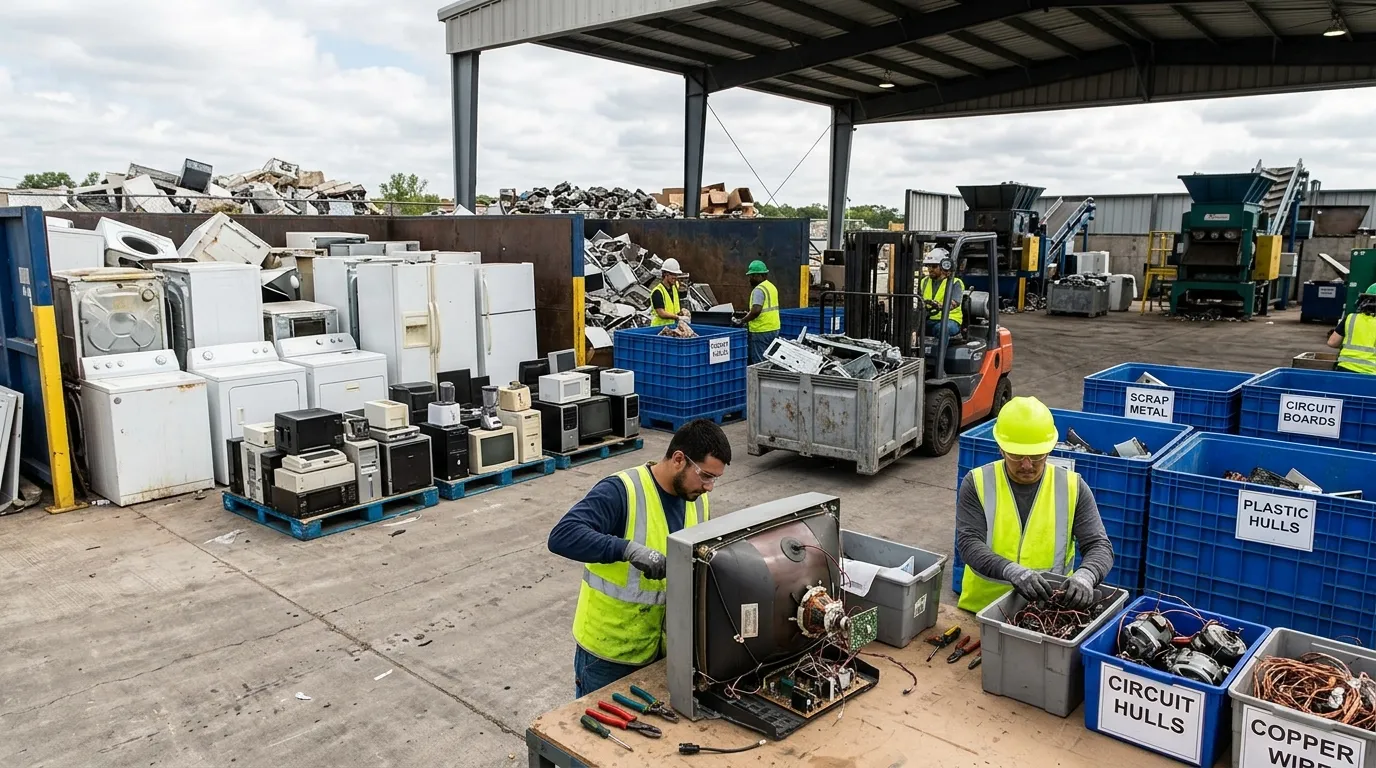
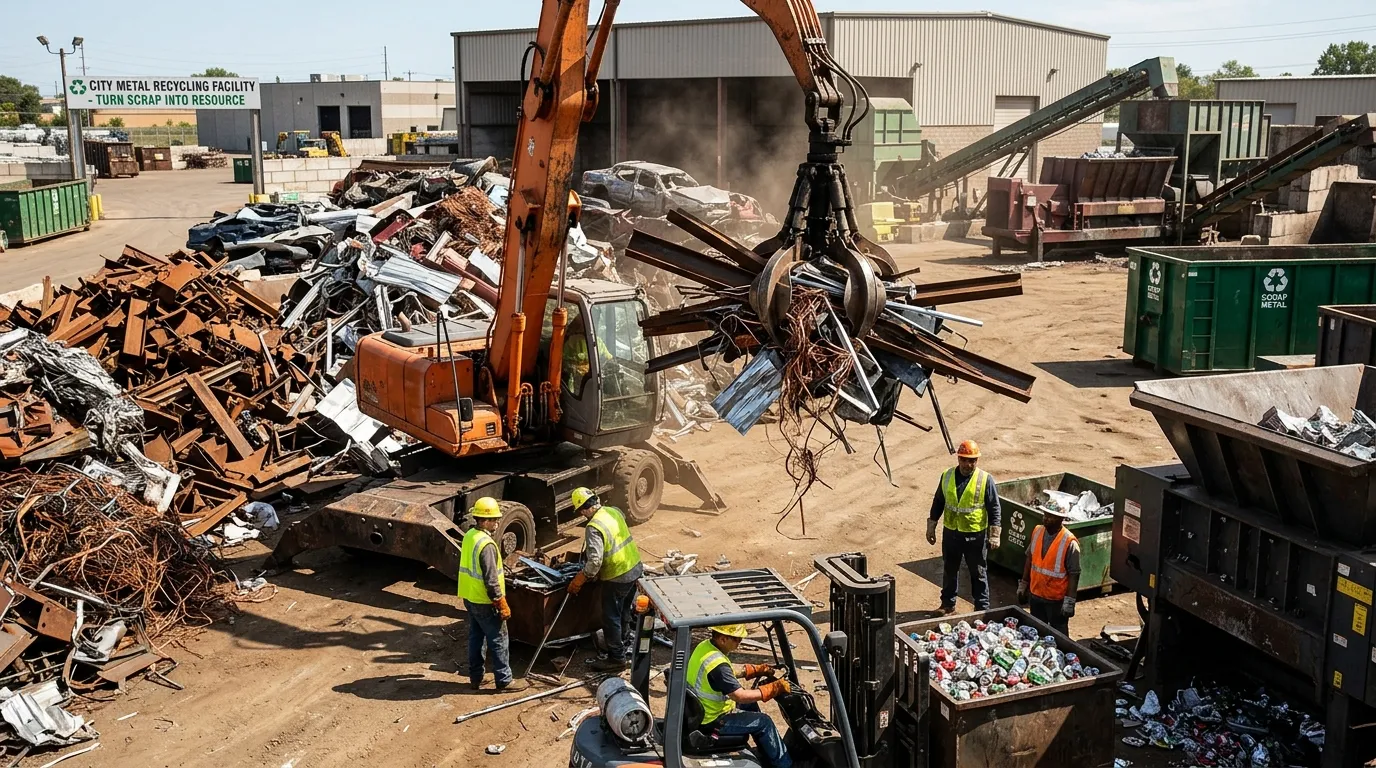
Recycling is one of the most environmentally friendly ways to deal with an unwanted hot tub. Various materials inside the unit, including metal, copper wiring, plastic, and electronic components, may be recyclable. Separating these materials helps reduce waste and supports sustainable disposal practices.
Many recycling facilities accept pumps, motors, circuit boards, and metal frames. Proper recycling prevents useful materials from ending up in landfills and minimizes the environmental impact associated with disposal.
Understand What Materials Can Be Recycled
Hot tubs contain several materials that can be processed and reused. Copper, aluminum, stainless steel, and certain plastics often have recycling value and may be accepted by local facilities.
The shell itself may be more difficult to recycle because of its composite construction. Even so, separating reusable components from non-recyclable parts can significantly reduce the amount of waste generated during disposal.
Work With Recycling Centers
Contacting nearby recycling centers can help you understand which materials they accept. Some facilities require components to be dismantled before delivery, while others provide collection services.
Professional recyclers know how to handle electrical components and hazardous materials safely. Working with experienced facilities ensures the hot tub is disposed of responsibly while complying with local waste management regulations.
Hire A Professional Hot Tub Removal Service
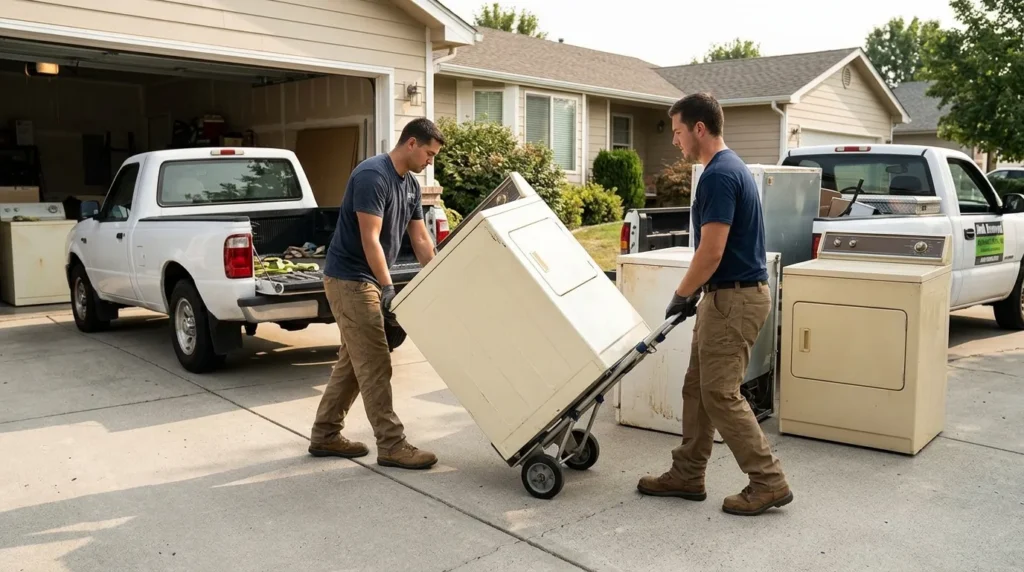
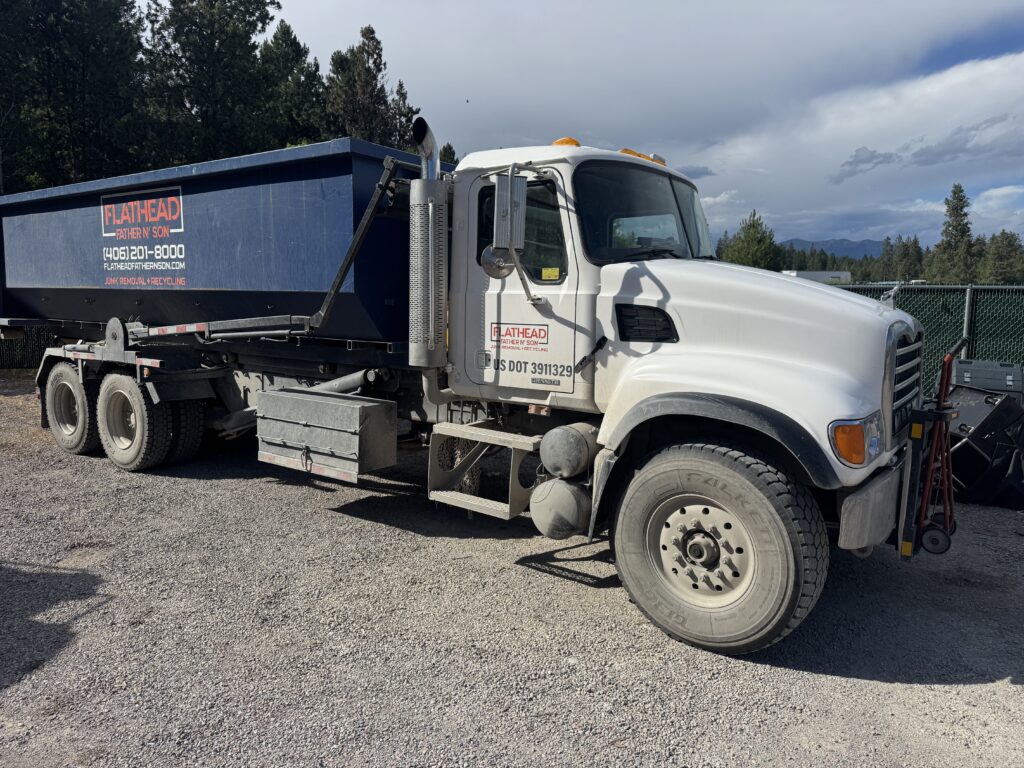
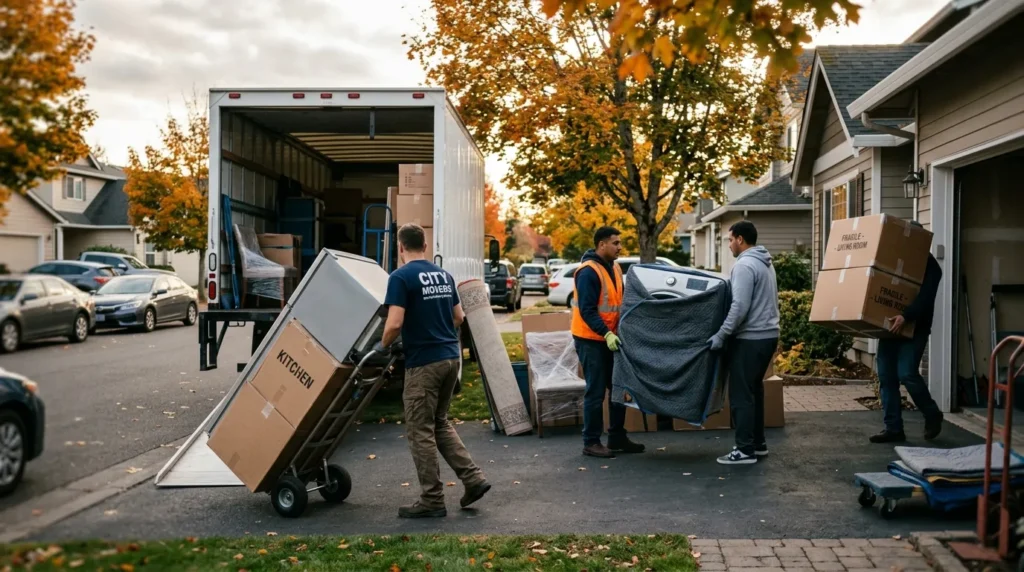
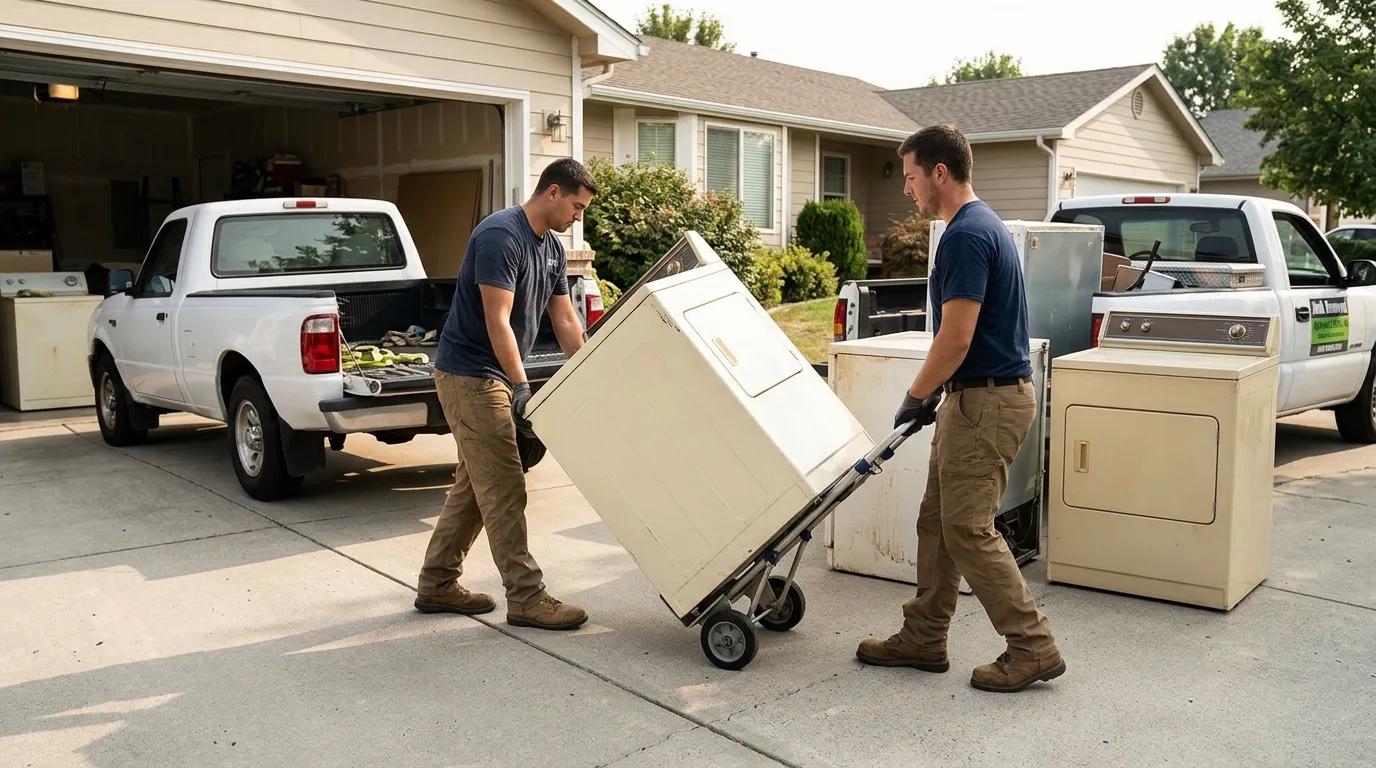
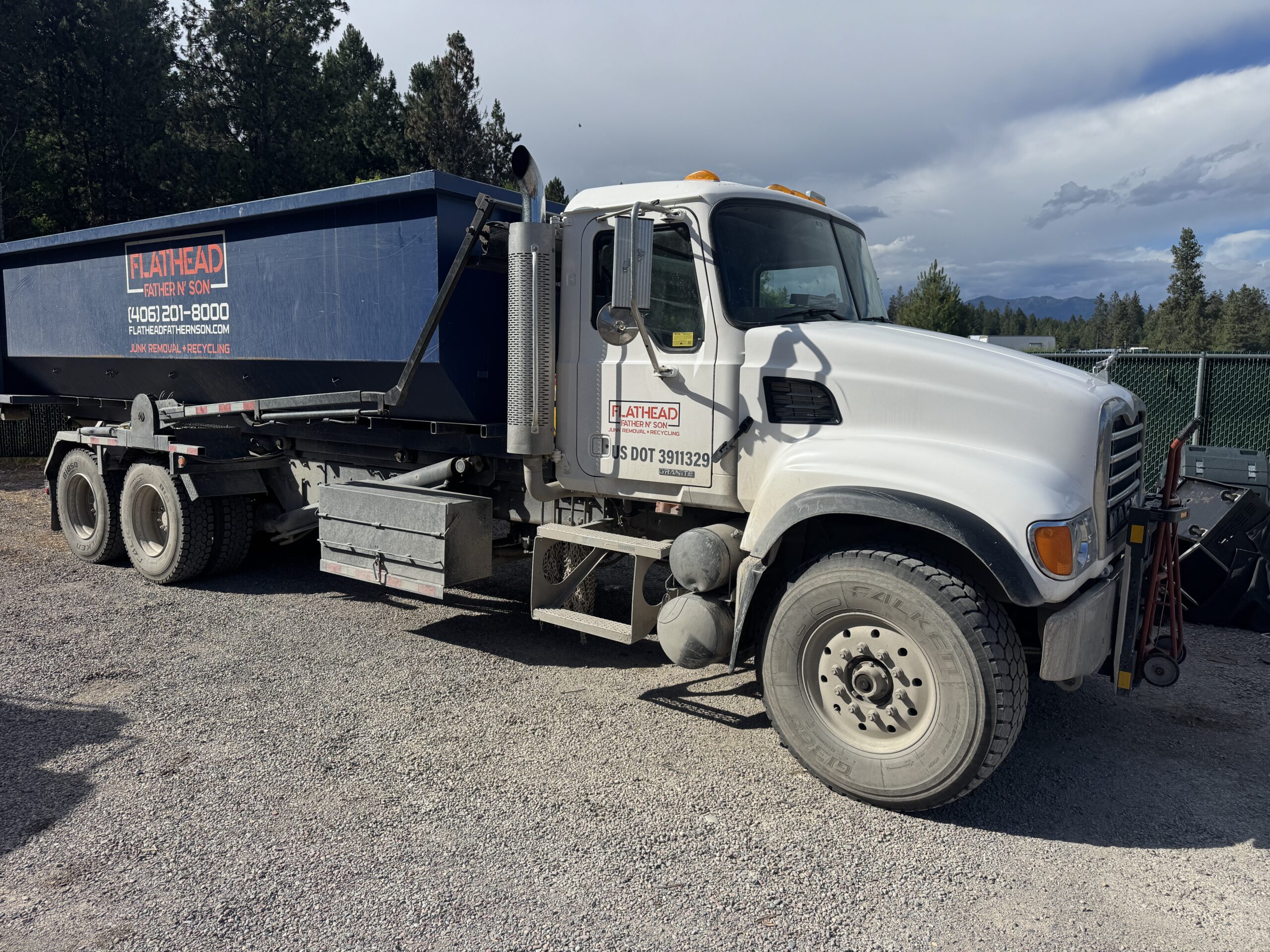
Professional removal companies provide one of the easiest solutions for homeowners who want a hassle-free experience. These specialists have the tools and expertise needed to disconnect, dismantle, and transport heavy spas safely.
Hiring professionals eliminates the physical effort and reduces the risk of damaging your property. It is especially helpful when the hot tub is located in difficult areas such as decks, patios, or enclosed backyards.
Benefits Of Professional Removal
Experienced crews understand how to disconnect electrical systems and safely cut large units into smaller sections if necessary. This makes removal faster and more efficient than attempting the job without proper equipment.
Professional services also help avoid injuries that may result from lifting or moving heavy materials. Their knowledge ensures the process is completed with minimal disruption to your home and surrounding landscape.
Compare Costs Before Hiring
Removal costs vary depending on the size of the spa, accessibility, and disposal requirements. Requesting quotes from several companies allows you to compare services and pricing before making a decision.
Some providers include recycling and cleanup in their fees, while others charge separately. Reviewing what is included helps homeowners avoid unexpected expenses and choose the service that offers the best value.
Consider Repurposing The Hot Tub
Creative homeowners sometimes transform old hot tubs into something completely different. Repurposing can extend the life of the structure and prevent unnecessary waste. Depending on its condition, the shell may be suitable for several outdoor projects that add function and character to your property.
Instead of paying for disposal right away, many people choose to reuse the spa in creative ways. This approach reduces landfill waste and gives an old hot tub a second purpose while saving money on new materials.
Turn It Into A Raised Garden Bed
An unused hot tub can become a large raised planter for flowers, herbs, vegetables, or decorative plants. The deep shell provides plenty of room for soil and allows roots to develop properly. With some drainage holes and landscaping around the edges, it can blend naturally into the backyard.
Many homeowners appreciate this option because it requires little effort and keeps a bulky item out of the waste stream. A repurposed garden bed can become an attractive focal point while making productive use of the available space.
Create A Backyard Pond Or Water Feature
Another popular option is converting the shell into a pond. After removing unnecessary components, the tub can hold water for aquatic plants and ornamental fish. Adding rocks, fountains, and surrounding greenery can create a peaceful outdoor setting.
A pond conversion gives new life to an unwanted spa and adds visual appeal to the landscape. It is an excellent choice for homeowners who enjoy gardening and want to create a relaxing environment without investing in a completely new water feature.
Prepare Your Hot Tub Before Removal
Regardless of whether you plan to sell, donate, recycle, or hire a removal company, preparing the hot tub properly makes the process easier. Start by draining all water from the spa and disconnecting the electrical supply. Safety should always come first when dealing with electrical components and plumbing connections.
Cleaning the shell and removing accessories such as covers, steps, and filters can simplify transportation. Proper preparation reduces the risk of damage during removal and helps ensure that the next owner or disposal service can handle the unit safely.
Disconnect Utilities Safely
Hot tubs are connected to electrical systems that require careful handling. If you are unfamiliar with electrical work, hiring a licensed electrician is often the safest option. Proper disconnection prevents accidents and ensures compliance with local safety requirements.
Water lines and drainage systems should also be disconnected carefully. Taking the time to prepare the unit correctly avoids unnecessary complications and protects your property during the removal process.
Remove Accessories And Loose Components
Items such as spa covers, handrails, filters, and steps should be removed before moving the hot tub. Separating these components makes transportation easier and reduces the overall weight of the unit.
Some accessories may still have resale value or can be reused with another spa. Organizing these items before removal helps streamline the process and prevents useful parts from being discarded unnecessarily.
Avoid Illegal Dumping And Unsafe Disposal
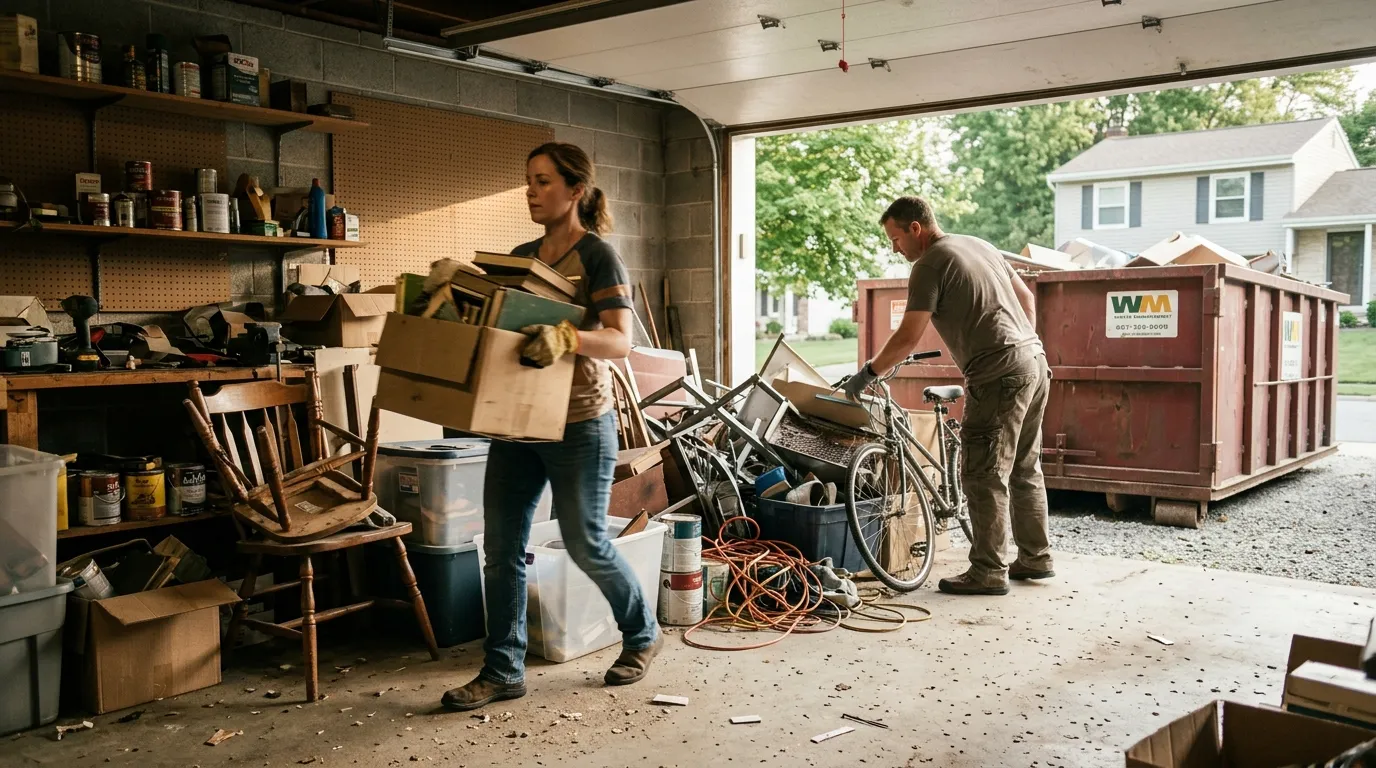
Some homeowners are tempted to leave unwanted hot tubs on vacant lots or dispose of them improperly. This approach can result in fines, environmental damage, and safety hazards. Hot tubs contain electrical components, plastics, and metals that should be handled responsibly.
Following approved disposal methods protects the environment and ensures compliance with local waste management regulations. Responsible disposal also helps conserve valuable materials that can be recycled and reused.
Understand Local Waste Regulations
Different municipalities have specific rules regarding large-item disposal. Some areas offer bulk pickup services, while others require residents to transport oversized items to designated facilities. Checking local regulations can prevent unexpected penalties.
Knowing the proper procedures before beginning the removal process saves time and helps ensure that the hot tub is disposed of legally. Many waste management authorities provide guidance on accepted disposal methods and recycling options.
Choose Environmentally Responsible Options
Recycling, donation, and professional removal services are generally better alternatives than sending an entire spa to the landfill. These methods reduce waste and allow reusable materials to remain in circulation.
Choosing environmentally responsible solutions supports sustainability and minimizes the impact on local ecosystems. Even older hot tubs often contain components that can be reused or recycled instead of discarded.
Conclusion
Getting rid of a hot tub you no longer want does not have to be difficult. Whether you decide to sell it, donate it, recycle the components, repurpose the shell, or hire a professional removal company, there are several practical solutions available. The right choice depends on the condition of the spa, your budget, and how quickly you need it removed.
Taking the time to evaluate your options can help you recover some value, reduce environmental impact, and avoid unnecessary stress. By handling the process responsibly, you can free up space, improve your property, and ensure that your unwanted hot tub is dealt with in the safest and most efficient way possible.