Many everyday products we use at home can become dangerous once we are finished with them. Old paint cans, batteries, pesticides, cleaning chemicals, and motor oil may seem harmless, but throwing them into the regular trash can cause serious problems.
Improper disposal can pollute water, damage soil, harm wildlife, and create risks for people and pets. That is why knowing how to dispose of hazardous household waste the right way is important for every Montana homeowner.
Here is what you need to know.
What Is Hazardous Household Waste?
Hazardous household waste refers to products that contain chemicals or materials that can be harmful to people or the environment.
Common examples include:
- Oil-based paint
- Paint thinners
- Motor oil
- Antifreeze
- Pesticides and herbicides
- Fertilizers
- Pool chemicals
- Batteries
- Drain cleaners
- Bleach
- Aerosol cans
- Mercury thermometers
- Fluorescent light bulbs
- Fuel and gasoline
- Solvents
These items should never be treated like regular household garbage.
Why Proper Disposal Matters
Many hazardous products contain chemicals that can leak into groundwater and rivers if they are thrown away carelessly.
Improper disposal may lead to:
- Water contamination
- Soil pollution
- Harm to wildlife
- Fire hazards
- Dangerous fumes
- Risks to sanitation workers
- Long-term environmental damage
Montana’s natural beauty is one of its greatest treasures, and proper waste disposal helps keep it that way.
Never Pour Chemicals Down the Drain
One of the biggest mistakes people make is pouring leftover chemicals into sinks, toilets, or storm drains.
Never pour these materials down the drain:
- Paint
- Oil
- Gasoline
- Pesticides
- Solvents
- Antifreeze
These substances can contaminate water systems and damage the environment.
Do Not Throw Hazardous Waste in Regular Trash
Regular garbage collection is not meant for hazardous materials.
Avoid placing these items in your household trash:
- Car batteries
- Oil-based paints
- Chemicals
- Mercury products
- Fuels
- Pesticides
Some materials can react with other waste, causing fires or releasing harmful gases.
Store Hazardous Materials Safely Until Disposal
If you are not able to dispose of the products right away, store them carefully.
Follow these tips:
- Keep products in their original containers.
- Make sure labels remain readable.
- Store them in a cool, dry place.
- Keep them away from children and pets.
- Never mix different chemicals together.
Proper storage helps prevent accidents and spills.
Recycle What You Can
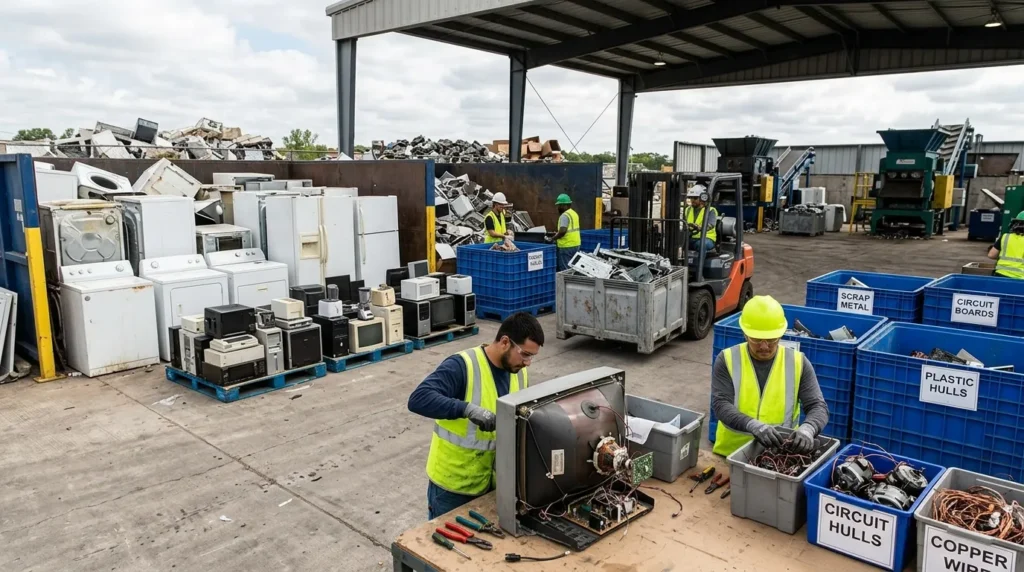
Many hazardous products can actually be recycled.
Batteries
Rechargeable batteries and vehicle batteries should be taken to recycling centers or retailers that accept them.
Used Motor Oil
Many automotive shops and collection facilities accept used oil for recycling.
Electronics
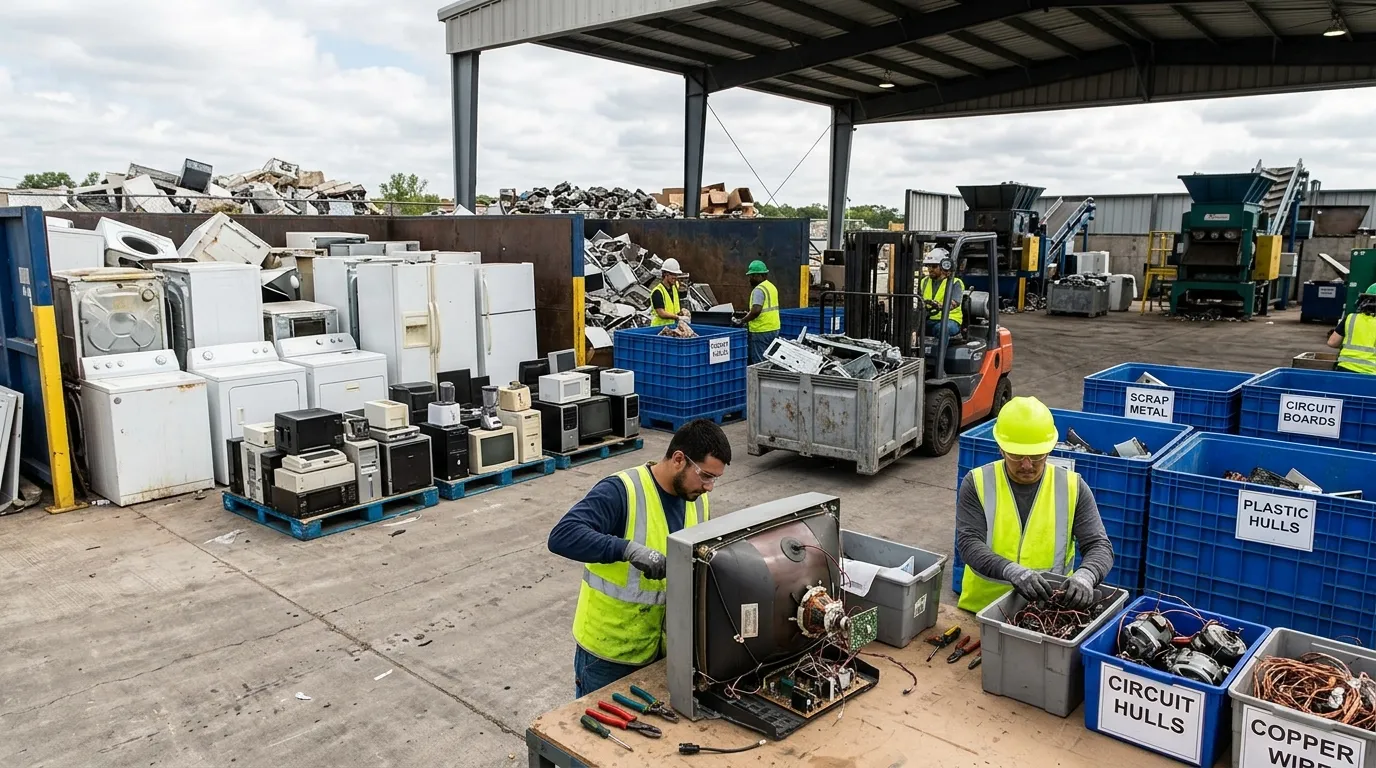
Old televisions, computers, and phones often contain materials that should not end up in landfills.
Fluorescent Bulbs
These contain small amounts of mercury and require special handling.
Recycling helps reduce waste and keeps harmful materials out of Montana landfills.
Take Advantage of Household Hazardous Waste Collection Programs
Many communities across Montana offer special collection programs for hazardous household waste.
These programs accept materials such as:
- Motor oil
- Antifreeze
- Oil-based paints
- Solvents
- Batteries
- Fertilizers
- Pool chemicals
- Bleach
- Aerosol cans
- Mercury-containing products
These collection sites and events are created to safely handle and dispose of hazardous materials.
Reduce Waste Before It Starts
The easiest way to deal with hazardous waste is to create less of it.
Here are a few simple ideas:
Buy Only What You Need
Avoid buying more paint, chemicals, or pesticides than you will actually use.
Choose Safer Products
Look for environmentally friendly cleaners and products whenever possible.
Use Up Products Completely
Finish products according to their instructions before buying replacements.
Share Leftover Supplies
Neighbors, friends, and community groups may be able to use unopened materials.
Reducing waste saves money and helps protect the environment.
Common Mistakes to Avoid
Many people unknowingly make these mistakes:
Burning Chemicals
Burning paint, solvents, or treated wood can release dangerous fumes.
Mixing Chemicals Together
Different chemicals can react and become dangerous.
Dumping Waste Outdoors
Pouring chemicals onto the ground or into ditches can contaminate soil and water.
Throwing Batteries Into Household Trash
Batteries contain materials that should be recycled properly.
Leaving Containers Open
Open containers may leak or release harmful vapors.
Avoiding these mistakes helps keep your family and community safe.
What About Large Quantities of Hazardous Waste?
If you have large amounts of chemicals, fuel, or other hazardous materials, contact your local waste management office or approved disposal facility for guidance.
The Montana Department of Environmental Quality provides information about hazardous waste regulations and disposal resources.
Protecting Montana’s Environment Starts at Home
Every small action makes a difference. Properly disposing of hazardous household waste helps protect Montana’s rivers, lakes, forests, and wildlife for future generations.
By recycling what you can, using local collection programs, and avoiding improper disposal methods, you can safely manage hazardous materials and do your part to keep Montana clean.
Final Thoughts
Hazardous household waste may be common, but it should never be treated like ordinary trash. Products such as paint, batteries, chemicals, and motor oil require proper handling and disposal.
Taking a few extra steps today can prevent pollution, protect your family, and preserve the beauty of Montana. Whether you are cleaning out your garage, finishing a home project, or getting rid of old supplies, disposing of hazardous waste the right way is one of the simplest ways to help your community and the environment.
Also Read: What To Expect When Hiring a Junk Removal Company in Whitefish?