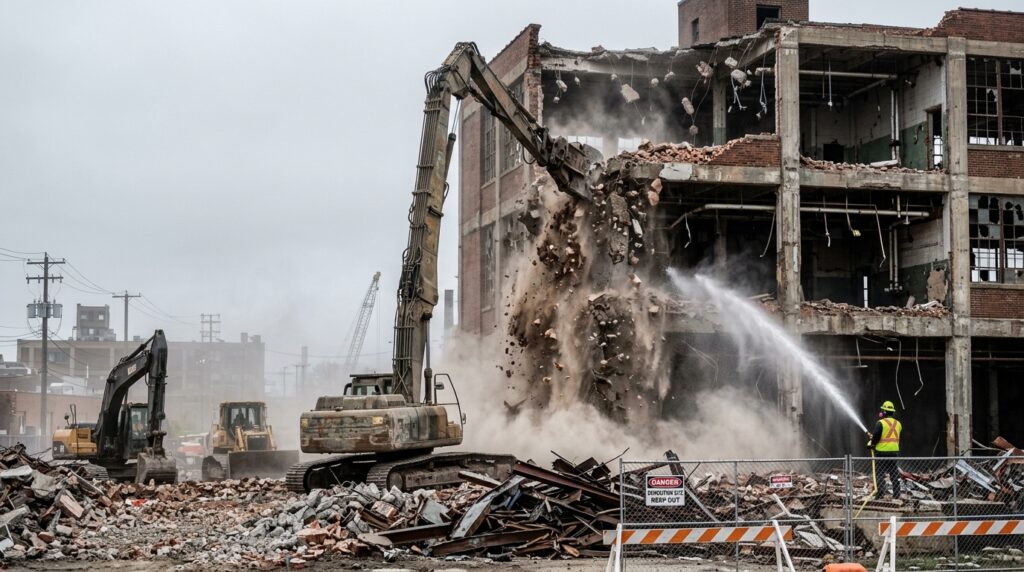
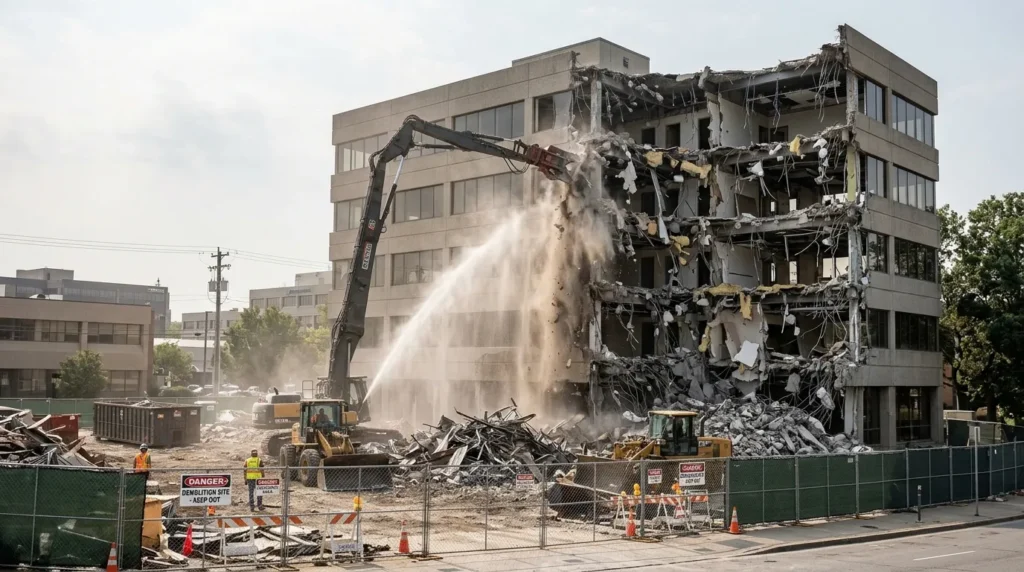
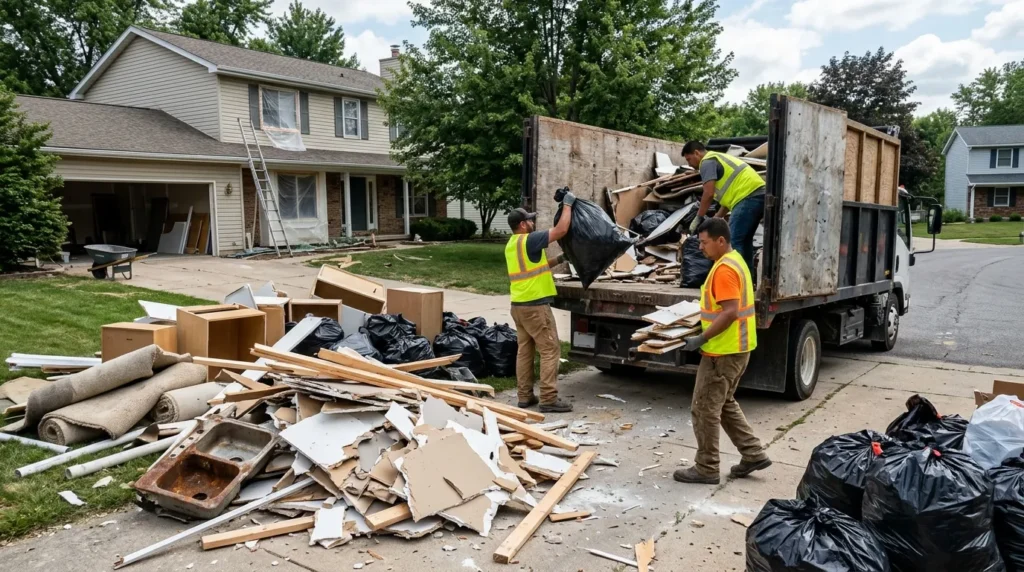
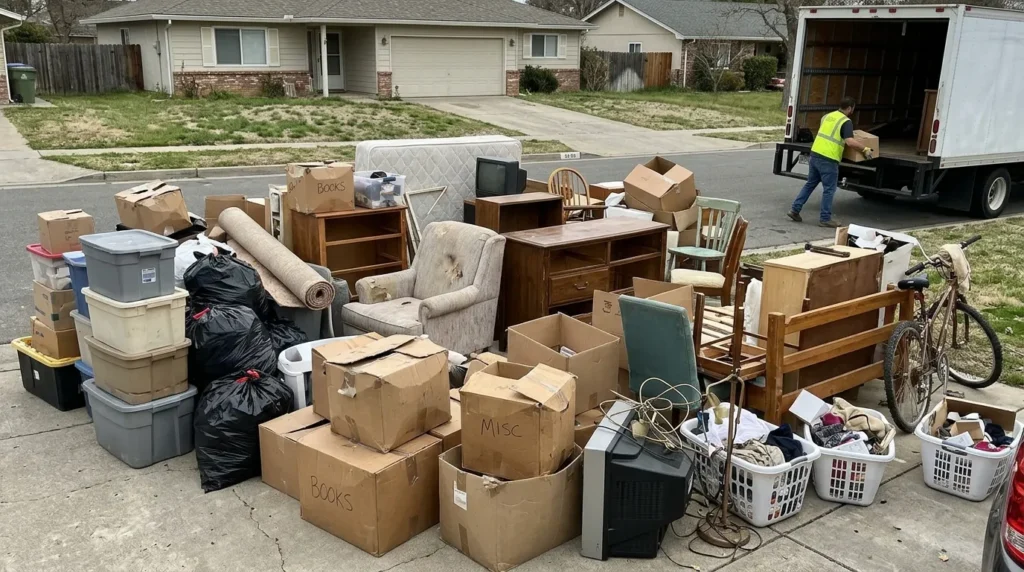
Demolition is often the first step in a home renovation, building replacement, or property improvement project. Whether you are removing an interior wall, taking down an old garage, clearing a damaged building, or preparing land for new construction, demolition requires proper planning and care. Many property owners focus on removing unwanted structures but overlook the safety rules, legal requirements, and other details involved in the process.
Small mistakes during demolition can lead to injuries, property damage, extra costs, and project delays. Some problems may also affect nearby buildings or create risks for workers and people living in the area. Knowing what to avoid can help you plan the work properly and prevent unnecessary trouble. Here are some common demolition mistakes property owners should avoid.
1. Starting Demolition Without Proper Planning
One of the most common mistakes is starting demolition without a clear plan. Some property owners begin removing walls, floors, cabinets, or other structures without checking what needs to be done first. This can create confusion, damage important parts of the property, and lead to unexpected problems during the project.
Before starting, make a clear plan that covers the work area, materials to be removed, required equipment, waste removal, and project timeline. Decide which parts of the property need to remain untouched and which structures will be removed. Proper planning helps workers complete the job in an organised way and reduces the risk of delays.
2. Ignoring Building Permits and Local Regulations
Demolition work may require permits or approval from local authorities. The rules depend on the location, type of building, and size of the project. Some property owners start demolition without checking these requirements, which can result in fines, work stoppages, or other legal problems.
Before starting any work, contact your local building authority to find out which permits and approvals are needed. You should also check the rules for construction waste, noise, working hours, and environmental protection. If you hire a demolition company, ask whether it will help arrange the required permits or whether you need to handle them yourself.
3. Failing to Check for Hazardous Materials
Older buildings may contain hazardous materials such as asbestos, lead-based paint, and certain types of insulation. These materials can release harmful particles when damaged or disturbed during demolition. Property owners who ignore this risk may expose themselves, workers, and nearby residents to serious health problems.
Before demolition begins, arrange a suitable inspection to check for hazardous materials, especially in older properties. If dangerous materials are found, their removal should be handled by qualified specialists using approved safety procedures. Do not try to remove asbestos or other hazardous materials yourself without the required training and equipment.
4. Removing Load-Bearing Walls Without Professional Advice
Some walls support the weight of the building, while others are mainly used to divide rooms. Removing a load-bearing wall without proper advice can weaken the structure and may cause serious damage. In severe cases, it can lead to parts of the building becoming unstable or collapsing.
Before removing any wall, ask a qualified structural engineer or building professional to check its purpose. If the wall is load-bearing, a suitable support system or replacement beam may be needed before removal. Never assume that a wall is safe to remove simply because it looks similar to other interior walls.
5. Forgetting to Disconnect Utilities
Buildings often contain electricity, gas, water, heating, and drainage systems. Starting demolition without checking these services can create serious safety risks. Damaging a live electrical cable may cause electric shock or fire, while breaking a gas pipe can lead to leaks and explosions.
Before demolition begins, arrange for the relevant utility services to be safely disconnected or isolated by qualified professionals. Check that electrical wiring, gas lines, and water pipes are no longer active in the work area. Also, mark any remaining pipes and cables so workers know where they are located.
6. Using the Wrong Tools and Equipment
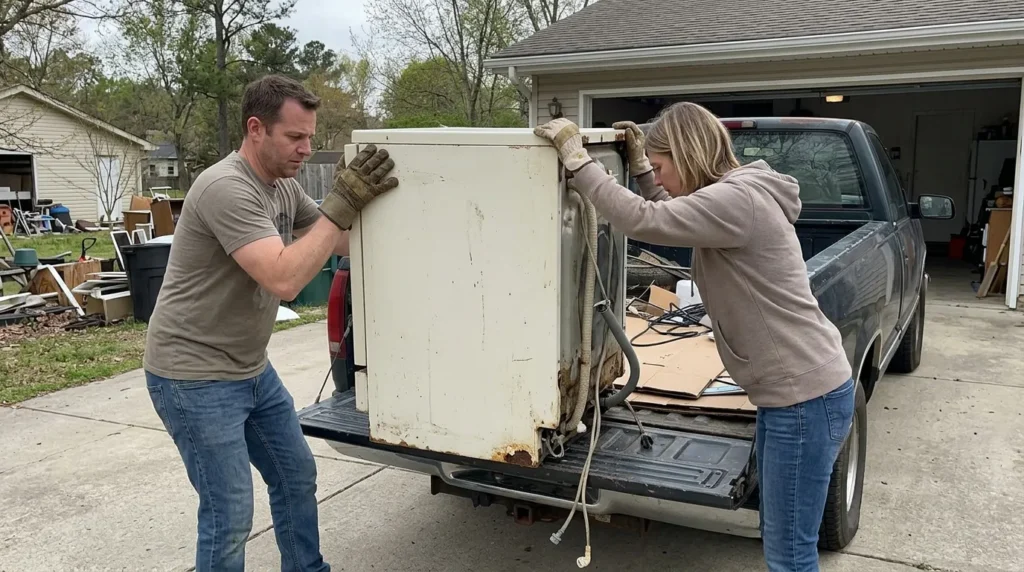
Different demolition jobs require different tools and machines. Using basic household tools for heavy construction work can make the task harder and increase the risk of accidents. For example, removing concrete, cutting metal, or breaking thick walls may require specialised equipment that ordinary tools cannot handle safely.
Choose equipment based on the size and type of demolition work. Professional demolition companies have access to suitable tools such as concrete breakers, cutting machines, excavators, and loaders. They also have trained workers who know how to operate this equipment. Using the right tools can help complete the job with better control and fewer delays.
7. Underestimating the Cost of Demolition
Many property owners focus only on the cost of removing a structure and forget about other expenses. Demolition costs may include labour, equipment rental, permits, inspections, waste collection, transport, and hazardous material removal. Unexpected problems can also increase the final bill.
Before starting the project, ask for a detailed cost estimate that covers all major expenses. Get quotes from different demolition companies and compare the services included in each offer. Keep some money aside for unexpected costs, as hidden structural problems or additional waste may require extra work.
8. Poor Waste Management and Disposal
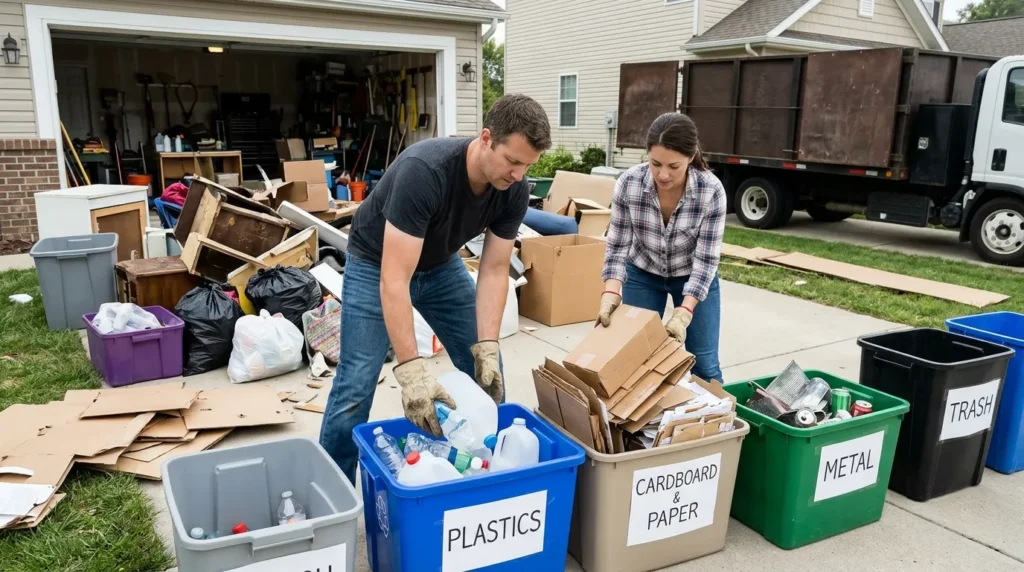
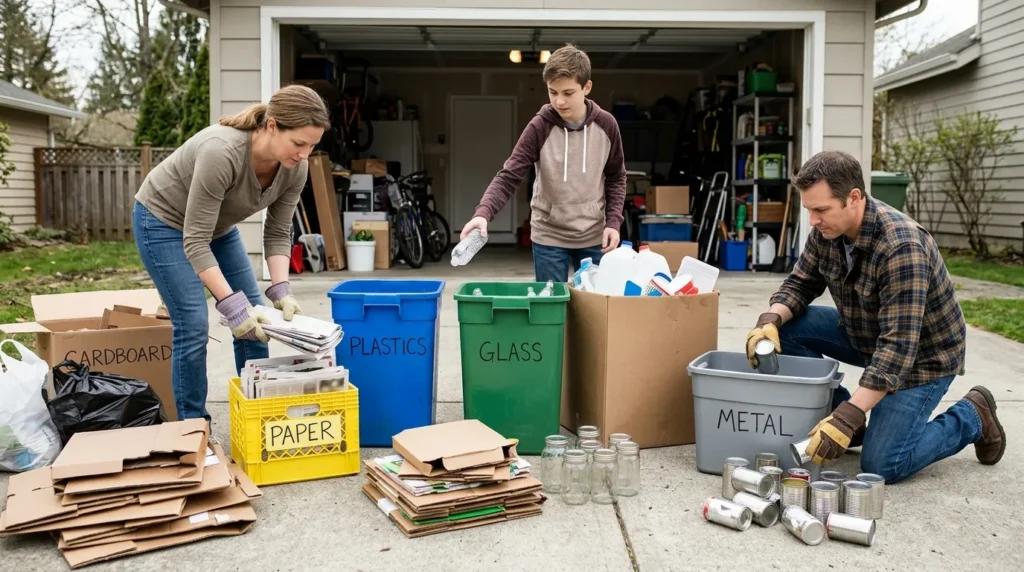
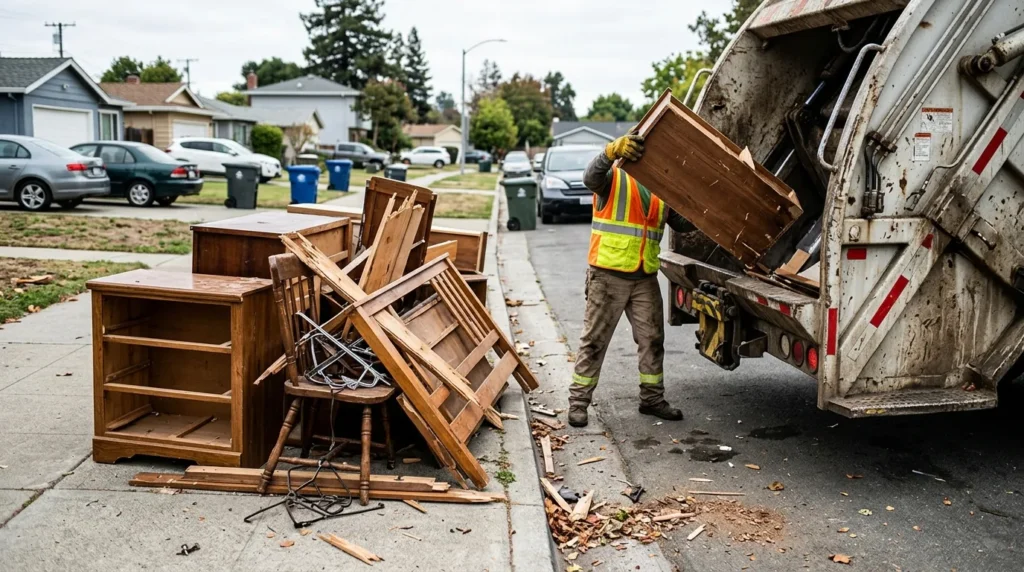
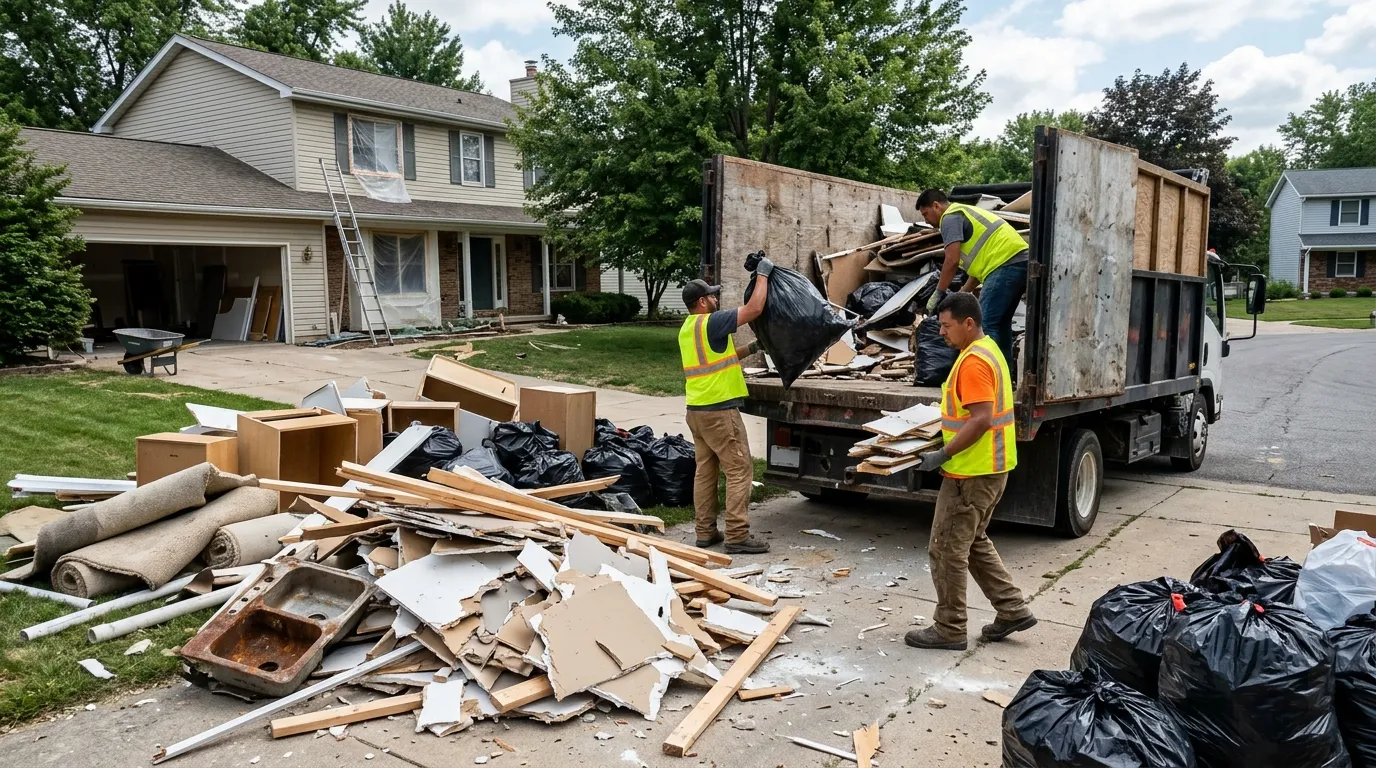
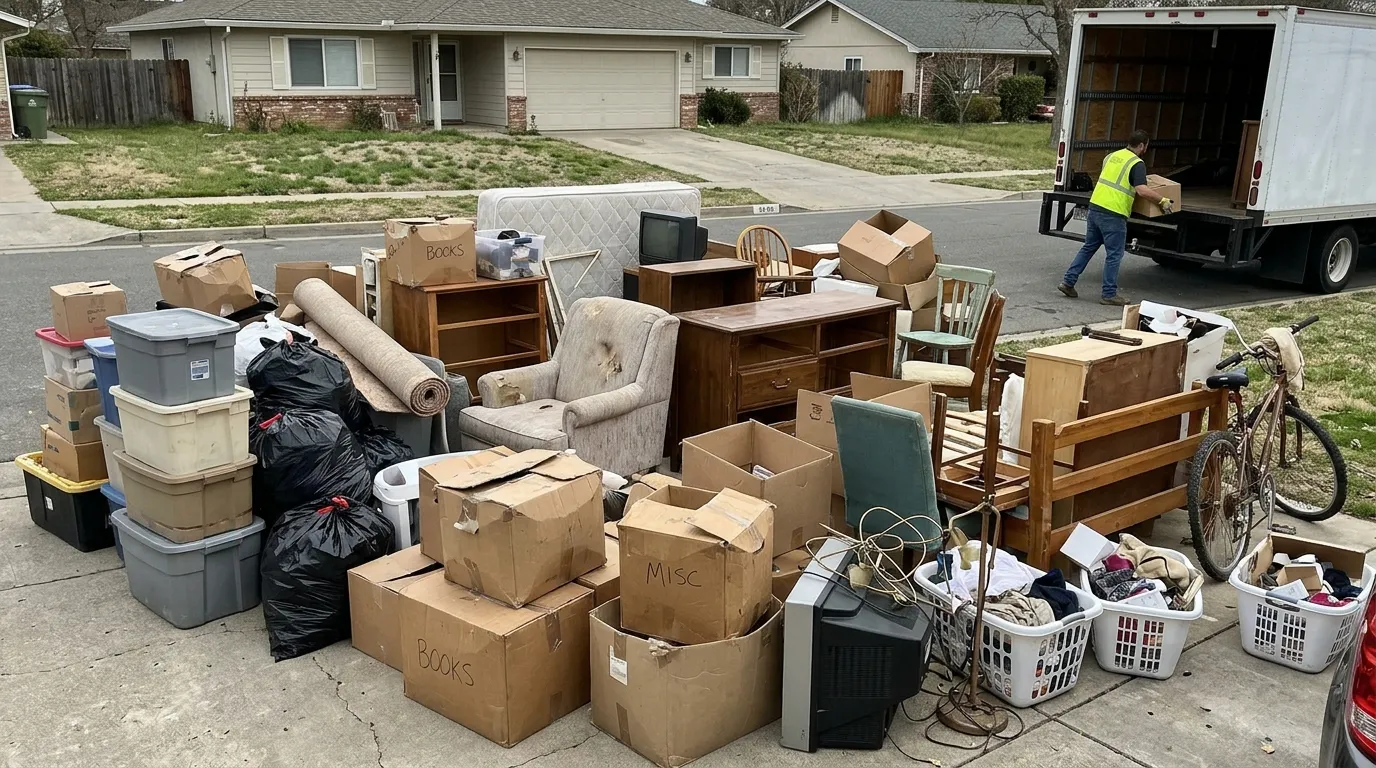
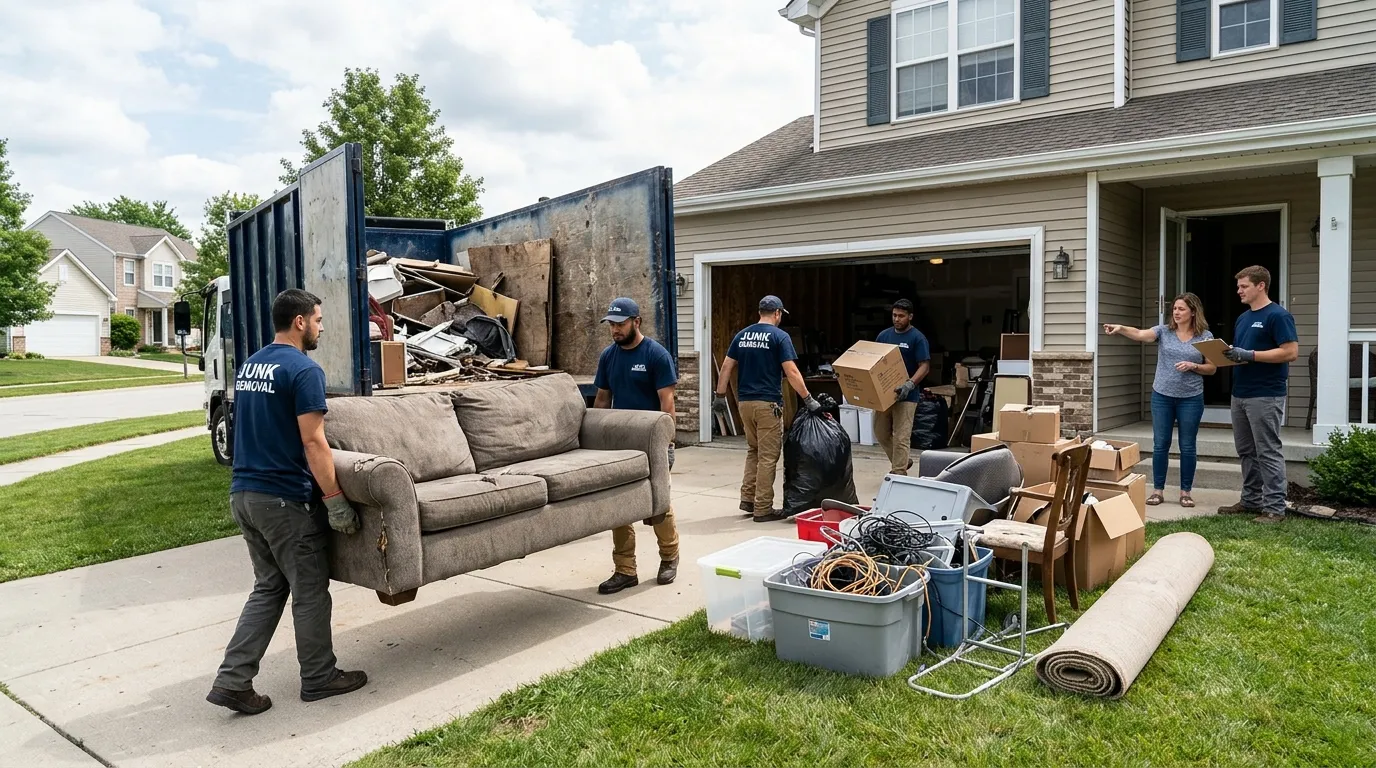
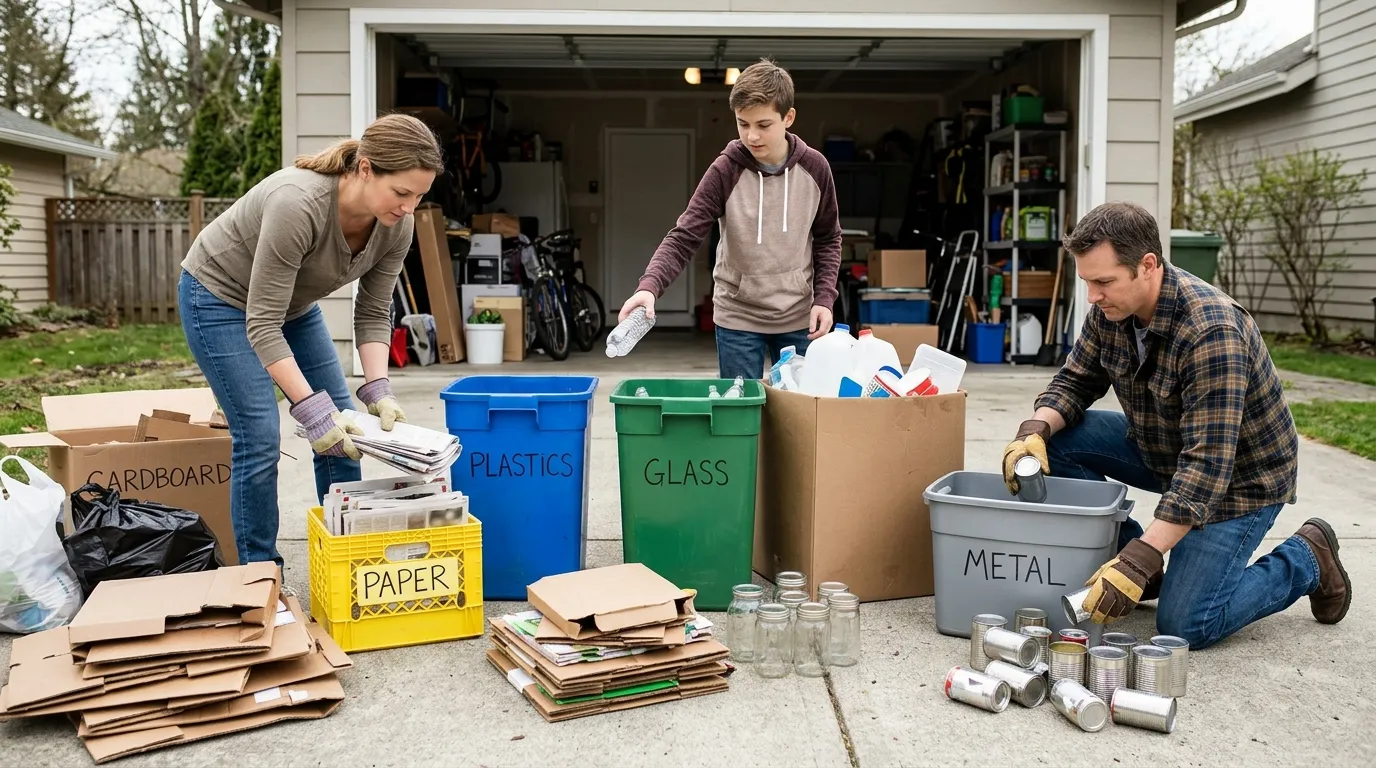
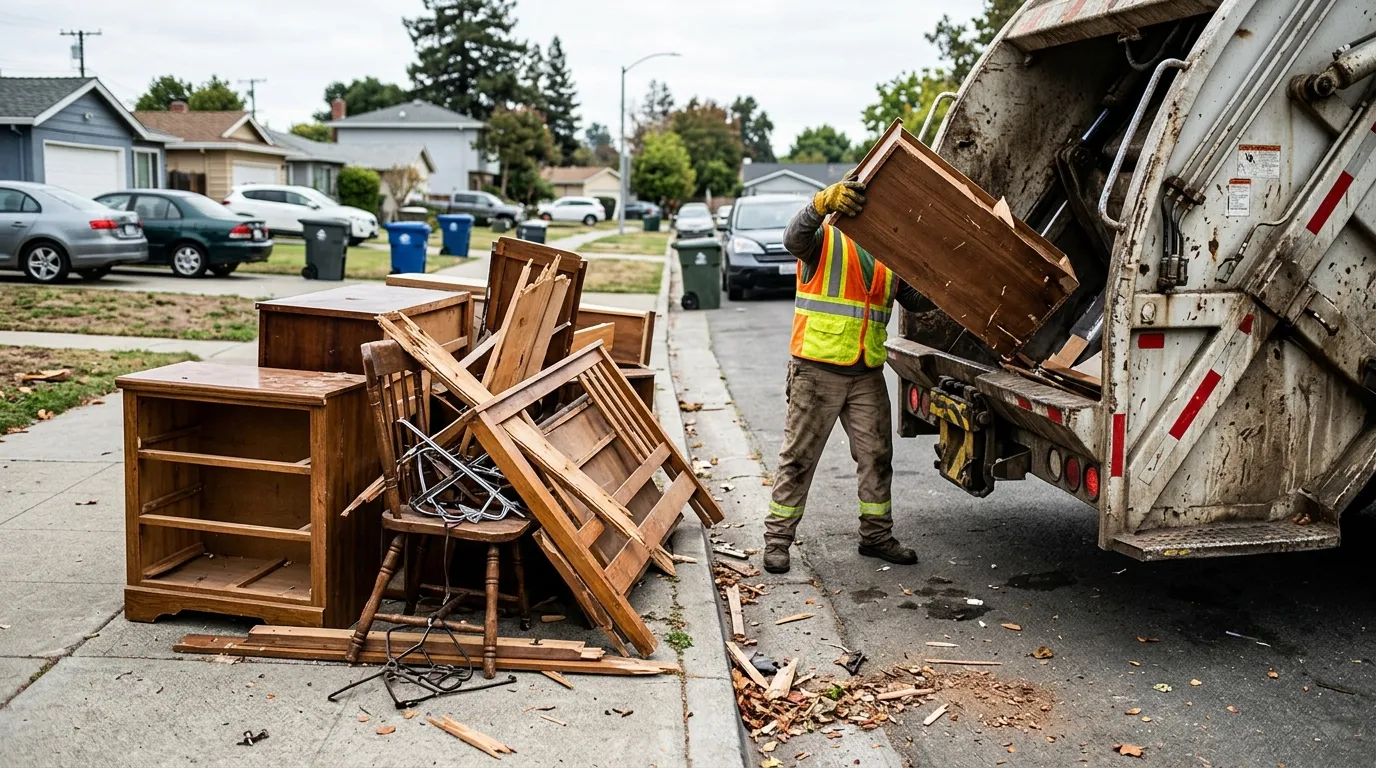
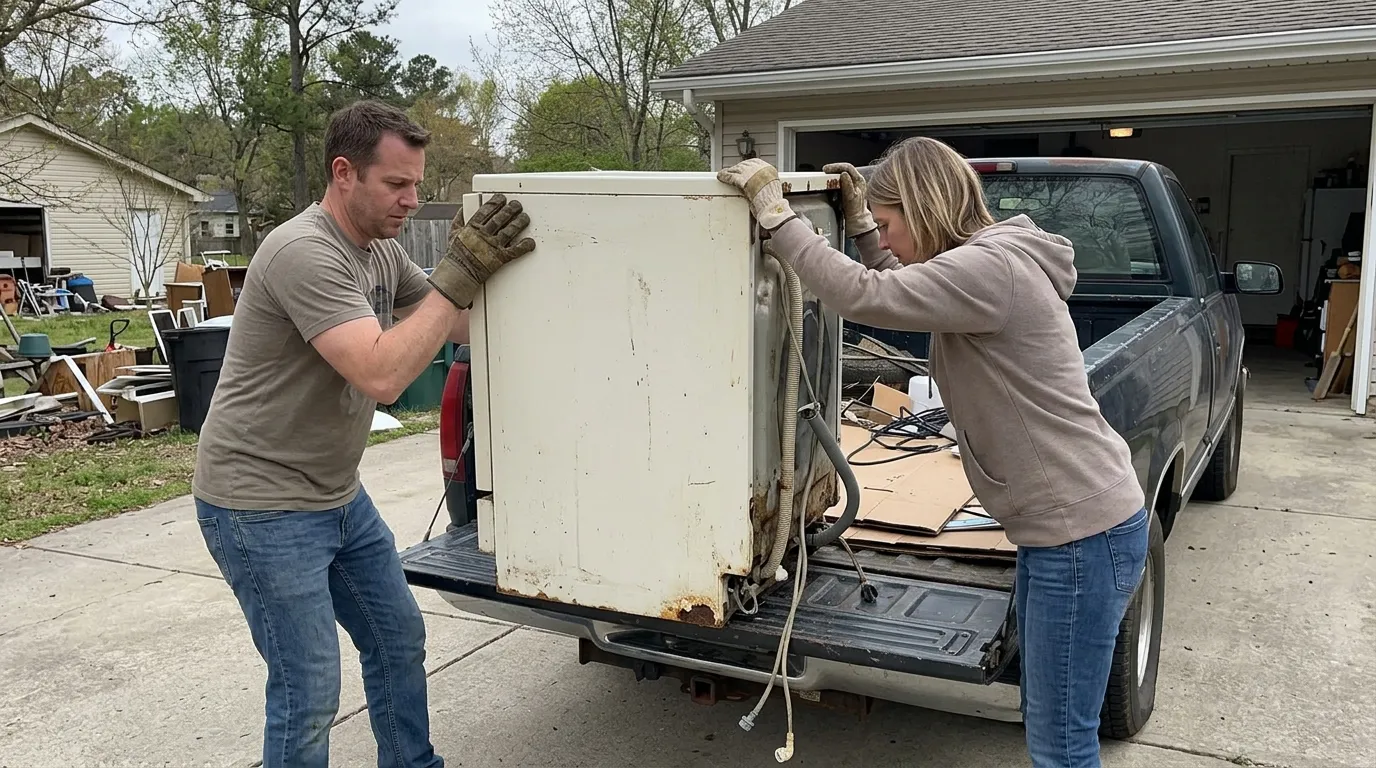
Demolition can produce large amounts of waste, including concrete, bricks, wood, metal, glass, plastic, and insulation materials. Leaving this waste around the property can block access, create safety risks, and make it difficult for other workers to continue their jobs. Mixing all materials together can also make recycling and proper disposal harder.
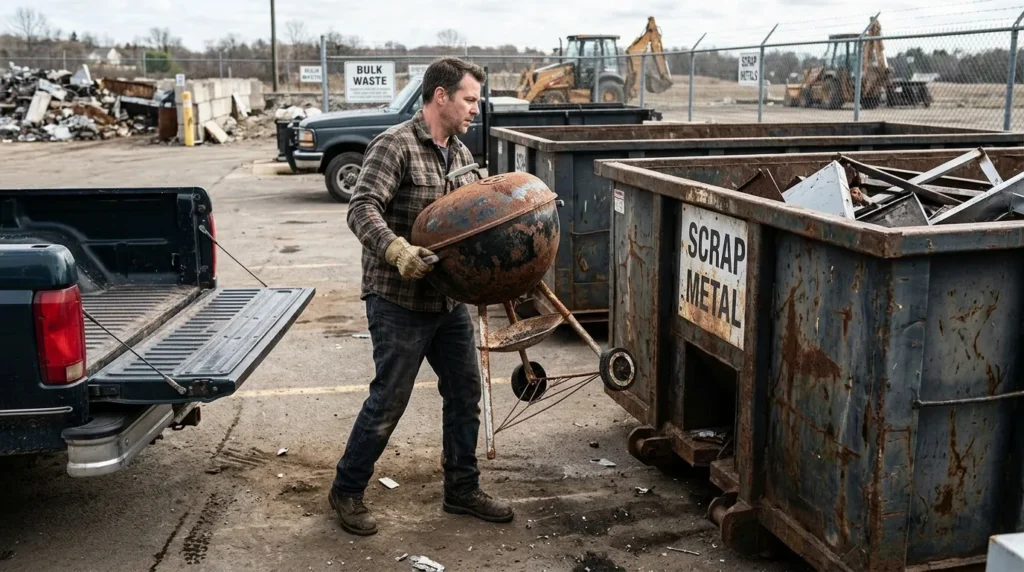
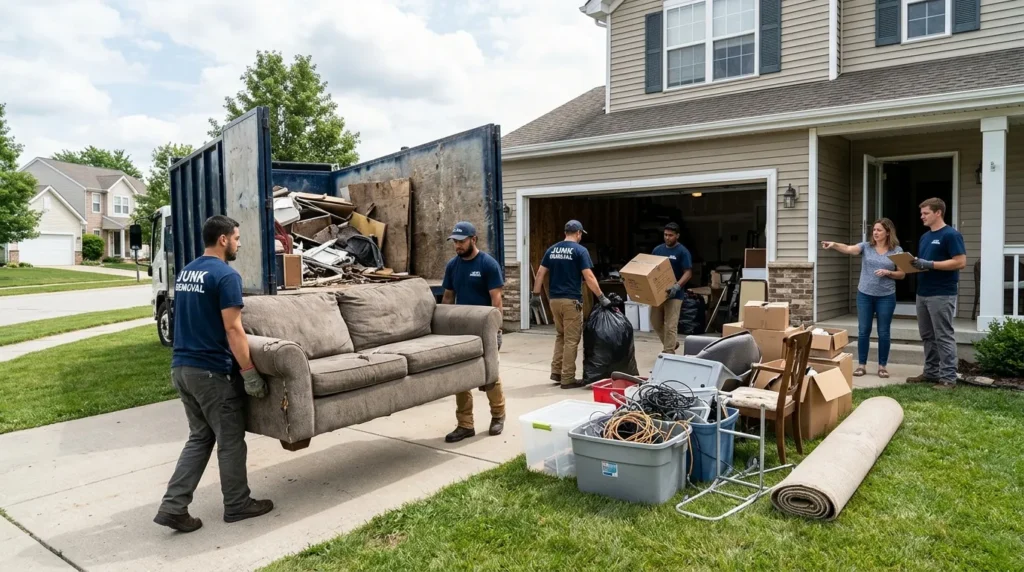
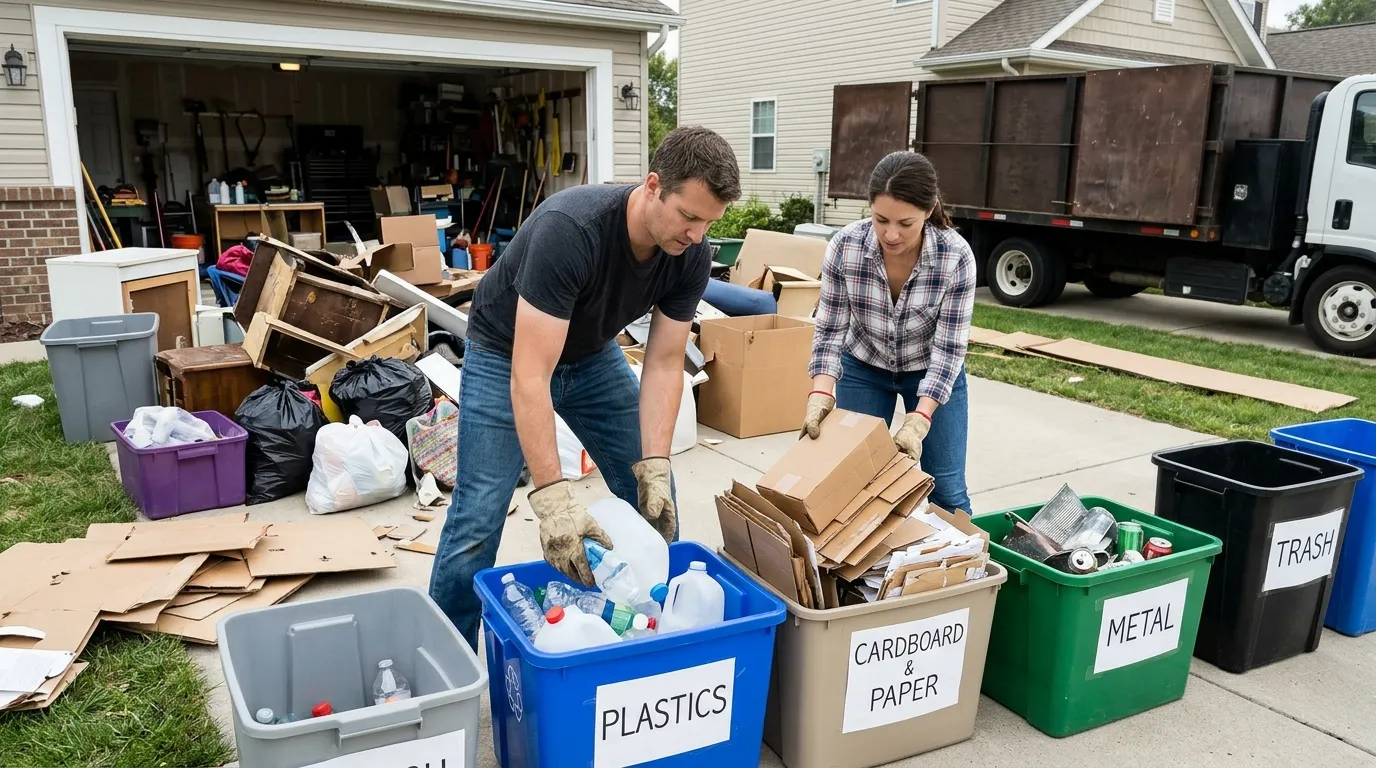
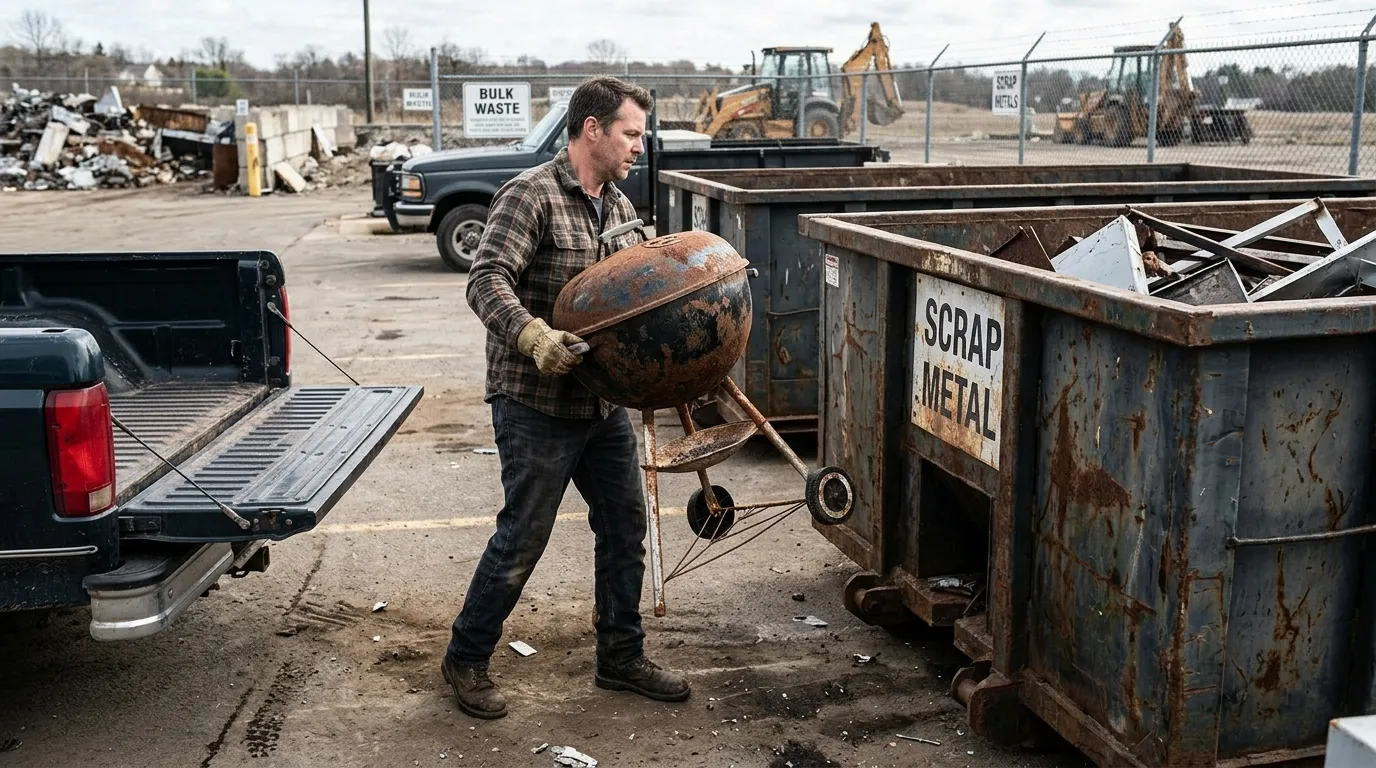
Plan waste removal before demolition begins. Separate recyclable materials from general rubbish and keep hazardous waste in a separate area for suitable handling. You can hire a waste removal company or rent a suitable container for larger projects. Always follow local waste disposal rules and use approved collection or recycling facilities.
9. Ignoring Nearby Buildings and Properties
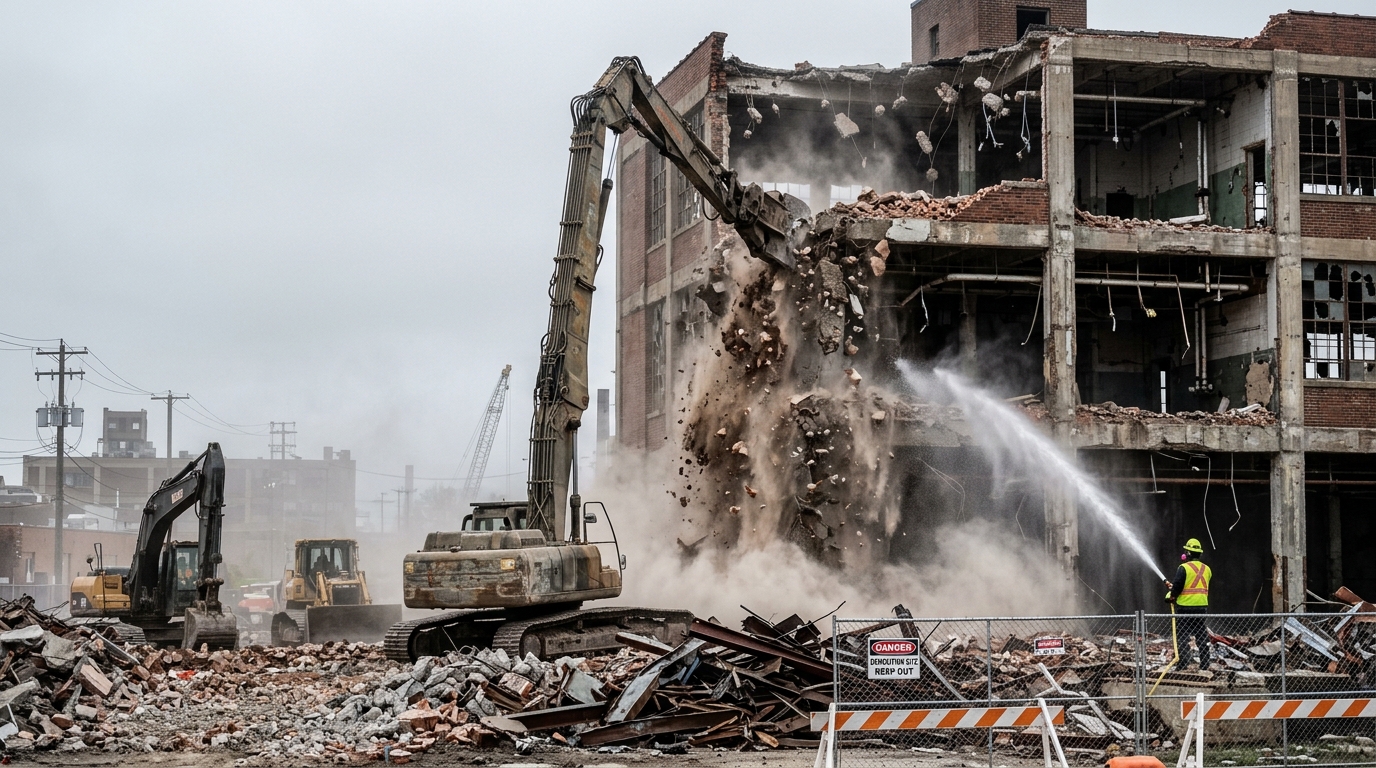
Demolition work can affect more than the building being removed. Heavy machinery, falling debris, dust, and strong vibrations may damage nearby structures or disturb people living in the area. Property owners who fail to check surrounding buildings may face complaints, repair costs, or legal disputes.
Before work starts, inspect nearby properties, fences, driveways, and other structures. Identify areas that may be affected by the demolition and use suitable protective measures. For larger projects, professionals may need to assess vibration levels and the condition of nearby buildings. Informing neighbours about the work schedule can also help prevent confusion and complaints.
10. Skipping Safety Equipment and Protective Measures
Demolition sites can contain sharp objects, falling materials, harmful dust, and unstable structures. Working without suitable protective equipment increases the risk of injuries. Some property owners or workers may think that basic gloves are enough, but different tasks require different types of protection.
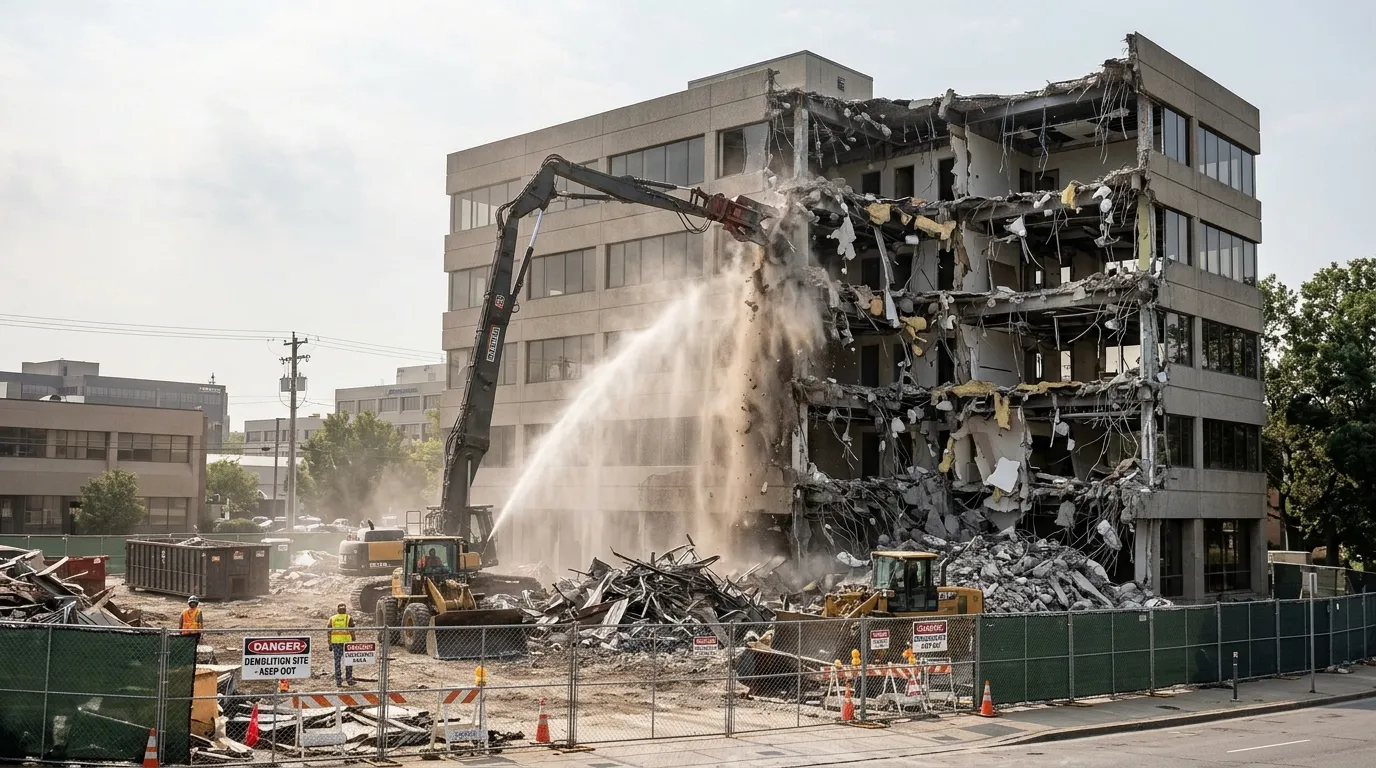
Workers should use suitable safety equipment, such as helmets, gloves, safety boots, eye protection, hearing protection, and suitable respiratory protection. Safety barriers and warning signs should also be placed around the work area to keep unauthorised people away. Make sure everyone involved knows the site safety rules before demolition begins.
11. Hiring an Unqualified Demolition Contractor
Choosing a demolition company based only on the lowest price can be a costly mistake. An inexperienced contractor may use poor methods, fail to follow safety rules, or leave waste behind. This can lead to property damage, delays, and extra expenses that may cost more than the original savings.
Before hiring a contractor, check its experience, qualifications, insurance, and customer reviews. Ask about similar projects it has completed and whether it has the right equipment for your job. Also, request a written agreement that explains the work, cost, timeline, waste removal, and responsibilities of both parties. A reliable contractor should be willing to answer your questions clearly.
12. Rushing the Demolition Process
Trying to finish demolition as quickly as possible can lead to careless work and avoidable mistakes. Workers may skip important safety checks, remove materials in the wrong order, or fail to protect nearby structures. Rushing can also increase the amount of dust and debris created during the project.
Set a realistic timeline based on the size and condition of the building. Allow enough time for inspections, utility disconnection, hazardous material removal, demolition, and waste collection. Professional workers should follow a planned process instead of removing everything at once. A steady approach helps reduce risks and keeps the project on track.
13. Failing to Protect the Remaining Structure
Some demolition projects involve removing only part of a building. For example, you may want to remove a kitchen, bathroom, extension, or interior wall while keeping the rest of the property. If the remaining structure is not protected, demolition work can damage floors, ceilings, pipes, windows, and nearby rooms.
Identify the areas that must remain in place before starting the work. Cover surfaces, seal off nearby rooms, and use suitable barriers to limit dust and debris. Workers should also check the building structure before removing connected sections. These steps help protect the parts of the property that will be used after demolition.
14. Not Having a Clear Cleanup Plan
Some property owners focus entirely on removing the building and forget to plan what happens after demolition. As a result, broken materials, dust, nails, and other debris may remain on the site. This can delay the next stage of construction and create safety problems for workers.
Include site cleanup in your demolition plan from the beginning. Decide who will collect the waste, where materials will be taken, and how the site will be checked after the work. Once demolition is complete, inspect the area for leftover debris, exposed cables, sharp objects, and other hazards. A clean site makes it easier to begin renovation or construction work.
Final Thoughts
Demolition involves more than simply removing unwanted walls or buildings. It requires proper planning, safety checks, suitable equipment, waste management, and knowledge of local regulations. Ignoring these details can lead to injuries, property damage, legal issues, and unexpected costs.
By avoiding these common mistakes, property owners can make demolition projects safer and easier to manage. Take time to check the building, arrange the required permits, identify hazardous materials, and choose an experienced demolition contractor. Proper preparation can save money, prevent delays, and help prepare your property for its next stage of development.
Also Read: 10 Benefits of Hiring Professional Demolition Services