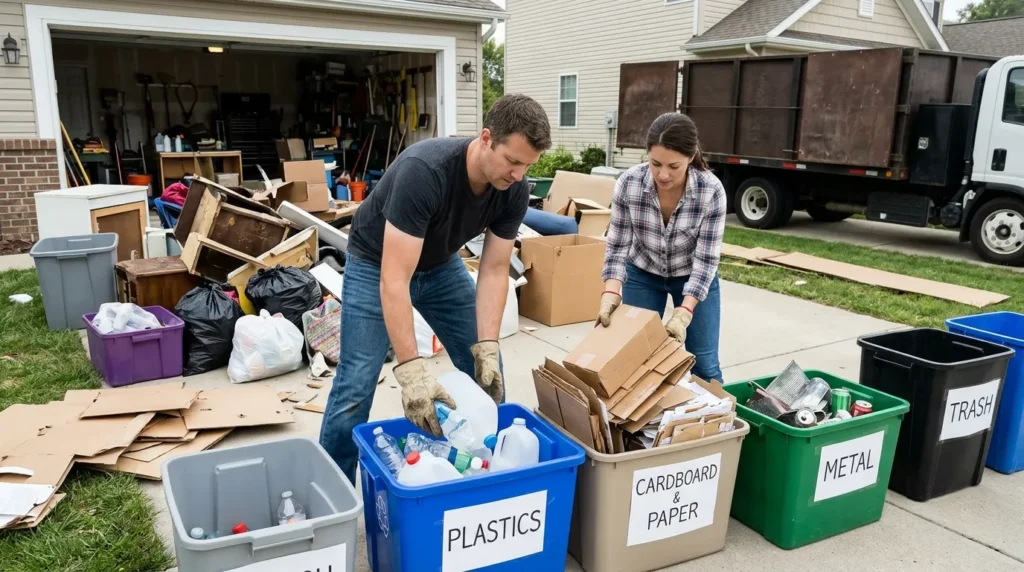
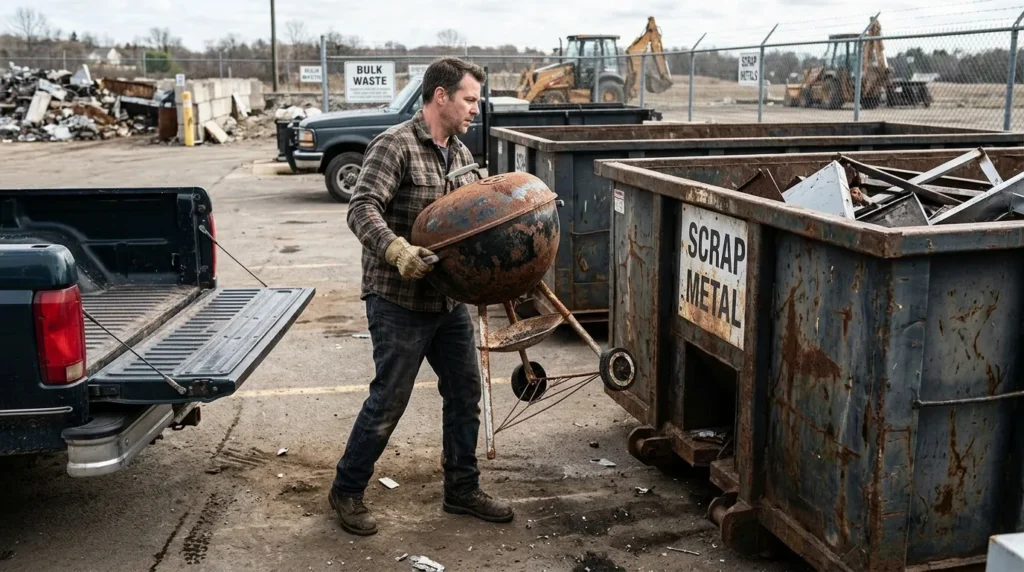
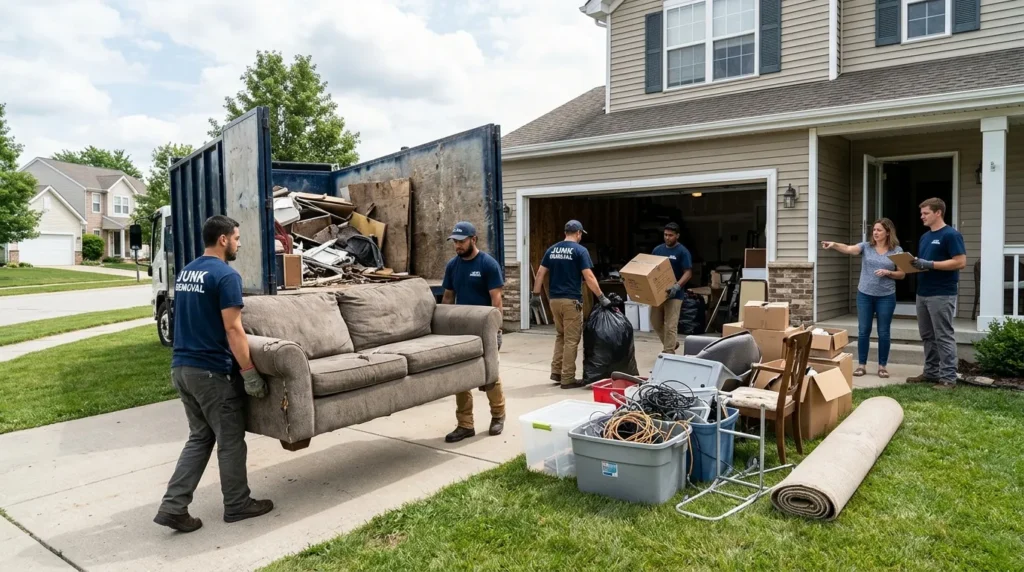
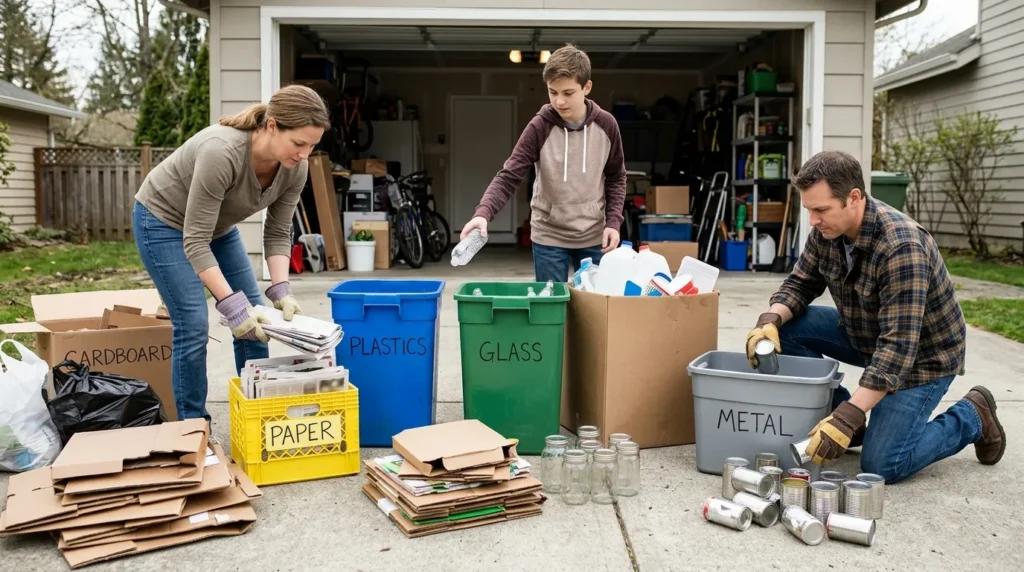
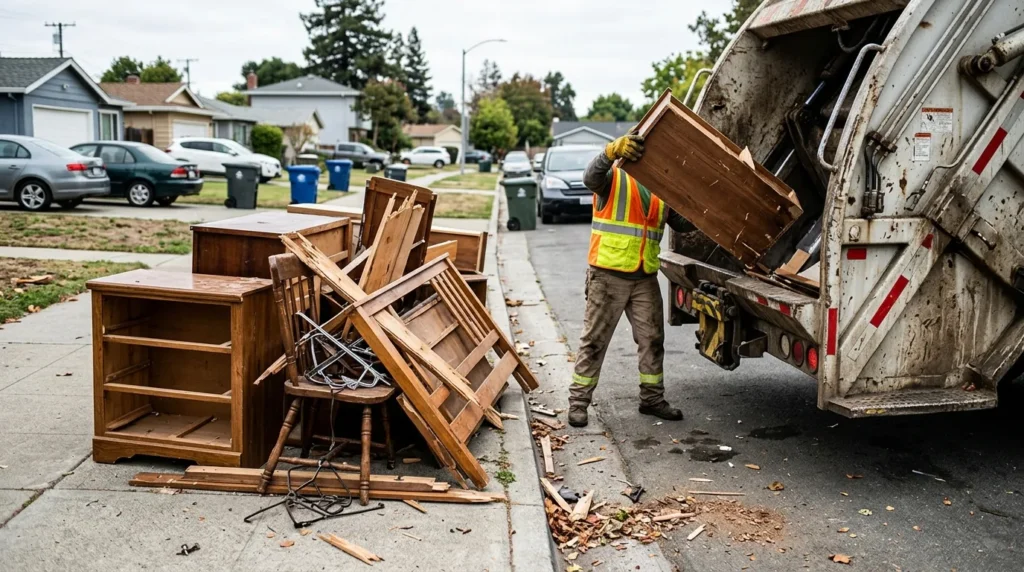
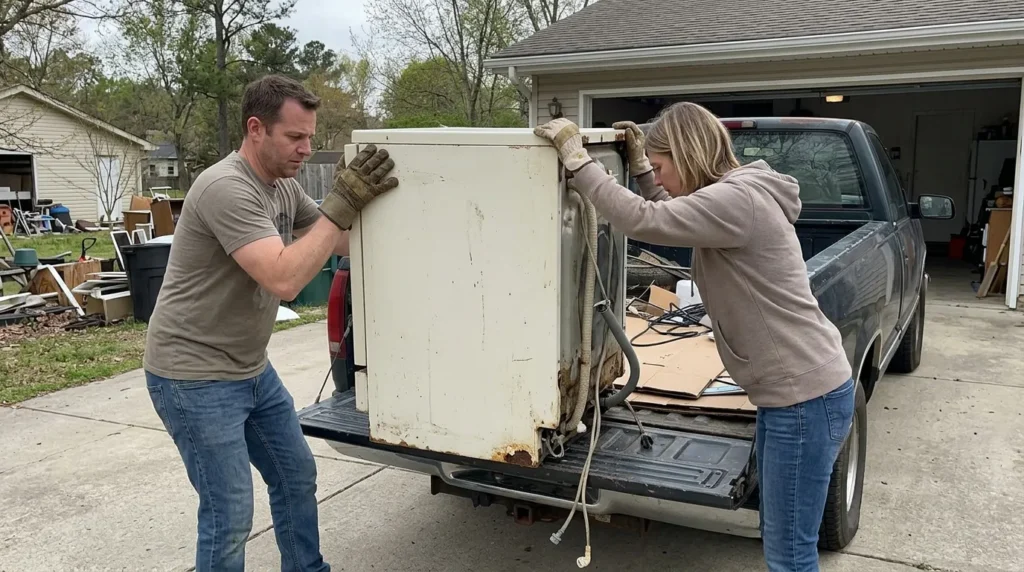
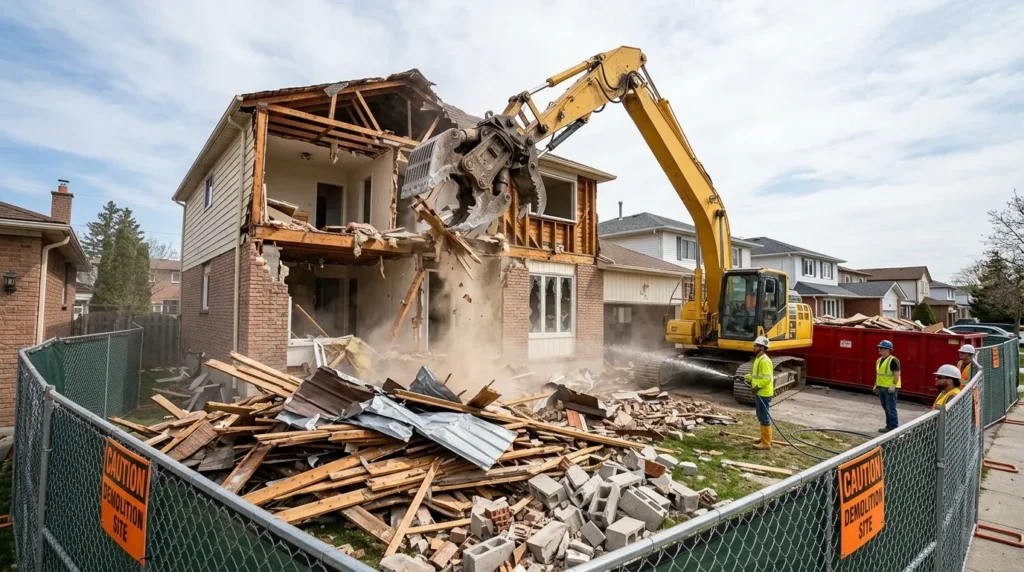
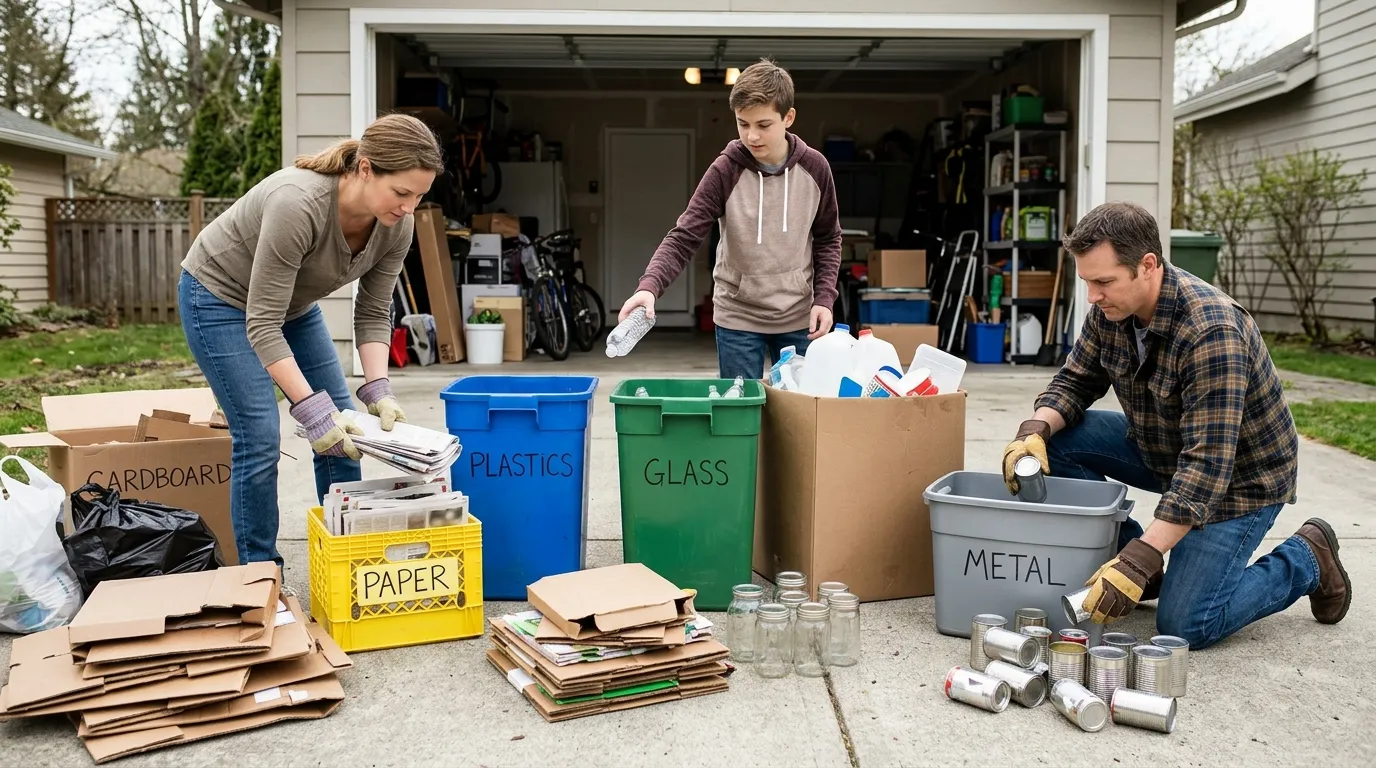
Throwing household waste into the trash may seem like the easiest way to get rid of unwanted items, but some materials need special care. Batteries, cleaning chemicals, old electronics, and other household products can cause fires, harm people, or pollute the environment if they are disposed of incorrectly. Some items also contain materials that can be reused or recycled.
Before cleaning your home, garage, or storage area, it helps to know which items should stay out of regular trash. In this guide, we will cover 20 common household items that need special disposal and explain how to handle them safely.
1. Batteries
Batteries are among the most common household items that should never go into regular trash. They contain materials that can leak and harm the environment. Rechargeable batteries and lithium-ion batteries can also catch fire if they are crushed, damaged, or exposed to high temperatures. You can find these batteries in remote controls, toys, laptops, mobile phones, and other devices.
Keep used batteries in a dry, safe place and take them to an approved battery collection point. If possible, protect the terminals of loose lithium batteries against contact with metal objects, following local collection instructions. Never burn batteries or place them in a household waste bin.
2. Electronic Waste
Old electronic devices should be handled separately because they contain materials that can be recovered and reused. Common examples include computers, laptops, mobile phones, televisions, printers, and cables. Some electronic products also contain substances that may harm the environment if they are disposed of incorrectly.
Instead of throwing these items into the trash, take them to an approved electronic waste collection point or arrange collection through a suitable service. Before recycling phones or computers, remove your personal information and reset the devices where possible. If an electronic item still works, consider donating it or selling it so someone else can use it.
3. Paint and Paint Thinners
Leftover paint and paint thinners can contain chemicals that may harm people, animals, and the environment. Pouring them into a drain, onto the ground, or into a regular trash bin can create safety and pollution problems. Keep paint in its original container with the lid closed, and check the label for storage and disposal instructions.
Contact your local waste service to find out where leftover paint and paint thinners should be taken. Disposal rules may differ depending on the type of paint and the amount remaining. If you have empty paint cans, check local guidelines before recycling them, as cans with leftover paint may need special handling.
4. Cleaning Chemicals
Many homes contain cleaning products such as bleach, drain cleaners, oven cleaners, and strong disinfectants. These products can be harmful if they leak, mix with other chemicals, or enter water systems. Never mix cleaning products to get rid of them, as some combinations can release dangerous gases.
Keep chemicals in their original containers and follow the instructions on their labels. Store them away from children, pets, food, and heat until you can arrange proper disposal. Contact your local hazardous waste service if you have leftover products and are unsure how to dispose of them. Never pour unknown or hazardous chemicals into a drain unless the product label and local rules clearly allow it.
5. Motor Oil and Automotive Fluids
Used motor oil, antifreeze, brake fluid, and other automotive fluids should not go into regular household trash. These liquids can pollute soil and water if they leak from damaged containers. Used motor oil can often be recycled and processed for further use, making proper collection a better option than disposal with general waste.
Keep these fluids in sealed, clearly labeled containers that are suitable for the material. Never mix different automotive fluids, as this can make recycling and disposal harder. Contact a local recycling center, garage, or hazardous waste collection service to ask where these products are accepted. Clean up spills only if it is safe to do so, and follow local advice for larger or hazardous spills.
6. Light Bulbs and Fluorescent Tubes
Different types of light bulbs require different disposal methods. Fluorescent tubes and some energy-saving bulbs contain small amounts of mercury, which can be harmful if released. These bulbs should be taken to a suitable collection point rather than placed in regular trash. LED bulbs and other light types may also need separate collection because they contain electronic parts or recyclable materials.
Check your local recycling rules to find out where each type belongs. Handle bulbs carefully to avoid breakage, and keep fluorescent tubes in protective packaging during transport if possible. If a mercury-containing bulb breaks, follow local health and safety guidance for cleaning it up.
7. Expired Medicines
Expired or unwanted medicines should not be thrown into regular trash or flushed down the toilet unless specific disposal instructions say to do so. Medicines can enter the environment when disposed of incorrectly and may affect water quality and wildlife. Tablets, capsules, liquid medicines, and other unused products should be returned to a pharmacy or an approved medicine collection point where this service is available.
Keep medicines in their packaging until you receive disposal instructions. Do not share unwanted prescription medicines with other people, even if they appear to have the same symptoms. If you are unsure where to take old medicines, ask a local pharmacy for guidance.
8. Pesticides and Garden Chemicals
Pesticides, weed killers, insect sprays, and other garden chemicals can contain substances that are harmful to people, pets, and wildlife. These products should never be poured onto the ground or into drains to get rid of them. Keep them in their original containers, with the labels attached, and store them according to the manufacturer’s instructions.
Do not mix leftover garden chemicals together, as this may cause dangerous reactions. Contact your local hazardous waste service to find out where these products can be taken. If you have empty containers, check local disposal rules before putting them into recycling, as containers that held hazardous chemicals may need special handling.
9. Propane Tanks and Gas Cylinders
Propane tanks and gas cylinders can remain dangerous even when they appear to be empty. They may still contain gas under pressure, which can cause a fire or explosion if the cylinder is damaged or exposed to heat. Never place gas cylinders in regular household trash or try to cut, crush, or puncture them.
Keep them upright in a safe, well-ventilated place away from flames and heat, following the supplier’s storage instructions. Contact the supplier or an approved gas cylinder collection service to arrange a safe return. If a cylinder is leaking or you smell gas, stay away from ignition sources, leave the area, and contact the emergency service or gas supplier as appropriate.
10. Smoke Detectors
Smoke detectors help protect homes from fires, but old units need proper disposal. Some models contain radioactive material in small amounts, while others use electronic components or batteries that require separate collection. Check the product label and manufacturer’s instructions to identify the correct disposal method.
Do not take apart a smoke detector or remove sealed components unless the manufacturer specifically instructs you to do so. Some manufacturers accept returned units, while local waste services may provide suitable collection options. If you are unsure what type of detector you have, contact the manufacturer or your local waste authority before throwing it away.
11. Fire Extinguishers
Old fire extinguishers should not be placed in regular trash without checking the disposal rules. Some units remain pressurized, even if they have been used, and can cause injuries if they are damaged or handled incorrectly. Others may contain chemicals that require special treatment.
Check the manufacturer’s instructions and contact a fire safety company, supplier, or local waste service for advice. Do not puncture, crush, or attempt to dismantle an extinguisher yourself. If the unit is still in good condition and within its service life, a qualified professional may be able to inspect it. Otherwise, arrange disposal through an approved collection service.
12. Mercury Thermometers
Older thermometers may contain mercury, a toxic metal that can harm people if it is released. If you find a mercury thermometer while cleaning your home, keep it intact and place it in a safe area where children and pets cannot reach it. Do not throw it into regular trash, break it open, or pour its contents down a drain.
Contact your local hazardous waste service for instructions on safe collection. If a mercury thermometer breaks, do not vacuum or sweep up the mercury, as this can spread contamination. Keep people away from the affected area and follow official local guidance for cleanup.
13. Asbestos Materials
Some older homes and buildings contain asbestos in materials such as insulation, roofing sheets, floor tiles, and wall panels. Asbestos can release harmful fibers when damaged, cut, drilled, or broken. Breathing in these fibers can cause serious health problems.
If you suspect that a material contains asbestos, do not try to remove it yourself or place it in regular household trash. Leave the material undisturbed and contact a qualified asbestos professional for advice. Before starting renovation or demolition work, check whether an asbestos inspection is needed. A qualified service can identify the material and arrange safe removal and disposal according to local rules.
14. Wet Paint Cans
Paint cans with liquid paint left inside may need special disposal, even if the amount seems small. The paint can leak during waste collection and may contaminate other materials. Keep the lid closed and check whether your local waste center accepts leftover paint. Water-based and oil-based paints may have different disposal requirements, so read the label before taking action.
Do not pour paint into a sink, toilet, or outdoor drain. Some collection centers accept paint for reuse or recycling, while others require it to be taken to a hazardous waste facility. Empty cans may be accepted for recycling if they meet local requirements.
15. Car Tires
Old car tires should not be placed in regular household trash because they take up a lot of space and can be difficult to manage in landfills. Tires can often be recycled into materials used for new products, road surfaces, and other applications.
If you replace your tires at a garage or tire shop, ask whether the business offers tire collection. You can also contact a local tire recycling center to find out where to take unwanted tires. Do not leave tires outdoors for long periods, as they can collect rainwater and attract mosquitoes in some climates. Proper collection helps recover useful materials and reduces waste.
16. Large Appliances
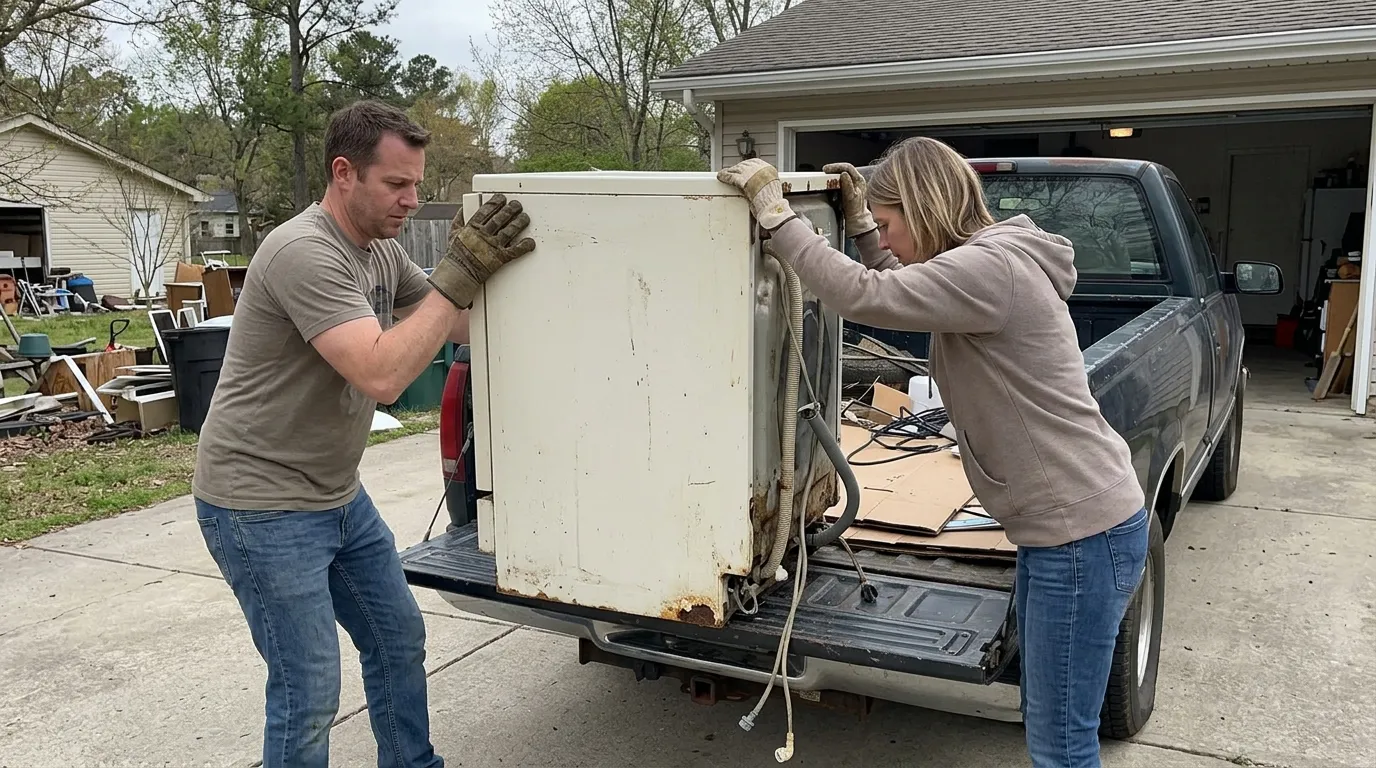
Large household appliances, including refrigerators, freezers, washing machines, dishwashers, ovens, and dryers, should not be treated like ordinary household rubbish. Many contain metal, plastic, and other materials that can be recovered through recycling. Refrigerators and freezers may also contain refrigerants that require special handling.
Before removing an appliance, check whether your local waste service offers large-item collection or take-back options through retailers. Do not attempt to remove refrigerants or dismantle electrical parts yourself. If the appliance still works, consider donating it or arranging resale. If it no longer works, use an approved collection service to ensure it is handled safely.
17. Medical Sharps
Used needles, syringes, lancets, and other sharp medical items can cause injuries and may spread infections. They should never be placed loose in regular trash or recycling bins. Instead, put them directly into an approved sharps container that is designed to resist punctures and keep the contents secure.
Do not recap, bend, or break needles by hand. Once the container reaches its fill limit, close it according to its instructions and take it to an approved collection point. Pharmacies, healthcare providers, or local waste services may offer disposal options. Always check the rules in your area, as medical waste collection methods can differ.
18. Used Cooking Oil
Used cooking oil may seem harmless, but pouring large amounts down the sink can block pipes and cause problems in wastewater systems. It can also create pollution if it reaches rivers or other water sources. Allow the oil to cool before handling it, then place it in a suitable, sealed container.
Ask your local waste service whether it accepts used cooking oil for recycling or special collection. Some areas allow small amounts of cooled cooking oil to be placed in household waste when sealed properly, but local rules vary. Do not pour hot oil into plastic containers or handle it while it is still hot, as this can cause burns or damage the container.
19. Flammable Liquids
Flammable liquids such as petrol, kerosene, lighter fluid, and some solvents can catch fire easily. Throwing them into regular trash can put waste collection workers and others at risk. Never pour these liquids into drains, onto the ground, or into ordinary rubbish bins.
Keep them in suitable, clearly labeled containers and follow the storage instructions on the label. Store them away from flames, sparks, heat, and children until you can arrange proper disposal. Contact your local hazardous waste service for guidance on accepted containers and collection locations. If you discover a leaking container or a strong fuel smell, keep away from ignition sources and seek professional advice.
20. Large Batteries and Power Banks
Large batteries and portable power banks often contain lithium-ion cells that can overheat or catch fire if they are damaged, crushed, or short-circuited. These items are common in laptops, tablets, mobile phones, cameras, and portable charging devices. Never place them in regular household trash or mixed recycling.
Take them to an approved battery collection point and follow its instructions for transport and storage. Keep damaged or swollen batteries away from heat and flammable materials, and do not charge or use them. Avoid handling a battery that is hot, leaking, smoking, or making unusual sounds. Move away and contact emergency services if it presents an immediate fire risk.
Conclusion
Knowing which household items should never go in the trash can help protect your family, waste collection workers, and the environment. Batteries, electronics, chemicals, medicines, gas cylinders, and other special waste need the right disposal method. Some items can be recycled, while others must be taken to an approved collection point.
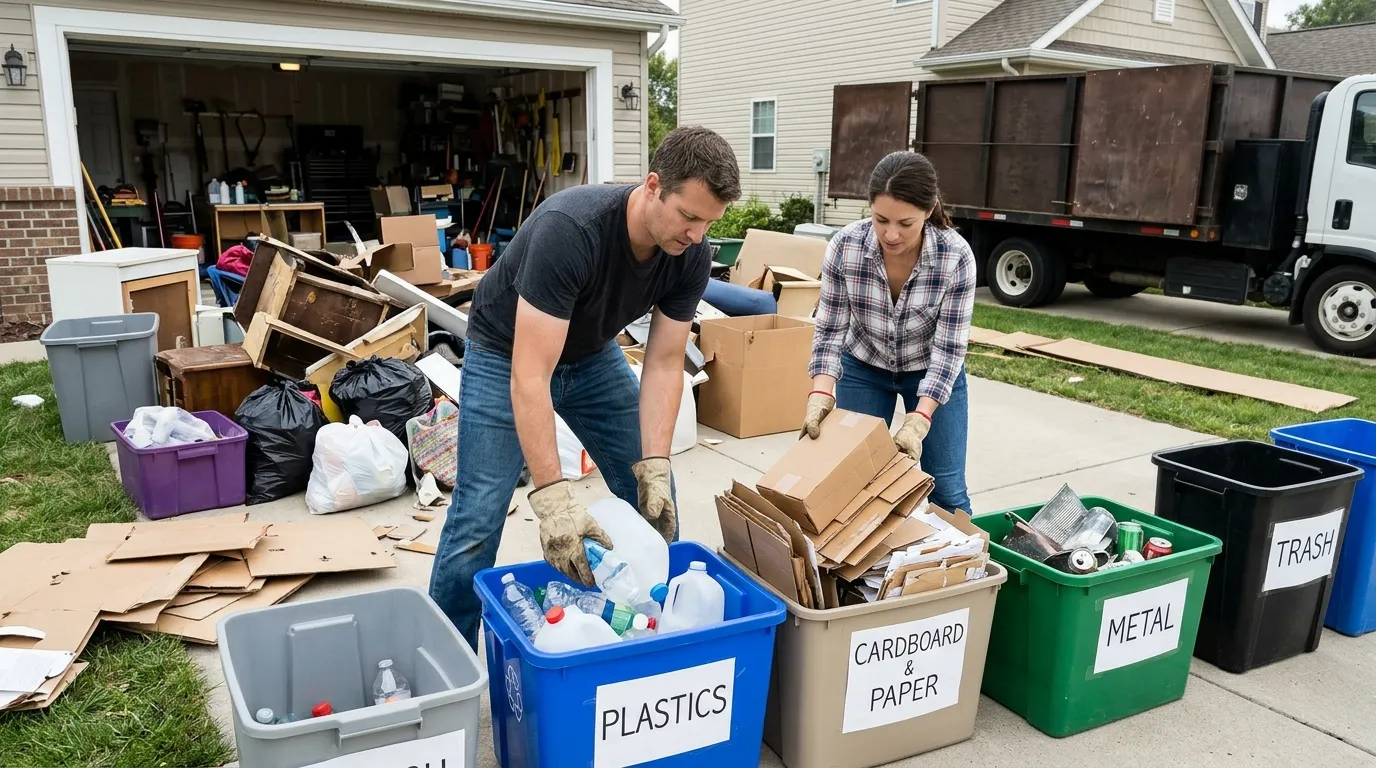
Before throwing anything away, check the label and your local waste disposal rules. If you are clearing out a garage, basement, home, or office, separate hazardous items from regular rubbish before arranging junk removal. A little preparation can prevent accidents, reduce pollution, and help useful materials find a new purpose.
Also Read: How To Separate Recyclable Items Before Junk Removal?