How Much Does It Cost To Demolish House In Montana?
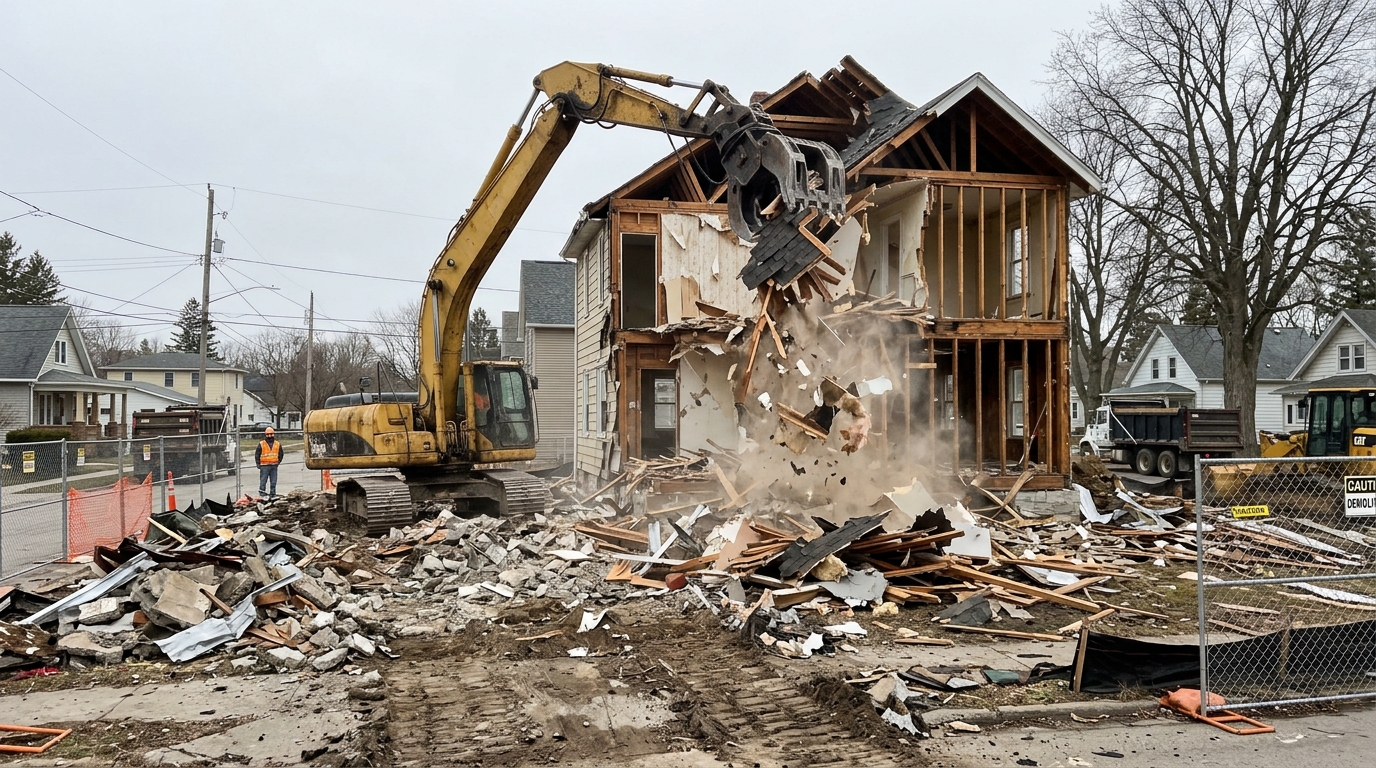
Demolishing an old or damaged house can be a good option when repairing it costs more than building a new one. However, before starting the project, homeowners need to know how much demolition will cost and what expenses they should expect.
The cost of demolishing a house in Montana depends on several factors, including the size of the property, building materials, location, labor, permits, and waste removal. A small house may cost much less to demolish than a large property with a basement or hazardous materials.
In this guide, we will explain the average cost of house demolition in Montana, the cost of different demolition projects, additional expenses, permit requirements, and ways to save money.
What Is the Average Cost to Demolish a House in Montana?
The average cost to demolish a house in Montana can range from $4 to $17 per square foot, depending on the property’s size and condition. For many standard residential projects, homeowners can use around $4 to $10 per square foot as an initial budgeting estimate. Difficult projects, basement removal, hazardous materials, and poor site access can increase the price.
For example, demolishing a 1,500-square-foot house may cost between $6,000 and $15,000 for a typical project. More complicated work can cost $25,000 or more.
Here is an estimated cost breakdown:
House size
Estimated demolition cost
800 sq. ft.
$3,200–$8,000
1,000 sq. ft.
$4,000–$10,000
1,200 sq. ft.
$4,800–$12,000
1,500 sq. ft.
$6,000–$15,000
2,000 sq. ft.
$8,000–$20,000
2,500 sq. ft.
$10,000–$25,000
3,000 sq. ft.
$12,000–$30,000
These are planning estimates based on an approximate $4–$10 per-square-foot range, not confirmed Montana contractor quotes. Actual prices may be higher.
The final price usually includes labor, heavy equipment, building removal, and basic debris handling. However, some contractors charge separately for permits, asbestos removal, foundation removal, utility disconnection, and land grading.
It is best to contact at least three local demolition contractors and ask for written estimates before choosing one. GRADELINE+2
House Demolition Cost by Property Size
The size of your house is one of the main factors that determines demolition costs. Larger homes require more workers, heavy equipment, transportation, and disposal services. The building’s layout and construction materials also affect the final price.
Cost to Demolish a Small House
Demolishing a small house of around 800 to 1,000 square feet may cost between $3,200 and $10,000 for a standard project. These homes usually require less time and fewer resources than larger properties.
However, a small house can still be expensive to demolish if it has a concrete foundation, asbestos materials, or limited access for heavy machinery. Homeowners should also include waste removal and site cleanup in their budget.
Cost to Demolish a Medium-Sized House
A medium-sized house of around 1,200 to 1,800 square feet may cost between $4,800 and $18,000 to demolish. This size is common for many family homes.
The contractor may use excavators, loaders, and dump trucks to remove the structure and transport the waste. The total cost will depend on the number of rooms, building materials, roof type, and foundation.
Cost to Demolish a Large House
Demolishing a large house of 2,000 to 3,000 square feet may cost between $8,000 and $30,000 for a standard project.
Large houses produce more waste and need additional labor and equipment. If the property has multiple floors, a large garage, or a basement, the contractor may charge extra for removal and cleanup.
Cost to Demolish a Two-Story House
A two-story house may cost between $8,000 and $25,000 or more to demolish, depending on its total size and construction.
These homes can require more work because contractors must remove two levels of walls, floors, roofing, and other materials. The demolition team must also take extra care when working near neighboring buildings and property boundaries.
The total square footage matters more than the number of floors alone. A two-story house with 1,500 square feet may cost less to demolish than a single-story house with 2,500 square feet.
What Factors Affect House Demolition Costs in Montana?
Not every house costs the same amount to demolish. Two properties with similar square footage may have very different prices because of their condition, location, materials, and removal requirements.
Here are the main factors that affect house demolition costs in Montana.
Size and Structure of the House
The size and structure of a house directly affect the amount of work required. A larger building needs more workers, machinery, fuel, and time to complete the demolition.
The number of floors, roof design, attached garage, and basement can also increase the cost. For example, a 2,000-square-foot house with a basement may cost more to demolish than a similar-sized house built on a simple concrete slab.
Type of Building Materials
The materials used to construct a house also affect demolition costs. Wooden houses are often easier to take apart than buildings made with concrete, brick, or stone.
Concrete walls, thick foundations, and reinforced structures may require special cutting and breaking equipment. This increases labor time and machinery costs.
Some materials can also be recycled or sold. Metal, wood, and certain building materials may have salvage value, which can help reduce the overall project cost.
Property Location and Accessibility
The location of your property can make a big difference in demolition costs. Houses in cities such as Billings, Bozeman, Missoula, and Helena may have different contractor rates, permit requirements, and disposal costs.
A house located in an open area with easy equipment access may be cheaper to demolish. However, a property surrounded by other buildings, fences, narrow roads, or landscaping may require additional labor and careful equipment operation.
Rural properties can also have higher transportation costs if demolition contractors or disposal facilities are far away.
Age and Condition of the House
Older houses may require additional inspections before demolition. Some properties contain outdated electrical systems, damaged plumbing, lead-based paint, or asbestos materials.
A house with a weak structure may be easier to bring down, but contractors still need to follow proper safety procedures. Properties with fire damage, water damage, or unstable foundations may require extra preparation.
Hazardous Materials and Asbestos
Asbestos and lead-based paint can increase demolition expenses. These materials may be present in older roofing, insulation, floor tiles, pipes, and wall materials.
If asbestos is found, it must be handled and disposed of according to the rules that apply to the property. Professional removal may be needed before demolition begins.
The cost depends on the type, amount, location, and condition of the material. It is better to arrange an inspection before requesting a final demolition quote.
Labor and Equipment Costs
Demolition contractors use different types of equipment depending on the size and structure of the house. Common equipment includes excavators, bulldozers, loaders, dump trucks, and concrete breakers.
The contractor’s labor rates, equipment rental, fuel, and project duration all affect the final price. A project that requires special machinery or extra workers will usually cost more than a simple house demolition.
Debris Removal and Disposal Fees
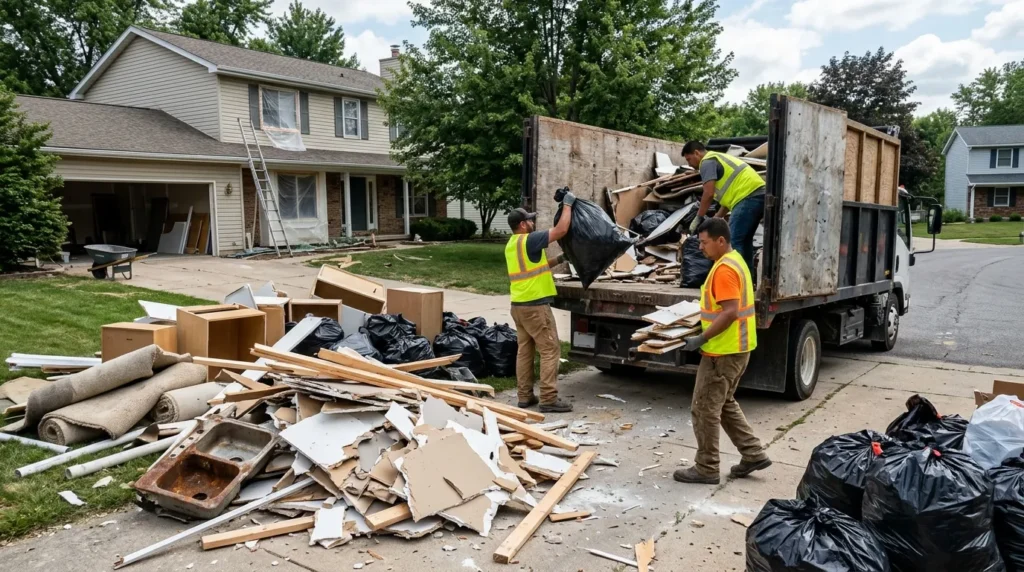
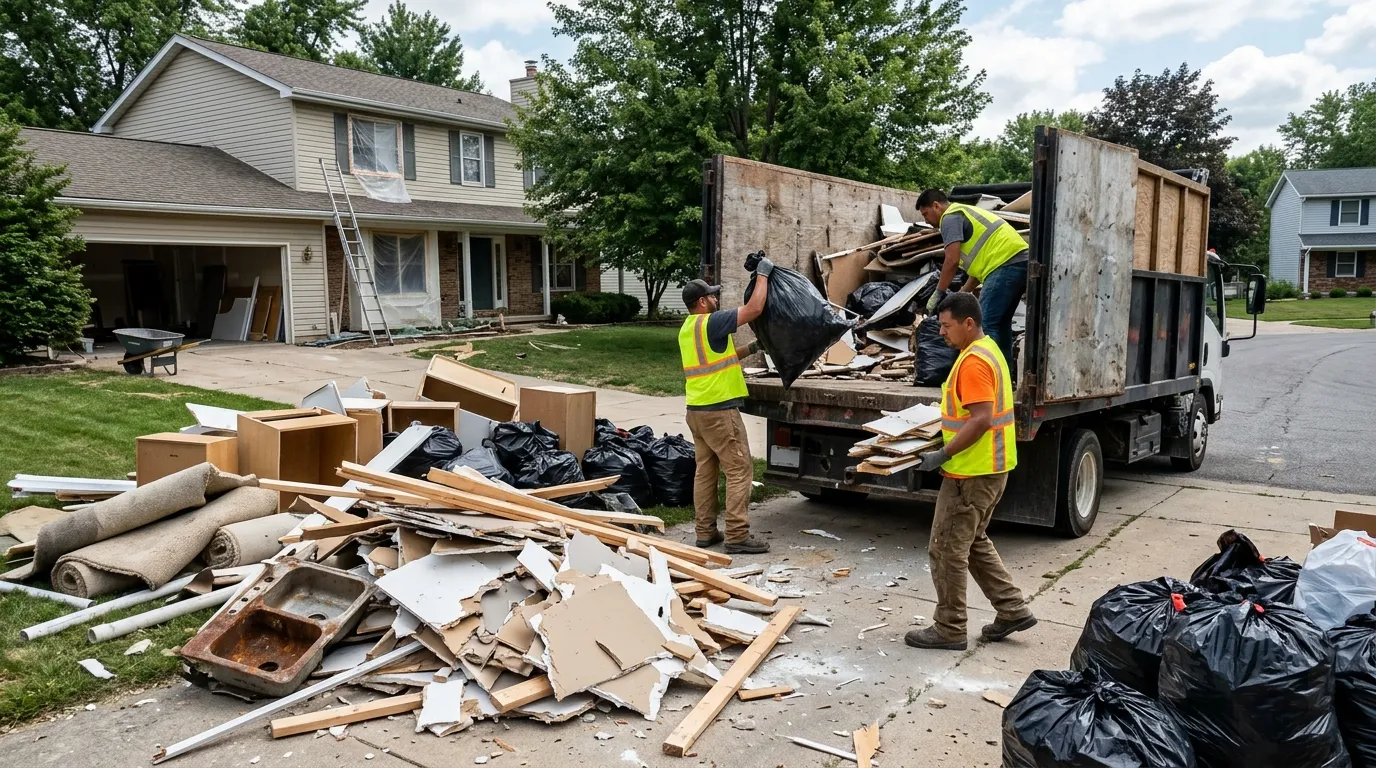
After demolition, the contractor must collect, load, transport, and dispose of the remaining materials. This includes wood, roofing, drywall, concrete, insulation, and other building waste.
Disposal fees depend on the amount and type of waste and the distance to the landfill or recycling facility. Some contractors include these services in their quotes, while others charge separately.
Always ask whether the quoted price includes complete debris removal and final site cleanup.
Additional Costs to Consider When Demolishing a House
The demolition contractor’s quote may not cover every expense. Homeowners should prepare for additional costs related to permits, inspections, utility disconnections, waste removal, and land preparation.
Here are some common expenses to include in your budget.
Additional service
Estimated cost
Demolition permit
$50–$500+
Asbestos inspection
$250–$800
Asbestos removal
$500–$5,000+
Lead paint testing
$200–$500
Utility disconnection
$200–$1,000+
Dumpster rental
$300–$800
Foundation removal
$1,000–$5,000+
Land grading
$500–$2,000+
These are general budgeting estimates, not fixed Montana fees. Actual costs depend on the property, local rules, contractor and amount of work.
Demolition Permits and Inspection Fees
Before demolishing a house, homeowners may need to obtain approval from their city or county. Permit fees depend on the local authority and the type of demolition work.
For example, the City of Helena calculates demolition permit fees based on the project’s contract value and its building permit fee schedule. Other Montana cities and counties may have different requirements.
You should contact your local building department before starting work. City of Helena, MT+1
Asbestos Inspection and Removal
Older houses may contain asbestos in insulation, floor tiles, roofing, and other building materials. Testing helps identify these materials before demolition.
The cost of asbestos removal depends on the amount and type of material. Removing a small section of asbestos-containing material may cost much less than removing insulation throughout an entire house.
Montana DEQ recommends asbestos inspections before renovation or demolition to protect homeowners and the public. Its rules also have specific exemptions for certain residential properties, so check whether your house is covered by those exemptions. Montana DEQ+1
Lead Paint Testing and Removal
Lead-based paint may be present in older houses, especially those built before 1978. If the paint is disturbed during demolition, it can create harmful dust.
A lead paint inspection may cost around $200 to $500, depending on the number of areas being tested. If lead is found, additional removal and safety measures may be needed.
Ask your contractor how lead-based paint will be handled before demolition begins.
Utility Disconnection
Water, electricity, gas, sewer, and other utility services must be handled before the house is demolished. Contractors usually need confirmation that the necessary services have been safely disconnected or capped.
Utility disconnection may cost around $200 to $1,000 or more, depending on the services and work required. Contact each utility provider to ask about its process and fees.
Waste Transportation and Disposal
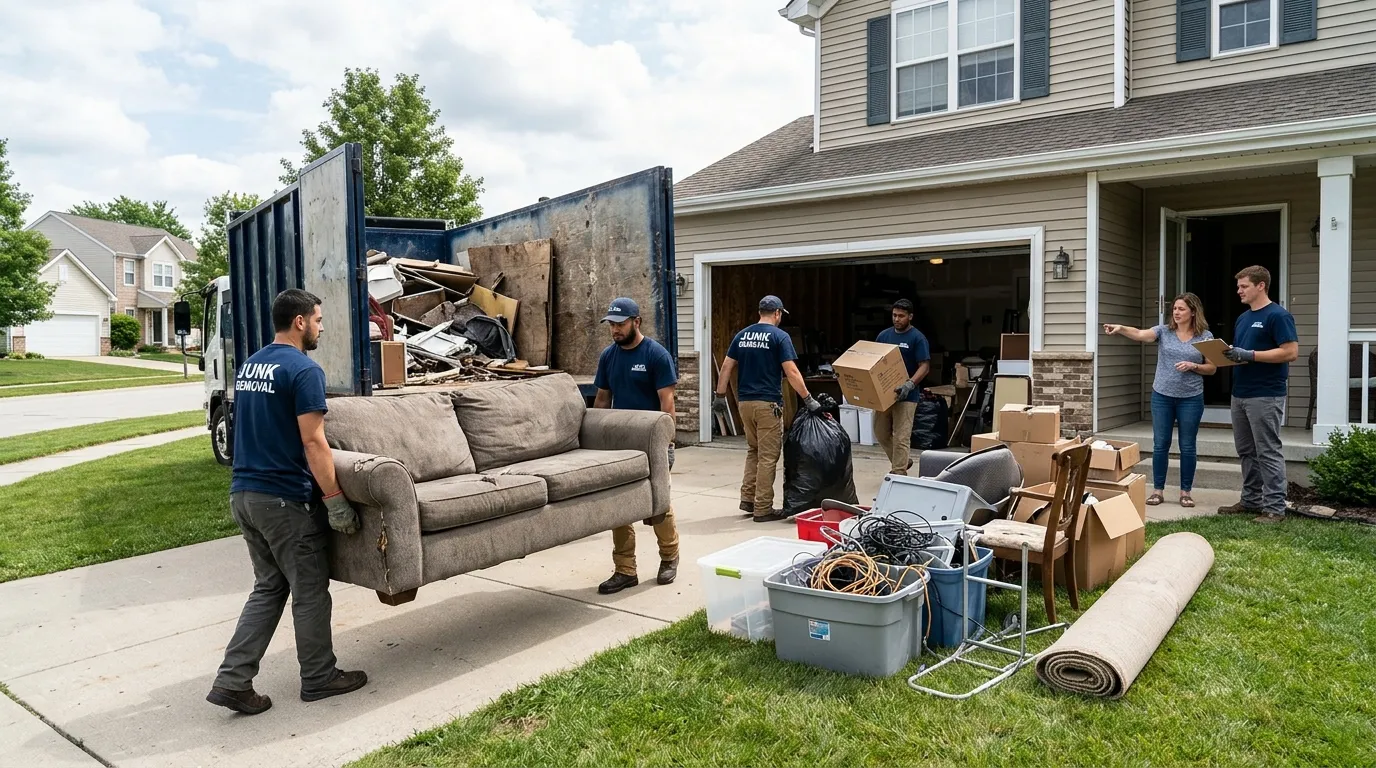
Demolition produces a large amount of waste that must be transported to approved disposal or recycling facilities.
Dumpster rental may cost around $300 to $800, depending on the container size, rental period, and location. Larger projects may need several dumpsters or multiple truckloads.
Ask your contractor whether transportation and disposal are included in the demolition quote.
Foundation and Basement Removal
Removing the foundation can add a significant amount to your demolition budget. Concrete foundations and basement walls often require heavy machinery and additional labor.
Homeowners may spend around $1,000 to $5,000 or more for foundation removal, depending on its size, depth, and construction.
A full basement may cost more to remove than a simple concrete slab because contractors must break the walls and floor, remove the concrete, and prepare the ground for filling.
Land Grading and Site Cleanup
After demolition, the property may need grading and leveling before new construction can begin. This work removes uneven ground, fills holes, and prepares the site for future use.
Basic grading may cost around $500 to $2,000 or more. The price depends on the property size, soil condition, and amount of material that needs to be moved.
Full House Demolition vs Partial Demolition: Which Costs More?
The type of demolition project also affects the total price. Full demolition involves removing the entire house, while partial demolition removes only selected parts of the structure.
The right option depends on the property’s condition and your future plans.
Full House Demolition Cost
Full house demolition may cost around $6,000 to $25,000 or more for many standard residential projects. Larger properties and houses with basements or hazardous materials can cost significantly more.
The contractor removes the roof, walls, floors, windows, doors, and other parts of the building. Depending on your agreement, the service may also include foundation removal and land cleanup.
Full demolition is usually considered when a house is severely damaged, unsafe, or too expensive to repair.
Partial House Demolition Cost
Partial house demolition may cost around $1,000 to $10,000 or more, depending on the amount of work involved.
This type of project involves removing selected sections, such as a damaged room, exterior wall, porch, or part of an existing structure.
Partial demolition may be a good choice if you want to expand your house, remove an unsafe section, or prepare for a renovation. However, structural parts must be handled carefully to avoid damaging the remaining building.
Interior Demolition Cost
Interior demolition may cost around $2 to $8 per square foot for many basic projects.
It usually involves removing cabinets, flooring, drywall, ceilings, bathroom fixtures, and other interior materials while keeping the main structure in place.
For example, removing the interior of a 1,000-square-foot house may cost approximately $2,000 to $8,000. The actual price depends on the rooms, materials, and amount of work.
Garage and Outbuilding Demolition Cost
Removing a detached garage or small outbuilding may cost around $2,000 to $8,000.
The price depends on its size, construction materials, foundation, and accessibility. A small wooden shed is usually cheaper to remove than a large concrete garage.
If the structure has electrical wiring or other utility connections, those services must also be handled before demolition.
Conclusion
The cost of demolishing a house in Montana depends on its size, construction materials, location, and condition. A standard residential project may cost around $6,000 to $25,000, while larger or more complicated projects can cost much more.
Before starting demolition, check local permit requirements, arrange necessary utility disconnections, and identify any hazardous materials. You should also compare quotes from several contractors and confirm whether their prices include debris removal, foundation removal, and land grading.
Taking these steps will help you plan your budget, avoid unexpected expenses, and prepare your property for future construction.