A home renovation can make your house look fresh, clean, and more comfortable. However, once the work is finished, you may find piles of unwanted materials, broken tiles, wood pieces, old furniture, cardboard boxes, plastic, and other waste around your home. Getting rid of this junk can take time and effort, especially after a large renovation project.
Proper waste removal helps keep your home clean, prevents safety risks, and makes it easier to enjoy your newly renovated space. From sorting construction waste to hiring a professional junk removal service, there are several ways to manage leftover materials. Here are some simple ways to handle junk after a home renovation.
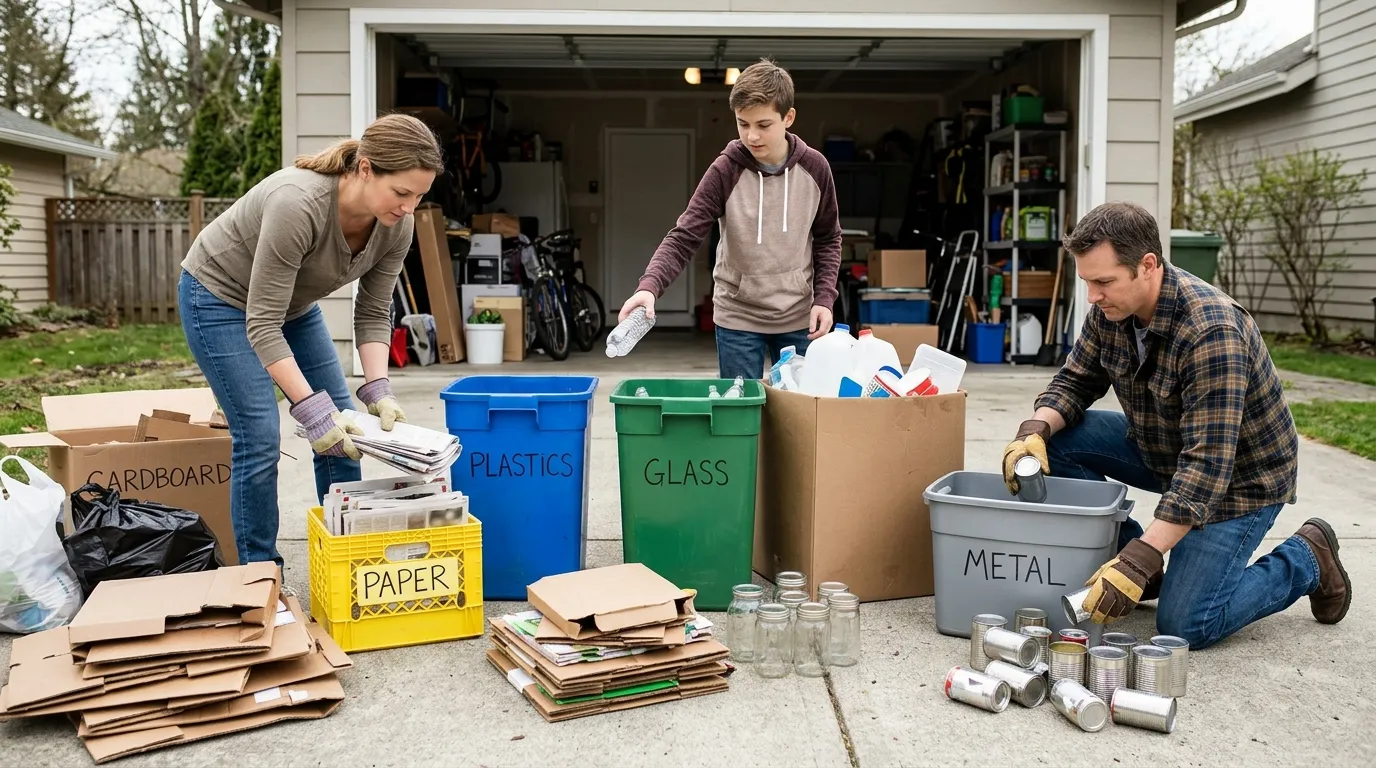
1. Sort All Renovation Waste
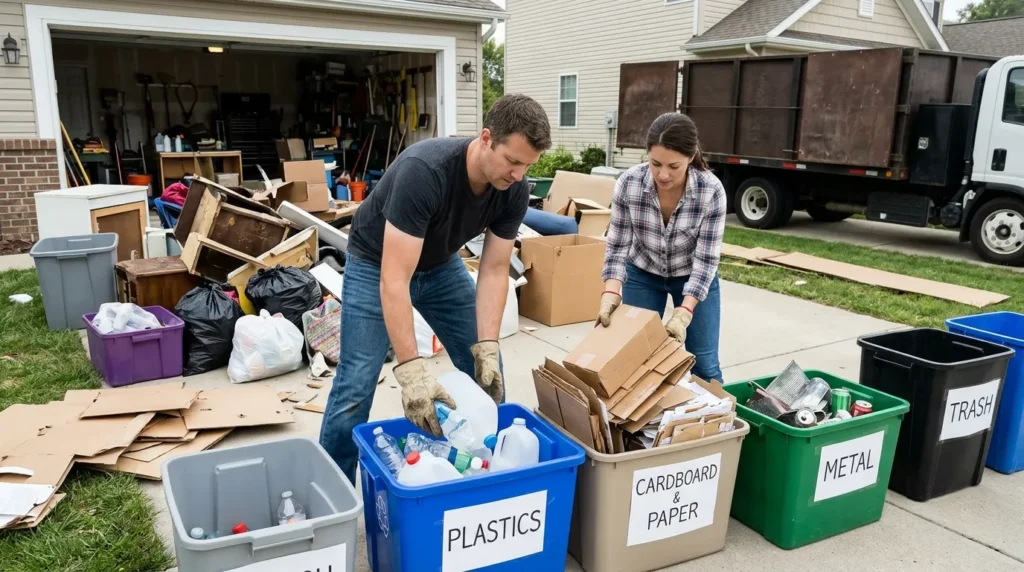
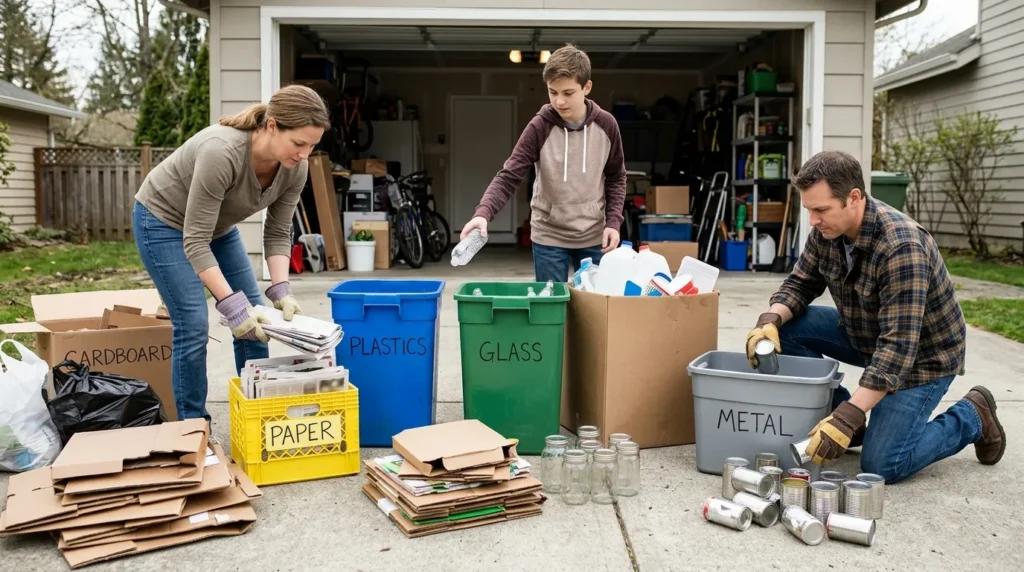
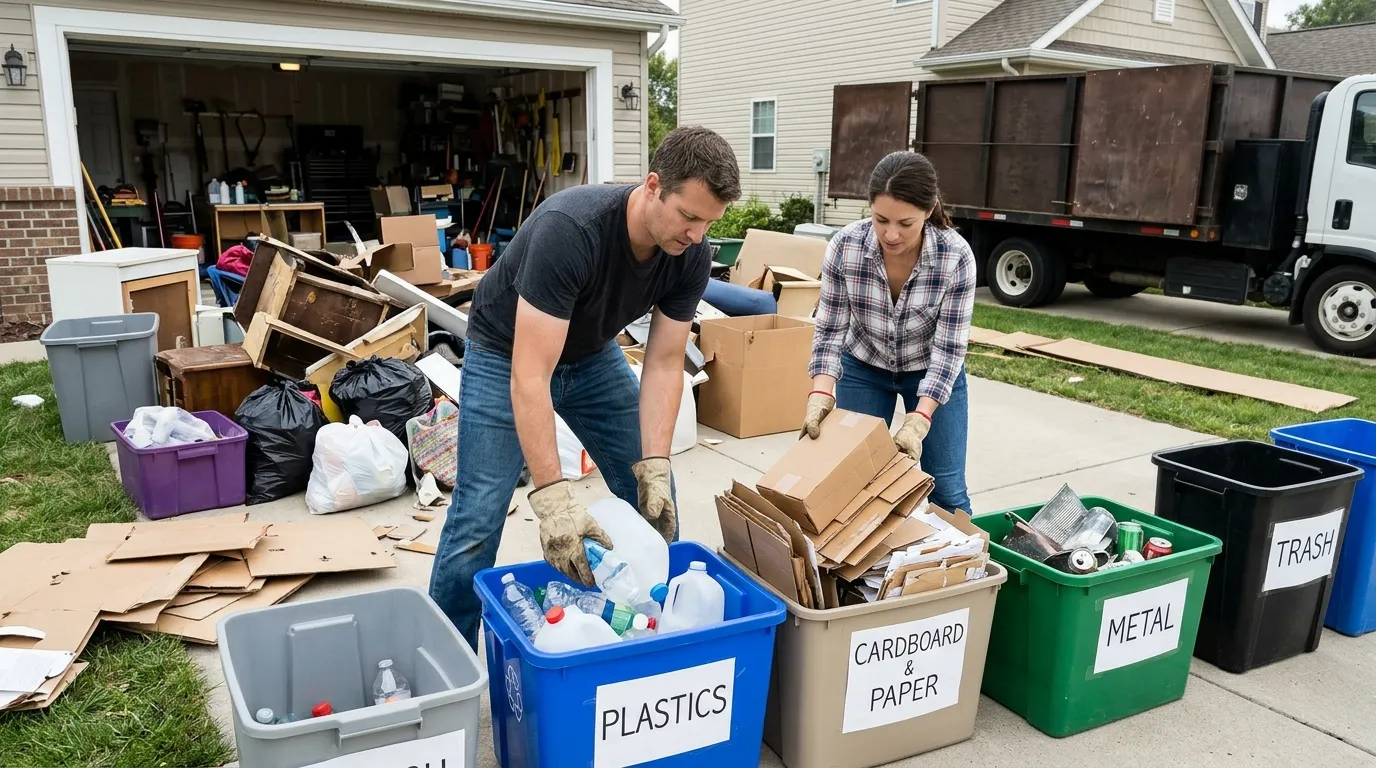
Start by collecting and sorting all the waste left behind after the renovation. Do not put everything into one pile or waste container. Separate materials such as wood, metal, plastic, cardboard, bricks, tiles, and drywall. This makes it easier to recycle items and find the right way to dispose of each type of waste.
You can place smaller items in separate bags or boxes and keep heavier materials in a different area. Label each pile or container so you know what it contains. Sorting waste at the beginning can save time, reduce confusion, and make the cleaning process much easier.
2. Reuse Useful Materials
Not everything left after a renovation needs to go in the trash. Some materials may still be in good condition and useful for future repairs or home projects. For example, leftover tiles, wooden boards, paint, screws, and other building materials can be stored for later use. Before throwing anything away, check whether it can be reused in another part of your home.
Keep reusable materials in a dry and safe place so they do not get damaged. Store paint and other products according to their safety instructions, and keep them away from children and pets. Reusing leftover materials can help reduce waste and save money on future home improvement projects.
3. Donate Items That Are Still in Good Condition
Home renovations often involve replacing old furniture, kitchen cabinets, doors, sinks, lights, and appliances. However, some of these items may still work well and can be useful to someone else. Instead of throwing them away, consider donating them to local charities, community groups, or people who need them.
You can also list usable items on local online marketplaces and offer them for free. Before donating or giving anything away, make sure the items are clean, safe, and in working condition. This gives unwanted household items another use and helps reduce the amount of waste going to disposal centres.
4. Recycle Construction Materials
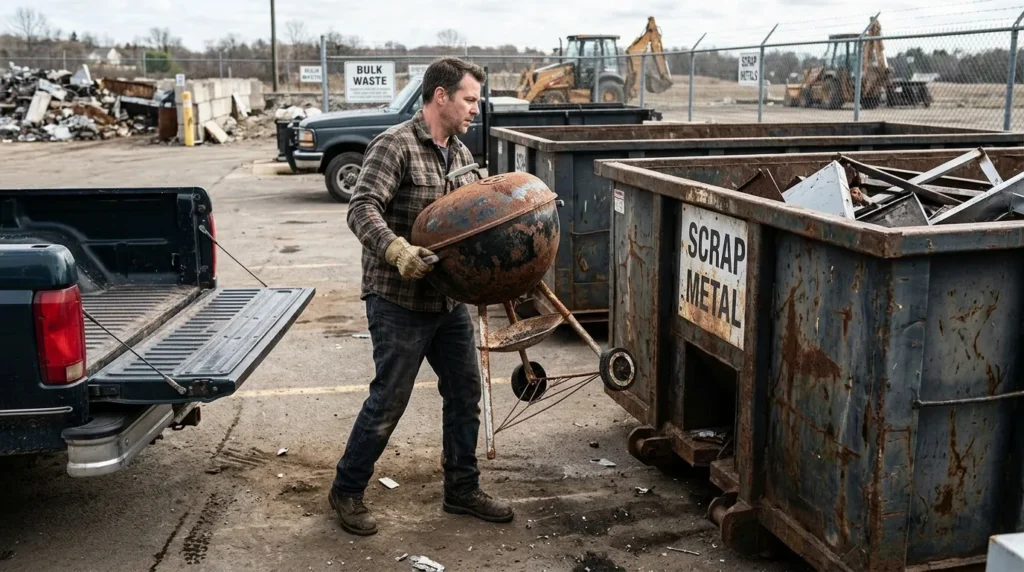
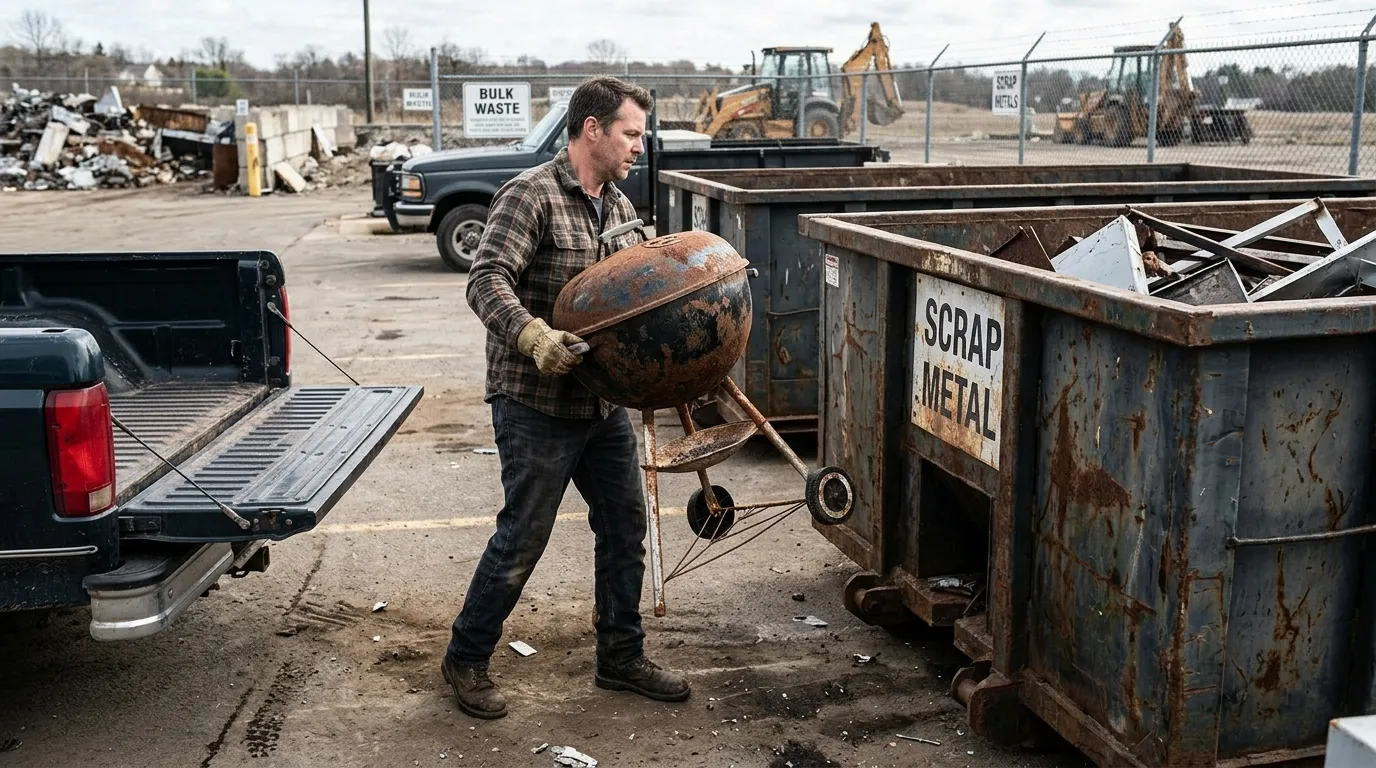
Many materials used in home renovations can be recycled instead of sent to a landfill. Metal pipes, cardboard boxes, plastic packaging, wood, and certain building materials may be accepted at local recycling centres. Separate recyclable materials from general waste and check the rules at your local recycling facility.
Some materials may need to be cleaned or sorted before they can be accepted. For example, metal pieces should be kept separate from plastic and wood. Recycling helps reduce the amount of waste sent to landfills and allows useful materials to be processed and used again.
5. Dispose of Hazardous Waste Safely
Some renovation materials can be harmful to people and the environment if they are not handled properly. Paint, paint thinner, glue, solvents, chemical cleaners, and certain insulation materials may need special disposal. Never pour leftover chemicals or paint into drains, toilets, or outdoor areas. Keep these products in their original containers whenever possible.
Check the product labels and contact your local waste management centre to find out where hazardous waste should be taken. Do not mix different chemicals or place them in regular household rubbish. If your renovation involved asbestos or other dangerous materials, contact a qualified professional for safe removal.
6. Rent a Skip or Waste Container
If your renovation has produced a large amount of waste, renting a skip or waste container can make the job much easier. You can place broken tiles, wood, bricks, drywall, and other accepted renovation materials inside the container. A waste company will collect it once it is full or when your rental period ends.
Before renting a container, estimate how much waste you have so you can choose the right size. Also, check which materials are accepted because some companies do not allow hazardous waste, electrical items, or certain building materials. Ask about rental costs, collection dates, and any extra charges before making a booking.
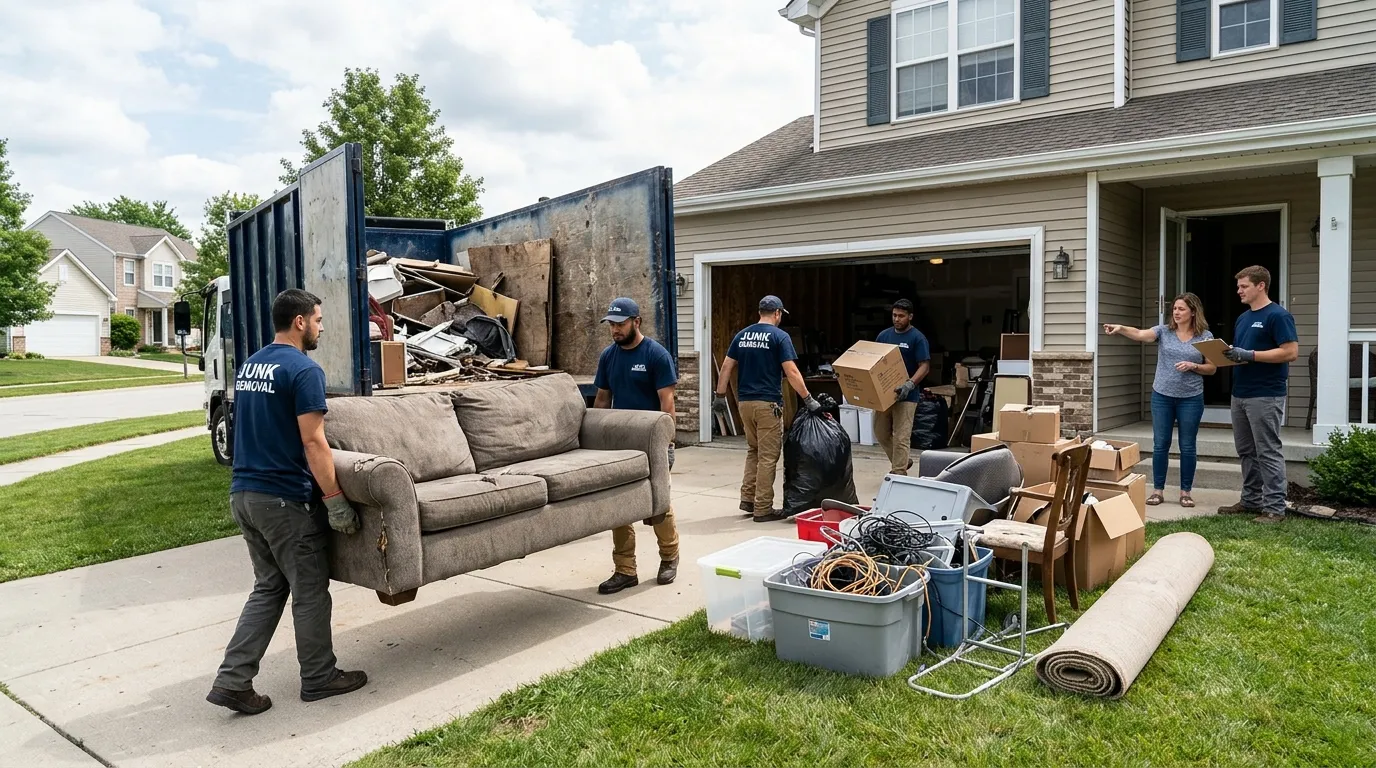
7. Hire a Professional Junk Removal Service
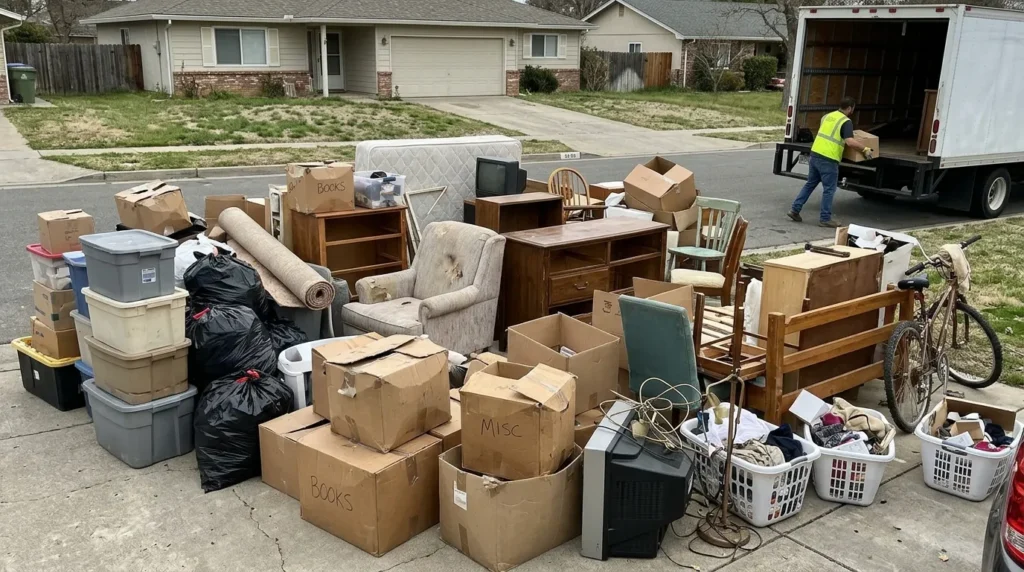
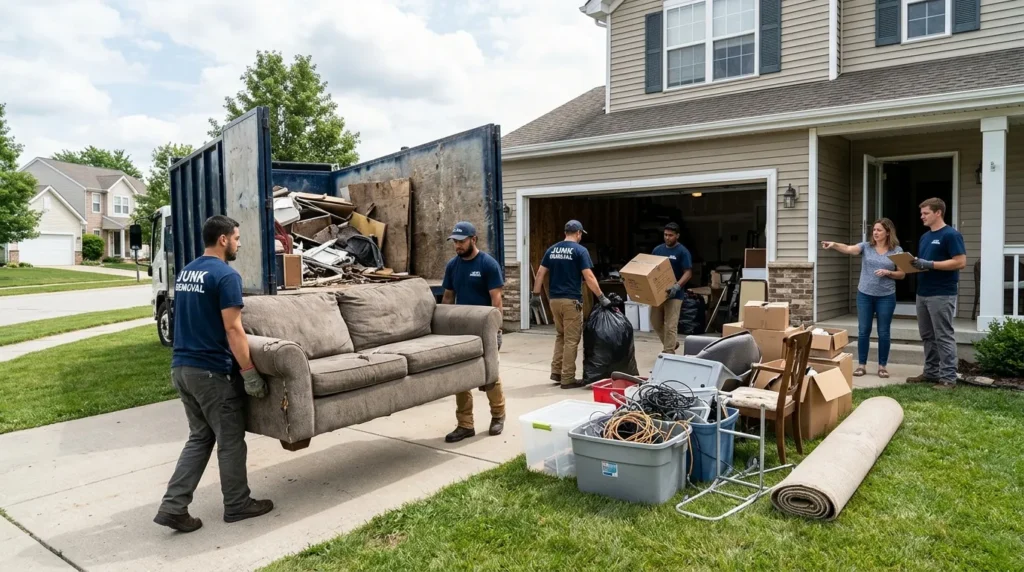
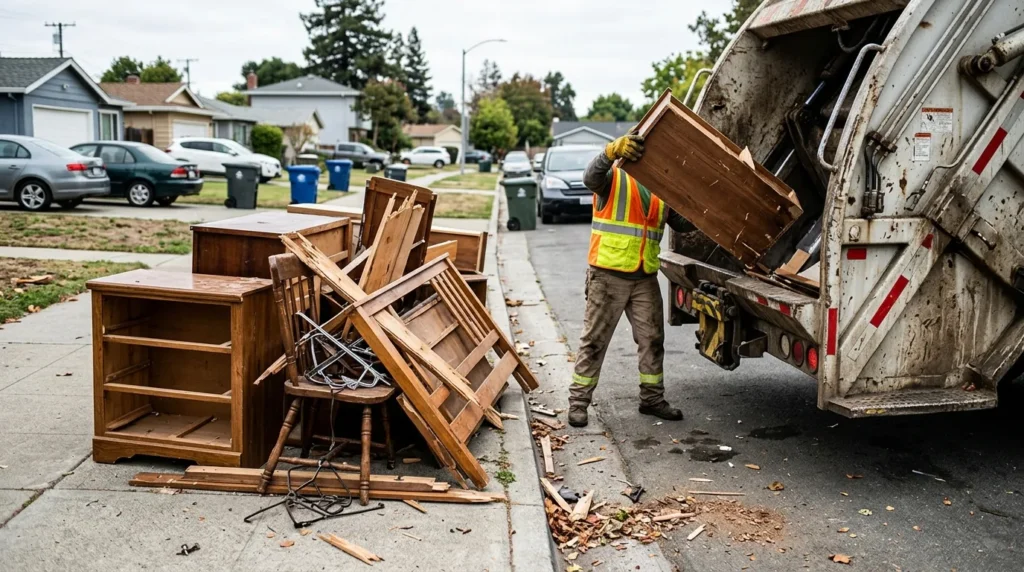
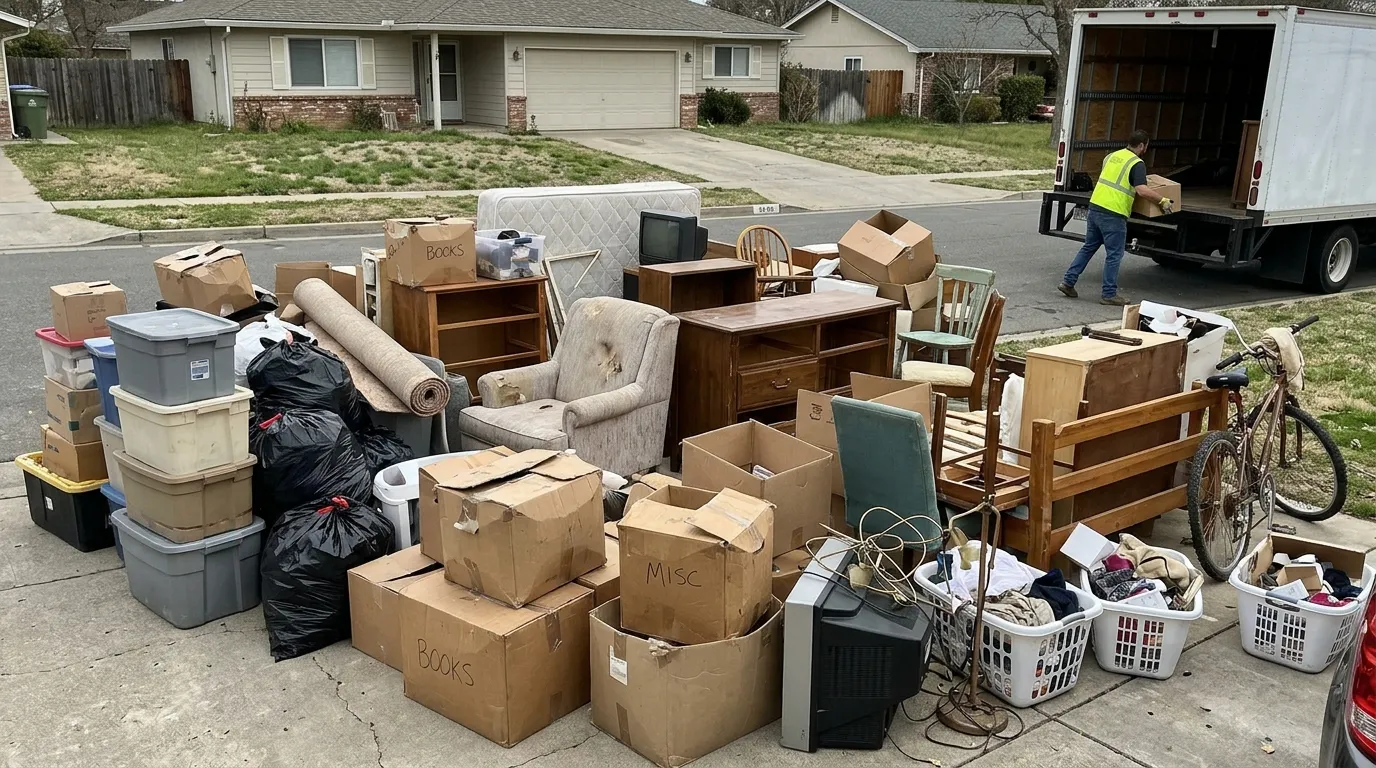
Removing renovation waste yourself can be difficult, especially if you have heavy furniture, large cabinets, broken appliances, or bulky construction materials. A professional junk removal service can collect these items and take them to suitable disposal or recycling facilities. This option can save time and reduce the risk of injuries from lifting heavy objects.
Before hiring a company, ask about its prices, collection process, and waste disposal methods. It is also a good idea to check whether the service handles all types of renovation waste or only selected items. Choose a company that follows local waste disposal rules and has clear pricing.
8. Dispose of Broken Building Materials Properly
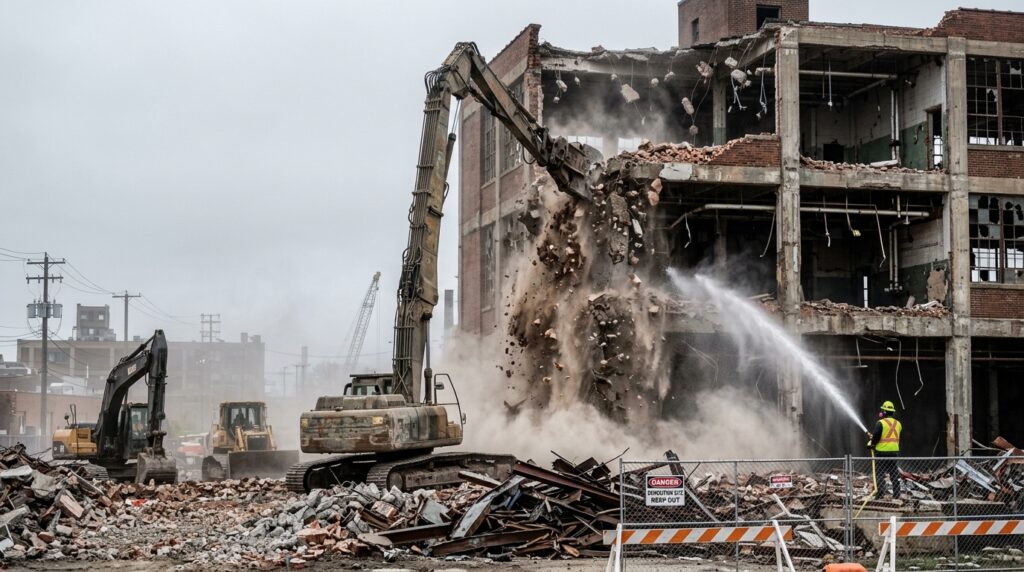
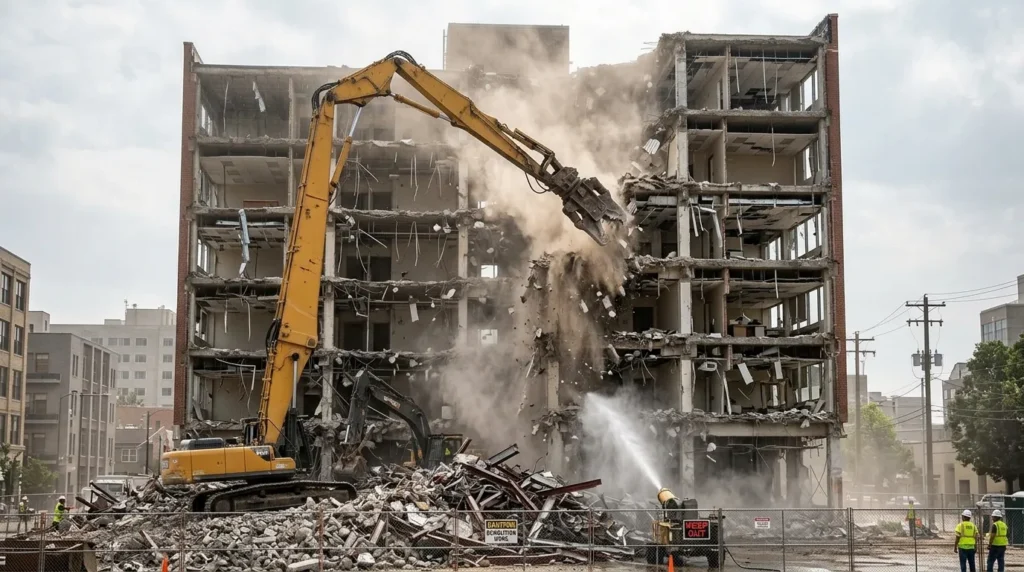
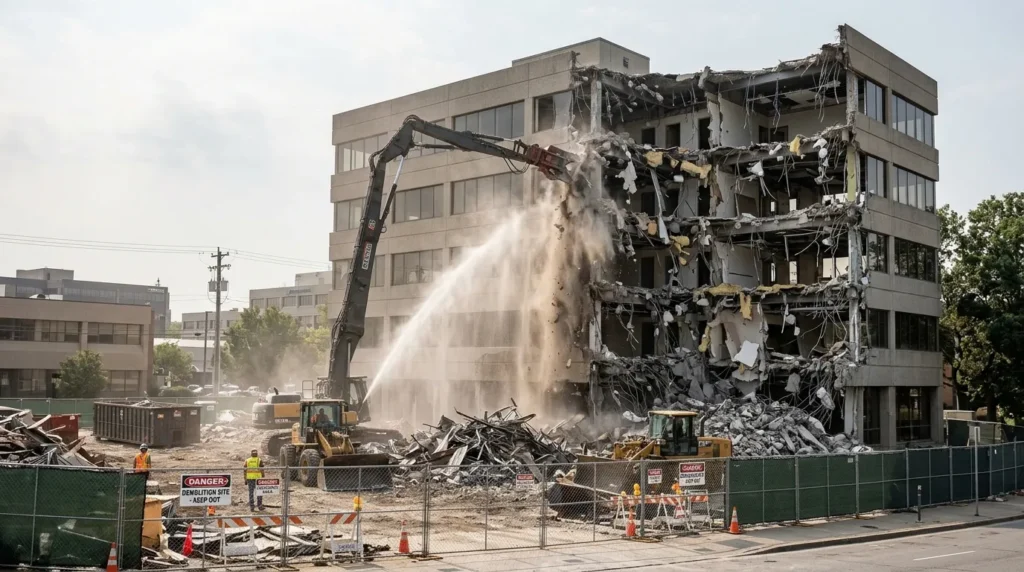
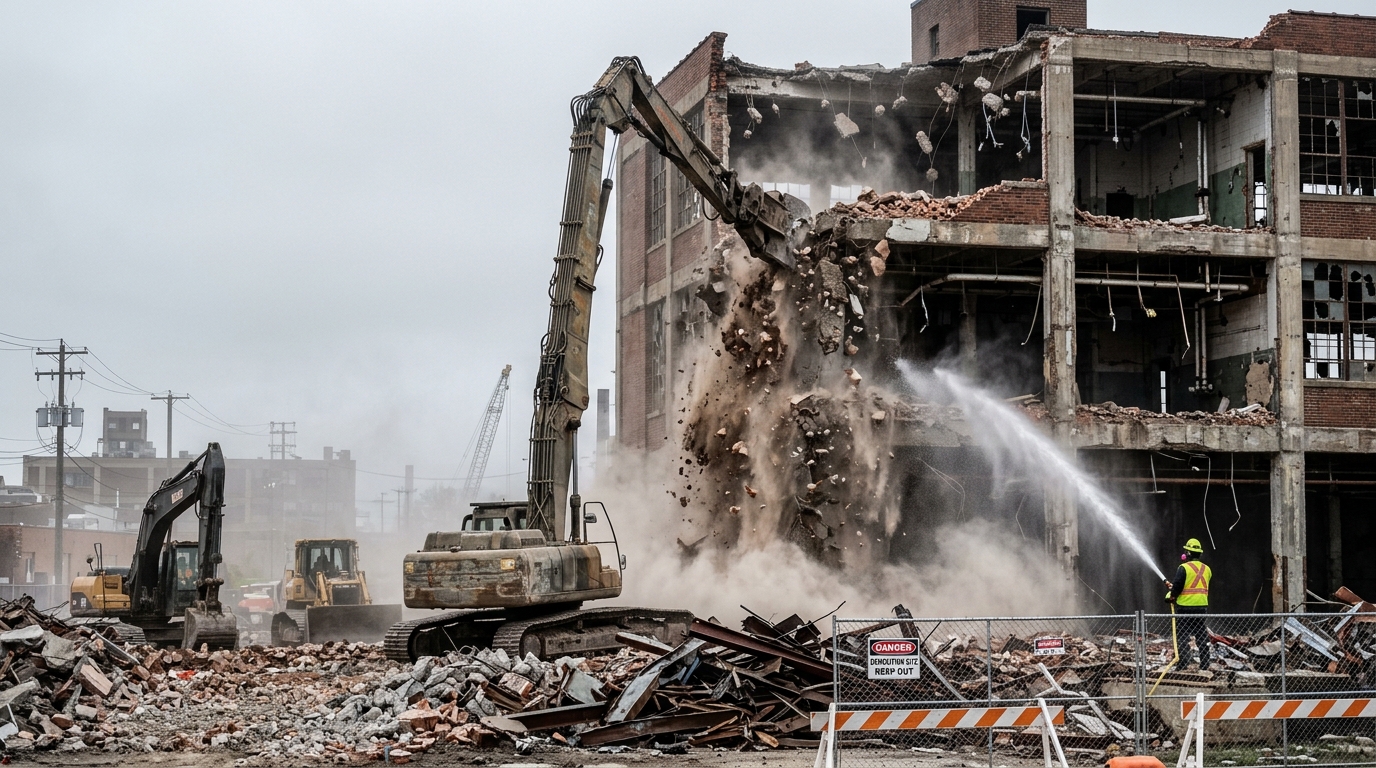
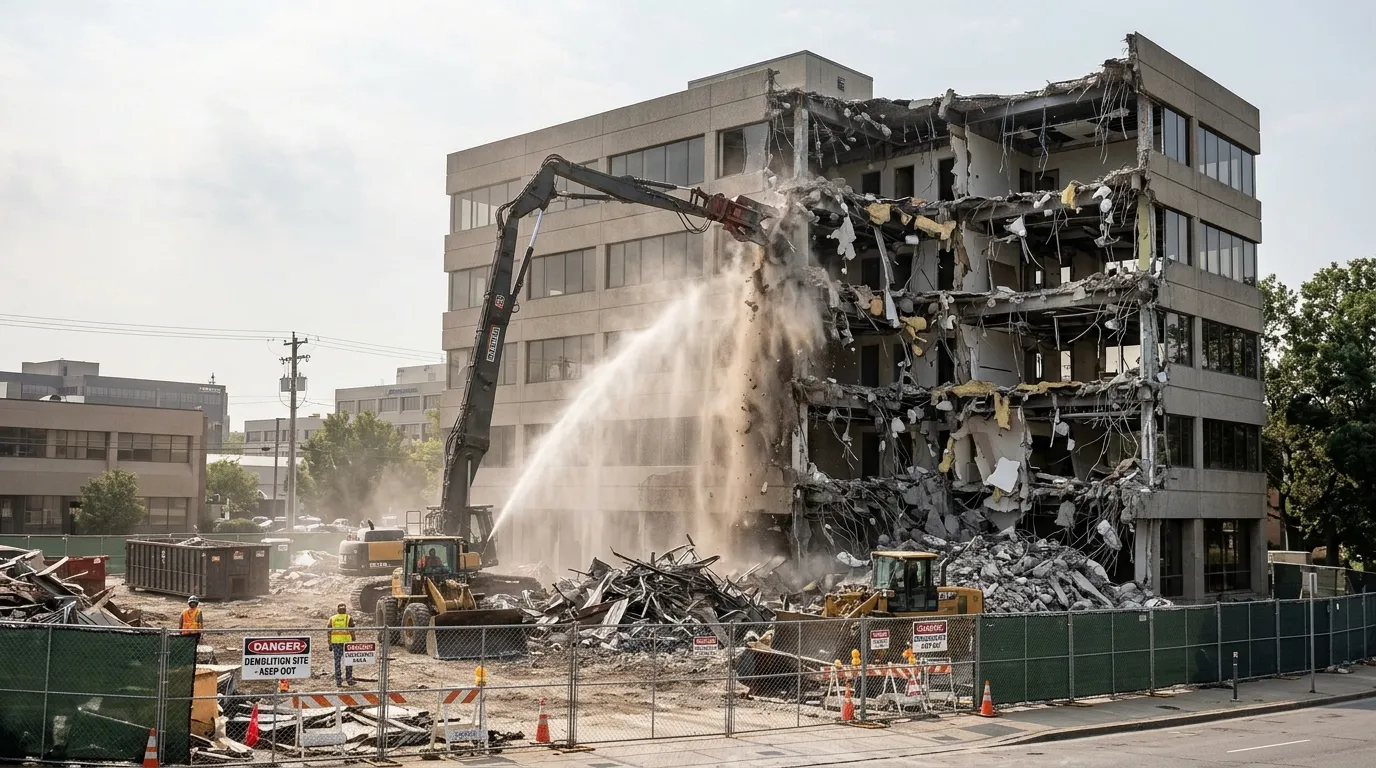
Home renovations can leave behind heavy materials such as concrete, bricks, tiles, plasterboard, and drywall. These materials should not always be mixed with regular household rubbish. Some recycling centres accept clean construction materials, while others require them to be separated by type. Check the local rules before disposing of these items.
For example, concrete and bricks may need to go to a specific construction waste collection point. Keep these materials separate from general rubbish and avoid placing heavy waste in containers that are not made to carry it. Proper disposal helps prevent waste problems and keeps building materials out of the wrong waste streams.
9. Clean the Renovated Area Properly
After removing large items and construction waste, give the renovated area a proper cleaning. Start by collecting small pieces of debris, nails, screws, and broken materials from floors and corners. Then remove dust from shelves, windows, walls, and other surfaces. Pay attention to hidden areas where dirt and small pieces of waste may collect.
Use a suitable vacuum cleaner to collect fine dust, as ordinary sweeping may spread it around the room. Clean floors, kitchen surfaces, bathrooms, and other renovated areas with suitable cleaning products. Open windows where possible to improve airflow and help remove dust and unpleasant smells.
10. Check Local Waste Disposal Rules
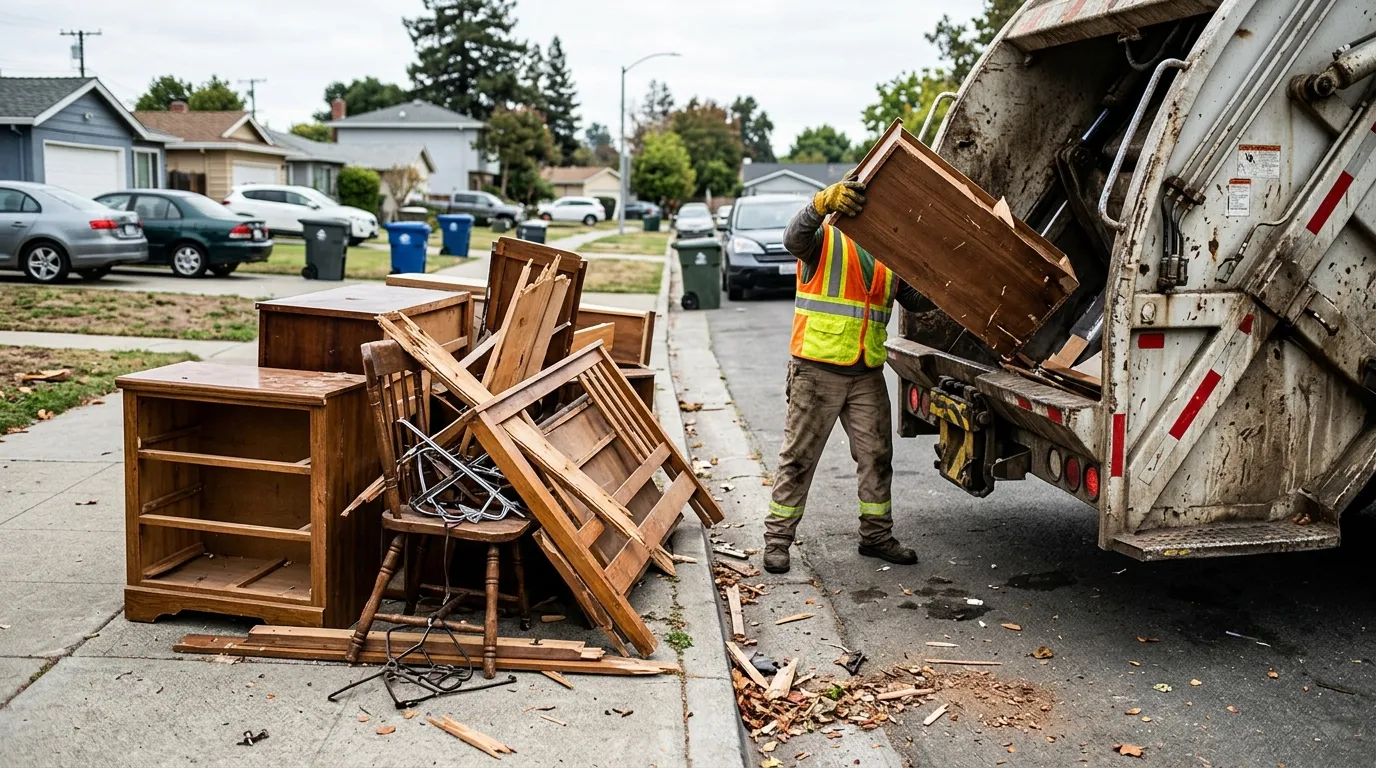
Waste disposal rules can vary depending on where you live. Some areas have separate collection points for construction waste, electrical items, furniture, and hazardous materials. Others may offer special collection services for large household items. Before disposing of renovation waste, visit your local council or waste management company’s website to check the available services.
Also, check whether you need to book a collection or pay a fee for certain types of waste. Some recycling centres have limits on the amount of material you can bring in one visit. Following local rules can help you avoid extra charges, rejected waste, and fines for improper disposal.
11. Keep Yourself Safe During Waste Removal
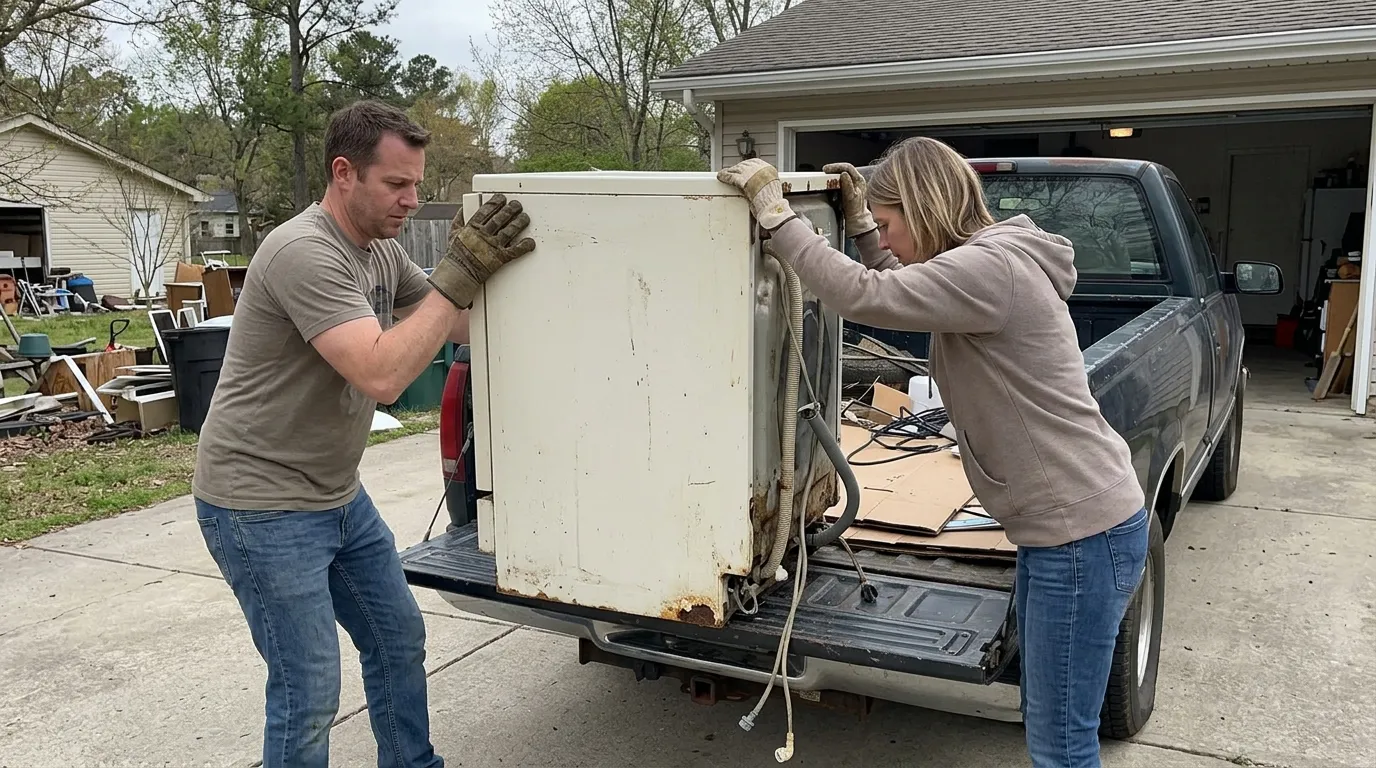
Cleaning up after a renovation can involve sharp objects, heavy materials, and harmful dust. Always wear suitable protective equipment when handling waste. Strong gloves can protect your hands from sharp edges, while safety shoes can help protect your feet from falling objects and nails. A suitable dust mask and safety glasses can also help protect you from dust and small particles.
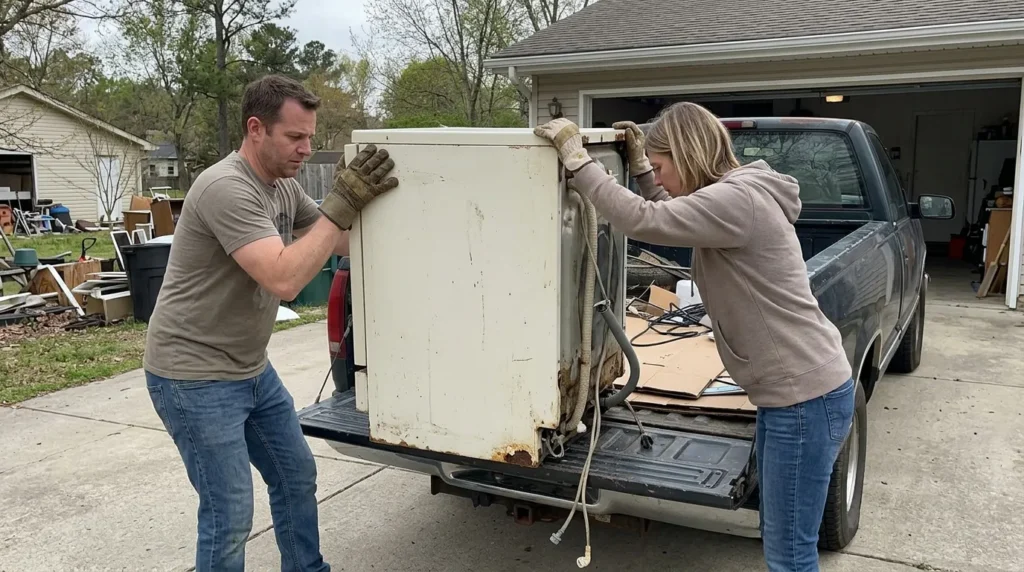
Avoid lifting heavy items alone, especially large cabinets, appliances, and construction materials. Ask someone for help or use proper lifting equipment when moving bulky objects. Keep children and pets away from the cleaning area until all waste has been removed and the space is safe to use.
12. Do a Final Inspection
Once all the junk has been removed and the cleaning is complete, inspect your home one more time. Check bedrooms, kitchens, bathrooms, garages, storage rooms, balconies, and outdoor areas for leftover materials. Look behind furniture and inside cupboards where small items may have been left behind.
Make sure there are no exposed nails, sharp objects, chemical containers, or loose building materials. Check that floors and walkways are clear and that all waste has been taken to the right disposal or recycling centre. A final inspection helps make sure your home is clean, safe, and ready to use after the renovation.
Final Thoughts
Handling junk after a home renovation is an important part of completing the project. From sorting and recycling materials to donating usable items and hiring professional removal services, there are several ways to manage renovation waste. The best option depends on the amount and type of waste you have.
By planning ahead and following local disposal rules, you can keep your home clean, reduce waste, and avoid unnecessary problems. Once all the unwanted materials are removed and the cleaning is complete, you can enjoy your newly renovated home without worrying about leftover junk.
Also Read: What Household Items Should Never Go in the Trash?