Moving from Idaho to Montana may seem like a small change on the map, but daily life can feel surprisingly different after the move. Both states are known for rugged landscapes, outdoor recreation, and strong community values, yet Montana offers its own unique character shaped by larger open spaces, lower population density, and distinct regional economies.
Many Idaho residents relocate to Montana for employment opportunities, lifestyle preferences, retirement plans, or a desire for more land and privacy. Understanding what to expect before moving can help you make informed decisions and settle into your new community with confidence.
Why Montana Appeals To Idaho Residents
People moving from Idaho often find Montana attractive because of its wide-open spaces and slower pace of growth. While Idaho has experienced significant population increases in recent years, many Montana communities continue to maintain a quieter atmosphere and less development pressure.
Montana also appeals to those who value outdoor living and scenic surroundings. Residents enjoy access to mountains, rivers, forests, and recreational areas that support an active lifestyle. For individuals seeking more room to spread out while remaining close to nature, Montana offers an appealing alternative.
Comparing Everyday Living Expenses
One of the first considerations when relocating is understanding how living expenses may change. Housing costs, utility bills, transportation expenses, and property-related costs can vary significantly depending on the specific communities being compared.
While some Montana cities have experienced rising housing prices, many areas still offer opportunities for buyers and renters looking for more space. Evaluating your expected monthly expenses before moving can help create a realistic budget and reduce financial stress during the transition.
Deciding Where To Live In Montana
Montana provides a wide variety of living environments, from growing cities to quiet rural communities. Selecting the right location depends on your employment needs, lifestyle preferences, family priorities, and budget.
Billings offers strong economic activity and urban conveniences, while Missoula combines higher education, culture, and recreation. Bozeman attracts professionals and entrepreneurs, while Helena provides a balance of government employment and community living. Smaller towns throughout Montana offer peaceful settings that appeal to those seeking a more relaxed lifestyle.
Career Opportunities Across The State
Employment opportunities in Montana are supported by healthcare, agriculture, tourism, education, manufacturing, construction, government services, and technology. The state’s economy continues to create opportunities for workers across a variety of industries.
Remote work has also become a major factor for many new residents. Idaho professionals can often relocate without changing employers, allowing them to enjoy Montana’s lifestyle while maintaining established careers. Researching local job markets before relocating remains an important step in the planning process.
Weather Differences You Should Expect
Although Idaho and Montana share some weather similarities, Montana generally experiences colder winters and longer periods of snowfall in many regions. Seasonal changes are often more pronounced, creating a different rhythm throughout the year.
For newcomers who enjoy four distinct seasons, Montana’s climate can be one of its most appealing features. Activities such as skiing, snowmobiling, hiking, fishing, and camping are available throughout the year, making outdoor recreation an important part of daily life.
Education Options For Growing Families
Families moving from Idaho often prioritize education when selecting a new community. Montana offers public schools, private schools, charter programs, and higher education institutions that serve students throughout the state.
Parents should examine factors such as academic performance, graduation rates, class sizes, and extracurricular opportunities before choosing a school district. Montana State University and the University of Montana also provide respected higher education options for students pursuing future academic and career goals.
Understanding Transportation And Travel
Transportation in Montana is largely centered around personal vehicles. While larger cities provide some public transportation services, most residents rely on cars and trucks for commuting, shopping, and traveling between communities.
Because Montana covers a large geographic area, longer driving distances can be common. Winter weather may also affect travel conditions during certain months. Planning for transportation needs before relocating helps ensure a smoother adjustment after arriving.
Montana’s Strong Outdoor Culture
Outdoor recreation plays a major role in Montana’s identity. Residents enjoy access to some of the most impressive natural areas in the United States, including rivers, lakes, forests, mountain ranges, and public lands.
Activities such as fishing, hunting, hiking, skiing, rafting, boating, and wildlife observation are popular throughout the state. Landmarks including Glacier National Park and Yellowstone National Park contribute to a lifestyle that encourages exploration and year-round outdoor activity.
Preparing For A Smooth Relocation
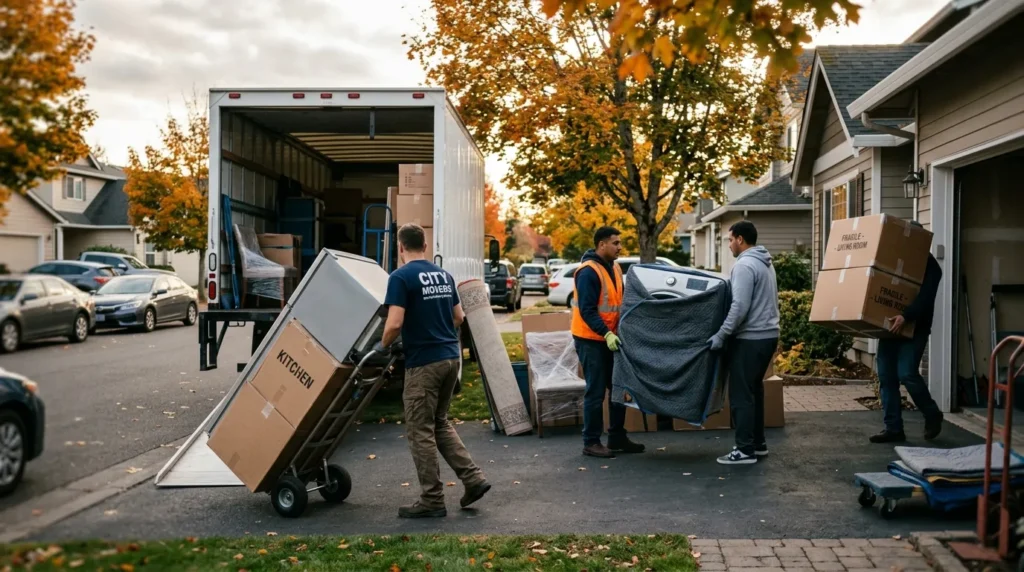
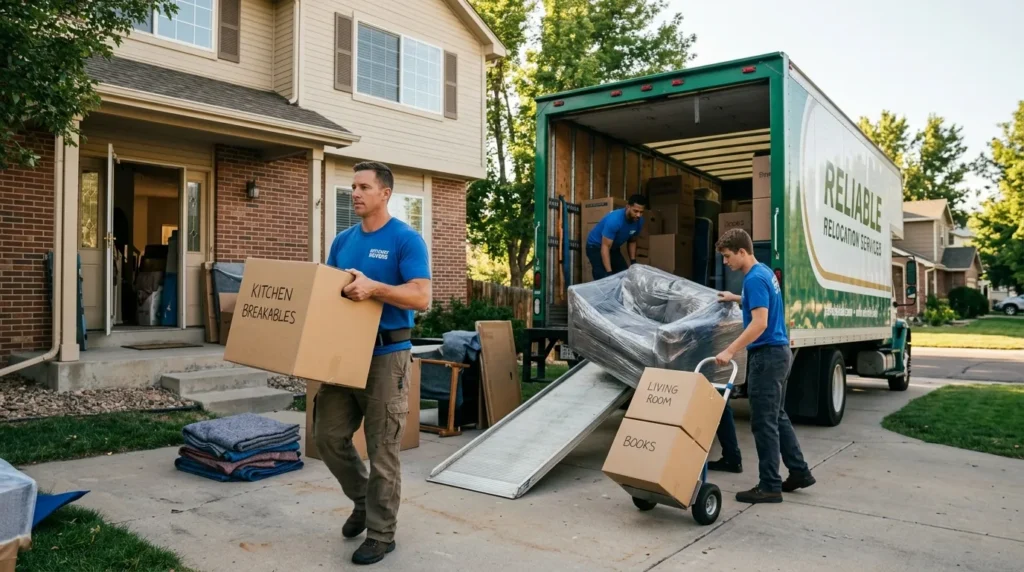
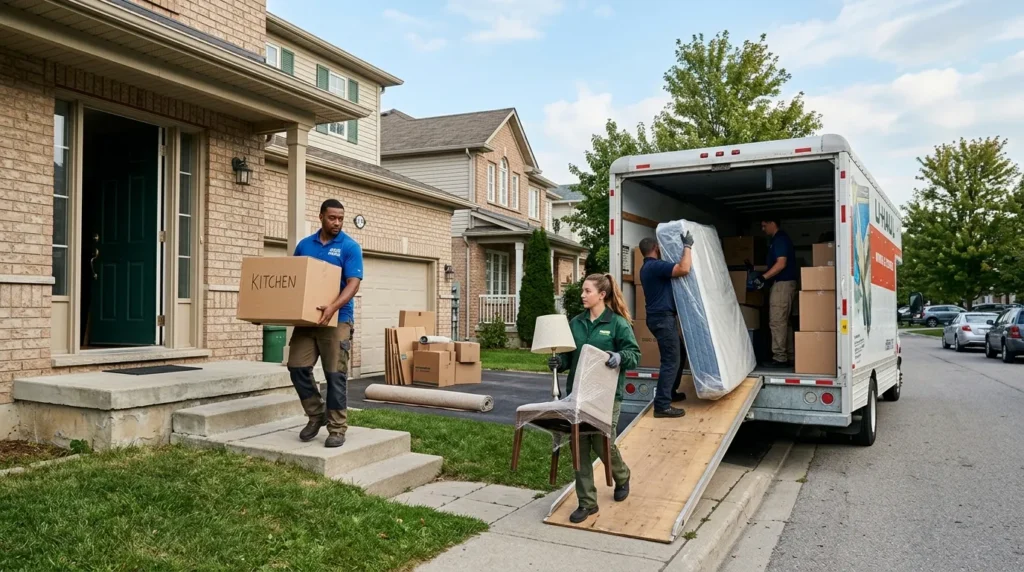
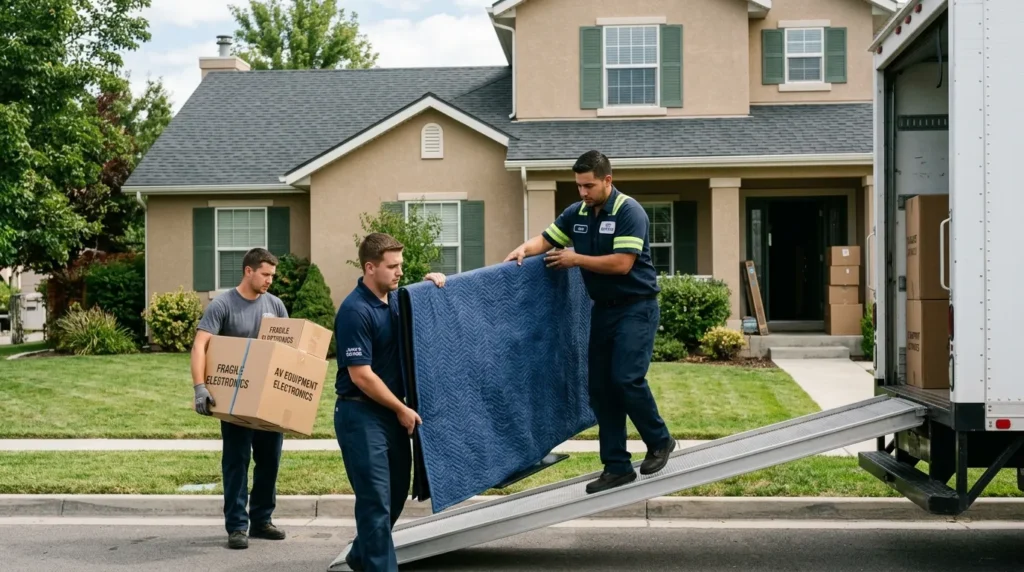
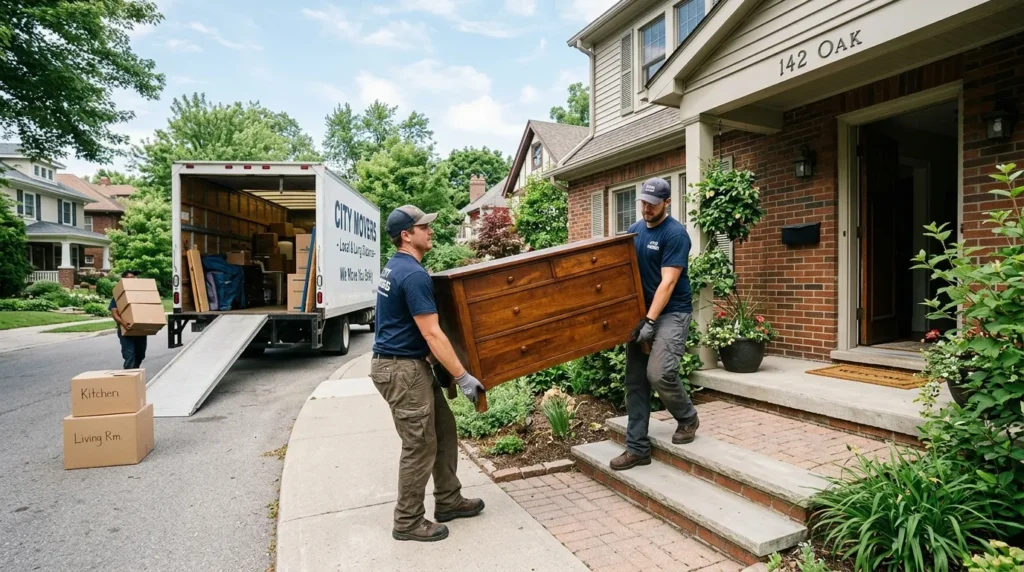
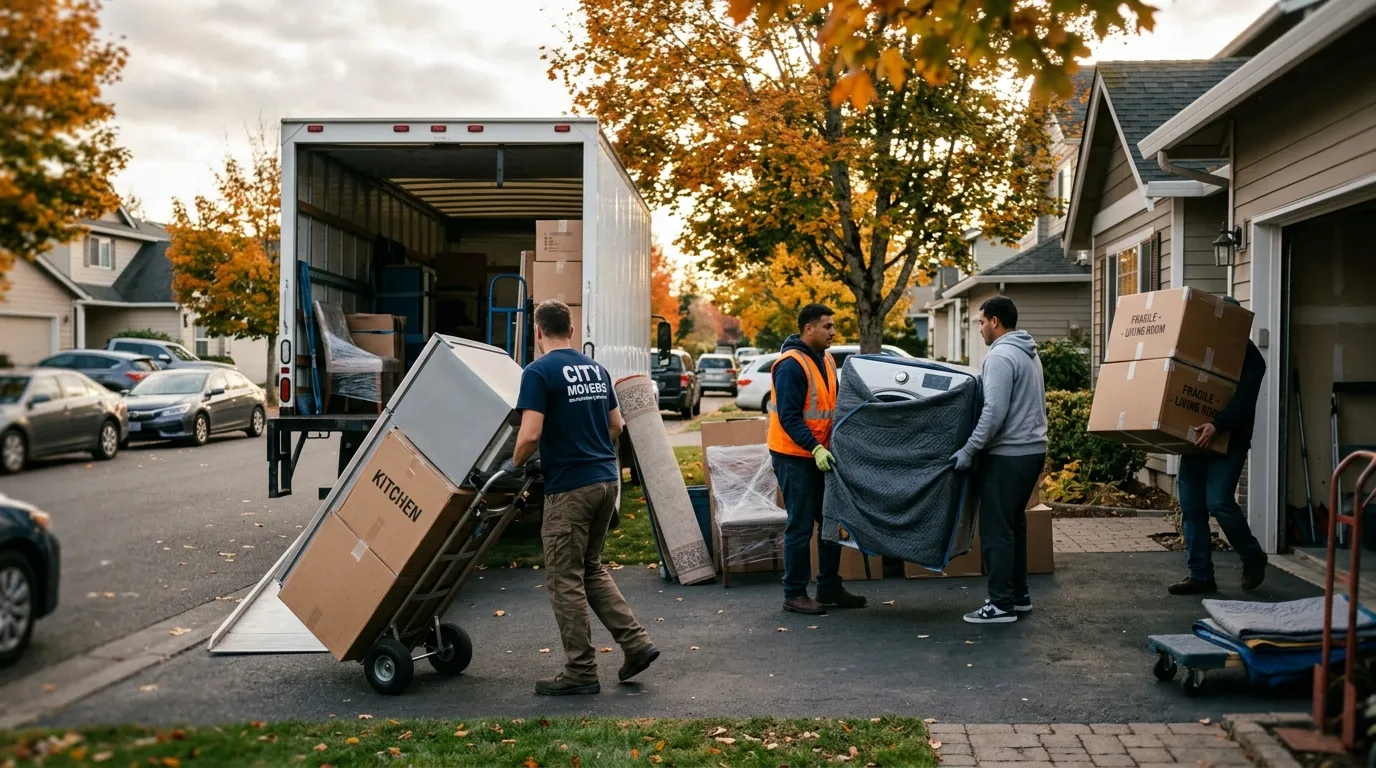
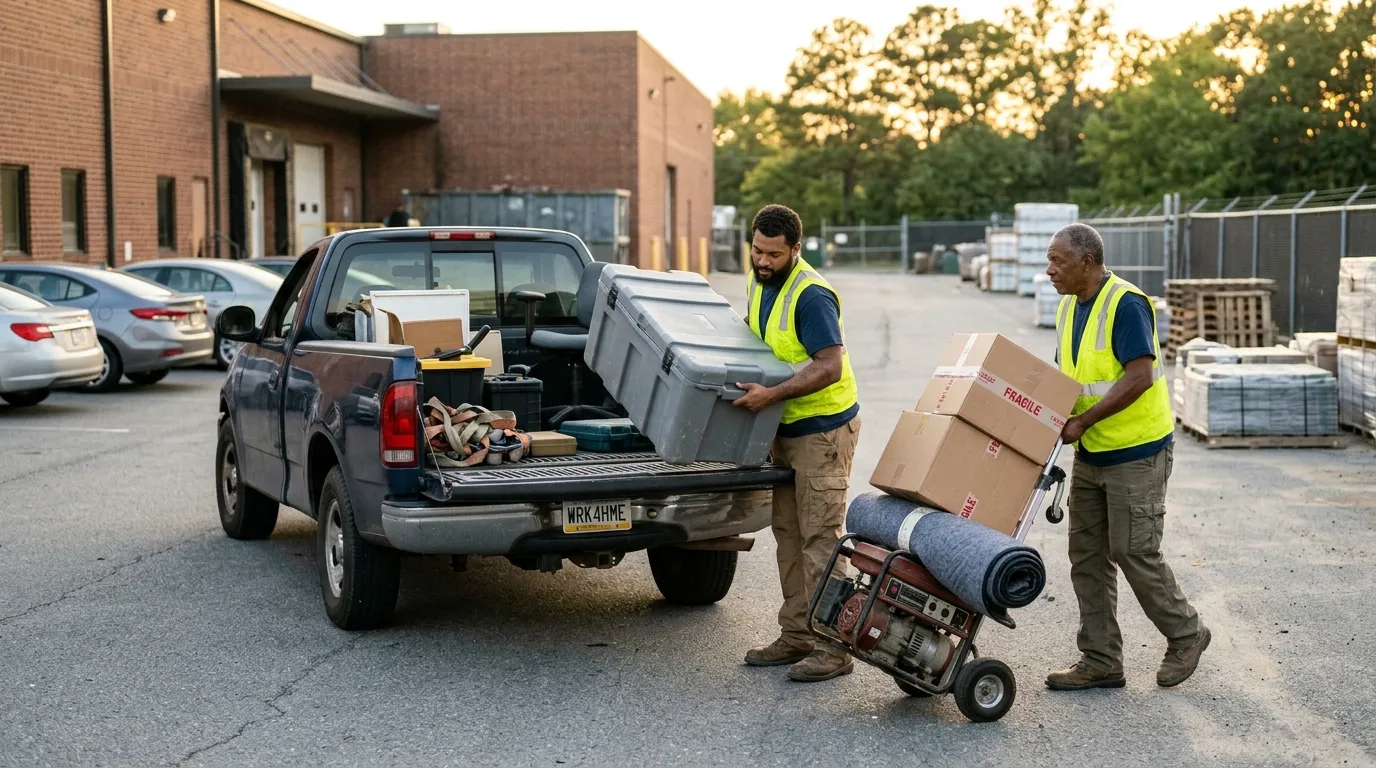
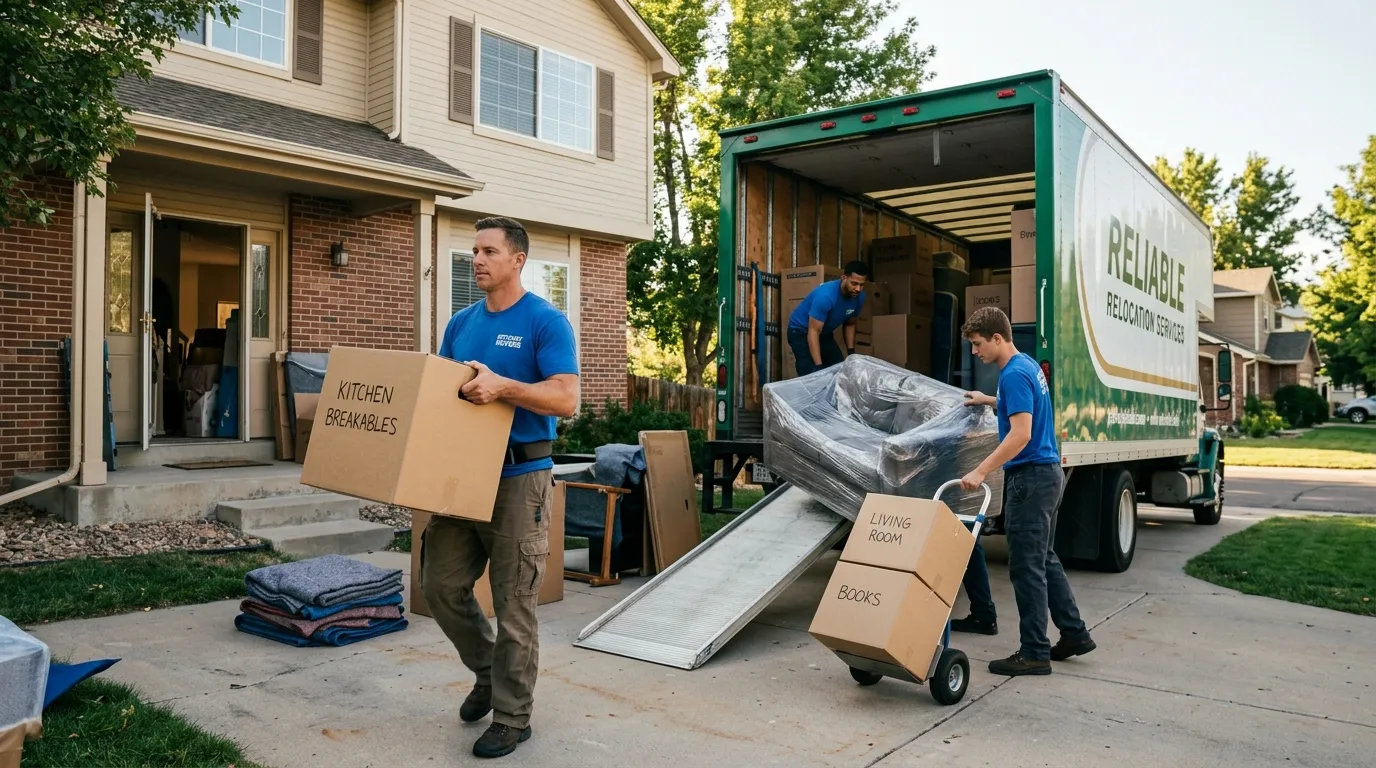
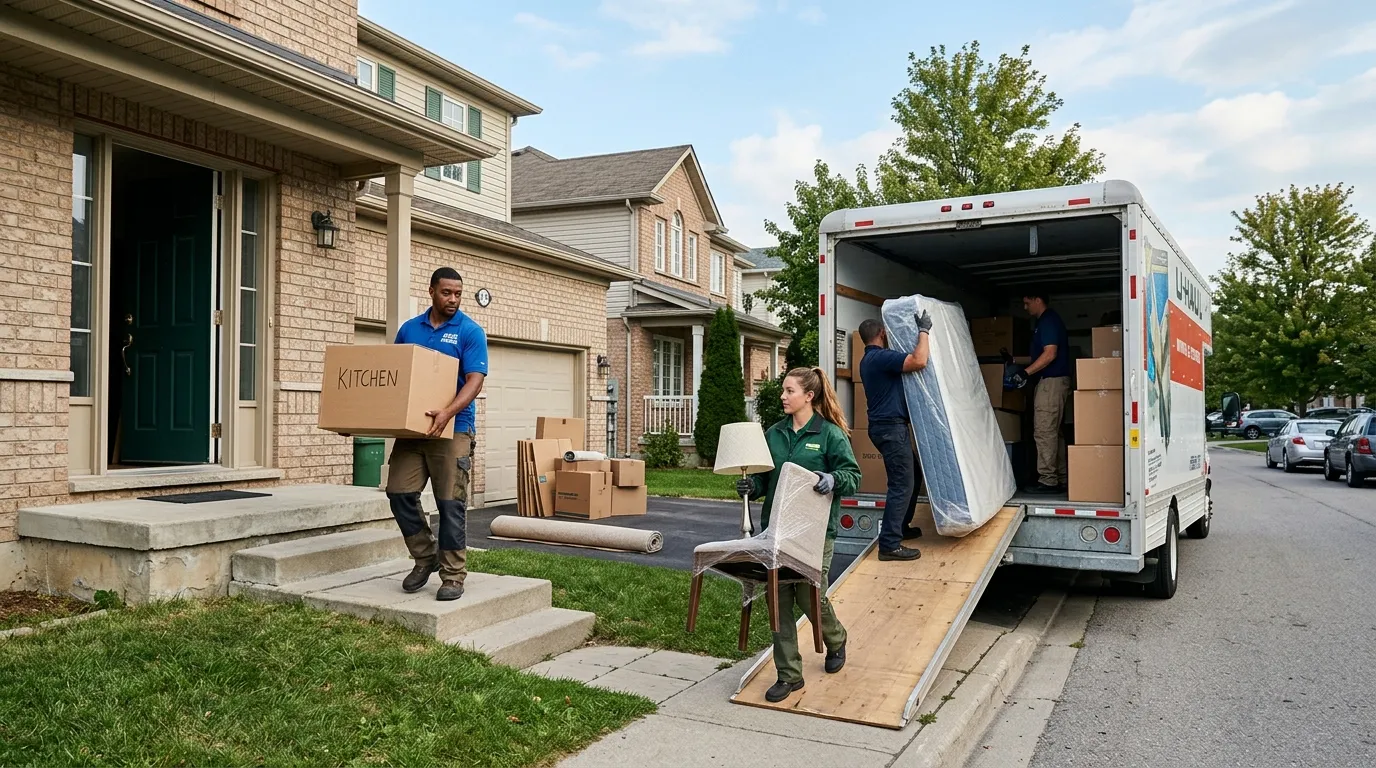
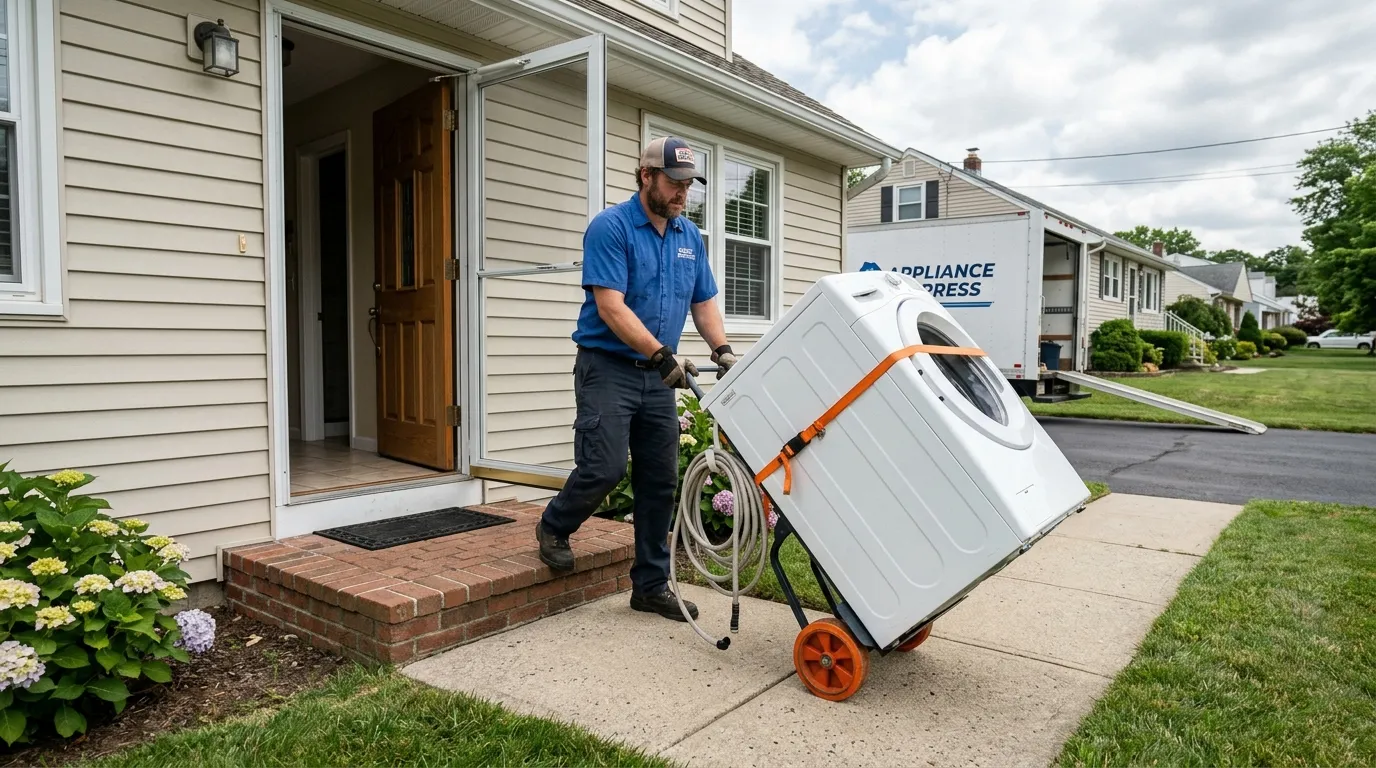
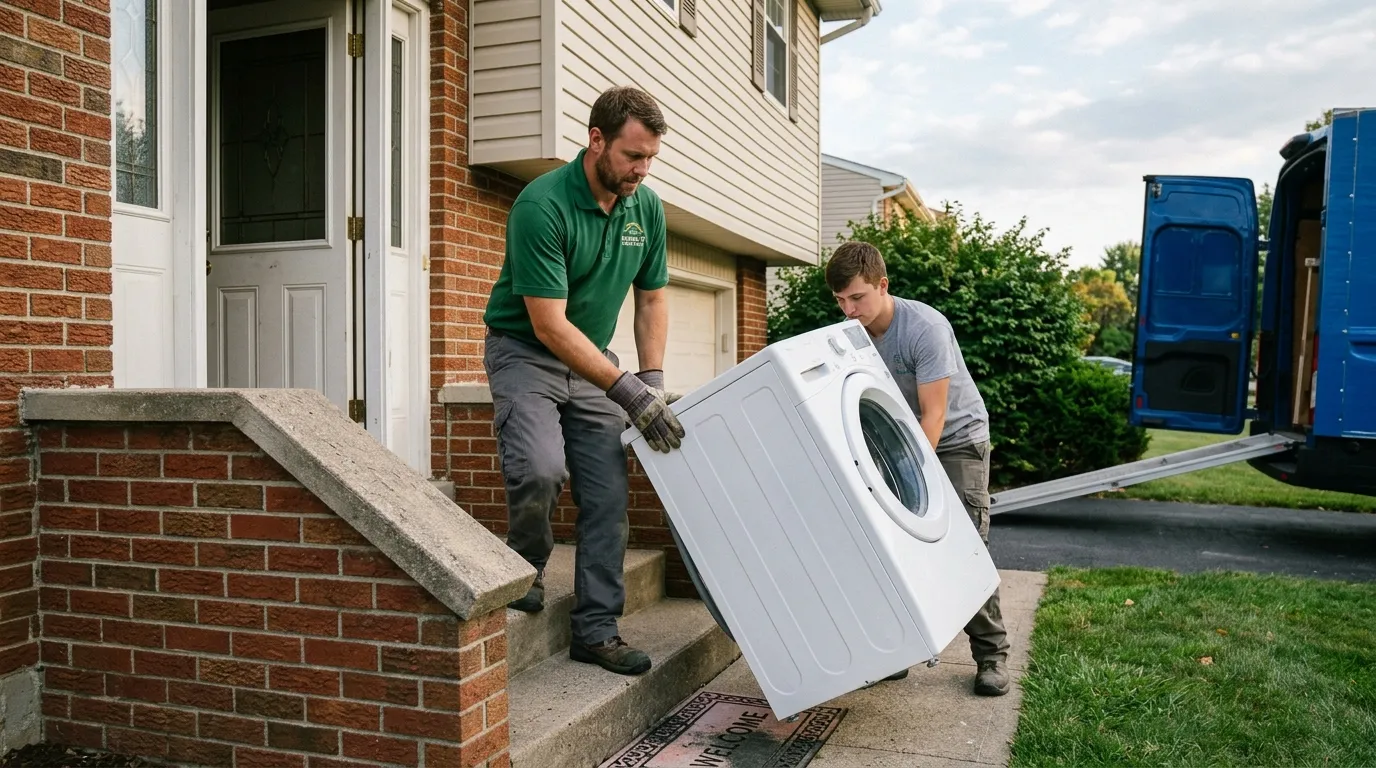
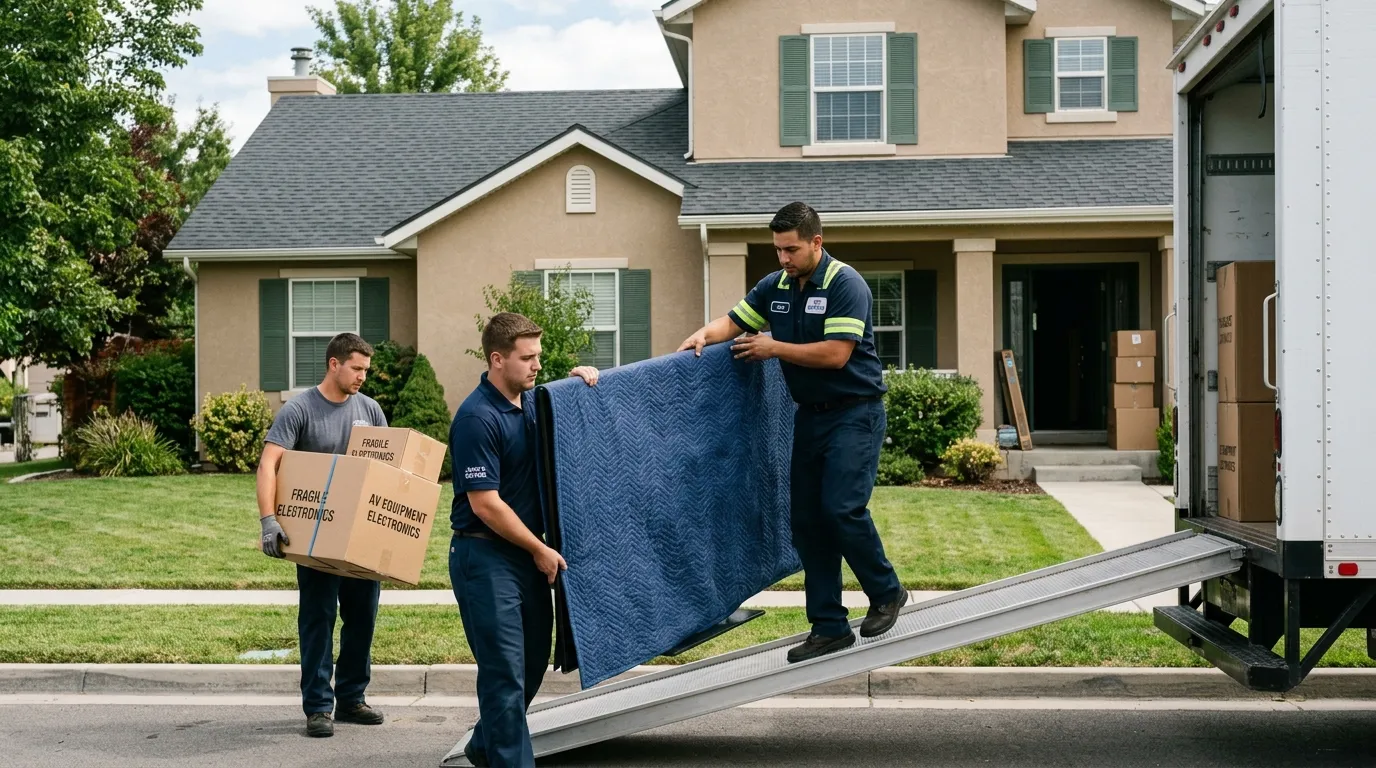
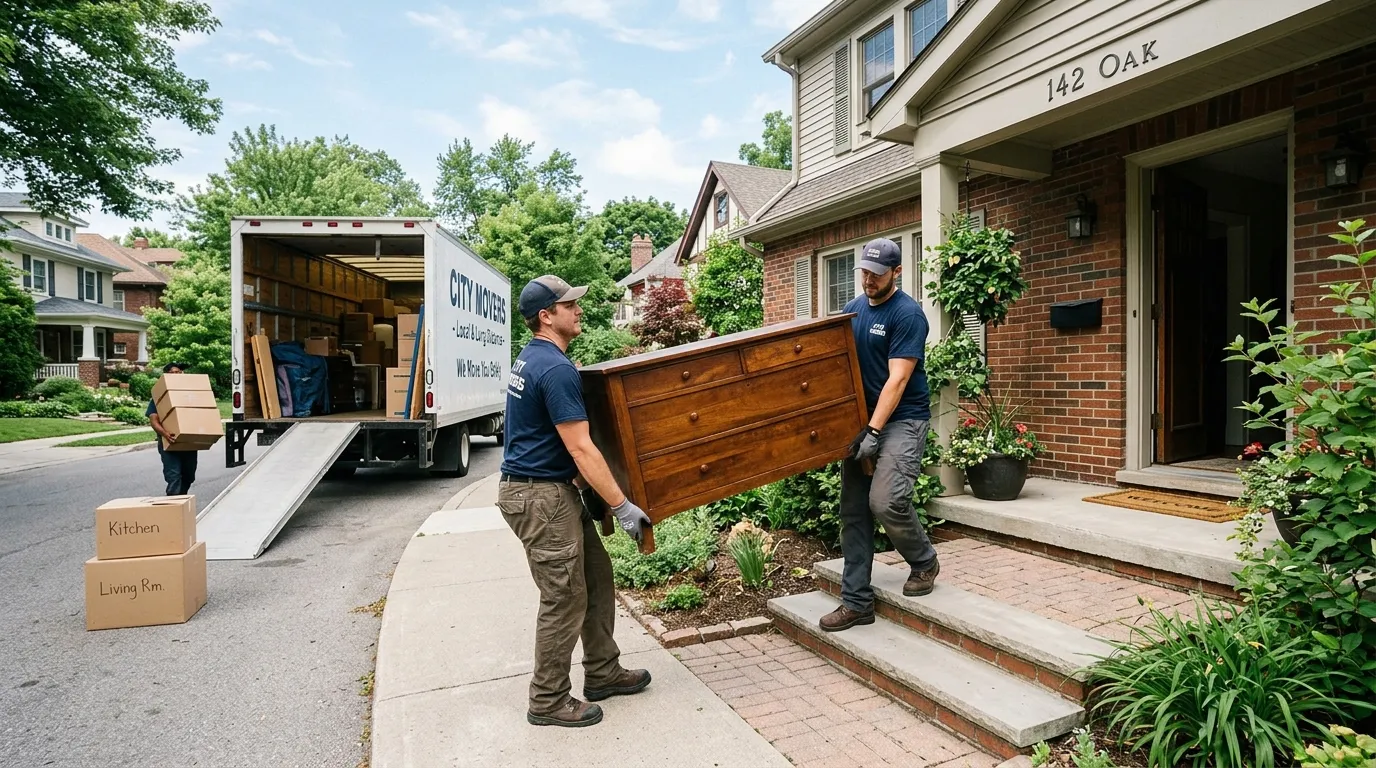
Proper preparation can make a significant difference during an interstate move. Developing a detailed moving timeline, organizing important documents, and selecting reliable movers can help reduce stress and prevent last-minute complications.
It is also important to handle tasks such as updating addresses, transferring utilities, arranging insurance coverage, and completing vehicle registration requirements. Taking care of these responsibilities early allows you to focus on settling into your new Montana home.
Becoming Part Of Your New Community
Adjusting to life in Montana involves more than simply changing your address. Building relationships with neighbors, participating in local events, and supporting community businesses can help create a sense of belonging in your new environment.
Many newcomers appreciate Montana’s welcoming atmosphere and community-focused culture. Taking time to become involved locally often leads to meaningful connections and a more enjoyable relocation experience over the long term.
Conclusion
Moving from Idaho to Montana offers the opportunity to experience beautiful scenery, strong communities, and a lifestyle centered around outdoor living. Although the two states share many similarities, Montana provides unique advantages that continue to attract new residents each year.
By researching housing, employment, climate, education, and community options before moving, you can make confident decisions and enjoy a successful transition. Whether your goal is career growth, retirement, family life, or greater access to nature, Montana offers a rewarding place to build your future.
Also Read: Move From CO To MT