Moving from Oregon to Montana is a significant change that brings new opportunities, different landscapes, and a fresh way of living. While both states are known for their natural beauty and outdoor recreation, Montana offers a more rural atmosphere, lower population density, and a slower pace of life in many communities.
People relocate from Oregon to Montana for many reasons, including affordable housing in certain areas, career opportunities, retirement plans, and the desire for more space. Understanding the differences between the two states before relocating can help you make informed decisions and enjoy a smoother transition.
Why People Move From OR To MT
Many Oregon residents decide to move to Montana because they want less congestion, lower housing competition, and easier access to wide-open spaces. Growing populations in cities such as Portland, Eugene, and Bend have encouraged some families and professionals to seek quieter communities with a stronger small-town feel.
Montana appeals to people who value outdoor living, community connections, and scenic surroundings. The state’s mountains, rivers, forests, and recreational opportunities create an attractive environment for individuals looking to enjoy a lifestyle that feels less crowded and more connected to nature.
Cost Of Living Differences Between Oregon And Montana
Cost of living is often one of the biggest factors influencing relocation decisions. While expenses vary depending on location, many Montana communities offer housing costs that can be lower than those found in Oregon’s larger cities and high-demand markets.
Beyond housing, residents may notice differences in transportation costs, utilities, property expenses, and everyday living costs. Some popular Montana cities have experienced price growth in recent years, but many areas still provide opportunities for buyers and renters seeking more value for their money compared to major Oregon metropolitan areas.
Housing Market In Montana
Montana’s housing market includes everything from urban apartments and suburban neighborhoods to large rural properties surrounded by open land. Cities such as Billings, Bozeman, Missoula, Helena, and Great Falls offer distinct housing options that appeal to different lifestyles and budgets.
Housing demand continues to grow in certain regions, making early planning important. Buyers and renters should research neighborhood amenities, school districts, commute times, and local market conditions before making a decision. A thorough housing search can help ensure you find a community that matches your long-term goals.
Employment Opportunities In Montana
Montana’s economy is supported by healthcare, tourism, agriculture, education, construction, manufacturing, government services, and a growing technology sector. Employment opportunities differ from those found in Oregon’s larger urban centers, but many industries continue to expand throughout the state.
Remote work has made relocating easier for professionals who want to maintain existing careers while enjoying Montana’s lifestyle. Job seekers should research local labor markets, average wages, and industry demand before moving to ensure their career plans align with opportunities available in their chosen city.
Climate And Weather Changes
Oregon and Montana experience very different weather patterns. Much of western Oregon is known for moderate temperatures and regular rainfall, while Montana experiences colder winters, warmer summers, and more dramatic seasonal changes throughout the year.
New residents often find Montana’s snowy winters and sunny summers appealing, especially if they enjoy seasonal outdoor activities. Preparing for colder temperatures, winter driving conditions, and changing weather patterns is an important part of adapting successfully to life in Montana.
Best Cities To Move To In Montana
Montana offers several attractive cities for newcomers. Billings provides a strong job market, healthcare services, and a variety of housing options. Missoula combines cultural attractions, educational institutions, and outdoor recreation, making it a popular choice for families and professionals.
Bozeman continues to grow because of its expanding economy and proximity to recreational opportunities. Helena offers a balanced lifestyle with government employment and historical character, while Great Falls attracts residents seeking affordability and a quieter pace. Each city provides unique advantages depending on your priorities.
Education And School Systems
Families relocating from Oregon often place education near the top of their decision-making process. Montana offers public schools, private institutions, and higher education opportunities that serve communities throughout the state.
The state is home to respected universities, including Montana State University and the University of Montana. Parents should evaluate local school districts, academic performance, extracurricular programs, and educational resources when selecting a place to live and raise a family.
Transportation And Daily Commute
Transportation in Montana differs considerably from many Oregon communities. Traffic congestion is generally lighter, and residents often enjoy shorter commute times compared to larger urban areas. Most people rely on personal vehicles for daily transportation.
Because Montana covers a large geographic area, longer drives between towns and services can be common. Reliable transportation becomes especially important during winter months when weather conditions may affect road travel. Understanding local transportation needs helps newcomers adjust more comfortably.
Outdoor Recreation And Lifestyle
One of Montana’s biggest attractions is its abundance of outdoor recreation. Residents enjoy access to mountain ranges, rivers, lakes, forests, and public lands that support activities throughout the year. Destinations such as Glacier National Park and Yellowstone National Park contribute to the state’s strong outdoor culture.
Many residents spend their free time hiking, fishing, skiing, camping, boating, hunting, and exploring nature. The outdoor lifestyle shapes daily life across much of the state and appeals to individuals who enjoy spending time outside and staying active throughout the seasons.
Preparing For The Move
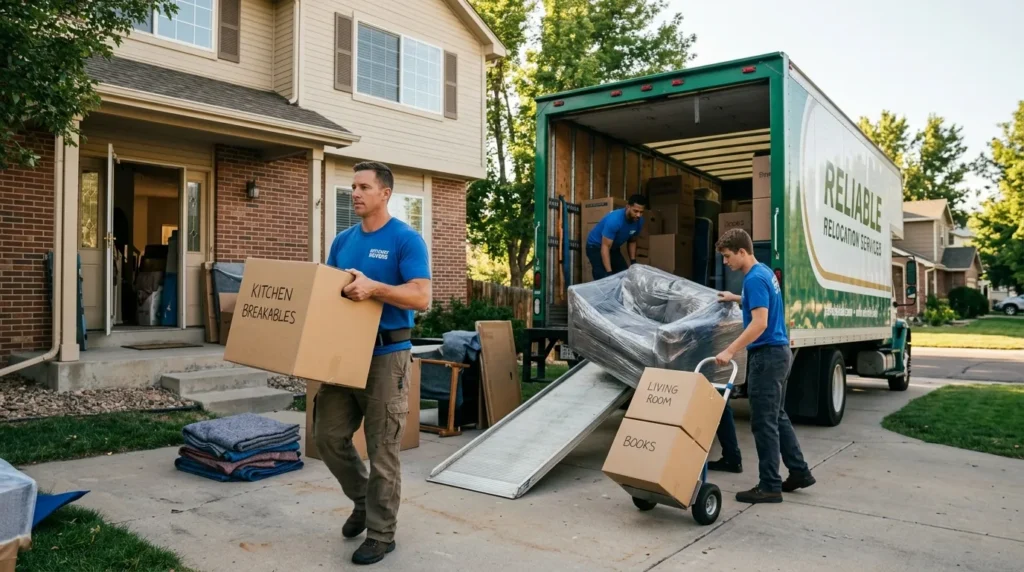
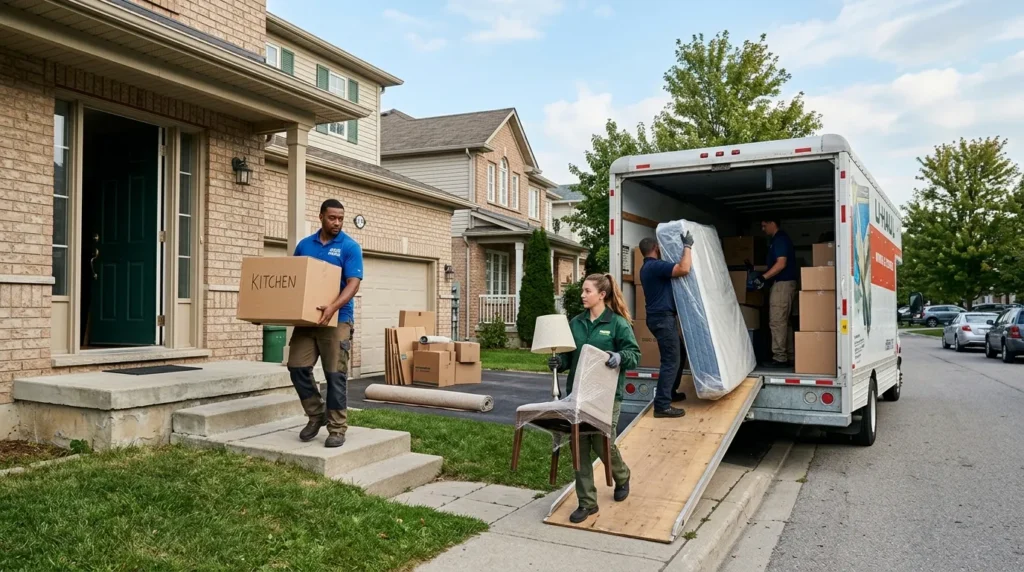
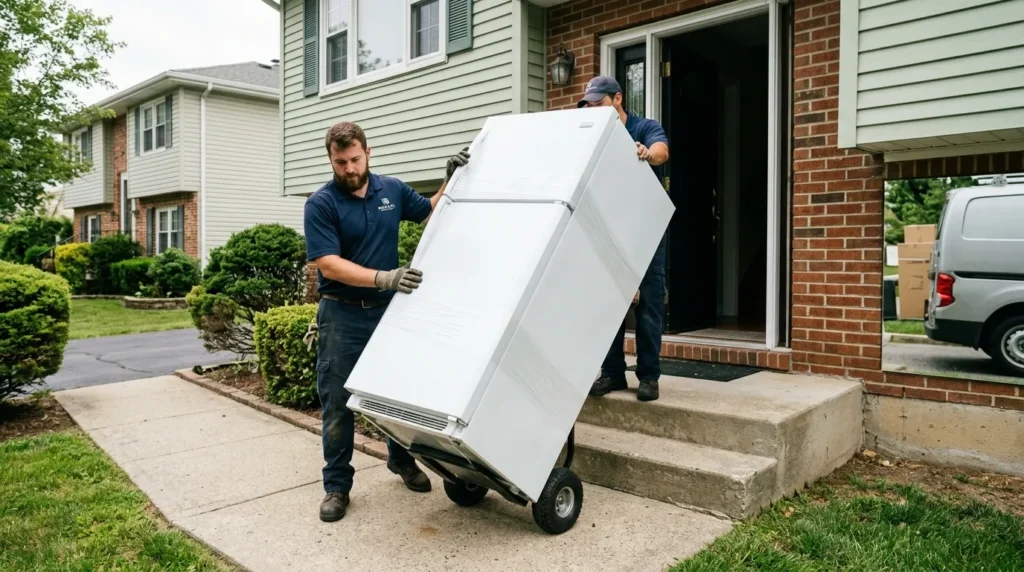
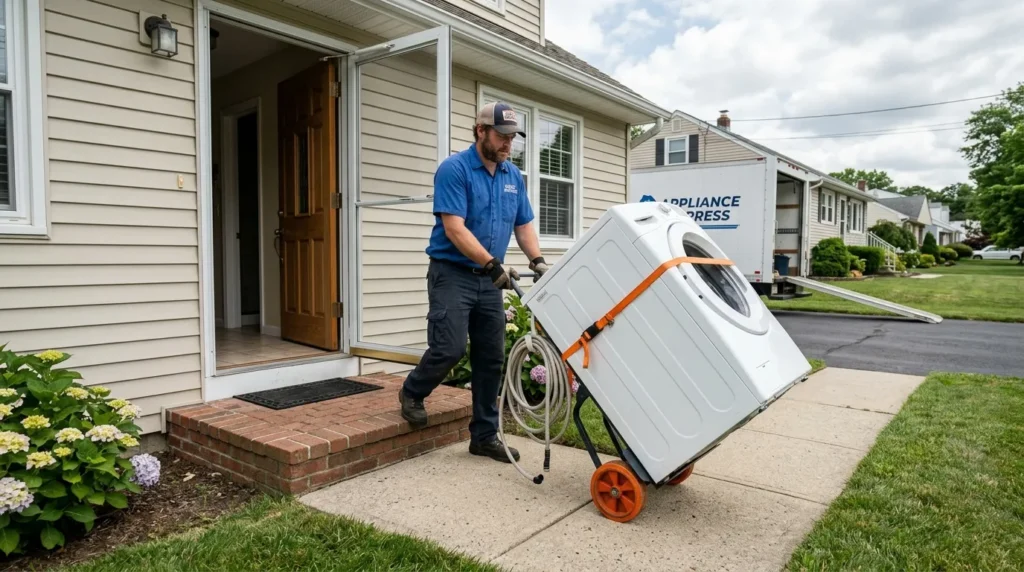
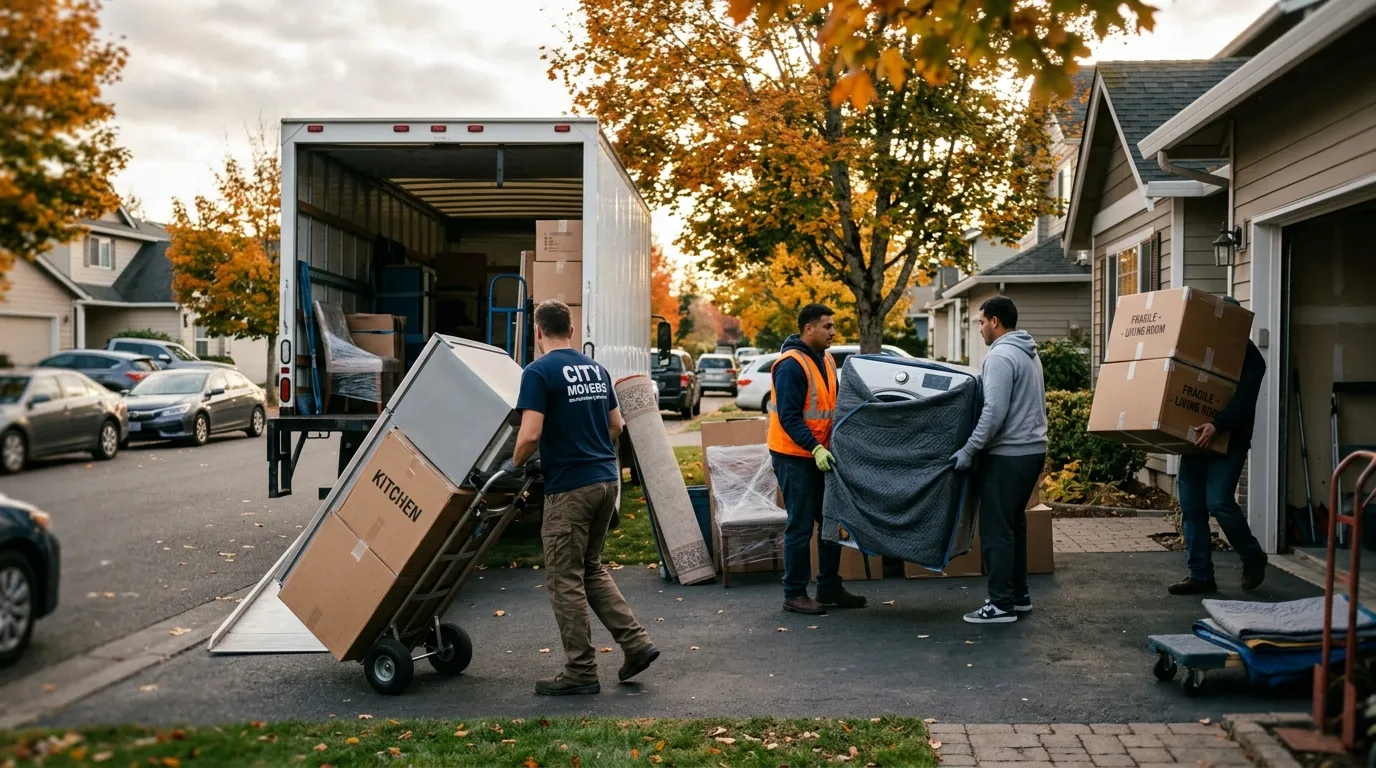
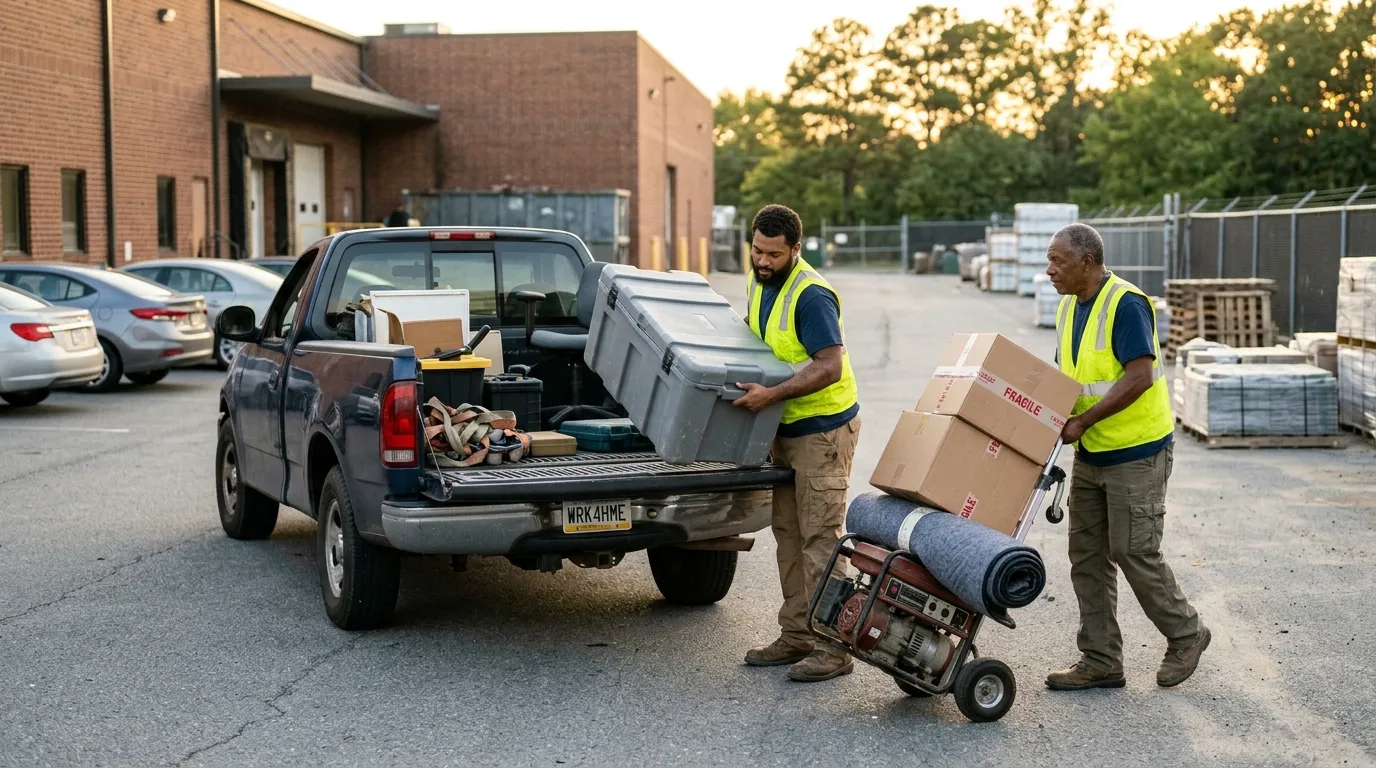
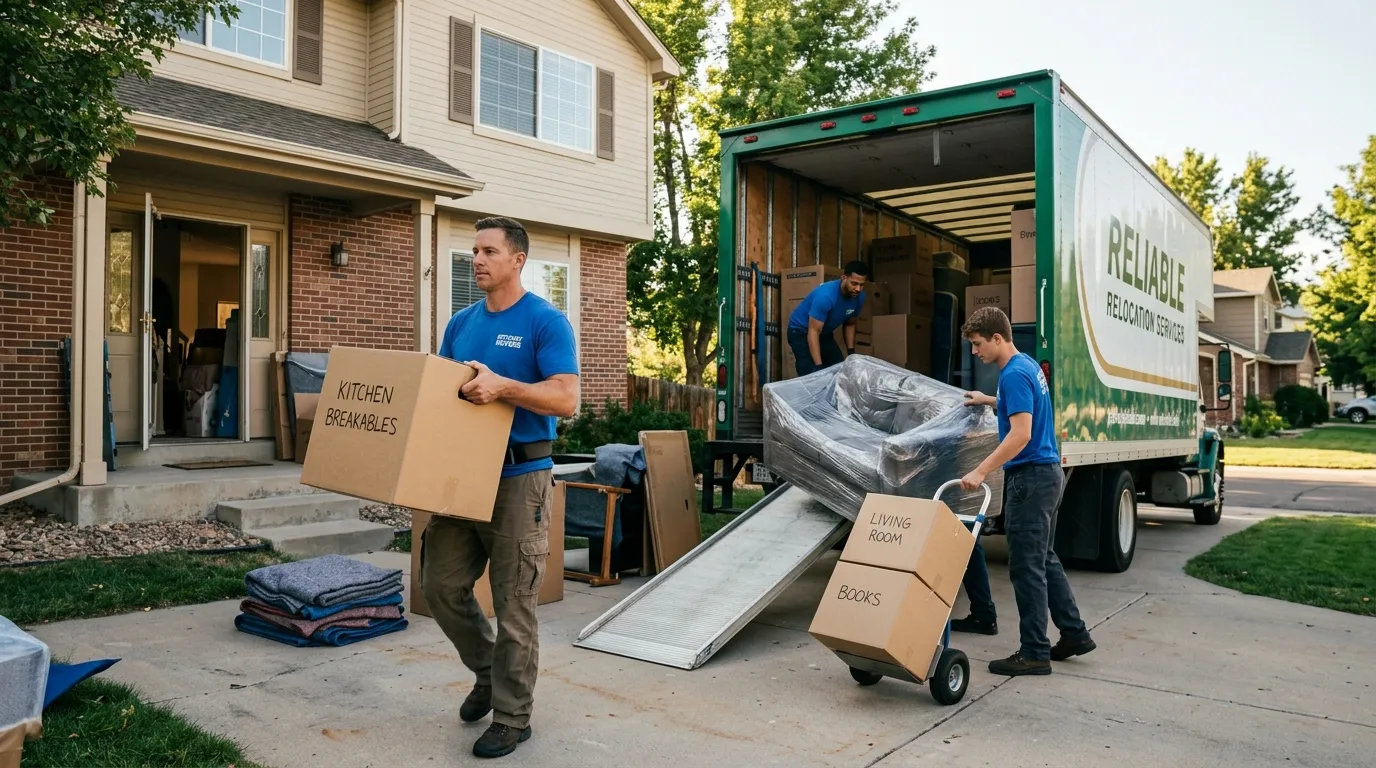
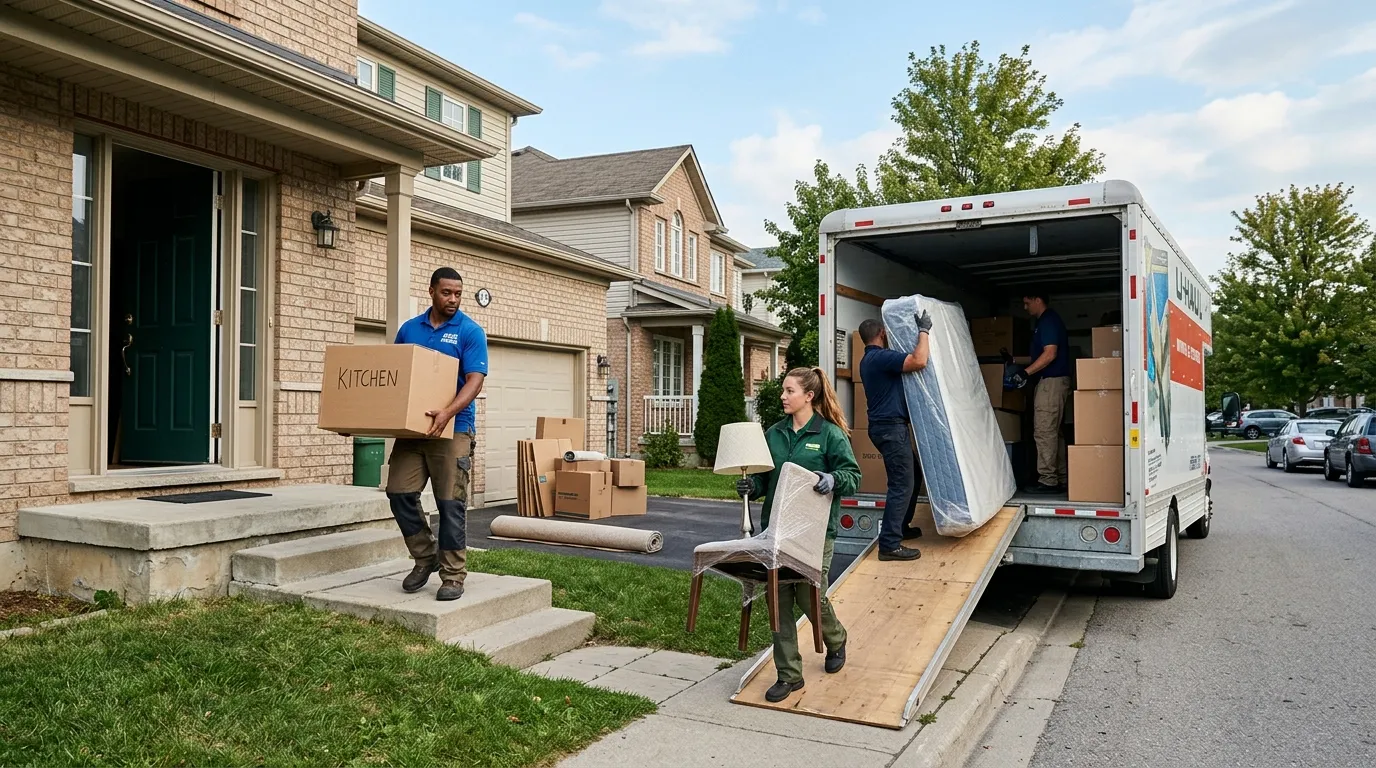
Moving from Oregon to Montana requires careful preparation and organization. Creating a moving schedule, arranging transportation, gathering important records, and selecting a dependable moving company can help reduce stress and avoid unexpected challenges.
It is also helpful to declutter before packing, update your address, transfer utilities, and complete vehicle registration requirements after arriving. Taking care of these details before and after the move allows you to settle into your new community more efficiently and with fewer complications.
Conclusion
Relocating from Oregon to Montana offers the chance to enjoy a different pace of life, beautiful natural surroundings, and communities that value outdoor living and local connections. While the transition involves adjustments, many newcomers find the benefits well worth the effort.
By researching cities, understanding living costs, preparing for climate differences, and planning ahead, you can make your move with confidence. Montana continues to attract people seeking space, opportunity, and a lifestyle centered around nature and community.
Also Read: Moving From Arizona To Montana