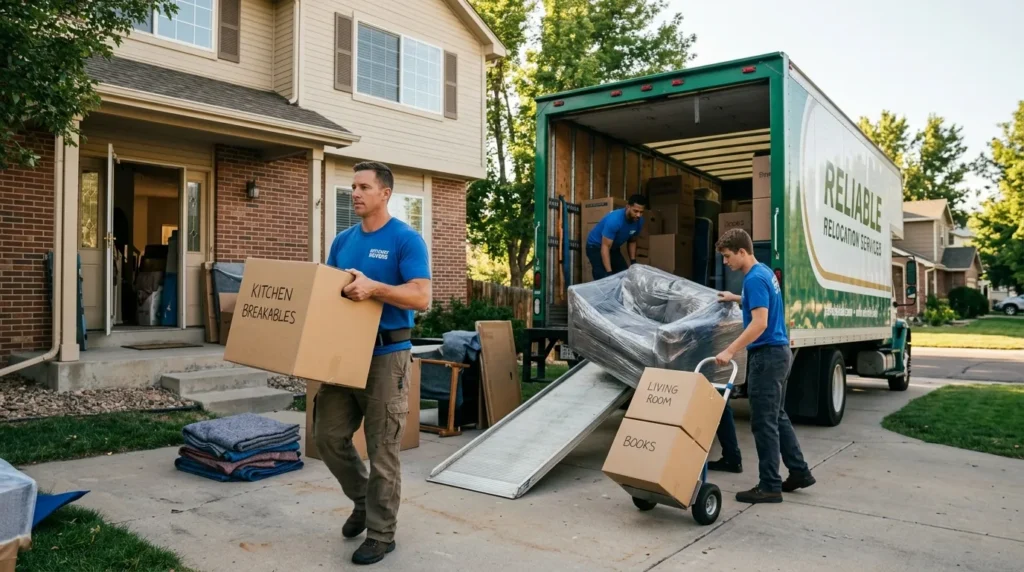
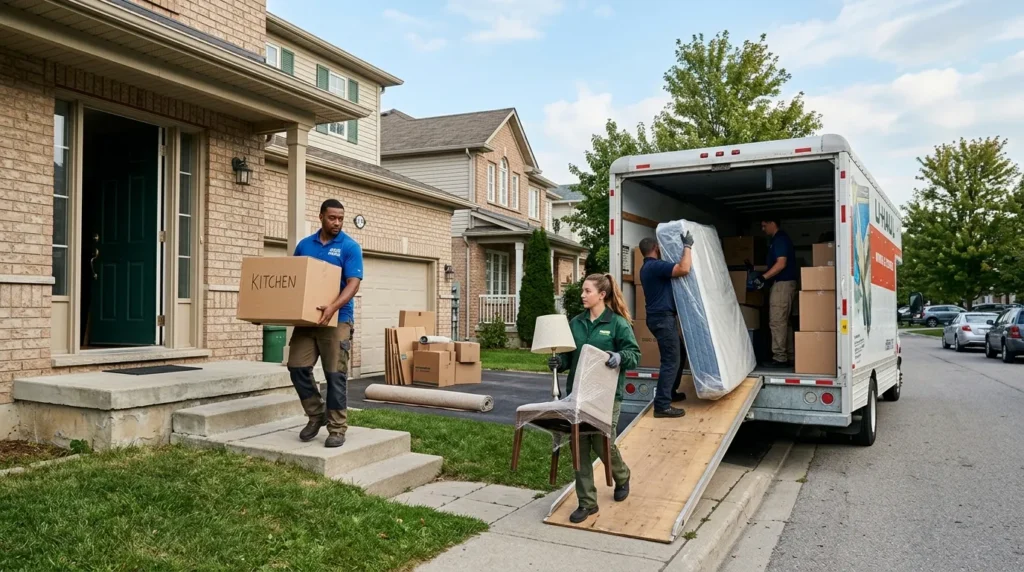
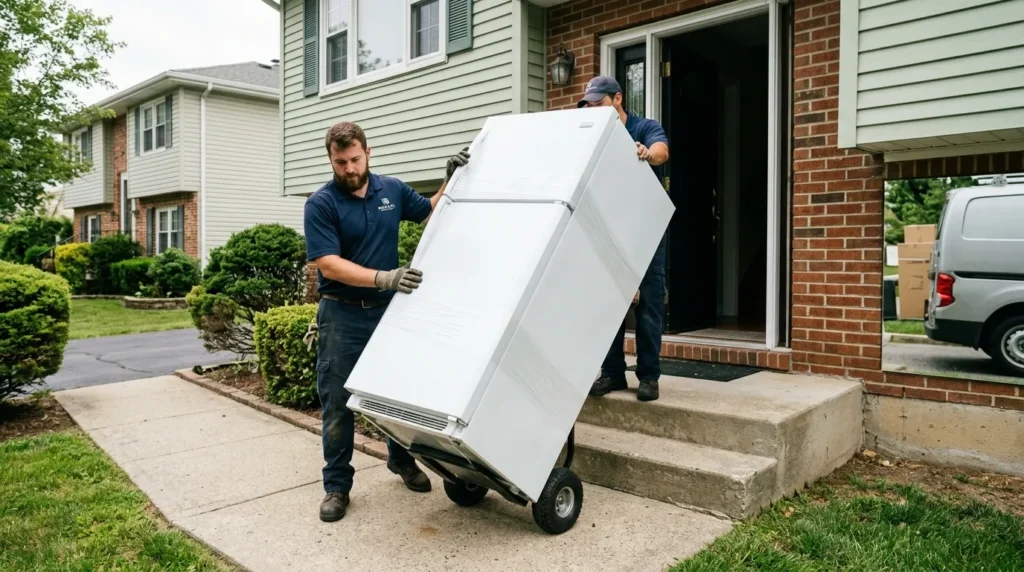
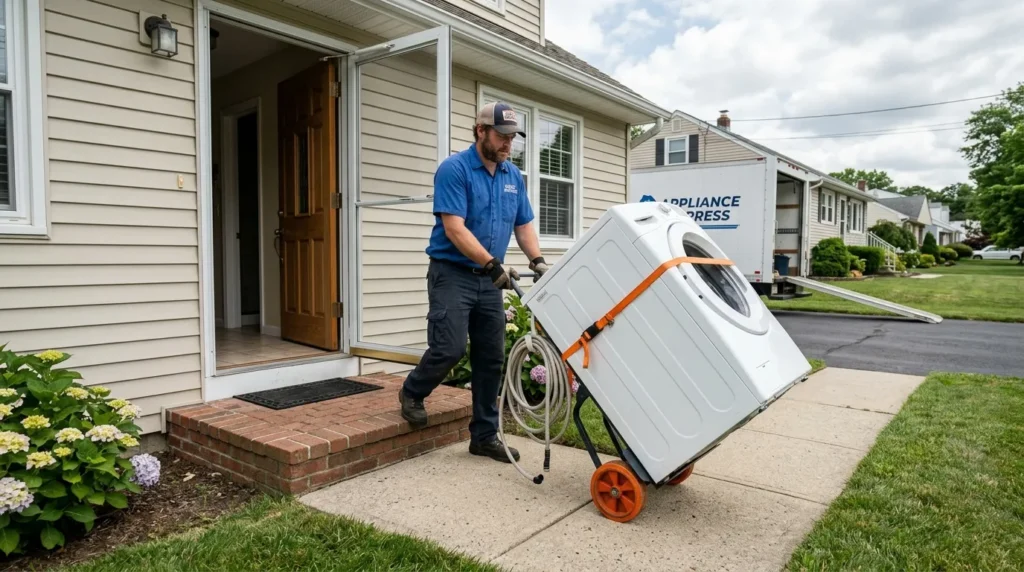
Moving from Washington to Montana is a major life decision that brings a noticeable change in lifestyle, cost of living, climate, and daily pace.
Many people make this move to enjoy wider open spaces, lower population density, outdoor recreation, and a slower pace of life. While both states are located in the Pacific Northwest region of the United States, they offer very different living experiences.
Before relocating, it helps to understand what changes to expect. From housing prices and employment opportunities to weather patterns and transportation, careful planning can make the transition much easier. This guide covers everything you need to know before moving from Washington to Montana.
Why People Move From WA To MT?
Many Washington residents choose Montana because they want more space, less traffic, and a stronger connection to nature. Cities such as Seattle, Tacoma, and Bellevue have experienced significant population growth over the years, leading some residents to look for quieter communities with fewer crowds.
Montana offers a different lifestyle centered around outdoor recreation, community involvement, and scenic landscapes. Residents often enjoy easier access to hiking trails, fishing spots, mountain views, and national parks. For many families and retirees, the appeal comes from a simpler and more relaxed way of living without sacrificing access to modern amenities.
Cost Of Living Differences Between Washington And Montana
One of the biggest reasons people relocate is the difference in living costs. While expenses vary by city, many parts of Montana remain more affordable than major metropolitan areas in Washington. Housing costs in particular can be significantly lower when compared with Seattle and surrounding communities.
Daily expenses such as groceries, utilities, transportation, and recreational activities can also be easier on the budget. However, some highly desirable Montana cities have experienced price increases in recent years due to population growth. Comparing costs between your current city and your future destination is an important step before making the move.
Housing Market In Montana
Montana offers a variety of housing options, ranging from downtown apartments and suburban neighborhoods to ranch properties and mountain homes. Cities such as Billings, Missoula, Bozeman, and Great Falls each have unique housing markets that appeal to different lifestyles and budgets.
The housing search should begin early because inventory can vary depending on location and season. Some areas experience strong demand due to incoming residents from neighboring states. Working with a local real estate professional and researching neighborhoods thoroughly can help you identify the best area for your needs and long-term goals.
Employment Opportunities In Montana
Montana’s economy is supported by industries such as healthcare, education, tourism, agriculture, construction, manufacturing, and technology. While job opportunities may differ from those found in larger Washington cities, many professionals successfully find employment in growing sectors across the state.
Remote work has also expanded relocation possibilities. Many people maintain jobs with companies based elsewhere while enjoying Montana’s lifestyle and lower population density. Before moving, research local employment markets, average salaries, and industry demand in the city where you plan to settle.
Climate And Weather Changes
Washington and Montana have distinct weather patterns. Western Washington is known for its mild temperatures and frequent rainfall, while Montana experiences colder winters, warmer summers, and more dramatic seasonal changes. Snowfall is common across many parts of Montana during winter months.
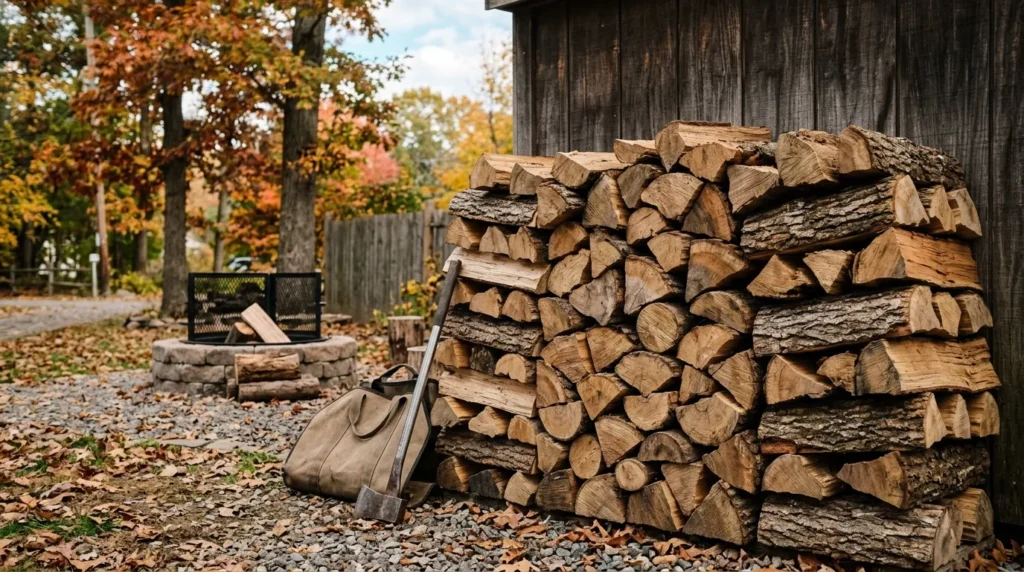
The seasonal variation appeals to people who enjoy experiencing all four seasons. Outdoor enthusiasts often appreciate the opportunities for skiing, snowboarding, hunting, fishing, hiking, and camping throughout the year. Preparing for winter conditions and investing in appropriate clothing becomes an important part of adapting to life in Montana.
Best Cities To Move To In Montana
Montana offers several attractive destinations depending on your priorities. Billings is the state’s largest city and provides strong employment opportunities, healthcare facilities, and shopping options. Missoula is popular among students, professionals, and outdoor enthusiasts due to its cultural atmosphere and access to recreation.
Bozeman continues to attract newcomers because of its growing economy and proximity to mountain activities. Great Falls offers a quieter environment with a lower cost of living, while Helena provides a balance of government employment, history, and community-focused living. Each city offers a unique experience worth researching before choosing a destination.
Education And School Systems
Families moving from Washington often want to understand the educational opportunities available in Montana. The state includes public schools, private schools, charter options, and higher education institutions that serve communities throughout the region.
Universities such as Montana State University and the University of Montana attract students from across the country. School quality can vary by district, making it important to review academic performance, extracurricular activities, graduation rates, and available resources when selecting a community for your family.
Transportation And Daily Commute
Transportation experiences in Montana differ considerably from those in many Washington cities. Traffic congestion is generally less severe, and commute times are often shorter. Most residents rely on personal vehicles because public transportation systems are more limited in many areas.
Longer driving distances between towns are common, especially in rural regions. Reliable transportation becomes important for work, shopping, healthcare visits, and recreational activities. Understanding local road conditions and seasonal weather impacts can help new residents adjust more quickly.
Outdoor Recreation And Lifestyle
Montana is widely known for its outdoor opportunities. Residents have access to national parks, forests, rivers, mountains, and wildlife areas that support year-round activities. Popular destinations include Glacier National Park and Yellowstone National Park, both of which attract visitors from around the world.
The outdoor lifestyle plays a major role in daily life for many Montana residents. Hiking, fishing, hunting, skiing, boating, camping, and wildlife viewing are common activities. People who enjoy spending time outdoors often find Montana especially rewarding and fulfilling.
Preparing For The Move
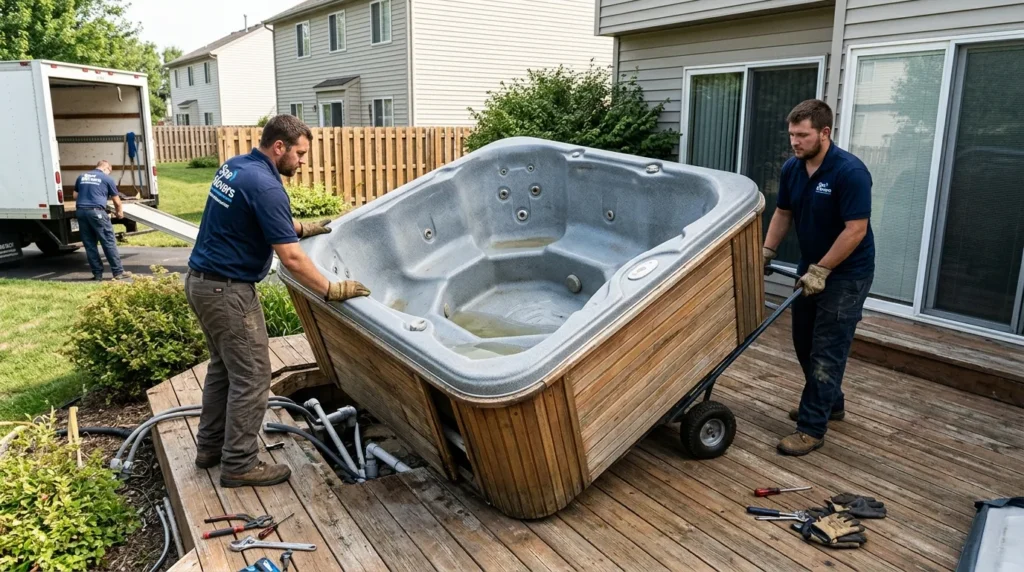
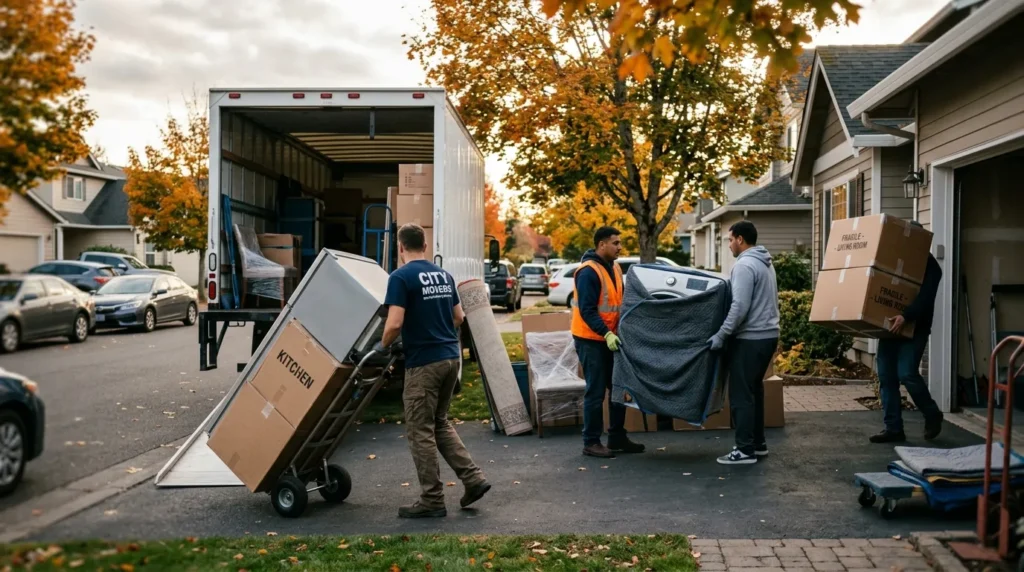
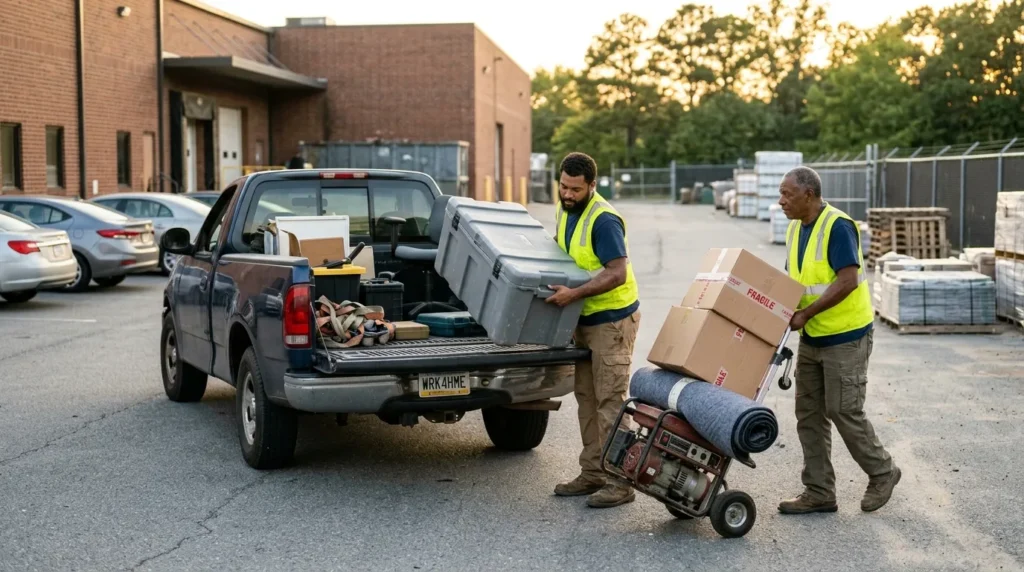
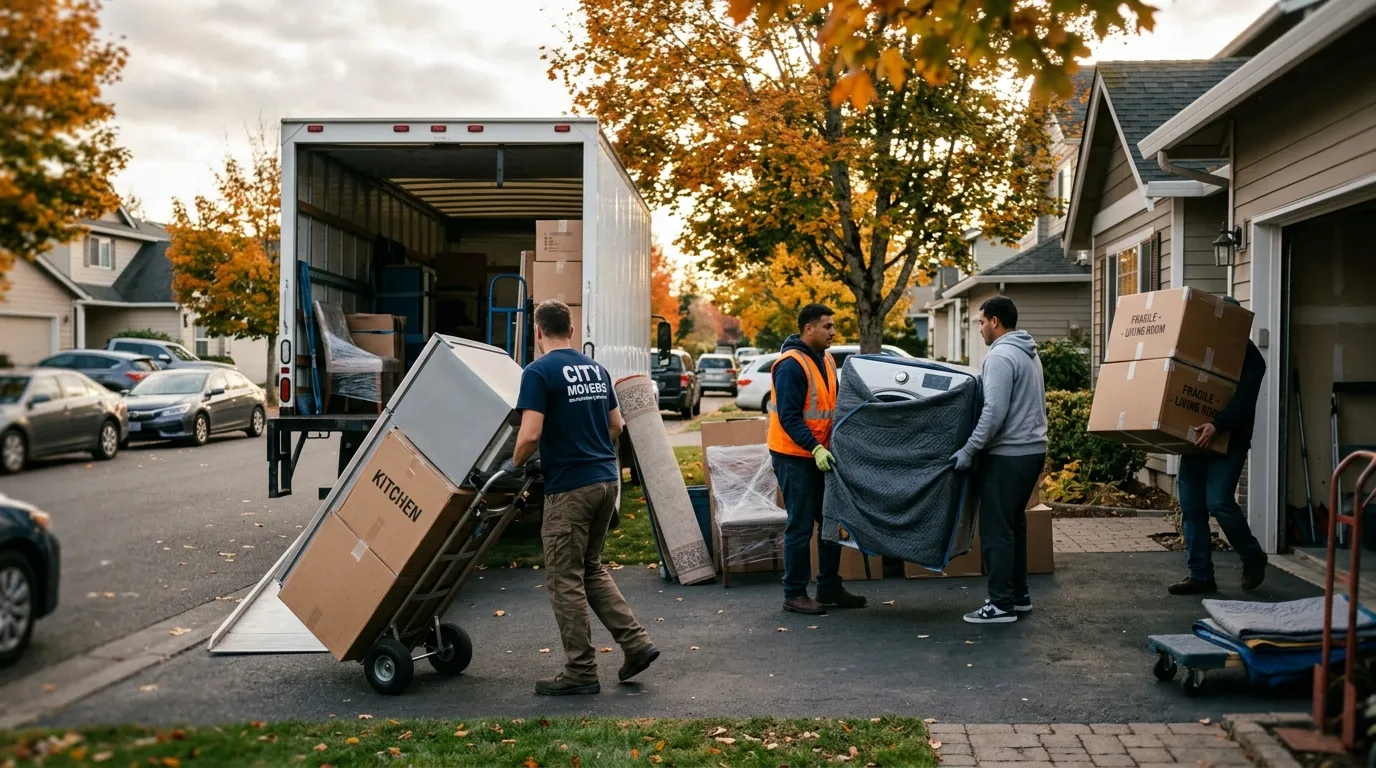
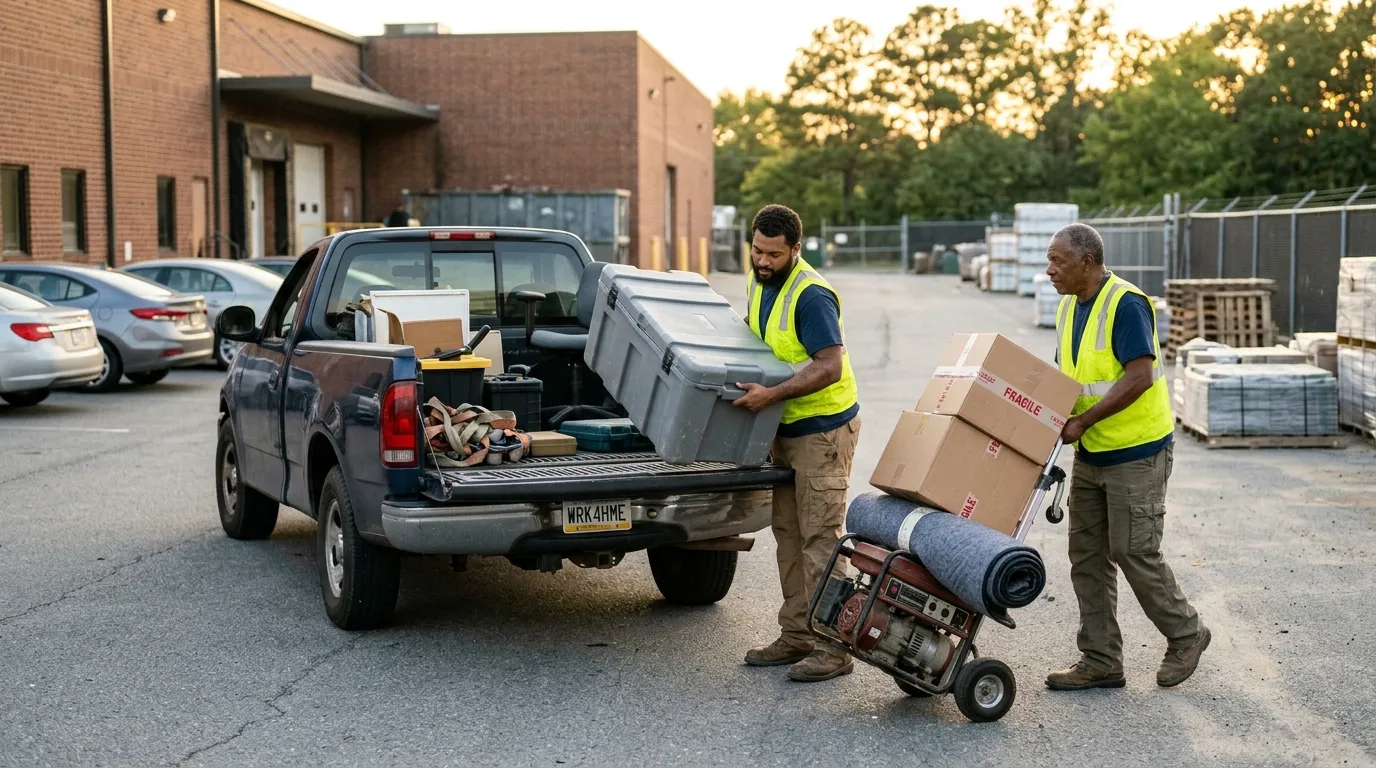
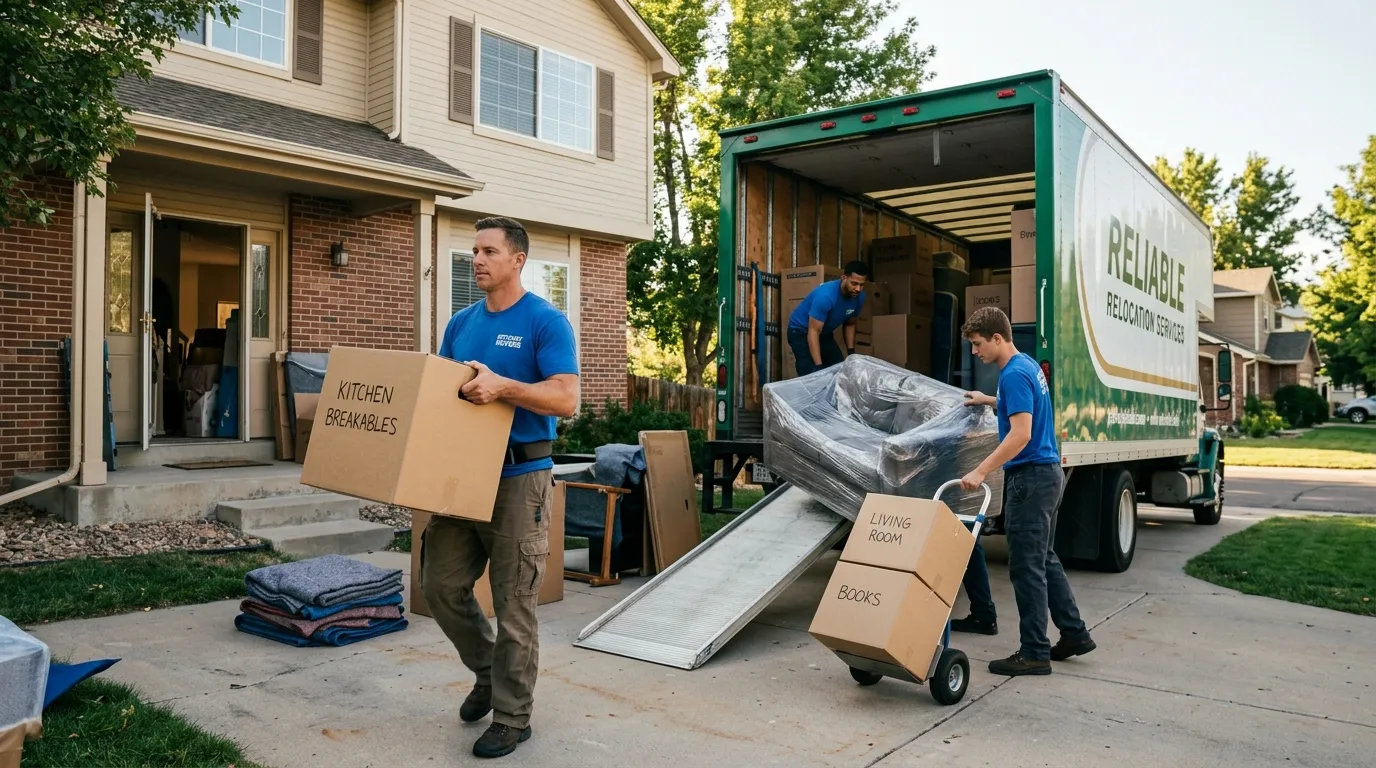
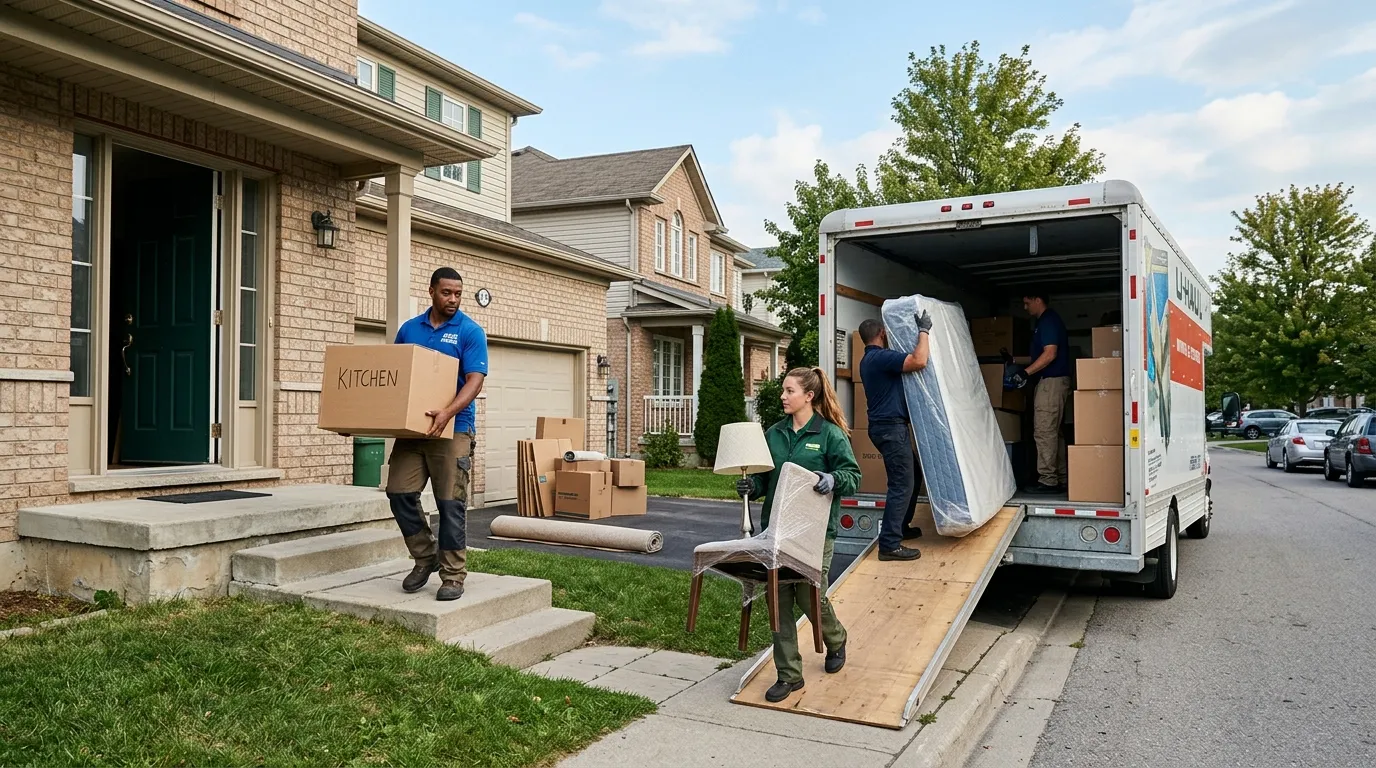
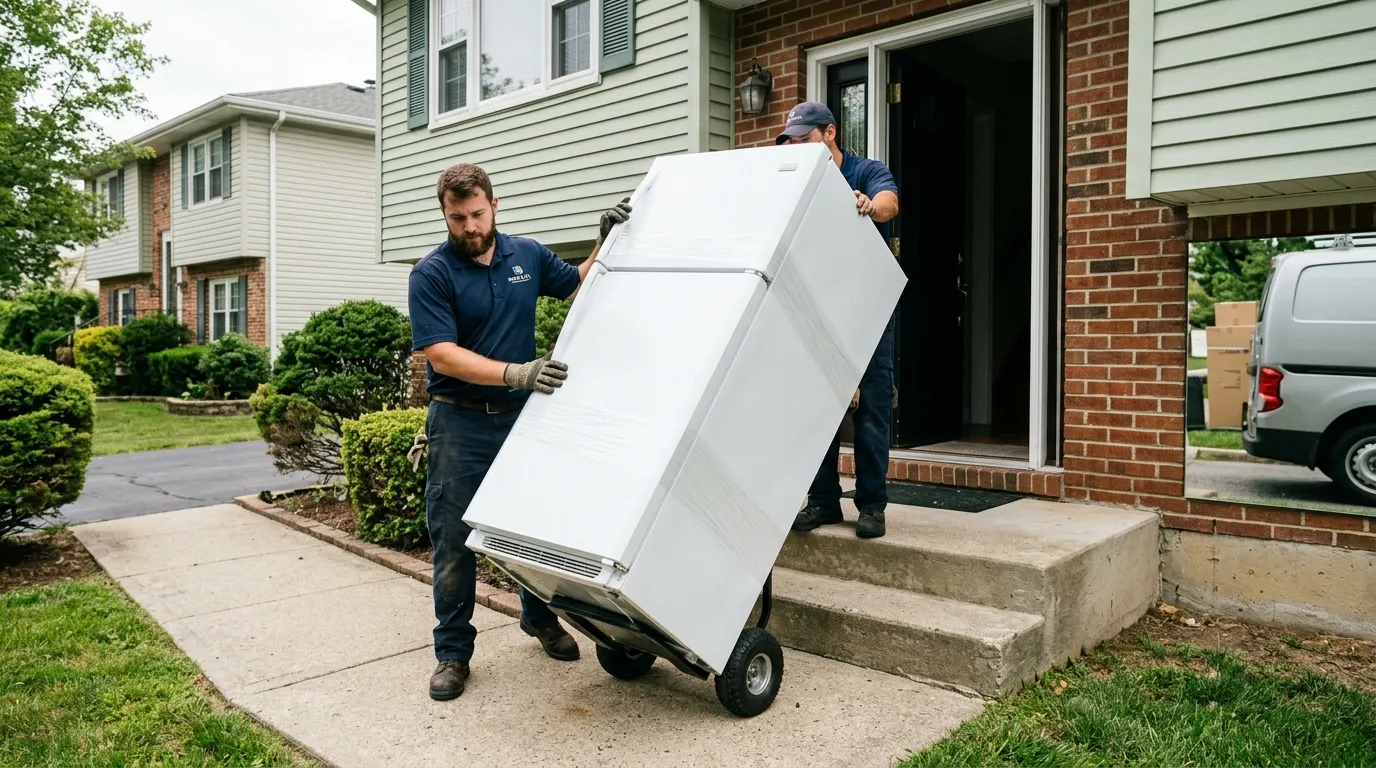
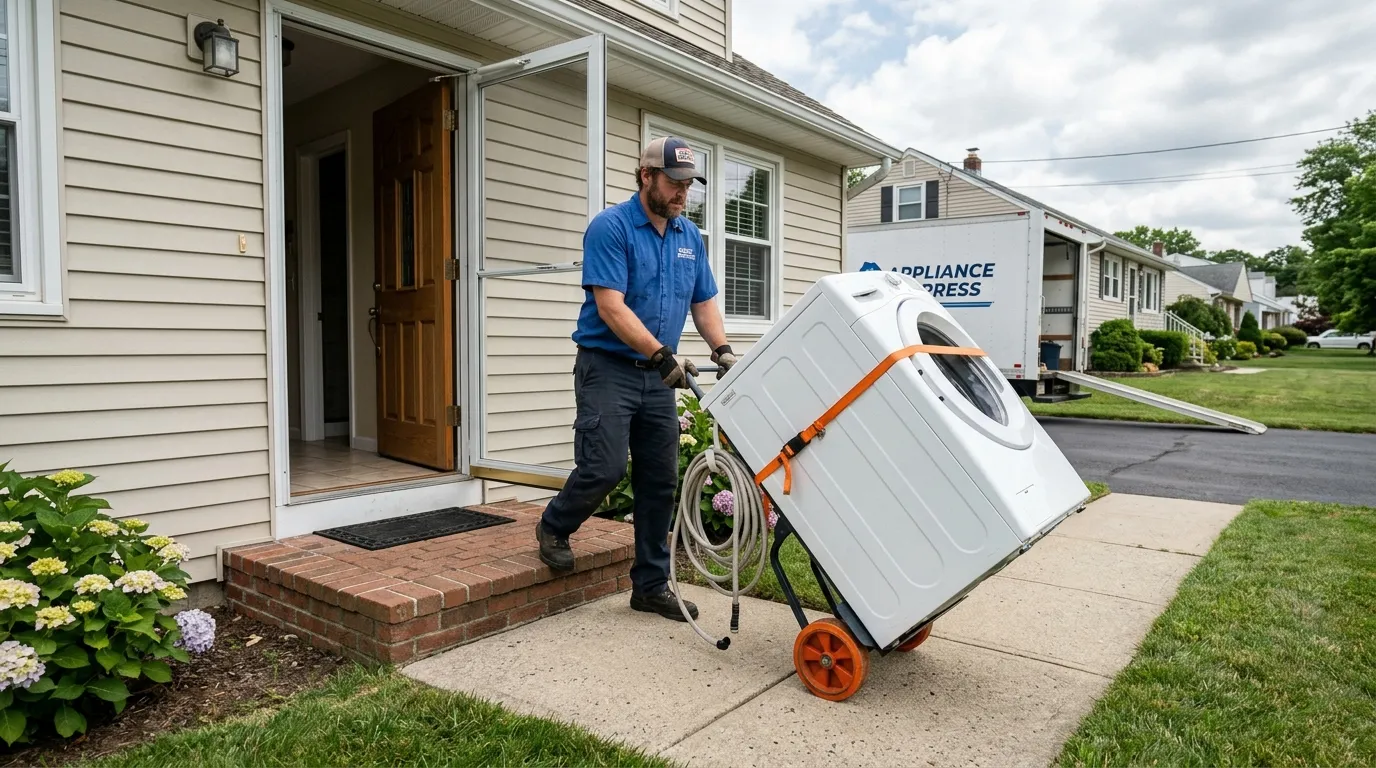
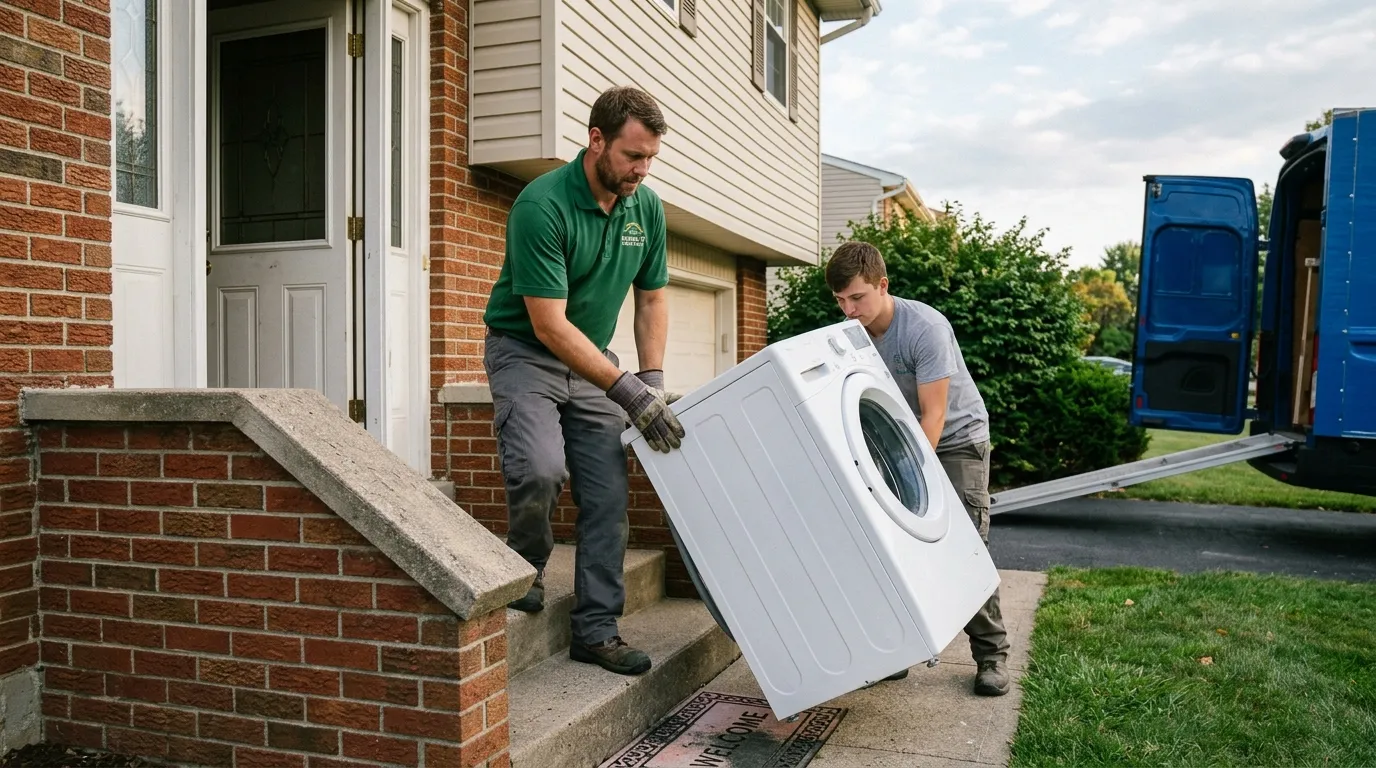
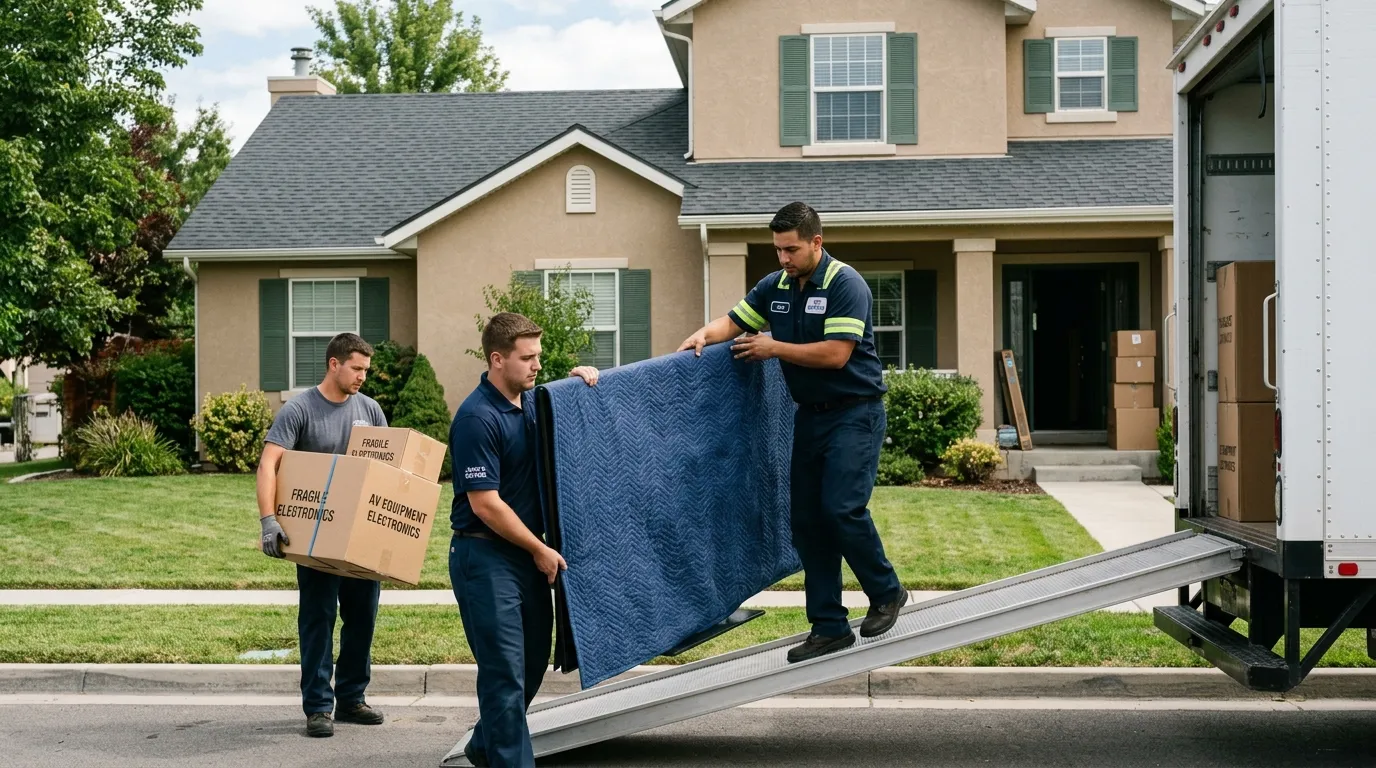
A successful move begins with careful planning. Creating a timeline, organizing important documents, arranging transportation, and selecting a reliable moving company can reduce stress throughout the process. Starting preparations several weeks or months in advance provides greater flexibility.
Decluttering before packing can lower moving costs and simplify the transition. It is also important to update addresses, transfer utilities, register vehicles, and establish healthcare providers after arriving in Montana. Proper preparation helps prevent unnecessary delays and complications.
Conclusion
Moving from Washington to Montana offers the opportunity to experience a different pace of life, beautiful natural surroundings, and strong community values. While every relocation comes with challenges, understanding the differences in housing, employment, climate, education, and lifestyle can make the transition much smoother.
By researching your destination carefully and preparing well in advance, you can settle into your new Montana community with confidence. Whether you are relocating for work, retirement, family, or personal preference, Montana offers a welcoming environment and a quality of life that continues to attract new residents every year.
Also Read: Moving From Arizona To Montana