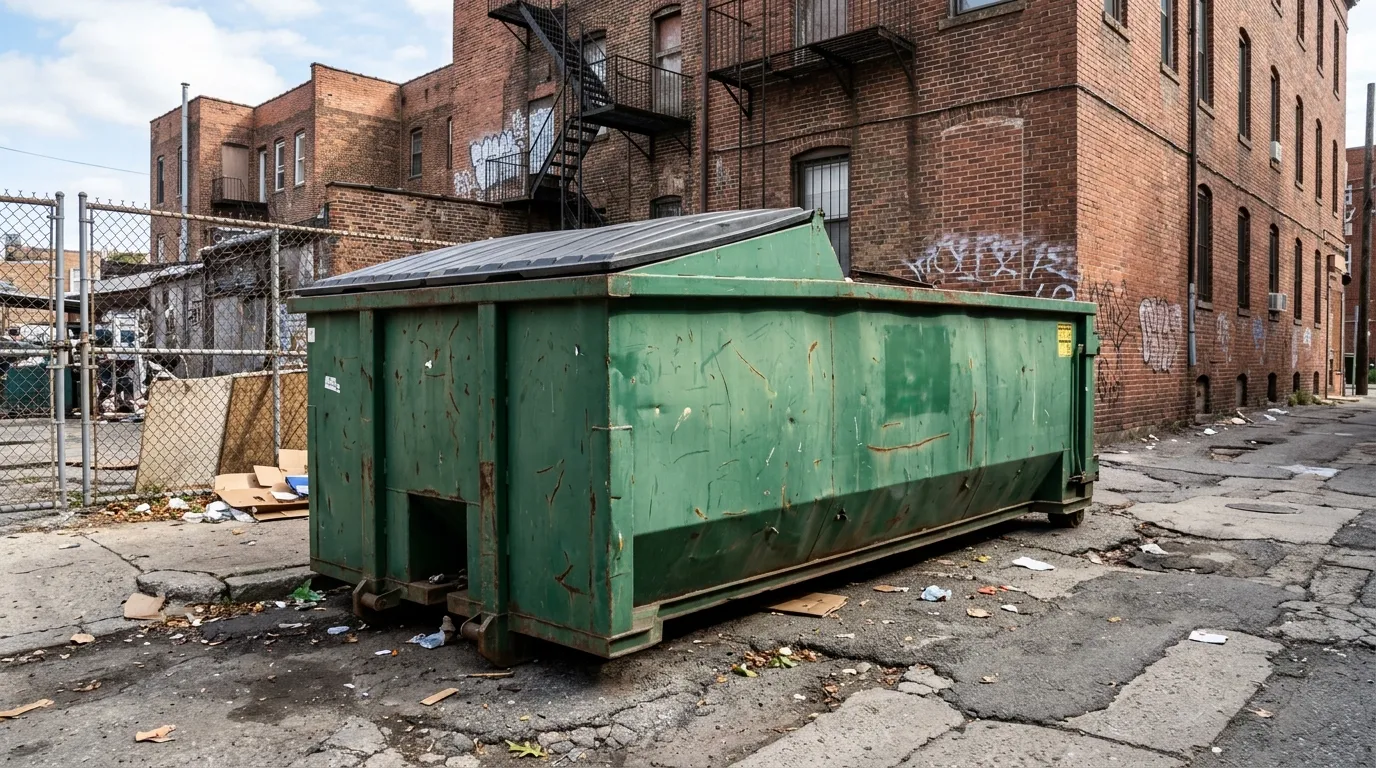
A home renovation is a great way to improve your living space, but it can also create a lot of junk. Old furniture, broken cabinets, drywall, tiles, wood, and packaging can quickly pile up if they are not managed properly. Too much waste can make your home messy, slow down the renovation, and even create safety risks.
The good news is that you can reduce renovation waste with a little planning. By making smart choices before and during your project, you can save money, keep your home cleaner, and reduce the amount of waste sent to landfills. Here are ten simple ways to reduce junk during a home renovation.
1. Plan the Renovation Carefully
Planning your renovation before any work begins is one of the easiest ways to reduce junk. When you know exactly what you need, you are less likely to buy extra materials or remove items that could still be used.
- Create a detailed renovation plan.
- Measure rooms before buying materials.
- Make a shopping list.
- Set a realistic budget.
- Avoid unnecessary demolition.
A well-planned renovation saves both time and money. It also helps you avoid waste by making sure every material has a purpose before you purchase it.
2. Reuse Old Materials
Many materials removed during a renovation are still in good condition. Instead of throwing them away, look for ways to use them again in your home or future projects.
- Reuse wooden doors and shelves.
- Keep cabinets that are still usable.
- Save bricks and stones for landscaping.
- Store leftover flooring for future repairs.
- Use leftover paint for touch-ups.
Reusing materials reduces waste and lowers your renovation costs. It also gives useful items a second life instead of sending them to a landfill.
3. Donate Usable Items
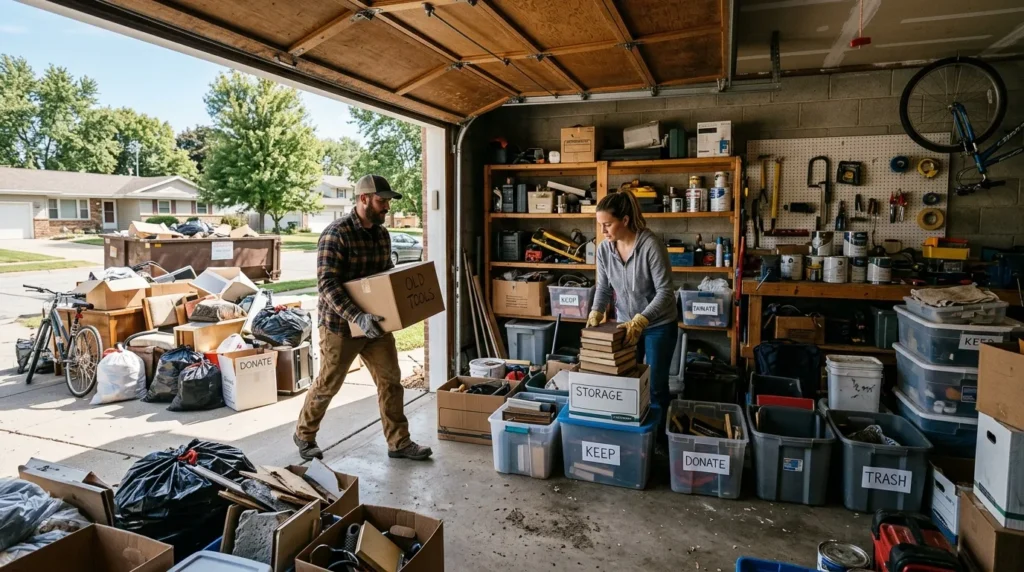
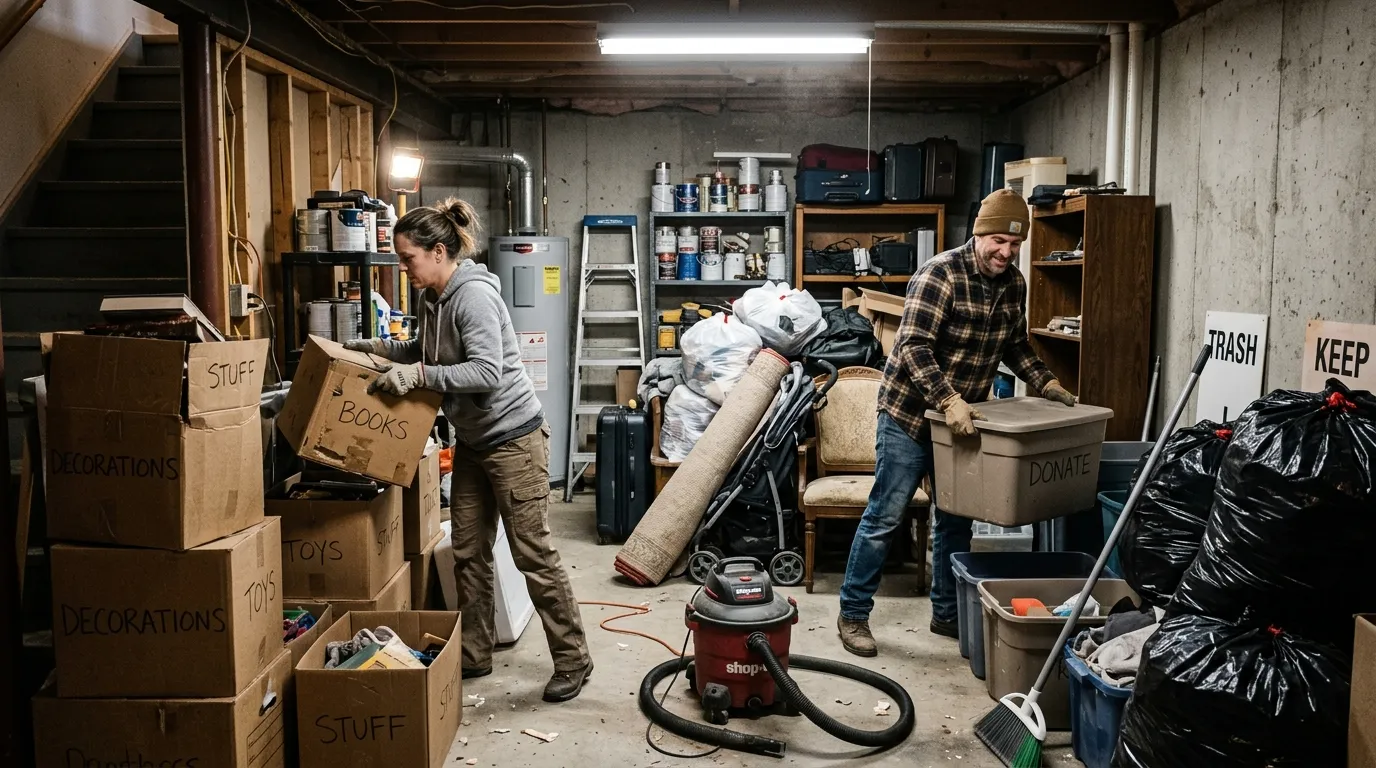
If you no longer need certain items but they are still in good condition, consider donating them. Many charities and community organizations accept building materials and household items.
- Donate furniture.
- Give away working appliances.
- Donate doors and windows.
- Offer cabinets to local charities.
- Donate light fixtures and sinks.
Donating helps families and organizations that can use these items. It is also an easy way to reduce renovation waste while helping your local community.
4. Sell Unwanted Materials
Some renovation materials still have value. Selling them instead of throwing them away helps reduce waste and allows you to recover part of your renovation costs.
- Sell cabinets and doors.
- List leftover tiles online.
- Sell hardwood flooring.
- Offer metal scraps for recycling.
- Sell usable bathroom fixtures.
Even small sales can add up over time. Instead of paying to dispose of these materials, you may be able to earn extra money from them.
5. Recycle Construction Waste
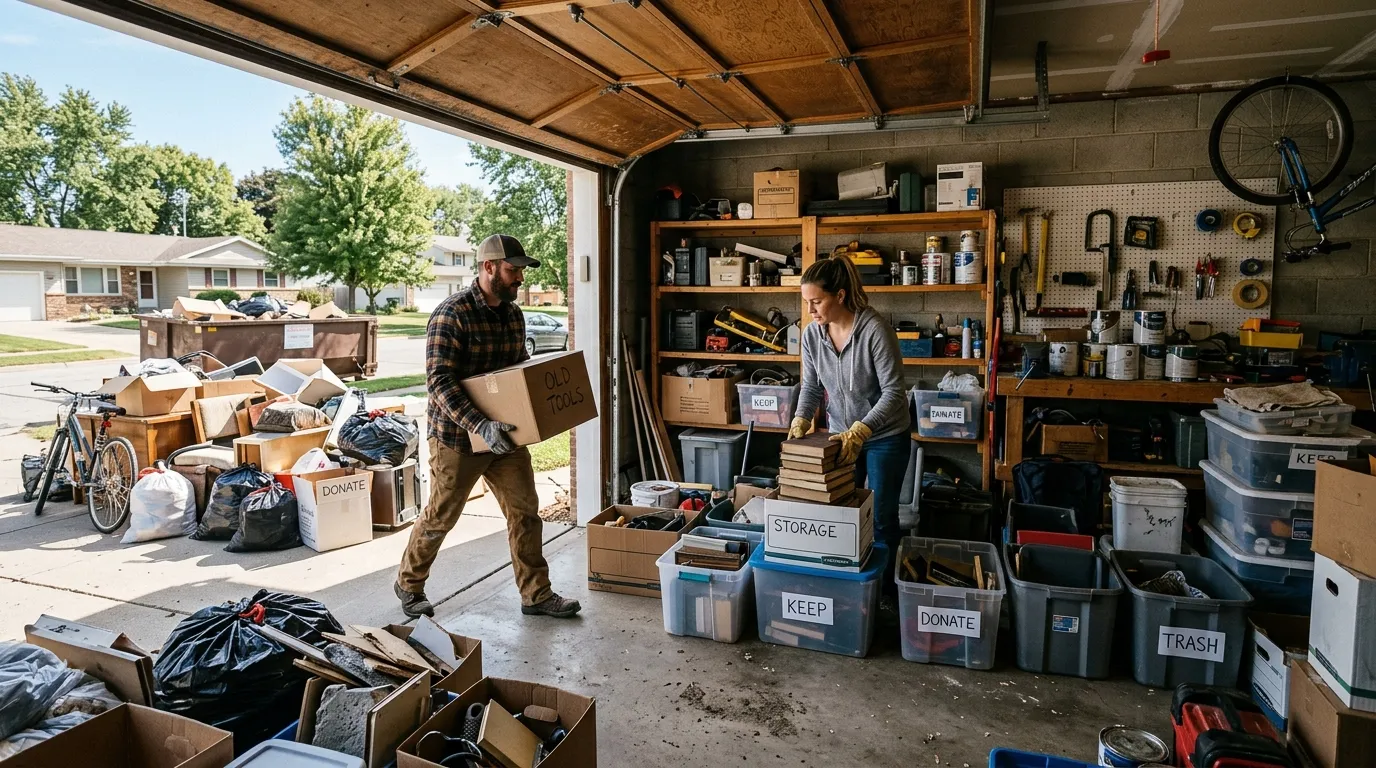
Many construction materials can be recycled instead of being sent to a landfill. Sorting waste during the renovation makes recycling much easier.
- Separate metal from other waste.
- Recycle cardboard packaging.
- Recycle glass materials.
- Take concrete to recycling facilities.
- Recycle clean wood whenever possible.
Recycling reduces environmental impact and helps conserve natural resources. It is one of the easiest ways to make your renovation more environmentally friendly.
6. Buy Only What You Need
Buying too many materials often creates unnecessary waste. Careful measurements and planning help you purchase the right amount for your project.
- Measure every room carefully.
- Calculate material quantities accurately.
- Buy materials in stages if possible.
- Return unused items when allowed.
- Avoid impulse purchases.
Buying only what you need helps you stay within your budget while reducing leftover materials that may never be used.
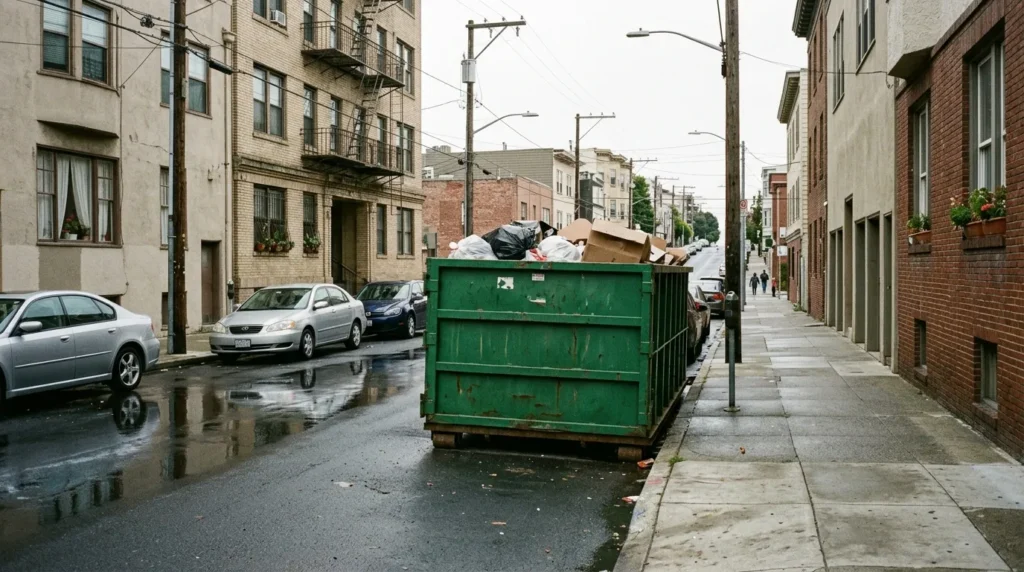
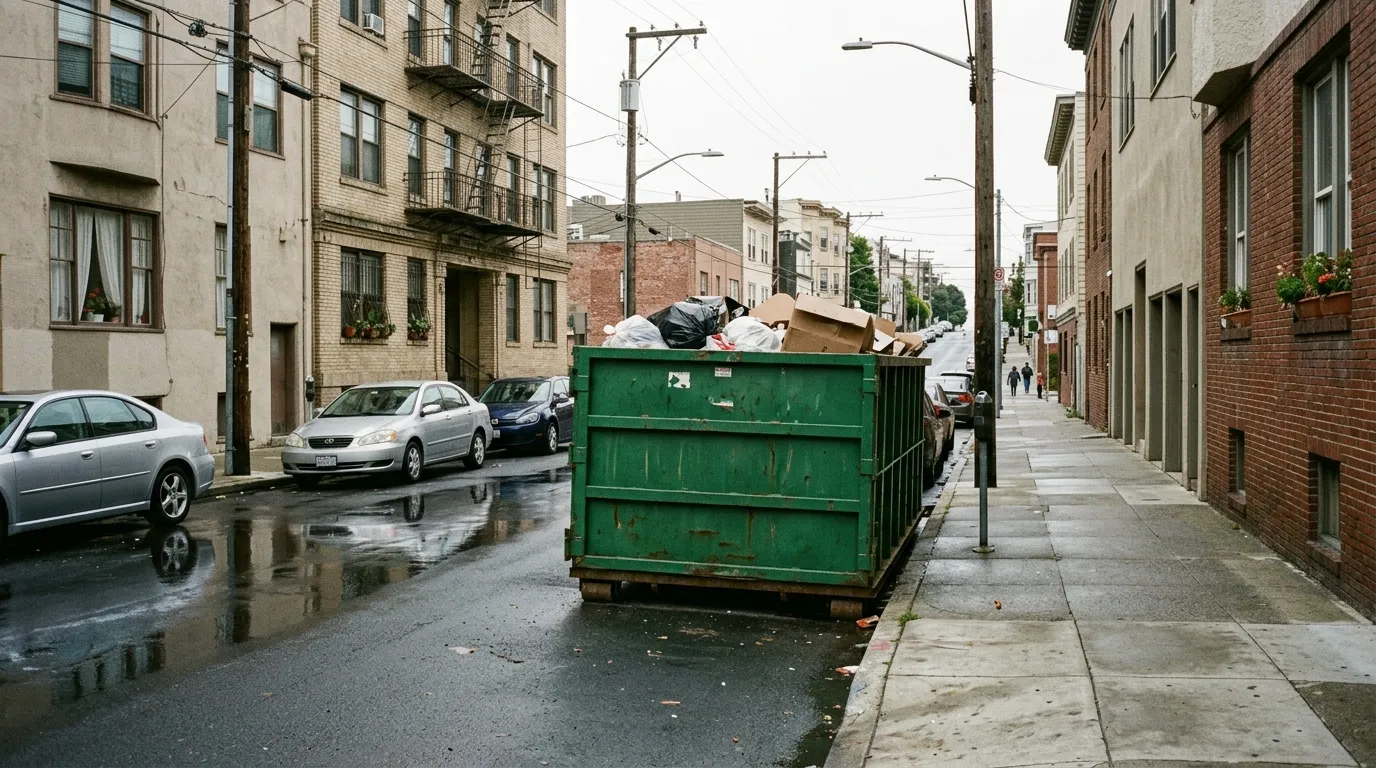
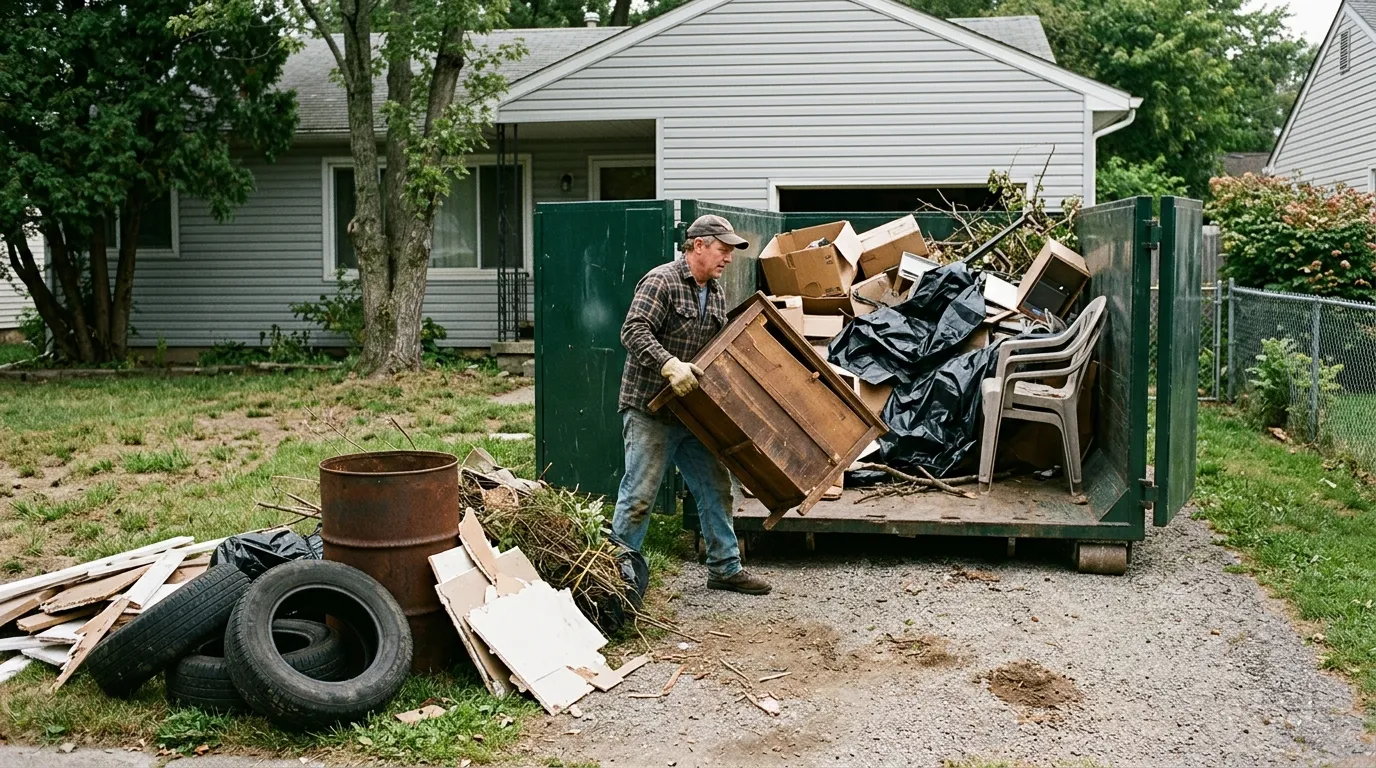
7. Use a Waste Dumpster
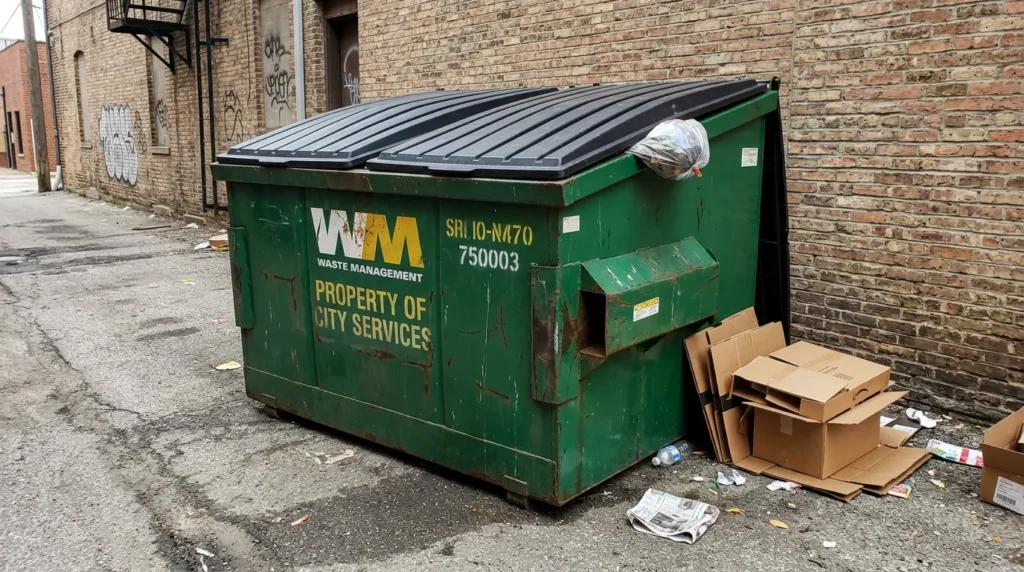
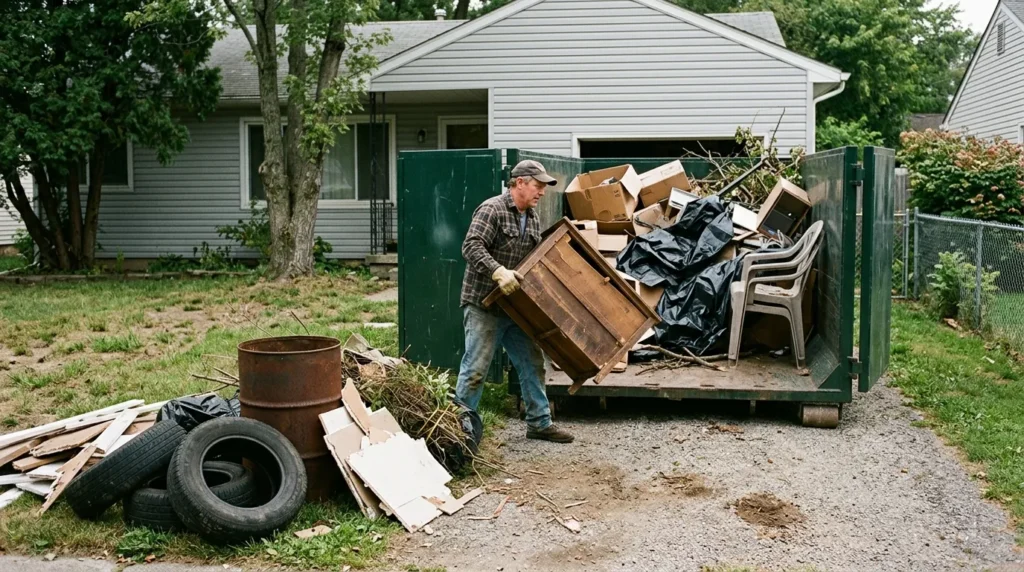
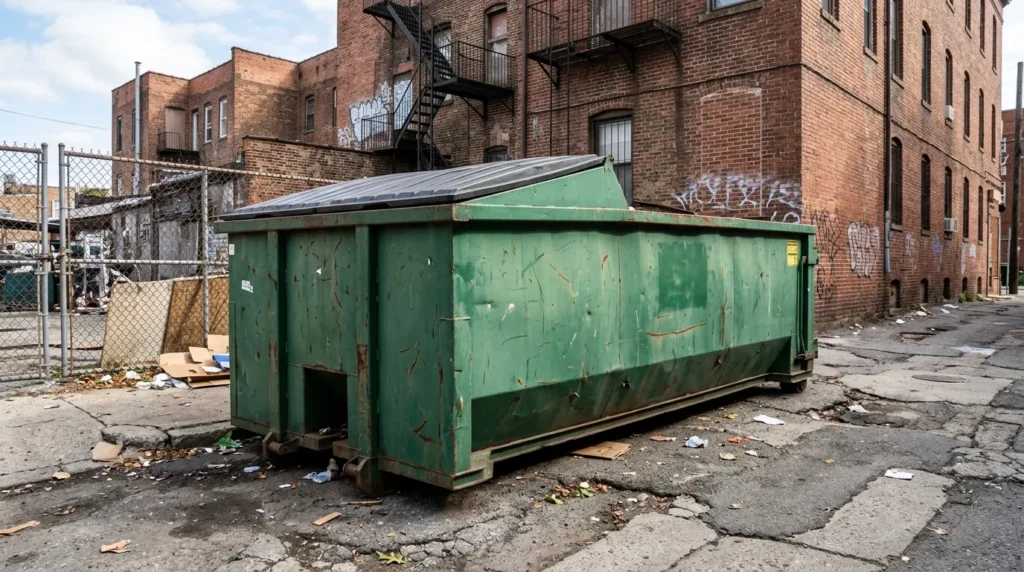
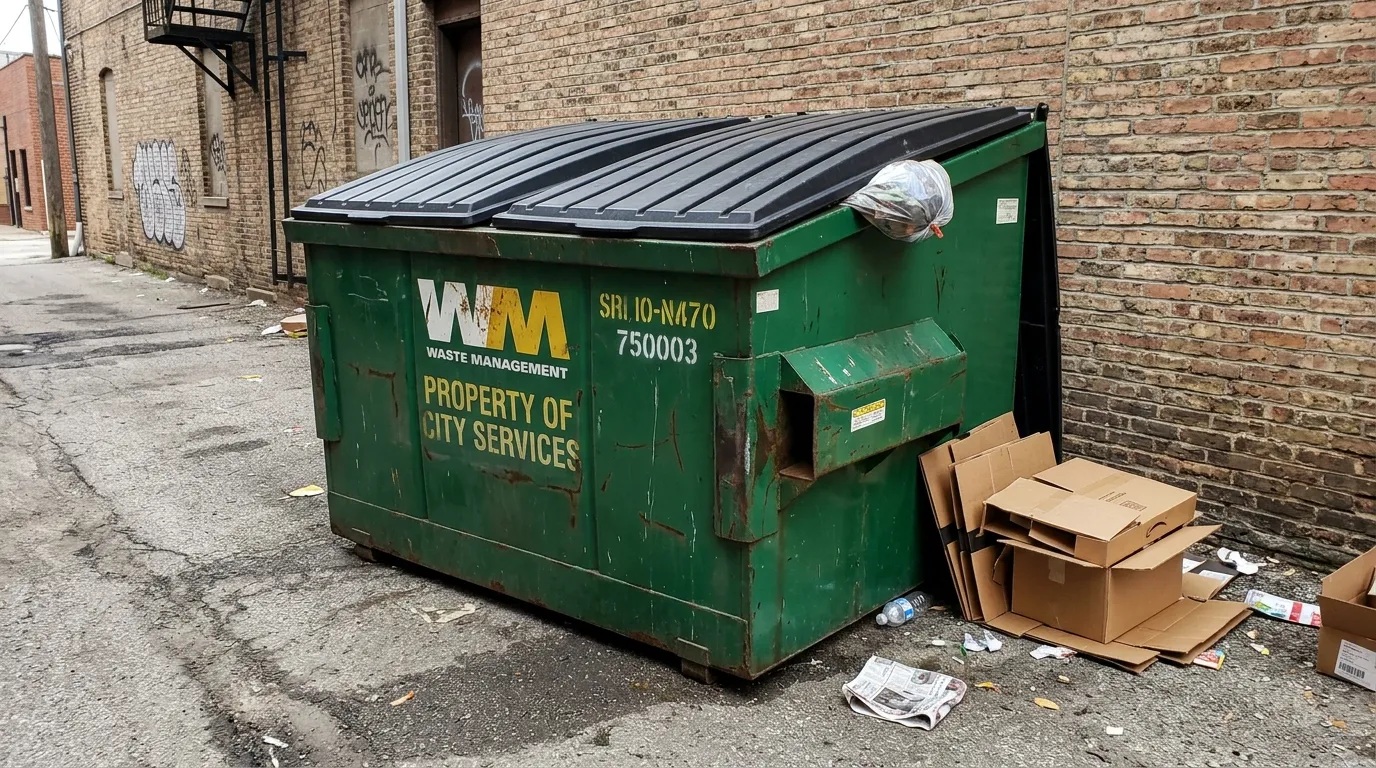
A dumpster keeps renovation waste in one place instead of letting it pile up around your home. This keeps your work area cleaner and safer.
- Choose the right dumpster size.
- Throw away waste as you work.
- Keep the area around the dumpster clean.
- Do not overfill the container.
- Follow local disposal rules.
Having a dedicated place for renovation waste makes cleanup much easier. It also helps keep the project organized from beginning to end.
8. Choose Eco-Friendly Materials
Eco-friendly building materials often create less waste and usually last longer than standard materials. Many are also made from recycled or renewable resources.
- Choose recycled wood.
- Use bamboo flooring.
- Buy recycled metal products.
- Select low-VOC paint.
- Choose long-lasting materials.
Making environmentally friendly choices during your renovation can reduce waste now and lower maintenance costs in the future.
9. Remove Junk Regularly
Do not wait until the renovation is finished to clean up. Removing junk regularly keeps the work area organized and helps prevent accidents.
- Collect debris every day.
- Keep walkways clear.
- Empty trash bins regularly.
- Separate recyclable materials.
- Remove full garbage bags promptly.
A clean workspace allows everyone to work more efficiently. Regular cleanup also prevents small piles of junk from becoming a much larger problem.
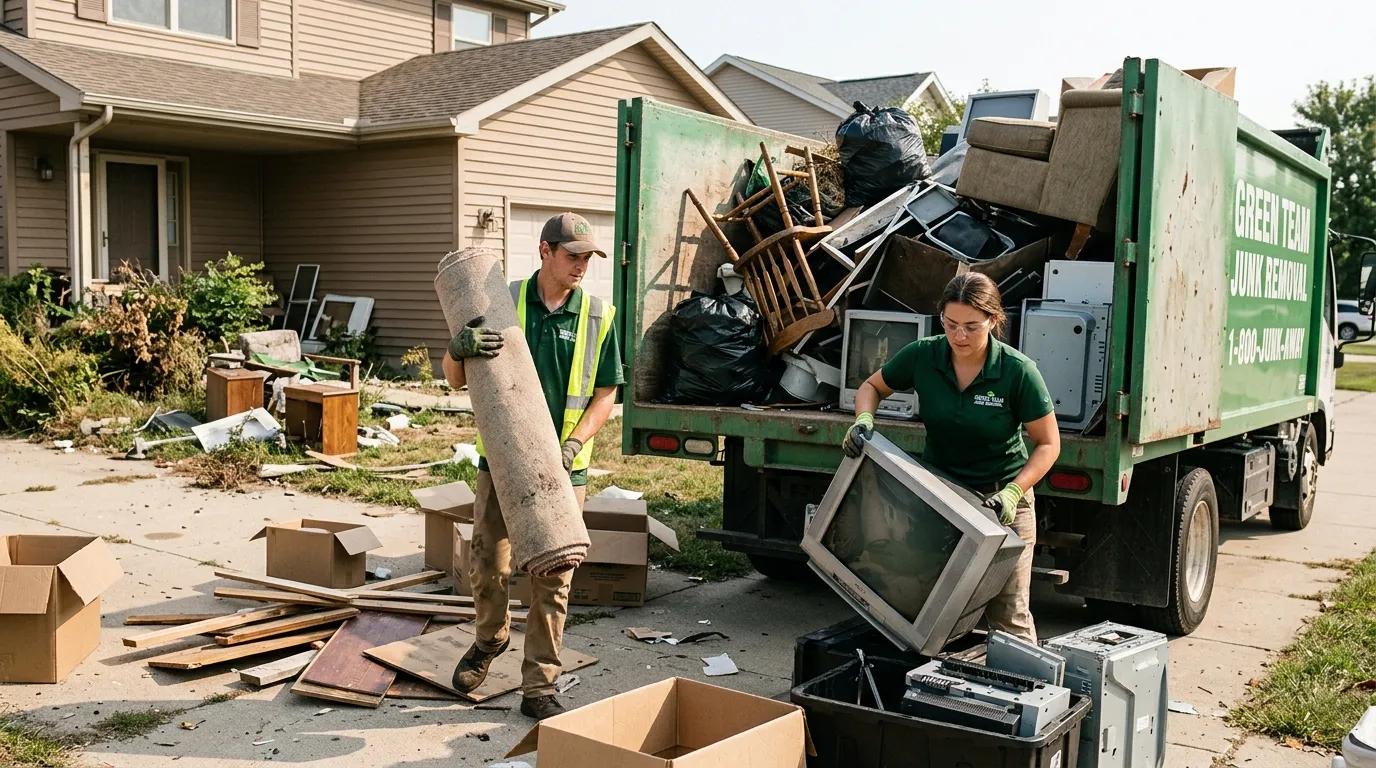
10. Hire a Professional Junk Removal Service
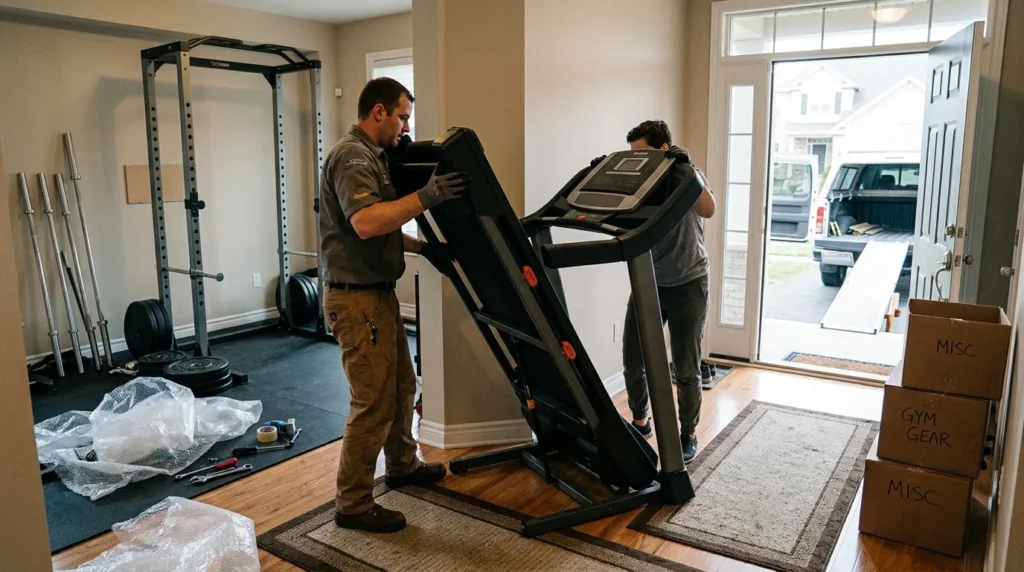
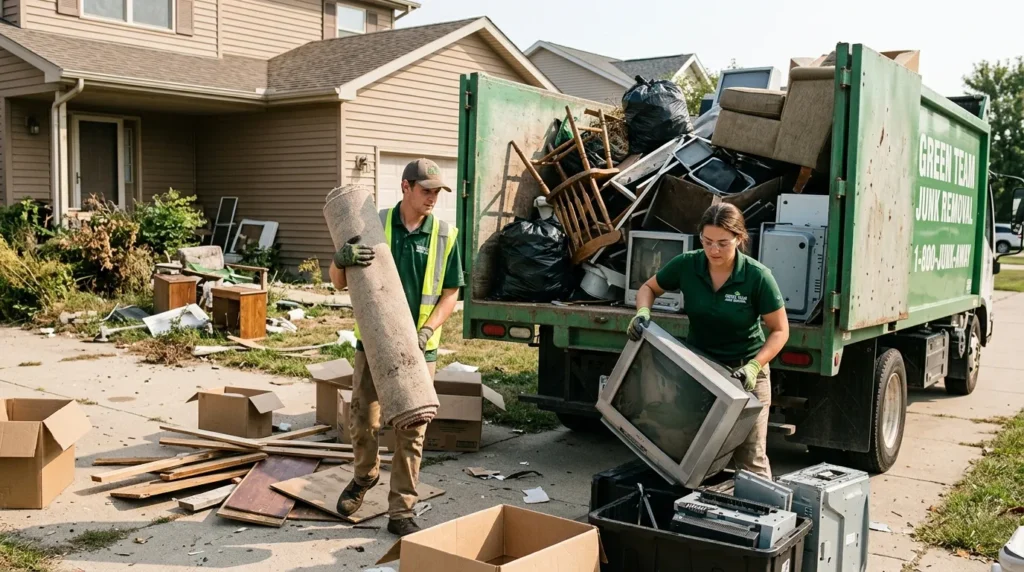
Large renovation projects often create more waste than homeowners can handle alone. A professional junk removal company can collect, sort, recycle, and dispose of renovation waste safely.
- Save time during cleanup.
- Avoid lifting heavy materials.
- Ensure proper waste disposal.
- Recycle more materials.
- Keep your property clean throughout the project.
Professional junk removal services can make the entire renovation process easier. They handle the hard work so you can focus on completing your home improvement project.
Final Thoughts
Reducing junk during a home renovation does not have to be difficult. A little planning, smart shopping, regular cleanup, and proper recycling can greatly reduce the amount of waste your project creates. Reusing, donating, and selling materials also helps keep useful items out of landfills while saving money.
Whether you are renovating a single room or your entire home, these simple tips will help you maintain a cleaner workspace, reduce disposal costs, and complete your renovation with less waste. A cleaner project is easier to manage, safer for everyone involved, and better for the environment.
Also Read: What Happens To Reusable Items After Junk Removal?