Older Montana homes can have basements that collect years of stored items, dust, moisture, and clutter. A good cleanout can make the space safer, cleaner, and easier to use. These tips can help you get started.
1. Check for Water and Moisture
Before moving boxes around, look for water stains, damp walls, wet floors, or a musty smell. Montana winters can bring snow and heavy moisture, so deal with leaks before storing items again.
2. Remove Unwanted Items
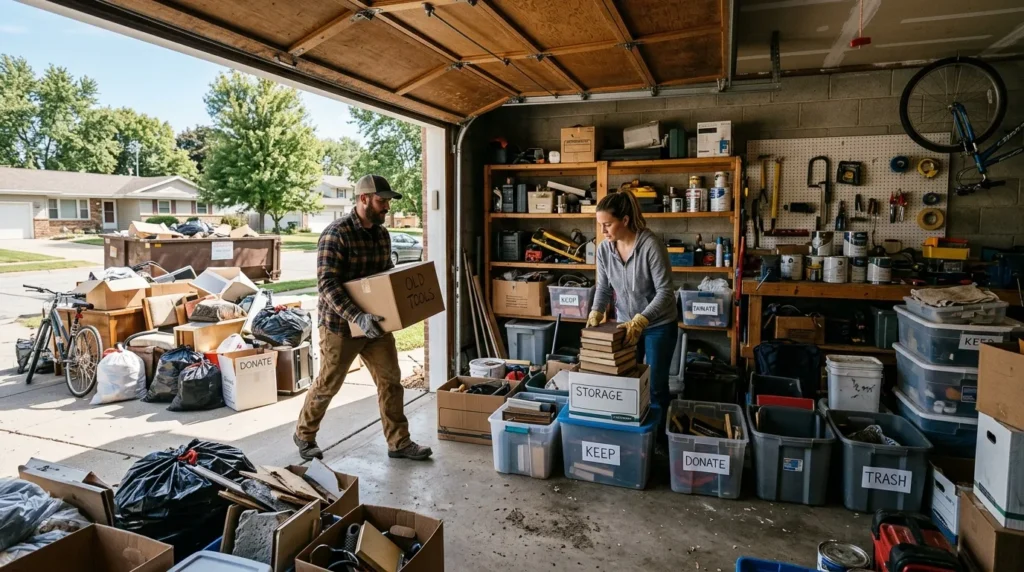
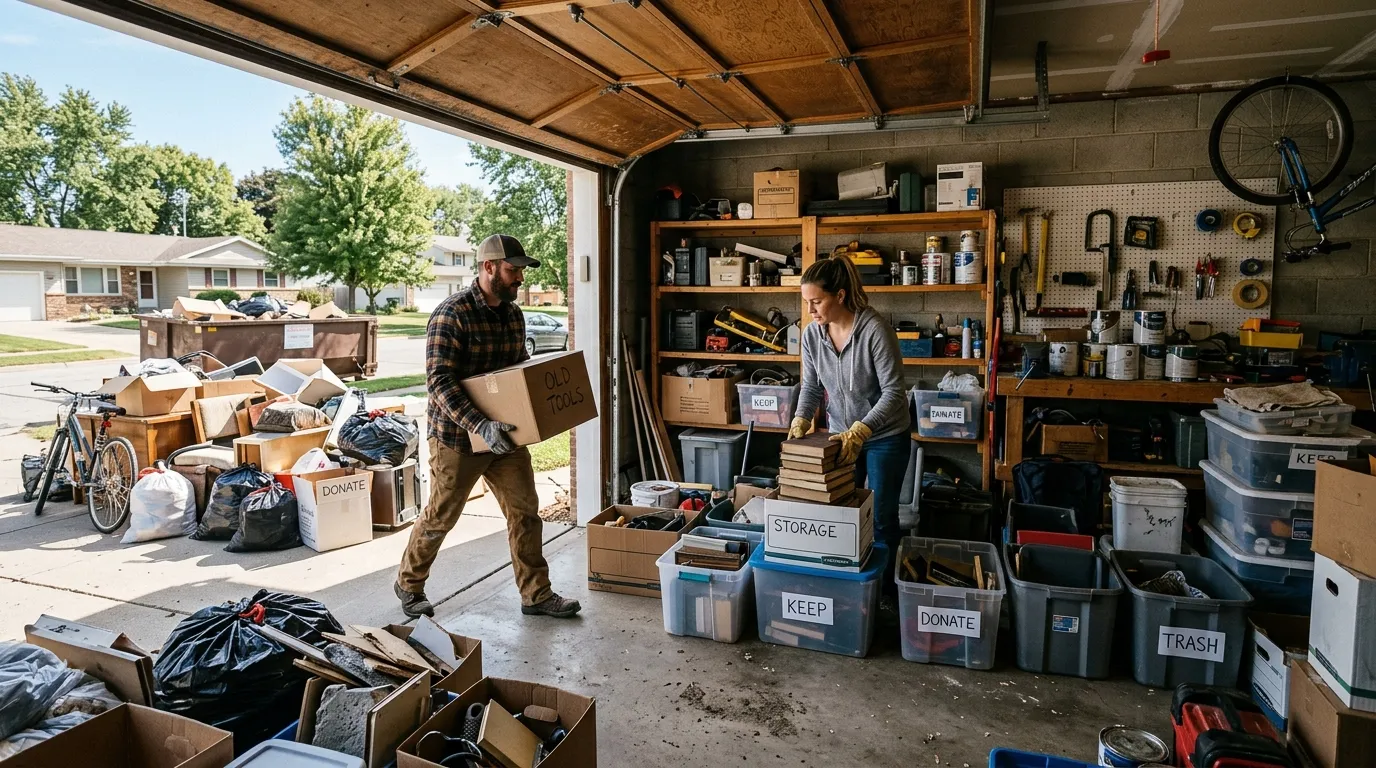
Go through old boxes, furniture, tools, and household items. Separate everything into three groups: keep, donate or sell, and throw away.
Do not put items back just because they have been stored for years.
3. Watch for Mold
Older basements may have mold caused by moisture. Check walls, floors, ceilings, and stored items for visible mold or signs of dampness.
If you find a large mold problem, consider getting help from a qualified professional.
4. Inspect Old Pipes
Look around exposed pipes for rust, leaks, or water damage. Older homes may have aging plumbing that needs attention.
If you see an active leak or badly damaged pipe, contact a plumber before continuing the cleanout.
5. Clean Dust and Dirt
Once the clutter is removed, sweep and clean the basement. Pay extra attention to corners, shelves, stairs, and areas behind stored items.
A cleaner basement also makes it easier to spot leaks, pests, and other problems.
6. Check for Pests
Look for mouse droppings, insects, nests, damaged boxes, and small openings where pests may enter.
Seal suitable gaps and remove food, paper, and other materials that could attract pests.
7. Sort Old Boxes and Papers
Basements often become storage areas for old documents, books, photos, and paperwork. Check each box before throwing anything away.
Keep important records and family photos in dry, secure storage. Avoid keeping valuable papers in damp cardboard boxes.
8. Check Electrical Areas
Look at outlets, visible wiring, lights, and electrical panels for signs of damage. Do not touch exposed wires or attempt repairs if you are unsure about electrical work.
Get a qualified electrician to inspect serious electrical problems.
9. Improve Storage
After cleaning, use shelves, storage bins, and wall hooks to keep items organized. Keep boxes off the basement floor where possible, especially in areas that may get damp.
Label storage containers so you can find things easily later.
10. Make a Winter Storage Plan
Before winter, decide what should stay in the basement and what should be stored somewhere else. Keep items you may need during cold weather easy to reach.
Leave clear paths around the basement and avoid blocking doors, stairs, heating equipment, or other important areas.
Final Thoughts
Cleaning an older basement takes time, but a simple plan makes the job easier. Start by checking for moisture and safety issues, then remove clutter, clean the space, and organize what you keep. A clean basement gives you more usable storage and helps you spot problems before they become expensive repairs.
Also Read: Garage Cleanout Checklist Before Winter