Getting rid of unwanted items is a good way to keep your home, office, or garage clean and organized. However, throwing everything into one pile can make recycling harder and send useful materials to landfill.
Before scheduling a junk removal service, take some time to separate recyclable items from general waste. Paper, cardboard, plastic, glass, metal, electronics, and textiles may all have different recycling requirements.
Some unwanted items can also be donated or reused instead of being thrown away. By sorting your junk in advance, you can make the removal process easier, reduce waste, and help protect the environment.
1. Separate Paper and Cardboard
Start by collecting all paper and cardboard items from your home, garage, office, or storage area. These may include newspapers, magazines, old books, delivery boxes, and paper packaging.
Keep clean and dry materials together so they are easier to recycle. Flatten cardboard boxes to save space and make them easier to carry. Remove plastic wrapping, foam, and other materials from the boxes before sorting them. Avoid adding greasy pizza boxes or wet paper to clean paper recycling, as these may not be accepted by your local recycling center.
2. Sort Plastic Items
Plastic waste is common in homes and offices, but not every plastic item can be recycled in the same way. Collect plastic bottles, food containers, detergent bottles, and other accepted plastic packaging in a separate pile. Empty the containers and rinse away food or liquid residue when needed.
Check the recycling symbols and local rules to find out which types of plastic are accepted in your area. Keep plastic bags, foam packaging, and other items separate if your local recycling center does not accept them with regular plastics. Sorting these items before junk removal helps reduce mixed waste and makes collection easier.
3. Collect Glass Items
Glass bottles and jars can often be recycled into new glass products. Collect empty glass food jars, drink bottles, and other accepted glass containers in a separate box or container. Remove leftover food and liquids, and rinse the containers if needed.
Check local rules to see whether lids should be removed or sorted separately. Do not mix drinking glasses, mirrors, window glass, or broken ceramics with ordinary bottle and jar recycling, as these materials may need different handling. If you have broken glass, wrap it securely and label it clearly to prevent cuts during handling. Keep glass in a stable container so it does not fall or break while being moved.
4. Sort Metal Items
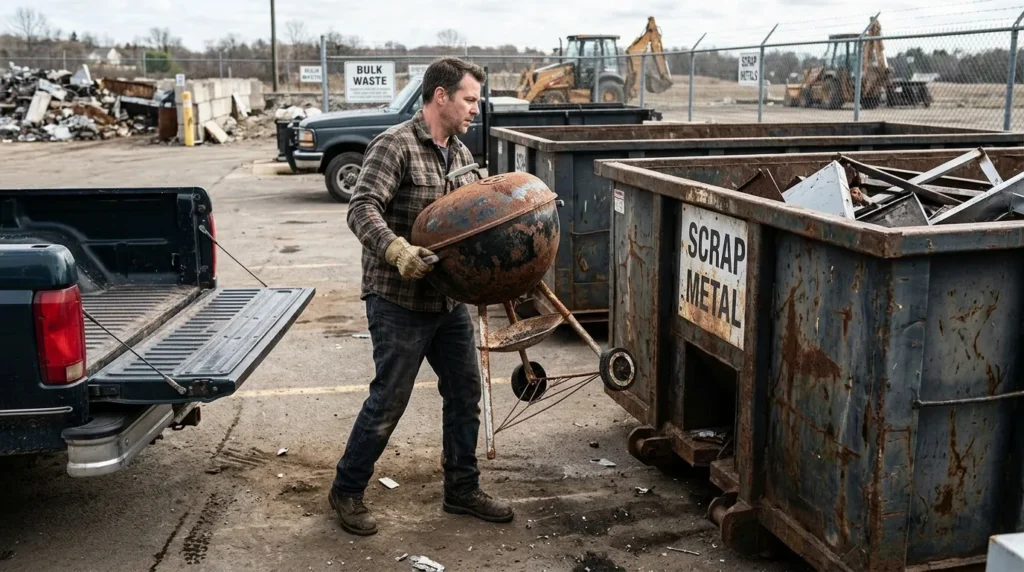
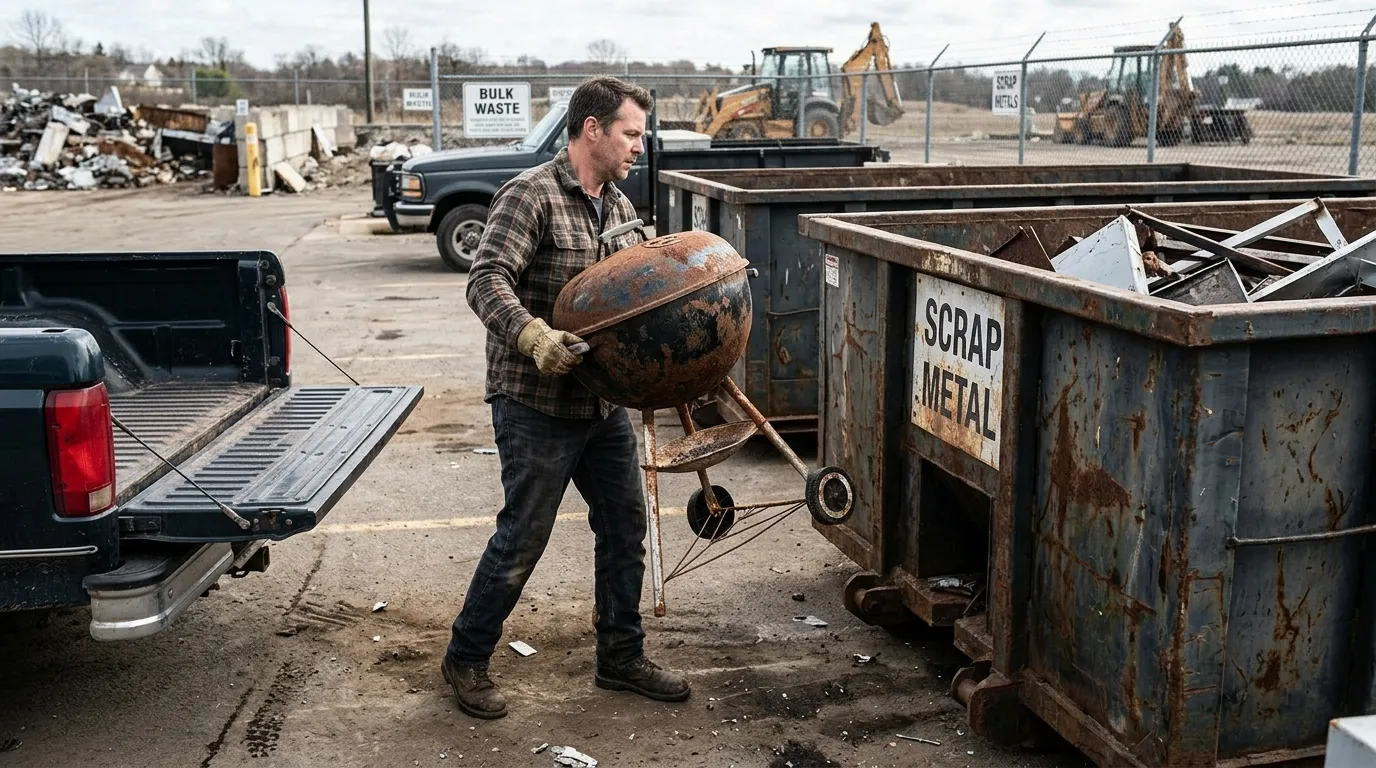
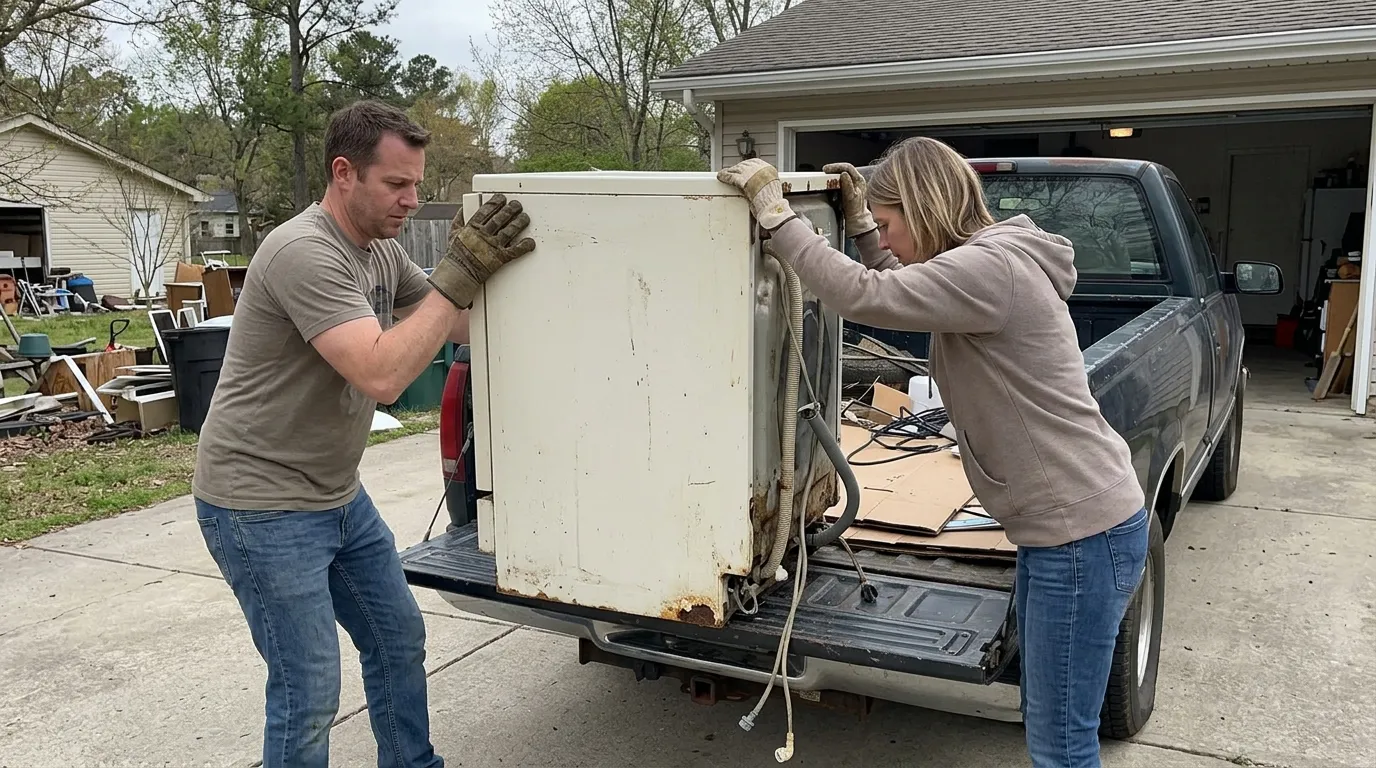
Metal items can take up a lot of space during junk removal, but many of them can be recycled. Look for aluminum cans, steel food containers, metal shelves, old pipes, and scrap metal around your property. Place smaller metal items in a strong container and keep larger pieces in a separate area.
Empty food cans and rinse them when needed. If metal items have sharp edges, handle them carefully to avoid cuts. Keep metal separate from wood, plastic, and general household waste. Some scrap metal may have value, so you can contact a local scrap yard or recycling center to ask whether it accepts your items.
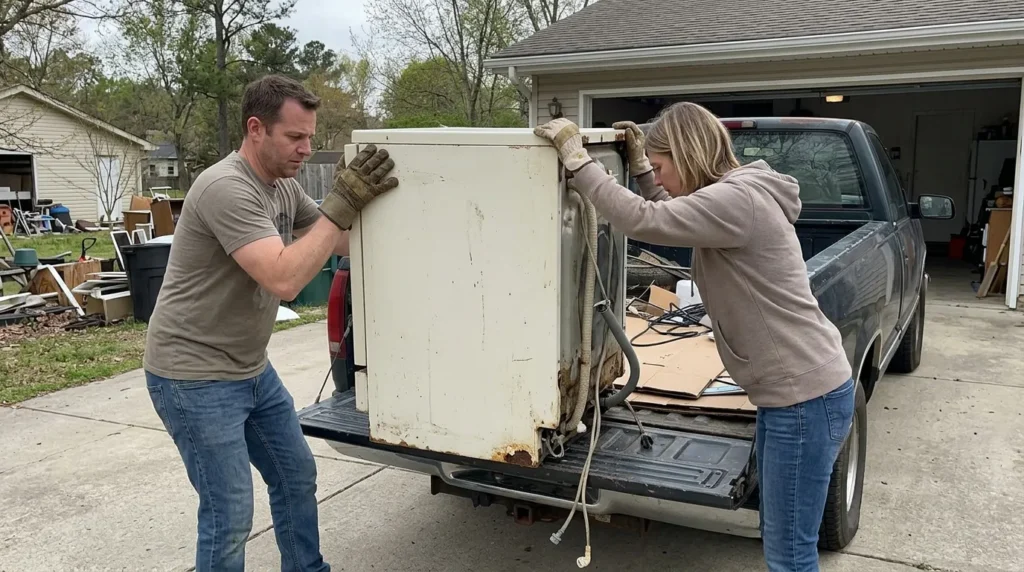
5. Identify Electronic Waste
Old electronic devices should be sorted separately because they may contain materials that need special treatment. Check your home, office, or garage for unused computers, laptops, mobile phones, printers, chargers, cables, and other electrical equipment.
Place these items in a safe, dry area until you can take them to an approved electronic waste collection point. Remove personal data from phones and computers before recycling them. Batteries should also be handled according to local collection rules, as damaged or loose batteries can create a fire risk.
Do not place electronic devices in regular household recycling bins unless your local rules clearly allow it. Proper sorting helps recover useful materials and keeps harmful substances out of the environment.
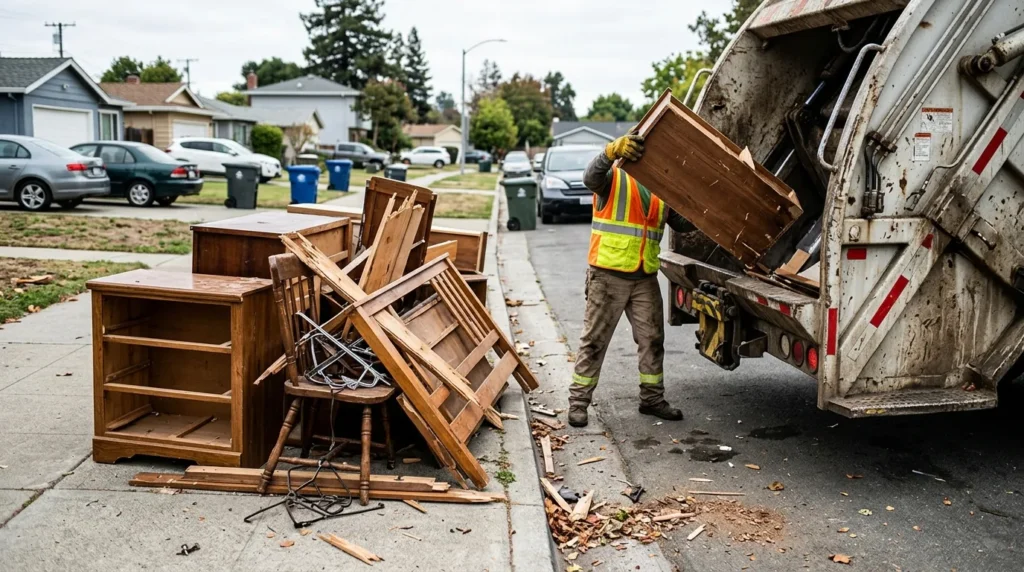
6. Separate Reusable Furniture
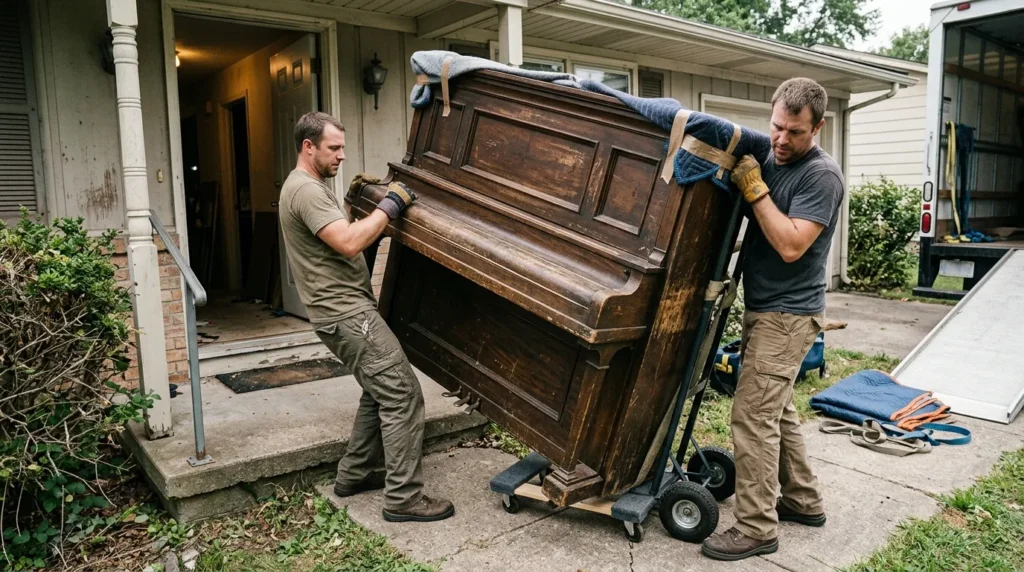
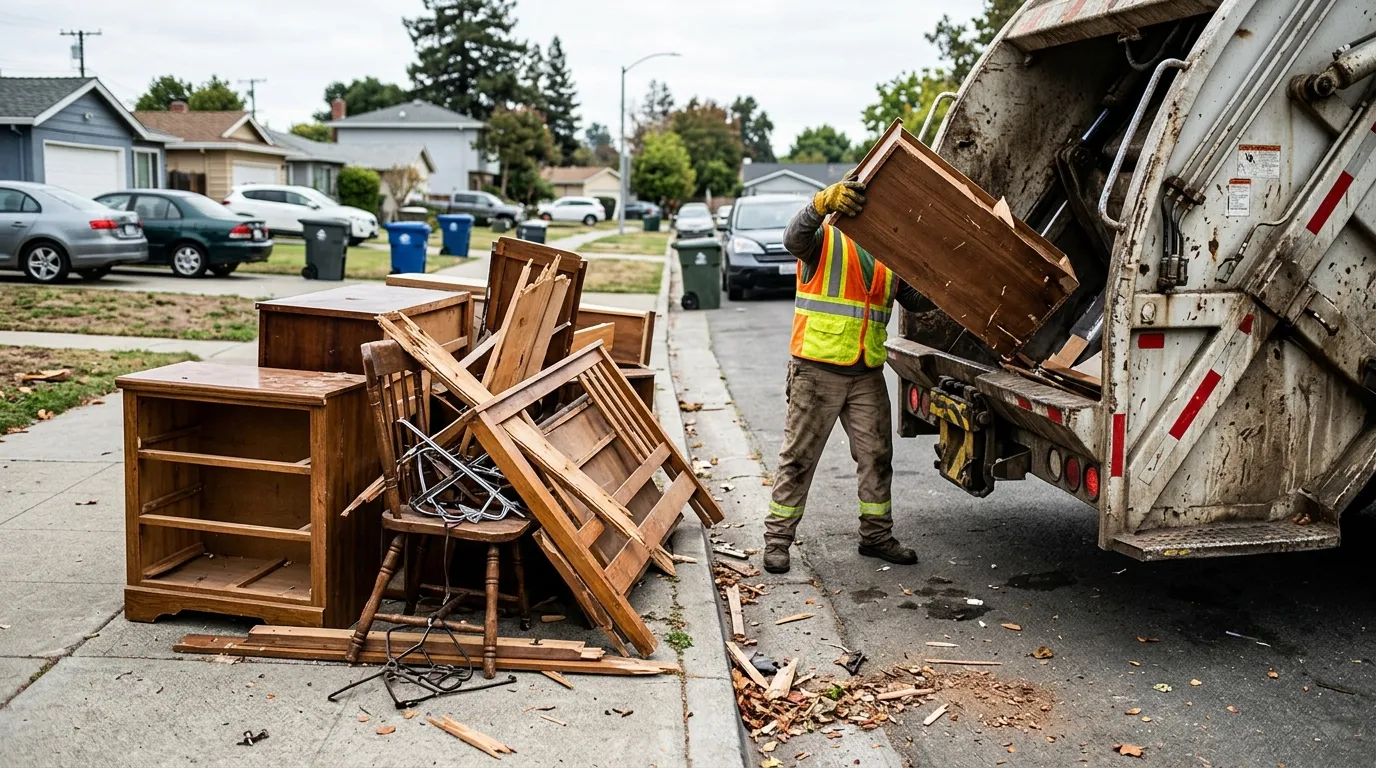
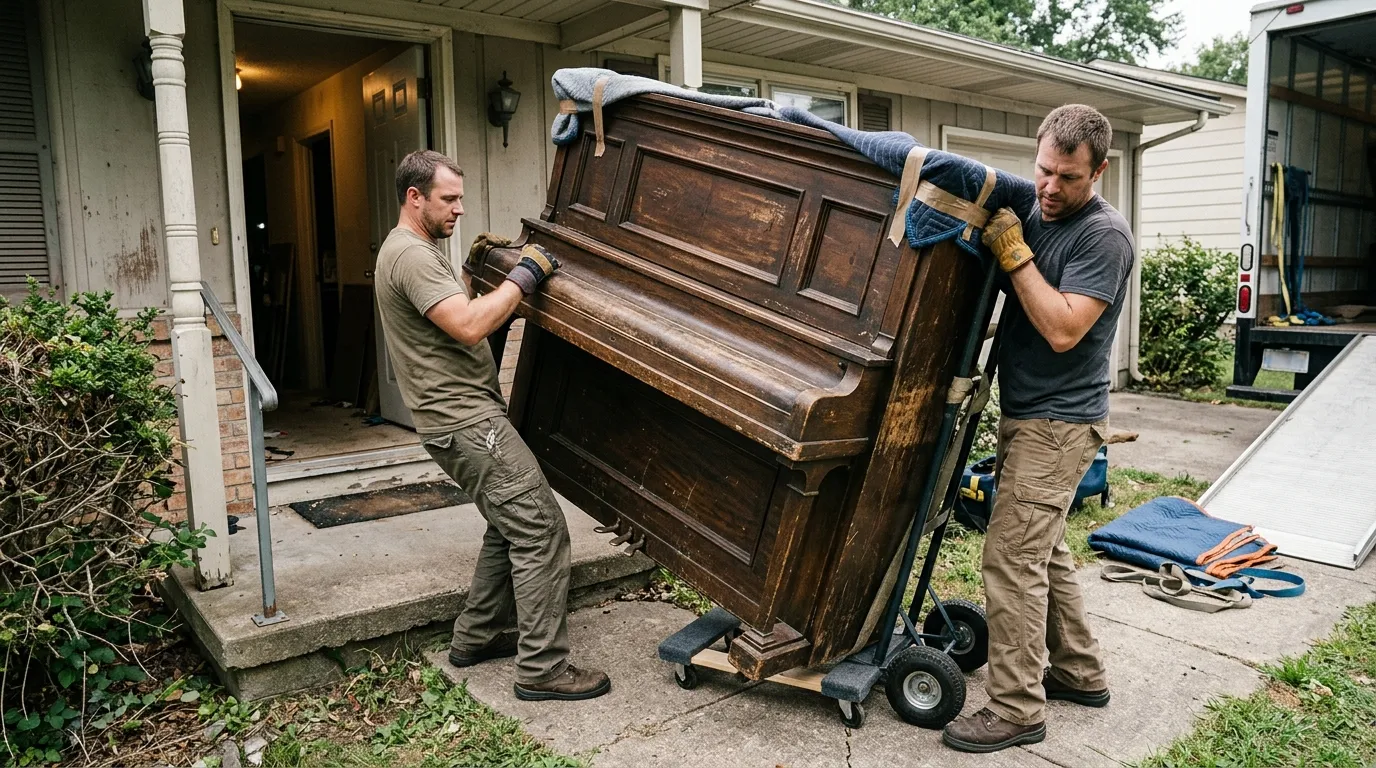
Before throwing away old furniture, check whether it can be used again. Tables, chairs, desks, bookshelves, cabinets, and sofas may still be useful even if they have scratches or minor damage. Separate furniture that is in good condition from items that are broken or unsafe to use.
You can offer usable pieces to charities, donation centers, community groups, or people who need them. Some furniture may also be suitable for resale. If an item cannot be reused, check whether its wood, metal, or other parts can be recycled. Taking this step before junk removal can reduce waste and help you avoid throwing away items that still have value.
7. Remove Recyclable Textiles
Old clothes and household fabrics can often be reused or recycled instead of being sent to landfill. Collect unwanted shirts, trousers, jackets, curtains, towels, bedsheets, and blankets in a separate bag. Check their condition before sorting them.
Clean clothes in good condition may be suitable for donation, while worn textiles may be accepted by textile recycling services. Keep wet, moldy, or heavily soiled fabrics separate because they may not be accepted. Shoes and bags should also be checked against the rules of your local collection service. Do not assume that all textiles belong in clothing donation bins, as some centers accept only specific items. Sorting them in advance makes it easier to choose the right disposal method.
8. Keep Hazardous Waste Separate
Some household items need special care because they may contain chemicals or other materials that can harm people and the environment. Common examples include paint, solvents, cleaning chemicals, pesticides, motor oil, and certain batteries.
Keep these items away from regular rubbish, food waste, and recyclable materials. Whenever possible, leave them in their original, clearly labeled containers and follow the storage instructions on the label. Never mix different chemicals or pour them down a drain.
If a container is leaking, avoid touching the substance and seek advice from your local hazardous waste service. Tell your junk removal company about these items before collection, as many companies cannot take them with ordinary household junk.
9. Label Each Collection Pile
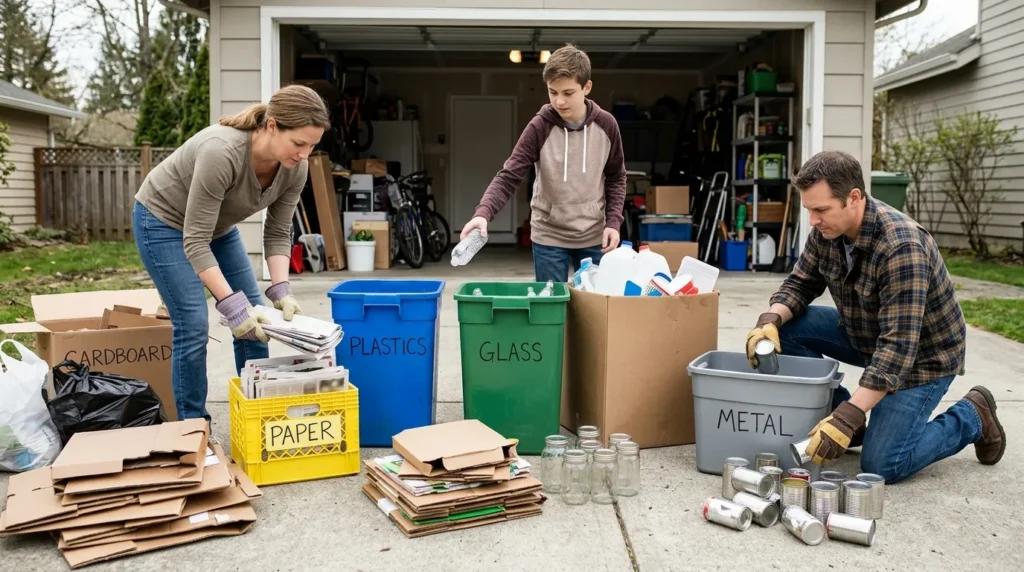
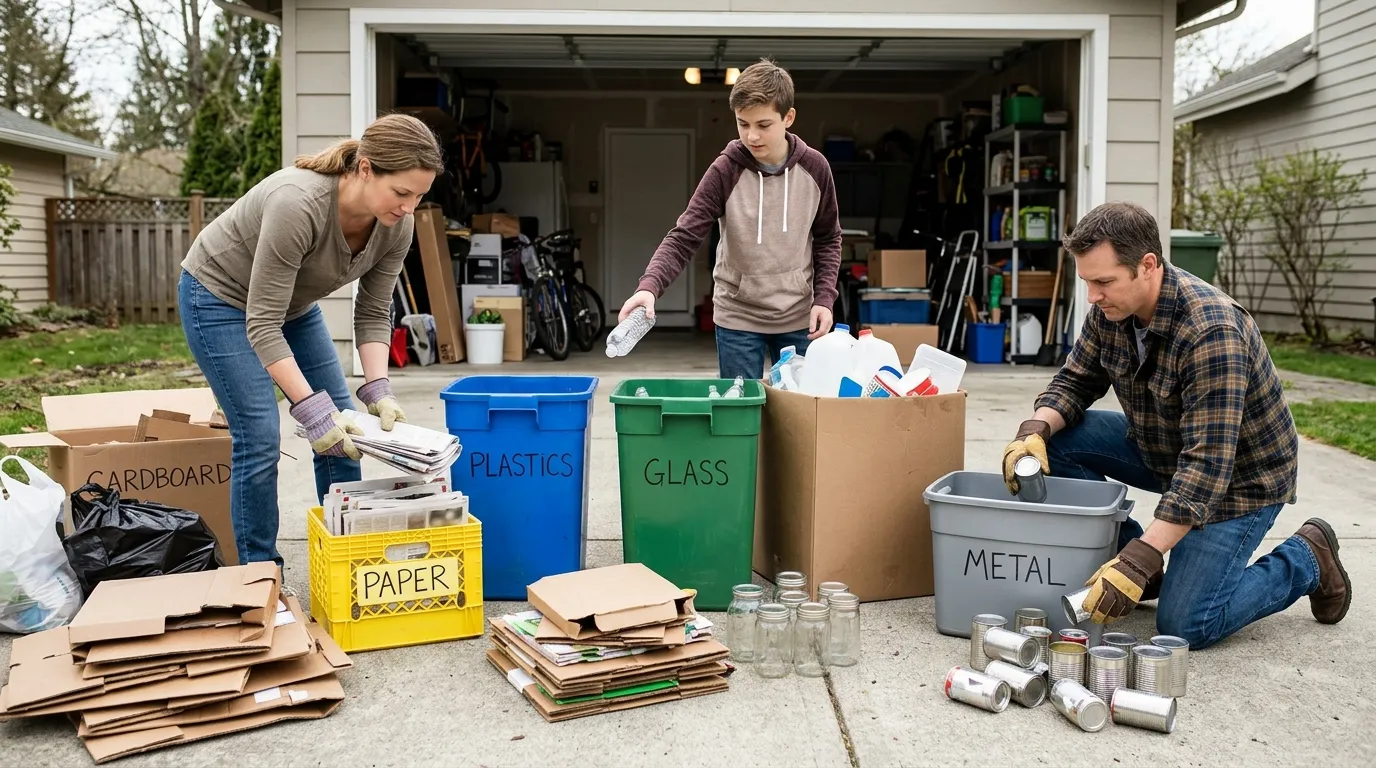
Once you have sorted your items, organize them into separate piles, boxes, or containers. Use clear labels such as paper, plastic, glass, metal, electronics, reusable furniture, and general waste. Keep each group in a place where it is easy to reach without moving other items.
This is especially helpful when cleaning a garage, basement, office, or large storage room. Make sure heavy objects are stored safely and do not stack boxes too high. Keep sharp items and hazardous materials away from children and pets. Clear labels help you, your family, and the junk removal team identify what can be recycled, donated, or taken away as waste.
10. Check Local Recycling Guidelines
Before your scheduled junk removal, check the recycling rules in your local area. Different recycling centers accept different materials, so an item that can be recycled in one place may not be accepted in another. Visit your local council website or contact a recycling center to ask about accepted plastics, glass, metals, textiles, electronics, and other materials.
You should also ask your junk removal company which items it collects and whether it offers separate recycling or donation services. Some items may need to be taken to a special collection point instead of being placed with regular rubbish. Checking these rules ahead of time helps you sort everything correctly, avoid delays, and send more materials for reuse or recycling.
Conclusion
Separating recyclable items before junk removal is a simple step that can make a real difference. By sorting paper, plastic, glass, metal, electronics, textiles, and reusable furniture, you can keep useful materials out of general waste.
You should also keep hazardous materials separate and check local recycling rules before arranging collection. Clear labels and organized piles can save time and help junk removal workers handle each item correctly. Before throwing anything away, ask yourself whether it can be recycled, donated, or reused. A little preparatio
Also Read: How To Dispose Of An Old BBQ Grill?