An old BBQ grill can take up valuable space in your garden, garage, or backyard. Over time, grills can rust, develop broken parts, or stop working properly. When this happens, you may want to replace your old grill with a new one. However, getting rid of a BBQ grill is not always as simple as putting it in your regular rubbish bin.
BBQ grills often contain metal parts, cooking grates, gas connections, and other materials that may need separate handling. Some parts can be recycled, while others need special disposal. The best method depends on the grill’s condition, its fuel type, and the waste services available in your area.
Here are ten practical ways to dispose of an old BBQ grill safely and responsibly.
1. Check the Condition of Your Old BBQ Grill
Before disposing of your old BBQ grill, check whether it is still safe to use. Some grills may look worn out but need only a few small repairs. Others may have serious damage that makes them unsuitable for cooking. Inspect the grill body, cooking grates, lid, wheels, burners, and other main parts to decide what to do next.
Look for deep rust, cracked metal, broken legs, loose handles, and damaged cooking surfaces. If you have a gas grill, check for visible damage to the gas hose, regulator, and connections. Never use a grill with a suspected gas leak or damaged gas parts. If the grill has serious damage, it may be better to recycle it rather than spend money on repairs.
If the grill is in good condition, you may be able to sell it, donate it, or give it to someone who needs it. A damaged grill may still have metal parts that can be recycled. Checking its condition first helps you choose the right disposal method and avoid throwing away items that could still be useful.
2. Clean the Grill Before Disposal
Cleaning your old BBQ grill can make it easier to inspect, transport, sell, or recycle. Food remains, grease, and ash can build up inside the grill over time. Removing this waste also helps prevent unpleasant smells and keeps grease from spreading during transport.
Start by making sure the grill is completely cool. Remove the cooking grates, drip tray, grease container, and other parts that can be taken out safely. Use a grill brush or scraper to remove stuck food and grease. Collect loose debris in a suitable container rather than washing large amounts of grease into a drain.
For a charcoal grill, make sure all charcoal and ash are completely cold before removing them. Ash can hold heat for a long time, even when it looks cool on the surface. Place it in a suitable metal container and check local waste rules before disposal. For a gas grill, turn off the gas supply and disconnect the fuel source only according to the manufacturer’s instructions.
You do not need to make an unusable grill look brand new before recycling it. However, removing loose dirt, food waste, and excess grease can make handling safer and help recycling staff process the materials more easily.
3. Remove Propane Tanks or Gas Cylinders Safely
If your old BBQ grill uses propane, butane, or another bottled gas, remove the gas cylinder from the grill before arranging disposal. Gas cylinders can remain dangerous even when they seem empty. They may still contain gas under pressure, so they should never be treated as ordinary metal rubbish.
Turn off the gas supply and follow the grill manufacturer’s instructions for disconnecting the cylinder. Work outdoors in a well-ventilated area, away from flames, cigarettes, sparks, and other ignition sources. Never attempt to cut, crush, burn, or puncture a gas cylinder. If you smell gas or suspect a leak, move away from the area and contact the appropriate emergency or gas service.
Once the cylinder has been disconnected safely, check with the supplier or a local gas cylinder collection service about returning it. Many suppliers accept their own refillable cylinders or offer an exchange service. Other cylinders may need to go to an approved collection point.
Do not place a propane tank inside a skip or scrap metal container unless the operator has confirmed that it accepts gas cylinders and explained how to prepare them. The grill itself may be suitable for recycling after the cylinder has been removed, but the cylinder needs a separate disposal plan.
4. Separate Metal Parts for Recycling
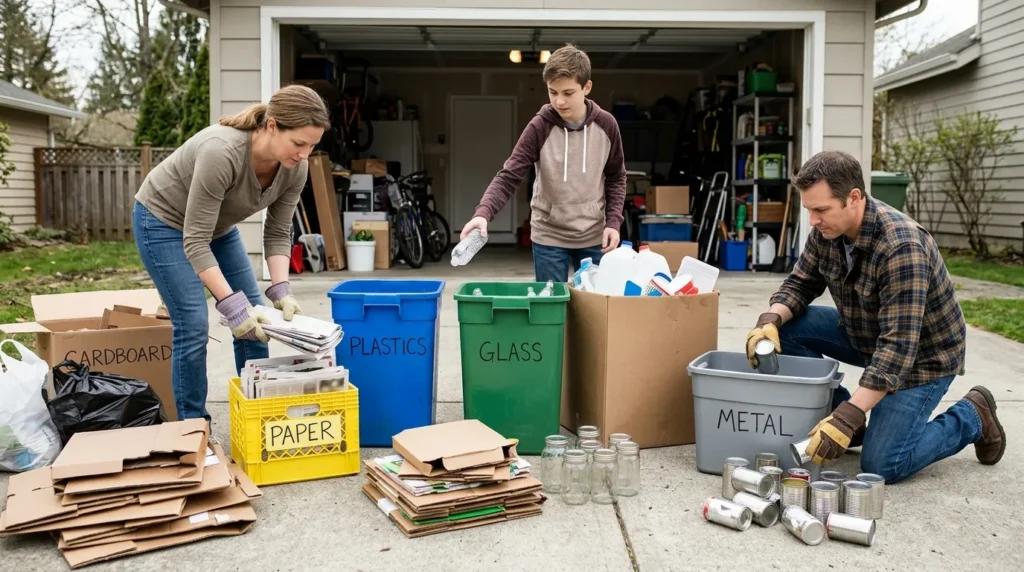
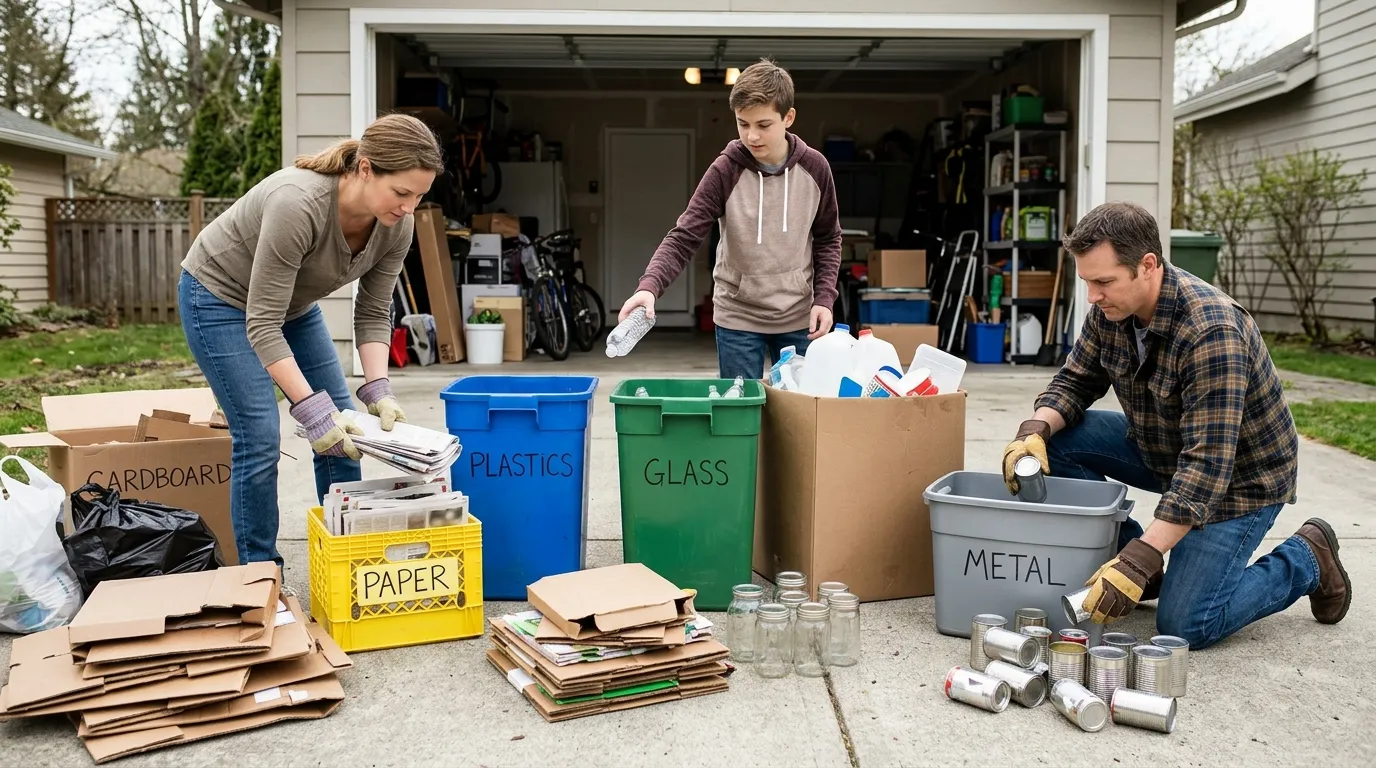
Many BBQ grills contain steel, stainless steel, aluminium, and other metal parts. These materials may be recyclable, even if the grill can no longer be used. Separating suitable metal components can help reduce waste and allow the materials to be used in new products.
Start by checking which parts can be removed safely. Cooking grates, metal shelves, legs, screws, and certain panels may be suitable for metal recycling. Some grills also contain plastic handles, rubber wheels, electronic ignition parts, and other materials that need separate handling. Do not assume that every part belongs in the same recycling container.
If you plan to take the grill apart, use suitable tools and protective gloves. Watch for sharp edges, rusty metal, and heavy parts that could fall while you work. Avoid cutting or dismantling components that are connected to gas systems or electrical parts unless you know how to handle them safely.
Contact a local recycling centre or scrap metal dealer before transporting the grill. Some facilities accept complete metal grills, while others require you to separate the materials first. They may also have rules about grease, non-metal parts, and the maximum size of items they accept. Following these instructions can save you an extra trip and help ensure that the grill is handled correctly.
5. Dispose of Charcoal and Ash Properly
If you have an old charcoal BBQ grill, you may find leftover charcoal, ash, and burnt food inside it. These materials need attention before you move or dispose of the grill. Hot ash can start a fire, so never assume it is safe just because the grill has not been used for several hours.
Allow the charcoal and ash to cool completely. This can take much longer than expected, especially after a large barbecue. Once everything is fully cold, place the ash in a suitable container and follow your local waste collection rules. Avoid spreading large amounts of ash around your garden, as it can affect the soil and plants.
Do not pour water into a grill full of hot ash as a quick way to prepare it for disposal. This can create steam, spread dirty water, and make the ash harder to handle. Instead, allow the grill to cool naturally in a safe location away from dry leaves, wooden structures, and other materials that could catch fire.
After removing the ash, check the grill for leftover charcoal, grease, and food remains. If the grill is being recycled, make sure it meets the recycling centre’s preparation requirements. Proper ash disposal reduces fire risks and makes the rest of the cleanup easier.
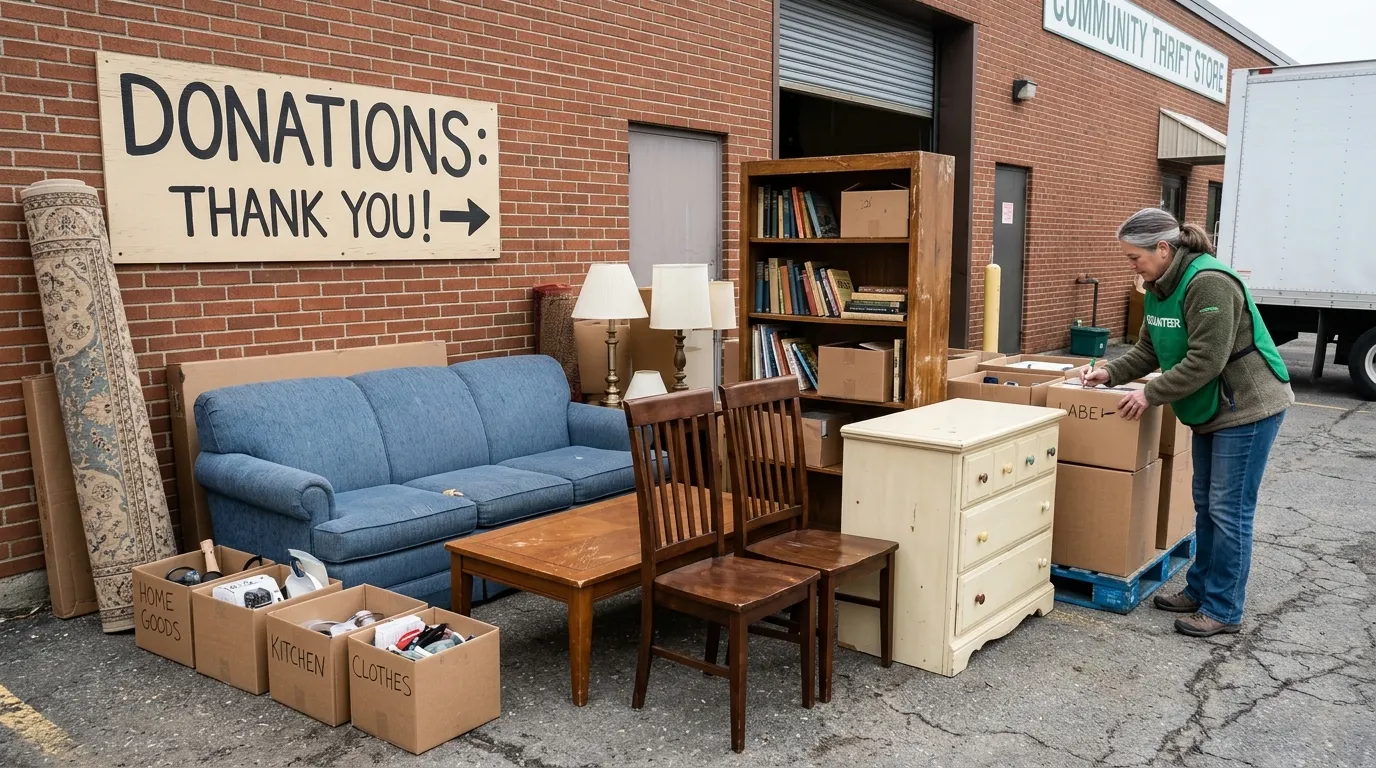
6. Donate or Sell a Grill That Still Works
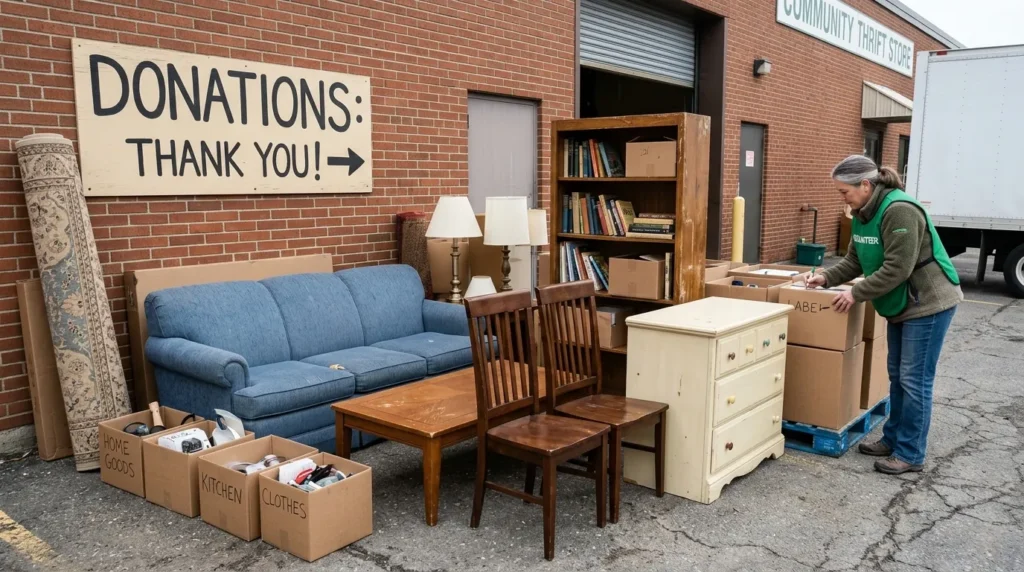
If your old BBQ grill is still safe and in good working condition, selling or donating it may be a better choice than throwing it away. Many people look for second-hand grills to use in gardens, on patios, or at holiday homes. A grill that no longer suits your needs may still be useful to someone else.
Before listing it for sale, clean the cooking grates and remove grease from the main surfaces. Check that the lid closes properly, the legs are stable, and the main parts work as expected. For a gas grill, make sure it has no suspected leaks or damaged connections. Do not sell or donate a grill that you know is unsafe.
Take clear photographs and describe the grill honestly. Include its size, fuel type, age if known, condition, and any missing parts. You can list it on local online marketplaces, community groups, or second-hand selling websites. If you want to donate it, contact local charities or reuse groups to ask whether they accept outdoor cooking equipment.
Be clear about collection arrangements, as BBQ grills can be bulky and heavy. If the buyer or recipient collects the grill, make sure it is safely prepared for transport. Reusing a working grill helps reduce waste and may give you some money to put towards a replacement.
7. Take the Grill to a Local Recycling Centre
A local recycling centre may accept an old BBQ grill, especially if it contains metal parts that can be recovered. This can be a good option if the grill is too damaged to sell or donate but is still suitable for recycling.
Before loading the grill into your vehicle, contact the centre or check its website. Ask whether it accepts gas grills, charcoal grills, electric grills, and large metal items. Some centres have separate collection areas for scrap metal, electrical equipment, and bulky household waste. Others may refuse grills that still contain gas cylinders, charcoal, grease, or mixed materials.
Prepare the grill according to the centre’s instructions. Remove the gas cylinder, empty the ash after it has cooled, and clean away loose grease and food waste. If the centre asks you to separate certain parts, do this before your visit, provided you can do so safely.
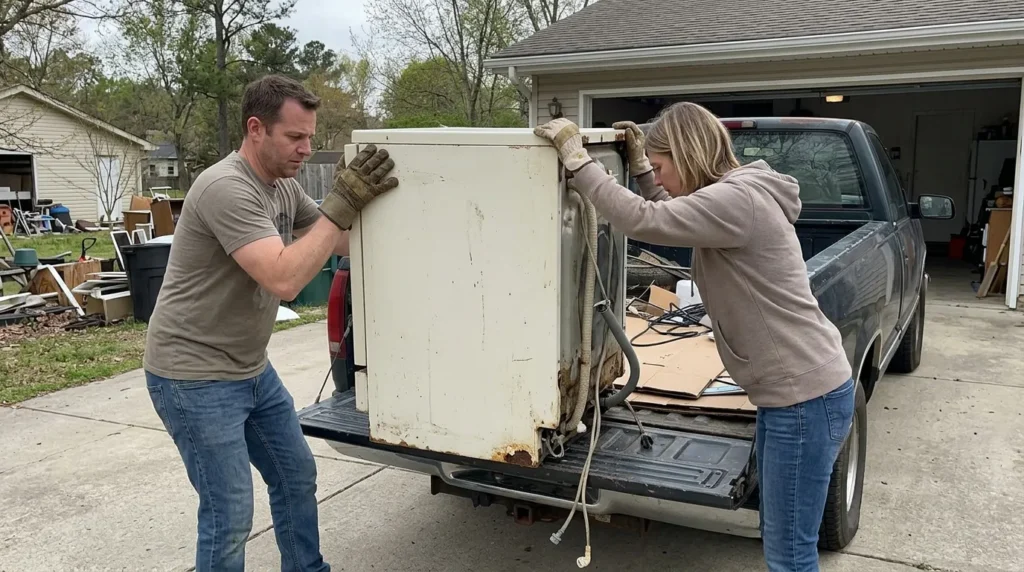
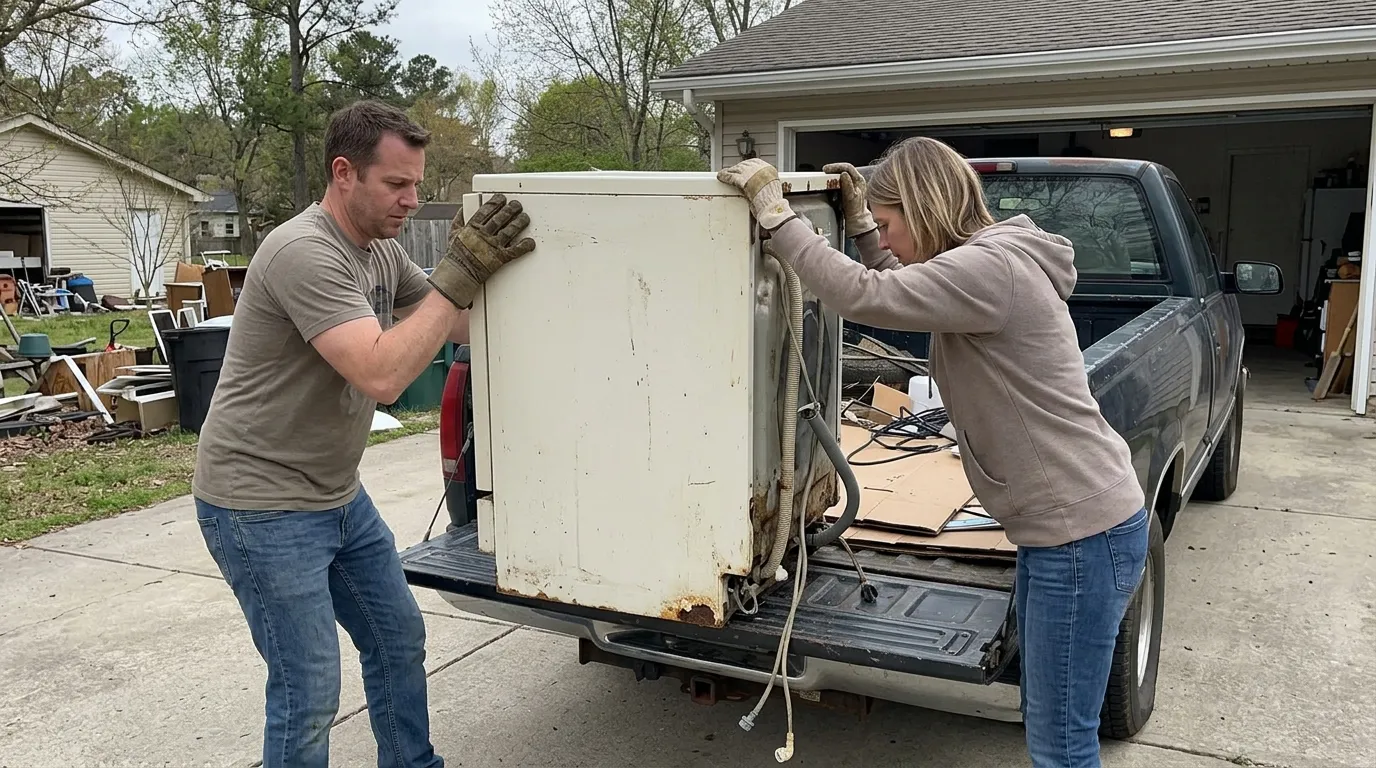
Check whether there is a fee for dropping off large items and whether you need to book a time slot. If the grill is too heavy to lift alone, ask someone to help or arrange a suitable collection service. Taking the grill to an approved recycling centre can help recover valuable materials and keep bulky waste out of landfill where local facilities allow.
8. Arrange Bulk Waste Collection
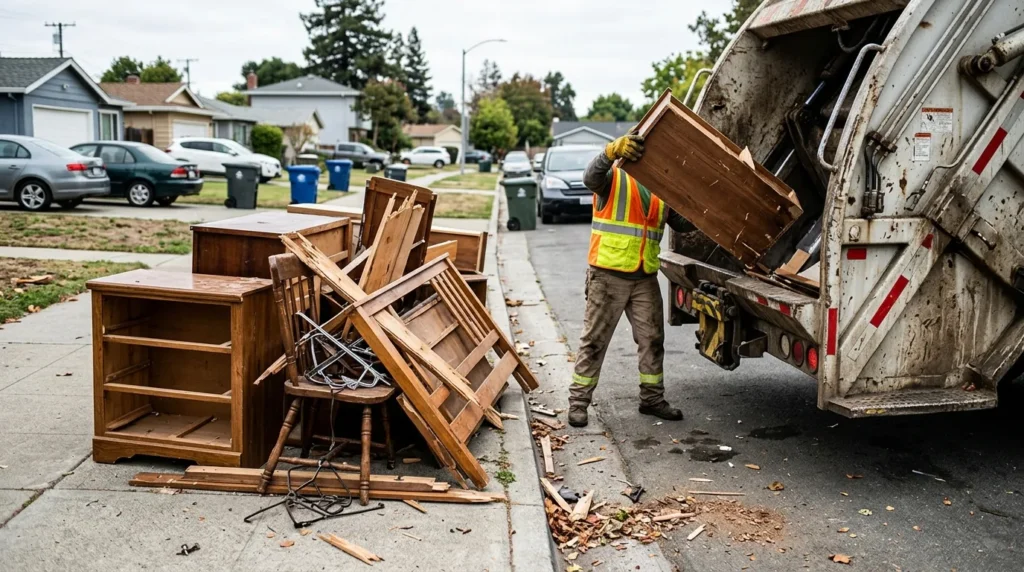
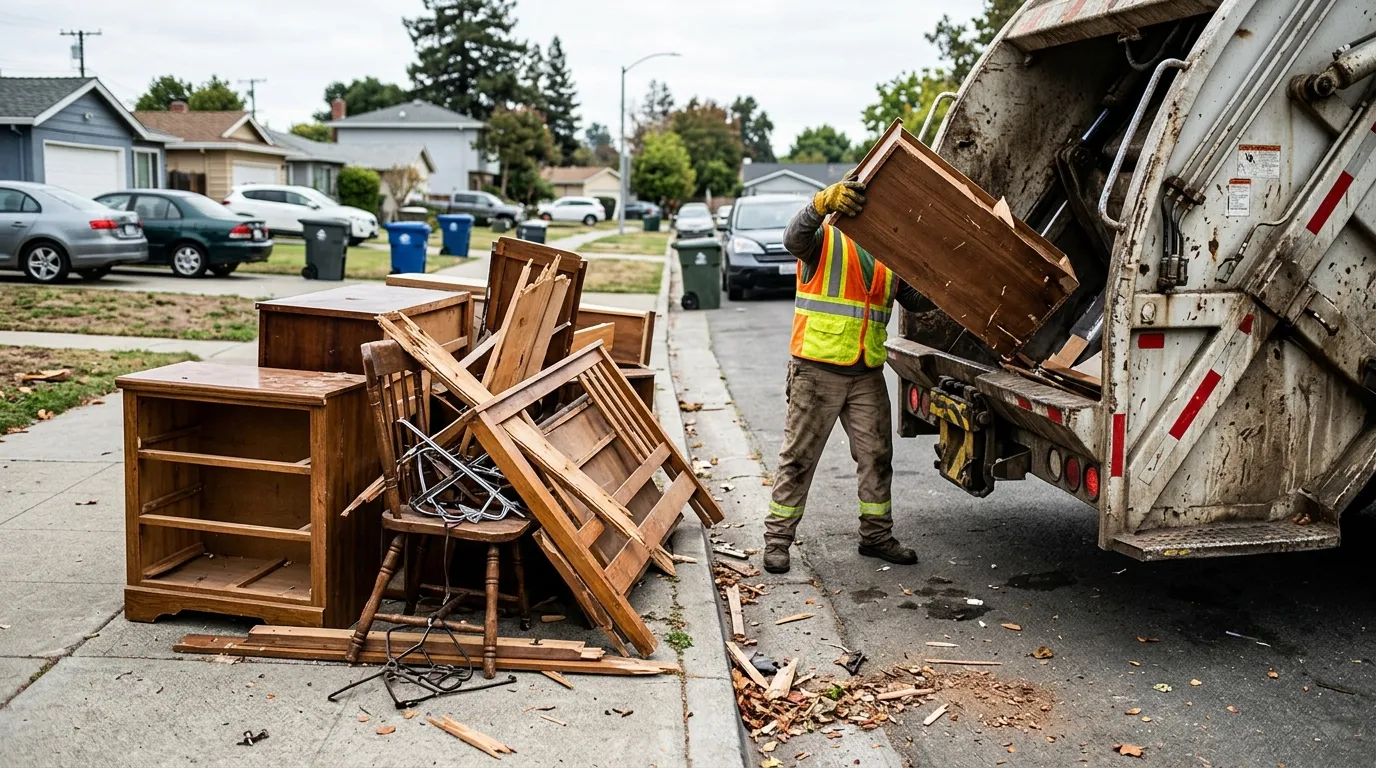
If you cannot transport your old BBQ grill yourself, a bulk waste collection service may be a convenient option. Many local councils and private waste companies collect large household items that do not fit into regular rubbish bins. Depending on the service, this may include metal grills, outdoor furniture, and other bulky objects.
Start by checking whether your local council offers a bulky waste collection service. Find out if BBQ grills are accepted, how much the service costs, and whether you need to book in advance. Some services collect items from the front of your property, while others require you to place them in a specific location on the collection day.
Before the collection, remove the propane tank or gas cylinder and arrange its return or disposal separately. Empty all charcoal and ash after they have cooled completely, and remove loose grease and food waste. Follow the collection provider’s instructions about preparing and placing the grill outside.
If you live in an apartment or a shared building, check the rules for leaving bulky items in common areas. Do not block entrances, pavements, fire exits, or access routes. A booked collection can save you time and effort, especially if the grill is large or you have other unwanted outdoor items to remove at the same time.
9. Hire a Junk Removal Service
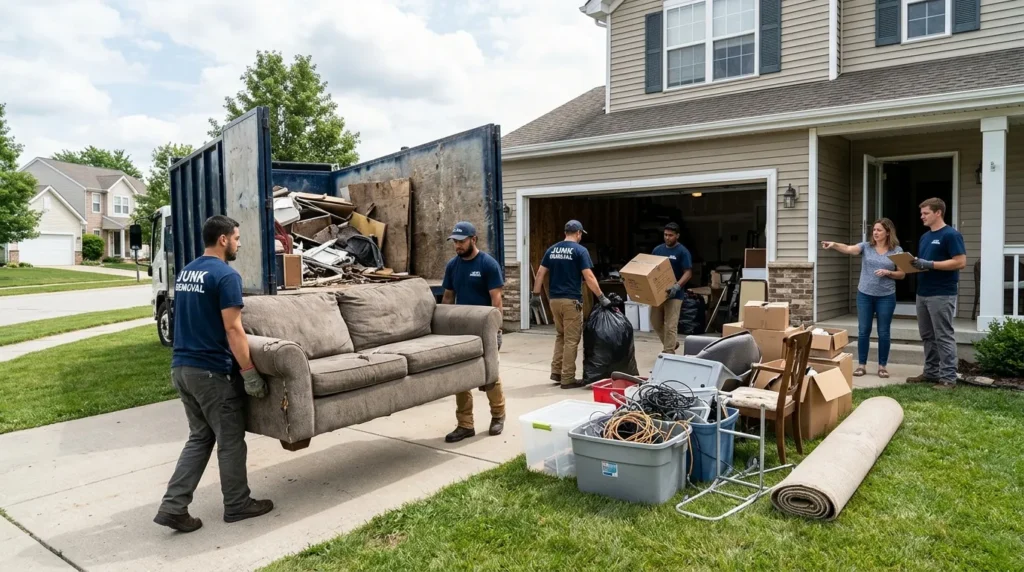
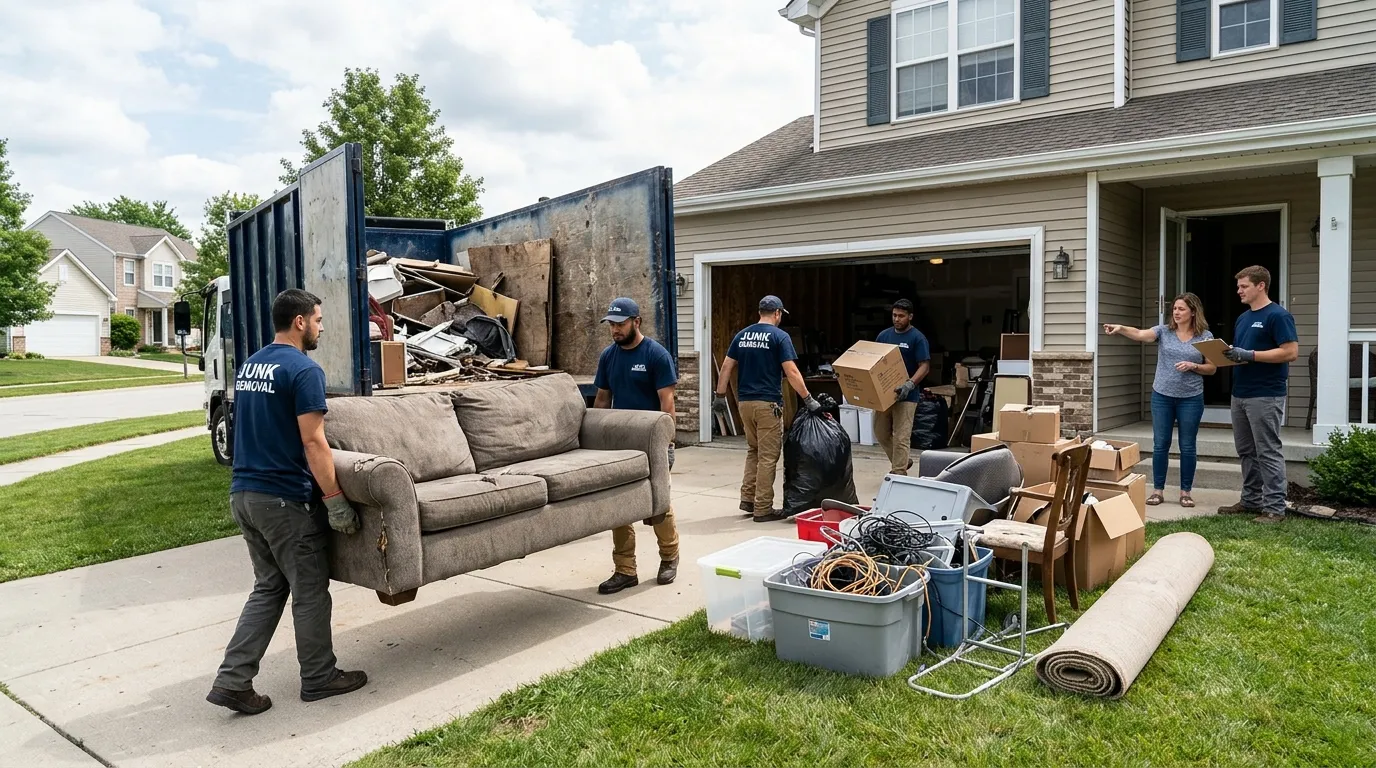
A professional junk removal service can help if your old BBQ grill is heavy, damaged, or difficult to transport. This option is useful when you are clearing several items from your garden or garage and want them removed in one visit.
Before booking, send the company a photograph of the grill and explain whether it uses charcoal, gas, or electricity. Tell them if a propane cylinder is still attached or if the grill has sharp, broken, or unstable parts. Ask whether the company accepts the grill and whether it can handle the gas cylinder separately.
Request a quote that covers collection, labour, transport, and disposal fees. Some companies charge based on the amount of space the item takes up in their vehicle, while others use fixed prices for certain items. Ask whether they recycle suitable metal parts or send everything to a general waste facility.
Compare a few local providers if possible, and check their reviews and waste handling practices. A reliable service should explain what it accepts and how it plans to dispose of your grill. If you have a broken grill, old garden chairs, damaged planters, or other bulky items, removing them together may be more cost-effective than arranging several separate collections.
10. Follow Local Rules for BBQ Grill Disposal
Before disposing of your old BBQ grill, check the waste disposal rules in your area. Requirements can differ depending on where you live and the type of grill you own. A metal grill may be accepted at a recycling centre, while a gas cylinder or electric grill may need to go to a different collection point.
Do not leave your old grill beside a public rubbish bin, on the roadside, or in a shared waste area unless your local service specifically permits it. Dumping bulky waste in an unauthorised place can cause safety problems and may lead to fines. If you live in a rented property or a managed apartment building, check with the landlord or property manager before leaving large items in a communal area.
Electric BBQ grills may contain electrical components that need to be handled through an approved electronic waste collection service. Gas grills need to be separated from their cylinders, and charcoal grills need to be cleared of ash and leftover fuel. Local rules may also explain where to take grease, batteries, and other materials.
If you are unsure which disposal method to use, contact your local council, recycling centre, or waste collection company. Explain the grill type and its condition so they can direct you to the right service. Checking the rules before disposal can save you time, prevent safety risks, and help you avoid unnecessary costs.
Final Thoughts
Getting rid of an old BBQ grill does not have to be difficult. Start by checking its condition, cleaning away loose dirt and grease, and removing any gas cylinder safely. If the grill still works, consider selling or donating it. If it is damaged, check whether a recycling centre, bulk waste collection service, or junk removal company can take it.
Always follow local disposal rules and keep gas cylinders, hot charcoal, ash, and electrical parts separate where required. With the right method, you can clear space in your garden or garage while reducing waste and keeping your property safe.
Also Read: How To Remove Junk From a Newly Purchased Home?