Buying firewood seems simple, but dishonest sellers can use different tricks to charge more or deliver less than promised. Here are 10 common scams and how to avoid them.
1. Fake Firewood Listings
Scammers may post fake firewood ads with low prices and stolen photos. They may take your payment and disappear.
How to avoid it:
- Check the seller’s business details.
- Look for reviews on different websites.
- Ask for recent photos of the actual wood.
- Avoid paying the full amount to an unknown seller.
- Be careful with prices that seem unusually low.
2. Short Wood Loads
A seller may advertise a large load but deliver less wood than promised.
How to avoid it:
- Ask for the exact amount before ordering.
- Confirm how the wood is measured.
- Get the quantity in writing.
- Check the load when it arrives.
3. Wrong Measurements
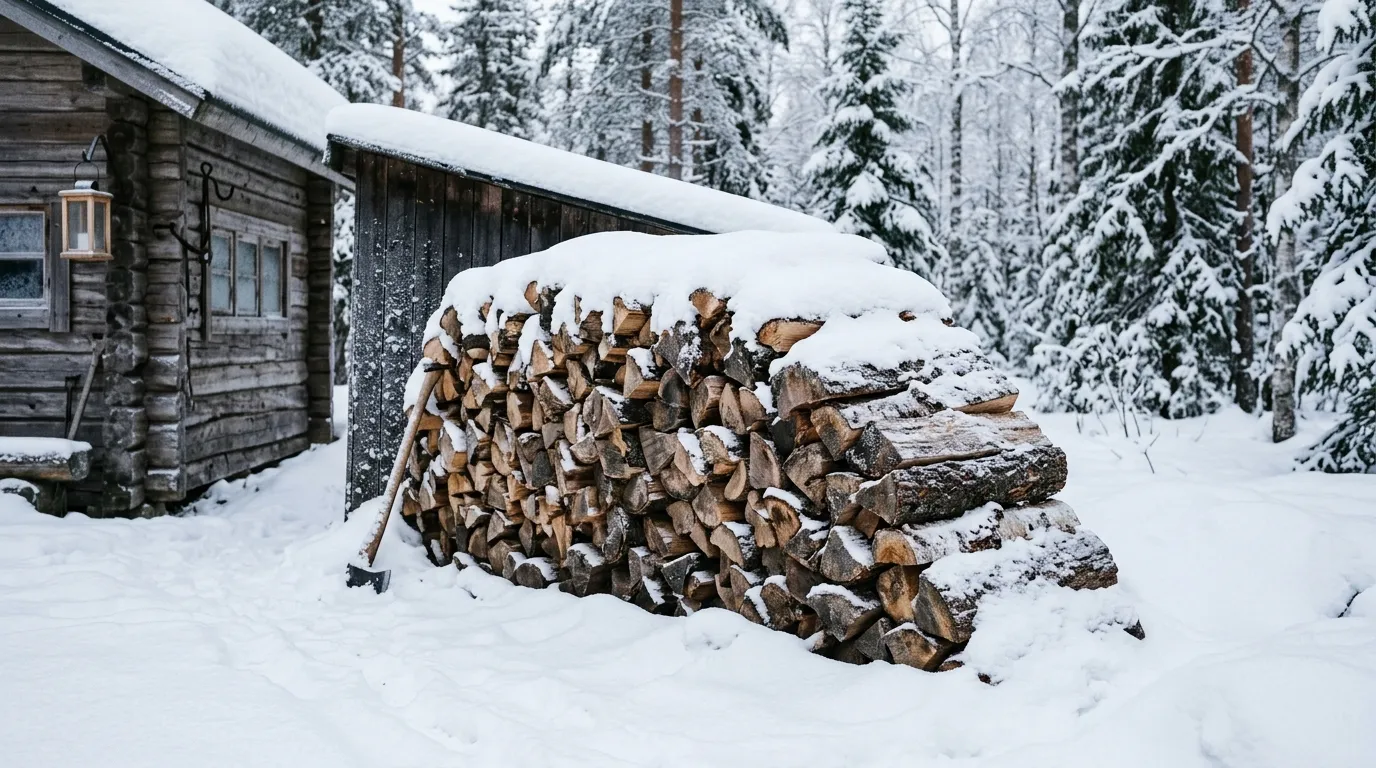
Terms such as cord, face cord, rack, and truckload can cause confusion. Some sellers may use unclear measurements to make a small load appear larger.
How to avoid it:
- Ask exactly how much wood you will receive.
- Confirm the measurement used by the seller.
- Get the agreed quantity in writing.
- Compare the measurement with local standards.
4. Low-Quality Wood
Some sellers may advertise good-quality hardwood but deliver cheap, rotten, damaged, or very small logs.
How to avoid it:
- Ask what type of wood you are buying.
- Request clear photos before ordering.
- Ask about the condition of the logs.
- Inspect the wood when it is delivered.
5. Wet Firewood
Some sellers may advertise wet or freshly cut wood as seasoned firewood. Wet wood is harder to burn and can produce more smoke.
How to avoid it:
- Ask how long the wood has been drying.
- Ask about its moisture content.
- Use a moisture meter if possible.
- Look for dry, cracked ends on seasoned logs.
6. Mixed Wood Types
You may pay for one type of hardwood but receive a mixture of cheaper woods.
How to avoid it:
- Ask if the load contains mixed wood.
- Confirm the wood species before buying.
- Request photos of the actual logs.
- Check the load before accepting it.
7. Hidden Fees
A cheap firewood price may exclude delivery, stacking, or other charges. The final bill can be much higher than expected.
How to avoid it:
- Ask for the total price before ordering.
- Confirm delivery charges.
- Ask if stacking costs extra.
- Get all fees in writing.
8. Fake Reviews
Some dishonest sellers use fake five-star reviews to appear trustworthy.
How to avoid it:
- Check reviews on several websites.
- Look for detailed customer feedback.
- Check how old the reviews are.
- Be cautious if many reviews sound nearly identical.
9. No Delivery After Payment
A scammer may take your money and never deliver the firewood. They may also stop answering messages.
How to avoid it:
- Avoid full upfront payment to unknown sellers.
- Use a payment method with buyer protection when possible.
- Check the seller’s contact and business details.
- Keep receipts and payment records.
10. Pest-Infested Wood
Firewood can contain insects, larvae, mold, or plant diseases. Moving infested wood can spread pests to nearby trees.
How to avoid it:
- Buy from a trusted local seller.
- Inspect logs before accepting them.
- Look for holes, insects, and heavy mold.
- Follow local rules for moving firewood.
- Avoid wood that shows clear signs of infestation.
Conclusion
Firewood scams can leave you with less wood, poor-quality logs, or a lost payment. Before buying, check the seller, confirm the wood quantity and type, ask about moisture, and get the full price in writing. A few simple checks can help you avoid scams and get the firewood you paid for.
Also Read: Why Does Firewood Pop While Burning?