Selling a house is a big job. Before you put your property on the market, you want it to look clean, open, and well cared for. One of the easiest ways to improve its appearance is to get rid of junk and clutter.
Over time, it is easy to fill closets, garages, basements, attics, and other areas with things you no longer use. These items can make your home look smaller and may make it harder for buyers to see the space clearly.
A good cleanout can make rooms feel larger and make your home easier to show. Here are some practical ways to get rid of junk before selling your house.
1. Start With a Whole-House Cleanout
Start by walking through your entire house. Look at every room, closet, cabinet, and storage area.
Do not focus only on the main rooms. Buyers may look inside closets, storage spaces, garages, and other areas too.
As you go through the house, ask yourself:
- Have I used this item recently?
- Do I still need it?
- Is it broken or damaged?
- Do I have several items that do the same thing?
- Would I buy this item again today?
If you have not used something for a long time and do not need it, consider selling, donating, recycling, or throwing it away.
Working one room at a time can make the cleanout easier to manage.
2. Sort Everything Into Categories
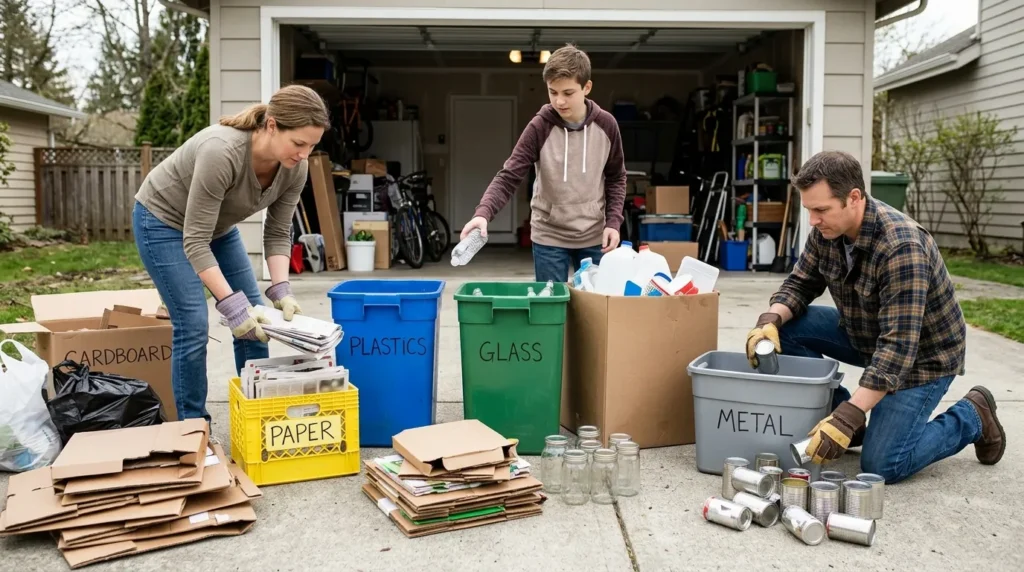
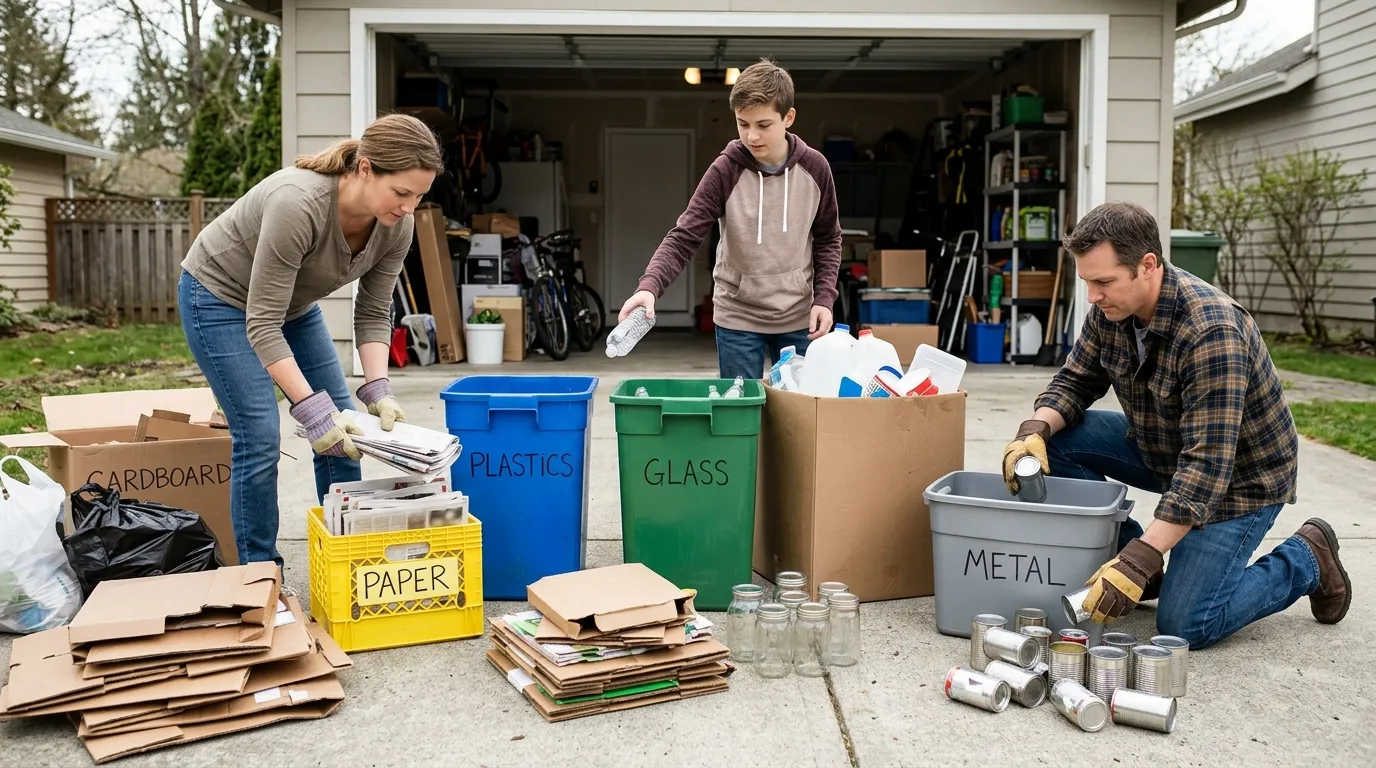
Once you start removing items, avoid putting everything into one large pile. Instead, create separate groups.
You can use five basic categories:
- Keep
- Sell
- Donate
- Recycle
- Throw away
The keep pile should contain things you actually need or use. Items in good condition that you no longer want can go into the sell or donate piles.
Broken items may need to be recycled or thrown away, depending on the material and local waste rules.
Sorting items this way helps you make decisions faster and prevents useful things from ending up in the trash.
3. Clear Out the Garage
The garage is often one of the most cluttered areas in a house.
Many homeowners use their garage to store old furniture, boxes, tools, sports equipment, garden supplies, and things they rarely use.
Before selling your house, go through everything in the garage. Remove broken tools, empty boxes, unused equipment, damaged furniture, and other items you no longer need.
Try to keep the floor as open as possible. Buyers often want to see how much storage and parking space the garage offers.
A clean and organized garage can make the available space easier to see.
4. Clean the Basement and Attic
Basements and attics can collect years of unwanted belongings.
You may find old clothing, toys, boxes, furniture, decorations, books, appliances, and other items that have been sitting there for years.
Take everything out or go through the items section by section. Decide what is worth keeping and what can go.
Pay attention to damaged or forgotten items. If something has been stored for years without being used, it may not be worth taking to your new home.
Removing excess items also makes these spaces easier for buyers to inspect.
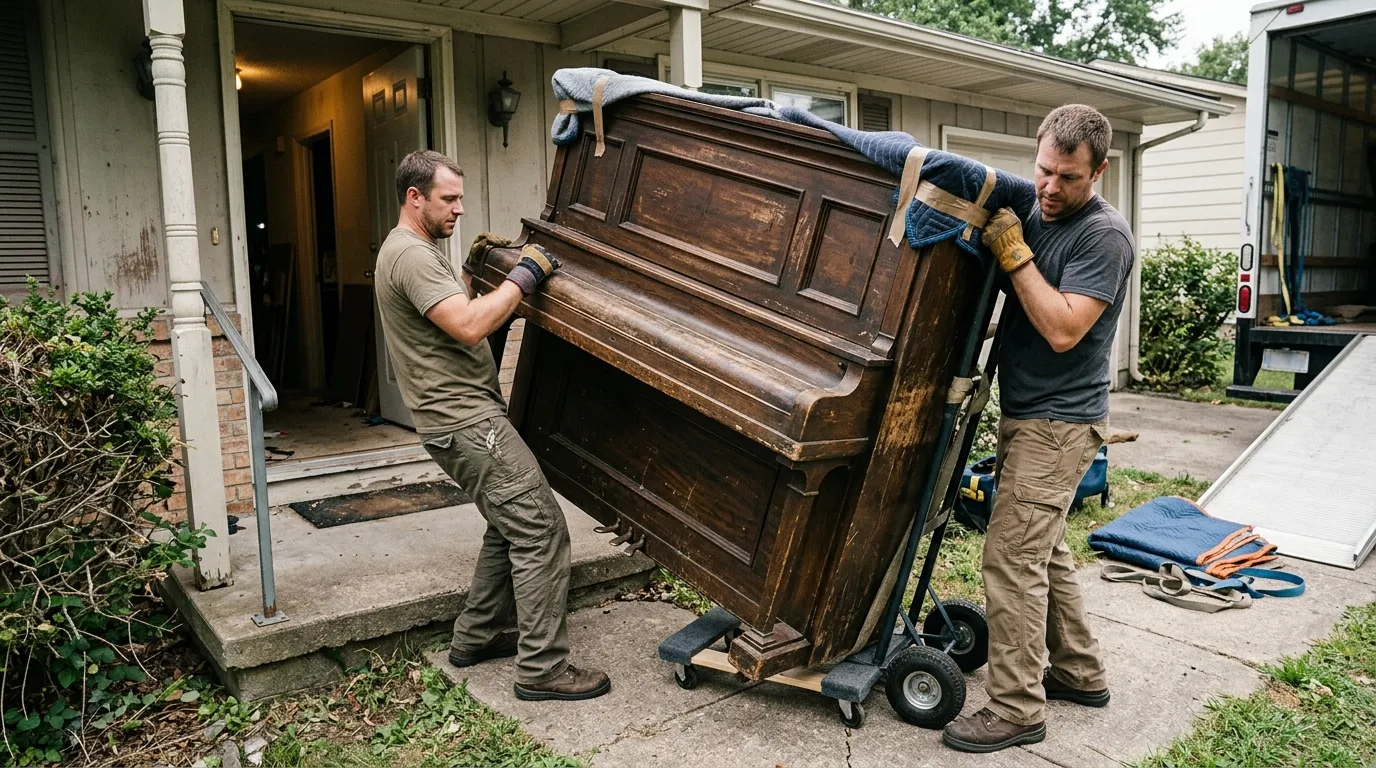
5. Get Rid of Large Furniture
Large furniture can make a room look smaller than it really is.
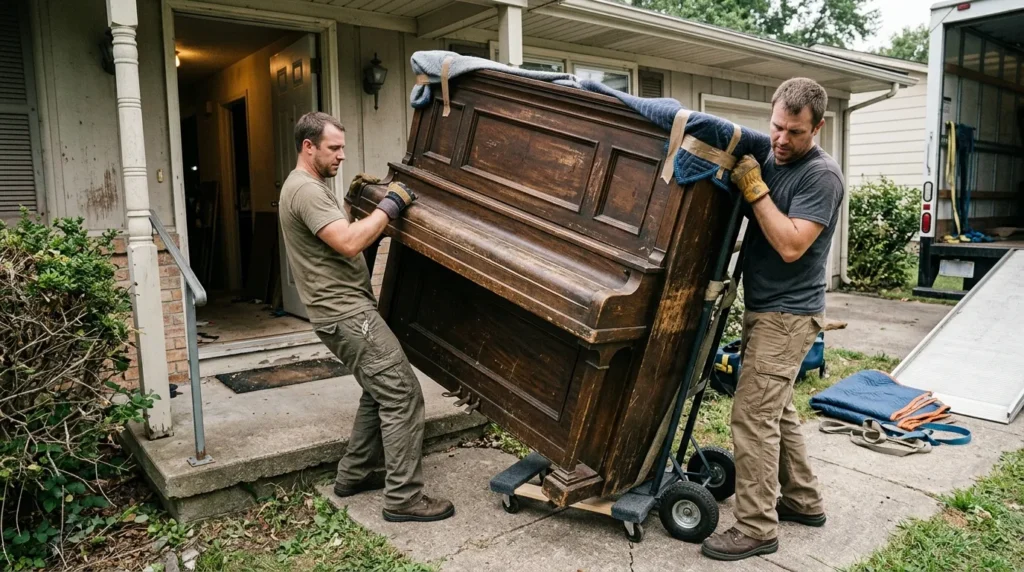
If you have an old sofa, damaged table, unused bed frame, extra chairs, or other furniture that you do not need, consider removing it before listing the house.
You do not need to remove every piece of furniture. The goal is to create enough open space for buyers to move around comfortably.
For example, removing an extra chair from a small living room may make the room feel more open. Taking out an unused cabinet from a bedroom can also make the available floor space easier to see.
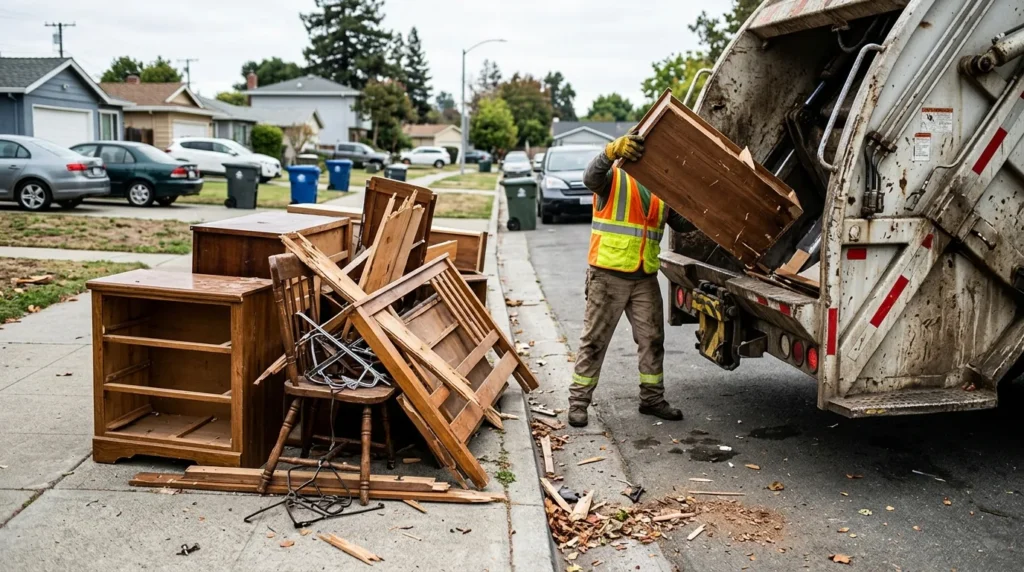
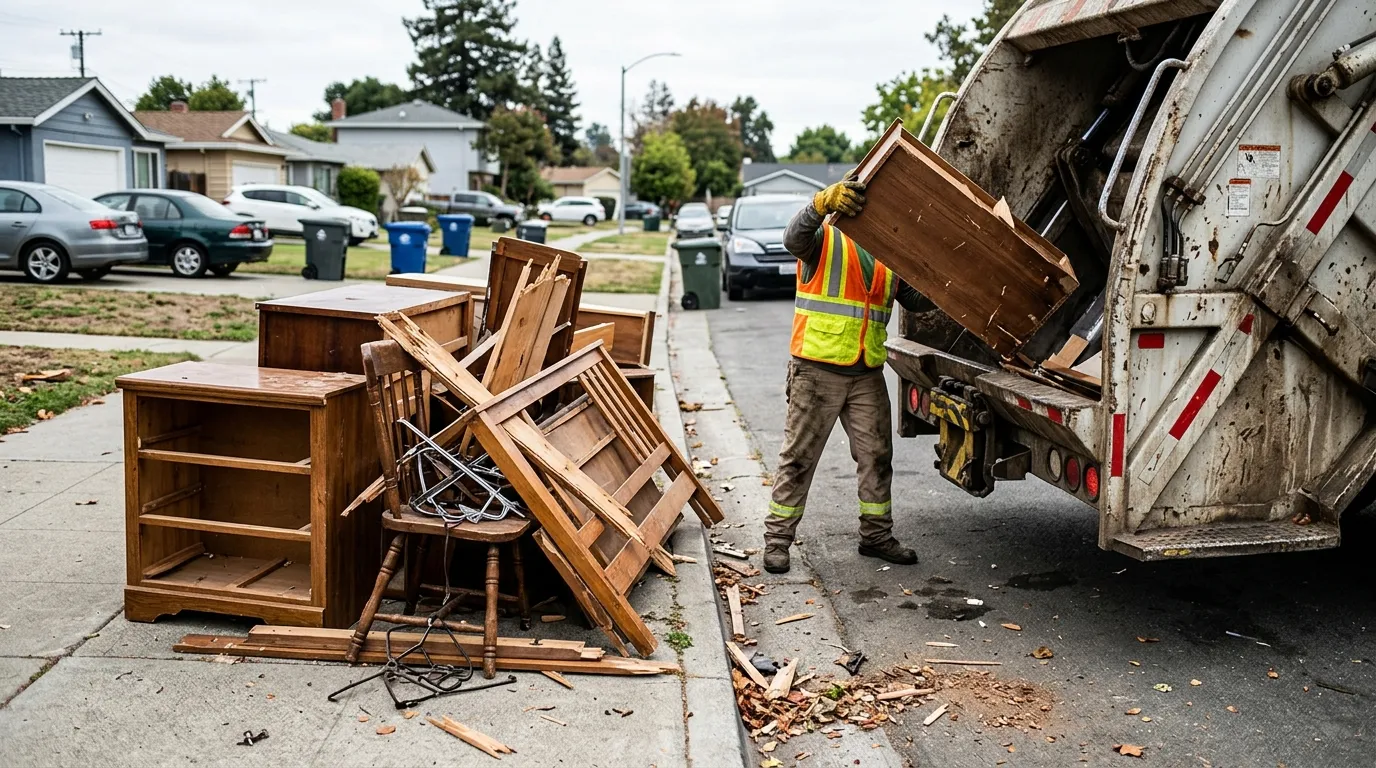
If large furniture is still in good condition, you can sell or donate it. Damaged pieces may need to be disposed of properly.
6. Remove Yard and Outdoor Junk
Do not forget about the outside of your house.
Buyers often see the yard, driveway, patio, or garden before they enter the home. Old outdoor items can make the property look untidy.
Look for things such as:
- Broken outdoor furniture
- Old plant pots
- Damaged garden tools
- Unused equipment
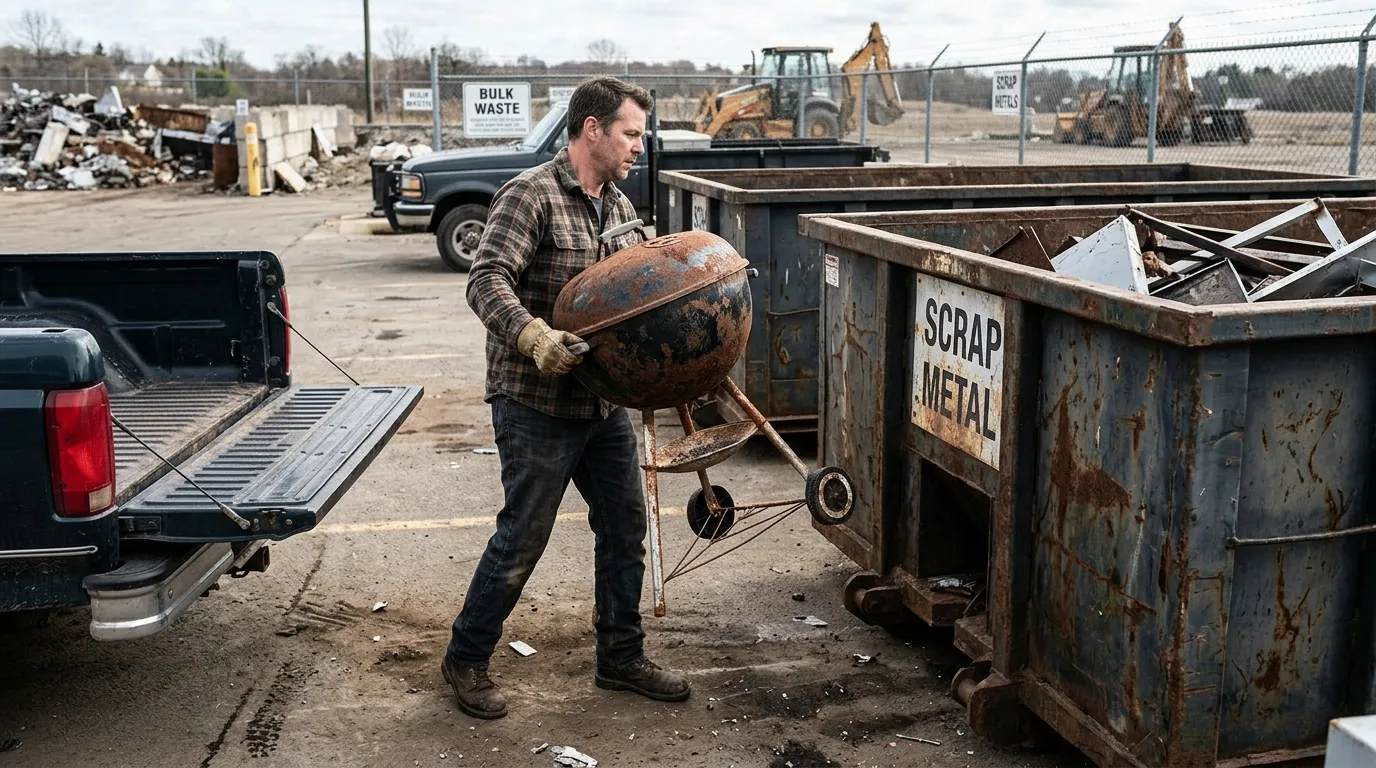
- Old grills
- Broken toys
- Scrap wood
- Yard debris
Remove anything that is damaged, unused, or taking up unnecessary space.
A clean yard can make the property look better and gives buyers a clearer view of the outdoor space.
7. Donate Items in Good Condition
Not everything you no longer need belongs in the trash.
Clothing, furniture, kitchen items, books, toys, and some appliances may still be useful to someone else.
Consider donating items that are clean and in good condition to local charities, donation centers, or community organizations.
Before donating, check the organization’s rules. Some groups may not accept certain large items or damaged goods.
Donating can also reduce the amount of waste you need to dispose of while helping someone who can use the items.
8. Sell Valuable Items You No Longer Need
Some items may be worth selling instead of donating or throwing them away.
Look around your house for things such as:
- Electronics
- Tools
- Furniture
- Exercise equipment
- Collectibles
- Garden equipment
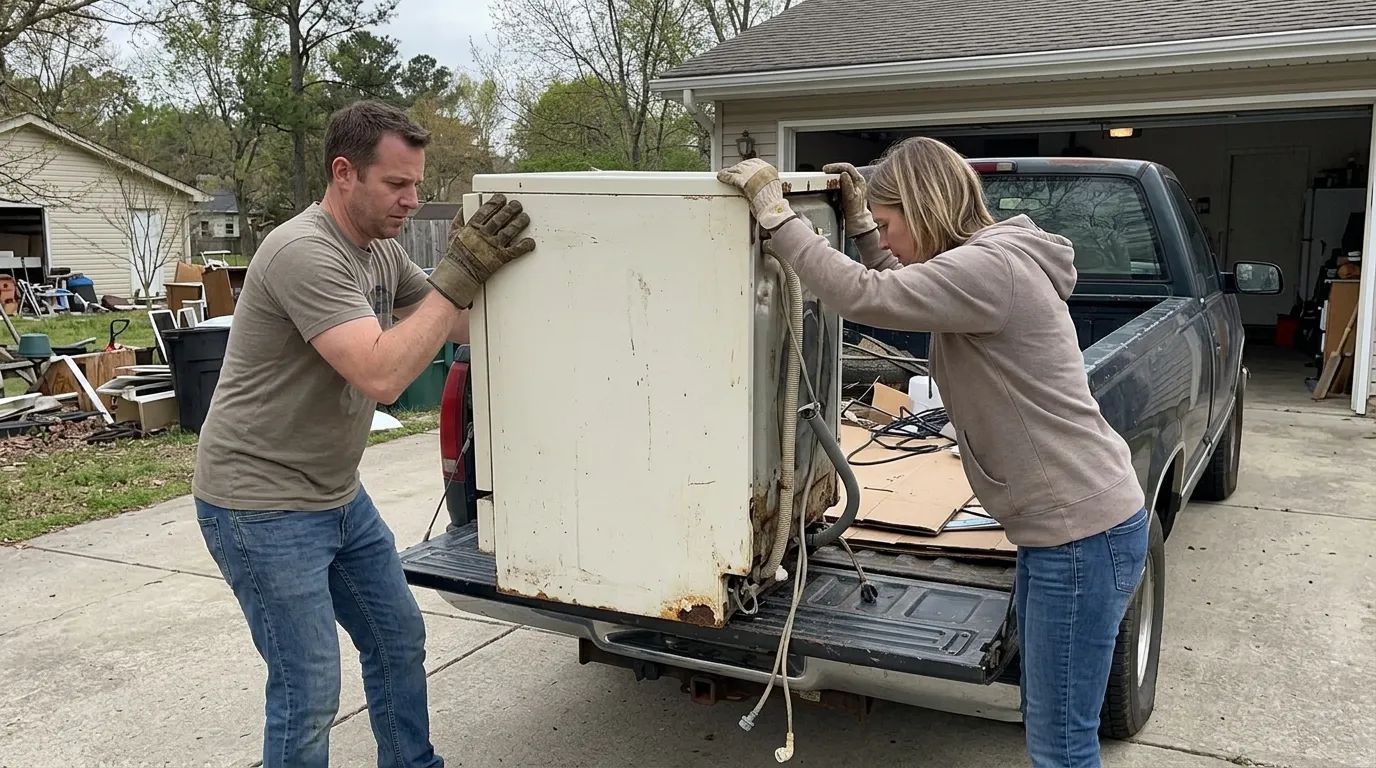
- Appliances
Take clear photos and provide honest information about the item’s condition when creating a listing.
Keep in mind that selling items takes time. You may need to answer messages, arrange pickups, and negotiate prices.
If you are preparing your house for sale, do not let unwanted items sit around for weeks just because you hope to get a small amount of money for them.
Set a reasonable deadline. If an item does not sell, consider donating it or finding another way to remove it.
9. Hire a Junk Removal Service for Leftover Waste
After sorting, selling, donating, and recycling, you may still have a large amount of junk left.
This is where a junk removal service can help.
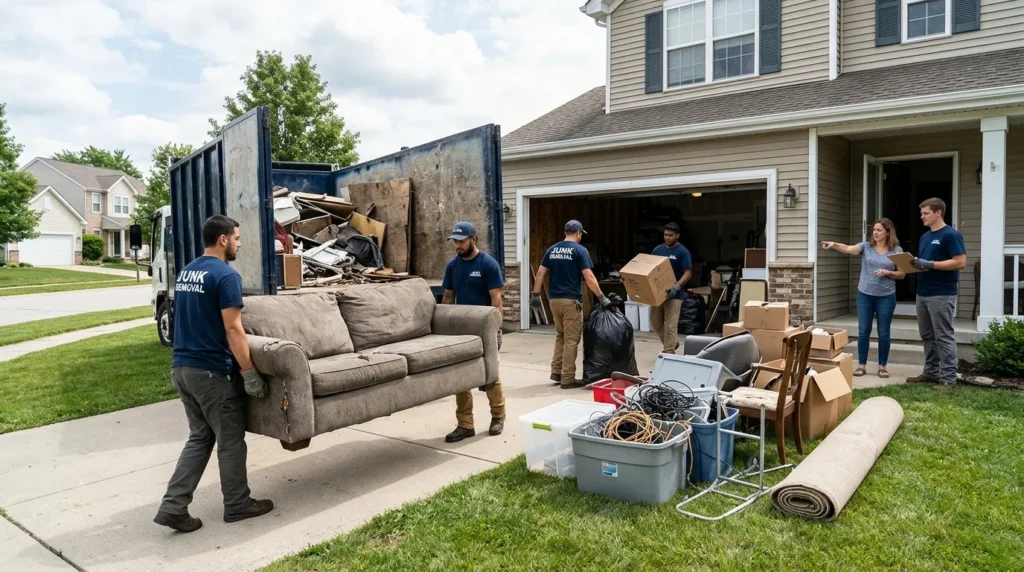
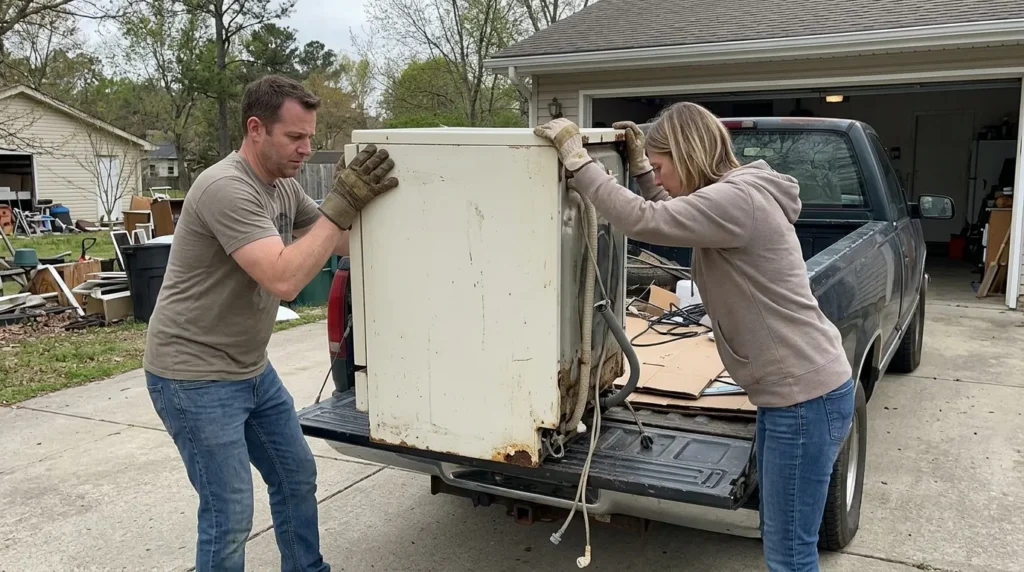
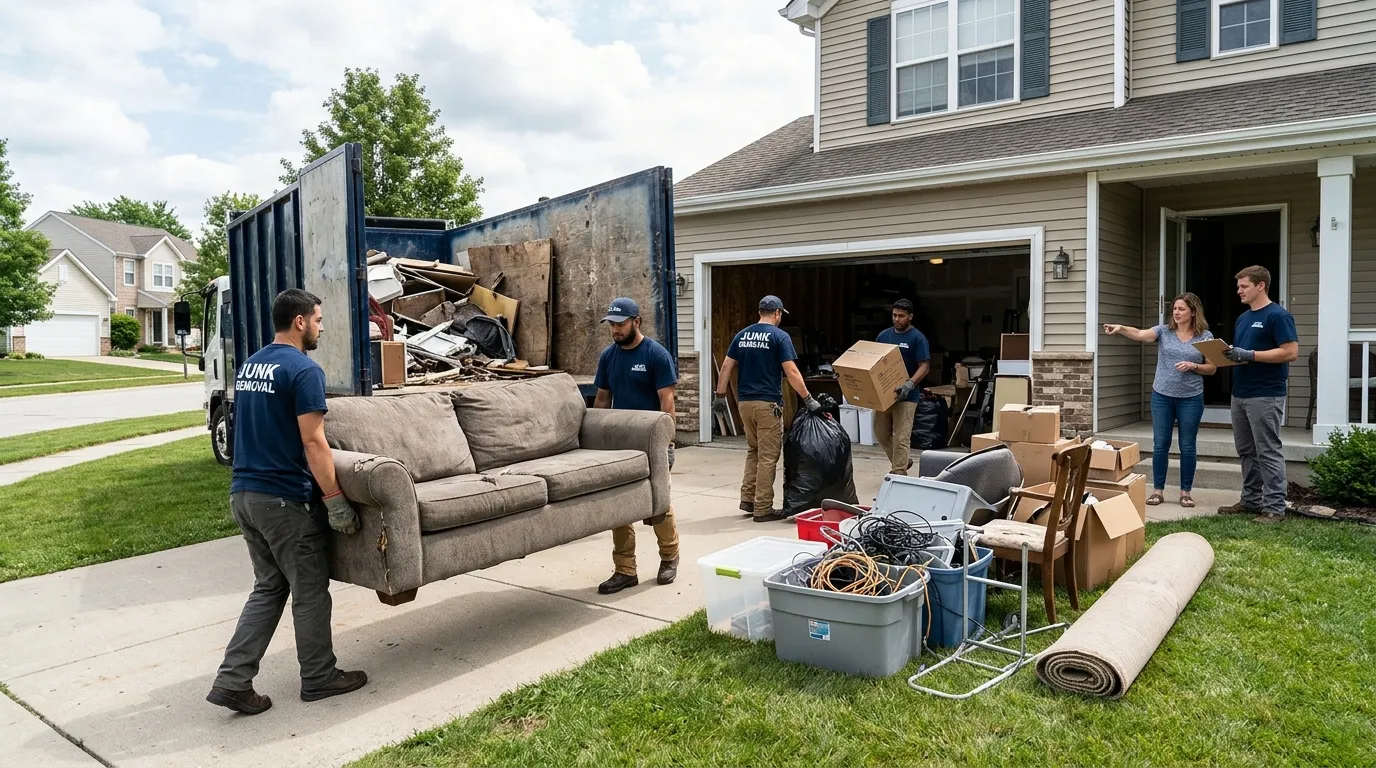
A junk removal crew can remove bulky items such as old furniture, mattresses, appliances, boxes, and other household junk. They can also handle large amounts of unwanted items from garages, basements, yards, and other areas.
This can save you from renting a truck and making several trips to a disposal facility.
Before booking a service, ask what types of items they accept and how their pricing works. Some materials may have special disposal requirements.
If you have heavy or bulky items, having a crew handle the lifting can also save you time and physical effort.
10. Leave the House Clean and Clutter-Free
Once the junk is gone, give the house a final check.
Look at each room from the perspective of a potential buyer. Are the closets too full? Is the garage still crowded? Are there boxes sitting in hallways? Is the yard free of unwanted items?
Remove anything that makes the home look crowded or messy.
Then clean the areas where the junk was stored. Sweep the garage, vacuum the floors, wipe shelves, and clean other areas as needed.
The goal is to show buyers the actual space available in the house.
How Much Junk Should You Remove Before Selling?
There is no set amount of junk that every homeowner needs to remove.
A simple rule is to remove items that you no longer use, need, or want to take with you. You should also remove anything that makes a room, closet, garage, or yard look crowded.
You do not need to make the house completely empty. You just want to create a clean and comfortable space where buyers can see the property’s features.
Should You Throw Everything Away Before Selling?
No. Throwing everything away is usually not the best approach.
Some items may be worth selling, while others can be donated or recycled. Only items that have little or no useful value should go into the trash, and certain materials may require special disposal.
Sorting your belongings first can help you reduce waste and may also help you recover some money from items you no longer need.
When Should You Start Removing Junk?
Start as early as possible.
If you wait until the week before your house goes on the market, the cleanout can become stressful. Starting several weeks ahead gives you more time to sort, sell, donate, recycle, and remove unwanted items.
You can begin with areas that are rarely used, such as the attic, basement, garage, and storage closets. Then move on to the main living areas.
Final Thoughts
Getting rid of junk before selling your house can make the entire property look cleaner and more spacious. Start by checking every room and storage area, then sort your belongings into keep, sell, donate, recycle, and trash groups.
Clear the garage, basement, attic, yard, and main living areas. Sell or donate useful items and arrange junk removal for large or unwanted items that are difficult to handle yourself.
Once the clutter is gone, clean the house and make sure buyers can easily see the space. A less cluttered home can make it easier for potential buyers to focus on the property’s rooms, storage, and other features.
Also Read: What Happens During a Junk Removal Pickup?