Getting rid of unwanted items can make your home cleaner, safer, and easier to use. But before you start removing everything, it helps to have a simple plan. A junk removal checklist can help you decide what needs to go, where each item should go, and what you need to prepare before the removal day.
1. Sort Items Into Different Groups
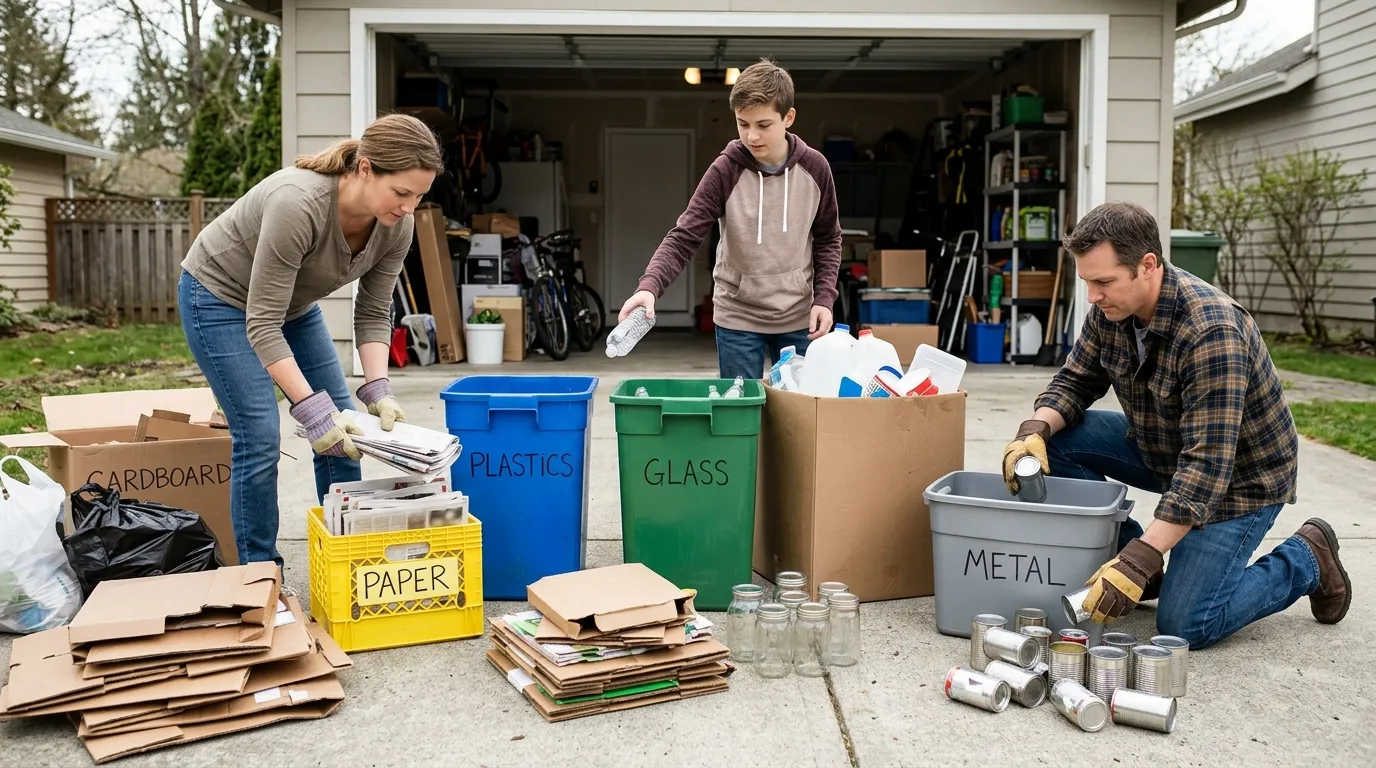
Start by going through your home and sorting unwanted items into four groups: keep, donate, recycle, and remove. This makes the process easier and helps prevent useful items from being thrown away. If you have not used something for a long time and do not expect to use it again, consider donating, recycling, or removing it.
2. Check the Garage, Attic, Basement, and Storage Areas
Do not focus only on the main rooms. Garages, attics, basements, sheds, and storage spaces often contain old furniture, boxes, broken tools, unused equipment, and other items that take up space. Check these areas carefully and add unwanted items to your removal list.
3. Separate Hazardous Materials
Keep hazardous materials separate from regular household junk. Items such as paint, chemicals, fuel, batteries, and some cleaning products may need special disposal. Do not place these items with normal rubbish unless local rules allow it. Check your local waste service to find out how these materials should be handled.
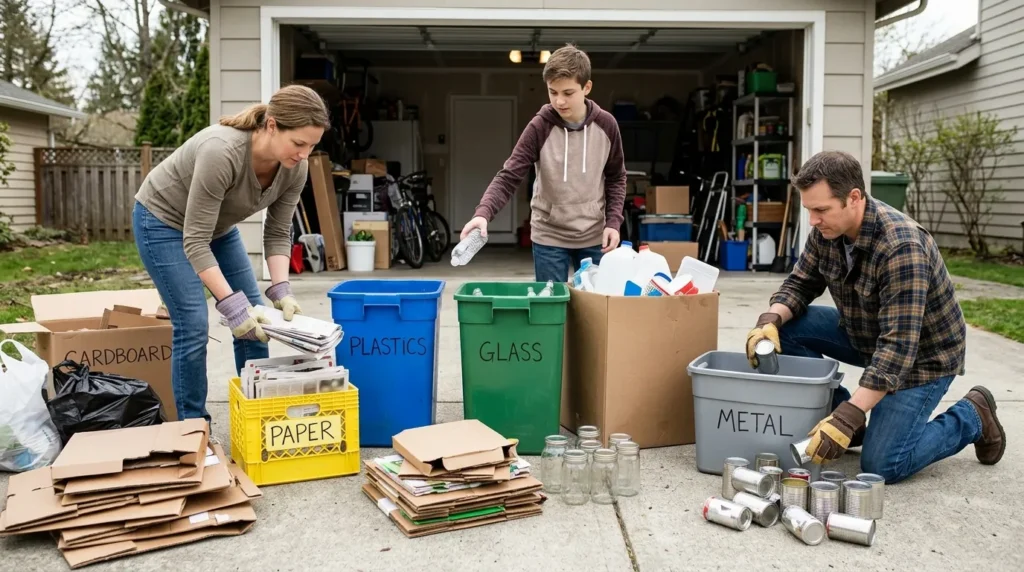
4. Set Aside Items for Donation or Recycling
Some unwanted items may still be useful. Clothes, furniture, books, working appliances, and other household goods may be suitable for donation. Paper, cardboard, glass, metal, and certain electronics may also be recyclable. Separating these items can reduce the amount of waste that ends up in landfill.
5. Check Local Disposal Rules
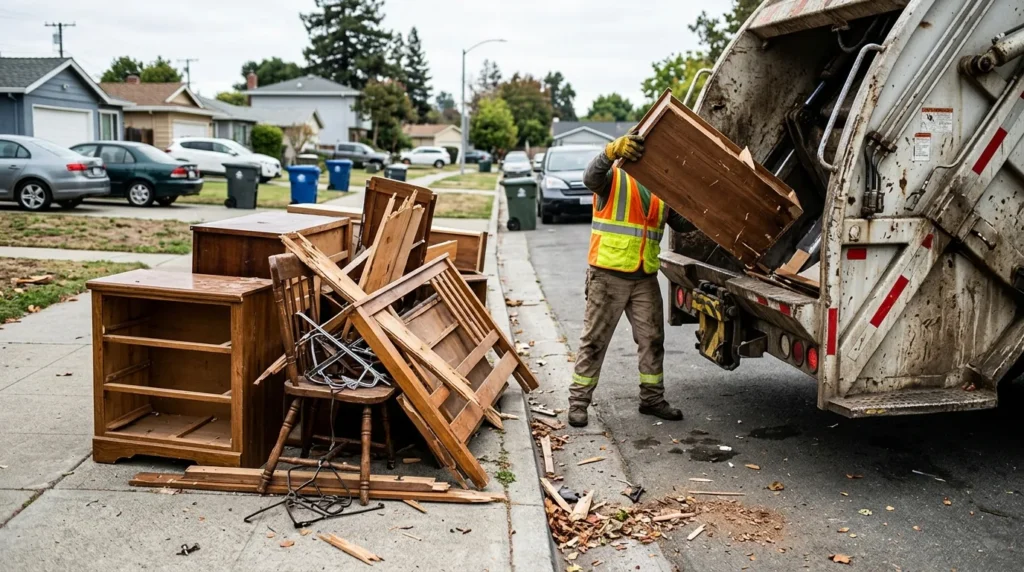
Disposal rules can vary by area. Some places have special rules for mattresses, appliances, electronics, construction waste, and large furniture. Check with your local waste service before removal so you know which items can be placed out for collection and which need special handling.
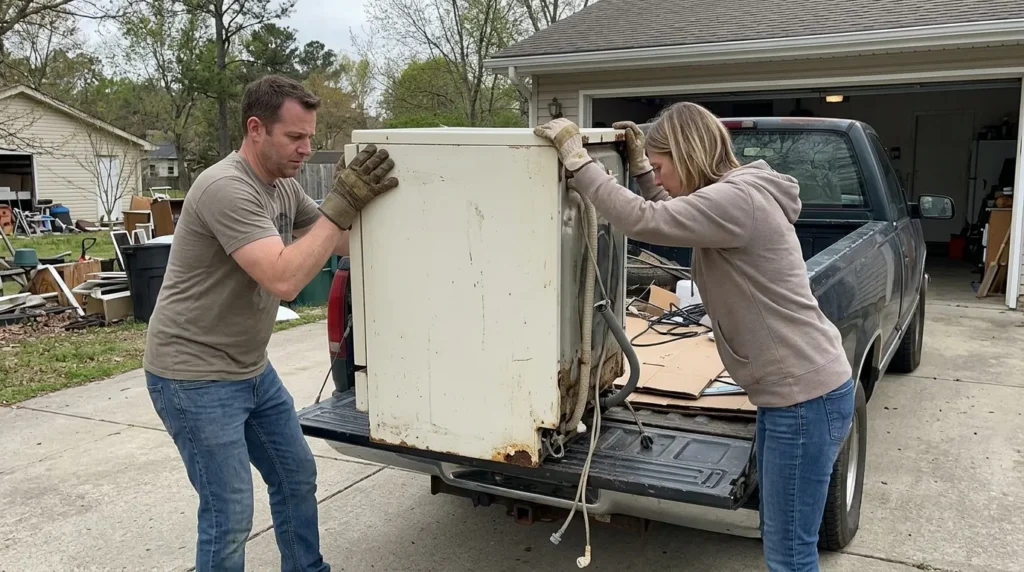
6. Measure Large Items Before Removal
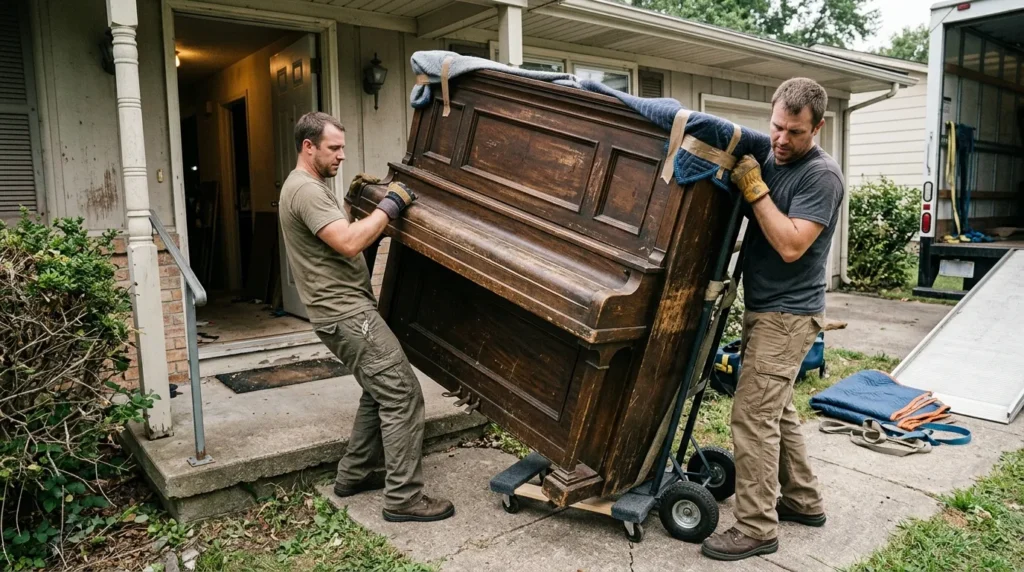
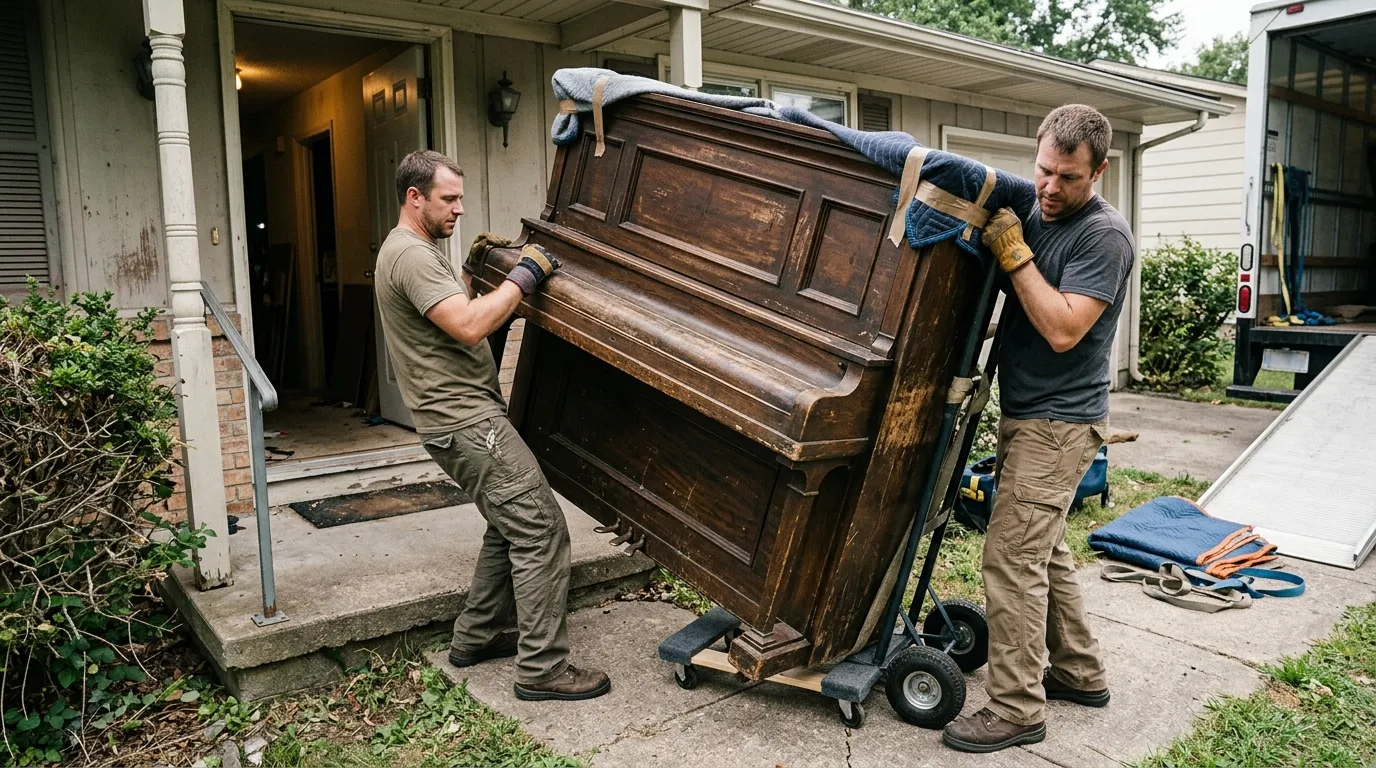
Large furniture and appliances can be difficult to move through narrow doors, hallways, or stairways. Measure bulky items and check the available space before removal. This is especially useful for sofas, wardrobes, refrigerators, cabinets, and other large pieces.
7. Clear Pathways for Easy Removal
Make sure the path from each item to the exit is clear. Move boxes, small furniture, rugs, and other obstacles out of the way. A clear path makes it easier to carry heavy items and can help prevent damage to your belongings, walls, and floors.
8. Protect Floors and Walls
Heavy or bulky items can scratch floors or damage walls during removal. If needed, cover floors and protect corners or door frames before moving large items. Take extra care on stairs and in narrow hallways where furniture may need to be turned or lifted.
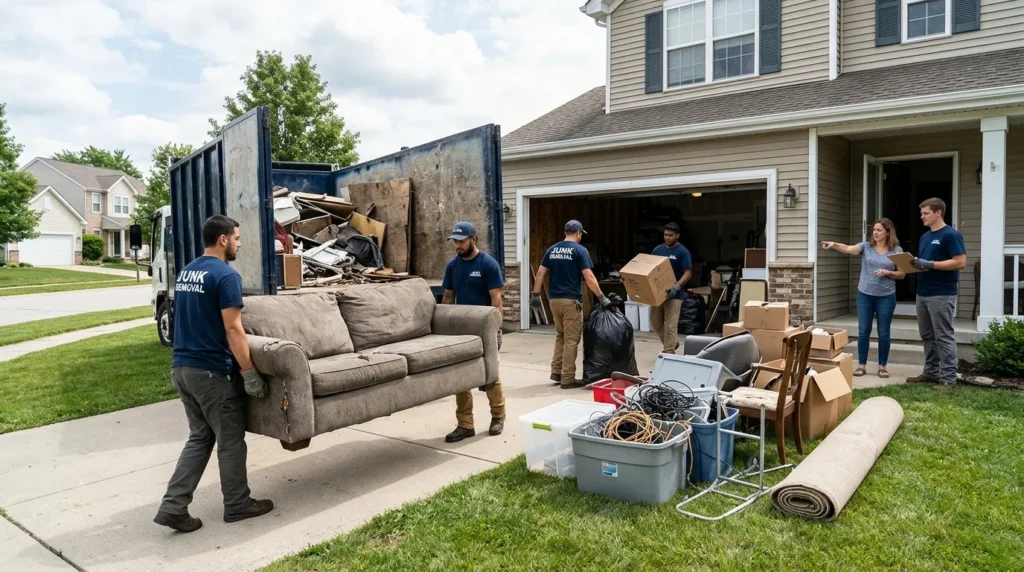
9. Confirm the Removal Cost and Services
If you hire a junk removal company, confirm the price before the work starts. Ask what the quote includes and whether there are extra charges for labor, heavy items, stairs, or disposal. Also check that the company accepts all the items you want removed.
10. Do a Final Check
Before the junk is taken away, walk through your home one more time. Check closets, cabinets, the garage, attic, basement, and other storage areas. Make sure you have removed important documents, personal belongings, and anything you want to keep. Once everything is checked, you can finish the removal and clean the empty spaces.
Conclusion
A good junk removal plan can make clearing your home much easier. Take your time, sort items carefully, and make sure anything that needs special disposal is handled correctly. With the right preparation, you can remove unwanted junk safely and create more useful space in your home.
Also Read: How To Get Rid Of Junk Before Selling Your House?