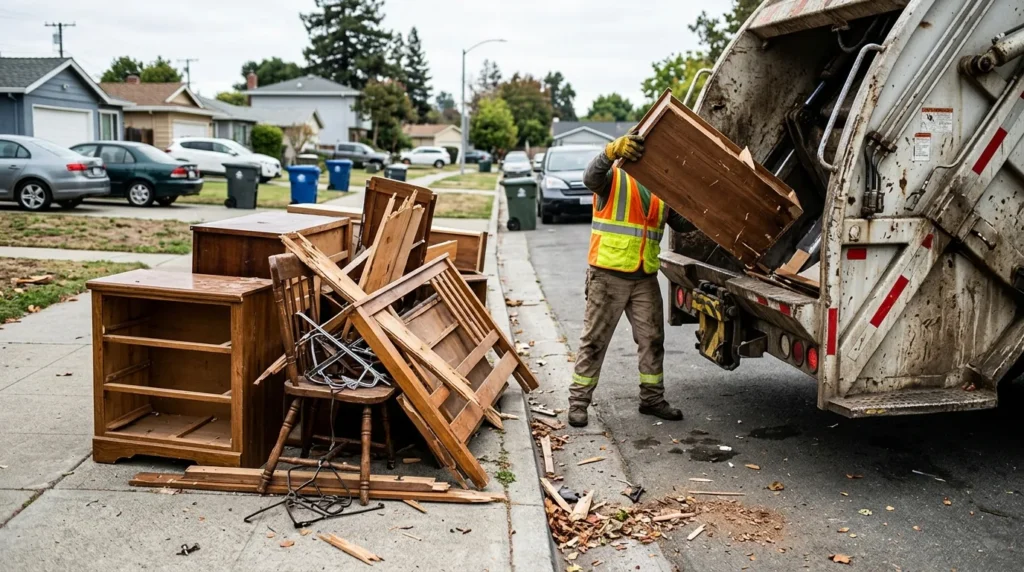
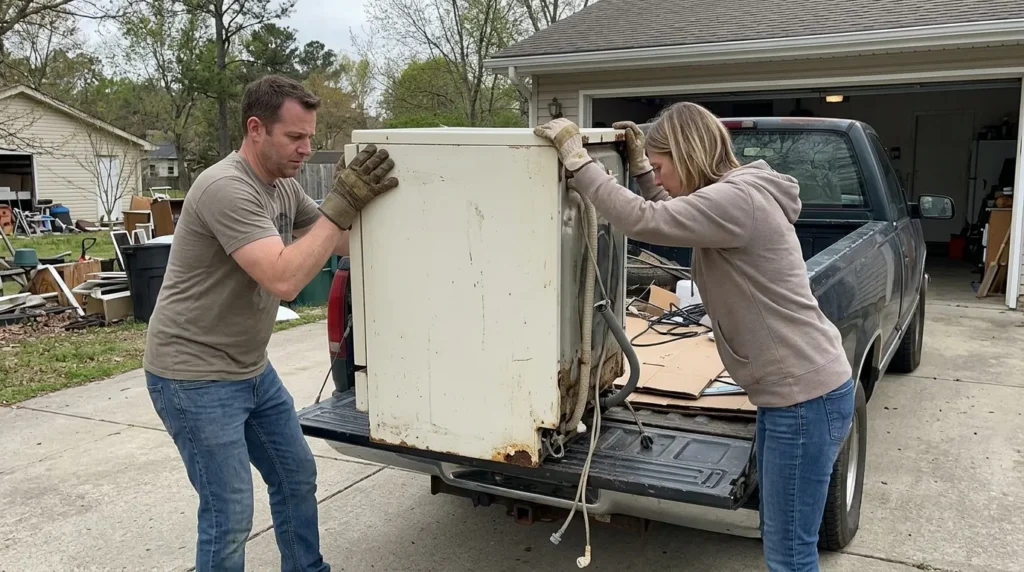
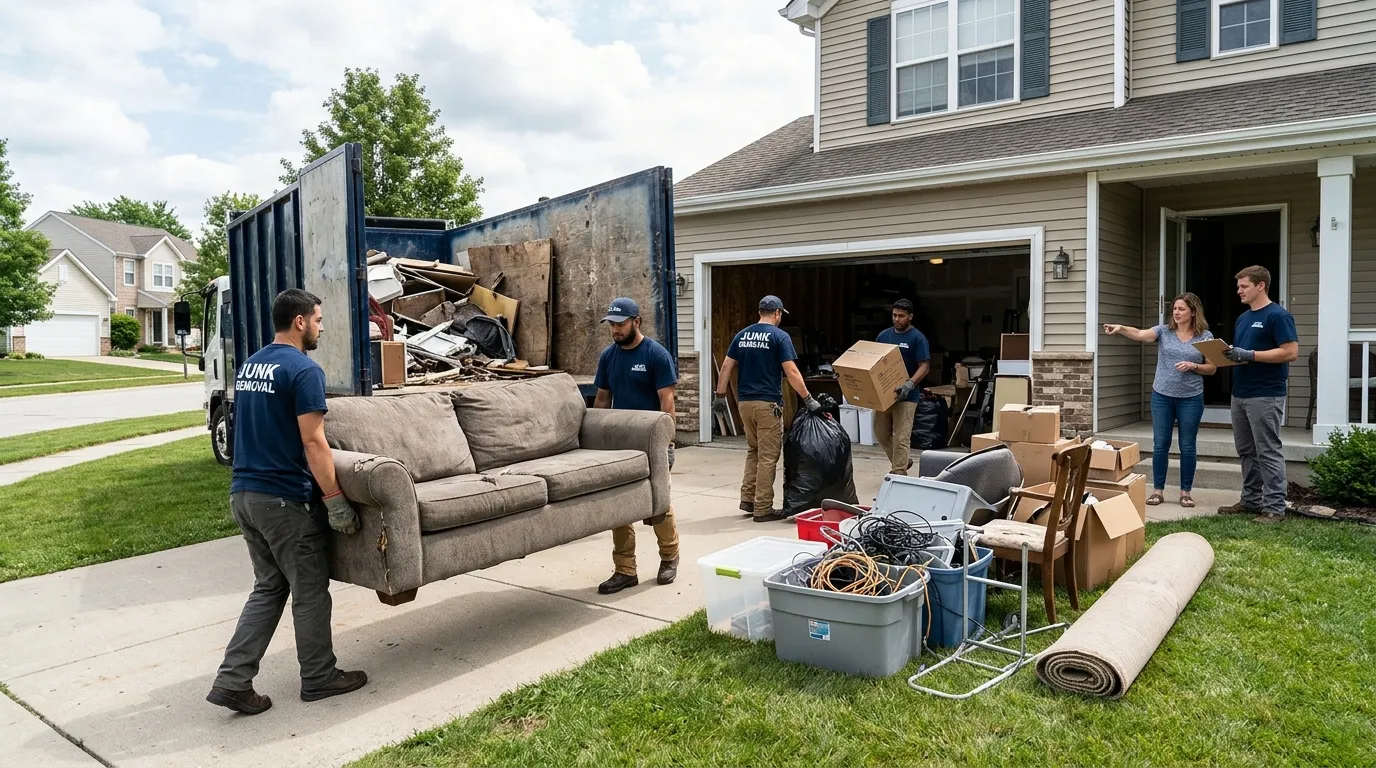
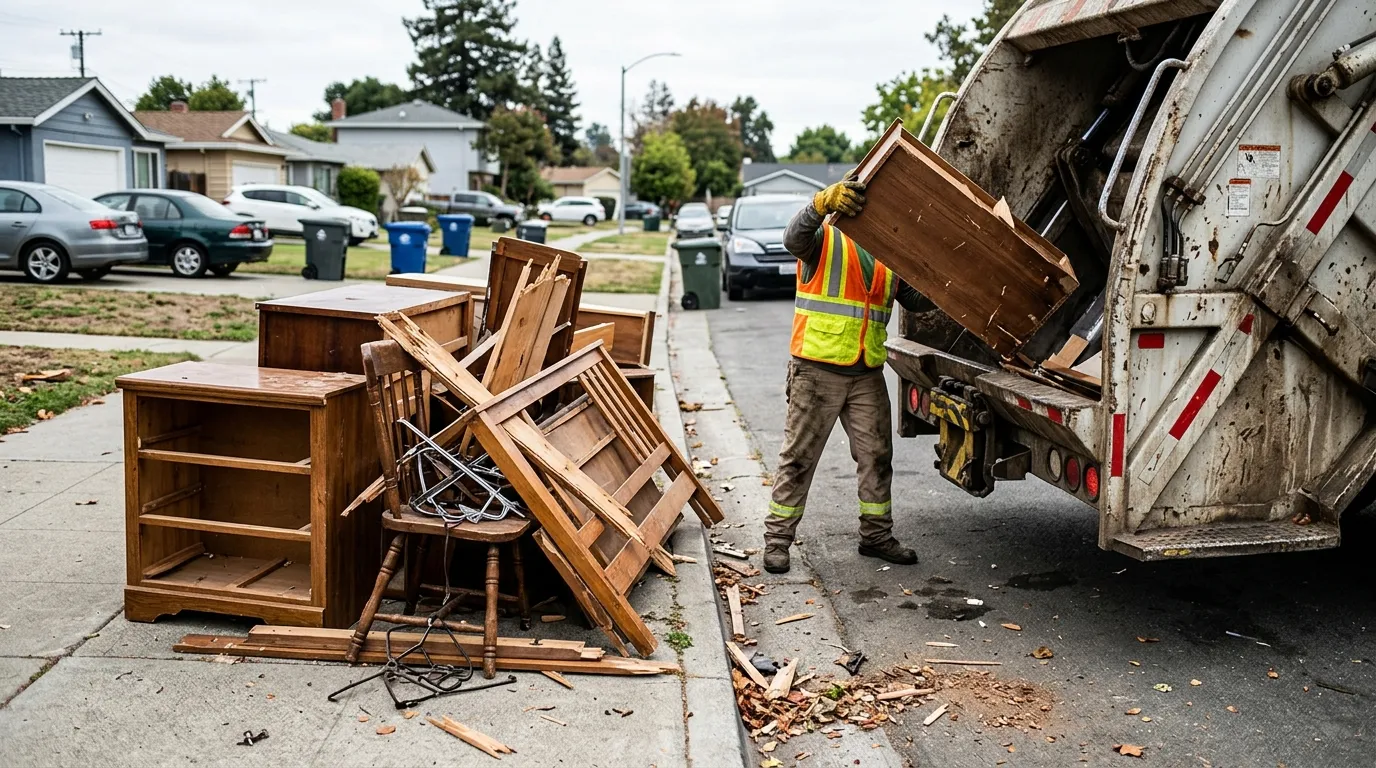
Not all household junk can be recycled. Some items are made from mixed materials, damaged, contaminated, or simply not accepted by local recycling facilities. But this does not mean every non-recyclable item goes straight into a landfill. Depending on the type of waste and local facilities, junk may be sorted, reused, processed, burned for energy, or sent for special disposal.
Landfill Disposal
A large amount of non-recyclable household waste ends up in a landfill. Before it reaches the landfill, waste may go through a sorting process to remove anything that can still be recovered. The remaining waste is placed in designated areas and covered to help control odors, pests, and litter. Modern landfills also use systems to manage liquids and gases produced as waste breaks down.
Waste-to-Energy
Some types of non-recyclable waste can be used to produce energy. At waste-to-energy facilities, suitable waste is burned at high temperatures. The heat can be used to produce steam, which may then generate electricity or provide heating. This method reduces the amount of waste sent to landfills, although it still produces ash that needs proper handling.
Incineration
Certain waste materials may be sent to an incineration facility instead of a landfill. During this process, waste is burned under controlled conditions. Modern facilities use equipment to control emissions and manage the ash left behind. Incineration is more common for certain types of waste and is not suitable for every household item.
Special Disposal for Hazardous Waste
Some junk cannot be placed with normal household waste because it may contain harmful substances. Paint, chemicals, fuel, some batteries, and certain cleaning products may require special treatment. These items are usually collected separately and taken to facilities that can handle them safely. Homeowners should check local waste rules before throwing hazardous materials away.
Reuse and Material Recovery
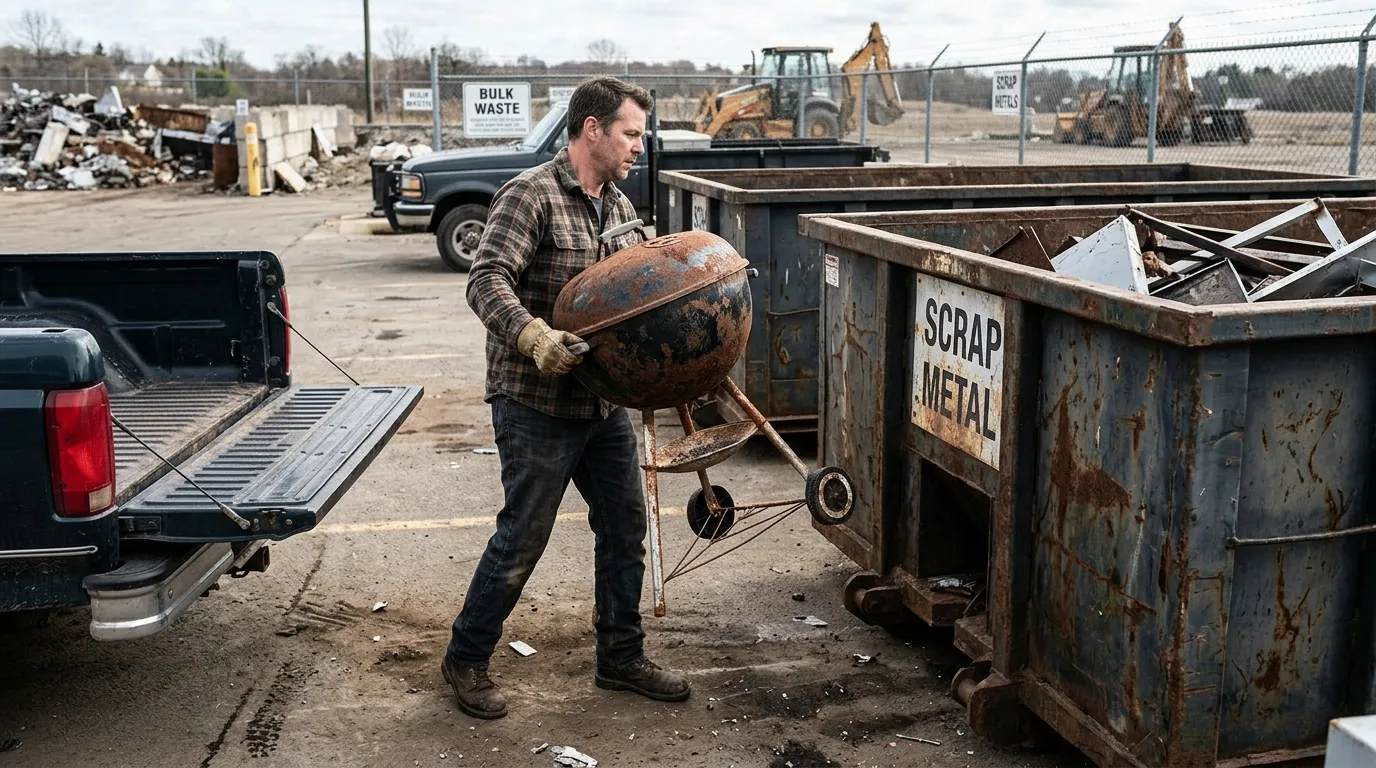
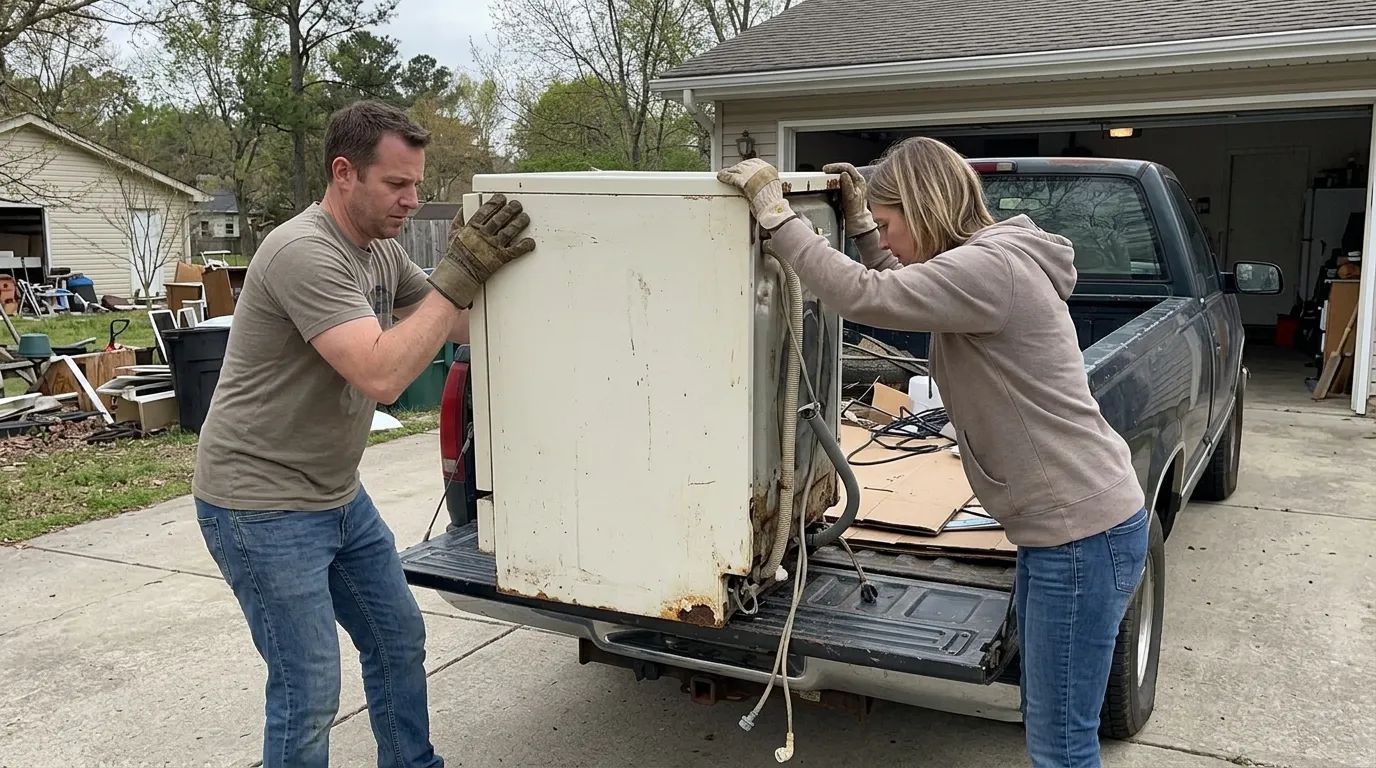
An item may be considered non-recyclable through normal recycling programs but still have some useful parts. Waste facilities may recover materials such as metal, wood, or other components for reuse or further processing. For example, parts from old appliances or electronics may sometimes be separated and recovered instead of being discarded as a whole.
Construction Waste Processing
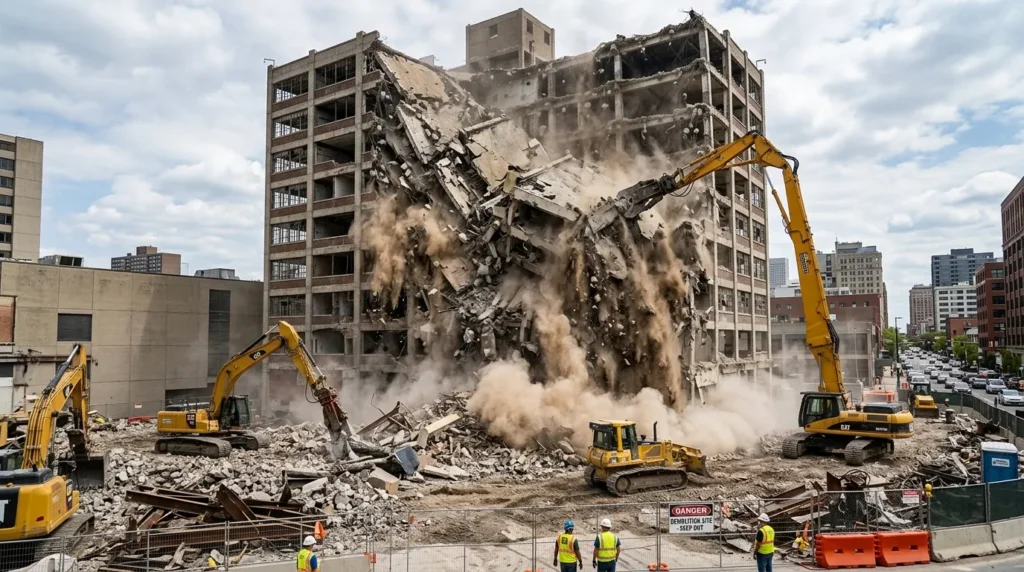
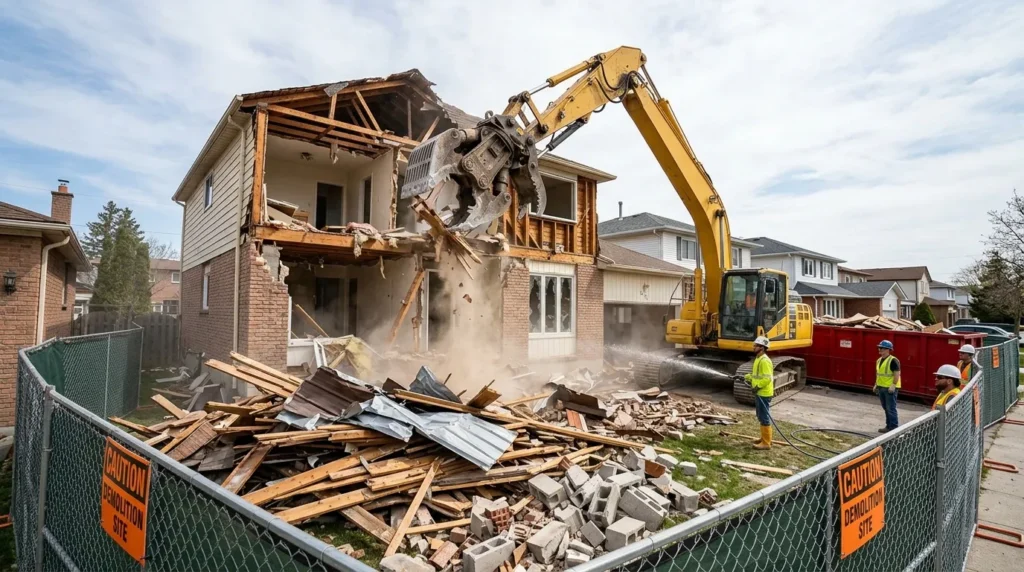
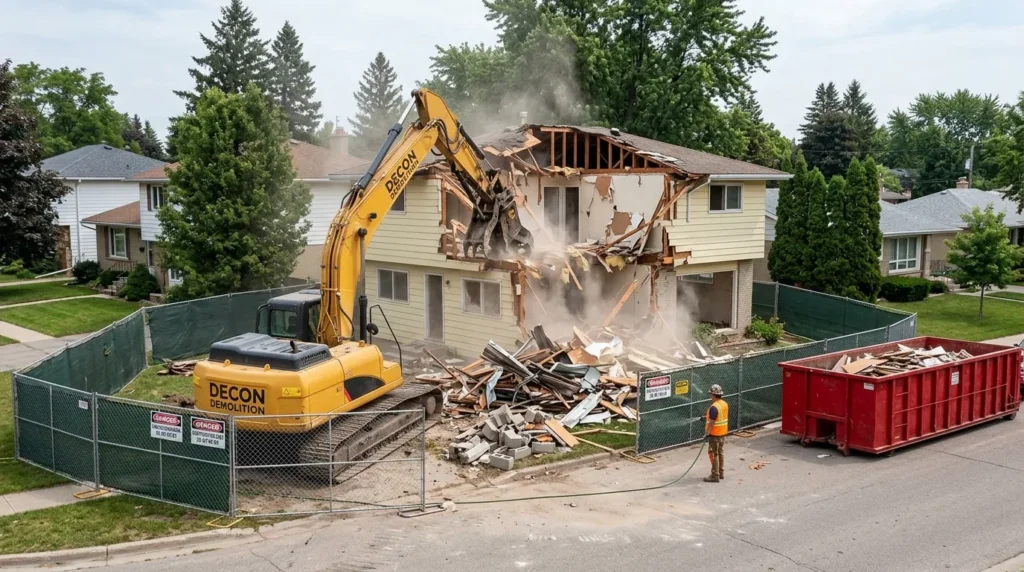
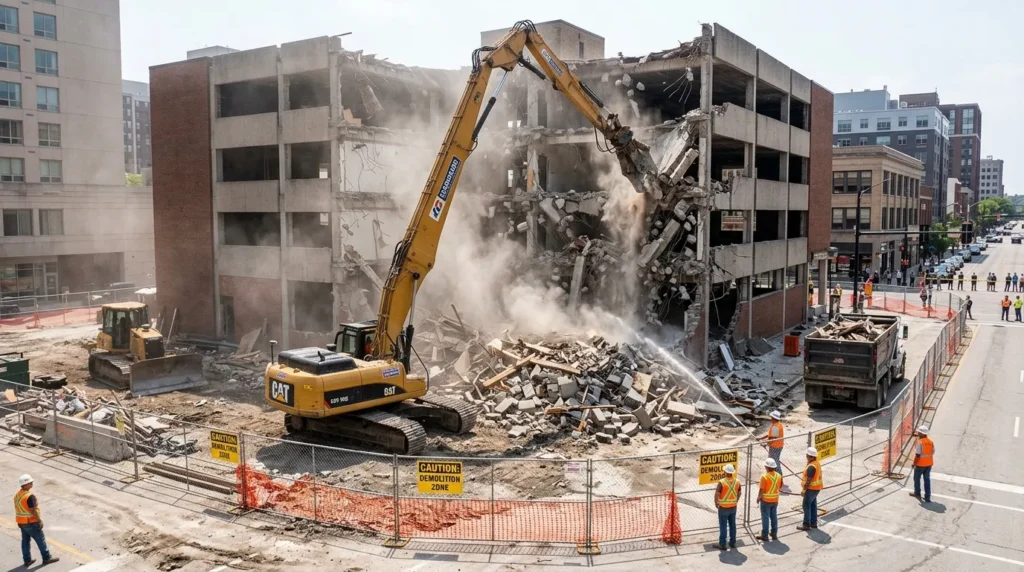
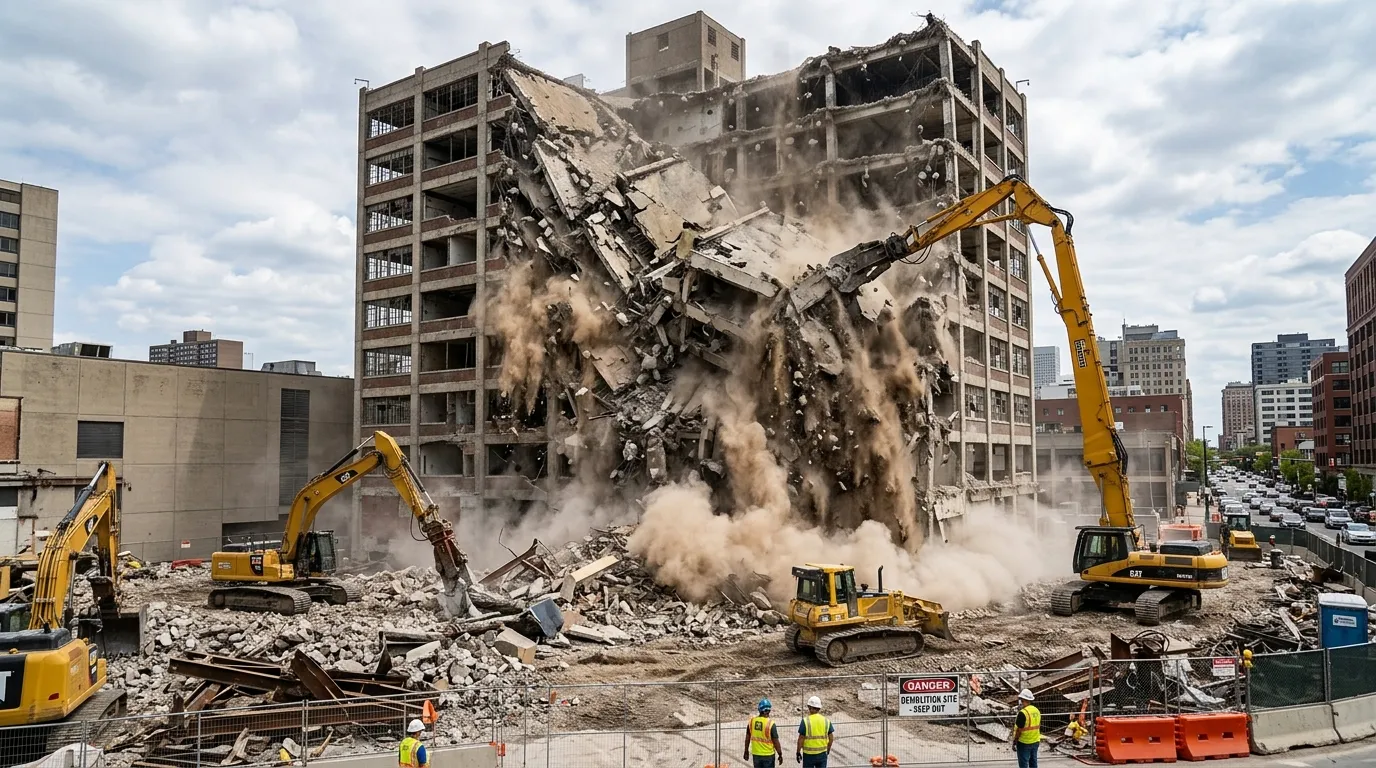
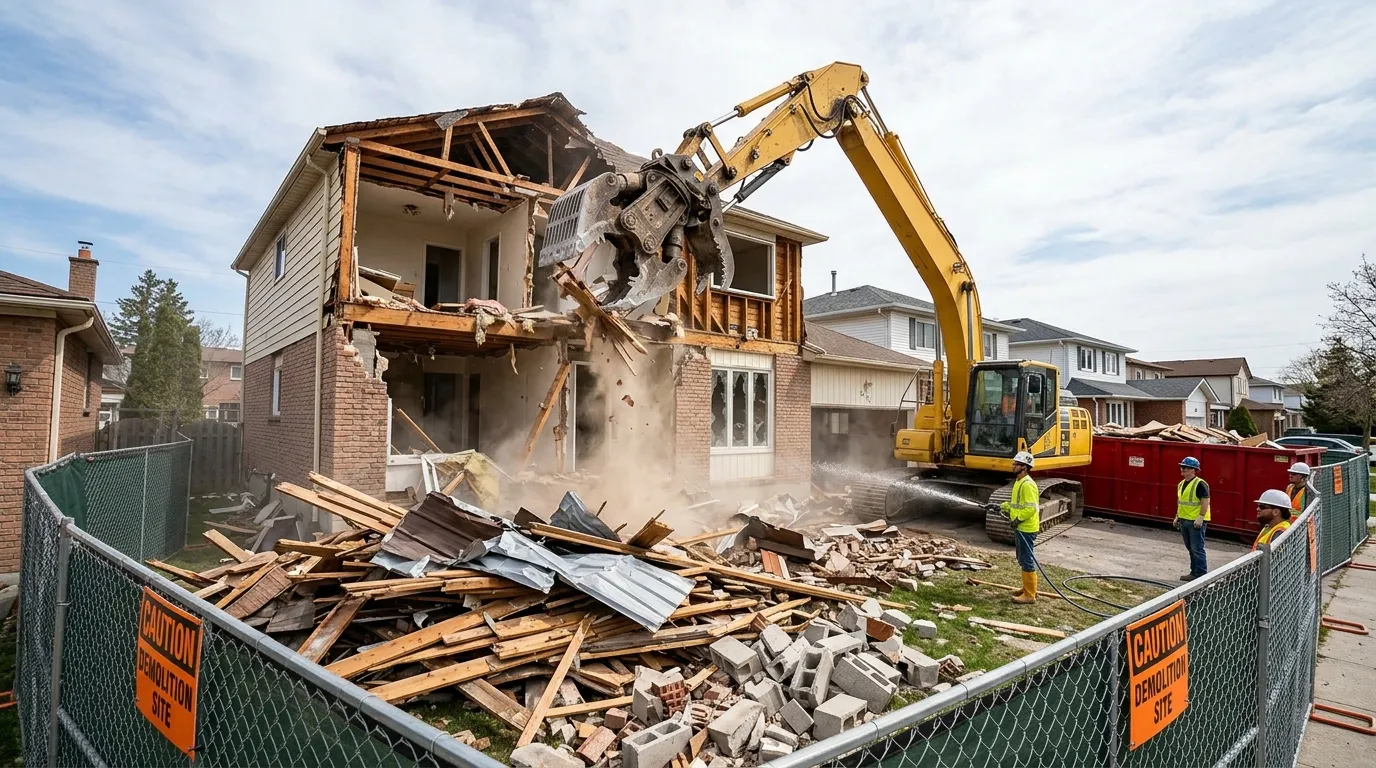
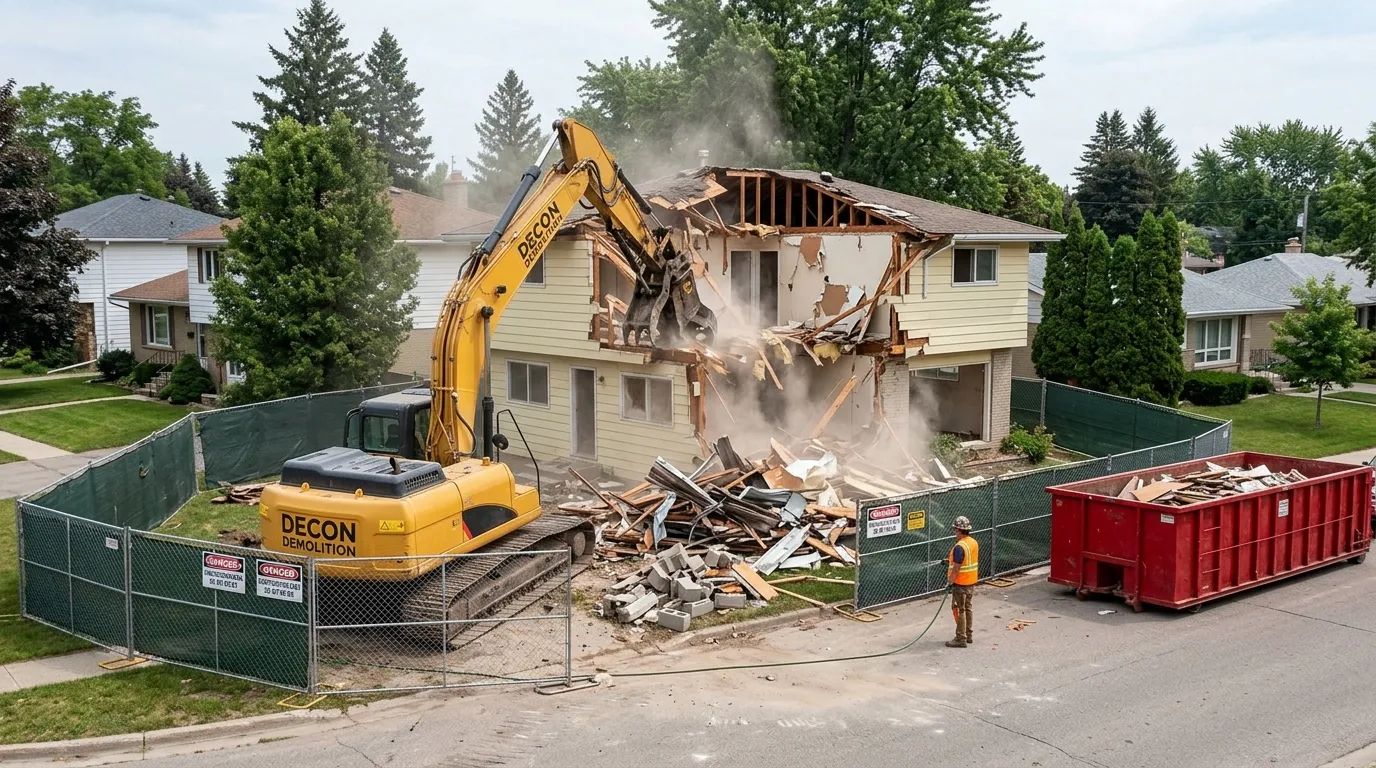
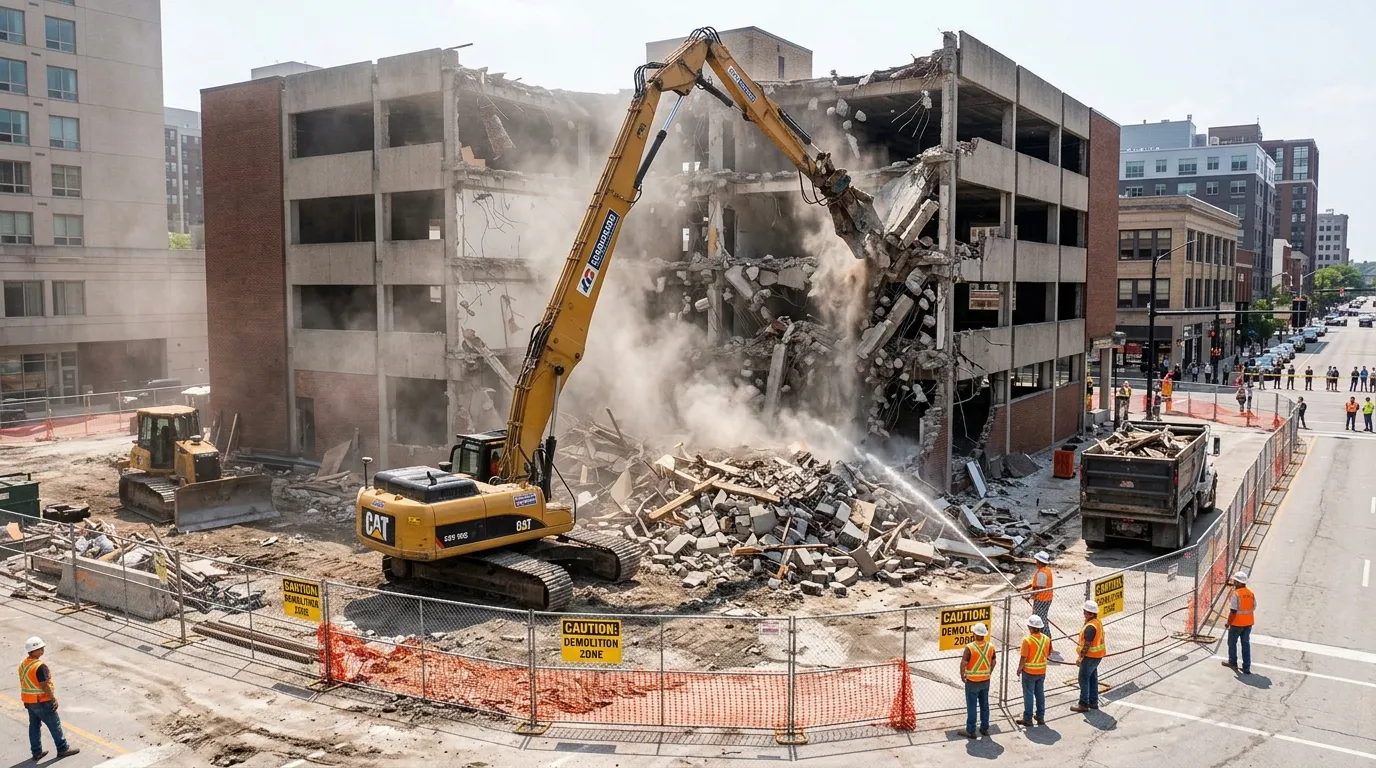
Materials from home repairs and renovation projects are often handled separately from regular household junk. Concrete, bricks, wood, metal, and similar materials may be taken to specialized facilities. Some of these materials can be crushed, processed, or reused in construction projects. This can reduce the amount of renovation waste that reaches landfills.
Waste Sorting
Junk may go through additional sorting even after it has been collected. Workers or machines can separate materials that have value from waste that has no practical recovery option. This process helps recover useful materials and reduces the amount of waste that needs final disposal.
Final Disposal
After all practical recovery and processing options have been used, the remaining waste needs final disposal. For many items, this means a landfill. The exact process depends on the type of junk, local waste rules, and the facilities available in the area.
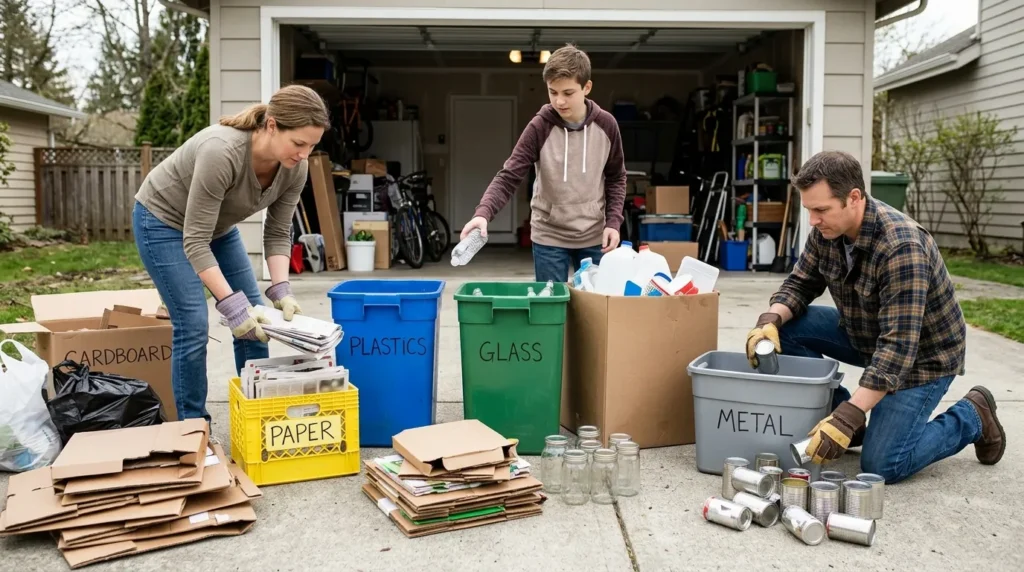
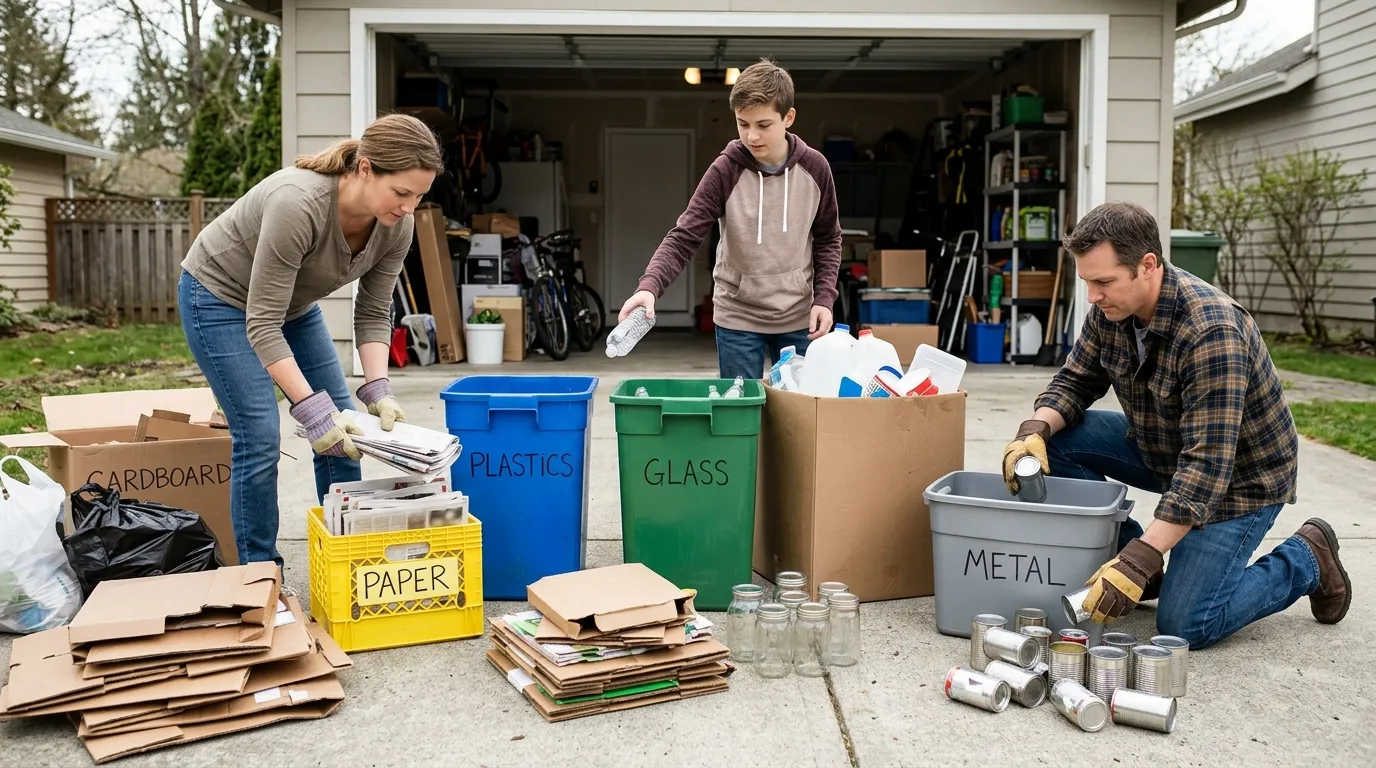
For homeowners, the best approach is to avoid mixing everything together. Separate recyclable items, reusable goods, hazardous materials, and general waste before removal. This gives each type of junk a better chance of being handled in the right way.
Conclusion
Junk that cannot be recycled still needs to be handled carefully. Depending on the type of waste, it may be reused, processed for energy, sent to a special facility, or placed in a landfill. Sorting your junk before removal helps ensure that each item goes to the right place and reduces unnecessary waste.
Also Read: Junk Removal Checklist For Homeowners