Buying a new home is an exciting step, but the excitement can fade when you find old furniture, broken appliances, unwanted boxes, and piles of rubbish left behind by the previous owner. Even a home that looks clean at first may have clutter in the garage, basement, attic, kitchen, or storage areas. Removing this junk helps you make room for your belongings and prepare the property for comfortable living.
The best way to clear a newly purchased home is to work one area at a time. Decide which items you want to keep, which can be donated or sold, and which need to be thrown away. You can handle small amounts of junk yourself, but large furniture, heavy appliances, and certain types of waste may need professional help. Here are ten useful ways to remove junk from your newly purchased home.
1. Inspect Every Room for Unwanted Items
Start by walking through the entire house and checking every room before you begin removing anything. Look inside cupboards, wardrobes, kitchen cabinets, bathroom storage, closets, and other hidden spaces. Check the garage, basement, attic, and outdoor areas as well. Previous owners may have left old clothes, damaged furniture, unused tools, boxes, or other items that take up space.
Make a list of the junk you find in each area. This will help you plan your work and decide which items need special care. For example, you may find old mattresses in the bedroom, broken chairs in the living room, expired cleaning products in the kitchen, and unused building materials in the garage. Keep valuable documents, keys, personal records, and other items that may belong to the previous owner separate from the rubbish. Contact the seller or your property agent if you find something that may need to be returned.
Inspecting the home first also helps you estimate how much time, effort, and money the cleanup will require. If there are only a few bags of rubbish, you may be able to handle the job yourself. If several rooms are filled with unwanted belongings, you may need a larger vehicle or a junk removal company.
2. Sort Junk Into Keep, Donate, Sell, and Throw Away
Once you have inspected the house, sort the unwanted items into four main groups: keep, donate, sell, and throw away. This simple method helps you avoid removing things that could still be useful. Set up separate areas or use clearly marked boxes and bags for each group.
Place useful items that you want to keep in one area so they do not get mixed with rubbish. Items such as chairs, kitchen tools, storage boxes, and garden equipment may be worth keeping if they are in good condition. If you find furniture or household goods that you do not need but that still work well, consider donating or selling them. Broken, dirty, or unsafe items may need to be discarded through the correct waste service.
Try to make decisions as you sort through each room. Keeping too many unwanted items can make the cleanup take longer and leave you with the same clutter you wanted to remove. If you are unsure about an item, place it in a separate box and review it before making a final decision. However, avoid keeping things simply because you might use them one day.
A clear sorting plan also helps reduce waste. Many items that seem useless to you may still be helpful to another person. By separating reusable goods from rubbish, you can save money, reduce waste, and make your new home ready for your own furniture and belongings.
3. Remove Old Furniture and Broken Appliances
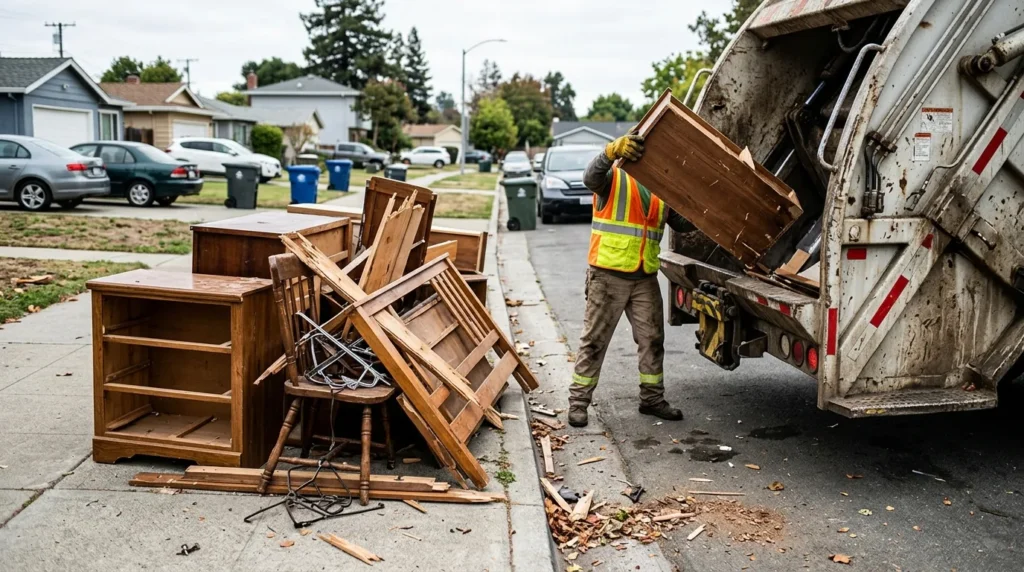
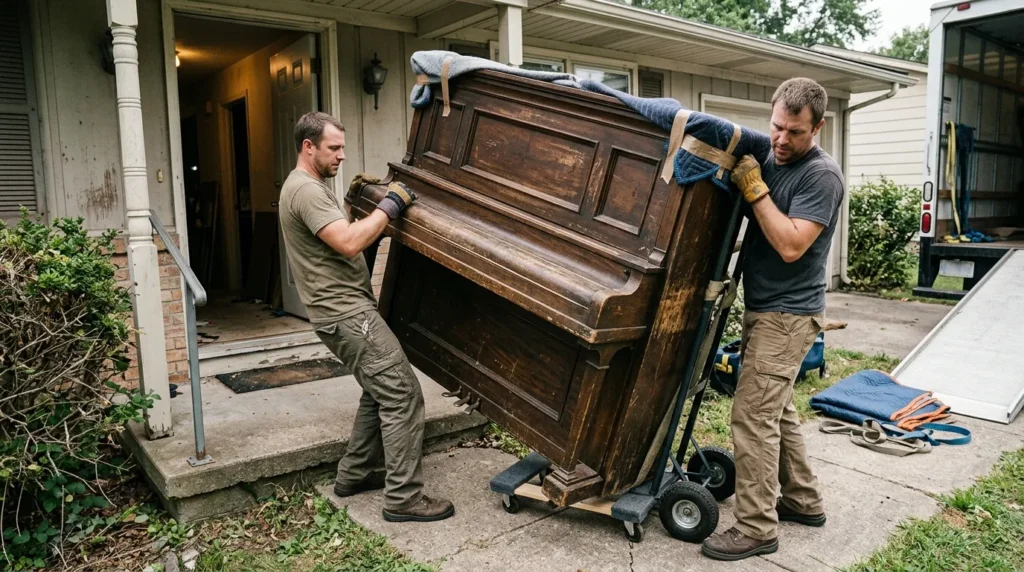
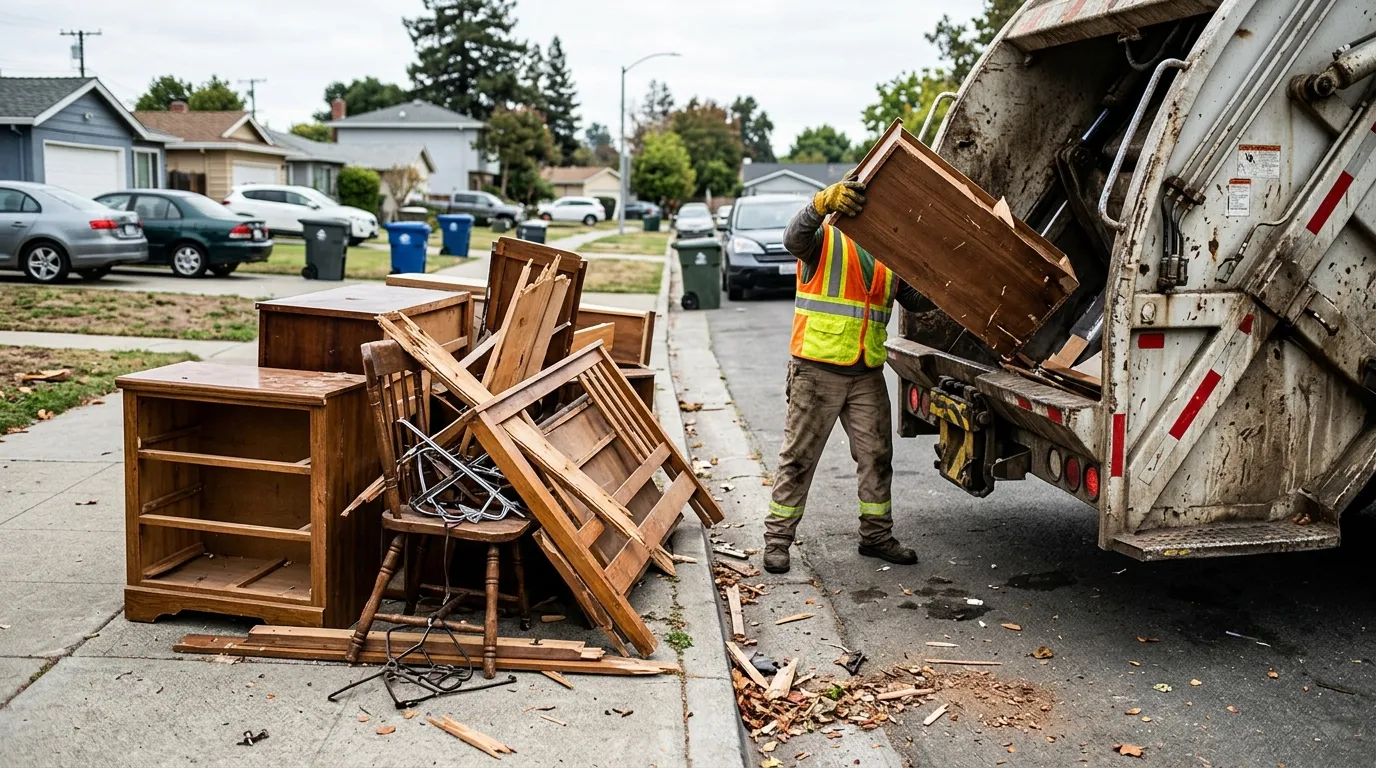
Old furniture and broken appliances can take up a large amount of space in a newly purchased home. You may find damaged sofas, worn-out mattresses, broken tables, old wardrobes, refrigerators, washing machines, or other bulky items left by the previous owner. Removing them can make rooms easier to clean and give you more space for the furniture you actually need.
Before moving large items, check their condition and decide whether they can be reused, repaired, donated, or sold. A table with minor damage may still be useful, while a broken sofa with serious stains may need disposal. Working appliances can sometimes be donated or sold if they are safe to use. Check with the receiving charity or buyer before arranging collection, as some organisations accept only certain items.
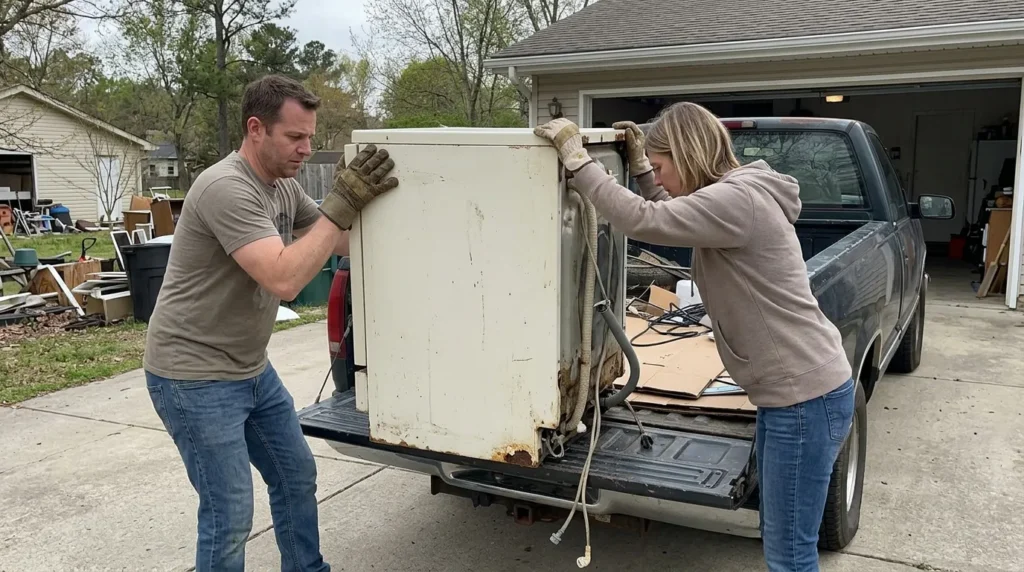
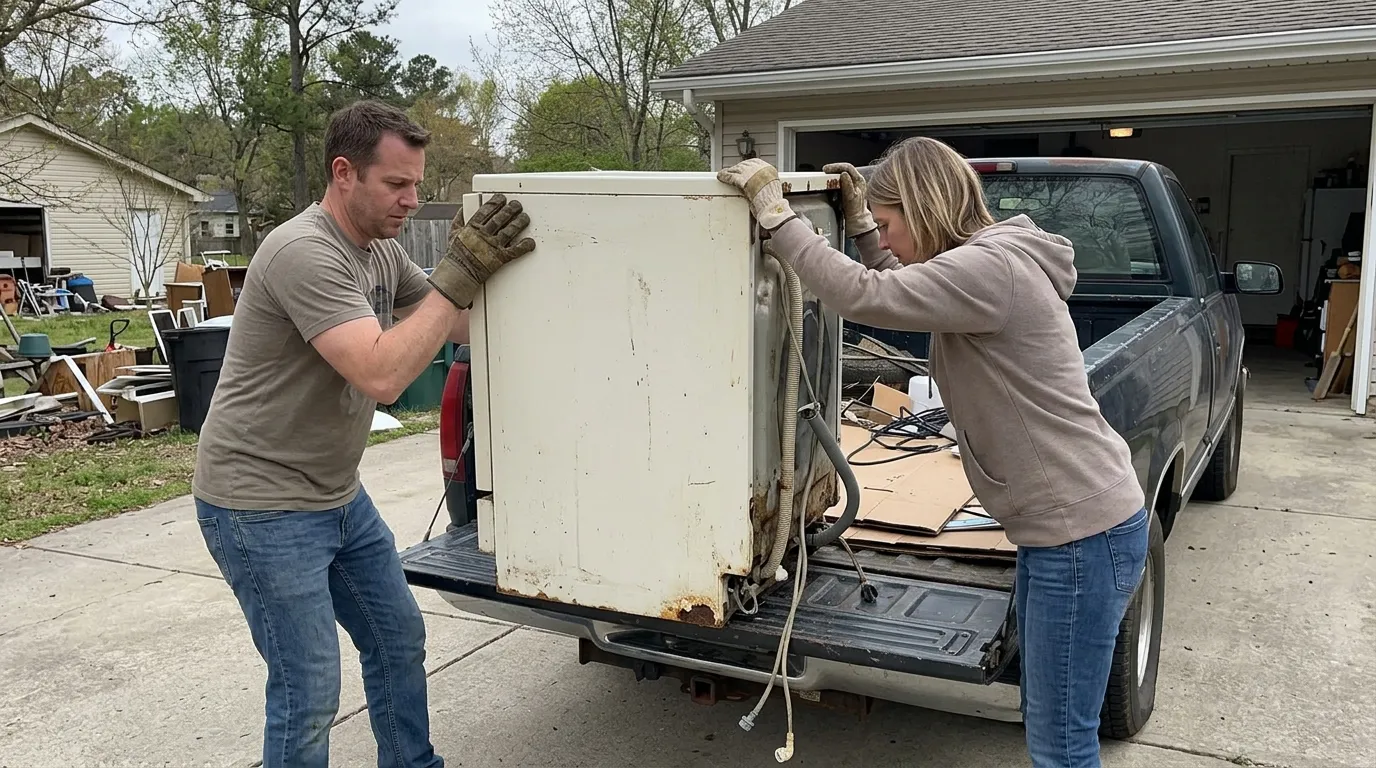
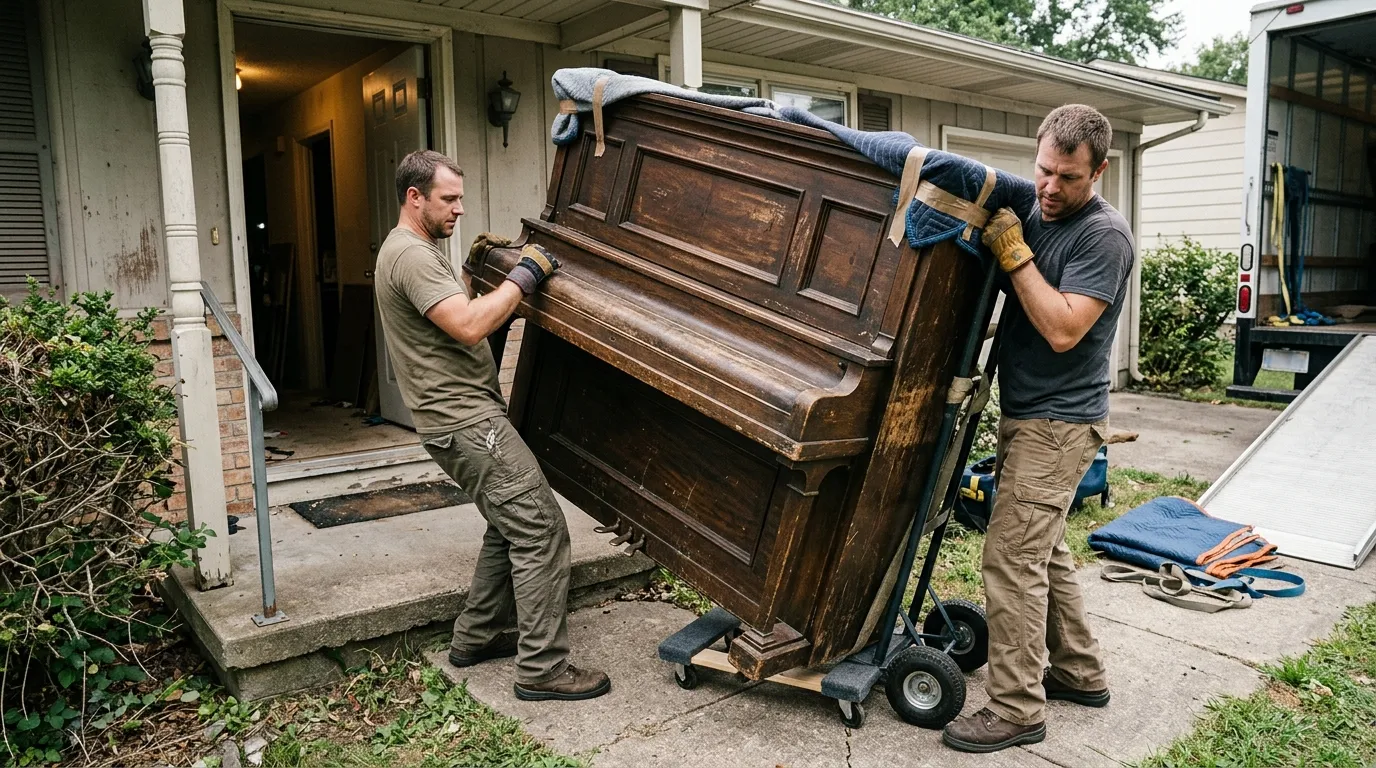
Safety is important when moving heavy furniture and appliances. Empty drawers and cupboards before moving them, secure loose doors, and ask someone to help with large items. Use a trolley or lifting equipment when needed, and avoid dragging heavy objects across floors because they may cause scratches or damage. If an appliance is connected to water, gas, or electricity, arrange for a qualified person to disconnect it where required.
Large appliances often need special disposal because they may contain electronic parts, refrigerants, or other materials that should not go into ordinary household rubbish. Contact your local waste collection service or recycling centre to find out how to dispose of them. A professional junk removal service may also collect bulky furniture and appliances in one visit, saving you time and effort.
4. Clear Out the Garage, Basement, and Attic
The garage, basement, and attic are common places for unwanted items to collect. Previous owners may leave old tyres, garden tools, storage boxes, damaged shelves, unused furniture, wood scraps, and other materials in these areas. Because these spaces are often used for storage, it is easy to overlook them during the first cleanup.
Begin by clearing a small section so you have enough room to sort the items safely. Work from one side of the space to the other rather than moving everything into one large pile. Check each box before throwing it away because it may contain useful tools, personal records, photographs, or other belongings. If you find documents or valuables that may belong to the previous owner, keep them separate and arrange their return.
Pay attention to possible safety risks. Basements and attics may contain dust, mould, sharp objects, damaged wiring, or signs of pests. Wear suitable gloves, closed shoes, and a dust mask when needed. If you notice a strong chemical smell, leaking containers, damaged electrical equipment, or signs of a serious mould problem, avoid handling the material yourself until you know how to deal with it safely.
After removing the junk, check whether the space needs repairs or extra cleaning. You may want to install shelves, storage cabinets, or hooks for items you plan to keep. An organised garage can hold your tools and bicycles, while a clean attic or basement can provide useful storage space. Clearing these areas early also makes it easier to spot maintenance problems before they become more expensive.
5. Dispose of Construction Waste and Old Materials
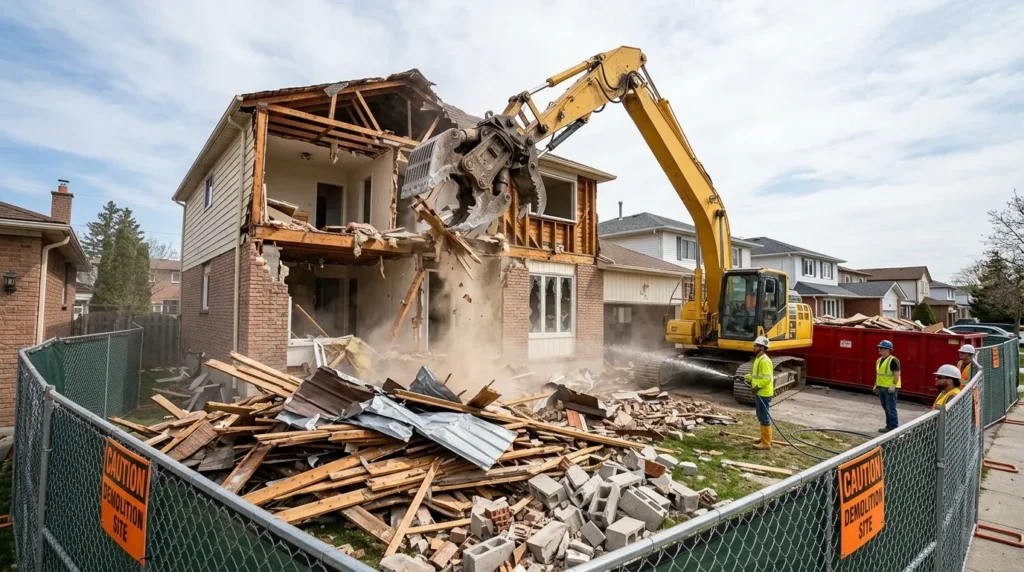
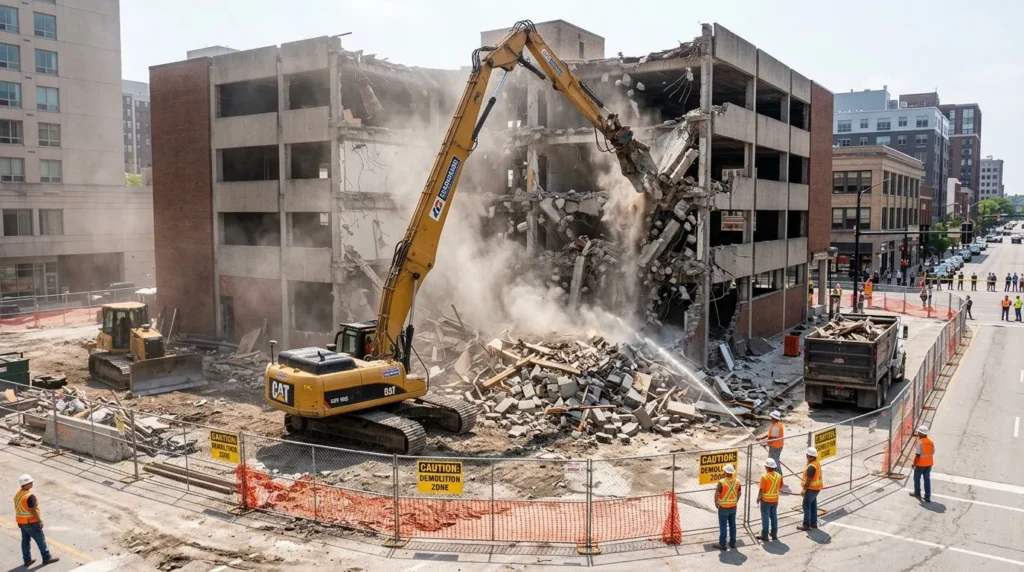
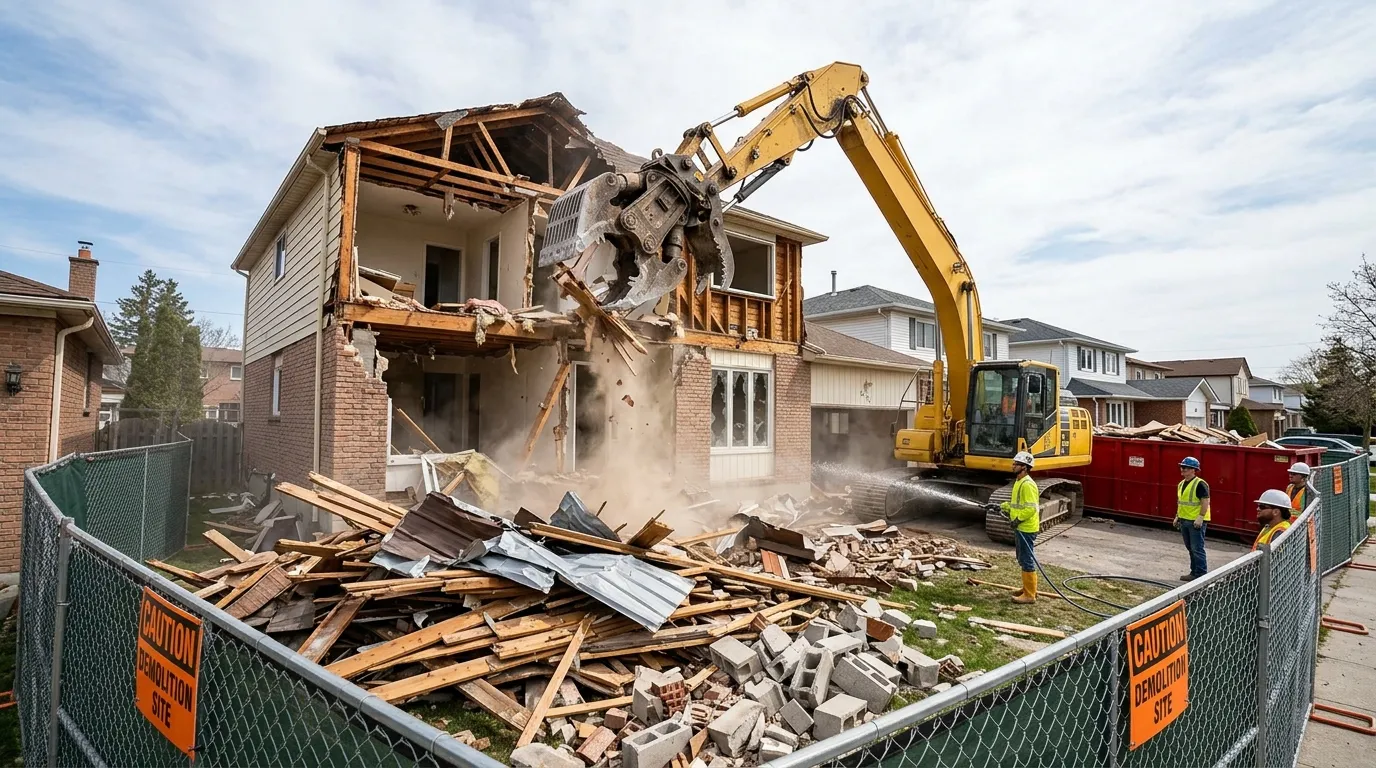
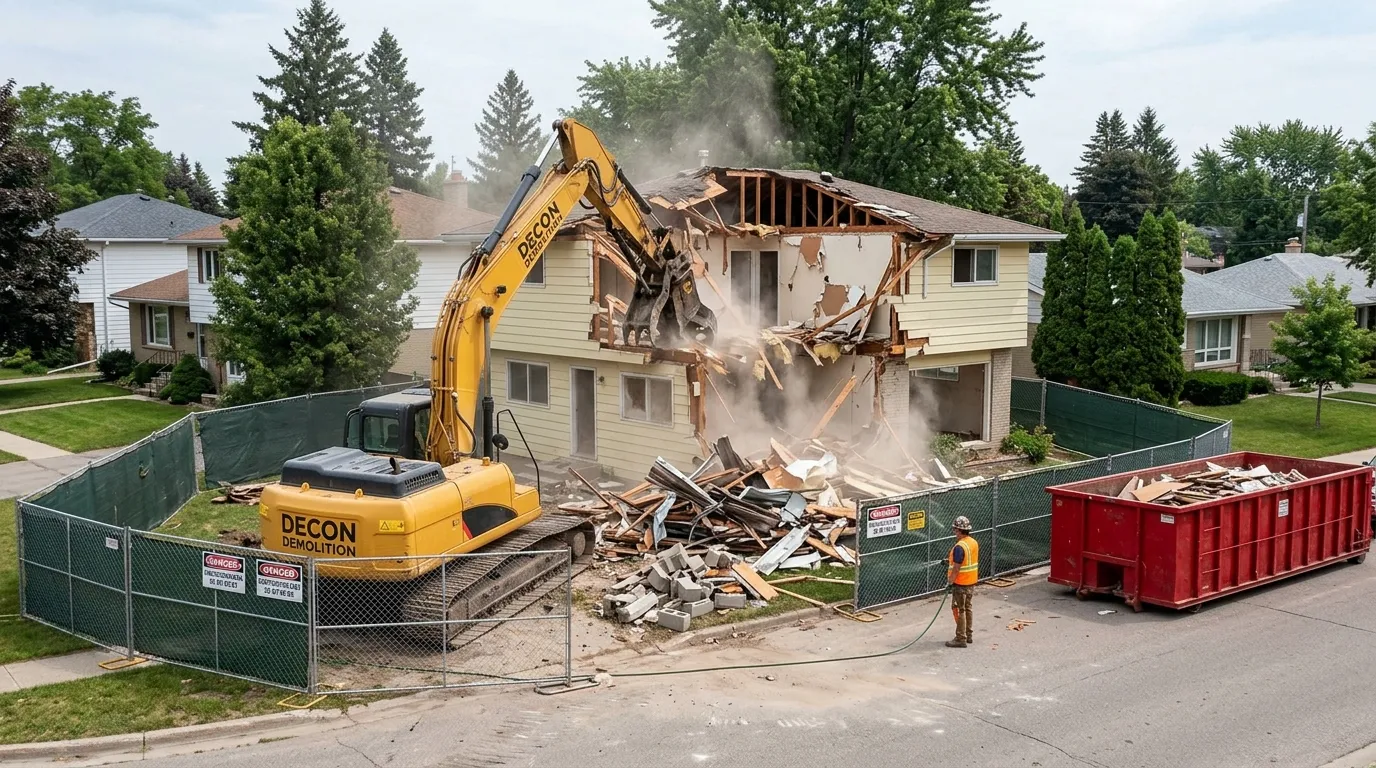
Some newly purchased homes contain waste from earlier repairs or renovation work. You might find broken tiles, damaged wood, pieces of plasterboard, old flooring, bricks, metal scraps, or leftover building supplies. These materials can be heavy, sharp, and difficult to handle, so it is best to plan their removal carefully.
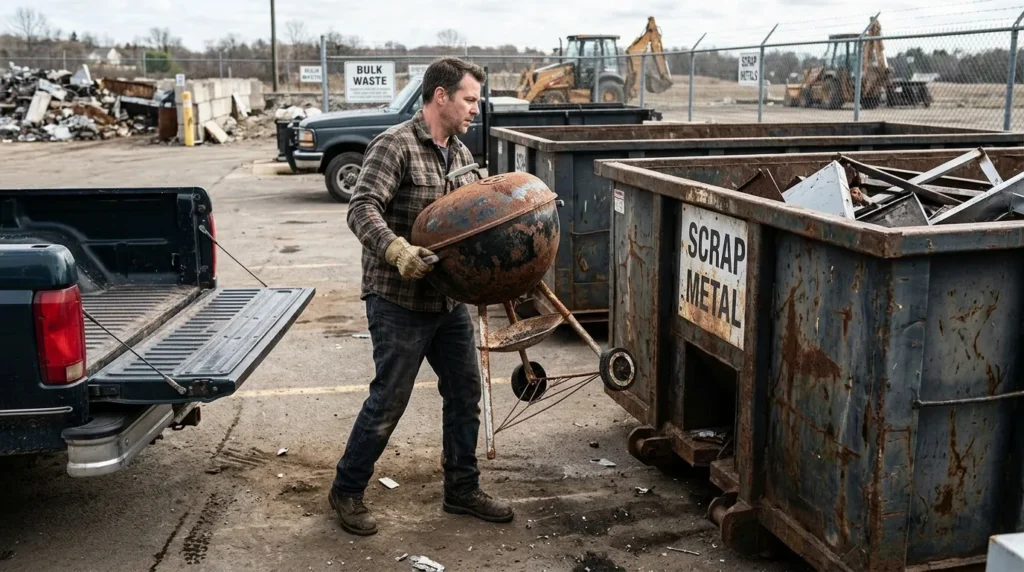
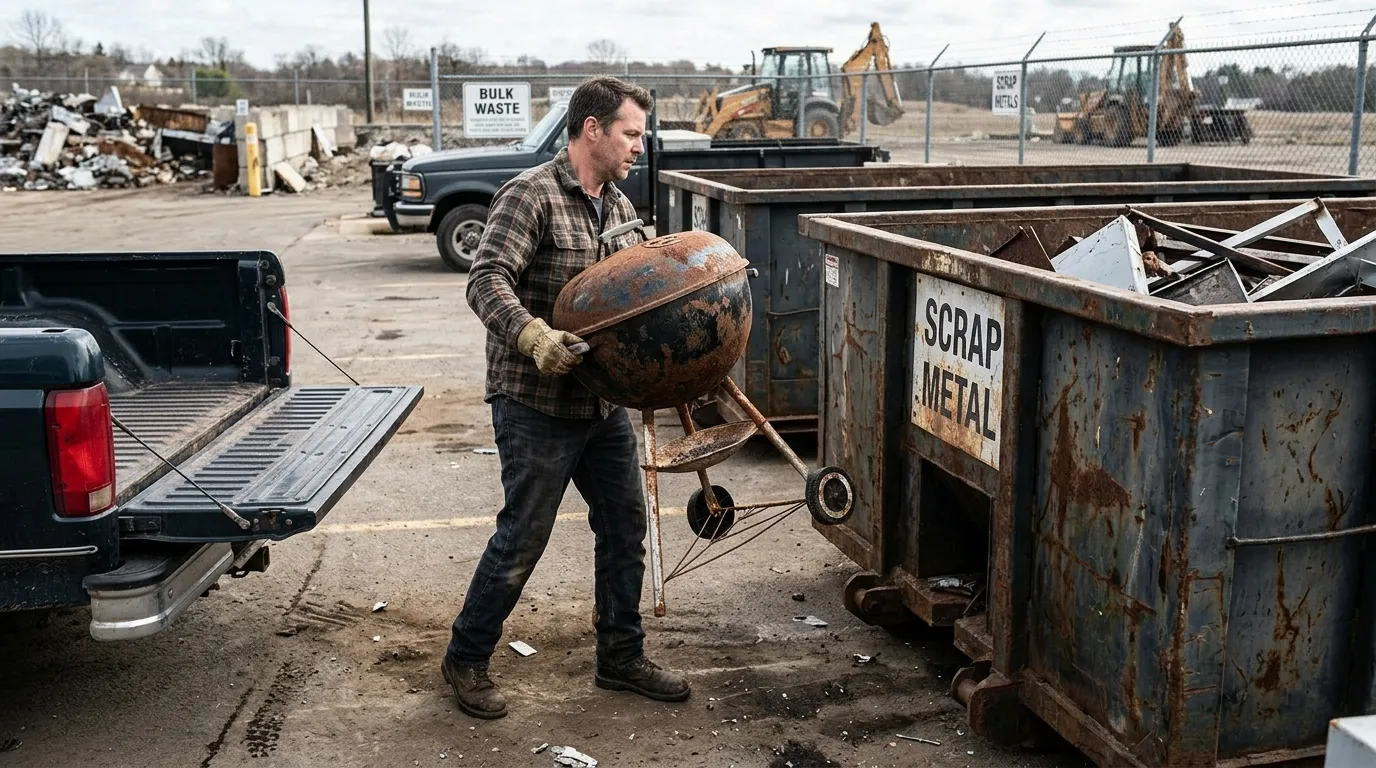
Start by separating the materials according to their type. Clean wood, metal, bricks, and certain other building materials may be accepted at local recycling centres. Mixed construction waste may need to be taken to a special disposal facility. Check local rules before loading these materials into a vehicle or placing them in a waste container, because ordinary household rubbish services may not accept construction waste.
Be careful with materials that may contain harmful substances. Older homes can contain asbestos in some insulation, wall panels, flooring, roofing, or other building materials. You should not break, cut, sand, or remove suspected asbestos yourself. Contact a qualified professional to assess the material and arrange safe removal if needed. The same care applies to unknown powders, chemical containers, and other potentially dangerous waste.
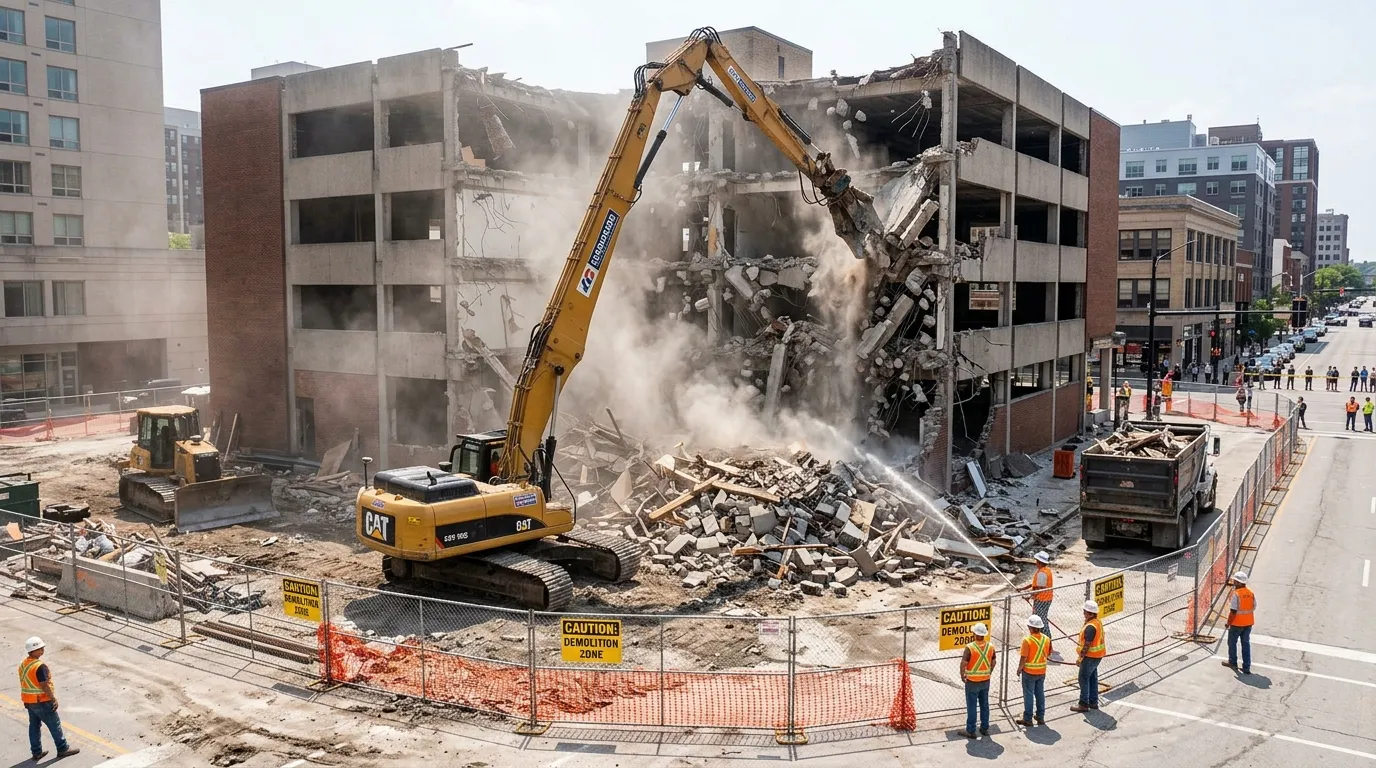
For large amounts of building waste, hiring a licensed waste contractor or renting a suitable skip may be more practical than making several trips to a disposal centre. Check what materials the service accepts and whether there are extra charges for heavy waste or special items. Proper disposal keeps the property safer and helps you prepare the home for painting, repairs, or renovation.
6. Donate Usable Items to Local Charities
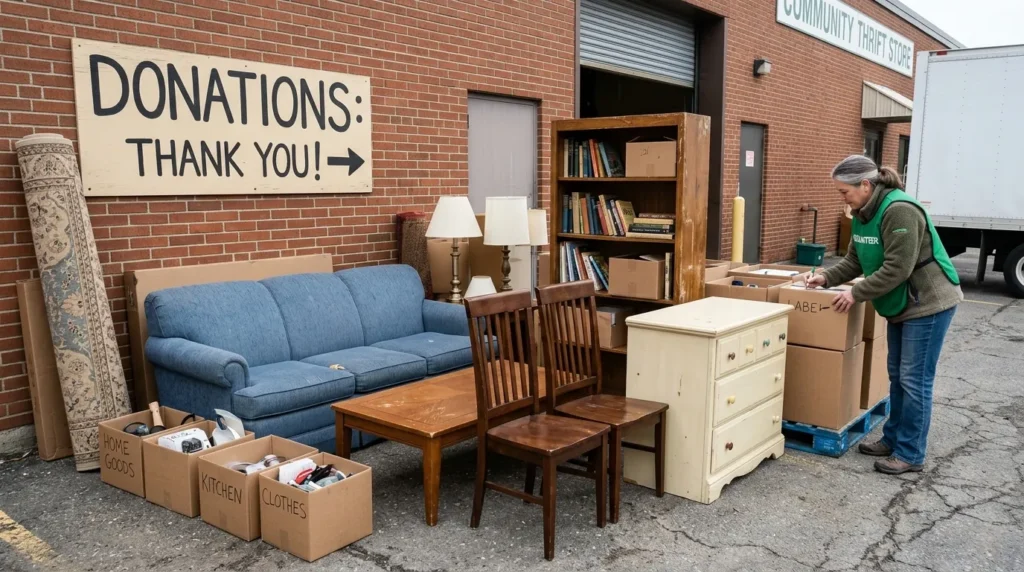
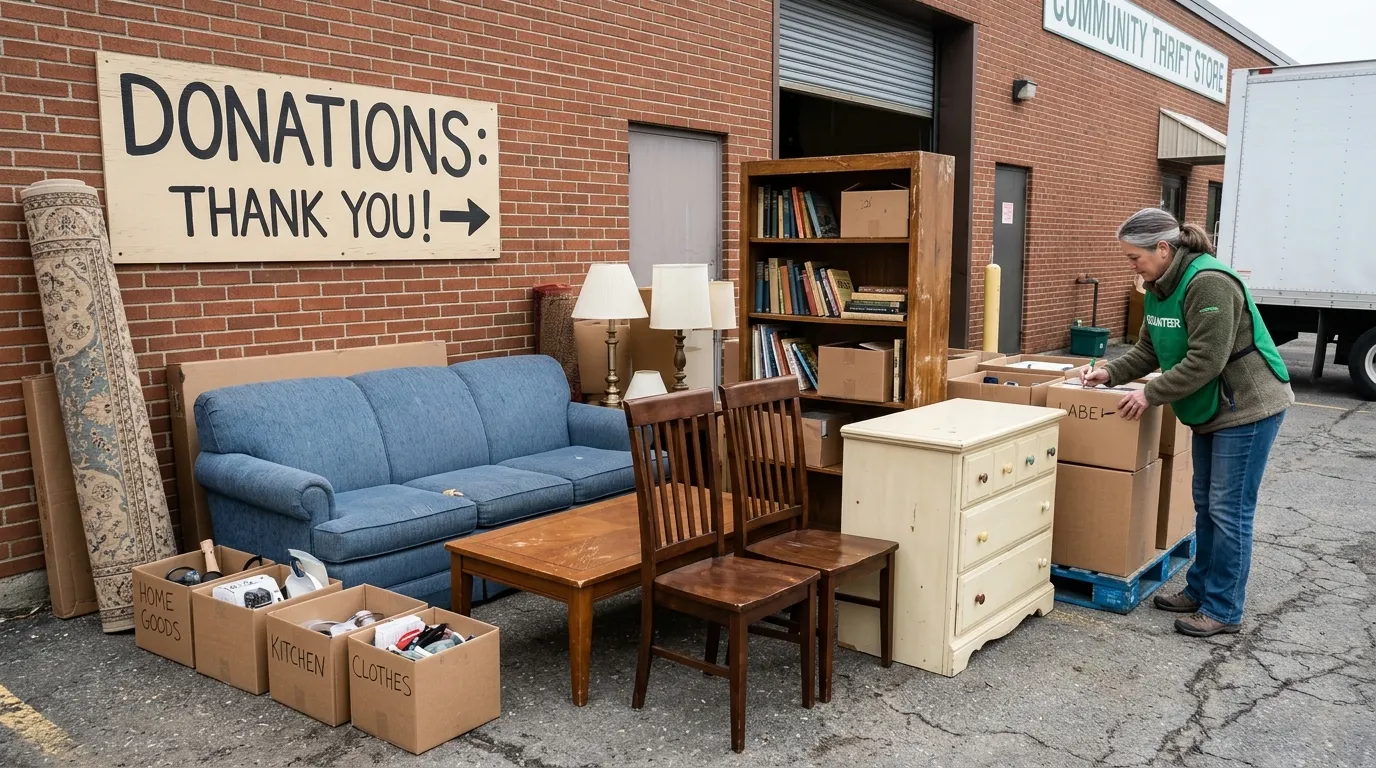
Not everything left behind in a house needs to be thrown away. Furniture, clothes, kitchenware, books, toys, and household items in good condition may be useful to people who need them. Donating these belongings is a simple way to reduce waste while helping local charities and community groups.
Before donating anything, check that it is clean, safe, and in working condition. Wash clothes, clean kitchen items, and check furniture for damage. Do not donate broken electrical appliances, mouldy mattresses, heavily stained furniture, or other goods that may be unsafe or unsuitable for reuse. Each charity has its own rules about the items it accepts, so contact the organisation before arranging a drop-off or collection.
Some charities accept small household goods at donation centres, while others may collect larger items such as tables, chairs, or wardrobes. Local community groups and reuse centres may also accept useful belongings. If you have many items, take clear photographs and send them to the organisation to confirm whether it can accept them.
Organising donations before the final cleanup can reduce the amount of rubbish you need to remove. It can also lower disposal costs if you have to hire a junk removal service. Make sure donated items are kept in a separate, dry area so they do not become damaged while you finish cleaning the rest of the house.
7. Recycle Paper, Plastic, Metal, and Electronics
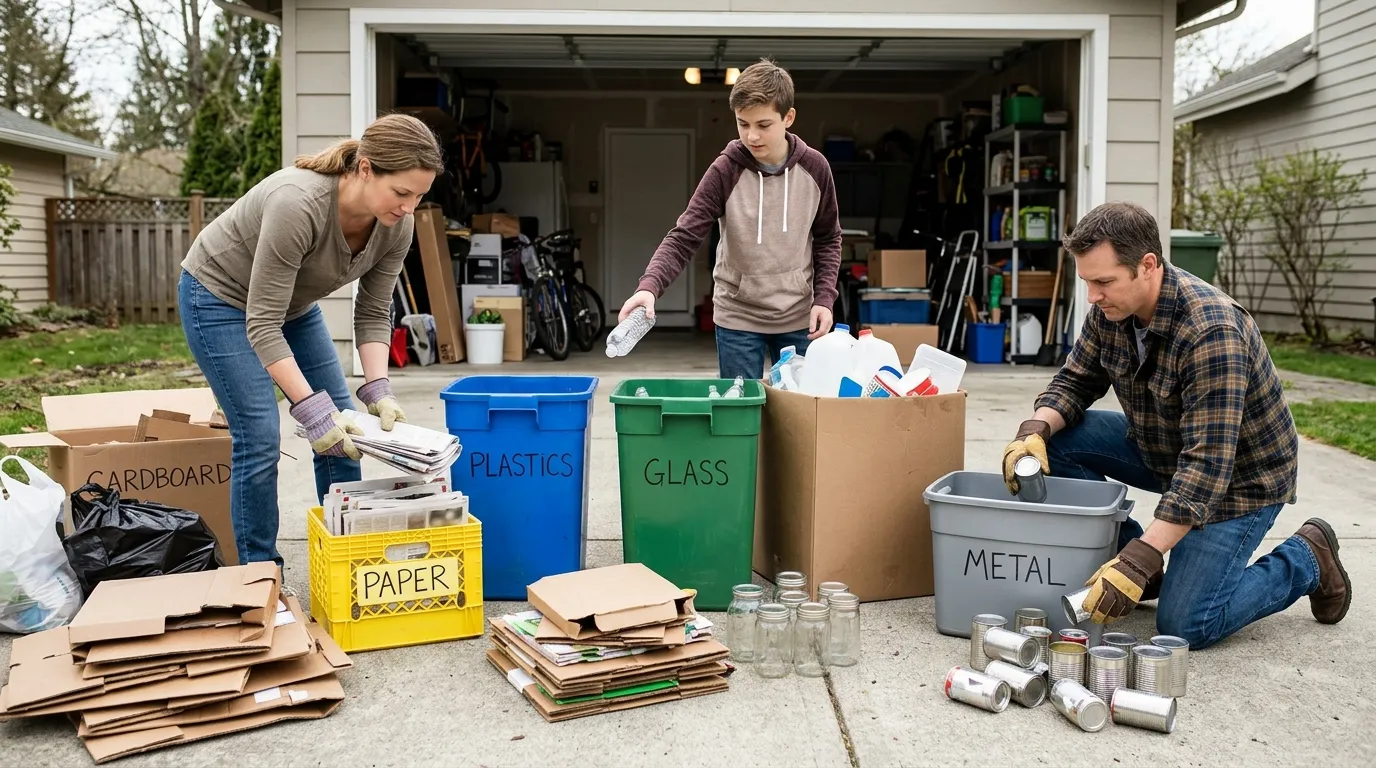
Recycling is another useful way to reduce the amount of junk left in your new home. During the cleanup, you may find cardboard boxes, newspapers, plastic containers, glass bottles, metal cans, cables, old phones, computers, and other items that can be recycled. Separating these materials makes disposal easier and keeps reusable resources out of general rubbish.
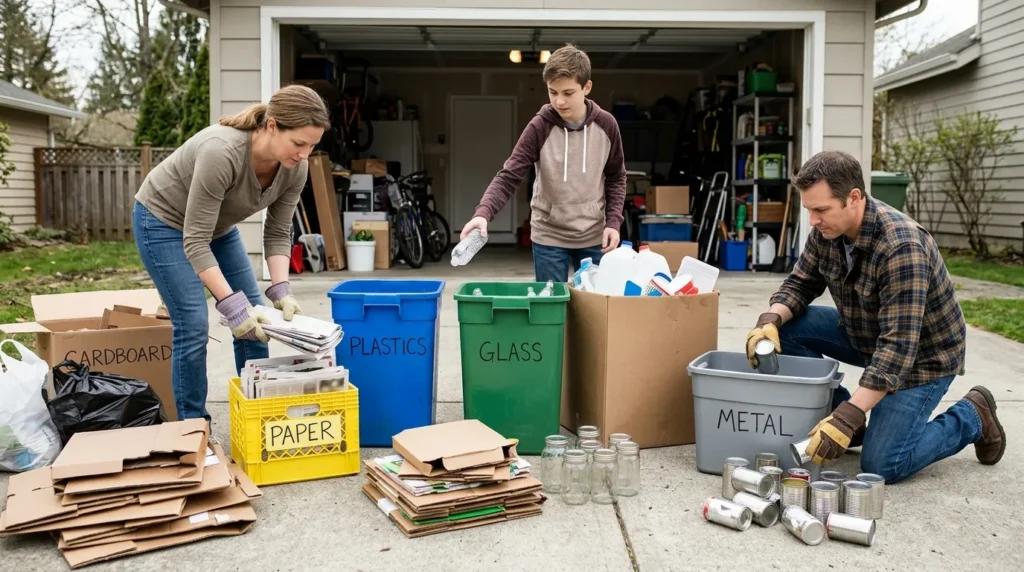
Set up separate bags or containers for paper, cardboard, plastic packaging, glass, and metal. Check that the materials are accepted by your local recycling service, and follow its instructions about cleaning and sorting them. Flatten cardboard boxes to save space, but keep them dry and free from food or other waste. Some products use mixed materials and may not belong in the same recycling container.
Electronic waste needs special attention. Old televisions, computers, mobile phones, chargers, and other electronic devices should generally be taken to an approved collection point or recycling centre rather than placed in ordinary household rubbish. Before handing over a phone or computer, remove your personal data and reset the device where possible. If you find devices that may belong to the previous owner, contact them before deleting anything or arranging disposal.
Batteries, fluorescent lamps, paint, and certain cleaning products may also require separate collection. Never mix unknown chemicals or pour them down drains. Check your local waste service for instructions on where to take these materials. A little sorting can reduce the rubbish you send for disposal and help keep harmful substances out of the environment.
8. Hire a Professional Junk Removal Service
If your newly purchased home contains a large amount of junk, a professional removal service may be the easiest option. These companies can often collect bulky furniture, mattresses, appliances, household rubbish, and other unwanted items. This can be especially helpful if you have limited time, no suitable vehicle, or items that are too heavy to move safely.
Before choosing a company, make a list of the items you need removed and take photographs of the rooms. Share these details when asking for a quote so the company can estimate the amount of work involved. Ask whether the price includes labour, transport, disposal fees, and recycling. Also check whether the company accepts the specific items you have, since some services do not collect hazardous waste, construction debris, or certain electrical appliances.
Compare quotes from more than one provider if possible. The cheapest option may not always be the best if it does not include all the costs or leaves you to handle part of the work. Check customer reviews, confirm that the company is properly authorised where required, and ask how it handles reusable items and recyclable materials.
If you only have a few bags of rubbish and small household items, doing the work yourself may cost less. However, hiring professionals can save time and reduce the risk of injuries when dealing with heavy or awkward objects. You can also use a mixed approach by removing small items yourself and hiring a company for furniture, appliances, and large piles of junk.
9. Dispose of Hazardous Waste Safely
While clearing your new home, you may come across materials that need more care than ordinary rubbish. These can include leftover paint, motor oil, petrol, pesticides, strong cleaning products, batteries, fluorescent tubes, and containers with unknown chemicals. Some older properties may also contain asbestos or other hazardous building materials.
Do not throw these items into ordinary rubbish bins unless your local waste rules specifically allow it. Never pour chemicals, oil, paint, or fuel into a sink, toilet, storm drain, or garden. These materials can harm people, damage pipes, and pollute the soil and water. Keep containers closed when safe to do so, leave their labels in place, and store them away from children, pets, heat, and direct sunlight.
Check your local council’s website or contact its waste service to find an approved collection point for hazardous household waste. Some areas offer special collection days, while others require you to take the materials to a dedicated facility. Follow the service’s instructions for packing and transporting each type of waste.
If a container is leaking, gives off strong fumes, or has an unknown substance inside, avoid touching or moving it. Keep people away from the area and contact the appropriate local service for advice. Suspected asbestos should be left undisturbed until a qualified professional can assess it. Safe handling matters more than finishing the cleanup quickly.
10. Clean and Sanitize the Home After Junk Removal
Once the junk has been removed, give the entire house a thorough cleaning. Dust, dirt, food waste, and hidden debris may have collected under furniture, inside cupboards, along skirting boards, and in corners that were previously blocked. Cleaning the property now makes it easier to move your belongings into a fresh and tidy space.
Start by removing loose dust and debris, then clean the floors, windowsills, shelves, cupboards, and other surfaces. Vacuum carpets and rugs, mop hard floors with a suitable cleaner, and wipe down kitchen counters and bathroom surfaces. Clean inside empty cabinets and wardrobes before storing clothes, food, or household goods. Follow product labels and never mix cleaning chemicals, especially bleach with ammonia or acidic cleaners.
Pay extra attention to kitchens and bathrooms because these areas need good hygiene. Clean sinks, taps, toilets, showers, and other frequently touched surfaces. If the property has been closed for a long time, open the windows when safe to improve airflow. Check for unpleasant smells, water leaks, damp patches, mould, and signs of insects or rodents. Cleaning alone may not solve these issues, so arrange professional help if you find a serious problem.
After cleaning, inspect each room again. Make sure rubbish has been removed, recycling has been sorted, and useful belongings are stored neatly. You can then arrange your furniture, unpack your boxes, and decide which repairs or improvements should come next. Starting with a clean home gives you a better idea of the space available and helps you settle in with less stress.
Final Thoughts
Removing junk from a newly purchased home takes time, but a clear plan can make the job much easier. Start by checking every room, sorting unwanted belongings, and removing large furniture and appliances. Then clear storage areas, recycle suitable materials, donate useful items, and arrange safe disposal for construction waste and hazardous products.
If the amount of junk is too large to manage yourself, a professional removal service may save you time and effort. Once everything is cleared, clean the home carefully and check for any repairs that need attention. These steps will help you turn a cluttered property into a clean, organised space that is ready for your new life.
Also Read: How Junk Removal Companies Sort Items for Recycling?