Junk removal companies do more than collect unwanted items from homes and businesses. Many companies also sort the items they collect to find out what can be reused, donated, or recycled. This helps reduce waste and keeps useful materials out of landfills.
When a junk removal team collects old furniture, appliances, electronics, or household waste, the items may go through several sorting steps. Workers check the condition of each item, separate different materials, and decide where each item should go. Some items may be donated to charities, while others are sent to recycling facilities. Items that cannot be reused or recycled may need to go to an approved waste facility.
Here is how junk removal companies sort items for recycling and what happens to different types of waste after collection.
1. Sorting Items by Material Type
The first step is often sorting items by their material type. Junk removal companies collect many different things, including wood, metal, plastic, cardboard, glass, and electronic equipment. Each material may need a different recycling process, so separating items helps make further handling easier.
For example, an old metal chair may be sent to a metal recycling facility, while a wooden table may go to a wood recycling center. Cardboard boxes can be sent to a paper recycling facility, depending on their condition. Plastic items may need to be separated by type because not all plastics can be recycled through the same process.
Workers may sort items at a company warehouse, transfer station, or another approved sorting area. Some companies perform basic sorting during collection, while others take mixed loads to a facility for further separation.
The type of sorting used depends on the company’s services and the local recycling options. Proper separation helps reduce contamination and gives suitable materials a better chance of being recycled.
2. Separating Reusable Items
Before sending items for recycling, junk removal companies may check whether they can be used again. An item that is still in good condition may have more value as a reusable product than as raw material.
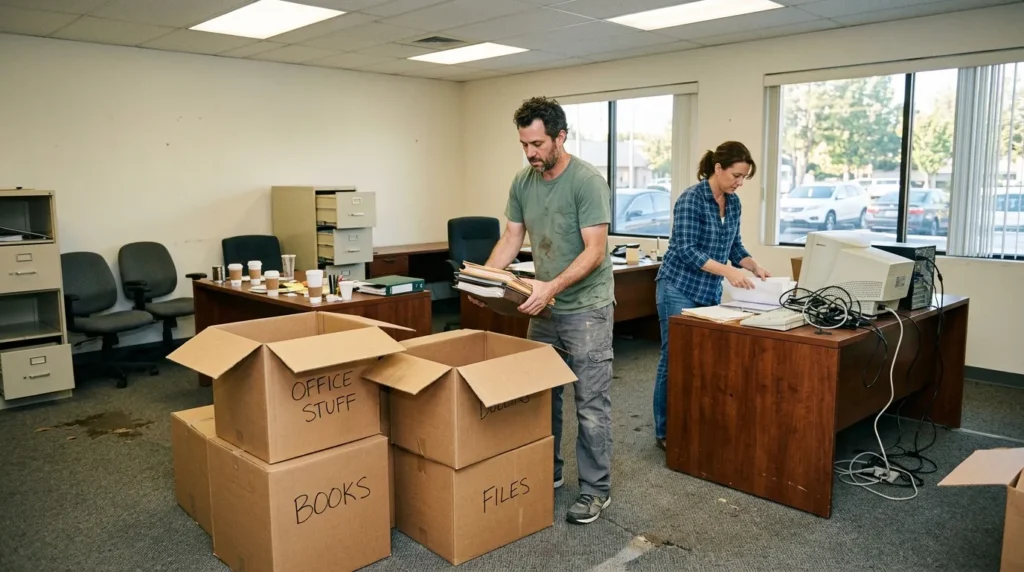
Workers may inspect furniture, household goods, tools, shelves, tables, chairs, and other items to see whether they are safe and useful. For example, a working desk with minor scratches may still be suitable for another home or office. A storage cabinet with working doors may also be reused instead of broken down for its materials.
Items that need only small repairs may sometimes be passed to repair businesses or reuse groups. However, companies must consider the cost of repairs and whether the item meets safety requirements.
Separating reusable goods helps reduce the need to make new products. It can also lower the amount of waste sent for recycling or disposal. Not every item can be reused, especially if it is badly damaged, unsafe, or affected by mold or pests.
3. Donating Furniture and Household Goods
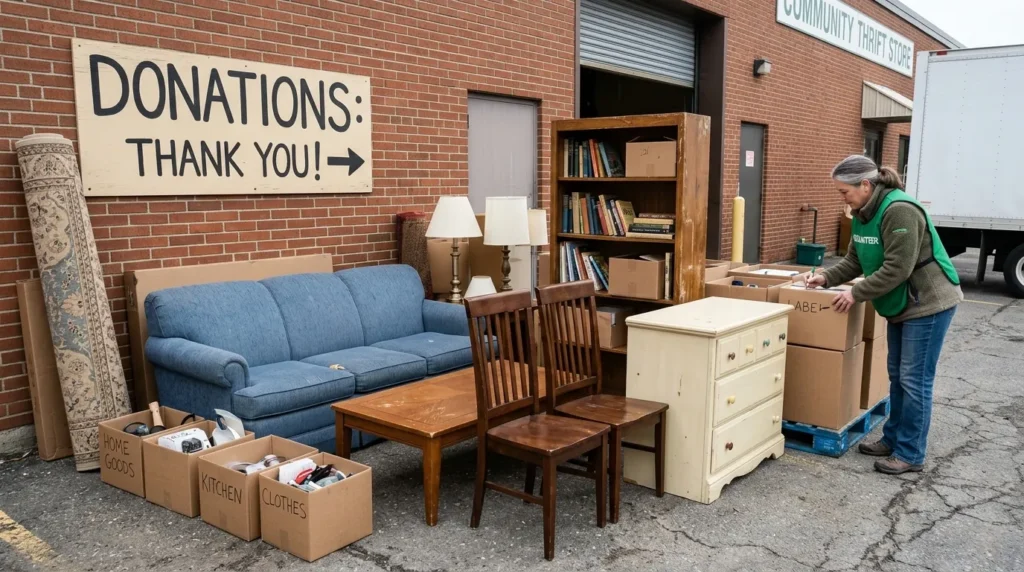
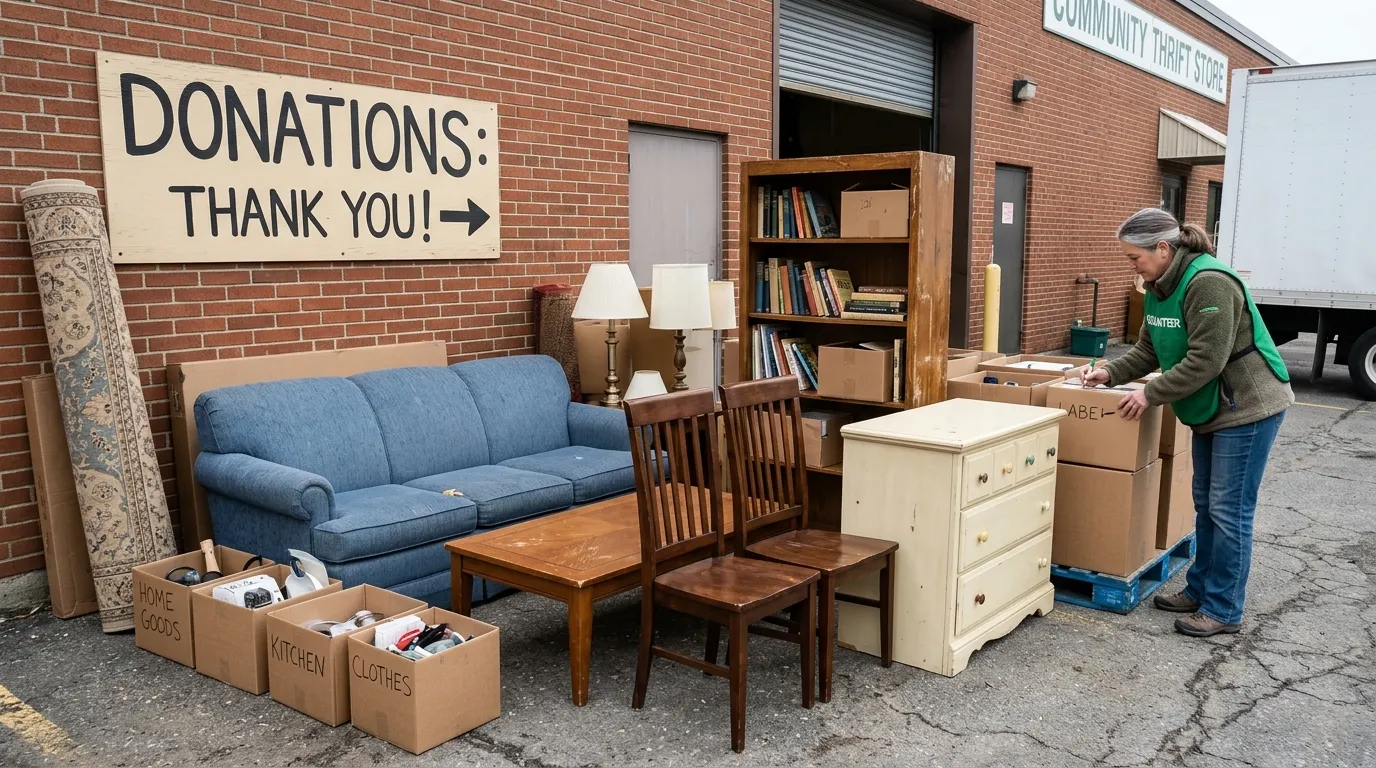
Some junk removal companies work with charities, donation centers, and community groups to pass on usable items. This allows furniture and household goods to help people who need them instead of being thrown away.
Common donation items may include tables, chairs, bookshelves, dressers, beds, kitchenware, and other household products. Some organizations may also accept office furniture, clothing, toys, and small appliances if they meet their rules.
Before donating an item, workers may check its condition. Furniture should generally be safe, clean, and suitable for use. Household appliances may need to be tested before they can be accepted. Items with serious damage, strong odors, or signs of pests may be refused.
Donation rules vary between organizations. Some accept only certain products, while others may have limited storage space or require items to be delivered at specific times. Junk removal companies may contact donation centers before sending items to them.
Donating usable goods can help local communities and reduce waste. However, companies cannot donate everything they collect, so damaged items may need another form of recycling or disposal.
4. Sorting Metal for Recycling
Metal is one of the main materials recovered from junk removal jobs. Many household and business items contain steel, aluminum, copper, or other metals that can be processed and used again.
Common examples include metal bed frames, filing cabinets, shelving units, broken tools, bicycle frames, and parts from old furniture. Appliances may also contain metal components that can be recovered through suitable recycling processes.
Workers may separate metal items from wood, plastic, fabric, and other materials. Some items can be recycled as they are, while others need to be taken apart at an approved facility. Metal recyclers may sort the materials further according to their type and quality.
Separating metal from other waste makes it easier for recycling facilities to process the material. It also helps reduce the need to extract new raw materials.
Not every metal item can be placed in the same recycling stream. Some products contain electronic parts, batteries, oils, or other materials that need special handling. Junk removal companies should identify these items and send them to suitable facilities rather than treating them as ordinary scrap metal.
5. Separating Electronic Waste
Electronic waste, often called e-waste, includes old computers, televisions, printers, monitors, phones, and other electronic equipment. These products may contain useful materials, but they can also contain substances that require careful handling.
Junk removal companies may separate electronics from regular household waste as soon as they identify them. Some devices may still work and could be suitable for reuse or donation. Others may need to go to an approved electronics recycling facility.
At specialist facilities, electronics can be inspected and taken apart to recover materials such as metals, plastics, and glass. The exact process depends on the type of device and the recycling equipment available.
Data security is also important when disposing of computers, phones, and storage devices. If a device contains personal or business information, it should be handled through a suitable data removal or destruction process before reuse or recycling.
Electronic waste should not automatically be placed in regular trash. Batteries and certain electronic components may require separate handling under local rules. Junk removal companies can help identify the correct route, but customers should ask how the company handles e-waste before arranging collection.
6. Recycling Wood and Timber
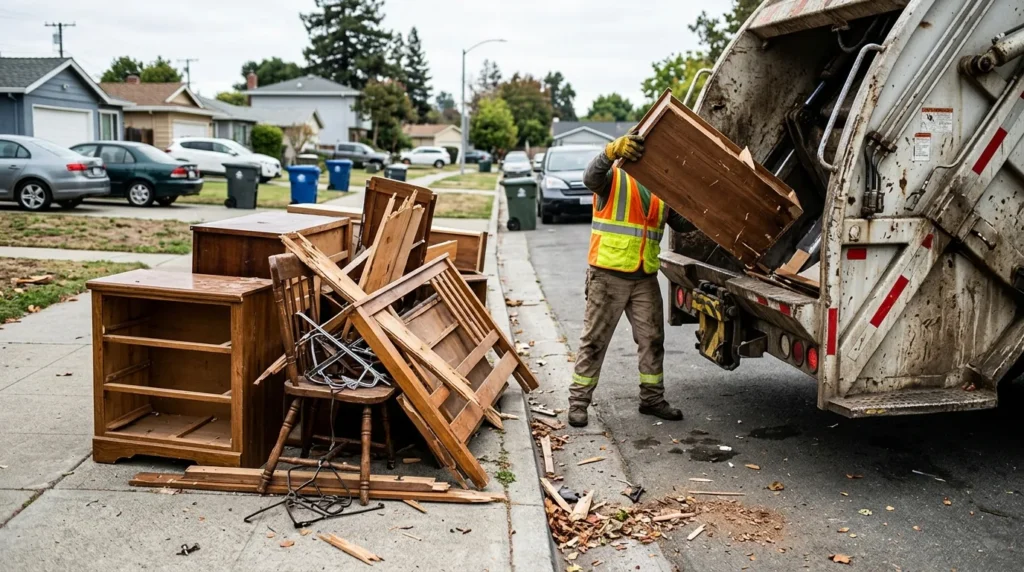
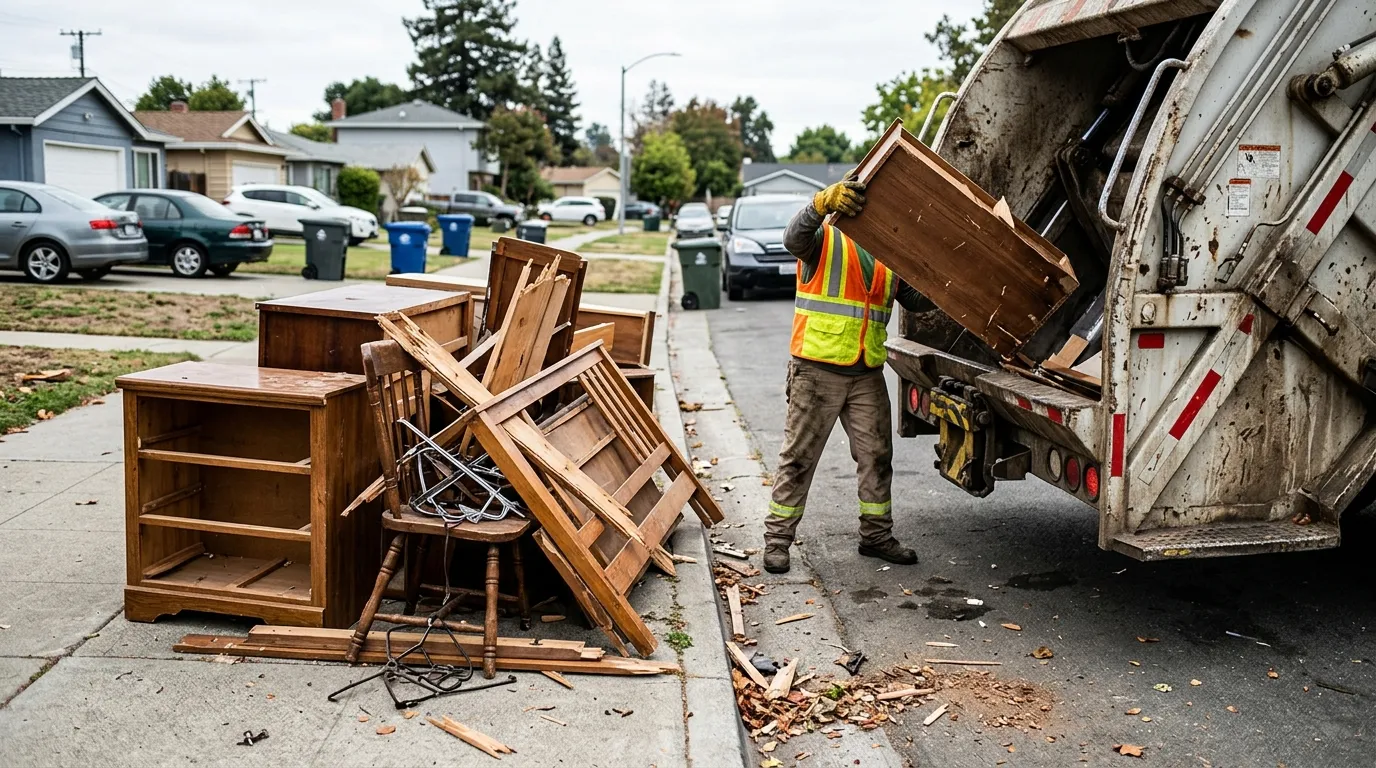
Wooden furniture and construction materials are common items collected by junk removal companies. These may include tables, chairs, cabinets, shelves, doors, bed frames, wooden pallets, and leftover timber.
Workers often check whether the wood is solid, clean, painted, treated, or mixed with other materials. This matters because different types of wood may be accepted by different recycling facilities.
Clean, untreated wood may be suitable for reuse, woodworking projects, or processing into wood chips. Some facilities may use suitable wood waste to make other wood products. However, painted, glued, treated, or engineered wood, such as MDF and particleboard, may have different requirements.
Before recycling wooden items, workers may remove metal hinges, screws, handles, glass panels, and other attached parts. Separating these materials can help each part reach the correct facility.
Wood that is rotten, badly contaminated, or treated with certain chemicals may not be suitable for ordinary wood recycling. Local facilities determine which materials they can accept.
By sorting wood properly, junk removal companies can recover useful materials and reduce the amount of furniture and timber sent to landfills.
7. Sorting Plastic and Cardboard
Plastic and cardboard are common materials found during home, office, and commercial cleanouts. Junk removal companies may collect cardboard boxes, packaging, plastic containers, storage bins, and other products made from these materials.
Cardboard is often separated from general waste because clean, dry cardboard can usually be recycled through suitable paper recycling programs. Wet, greasy, or heavily contaminated cardboard may not be accepted by some facilities.
Plastic requires more care because different types of plastic have different recycling requirements. Some containers can be recycled through local programs, while other plastic products may not be accepted. Large plastic storage bins, broken toys, and mixed-material products may need separate handling.
Workers may separate cardboard and suitable plastics from wood, metal, glass, and food waste. This helps prevent contamination and makes the materials easier to process.
Not all plastic and cardboard collected by a junk removal company will be recycled. The final decision depends on the material, its condition, local recycling rules, and the facilities available. Customers can ask the company which materials it accepts and where they are sent.
8. Handling Appliances Separately
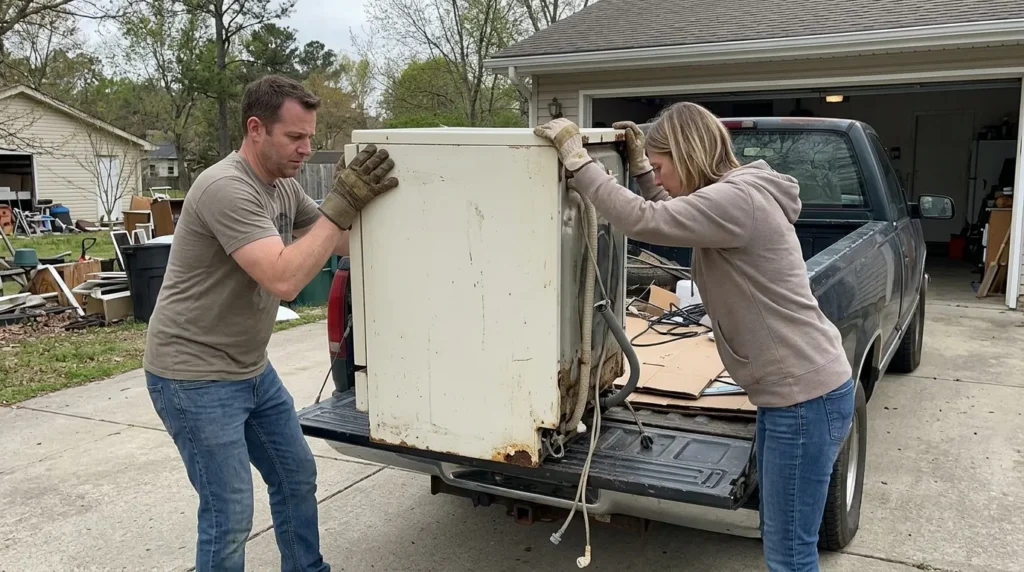
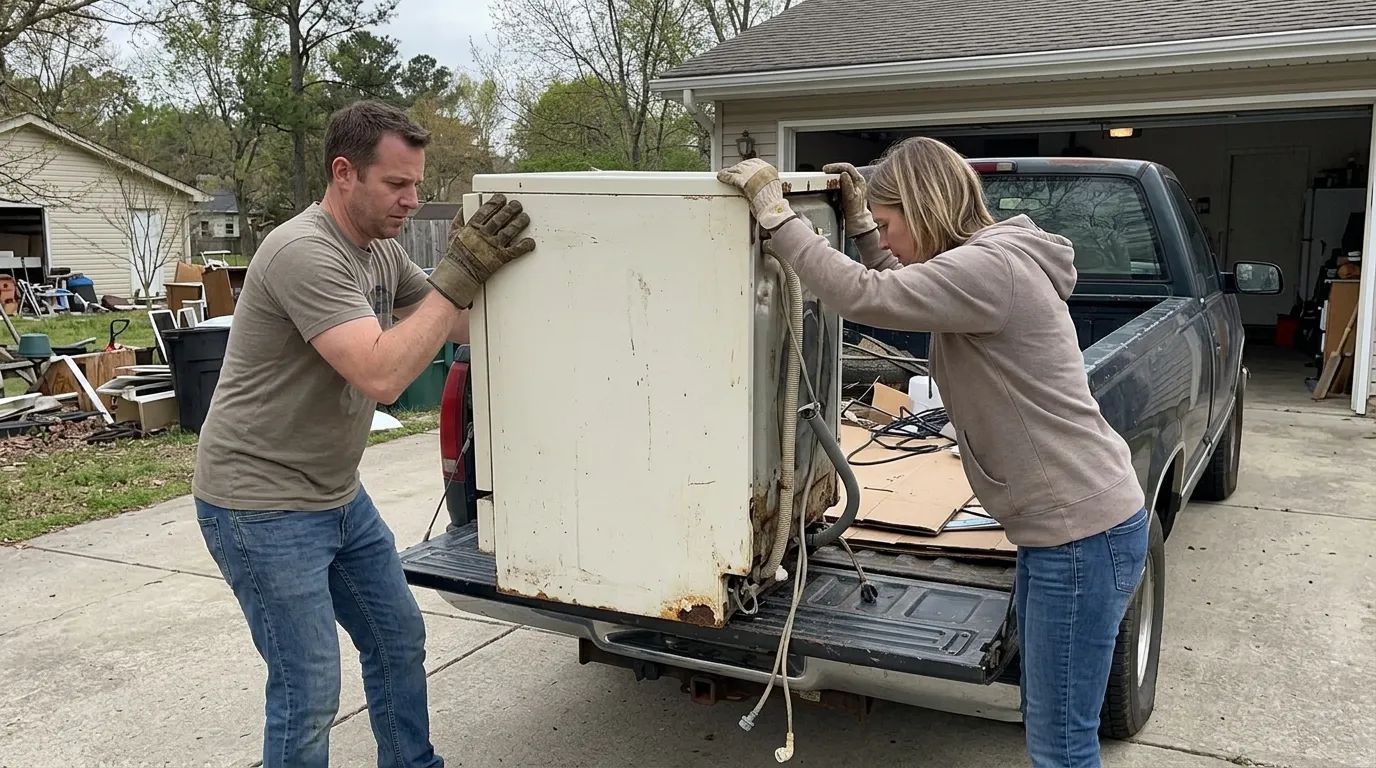
Large household appliances often need special handling because they contain a mix of materials and electrical components. Common examples include refrigerators, washing machines, dishwashers, ovens, dryers, and microwaves.
Junk removal companies may separate appliances from ordinary household waste during collection. If an appliance still works and is safe to use, it may be suitable for resale or donation. Broken appliances may be sent to an appliance recycling facility.
At a suitable facility, workers may recover metals and other materials. Some appliances also contain parts that require special treatment. Refrigerators and freezers, for example, may contain refrigerants that must be handled by trained workers using approved methods.
Appliances should be disconnected and prepared according to the removal company’s instructions. Water and electrical connections may need to be handled by a qualified person. Customers should not attempt to remove hazardous components themselves.
Before booking a service, ask whether the company accepts the type of appliance you have. Also, check whether the price includes carrying it out, transportation, and any special recycling or disposal fees.
9. Identifying Hazardous Materials
Some items collected during junk removal cannot be handled like ordinary household waste. They may contain chemicals or other materials that could harm people or the environment if they are handled or disposed of incorrectly.
Examples may include paint, solvents, pesticides, certain cleaning chemicals, motor oil, fuel, batteries, fluorescent lamps, and some building materials. Asbestos-containing materials may also require specialist handling.
Junk removal workers may identify these items during the initial inspection or while sorting a load. If a company does not accept a particular hazardous item, it may ask the customer to contact a specialist service or local household hazardous waste program.
Some items need separate containers, special transport, or treatment at an approved facility. They should not be mixed with ordinary recycling materials because they can create safety risks or contaminate other waste.
If you have hazardous products to remove, tell the company before booking. Do not hide them inside boxes or furniture. The company can explain which items it accepts and where the remaining materials should go.
Local rules vary, so check your local waste department for instructions on handling hazardous household waste.
10. Sending Waste to Recycling Facilities
After the sorting process, suitable materials are sent to facilities that can process them. Different facilities handle different types of waste, so junk removal companies may work with several recycling partners.
For example, scrap metal may go to a metal recycler, electronic devices may go to an e-waste facility, and suitable wood may go to a wood processing center. Cardboard and accepted plastics may be sent to facilities that prepare them for further recycling.
At these locations, materials may go through additional sorting, cleaning, shredding, or processing. Metals can be prepared for melting, while suitable paper and cardboard may be turned into pulp. Some plastics can be processed into material for new products.
The exact process depends on the type of material and the equipment used at the facility. Recycling is not guaranteed for every item, even if a company separates it from general waste. Some materials may be rejected because they are contaminated, mixed with other products, or not accepted by the facility.
If recycling is a priority for you, ask the junk removal company how it sorts waste and which types of materials its partners accept. A clear answer can help you choose a service that fits your needs.
11. Removing Items That Cannot Be Recycled
Not every item collected by a junk removal company can be reused or recycled. Some products are too damaged, contaminated, or difficult to separate into useful materials. Others may be made from mixed materials that local facilities cannot process.
Examples can include badly damaged furniture, contaminated fabrics, broken products made from several bonded materials, and certain types of treated wood. The items that cannot be recycled will depend on local facilities and their rules.
Once reusable and recyclable materials have been separated, the remaining waste may be sent to an approved disposal facility. Some items may need special treatment before disposal.
A responsible company should follow local waste rules and use approved facilities. It should also be clear about what happens to items that cannot be recycled.
Customers can help by telling the company about unusual or potentially hazardous items before collection. This allows the company to plan the right handling method and avoid problems during removal.
Although some waste may still need disposal, careful sorting can help reduce the amount sent to landfills.
12. Reducing Landfill Waste
One of the main benefits of sorting items for recycling is reducing the amount of waste sent to landfills. Landfills take up space, and some materials can remain there for many years. Recovering useful materials can help reduce the need for disposal and support better use of resources.
Junk removal companies can reduce landfill waste by identifying reusable furniture, separating metal, sending suitable electronics to specialist recyclers, and recovering wood, cardboard, and accepted plastics.
Donation and reuse can also play a major role. A working appliance or a usable table may serve another person instead of being discarded. Even when an item cannot be reused as a complete product, some of its materials may still be recovered.
However, the amount of waste diverted from landfills depends on the items collected, their condition, and the local recycling options. Some loads contain materials that cannot be recycled through available services.
If you want to reduce waste during a home or office cleanout, ask your junk removal company about its recycling and donation practices. You can also separate reusable items before collection and keep hazardous materials apart from ordinary waste.
How to Choose a Junk Removal Company That Recycles
If recycling matters to you, it is worth asking a few questions before hiring a junk removal company. Not every company sorts waste in the same way, and some may offer more recycling or donation options than others.
Start by asking what happens to your items after collection. Find out whether the company separates reusable goods, works with charities, and sends suitable materials to recycling facilities. You can also ask how it handles electronics, appliances, batteries, and hazardous products.
Next, check the price. Some companies include sorting and disposal in their standard fee, while others may charge extra for certain materials. Ask for a clear quote so you know what the service includes.
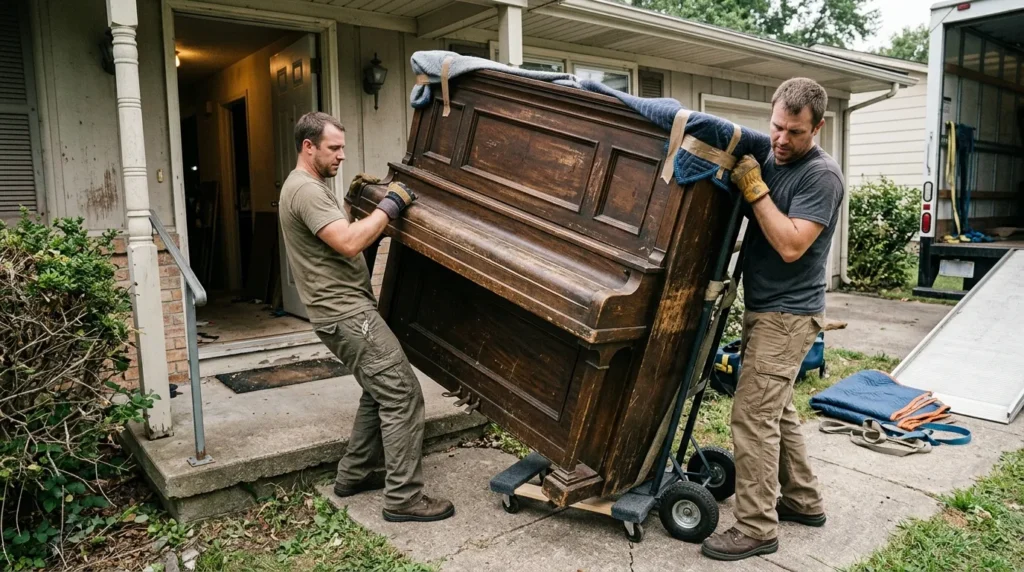
You should also check customer reviews and confirm that the company serves your area. If you have large or heavy items, ask whether the team will carry them out of your home or whether you need to move them to a collection point.
A good company should explain its services clearly and tell you which items it can and cannot accept. Asking these questions can help you find a service that removes your unwanted items while making a reasonable effort to reuse and recycle suitable materials.
Final Thoughts
Junk removal companies sort items for recycling by checking their condition, separating different materials, and sending each item to a suitable destination. Some goods can be reused or donated, while others may be processed for metal, wood, plastic, cardboard, or electronic material recovery.
Hazardous items and certain appliances need special handling, and waste that cannot be reused or recycled may still require approved disposal. The exact process depends on the company, the materials collected, and the local facilities available.
Before hiring a junk removal service, ask how it handles your items and whether recycling or donation is included. Choosing a company that sorts waste carefully can help you clear unwanted items while reducing avoidable waste.