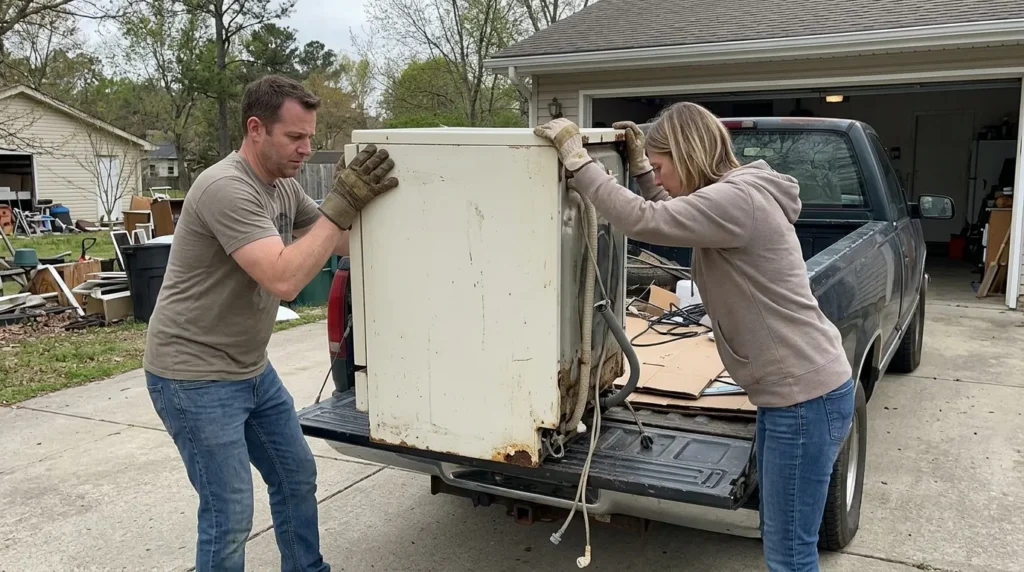
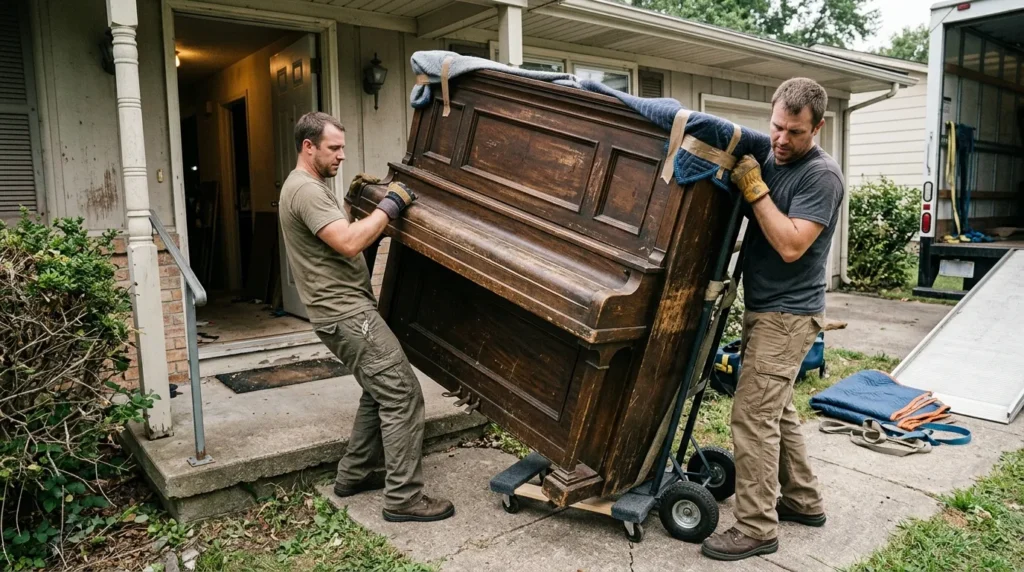
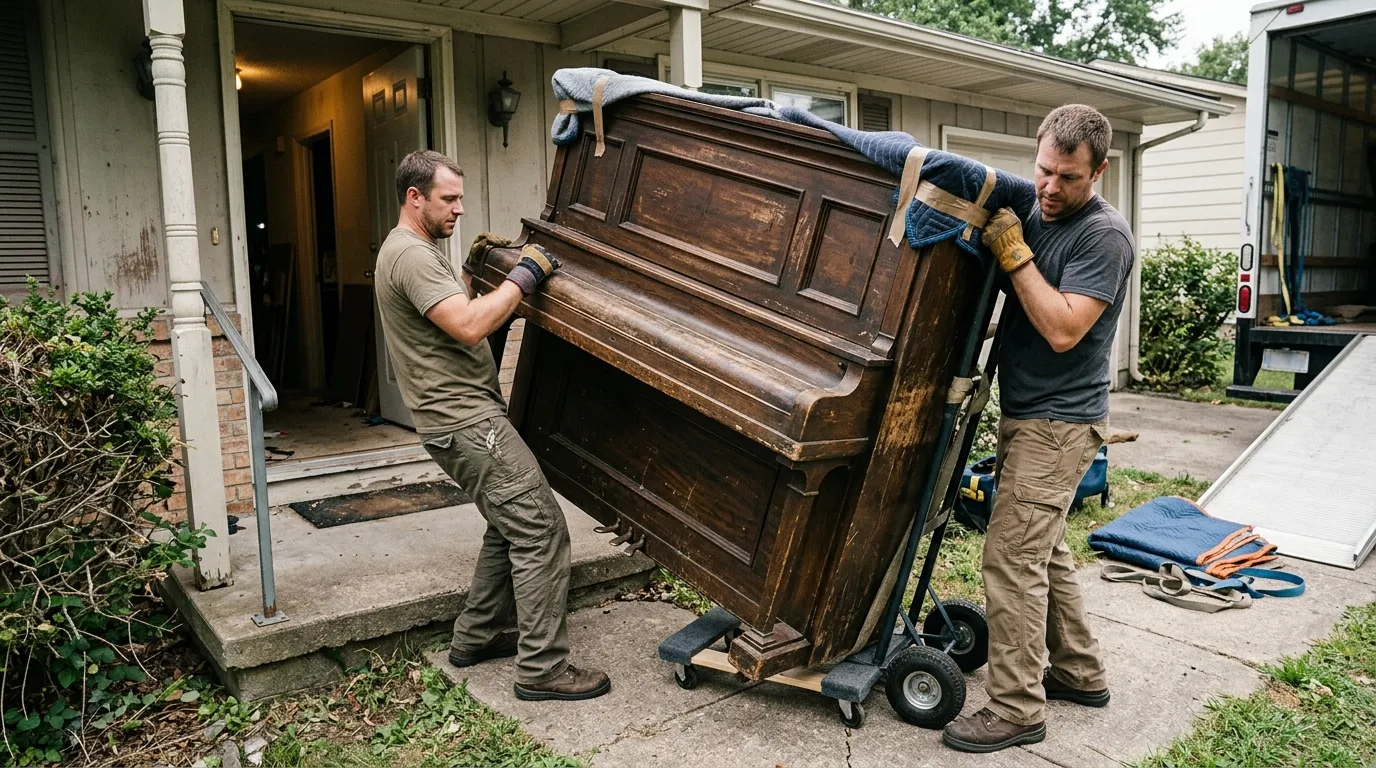
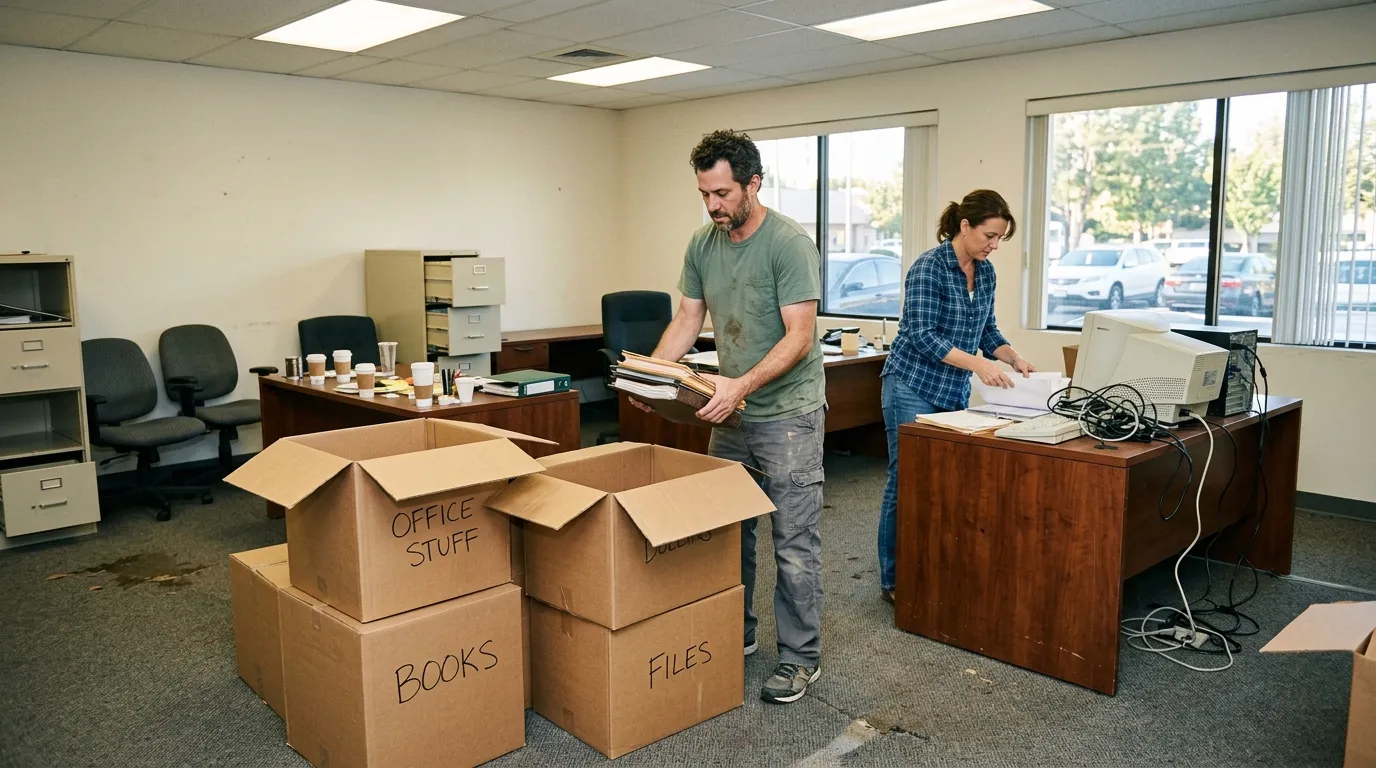
When you hire a junk removal service to clear out unwanted furniture, the items do not always go straight to a landfill. Furniture that is still in good condition may be donated, reused, resold, or given to people who need it.
Items such as sofas, tables, chairs, desks, dressers, bookshelves, and bed frames can often have another use. Junk removal companies may sort furniture after collecting it and send usable pieces to charities, thrift stores, furniture banks, community groups, or other organizations.
The exact process depends on the condition of the furniture, local donation rules, and what organizations in the area accept. Here are some common places where donated furniture may go after junk removal.
1. Local Charities and Nonprofit Organizations
Local charities are one of the common destinations for usable donated furniture. These organizations may accept furniture and use it to support people and families who need help.
For example, a charity may receive a donated sofa and give it to a family moving into a new home. It may also provide tables, chairs, beds, or storage furniture to people who cannot afford to buy them.
Some charities sell donated furniture through their own stores. The money raised from these sales can help fund food programs, housing support, clothing assistance, or other community services.
Before donating furniture, it is important to check the charity’s rules. Some organizations only accept clean furniture in good condition. Others may have rules about the size, age, or type of furniture they accept.
2. Community Centers and Local Groups
Community centers can also benefit from donated furniture. These organizations may use tables, chairs, desks, shelves, and other items in rooms used for meetings, classes, events, and activities.
A community group may need furniture but have a limited budget. Receiving used furniture can help the group set up its space without spending a large amount of money.
Furniture can also go to neighborhood organizations, youth groups, cultural centers, and other community programs. In these cases, the furniture may stay within the local area and continue to be used by residents.
3. Schools and Educational Organizations
Schools and educational groups may accept certain types of used furniture. Desks, chairs, tables, bookshelves, cabinets, and storage units can be useful in classrooms, offices, libraries, activity rooms, or community learning spaces.
Some schools have limited budgets for furniture and supplies. Donated items can give them extra furniture without requiring them to purchase everything new.
However, schools may have specific safety and condition requirements. Furniture that is damaged, unstable, heavily worn, or unsafe may not be accepted.
Junk removal companies and donors should check with the school or organization before sending furniture there. This prevents unwanted items from being delivered to a place that cannot use them.
4. Shelters and Housing Support Programs
Furniture can be especially useful for shelters and housing support programs. People moving into temporary or permanent housing may need basic furniture to make their homes functional.
A shelter or housing organization may need beds, sofas, tables, chairs, dressers, and other household items. Donated furniture can help people set up a home without having to buy everything themselves.
For example, someone moving from temporary accommodation into a new apartment may need a bed and table. A housing support organization may be able to provide these items through donations.
Because shelters often have limited storage space, they may only accept furniture that they currently need. Always check their donation requirements before sending large items.
5. Thrift Stores and Resale Shops
Some donated furniture goes to thrift stores or resale shops. These stores sell used items to customers at lower prices than many new furniture stores.
A furniture item that is no longer needed by one person may be useful to someone else. A used dining table, office desk, bookshelf, or chair can have plenty of life left in it.
The money from furniture sales may support a charity or nonprofit organization, depending on the store. This gives the furniture a second use while also helping fund community programs.
Not every piece of furniture will be accepted. Stores may reject items with major damage, stains, strong odors, missing parts, or safety problems.
6. Families and Individuals in Need
Some donated furniture may be given directly to individuals or families who need it. This can happen through charities, community groups, furniture banks, donation networks, or local programs.
People who are moving into a new home may need basic furniture but may not have enough money to buy it. Donated furniture can help them create a comfortable living space at little or no cost.
Furniture may also help people who have experienced difficult situations, such as losing their home or moving into a new apartment after temporary housing.
The condition of the furniture matters. Donated items should be clean, safe, and suitable for normal use. Giving someone damaged or unsafe furniture does not provide useful help.
7. Community Reuse Programs
Community reuse programs help keep usable items in circulation instead of throwing them away. These programs may collect furniture and connect it with people, organizations, or businesses that can use it.
A reuse program may accept an old office desk and find another organization that needs desks. It may also collect household furniture and make it available to local residents.
This process can reduce waste because the furniture does not need to be replaced with a new item immediately. It also gives people access to used furniture that may cost less than buying new products.
Reuse programs can have different rules, so it is worth checking what types of furniture they accept and how the donation process works.
8. Furniture Banks and Donation Centers
Furniture banks are organizations that collect and distribute used furniture to people who need basic household items. They can be an important link between people getting rid of furniture and people who need it.
A furniture bank may collect items such as beds, tables, chairs, sofas, dressers, and other household furniture. The items are then sorted and distributed through the organization’s programs or partner agencies.
Donation centers can work in a similar way. Some accept furniture directly from residents, while others work with charities, businesses, and removal companies.
The furniture usually needs to meet certain standards. Clean and usable furniture has a better chance of being accepted than heavily damaged or worn-out pieces.
9. Businesses and Offices That Need Used Furniture
Donated furniture does not always go to households. Some items can be useful to other businesses, offices, startups, community organizations, and small companies.
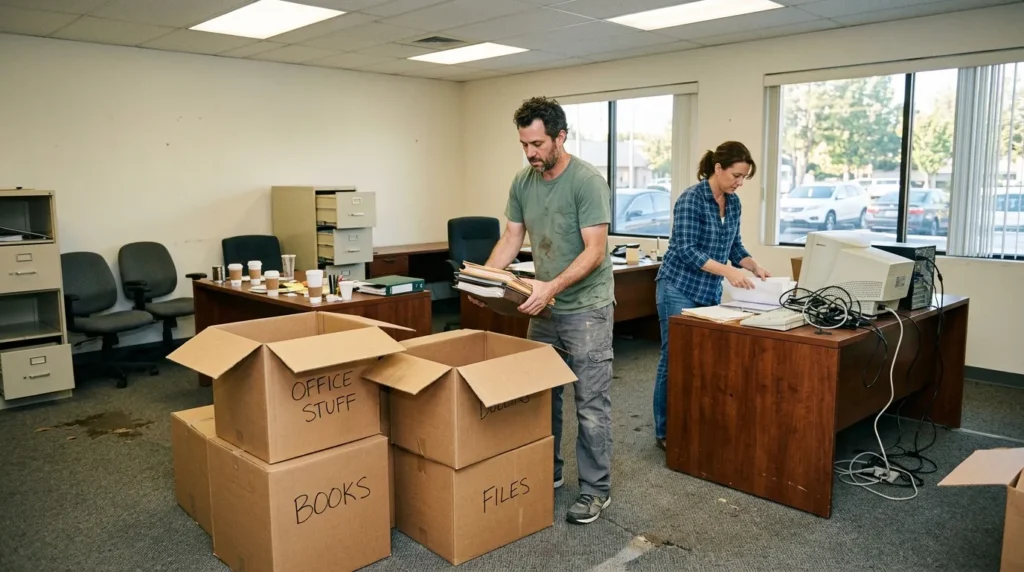
For example, a company replacing its office furniture may have desks, chairs, filing cabinets, and shelves that are still in good condition. Another organization may need these items but have a smaller budget.
Reusing office furniture can help reduce the amount of usable material that gets thrown away. It can also help another organization furnish its workspace at a lower cost.
Some furniture may be sold instead of donated, while other pieces may be transferred directly to another business or nonprofit group.
10. Recycling Facilities When Furniture Cannot Be Reused
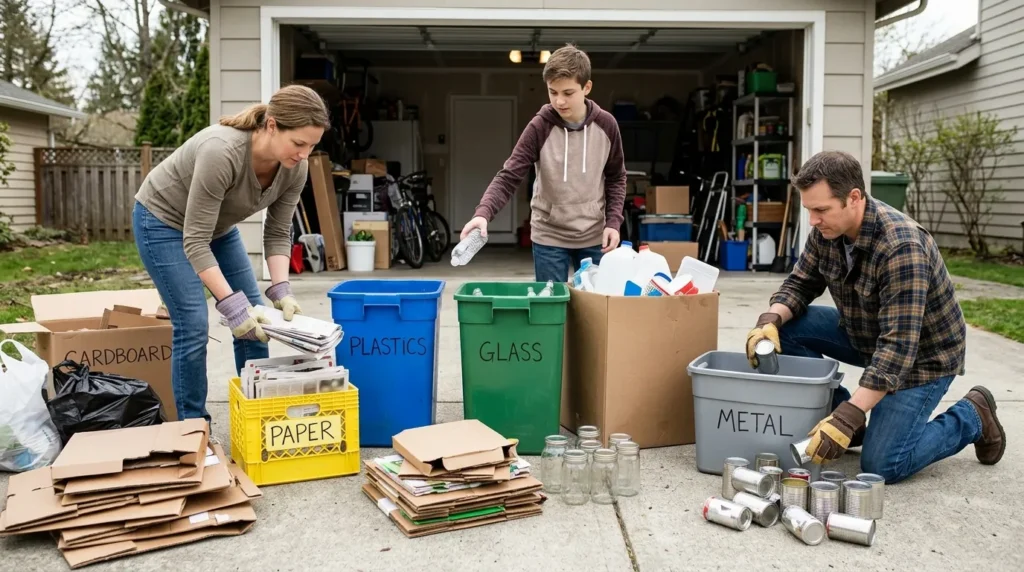
Not every piece of furniture can be donated. Some items are too damaged, broken, stained, or unsafe to be used again.
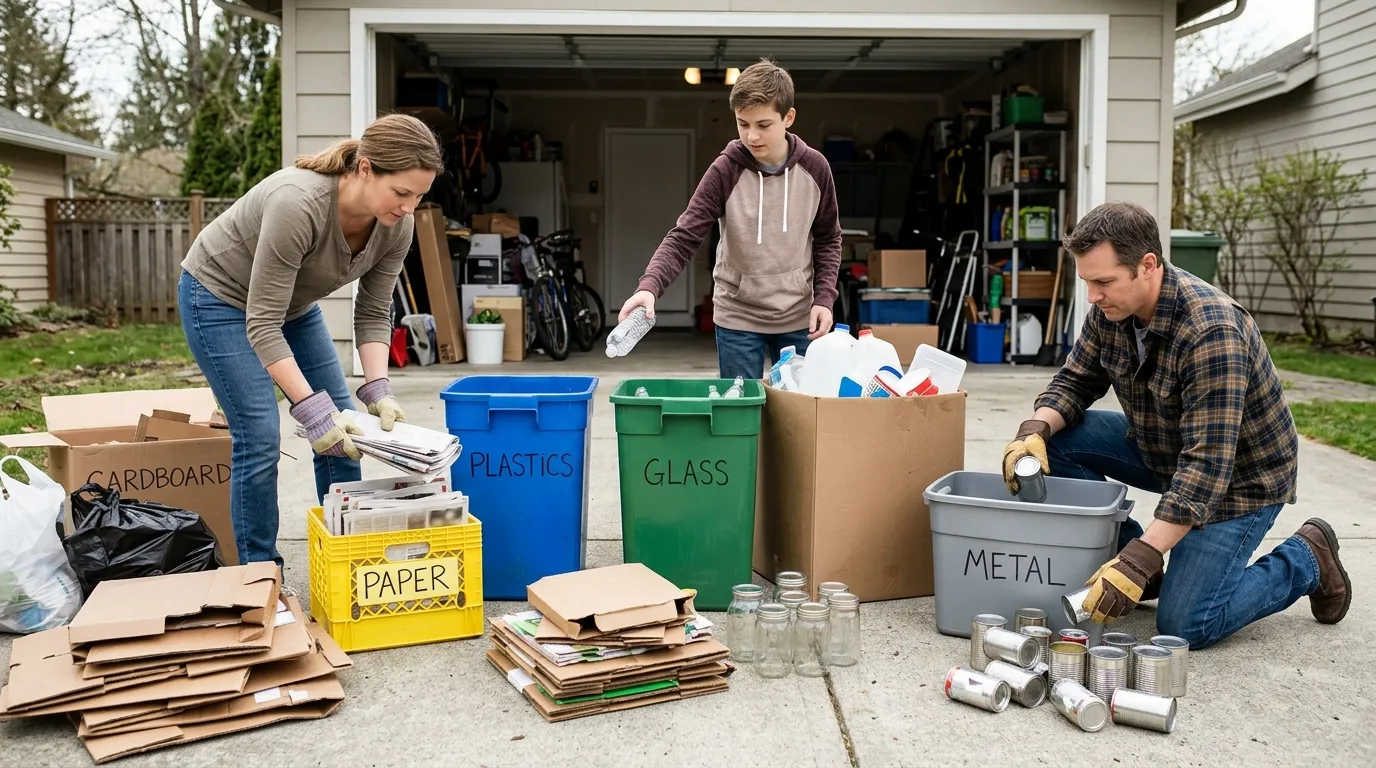
When furniture cannot be reused, parts of it may still be recyclable. Depending on the item and local recycling rules, materials such as metal, wood, cardboard, and some plastics may be separated and processed.
For example, a metal filing cabinet may be sent for metal recycling. Parts of a wooden item may be processed separately if they meet the requirements of the recycling facility.
Furniture that contains mixed materials can be harder to recycle. Mattresses, upholstered furniture, treated wood, and certain other items may have special disposal rules.
The goal is to find the most suitable option for each item rather than sending everything to general waste.
How Junk Removal Companies Decide Where Furniture Goes?
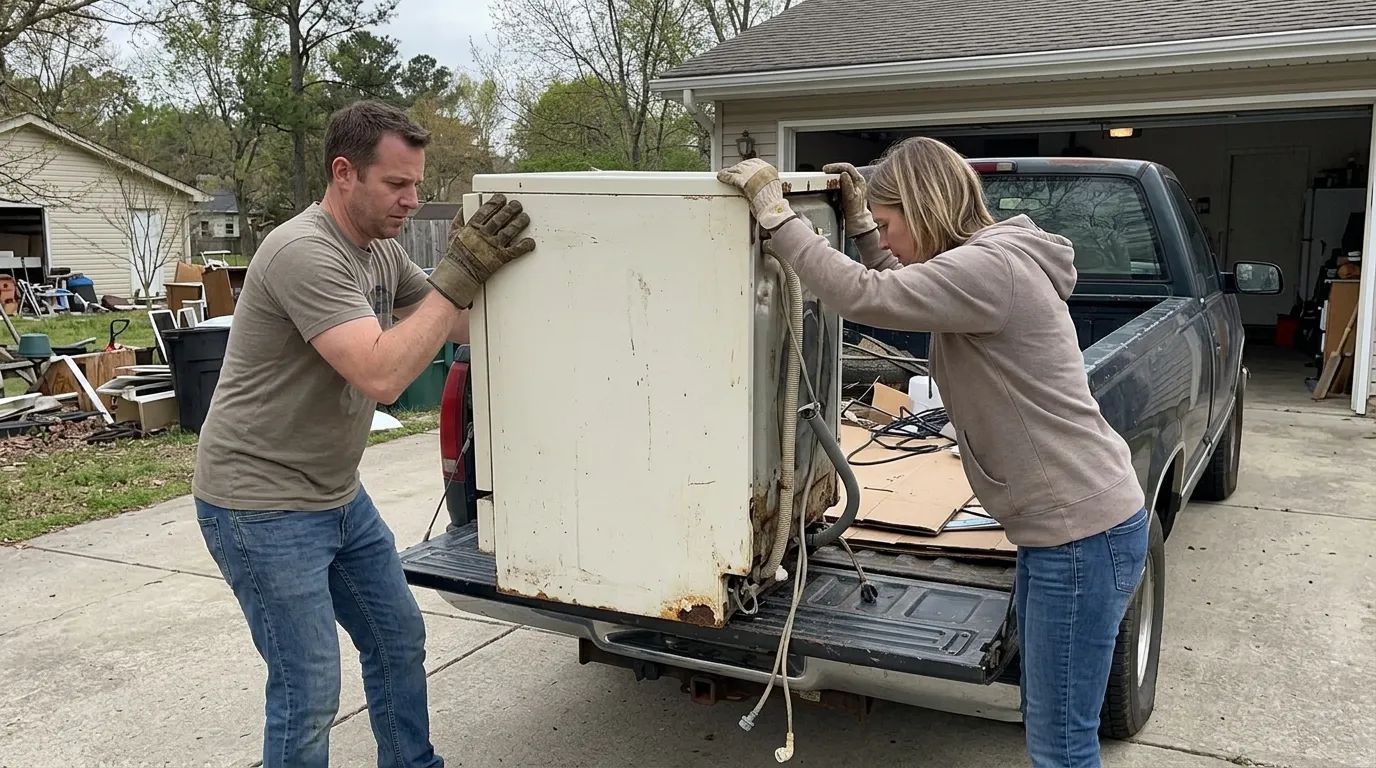
When a junk removal company collects furniture, the items may be sorted based on their condition and potential use. A clean and usable sofa may be considered for donation, while a broken chair may be sent for recycling or disposal.
The company may also consider whether a local charity, thrift store, or other organization currently accepts the item. Donation organizations often have limited storage space, so they cannot accept every piece of furniture.
Some junk removal companies work with local charities and reuse organizations. Others take items to different facilities based on their material and condition.
If donating your furniture is important to you, ask the junk removal company about its donation process before booking the service. Ask whether usable furniture is donated, where it is taken, and what happens to items that cannot be donated.
What Furniture Is Usually Suitable for Donation?
Furniture that is clean, safe, and in good working condition is generally more suitable for donation. Examples include:
- Sofas and chairs without major damage
- Dining tables and chairs
- Desks
- Bookshelves
- Dressers
- Bed frames
- Cabinets
- Storage units
- Office chairs
- Small tables
Before donating, check for broken parts, deep stains, mold, strong odors, pests, and other problems. Organizations may reject furniture that requires expensive repairs or cleaning.
What Happens to Furniture That Cannot Be Donated?
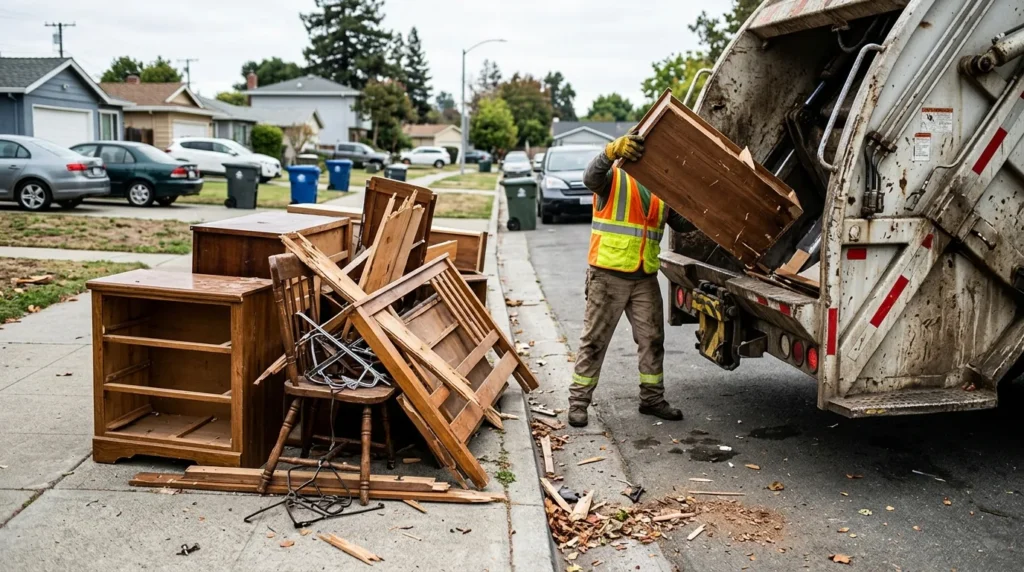
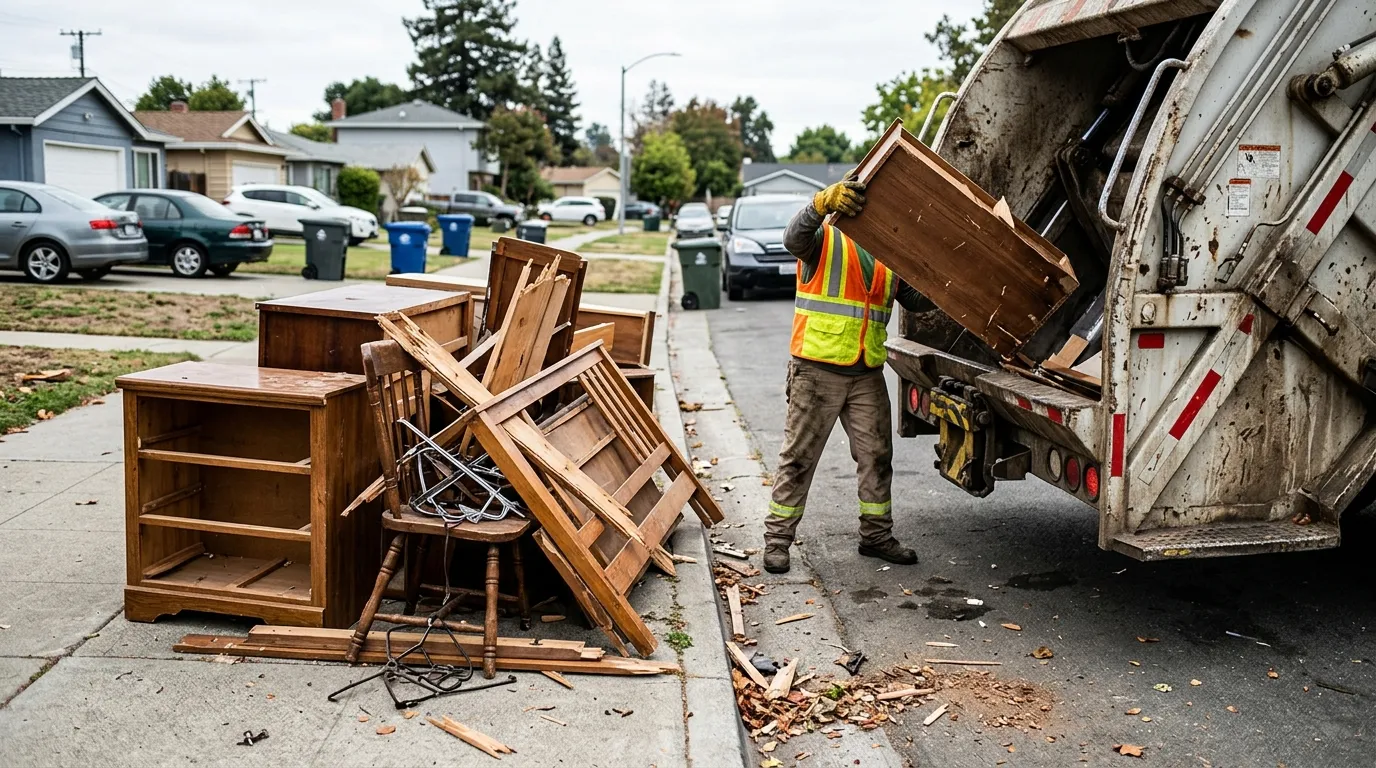
If furniture is too damaged for donation, it may be recycled or disposed of according to local waste rules. Some items can be broken down into separate materials, while others may need special handling.
For this reason, it is useful to ask a junk removal company how it handles furniture that cannot be donated. A company that sorts items can help make sure usable furniture is given another use and recyclable materials are sent to the correct facility.
Final Thoughts
Donated furniture can have a useful life long after its original owner no longer needs it. Depending on its condition and local programs, furniture collected during junk removal may go to charities, community centers, schools, shelters, thrift stores, families, furniture banks, businesses, or recycling facilities.
The most important step is to make sure the furniture is clean, safe, and usable before trying to donate it. If you are using a junk removal company, ask what happens to donated items after collection. This can help you choose the right service and make sure usable furniture has a chance to benefit someone else instead of becoming waste.
Also Read: Office Cleanout Checklist For Businesses
Use up and down arrow keys to resize the meta box pane.
Use up and down arrow keys to resize the meta box pane.