An old dishwasher can take up space in your kitchen, garage, or storage area. If your dishwasher has stopped working, leaks water, or no longer cleans dishes properly, you may want to replace it with a new one. However, you should not simply leave it outside or put it in your regular trash without checking local rules. Dishwashers contain metal, plastic, electrical parts, and other materials that may need special handling.
The good news is that there are several ways to dispose of an old dishwasher. You can recycle it, take it to a local recycling center, hire a junk removal company, or give it away if it still works. Here are some simple ways to get rid of an old dishwasher safely and responsibly.
1. Recycle Your Dishwasher
Recycling is one of the best ways to dispose of an old dishwasher. These appliances contain materials such as steel, aluminum, copper, and plastic that can be recovered and used to make new products. Instead of sending the entire dishwasher to a landfill, recycling allows some of these materials to be used again.
Start by contacting a local appliance recycling service or waste management company. Ask whether they accept old dishwashers and if they offer pickup from your home. Some services may collect large appliances for a fee, while others may accept them at a recycling center.
Before recycling your dishwasher, remove any dishes, racks, and personal items from inside it. Do not take apart electrical parts or cut wires unless you have the right skills. A recycling service can explain how to prepare the appliance for collection. Also, check whether the company requires the dishwasher to be disconnected before pickup.
2. Take It to a Recycling Center
Taking your old dishwasher to a recycling center is another option. Many recycling facilities accept large household appliances and send them to specialist plants where useful materials can be recovered. This can be a good choice if you have a suitable vehicle and can transport the dishwasher yourself.
Start by searching for appliance recycling centers in your area. Contact the facility before visiting to confirm that it accepts dishwashers. Ask about opening hours, drop-off rules, and any fees. Some centers accept certain appliances for free, while others charge a disposal fee.
You should also ask whether the dishwasher needs to be disconnected and drained before arrival. If you need to transport it yourself, make sure it is secured properly in your vehicle. A dishwasher can be heavy, so ask someone to help you lift it. Avoid carrying it alone, especially if you have to move it down stairs.
3. Hire Junk Removal Services
If you do not have a vehicle or cannot move your old dishwasher, a junk removal company may be the easiest choice. These companies collect unwanted household items and take them to suitable recycling or disposal facilities. Many offer pickup from homes, apartments, and garages.
Contact a few junk removal companies in your area and ask whether they remove dishwashers. Explain whether the appliance is located in the kitchen, basement, or another part of the property. Let them know if there are stairs, narrow hallways, or other access problems. This information can help them give you an accurate price.
Before booking, ask what the fee includes. Some companies include labor, transportation, and disposal in one price. Others may charge extra for stairs or difficult access. You should also ask where the dishwasher will go after collection. A company that sends suitable appliances to recycling is often a better choice than one that disposes of everything as general waste.
4. Contact Local Waste Facilities
Your local waste management department may offer a way to dispose of an old dishwasher. Some cities and towns have special collection services for large household appliances. Others allow residents to take appliances to a local waste facility or recycling site.
Visit your city or county waste department’s website to check the rules for large appliances. You can also call the department and ask whether dishwashers are accepted. Find out if you need to book a collection, pay a fee, or follow special preparation steps.
Do not assume that your regular household waste service will collect the dishwasher. Large appliances often have different disposal rules from everyday trash. Leaving one beside a bin or on the roadside without permission may lead to problems. Checking local rules first can help you avoid extra costs and make sure the appliance is handled properly.
5. Donate a Working Dishwasher
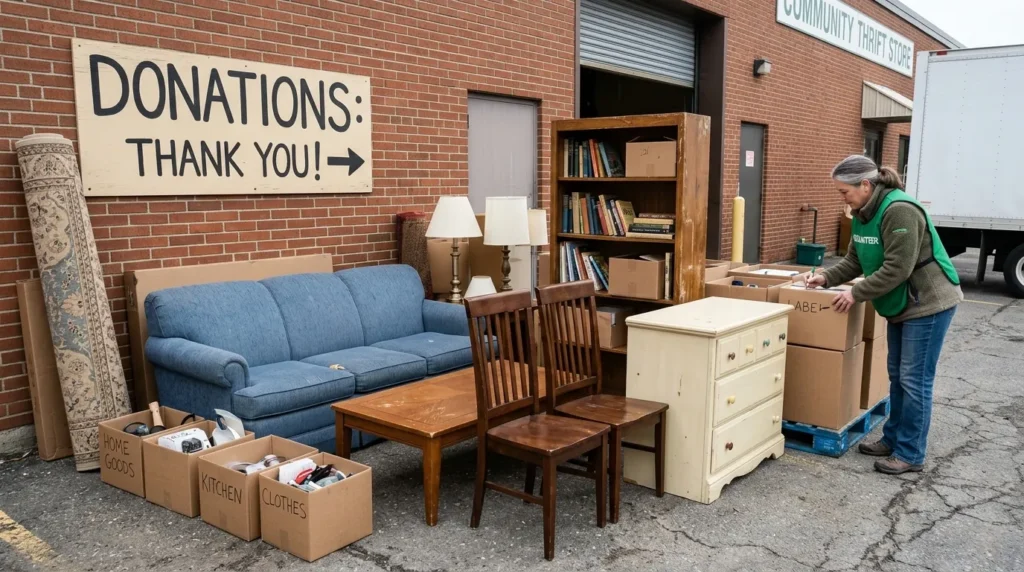
If your dishwasher still works well, donating it may be a good option. Someone else may be able to use it instead of buying a new one. Local charities, community groups, and organizations that help families may know people who need a working appliance.
Before donating, check that the dishwasher runs properly and does not have serious leaks or electrical problems. Clean the inside and remove food remains, soap residue, and dirt. Be honest about its age, condition, and any known faults.
Contact the charity or organization before taking the dishwasher to them. Some groups accept large appliances, while others do not have the space or staff to handle them. Ask whether they offer pickup or expect you to deliver it. You may also need to provide the dishwasher’s size and model details.
If no charity can accept it, consider contacting a local community group or a reuse organization. A working dishwasher may be useful to someone who is setting up a home or replacing a broken appliance.
6. Sell Your Old Dishwasher
Selling your old dishwasher can help you earn some money and reduce the cost of buying a replacement. You may be able to sell it even if it is older, as long as it still works and is in reasonable condition. Some buyers look for affordable appliances for rental properties, small homes, or temporary use.
You can list your dishwasher on online marketplaces such as Facebook Marketplace or Craigslist, where available. Include clear photos of the front, inside, control panel, and model label. Write a short description that covers its brand, age, size, condition, and any known issues.
Set a fair price by checking similar dishwashers for sale in your area. If the appliance is several years old, you may need to ask for less than the price of newer used models. Be honest about any faults so buyers know what they are getting.
Make it clear whether the buyer must collect the dishwasher. Large appliances can be expensive to transport, and moving costs may affect how much someone is willing to pay. Do not arrange a sale until you know how the appliance will be safely disconnected and collected.
7. Give It Away for Free
If your old dishwasher works but you do not want to sell it, giving it away for free is another simple option. This can help someone who needs an affordable appliance while saving you the time and effort of arranging disposal.
You can post a free listing on an online marketplace or in a local community group. Include a photo, the dishwasher’s age, its working condition, and its location. Explain whether the person collecting it needs to bring tools or arrange professional removal.
If the dishwasher has a minor issue, describe it clearly. For example, mention if one rack is damaged or a button does not work. Do not advertise a dishwasher as fully working if you have not tested it or know that it has a fault.
Before someone collects it, arrange a suitable time and make sure there is enough space to remove it safely. The person taking it should know whether they need to bring a suitable vehicle and another person to help lift it. If it is still connected to water and electricity, arrange safe disconnection before moving it.
8. Use Retailer Take-Back Services
Some appliance retailers offer take-back or recycling services when customers buy a new dishwasher. This can be useful because you may be able to arrange delivery of the new appliance and removal of the old one at the same time.
When buying a replacement dishwasher, ask the retailer whether old appliance removal is available. Check whether the service is included in the purchase price or costs extra. You should also confirm whether the retailer will remove the old dishwasher from its current location or only collect it from a specific delivery point.
Ask about preparation rules before the delivery date. The old appliance may need to be disconnected from the water supply and electricity before the removal team arrives. Some retailers offer installation and disconnection services, but these may cost extra.
Read the service terms carefully. A retailer may only collect an appliance of the same type as the new product, and access restrictions may apply. Booking the service in advance can help prevent delays on delivery day.
9. Contact Scrap Metal Dealers
An old dishwasher contains metal parts that may have value as scrap. If the appliance is no longer usable, a scrap metal dealer may accept it for recycling. This can be a useful option when you want to get rid of a broken dishwasher without sending all its materials to general waste.
Contact scrap metal yards in your area and ask whether they accept complete dishwashers. Some dealers accept whole appliances, while others only take certain materials or require appliances to be prepared first. Ask if they charge a fee, offer free drop-off, or pay for accepted metal.
Keep in mind that a dishwasher is made of more than metal. It also contains plastic parts, wiring, electronic components, and other materials. The dealer may need to send it to a specialist facility for proper processing.
Do not dismantle the dishwasher just to reach the metal unless you know how to do so safely. Sharp edges, electrical parts, and heavy components can cause injuries. Let a qualified service handle the work if the appliance needs to be taken apart.
10. Check Local Disposal Rules
Before disposing of your old dishwasher, check the rules in your city or town. Requirements can vary by location, and some areas have special rules for large electrical appliances. Knowing these rules can help you choose the right service and avoid fines or extra fees.
Start with your local waste management website. Look for information about large appliances, electrical waste, recycling centers, and bulky item collection. If the information is unclear, contact the waste department directly.
Ask whether dishwashers can go to a local landfill, whether recycling is required, and whether a collection appointment is needed. Find out if the appliance must be drained, disconnected, or prepared in another way before collection.
You should also ask about any fees. Some areas provide collection services for residents, while others require payment or delivery to a recycling site. If you live in an apartment, check with your building manager about approved collection areas and rules for moving large appliances through shared spaces.
Following local disposal rules helps ensure your old dishwasher reaches an approved facility. It also makes the removal process easier and reduces the risk of leaving the appliance in a place where it cannot be collected.
How to Prepare Your Dishwasher for Removal
Before your dishwasher is collected, remove all dishes, cutlery, and racks that you want to keep. Clean out food remains and standing water, and wipe the inside if needed. Make sure the appliance is ready to be moved without loose items falling out.
The dishwasher must be disconnected from its water and electrical supplies before removal. If you are not familiar with plumbing or electrical work, ask a qualified professional to do this. Water lines can leak, and electrical connections can be dangerous if handled incorrectly.
Once disconnected, keep the hoses and electrical parts secured so they do not catch on anything during transport. Measure doorways and hallways to check that the dishwasher can pass through easily. If stairs are involved, arrange enough help or hire trained movers.
Finally, confirm the pickup time and any preparation instructions with the company or person collecting the appliance. Taking these steps can help prevent damage to your home and make removal safer.
Final Thoughts
There are many ways to dispose of an old dishwasher. If it still works, consider donating it, selling it, or giving it away. If it is broken, a recycling center, junk removal company, scrap metal dealer, or local waste facility may be able to help.
Before choosing a method, compare the cost, check local rules, and confirm that the service accepts dishwashers. Prepare the appliance safely and arrange proper disconnection before moving it. With a little planning, you can get rid of your old dishwasher without unnecessary stress and give its useful materials a chance to be recycled.
Also Read: How to Get Rid of an Old Piano in Montana?